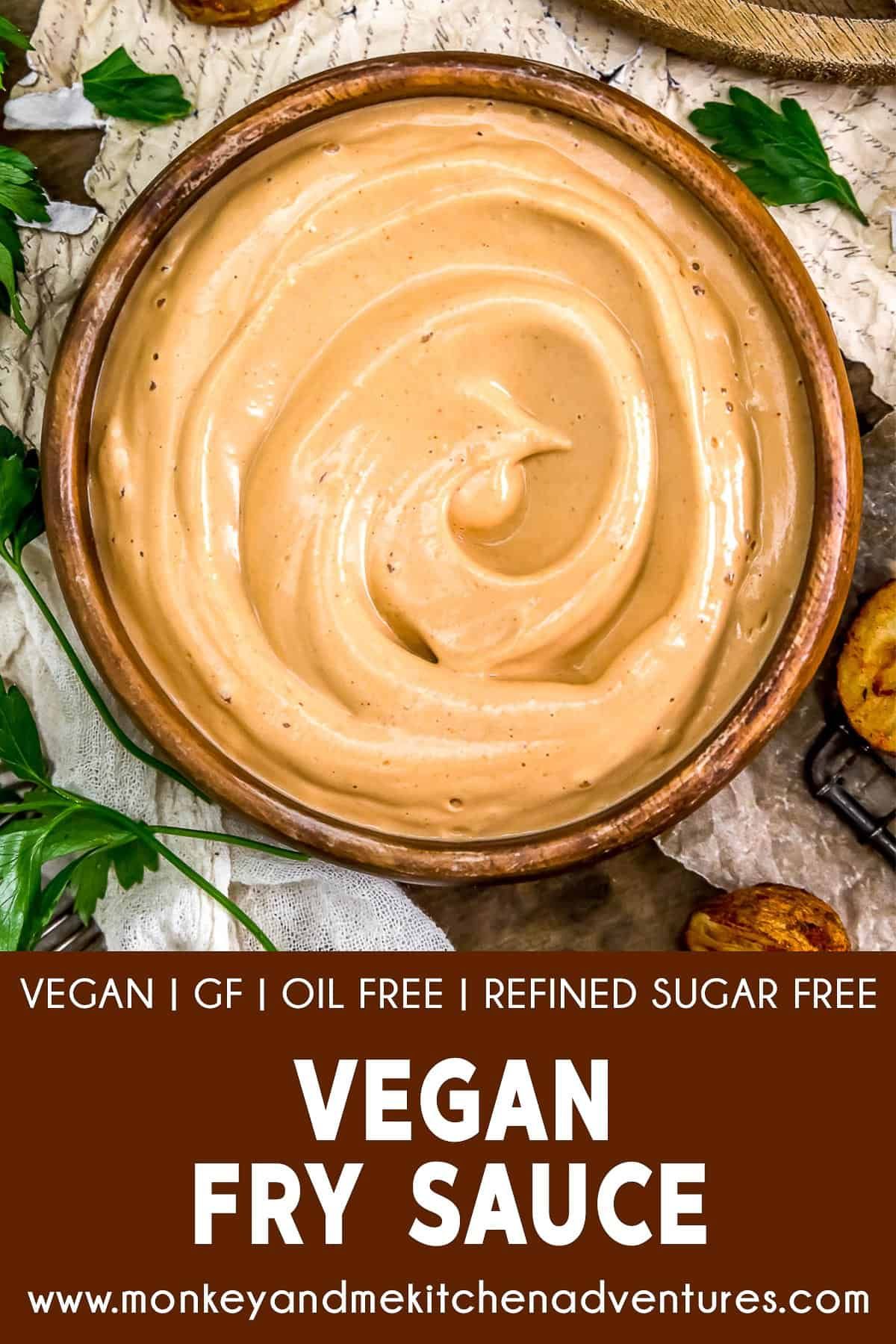
This post is about the full recipe, but honestly I make it simple! The complicated recipe comes lower on this page.
MY SIMPLY SAUCE
In handheld wand-blender CUP combine healthy (naturally sweetened, low salt, no oil) :
Ketchup
Mustard
Just a few cashews (presoaked)
Tomato paste
White vinegar
After blending add (for crunch) :
Dill pickle relish
Onion (fresh chopped)
That’s all! But if you want to see original recipe – read further.
*******
COMPLICATED SAUCE
Ingredients ½ cup (raw) cashews [I only use ¼ cup] 1 Tablespoon tomato paste ¼ cup + 1 Tablespoon distilled white vinegar 3 Tablespoons water 2 Tablespoons pure maple syrup ½ teaspoon reduced-sodium tamari ½ teaspoon garlic powder ¼ teaspoon sweet paprika ¼ teaspoon smoked paprika pinch to ½ teaspoon sea salt (+/-) [Add 2 teaspoons dill pickle relish after blender for crunch!]
Instructions * Place the cashews into a small bowl, cover with boiling water, set aside for 15 minutes, then discard the water and place the cashews into a high-speed blender.
* Add all the remaining ingredients into the high-speed blender with the soaked cashews.
* Blend on high until smooth and emulsified, scraping down the sides occasionally.
* Serve as a dipping sauce for fries. Also, it makes a spread for sandwiches.
Notes * Please reference the blog post for Tips for Success, Pantry Items Used, Storage and Freezing, and Kitchen Products Used.
* Sea Salt: Please adjust the sea salt based upon your family’s sea salt preferences and/or based upon dietary needs.
* Servings: Makes 1 cup
Nutrition Facts Serving Size 1 Tablespoon Serves 16 Amount Per Serving Calories 33 % Daily Value* Total Fat 2g, 3% Cholesterol 0mg, 0% Total Carbohydrate 3.3g, 1% Dietary Fiber 0.2g, 1% Protein 0.7g, 1% Iron 2%
**Dr. Peter Rogers (Radiologist) — His Views on Back Pain**
**Who he is** Peter Rogers, MD, is a radiologist trained in interventional radiology and neuroradiology. He has worked extensively with spinal imaging and spinal injection clinics, and he has written several audiobooks on back-pain mechanisms and treatment.
**His central idea: back pain is often ischemic** Rogers believes that the most common root cause of back pain is *ischemia*—insufficient blood flow to the spine, especially the discs. He argues that standard models over-focus on “pain generators” such as a specific disc herniation, instead of looking at the overall vascular health of the spine.
**Atherosclerosis as a driver of degeneration** He suggests that plaque buildup in the abdominal aorta can reduce blood flow to lumbar arteries. Over years, this reduced perfusion may cause multilevel disc degeneration, making discs weaker and more likely to bulge or herniate.
**Degenerative cascade** From this ischemia, he explains:
* discs lose strength and height * bone spurs and stenosis can develop * associated findings like Schmorl’s nodes or ligament ossification can appear
**Lifestyle and treatment principles he emphasizes**
* **Walking**: promotes gentle compression/decompression, helping nutrient exchange in discs. * **Diet**: prefers a plant-based diet to reduce atherosclerosis and improve blood flow. * **Less sitting**: prolonged sitting may worsen ischemia and trigger pain when one stands again.
**His diagnostic philosophy** Rogers emphasizes stepping back and considering whole-spine and whole-body contributors—especially vascular—rather than only reading isolated MRI abnormalities.
**Context and limitations**
* His model is not the mainstream explanation for most back pain. Evidence is interesting but not yet supported by large clinical trials. * Many of his explanations appear in audiobooks and practitioner-oriented material rather than peer-reviewed journals. * Broader clinical guidelines warn that early imaging does not always improve outcomes and that many MRI findings do not correlate with pain. * His lifestyle advice (walking, less sitting, plant-based diet) is generally low-risk, but its effect on spine ischemia specifically is still a developing idea.
**Balanced take** Rogers offers a useful perspective: focusing on vascular health may explain certain patterns of degeneration and pain that don’t fit traditional mechanical models. Still, his approach is best used as a complementary framework alongside standard clinical evaluation.
Research has found that one specific spice may have profound effects on metabolic health.
Black cumin, known as Nigella sativa or black seed, is used in many Middle Eastern and Indian dishes like curries and naan. It’s also found in some baked goods and spice blends.
½ cup Grape-Nuts cereal ½ cup rolled oats ¼ cup nuts (almonds, walnuts, pecans — your choice) 6–7 pitted Medjool dates 1 tsp vanilla extract (or ½ tsp vanilla bean powder) 1–2 tsp water if needed
½ cup unsweetened chocolate ½ cup plant milk 6 tbsp date sugar
INSTRUCTIONS
Crust: 1. Add Grape-Nuts, oats, and nuts to a food processor; pulse until the texture is coarse but even. 2. Add dates and vanilla; blend until it begins to stick together. 3. If it still seems crumbly, add 1–2 tsp water and pulse again. 4. Press firmly into a parchment-lined pan (8×8 or similar). 5. Chill while preparing the pumpkin layer.
Pumpkin: 1. Blend all ingredients until completely smooth. 2. Spread evenly over the prepared crust. 3. Bake at **350°F (175°C)** for about **25–30 minutes**, or until the center is set and the edges look slightly dry. [I baked it for an hour to get pumpkin to set.] 4. Let cool completely before adding the chocolate layer.
Chocolate: 1. Melt chocolate with plant milk over low heat or in a double boiler. 2. Whisk in date sugar until dissolved and smooth. 3. Spread gently over the cooled pumpkin layer. 4. Chill until firm.
TO SERVE
Refrigerate at least 2–3 hours (overnight preferred). Slice and serve chilled.
If perfect cuts desired, chill in freezer 15 minutes before cutting w/ chef’s knife.
Gena O’Kelley and Chuck Norris. CREDIT: Chuck Norris/Instagram
Here a fully vegan food list that mimics the benefits of Chuck Norris’s supplement (stress support, gut health, energy, and overall resilience) generated by AI.
A one-week grocery plan designed around versatile, repeatable foods so you can enjoy them daily without boredom.
Weekly Vegan Grocery List
Whole Grains & Energy Base
Oats – 7 cups (1 cup/day for oatmeal)
Quinoa – 3 cups (cooked)
Brown rice – 3 cups (cooked)
Soba noodles (100% buckwheat) – optional for a little variety
Legumes & Protein
Lentils – 2 cups dry
Chickpeas – 2 cups dry or 4 cups cooked/canned
Black beans – 2 cups dry or 4 cups cooked/canned
Tofu – 14 to 21 ounces (2–3 servings/day)
Tempeh – 7 to 10 ounces (1 serving/day)
Soycurls – ~2 cups dry (rehydrates to ~4–5 cups cooked; use 2–4 servings/week)
Leafy Greens & Vegetables (Stress & Minerals)
Spinach – 7 cups (1 cup/day)
Kale – 7 cups (1 cup/day)
Broccoli – 7 cups
Bell peppers – 5 to 7
Carrots – 5 to 7
Mushrooms (shiitake, maitake, oyster) – 5 to 7 cups
Turmeric – 1 to 2 teaspoons/day (fresh or powdered)
Ginger – 1 to 2 teaspoons/day
Cinnamon – 1 to 2 teaspoons/day
Extras
Dark chocolate 70%+ – 3 to 4 squares/day (choose very low fat)
Soy milk or oat milk – 7 cups (for drinks and oatmeal)
Lemon – 2 to 3 (for dressing and flavor)
Note: Soycurls can be used anytime as a protein substitute for tofu or tempeh—rehydrate 10 minutes and season.
Daily Eating Framework
**Morning:**
* Oatmeal with chia seeds, berries, cinnamon, and almond butter * Soy milk or kombucha
**Lunch:**
* Quinoa and lentil salad with kale/spinach, avocado, and pumpkin seeds * Side of fermented veggies like sauerkraut or kimchi
**Snack:**
* Dark chocolate with a banana or apple * Handful of almonds
**Dinner:**
* Stir-fried tempeh or tofu with mushrooms, broccoli, and bell peppers over brown rice * Season with turmeric and ginger
**Evening:**
* Warm oat milk with cinnamon * Tart cherries
—
This plan naturally covers the benefits you usually get from supplements:
* Stress support through leafy greens, nuts, seeds, berries, and avocado * Gut health with fermented foods, miso, and kombucha * Energy and protein from legumes, tofu/tempeh, and grains * Anti-inflammatory boost from turmeric, ginger, and dark chocolate (choose very low fat)