Recipe (w/ video time references)
Ingredients:
* Large onions (2) (2:05)
* Large potatoes (4), cut into 1/4 or 1/8 inch slices (2:50)
* Large red bell peppers (2), sliced (3:29)
* Fresh chopped garlic (6 cloves) (4:13)
* Large bunch of greens (Swiss chard, kale, beet greens, or spinach) (5:00)
* Large round tomatoes (3), sliced (4:43)
* Vegetable broth, no sodium (1 1/2 cups) (7:12)
* Smoked paprika (1 tablespoon) (7:22)
* Dried oregano (1 teaspoon) (7:26)
Instructions:
1. Prepare the base: In a 9×13 inch pan, spread a layer of sliced onions (2:11).
2. Add potatoes: Place a layer of thinly sliced potatoes over the onions. The video uses enough for at least two to three layers in total (2:33).
3. Layer with bell peppers: Add a layer of sliced red bell peppers (3:43).
4. Incorporate garlic: Sprinkle a couple of heaping teaspoons of chopped garlic (4:13).
5. Add greens: Create a layer with a large bunch of greens (5:00).
6. Add tomatoes: Place a layer of sliced tomatoes (5:25).
7. Repeat potato layer: Add one more layer of thinly sliced potatoes to cover everything (5:45).
8. Top with remaining ingredients: Spread the remaining onions and any leftover chopped garlic on top (6:36).
9. Prepare the liquid: In a separate bowl, mix 1 1/2 cups of no-sodium vegetable broth with 1 tablespoon of smoked paprika and 1 teaspoon of dried oregano (7:12). Pour about 3/4 to 1 cup of this mixture over the casserole (7:46). Save any leftover liquid for mashed potatoes if making them (7:52).
10. Cover and bake: Cover the pan with parchment paper first, ensuring the foil doesn’t touch the food, then cover with foil (8:08).
11. Preheat and bake: Preheat the oven to 375°F (8:28) (or up to 400°F). Bake for 1 hour (8:45).
12. Uncover and finish baking: After 1 hour, remove the foil and parchment paper. Return the casserole to the oven, uncovered, for another 20 minutes, or until the top is nicely browned and bubbling (15:22).
13. Cool and serve: Let the casserole cool down for 20-30 minutes before serving (15:49).
Month: February 2026
Dr. Rogers’ New Book
https://a.co/d/098NQwZm
ABOUT THE AUTHOR
Peter Rogers is a Stanford, Northwestern, Harvard educated MD, expert for improving performance in school, sports, and health.
Featured on “Chef AJ” you tube 1-9-2022.
To sample, you can listen to audible book previews [on his YouTube channel] or watch videos at you tube channel “Peter Rogers MD,” with 85 videos as of January 2022.
The way to become great at most things is study what the experts do, and then apply this to yourself.
The average chump looks for the “standard” way. The great achiever looks for the “best” way.
Why settle for the way of the 50th percentile, when you can take the path of the 99.999th percentile?
High school varsity athlete starters are 99% in performance. To excel at the college level 99.9 or 99.99% performance. Pro 99.999%.
To achieve excellence it helps to pursue perfection. Lots of performance secrets are discovered in studying the difference between 99 and 99.999% level performance.
By aiming for optimal performance, you usually get A level performance.
Most students focus on “grades” and they end up frustrated with B’s and C’s. Best students focus on “learning,” and the grades take care of themselves.
If you want to get an A+ in biology, yes of course, you need to memorize stuff; everyone does that. You should explore what it’s like to become a biologist. When you tell yourself that you might want to become a biologist, you remember more. Talk to people who know the subject. Read about controversies in the field. Go birdwatching.
It’s like learning Spanish. If you just memorize grammar questions, you will never learn Spanish. If you try to learn how to understand the language, by reading bilingual fairy tales, listening to self help audiobooks, or converse with a friend; this will seem like a lot of work at first. However, you will acquire the language, and dominate the subject. You will far surpass all the other students.
Imagine you are attracted to a lady, and you call your friend to talk about her; you describe how she looks, how she talks, how she interacts with others, how she thinks.
Try to feel that kind of emotional attraction to a science class, and you will be great at it!
Best students have conversations about topic, and can articulate nuance.
Average students just memorize for tests and never develop deep understanding or ability to converse.
Fast ways to improve life for yourself or someone you care about:
1. Great study skills are worth 30 IQ points for academic performance. It’s easy to increase IQ if you focus on the individual components.
2. We are smartest in the morning because the glymphatic system cleans our brains at night. Neurons pump out their waste products like Victorians emptying their chamber pots. Blood brain barrier permeability is increased and CSF rinses away the waste. Ghrelin also makes you smarter. A hungry animal needs to be smart to find food.
3. We are stupidest at night after a big dinner. A well fed animal does not need to be smart.
4. Exercise, sleep, time management, dedicated effort and plant based diet improve cognitive performance.
5. The best fuel is starches because takes time for gut to remove fiber which leads to a GRADUAL absorption of glucose. Keeps blood glucose in normal range for a prolonged time so you feel good; energetic and mentally sharp. Starches include oatmeal, potatos, sweet potatos, rice, beans, whole grain bread, whole grain cereal, squash.
6. Stunk and bite me is just a warm up. Advanced writing skills include rhetoric, understanding joke anatomy, punctuation pacing, phonetic features, metaphor, seduction, sentence variety. Only 1 in 10,000 persons knows how to write well.
7. Secret of foreign language learning is communication, not grammar. No one learns L2 from a grammar approach.
8. Best weight lifting exercises are high rep squats (like Tom Platz) with safety squat bar in a squat rack. The high reps optimizes use of ATP, creatine, anaerobic glycolysis and muscle glycogen. Getting older does not have to mean fatter, weaker and stupider.
9. Vegan diet optimizes bodyweight, cognitive function and potency and prevents diabetes and atherosclerosis (heart attacks, strokes, degenerative disc disease, ischemic spine disease, vascular cognitive impairment, HTN). Super agers = plant based diet, daily exercise, help others…
10. Sweet foods like bananas and beet juice are good for a preworkout meal before lifting weights. However, sweets tend to lead to rebound hypoglycemia which the body senses as starvation and releases triglycerides (fats) into the blood. Cognitive performance is impaired. Persons often respond by drinking caffiene and eating more sweets leading to a roller coaster blood glucose curve resulting in obesity. Other than for preworkout meal, sweets should be avoided.
Students should be trained in academics like athletes are trained in their sport and performance on standardized tests is an indicator of how well an academic athlete is trained.
“Straight A at Stanford and on to Harvard” is relatively unique in that it helps you to develop the skills of learning and thinking. Methods for increasing the speed of learning and retention of information are discussed.
Peter started out as one of the worst students in all his classes at Stanford and went on to become one of the best. He studied the methods of the best students, read all the books on memory and learning techniques and developed his own methods.
In this book, he summarizes 30 years of experience in academic performance optimization.
Peter was recruited to Stanford as an athlete and then got injured and recycled himself into becoming a great student. His coaches were the World and Olympic Champion Schultz brothers, Mark and Dave who are featured in the new movie Foxcatcher.
Peter analyzed what makes athletes great and then adapted this to academics. Dr. Rogers is also a neuroradiologist and has incorporated his knowledge of neurophysiology into optimizing academic performance.
Peter earned the Student Athlete of the Year Award as a college student at Stanford and then went on to earn 99% board scores while at the University of Illinois Medical School and again 99% while a resident at Northwestern.
He then did an imaging guided surgery (interventional radiology) fellowship at Harvard and a neuroradiology fellowship at Rush.
He has been diligently studying the science of learning, memory, brain processing speed, teaching, nutrition, and performance optimization for the past 25 years.
Each individual method makes you a a little bit better student, but in aggregate, they make you a much better student.
Dr. Rogers clinical work and teaching includes neuroscience, atherosclerosis, prevention of dementia, treatment of back pain, nutrition, weight loss, and optimization of cognitive performance and of athletic fitness.
Feb 27, 2026 of Low-SOS Vegan Plan

(This blog began 3/15/2015)
MEDITATION:
* Read God’s promises for health
* C. Capps podcast
EXERCISE:
* Rebounding outdoors
* PT APP workout
–lower body stretch/stengthening
* Ab-Coaster
WATER:
(2) × (32) = 64 oz (+)
EATS:
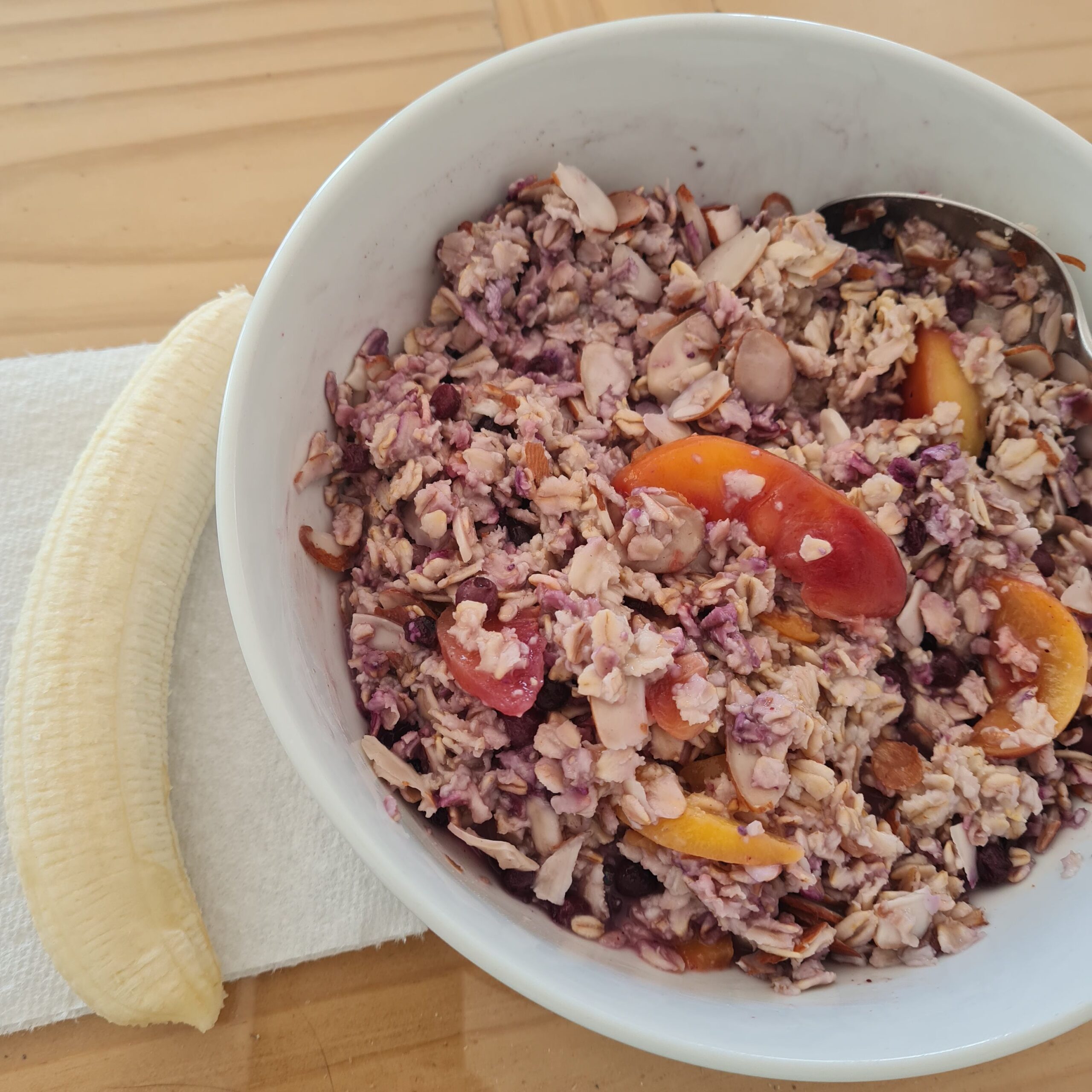
* oatmeal w/ blueberries, peach, sliced raw almonds & banana
* extra-thin slice of mushroomi breakfast patty
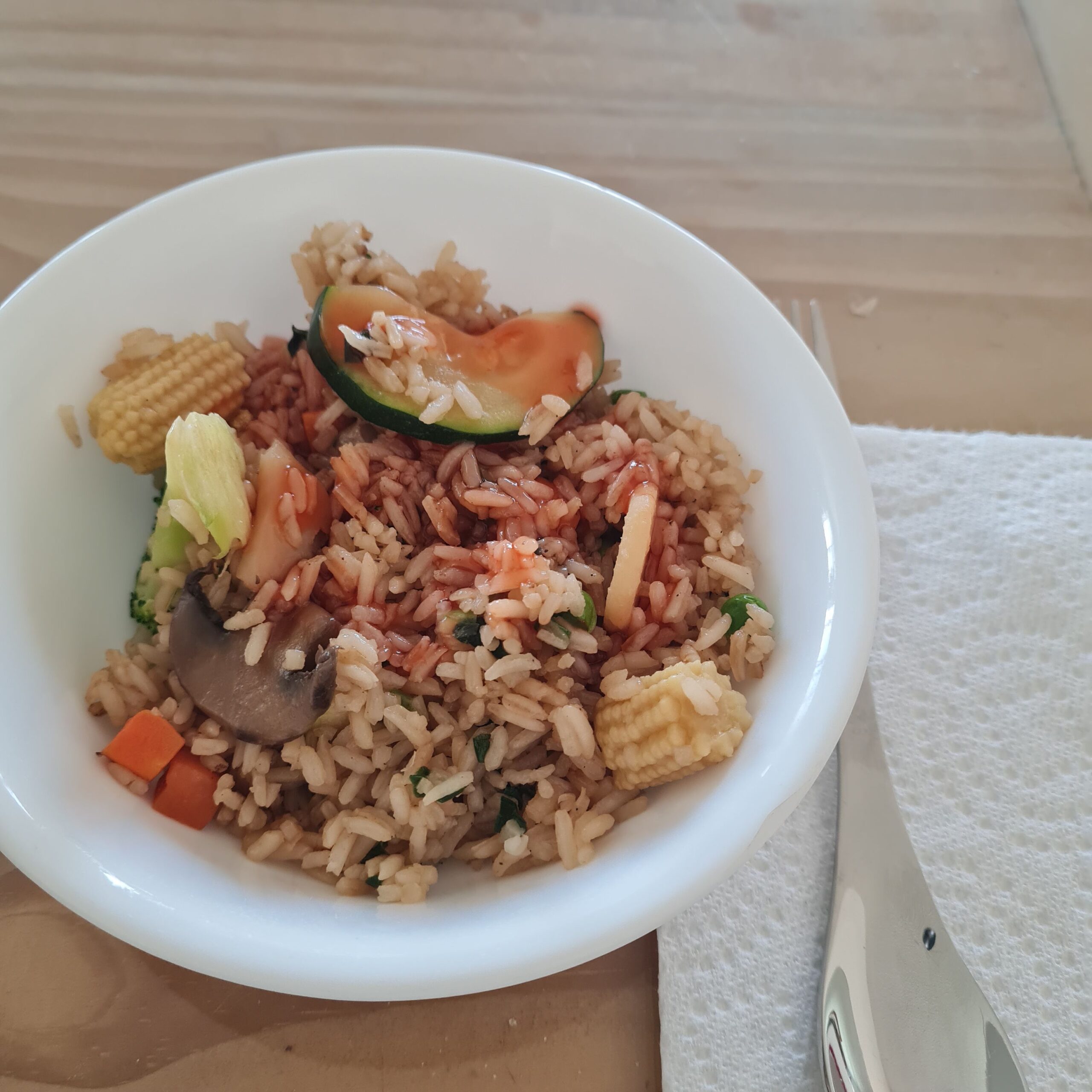
* veggie “fried” rice
… SUN HAS SET …
* leftover ramen soup w/ massive amounts of veggies
Cmmt: XL indicates uncommonly excessive food, and wautéed means water-sautéed
The EASIEST Sourdough Loaf Ever!
Feb 26, 2026 of Low-SOS Vegan Plan
(This blog began 3/15/2015)
MEDITATION:
* Read God’s promises for health
* C. Capps podcast
* Nothing But Bible
EXERCISE:
* Rebounding outdoors in sunshine
* PT APP workout
–lower body stretch/stengthening
WATER:
(2) × (32) = 64 oz (+)
EATS:
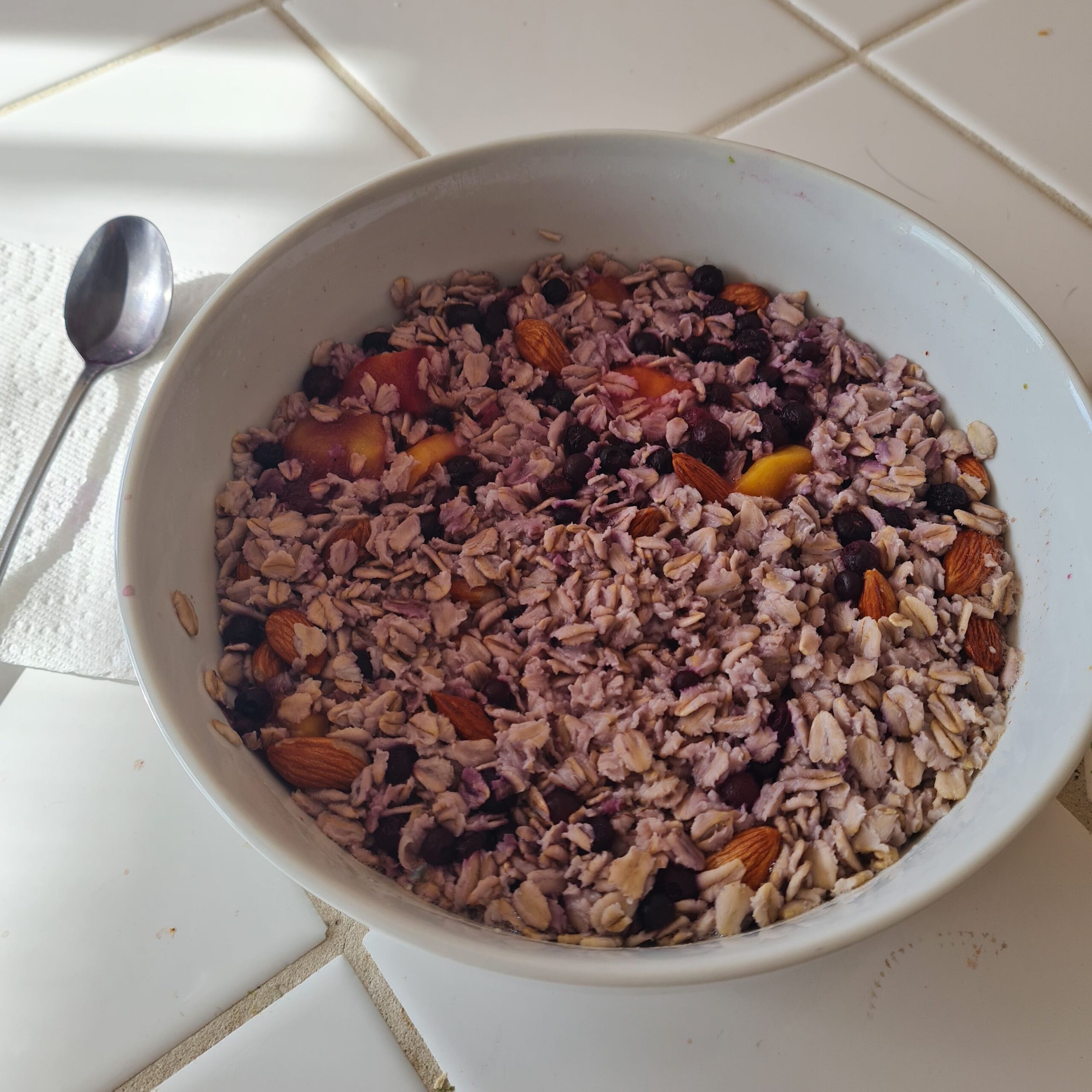
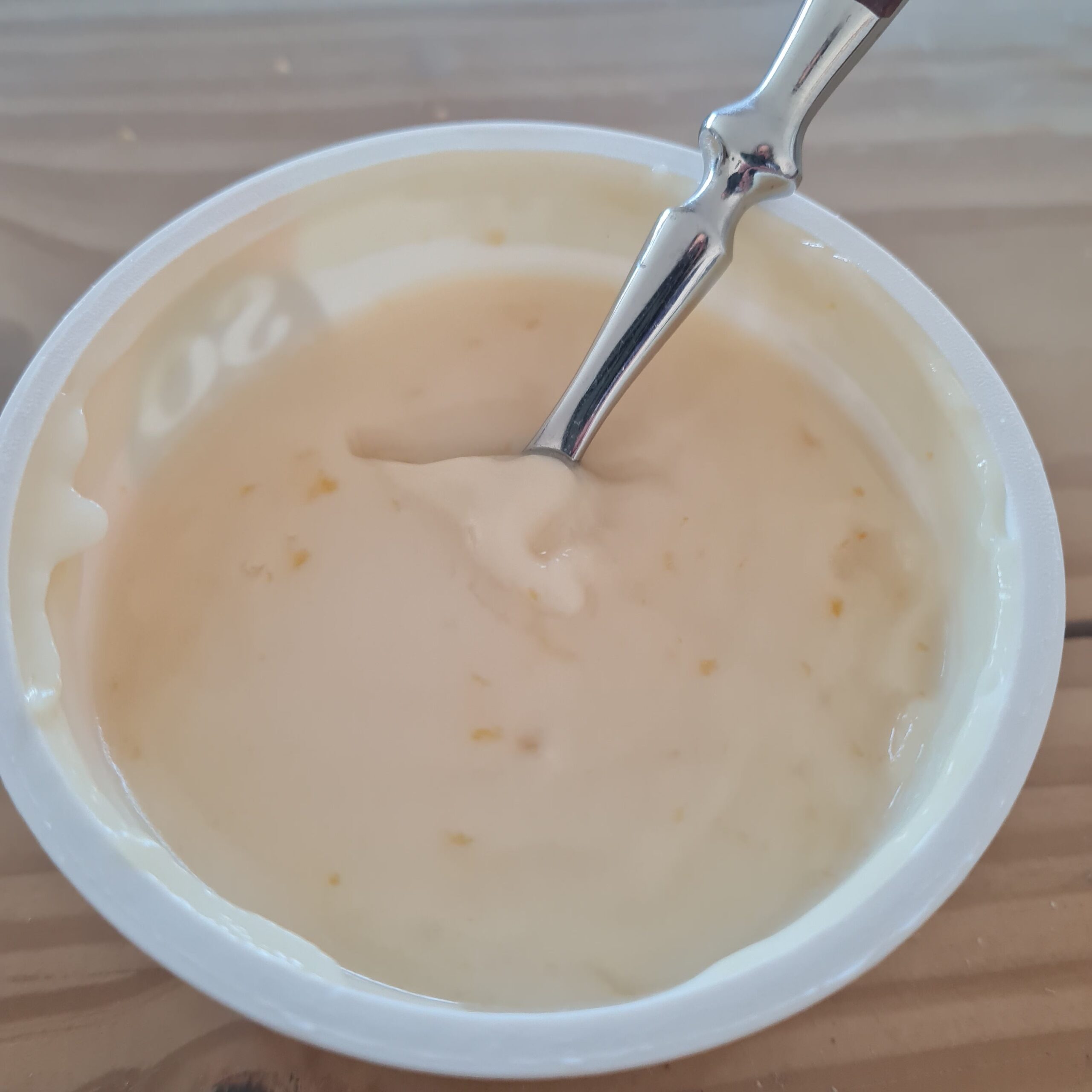
* oatmeal & banana
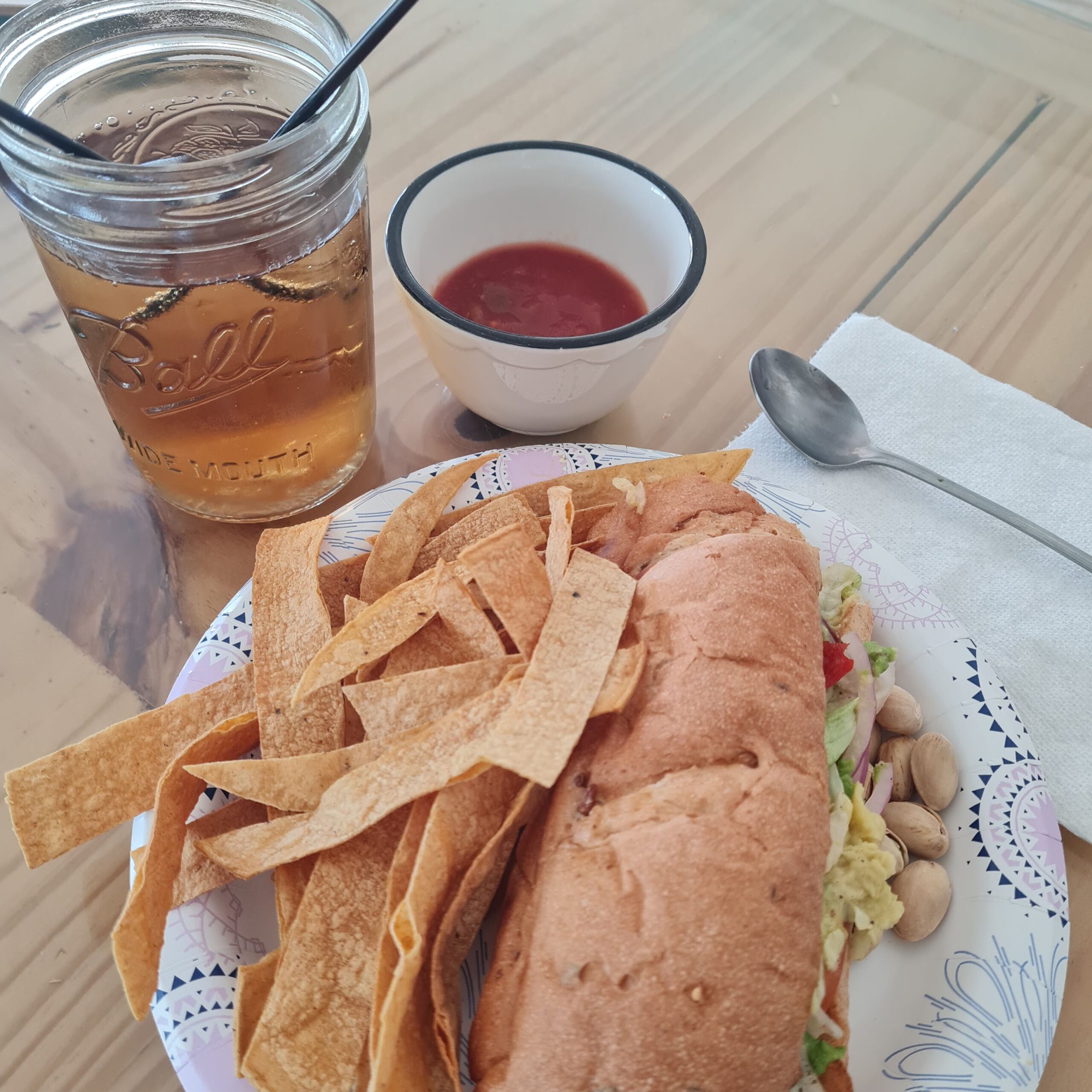
* veggie subway sandwich w/ airfried oil-free corn tortilla strips & few pistachios
* ramen soup w/ massive amounts of veggies
… SUN HAS SET …
Cmmt: XL indicates uncommonly excessive food, and wautéed means water-sautéed
4 practical moves for seniors #seniorfitness
The “Second Heart”
26 Feb 2026
By EMILY JOSHU STERNE, US SENIOR HEALTH REPORTER
The heart, brain, liver, lungs and many more organs are essential to the body’s survival and living a long, healthy life.
But experts believe an unlikely muscle you most likely only think about on leg day could be the key to understanding longevity: the calf muscle.
Located on the back of the lower leg and reaching from just below the knee to above the heel, the calf muscle supports mobility and stability, helping to point the toes and propel the body in walking and running.
Recent research has even shown that not using this muscle may increase the risk of heart issues like blood clots.
When the heart pumps, it sends oxygen-rich blood to every part of the body, including the legs. However, sending blood up the body back to the heart takes more effort than a single pump, therefore it needs a boost.
Moving the calves compresses deep veins, which sends blood back up against gravity toward the heart. This is crucial for preventing blood clots and keeping the heart from becoming strained.
Additionally, the size of the calves serves more than for just aesthetic purposes. Having a more muscular calf is seen is a strong indicator of physical performance and means of preventing muscle decline, also known as sarcopenia.
Affecting 10 to 16 percent of the elderly worldwide, sarcopenia has been associated with a significantly higher risk of death, with some studies estimating over 300 percent added risk.
The key to caring for the second heart is similar to that of caring for your actual heart – movement.
The Physical Activity Guidelines for Americans recommend getting at least 150 minutes of moderate exercise or 75 minutes of vigorous exercise each week, along with muscle-strengthening workouts at least twice per week.
Running, walking, jumping rope and doing seated or standing calf raises can help strengthen the calves and promote regular movement.
While moving the calf muscle causes one-way valves inside the leg veins to open and push blood up to the heart, relaxing it closes that valve and prevents the heart from getting that blood.
Sitting or standing still for long periods of time then causes pressure to build up in those veins, damaging valves over time and causing blood to pool in the legs.
That sluggish blood allows blood cells to stick together, forming clots in the deep veins, leading to deep vein thrombosis (DVT).
Striking up to 900,000 Americans every year, DVT can result in blood clots in the veins breaking loose and traveling through the bloodstream to the lungs, blocking blood flow.
Blood clots in the lungs, known as pulmonary embolism, can lead to permanent organ damage, and about one in three of people with an undiagnosed and untreated pulmonary embolism die.
The CDC estimates 100,000 to 200,000 Americans die of a pulmonary embolism each year.
As for the size of the calf muscle, a recent study of 63,000 adults found that for each 1cm (0.4 inches) increase in calf circumference, the risk of death was reduced by five percent.
In another study, led by researchers at the Catholic University of Sacred Heart in Italy, scientists discovered that calf circumference was directly linked to strength elsewhere in the body.
They evaluated the relationship between calf circumference and frailty, physical performance, muscle strength, and functional status in people 80 and older. The team found physical performance and muscle strength ‘significantly improved’ as the calf circumference increased.
They also measured the frailty of participants by grading them based on their walking speed, strength, weight, energy levels and levels of exhaustion. When the frailty grades were matched with calf circumference, they found the ‘frailty index score was significantly lower among subjects with higher calf circumference.’
The experts concluded that their findings support the notion that calf circumference can be an indicator of muscle mass, and potentially strength and overall fitness.
In addition to exercise to strengthen the calf muscle, compression socks can help prevent circulation issues in the legs linked to DVT and pulmonary embolism.
Feb 25, 2026 of Low-SOS Vegan Plan
(This blog began 3/15/2015)
MEDITATION:
* C. Capps podcast
* Biblical Research Institute
* Nothing But Bible
EXERCISE:
* Campus outdoor walk-about 25 minutes
* PT APP workout
–lower body stretch/stengthening
WATER:
(2) × (32) = 64 oz (+)
EATS:
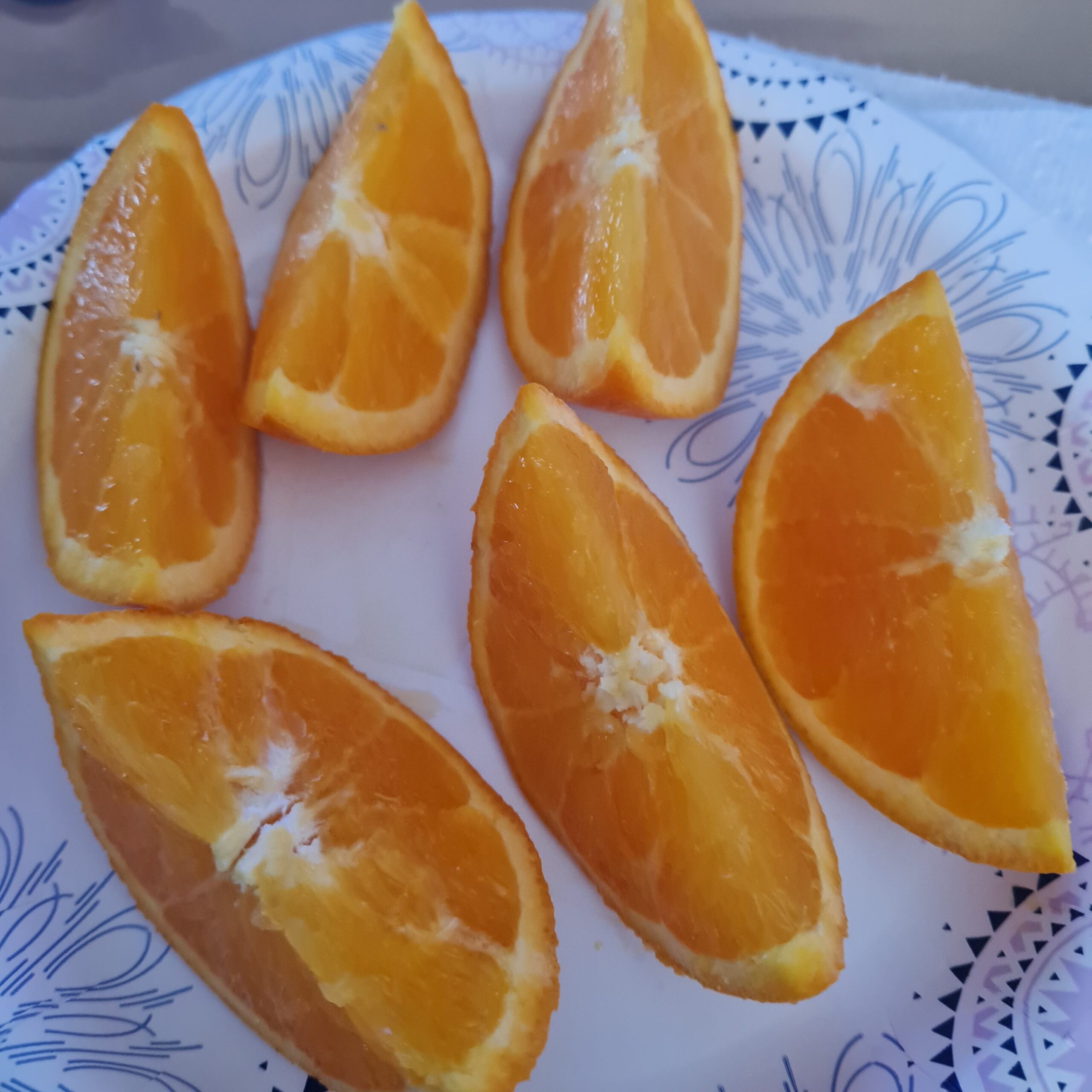
* banana & sliced oranges
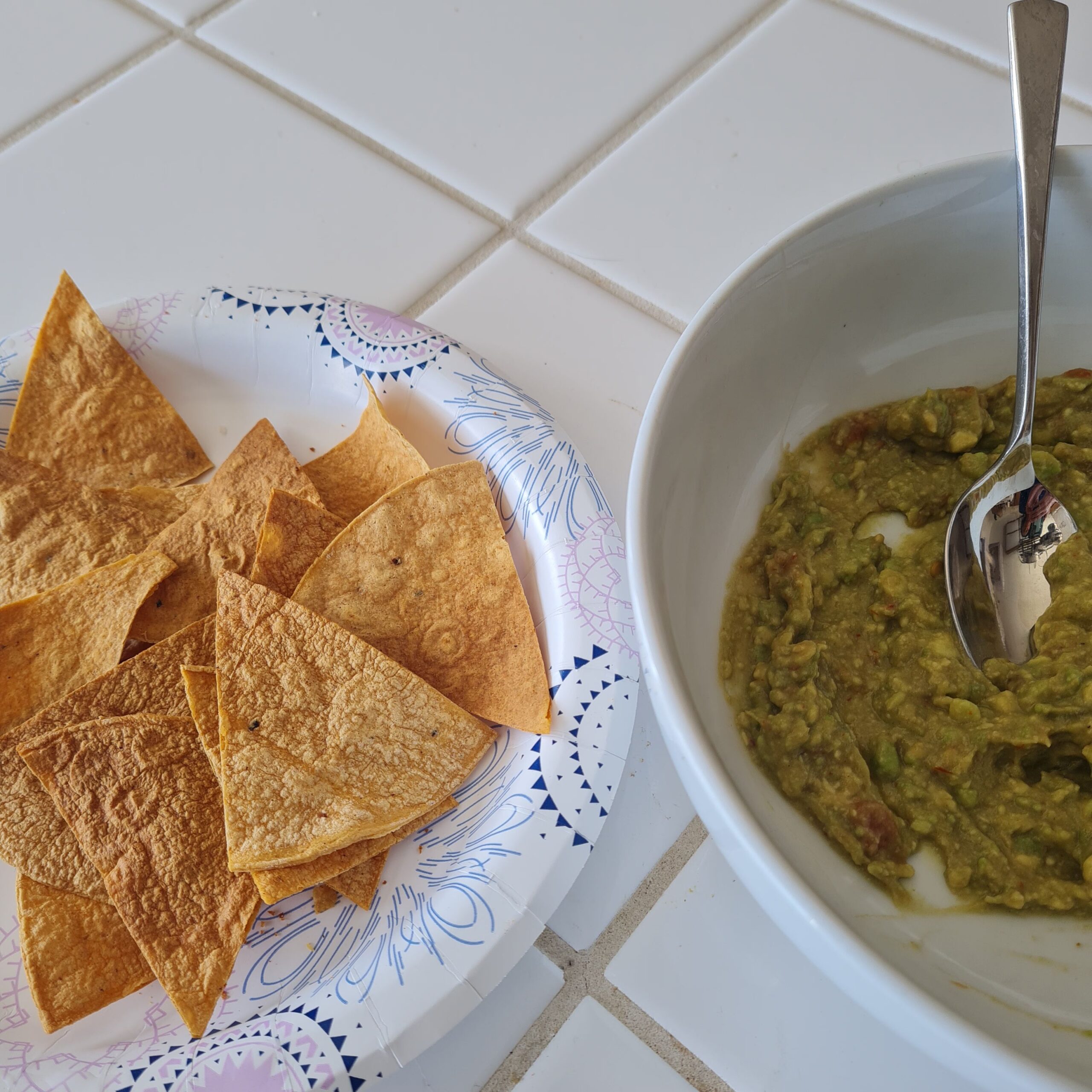
* airfried oilfree organic corn tortillas w/ guacamole (avocado + salsa)
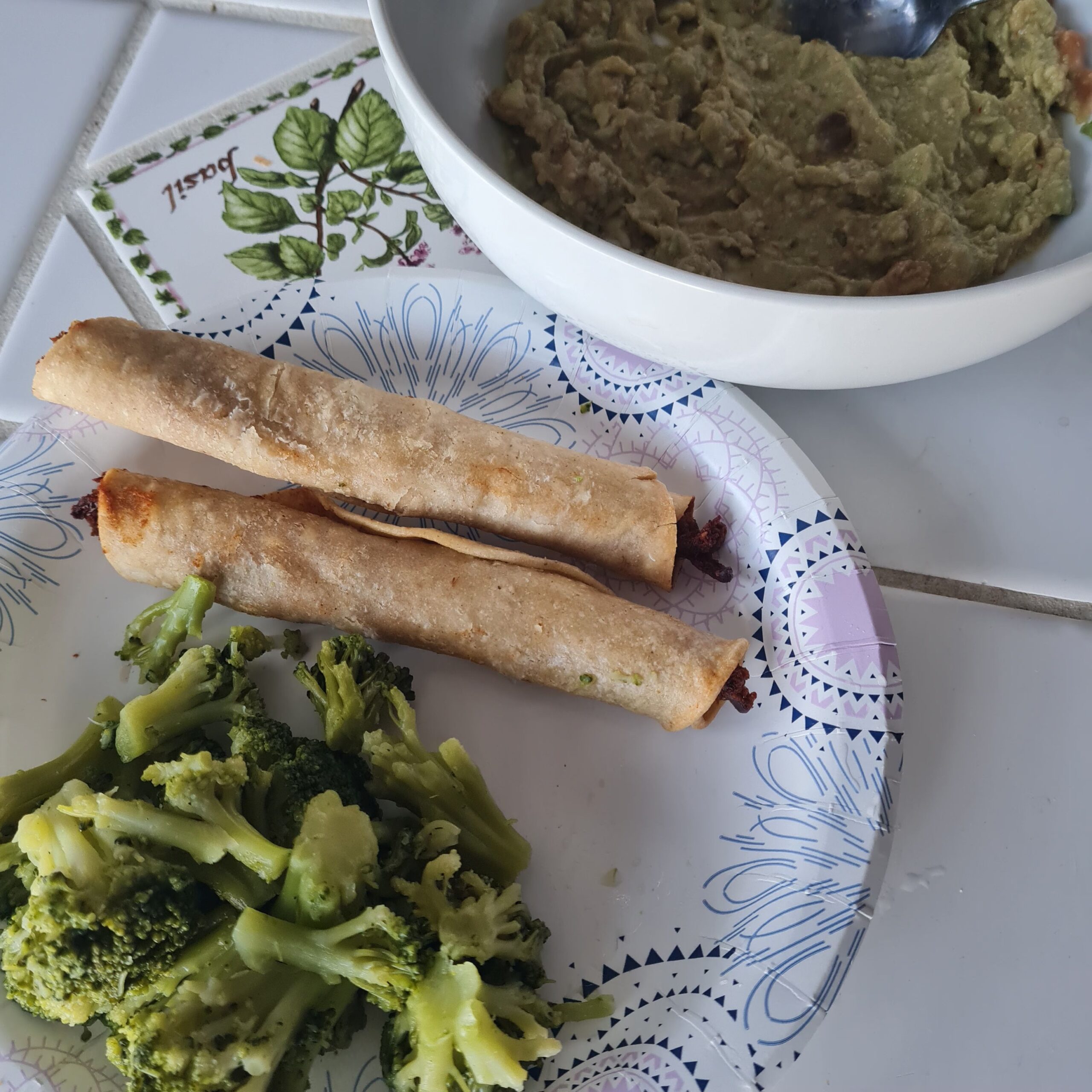
* mushroom taquitos, steamed broccoli & guacamole
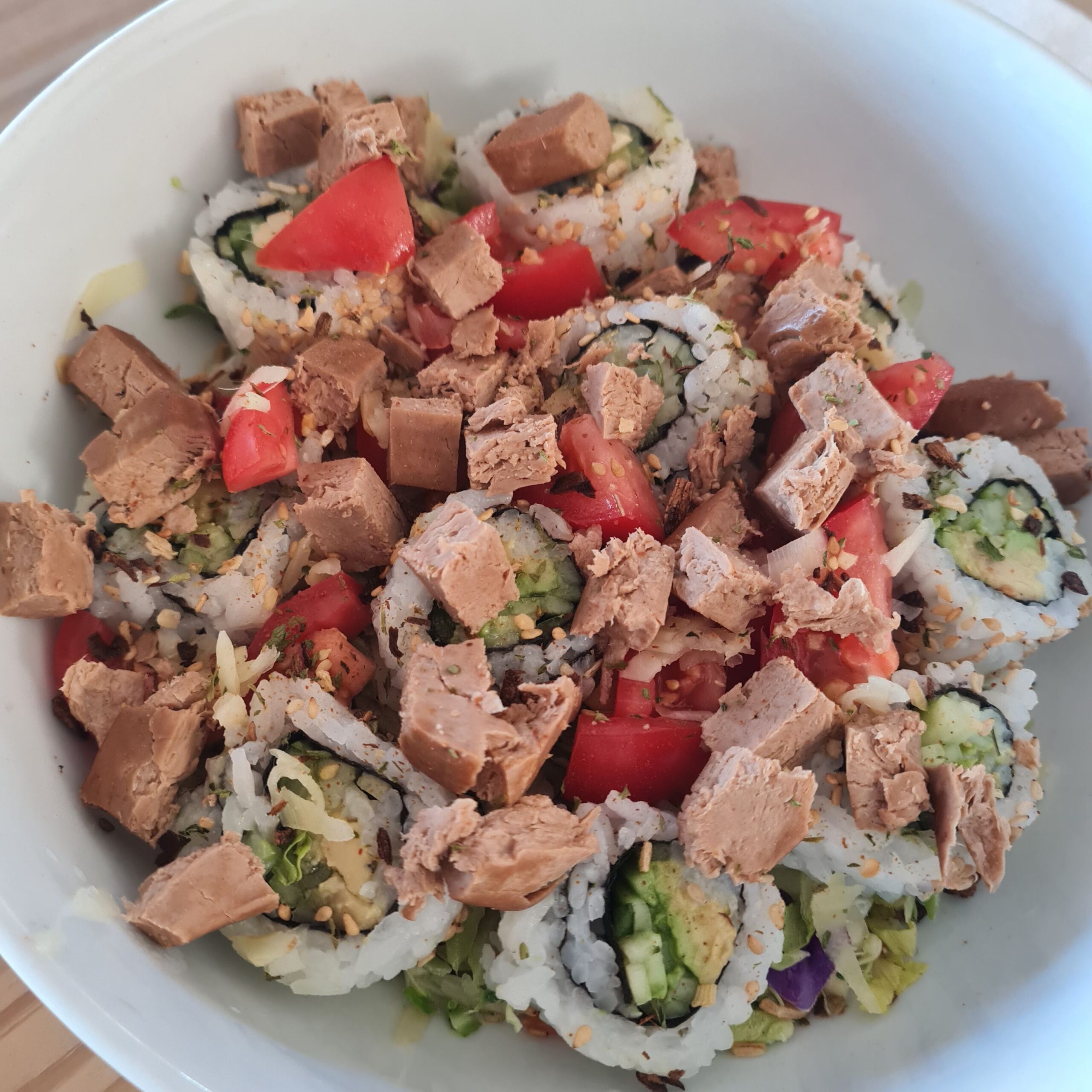
* chopped cruciferous gorilla salad w/ tomato, veggie sushi (rice, carrot, avocado), Meati mushroomi patty (grilled & chopped), all dressed w/ unsweetened rice vinegar
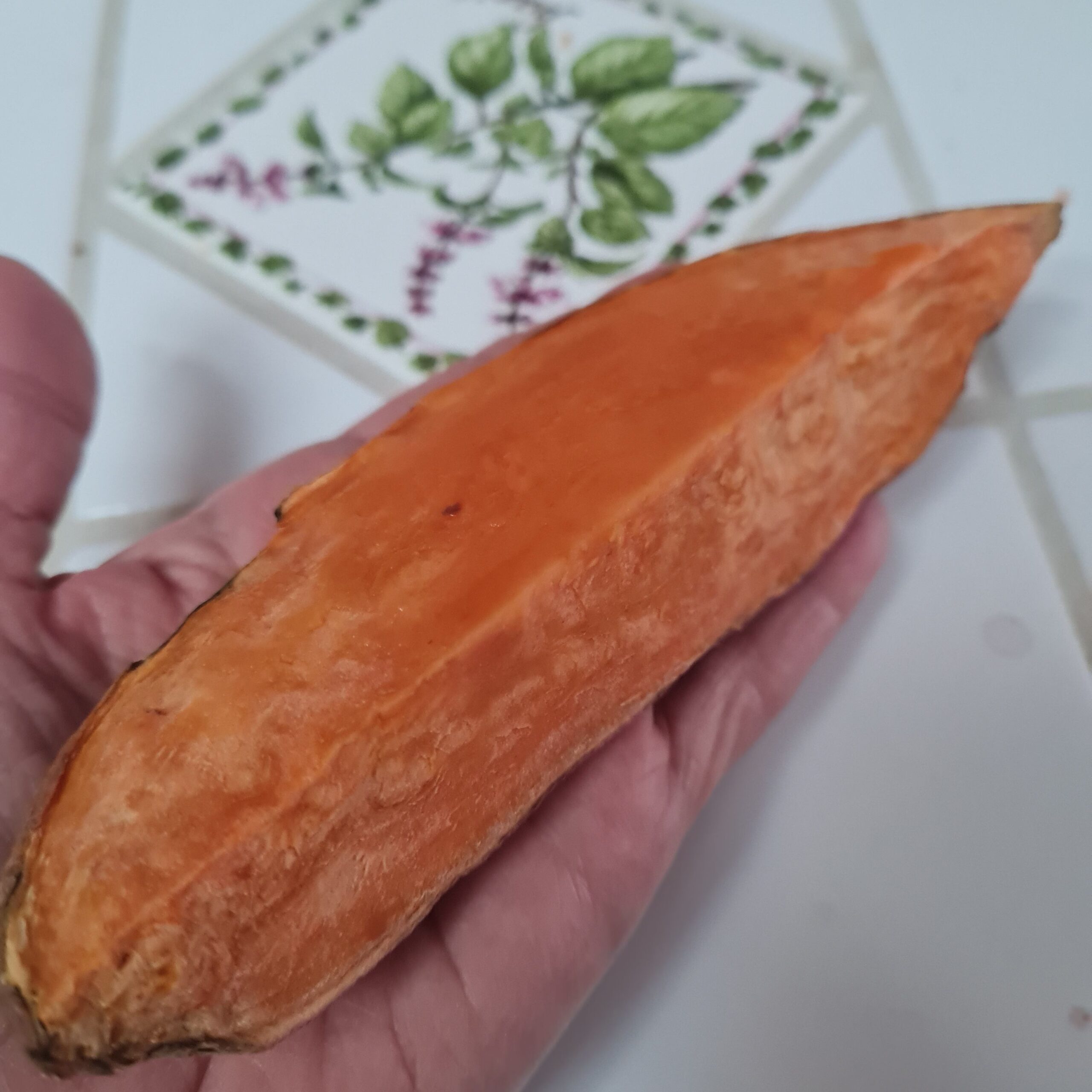
* simple baked sweet potato wedge (naked, no dressing & delish!)
… SUN HAS SET …
* few pistachios
Cmmt: XL indicates uncommonly excessive food, and wautéed means water-sautéed
Feb 24, 2026 of Low-SOS Vegan Plan
(This blog began 3/15/2015)
MEDITATION:
* K. Pop Hagin lecture
* C. Capps podcast
* Biblical Research Institute
EXERCISE:
* Campus outdoor walk-about 25 minutes
WATER:
(2) × (32) = 64 oz (+)
EATS:
* 9 grain sourdough avocado toast
* arroz con frijoles, shredded carrot, chopped kale y soycurl-pollo
* sliced oranges
… SUN HAS SET …
Cmmt: XL indicates uncommonly excessive food, and wautéed means water-sautéed