Here is the list of baking soda
cleaning mixtures and uses featured in the video:
* With water [00:00]: Creates a thick paste that lifts burnt grease from oven doors instantly.
* With white vinegar [00:06]: Creates a foaming cleaner that clears stubborn sink drain clogs easily.
* With dish soap [00:1 2]: Creates a
powerful scrub that restores dirty
grout lines completely.
* With hydrogen peroxide [00:18]:
Creates a brightening blend that
erases yellow stains from tile grout.
* With lemon juice [00:25]: Creates a citrus paste that shines dull stainless steel sinks effortlessly
* With coarse salt [00:31]: Creates an abrasive mixture that removes rust spots from iron skillets.
* With warm water [00:38]: Creates a fresh rinse that neutralizes foul
refrigerator odors fast.
* With tea tree oil [00:45]: Creates a
natural deodorizer that freshens
smelly carpet fibers deep down.
* With rubbing alcohol [00:51]: Creates a quick-dry polish that wipes streaks off glass mirrors,
* With olive oil [00:58]: Creates a rich cream that removes sticky adhesive sticker residue clean off
* With liquid castile soap [01:04]
Creates a gentle cleaner that scrubs soap scum off shower glass
* With peppermint essential oil [01:10] Creates a fragrant powder that freshens dirty mattress fabric
thoroughly.
Category: Motivational
Essential Diet in Chronic Kidney Disease
Nov 5, 2020

Protect Your Kidneys with the Right Diet (Don’t Miss This Video)
Review: Renal Dietician Jen Moore on Kidney disease from Hidden History of Health & nutrition
Plant Based Diet in treating and preventing Chronic Kidney Disease
Let’s talk about an evidence-based approach to preventing and treating chronic kidney disease.
Sean Hashmi is a board-certified nephrologist, obesity medicine specialist, and internal medicine physician.
What are the ideal foods to eat to slow down kidneys from getting worse? More importantly, what are foods to limit or avoid to help lower your risk of having the kidneys get worse or even getting kidney disease in the first place?
0:00 Introduction
2:02 Chronic Kidney Disease Facts
5:18 Sodium
11:56 Potassium
15:06 Calcium
18:01 Phosphorous
22:12 Protein
32:53 Saturated Fat
33:23 Fiber
34:13 Sugar
35:31 Kidney Disease Diet
HOW TO PREVENT & REVERSE KIDNEY DISEASE by Peter Rogers
Dr. Peter Rogers writes books about disease prevention & reversal. Here is one of his latest:

PREVENT & REVERSE KIDNEY DISEASE
https://a.co/d/0gsuoz9q
He discusses the book on the following playlist:
https://m.youtube.com/playlist?list=PLSQq96qQTaaLnbjKVqBggixtnSmQ46tC6
When a person has both severe kidney disease and diabetes, Dr. Rogers’ standard “Rice Diet” (which relies heavily on white rice, fruit juice, etc) cannot be used because it would send blood sugar through the roof.
Instead, the strategy shifts to a strict, low-fat, low-protein, whole-food plant-based diet. The goal is to maximize insulin sensitivity with unrefined complex carbs while keeping the protein and phosphorus low enough to protect the kidneys.
Here is what a typical daily meal plan looks like under those exact constraints:
🌅 BREAKFAST
* Plain Oatmeal: Cooked in water (no milk or plant milks, which can be high in phosphorus).
* A Handful of Berries: Blueberries or strawberries provide antioxidants and sweetness without spiking blood sugar the way tropical fruits or juices do.
☀️ LUNCH
* Boiled or Baked Sweet Potatoes: High in fiber and complex carbohydrates, which burn slowly and keep blood sugar stable. (Note: If potassium levels are critically high, sweet potatoes may need to be boiled in water first to leach out the potassium).
* Steam-Sautéed Vegetables: A mix of low-potassium, low-protein veggies like zucchini, cauliflower, or cabbage, cooked entirely without oil.
🌆 DINNER
* Brown Rice or Quinoa: A moderate portion of unrefined grains for clean calories.
* Large Green Salad: Made with romaine lettuce, cucumbers, and radishes.
* Oil-Free Dressing: Fresh lemon juice or a splash of apple cider vinegar instead of oil or bottled dressings.
🚫 What is Strictly Avoided?
* No Added Fats or Oils: No cooking oils, nuts, seeds, or avocados. Dr. Rogers argues that fat is the root cause of diabetes because it blocks insulin from working.
* No Animal Products: Zero meat, fish, dairy, or eggs, as animal protein is too harsh on failing kidneys.
* No Processed Sugar or Refined Flour: No white bread, pastries, or juices that cause rapid glucose spikes.
*************
CREDENTIALS
Dr. Peter Rogers has a highly distinguished background in conventional medicine, excelling at top-tier institutions before shifting his focus toward lifestyle medicine and disease prevention. [1, 2]
His core credentials include:
🎓 Education & Academic Performance
* Stanford University: Graduated with a Bachelor of Science in Biology (awarded with distinction). While at Stanford, he was also the wrestling team captain and was named Student-Athlete of the Year. [3, 4]
* University of Illinois College of Medicine: Earned his Medical Degree (MD) and graduated as the class valedictorian (ranking 1st out of 333 students). [3, 4]
🏥 Medical Training & Fellowships
* Northwestern University: Completed his residency in Diagnostic Radiology, scoring in the 99th percentile on his medical board exams.
* Harvard Medical School (Brigham and Women’s Hospital): Completed a prestigious fellowship in Vascular & Interventional Radiology.
* Rush University Medical Center: Completed a second subspecialty fellowship in Neuroradiology. [1, 3, 5, 6]
💼 Professional Experience
* Board Certification: He is board-certified by the American Board of Radiology.
* Clinical Practice: He has over 30 years of experience working as an Interventional Radiologist and Neuroradiologist, diagnosing and treating advanced imaging cases (like blocked arteries, strokes, and brain conditions).
* Academic Appointment: He serves as an Assistant Professor at the Loyola University Chicago Stritch School of Medicine. [2, 3, 6, 7]
Dr. Rogers often mentions that his extensive background in imaging arteries (atherosclerosis) and brain tissue is exactly what led him to research how heavily diet and lifestyle impact physical organ decay. [1, 2]
[1] [https://www.drmcdougall.com](https://www.drmcdougall.com/education/star-mcdougall-stories/peter-rogers-md/)
[2] [https://vegsource.com](https://vegsource.com/portfolio-items/peter-rogers/)
[3] [https://www.linkedin.com](https://www.linkedin.com/in/peter-rogers-a53a294)
[4] [https://www.instagram.com](https://www.instagram.com/p/DVwI_Vskkl-/)
[5] [https://health.usnews.com](https://health.usnews.com/doctors/peter-rogers-526343)
[6] [https://www.doximity.com](https://www.doximity.com/pub/peter-rogers-md-94544be3)
[7] [https://www.healthgrades.com](https://www.healthgrades.com/physician/dr-peter-rogers-x47pr)
Neurosurgeon Explains How Scripture Predicted Modern Brain Science
In this video from Common Sense with Dr. Ben Carson, Dr. Ben Carson and neurosurgeon Dr. Lee Warren discuss the intersection of neuroplasticity and spiritual practice. They explore how modern brain science validates the biblical concept of “renewing the mind.”
Rewiring the Brain (0:00 – 1:26): Contrary to the older belief that the adult brain is “fixed,” Dr. Warren explains that our brains are capable of structural change throughout life. He notes that we can actively shape our brain’s neurochemical environment by intentionally changing our thoughts—a process he aligns with the biblical practice of “taking thoughts captive” (2 Corinthians 10:5).
Spiritual Healing and Research (1:42 – 3:16): The discussion references research by Dr. Andrew Newberg, which used functional MRI and spectroscopic imaging to study the effects of prayer and meditation on the brain.
Their research shows that regular spiritual practice can physically alter the brain, specifically citing that the hippocampus—the area responsible for emotional regulation, resilience, and peace—showed significant growth (22%) after six weeks of consistent practice.
This suggests that engaging in spiritual habits does not necessarily eliminate life’s hardships, but it does equip the brain to handle stress and trauma more efficiently.
Plantemus – Plant Based Program – The Secret Is In The Food!
Take a read:
Which Are Best for Weight Control?
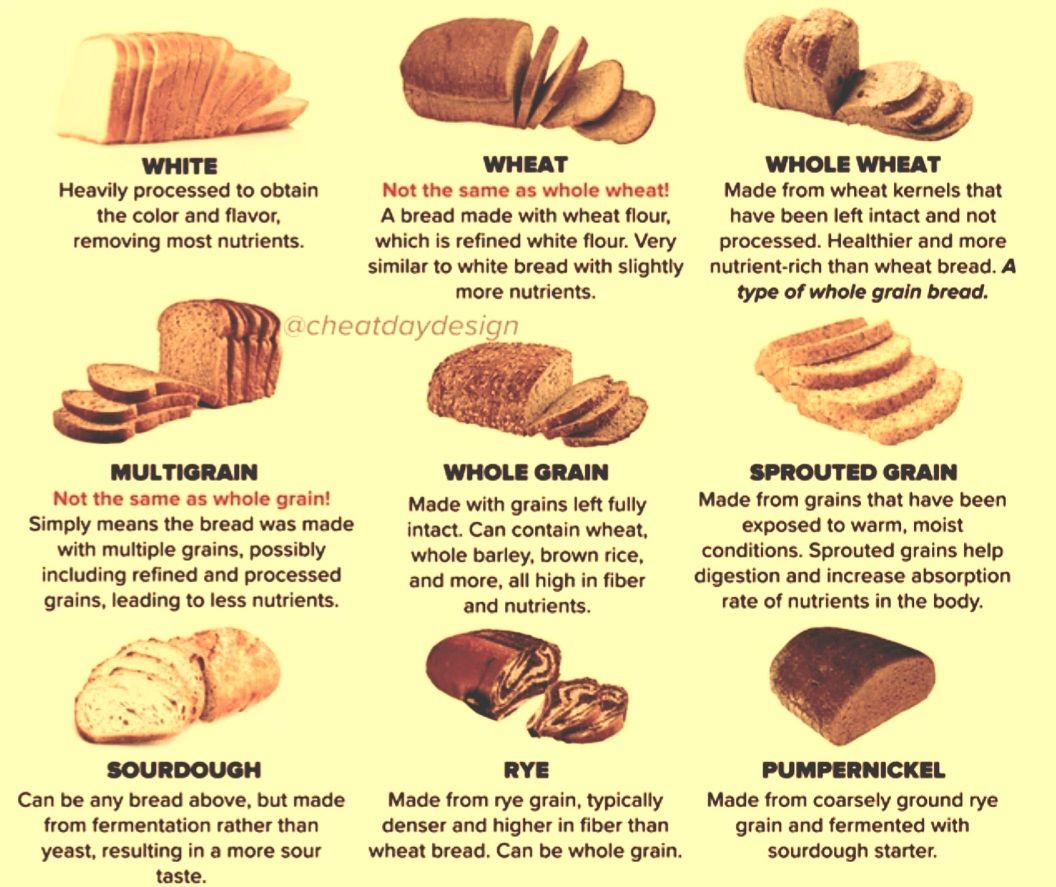
For weight control, eat in moderation. Best bread options from the image are:
* Whole Grain – High in fiber and nutrients, which helps with satiety and controlling appetite.
* Whole Wheat – More nutrient-rich and healthier than refined wheat breads, aiding in better digestion and fullness. But make sure it is the WHOLE GRAIN wheat, not just brown coloring!
* Sprouted Grain – Enhances digestion and nutrient absorption, which can support metabolism and weight management.
* Rye – Denser and higher in fiber, helping to keep you fuller longer and potentially reducing overall calorie intake.
* Pumpernickel – Made from rye and fermented, providing good fiber and slower digestion, which helps in appetite control.
* Sourdough – only if made from whole grains or whole wheat is a good choice for weight control because of its fermentation benefits and fiber content.
These breads are beneficial for weight control because their higher fiber content promotes fullness, reduces overeating, and supports stable blood sugar levels. Avoid white, wheat (refined), and multigrain breads with processed grains, as they are less filling and more calorie-dense without much nutritional benefit.
Grandfather, 78, beats incurable colon cancer by changing his diet?
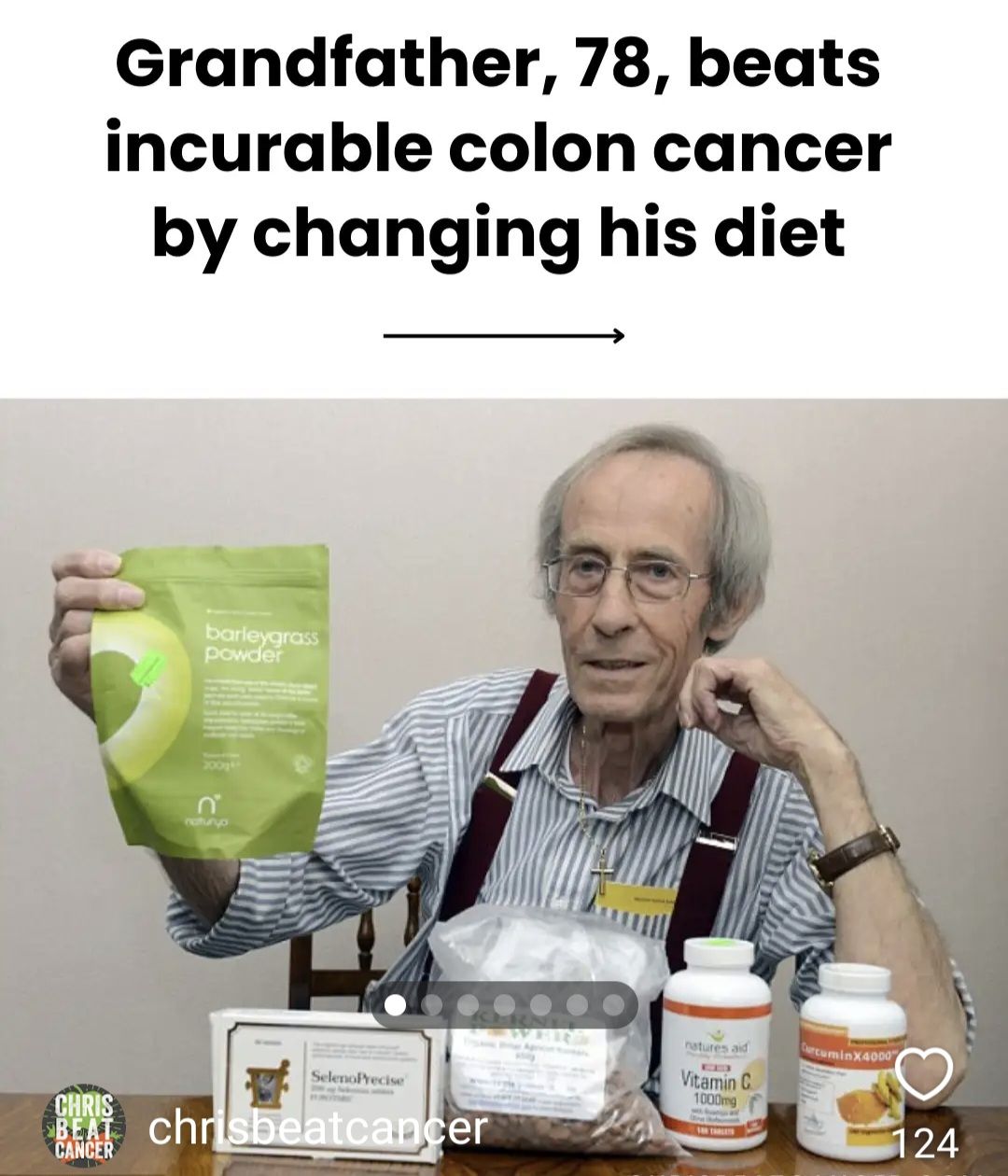
In April 2012, Allan Taylor was told
there were no more treatment options. No more chemotherapy. No surgery that would help
But Allan was determined to stay
positive. He went home and started researching on his own. What he found changed everything!
He made a radical shift. Out went red meat and dairy. In came large amounts of fruits and vegetables
He also added simple, low-cost foods and supplements he learned about through independent research. Nothing extreme. Just consistent daily habits.
Less than four months later, a
follow-up scan showed no visible
abnormality. Doctors told him he was “all clear!”
This story was first reported in 2012. But I [Chris Wark] later heard directly from Allan Taylor, who wanted to share the full story in his own words.
Want to learn more about making these kinds= of lifestyle changes? Sign up to watch the Square One Program FREE for 10 days: