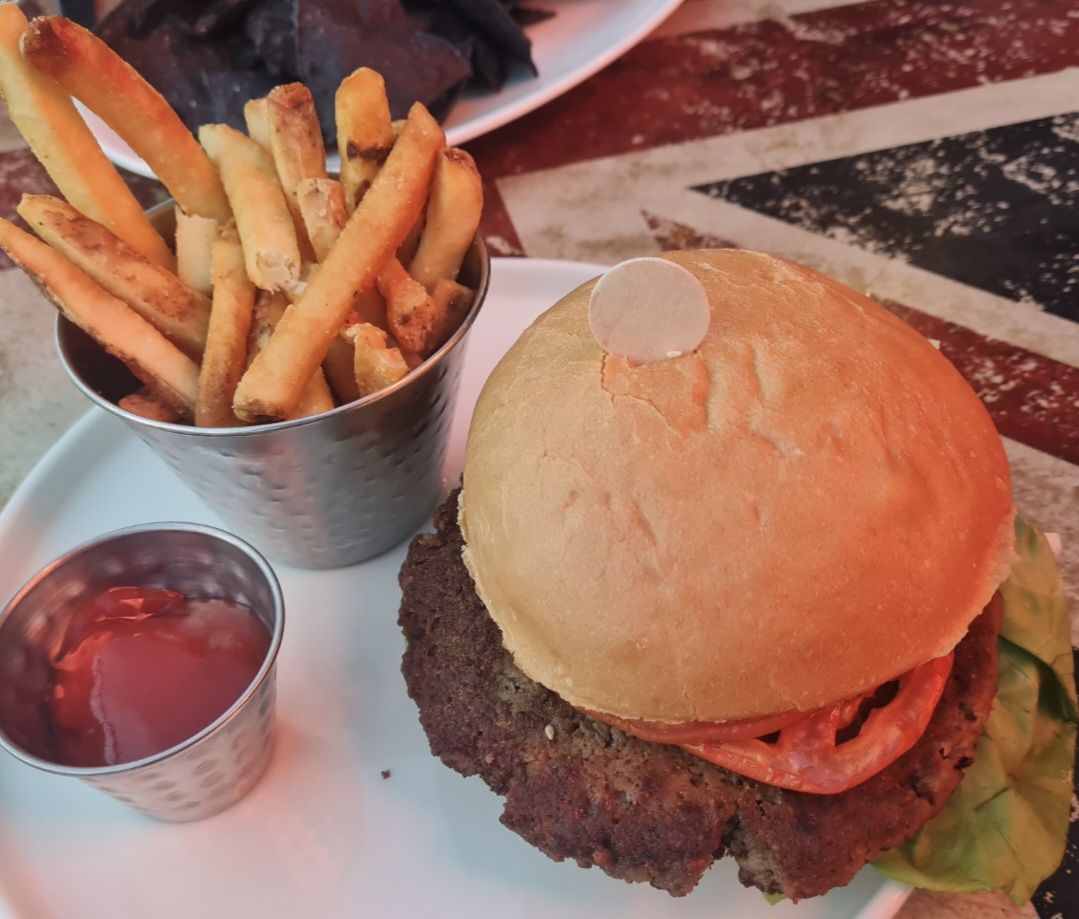
For the vegan burger patties 400g chickpeas in water, drained 2 sweet potatoes 250g plain flour 1 tsp whole cumin seeds 1 tsp paprika powder 1/2 tsp black peppercorns Small bunch of coriander Vegetable oil, for frying (or just airfry)
For the beetroot hummus 2 large purple beetroots 1 tbsp red wine vinegar 200g chickpeas 1 clove of garlic 1 tsp cumin powder 1/2 tsp paprika powder 1 tbsp tahini paste Pinch of salt Juice of 1 lemon
For the tomato salsa 6 plum tomatoes 1/2 red chilli 1/2 clove of garlic 1/2 red onion
To garnish Vegan burger buns Baby gem lettuce leaves, 2 per burger
Cooking instructions
For the beetroot hummus *Cook the beetroot in water with red wine vinegar and a pinch of salt – make sure that the water completely covers the beetroots. *Bring to a boil, cover, and turn down the heat to simmer for around 30 minutes. *When the beetroots are soft and can easily be speared with a knife, remove them from the water and blitz in a food processor to make a smooth puree. *Blitz the drained chickpeas in a food processor, add 1 tsp of cumin powder, 1 crushed clove of garlic, ½ tsp of paprika powder, 1 tbsp of tahini paste, the juice of one lemon and a pinch of salt. *Mix all ingredients together until smooth. *Mix the beetroot puree into the hummus. *Half of this mixture will be added to the burger patty mix, and half will be kept aside for garnishing.
For the vegan burgers *Cook the sweet potatoes in the oven at 200 degrees celsius for around 20 minutes until they are soft in the middle. *Cut into halves and scoop out the insides. *Blitz 400g of drained chickpeas, add the cooked sweet potato, half of the beetroot hummus, coriander, whole cumin seeds, paprika, and salt and pepper to taste. *Mix until smooth. *Transfer to a mixing bowl and add 250g of plain white flour and mix it well. *Shape 3tbsp of the mixture into a round patty shape, continue with the rest of the mixture. *Add 1 tsp of vegetable oil to a frying pan and cook each patty on a medium to high heat. [Better to simply airfry w/ no oil at this point] *Cook each side for 1 minute until browned, and then transfer the patty to the oven and cook it for a further 10 minutes at 200 degrees celcius.
For the tomato salsa *Dice the plum tomatoes. *Add ½ a diced red chilli *1 chopped clove of garlic *half a diced red onion
Constructing the burger *Spread beetroot hummus over both sides of the vegan bun. *Add 1-2 baby gem lettuce leaves, depending on their size, and some sliced red onion. *Lay a baked vegan patty on top and then spoon over tomato salsa. *Add the top half of then bun, and enjoy!
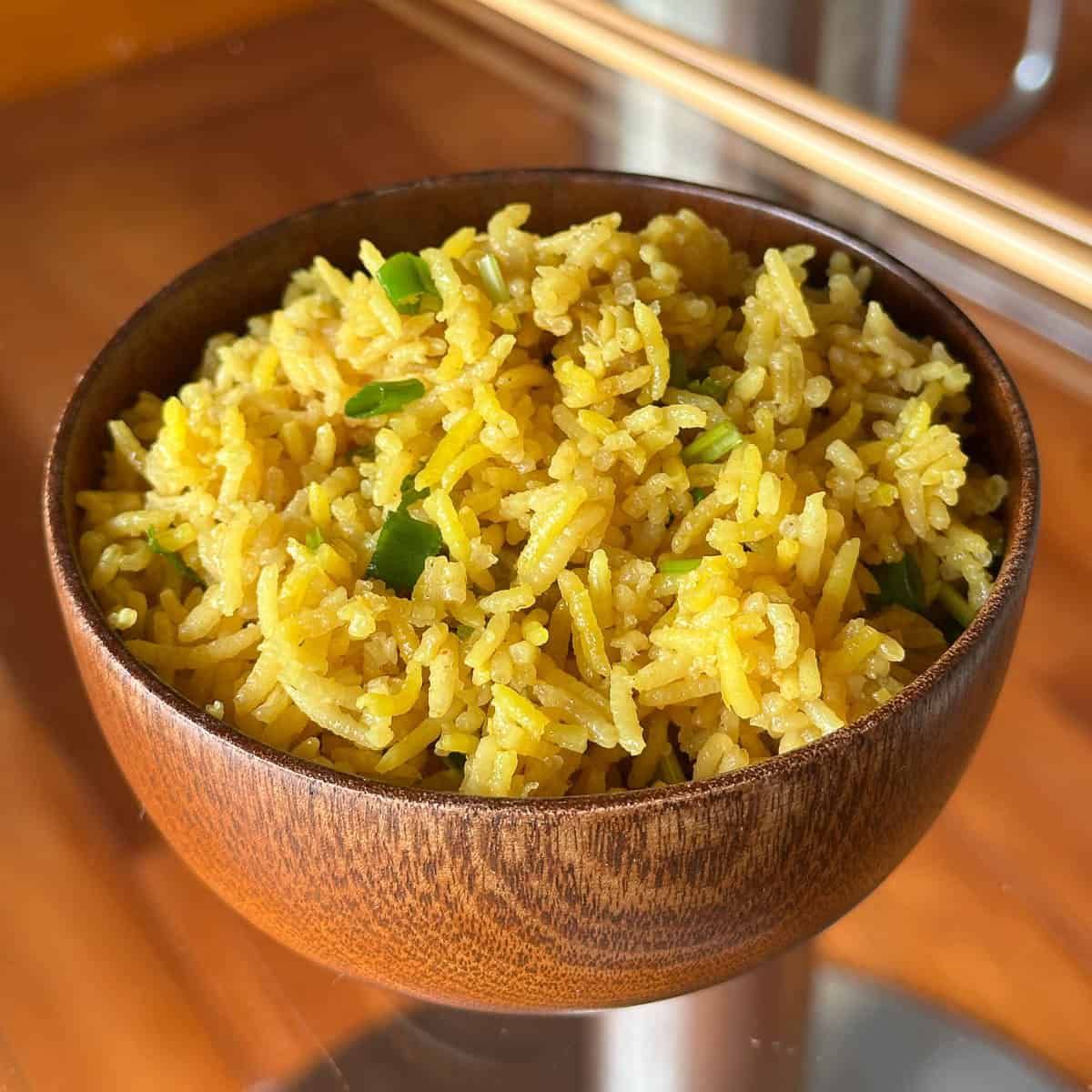
Ingredients: * 1 cup white jasmine rice (for brown rice see note below) * 1 ½ cups low-sodium vegetable broth (or water for even lower sodium) * 1 teaspoon yellow curry powder (check for low-sodium brands) * ½ teaspoon turmeric powder * 1 teaspoon olive oil or avocado oil (totally optional, may use water/broth for light sauté) * 1 small garlic clove, minced (optional) * 2 tablespoons finely chopped onion (optional) * Fresh parsley or cilantro, chopped (for garnish) * Freshly ground black pepper, to taste (optional)
Basic Cooking Method * Rinse 1 cup white jasmine rice until water runs clear. * In a pot, combine rice with about 1.5 cups low-sodium broth or water. * Stir in 1 teaspoon yellow curry powder and 1/2 teaspoon turmeric. * Add a small amount (about 1 tsp) of oil if using, and minced garlic or onion if desired. * Bring to a boil, then reduce heat to low, cover, and simmer for 15 minutes or until rice is tender. * Remove from heat and let sit covered for 5 minutes. * Fluff rice with a fork and garnish with fresh herbs.
Flavor and Health Benefits – This dish is fragrant, mildly spiced, and colorful. – Turmeric and curry powder contain antioxidants and anti-inflammatory compounds. – Using low-sodium broth keeps it heart-healthy. – Minimal oil and no added sugar make it suitable for low-SOS diets.
NOTE To modify the recipe for unprocessed brown jasmine rice, increase the cooking liquid to 2 to 2 ¼ cups of low-sodium broth or water per 1 cup of rice. Brown jasmine rice requires a longer cooking time—simmer covered on low heat for about 40 to 45 minutes instead of 15 minutes. After cooking, let the rice rest covered for 10 minutes before fluffing. Expect a nuttier flavor and chewier texture, which pairs well with the warm spices in the recipe. This adjustment preserves the dish’s flavor while providing a more nutrient-dense, whole grain option.
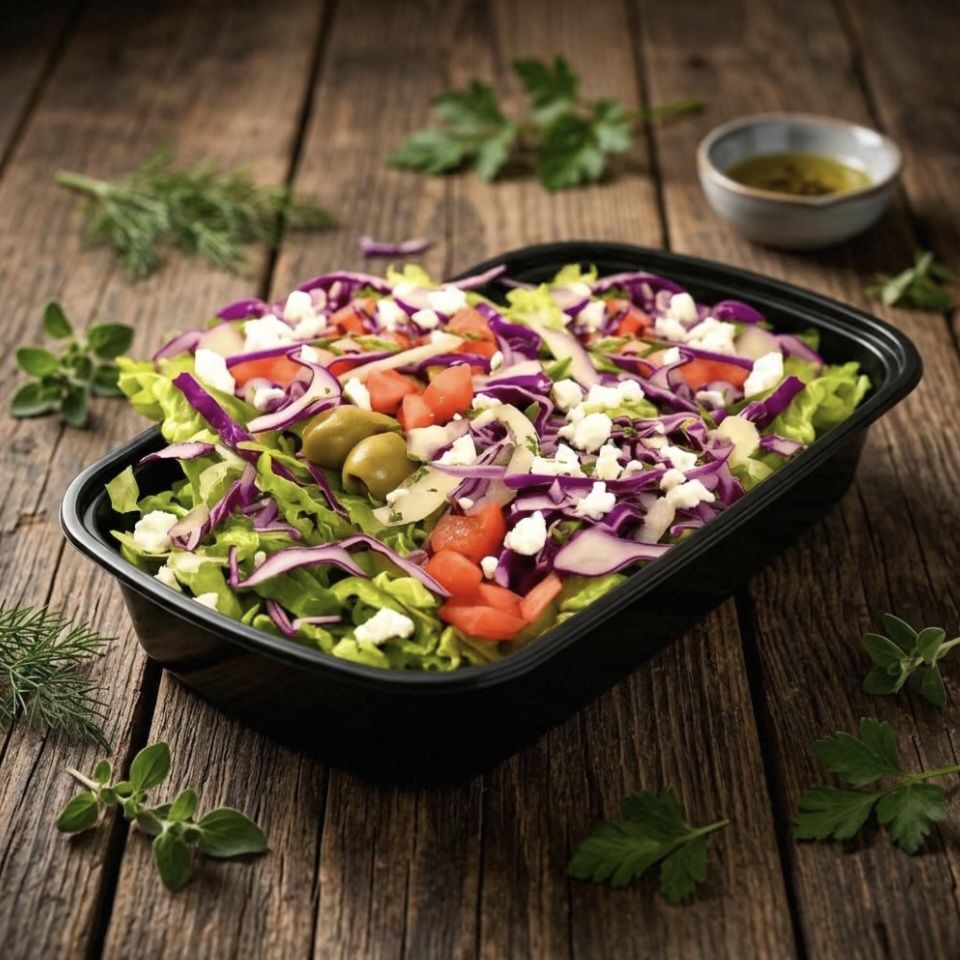
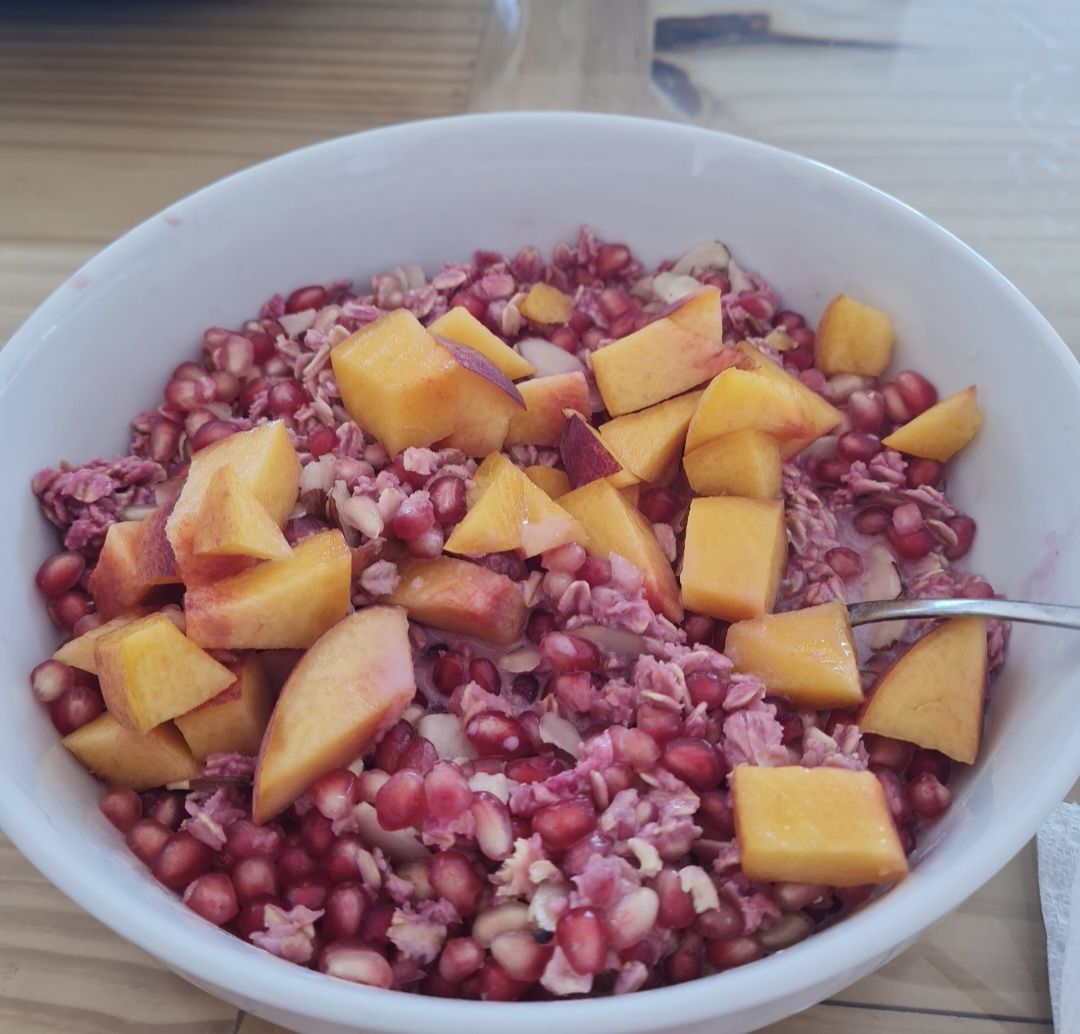
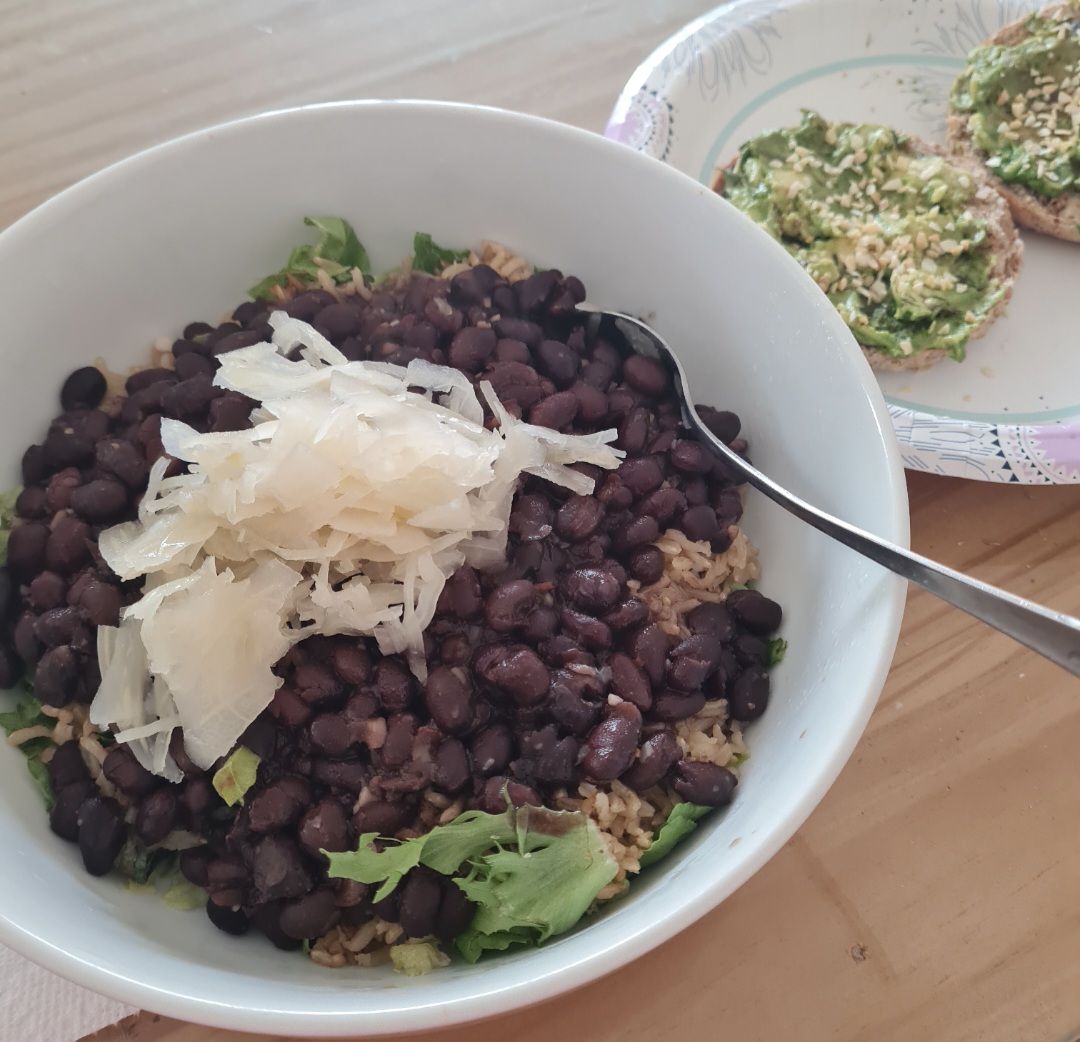
EATS: * rolled oats, pomegranate, peach, beet/amla powders, thin sliced raw almonds * bbq black beans, lime brown rice, chopped gorilla salad w/ chickpeas, sauerkraut, avo-toast, sparkling water * few mini pretzels (plain & some dark choco) & salt-free pistachios
… SUN HAS SET …
Cmmt: XL indicates uncommonly excessive food, and wautéed means water-sautéed
When a person has both severe kidney disease and diabetes, Dr. Rogers’ standard “Rice Diet” (which relies heavily on white rice, fruit juice, etc) cannot be used because it would send blood sugar through the roof.
Instead, the strategy shifts to a strict, low-fat, low-protein, whole-food plant-based diet. The goal is to maximize insulin sensitivity with unrefined complex carbs while keeping the protein and phosphorus low enough to protect the kidneys.
Here is what a typical daily meal plan looks like under those exact constraints:
🌅 BREAKFAST
* Plain Oatmeal: Cooked in water (no milk or plant milks, which can be high in phosphorus).
* A Handful of Berries: Blueberries or strawberries provide antioxidants and sweetness without spiking blood sugar the way tropical fruits or juices do.
☀️ LUNCH
* Boiled or Baked Sweet Potatoes: High in fiber and complex carbohydrates, which burn slowly and keep blood sugar stable. (Note: If potassium levels are critically high, sweet potatoes may need to be boiled in water first to leach out the potassium).
* Steam-Sautéed Vegetables: A mix of low-potassium, low-protein veggies like zucchini, cauliflower, or cabbage, cooked entirely without oil.
🌆 DINNER
* Brown Rice or Quinoa: A moderate portion of unrefined grains for clean calories.
* Large Green Salad: Made with romaine lettuce, cucumbers, and radishes.
* Oil-Free Dressing: Fresh lemon juice or a splash of apple cider vinegar instead of oil or bottled dressings.
🚫 What is Strictly Avoided?
* No Added Fats or Oils: No cooking oils, nuts, seeds, or avocados. Dr. Rogers argues that fat is the root cause of diabetes because it blocks insulin from working.
* No Animal Products: Zero meat, fish, dairy, or eggs, as animal protein is too harsh on failing kidneys.
* No Processed Sugar or Refined Flour: No white bread, pastries, or juices that cause rapid glucose spikes.
*************
CREDENTIALS
Dr. Peter Rogers has a highly distinguished background in conventional medicine, excelling at top-tier institutions before shifting his focus toward lifestyle medicine and disease prevention. [1, 2]
His core credentials include:
🎓 Education & Academic Performance
* Stanford University: Graduated with a Bachelor of Science in Biology (awarded with distinction). While at Stanford, he was also the wrestling team captain and was named Student-Athlete of the Year. [3, 4] * University of Illinois College of Medicine: Earned his Medical Degree (MD) and graduated as the class valedictorian (ranking 1st out of 333 students). [3, 4]
🏥 Medical Training & Fellowships
* Northwestern University: Completed his residency in Diagnostic Radiology, scoring in the 99th percentile on his medical board exams. * Harvard Medical School (Brigham and Women’s Hospital): Completed a prestigious fellowship in Vascular & Interventional Radiology. * Rush University Medical Center: Completed a second subspecialty fellowship in Neuroradiology. [1, 3, 5, 6]
💼 Professional Experience
* Board Certification: He is board-certified by the American Board of Radiology. * Clinical Practice: He has over 30 years of experience working as an Interventional Radiologist and Neuroradiologist, diagnosing and treating advanced imaging cases (like blocked arteries, strokes, and brain conditions). * Academic Appointment: He serves as an Assistant Professor at the Loyola University Chicago Stritch School of Medicine. [2, 3, 6, 7]
Dr. Rogers often mentions that his extensive background in imaging arteries (atherosclerosis) and brain tissue is exactly what led him to research how heavily diet and lifestyle impact physical organ decay. [1, 2]