Speaking in his first interview since being confirmed as the agency’s director last Thursday, Ratcliffe spelled out the insights he made public shortly after taking over the post and affirmed the importance of restoring trust in American institutions.
“I had the opportunity on my first day to make public an assessment that actually took place in the Biden administration, so it can’t be accused of being political, and the CIA has assessed that the most likely cause of this pandemic that has wrought so much devastation around the world was because of a lab-related incident in Wuhan, so we’ll continue to investigate that moving forward,” he told “Sunday Morning Futures” host Maria Bartiromo.
EXERCISE: * Powerwalk 4 miles indoors w/ facial lymphatic massage * PT APP workout – lower body / hip stretches (moderate)
WATER: (2) × (32) = 64 oz (+)
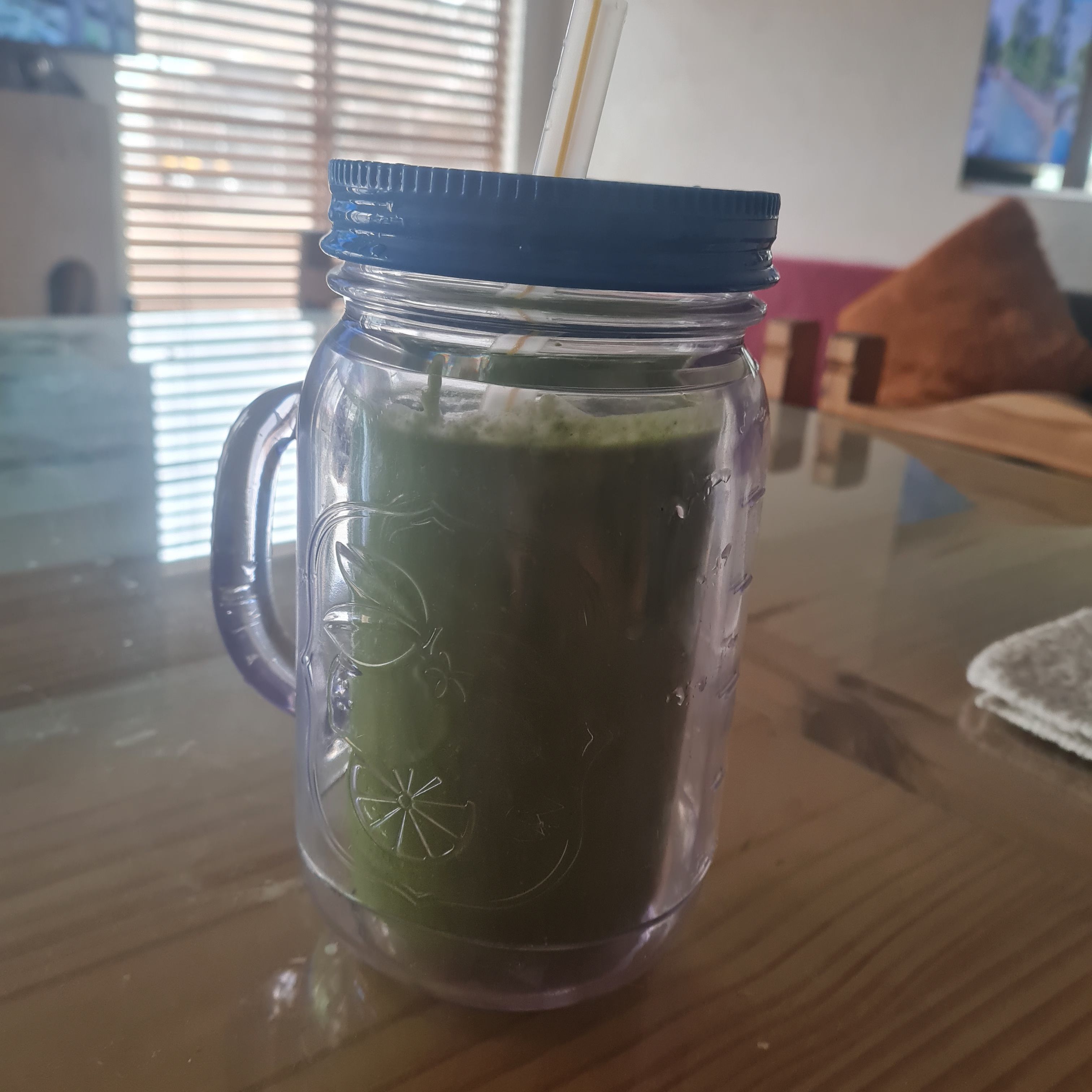
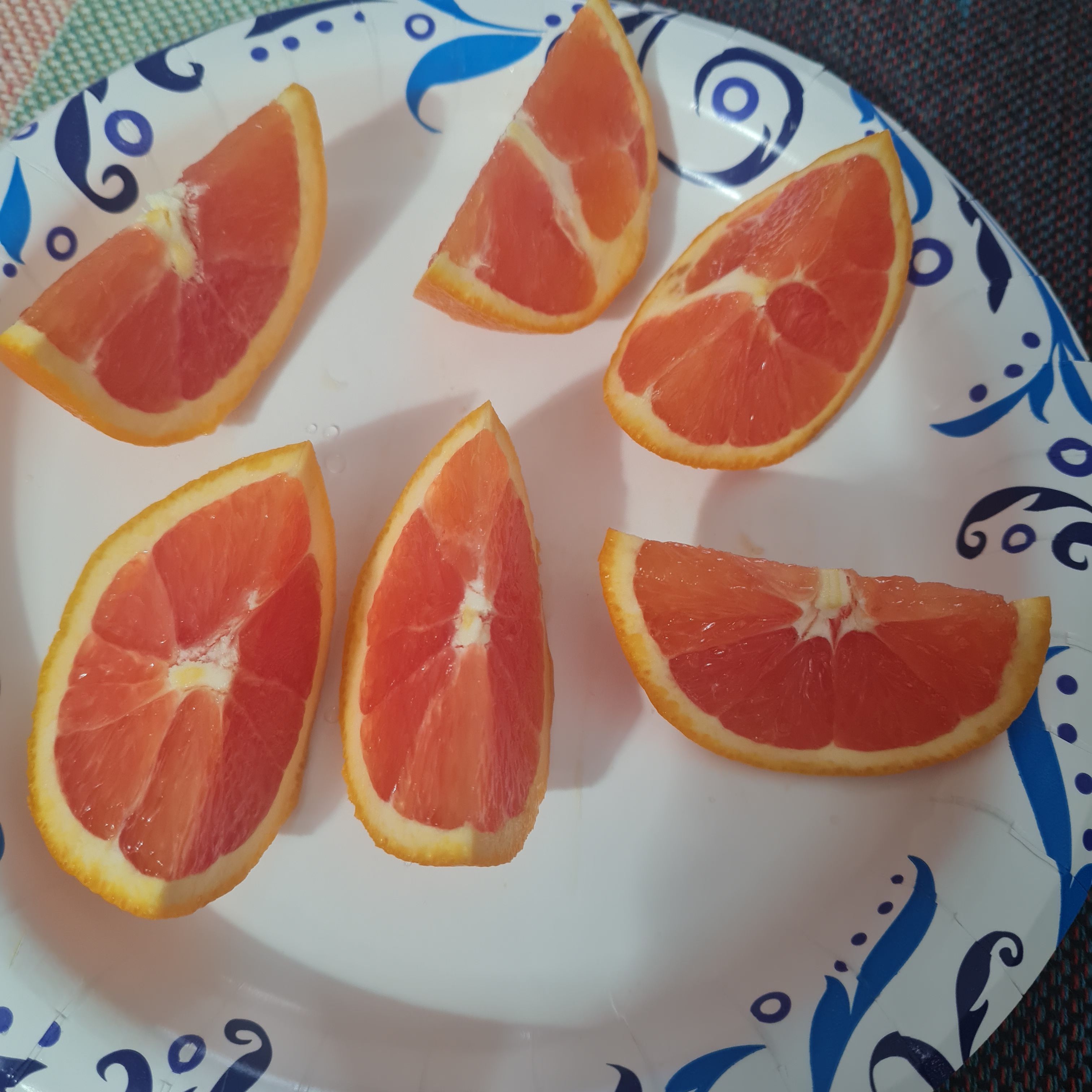
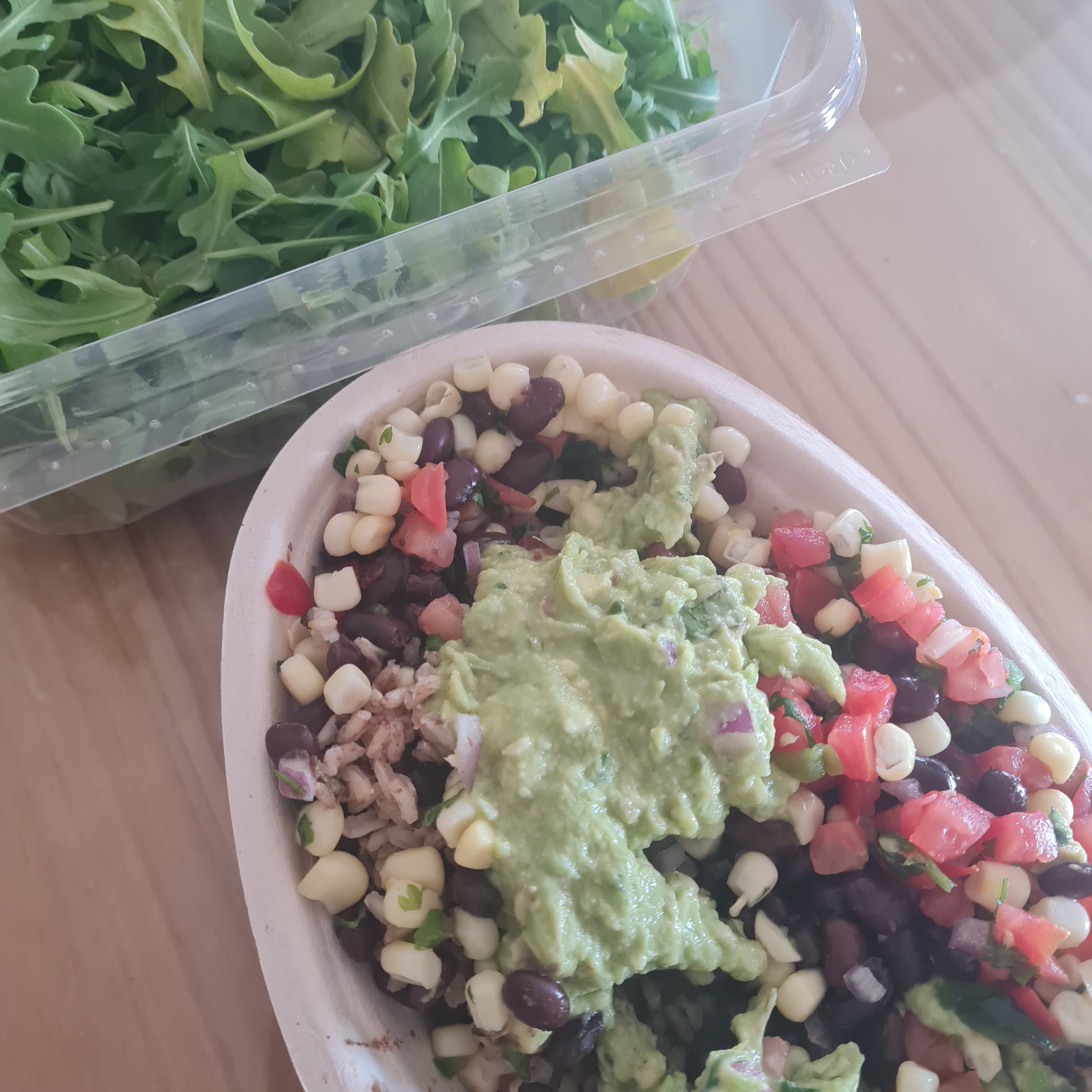
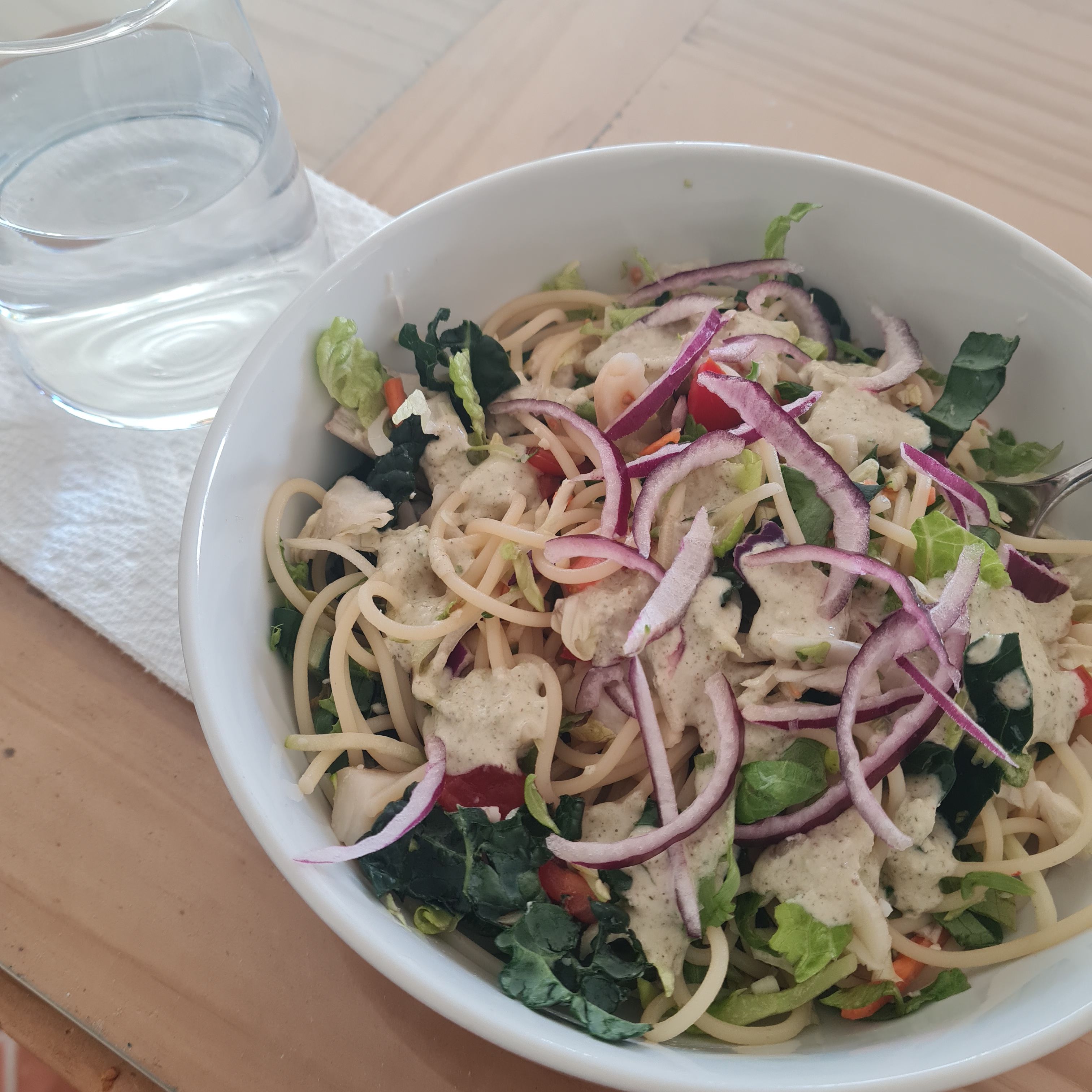
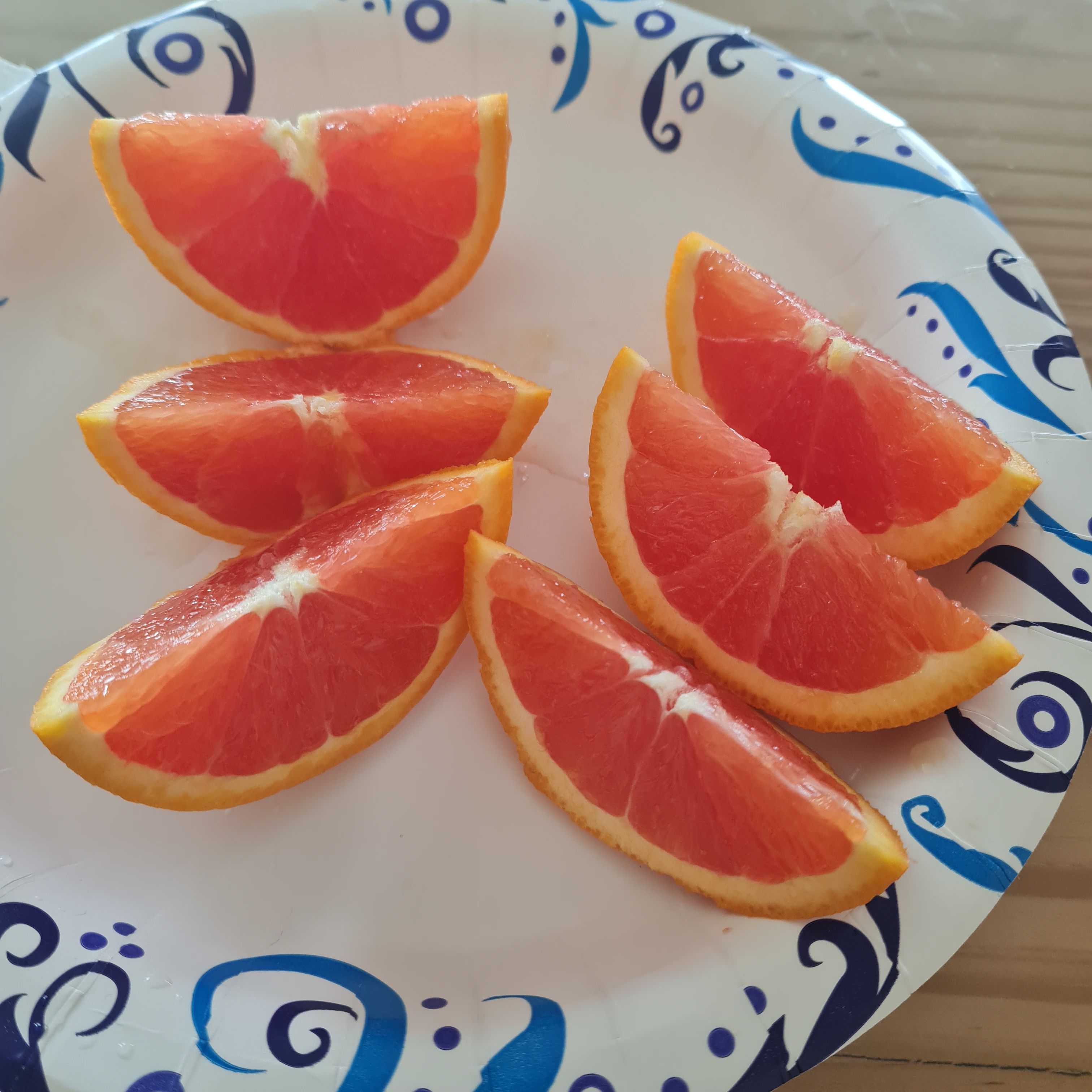
EATS: * grilled sourdough multi-grain toast w/ homemade corn butter, tomato, mushrooms, garlic, dab of homemade ranch * white bbq beans, sliced orange * chipotle bowl (brown rice, black beans, corn, salsa, avocado) w/ big bowl of raw arugula on side * plain sparkling water w/ shot of soft XL-drink
… SUN HAS SET …
* homemade peach cobbler w/ oats
Cmmt: XL indicates uncommon extravagantly luscious food, and wautéed means water-sautéed
Collagen is a protein primarily found in animal connective tissues, so there are no direct plant sources of collagen. However, certain plant-based foods can promote the body’s natural production of collagen by providing the nutrients needed for collagen synthesis, such as vitamin C, amino acids, and other cofactors.
Key Nutrients and Plant Sources to Support Collagen Production
1. Vitamin C
Vitamin C is essential for collagen synthesis, as it helps form and stabilize collagen fibers. Plant Sources: • Citrus fruits (oranges, lemons, limes) • Berries (strawberries, blueberries, raspberries) • Kiwi • Papaya • Bell peppers • Broccoli • Kale and spinach
2. Amino Acids (Proline, Glycine, and Lysine)
These are the building blocks of collagen. While plants don’t contain collagen, they provide these amino acids in smaller amounts. Plant Sources: • Legumes (lentils, chickpeas, beans) • Soy products (tofu, tempeh, edamame) • Seeds (pumpkin seeds, sunflower seeds) • Nuts (almonds, cashews, pistachios)
3. Zinc
Zinc plays a crucial role in collagen production by activating proteins needed for tissue repair. Plant Sources: • Whole grains (quinoa, oats) • Legumes (lentils, chickpeas) • Nuts and seeds (chia seeds, hemp seeds, pumpkin seeds)
4. Copper
Copper is another cofactor required for collagen cross-linking and stability. Plant Sources: • Sesame seeds • Cashews • Dark chocolate • Mushrooms (shiitake)
5. Antioxidants
Antioxidants protect collagen from damage caused by free radicals. Plant Sources: • Green tea • Berries • Dark leafy greens • Pomegranate • Carrots and sweet potatoes (rich in beta-carotene, a precursor to vitamin A)
Collagen-Boosting Plant-Based Foods
Some plant-based foods contain specific compounds that indirectly support collagen production: 1. Aloe Vera: Contains compounds that stimulate collagen production. 2. Seaweed: May help protect collagen in the skin from oxidative damage. 3. Soy: Contains genistein, a phytoestrogen that may boost collagen production.
Plant-Based Collagen Alternatives
While plants don’t produce collagen, some plant-based collagen supplements are formulated using bacteria or yeast engineered to produce collagen, combined with plant-based nutrients to support skin, joint, and hair health.
In conclusion, although plants don’t directly provide collagen, a plant-based diet rich in the above nutrients can significantly support the body’s ability to produce its own collagen naturally.