6- SLOW WALKING (Sanopi) : Before breakfast, walk while Inhaling for 2 steps, holding for 2 and exhaling for 4. Do it for 20-30 minutes in the morning preferably on natural terrain.
5- DAILY STRETCHING (Rajio Taiso): Upon waking up, do daily stretching to increase synovial fluid production. Start the sequence with gentle arm raises, arm rotation, gentle twisting, side bends, gentle marching in place followed by shallow squat.
4- DEEP SQUATS (Shinku Zuwari): deep squat rest throughout the day for as many minutes as possible while doing whatever.
3- SINGLE LEG STANDING (Ippon Ashi): single leg standing for 1 min twice daily. There is a progression involved.
2- FLOOR SITTING TRANSITION (Seiza Henka): floor sitting transition to standing and vice versa is a full body movement. There are different ways to do it.
1- TOWEL TWIST (Tenugui Hibiki): Done after waking and before bed, the towel twist is another full brain/body workout. Hold a rolled hand towel horizontally at shoulder height. Try to rip it apart while slowly rotating your hips. Inhale during the return to center and exhale during the twist.
A new study from the University of Birmingham found that eating foods rich in flavanols — natural compounds found in cocoa [without added saturated fat], berries, apples, tea and nuts — can help protect blood vessels from the harmful effects of prolonged sitting, which can induce declines in vascular function and is linked to higher risks of stroke, heart attack and cardiovascular disease.
Increasing physical activity in midlife or later may reduce the chances of developing dementia by up to 45%, according to a recent study published in JAMA Network Open.
Researchers at the Boston University School of Public Health analyzed data from more than 4,300 people in the Framingham Heart Study Offspring, all of whom were dementia-free at the start of the study.
They followed the participants for an average span of 37.2, 25.9 and 14.5 years, respectively, to monitor the onset of Alzheimer’s and other types of dementia.
Those in the top two quintiles of midlife physical activity were associated with a 40% lower all-cause dementia risk over a 26-year period, compared to those with the lowest activity level.
People in the top two quintiles of late-life physical activity were associated with a 36% to 45% lower dementia risk over 15 years.
RATES OF DEMENTIA ARE LOWER IN PEOPLE WHO EAT THIS SPECIFIC DIET, RESEARCH SHOWS:
New research presented this week at NUTRITION 2025, the annual meeting of the American Society for Nutrition in Orlando, Florida, found that the MIND diet is particularly beneficial for cognitive health.
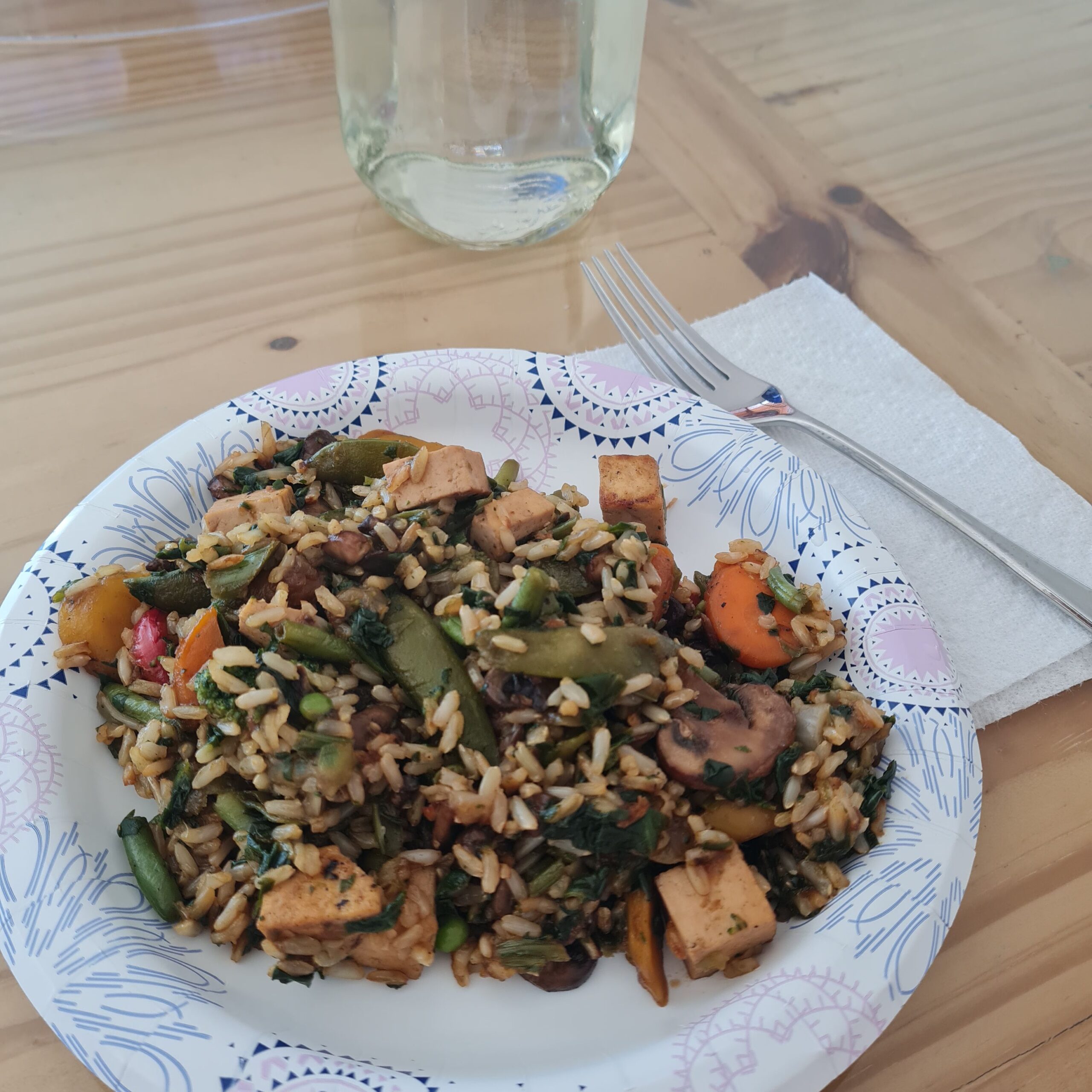
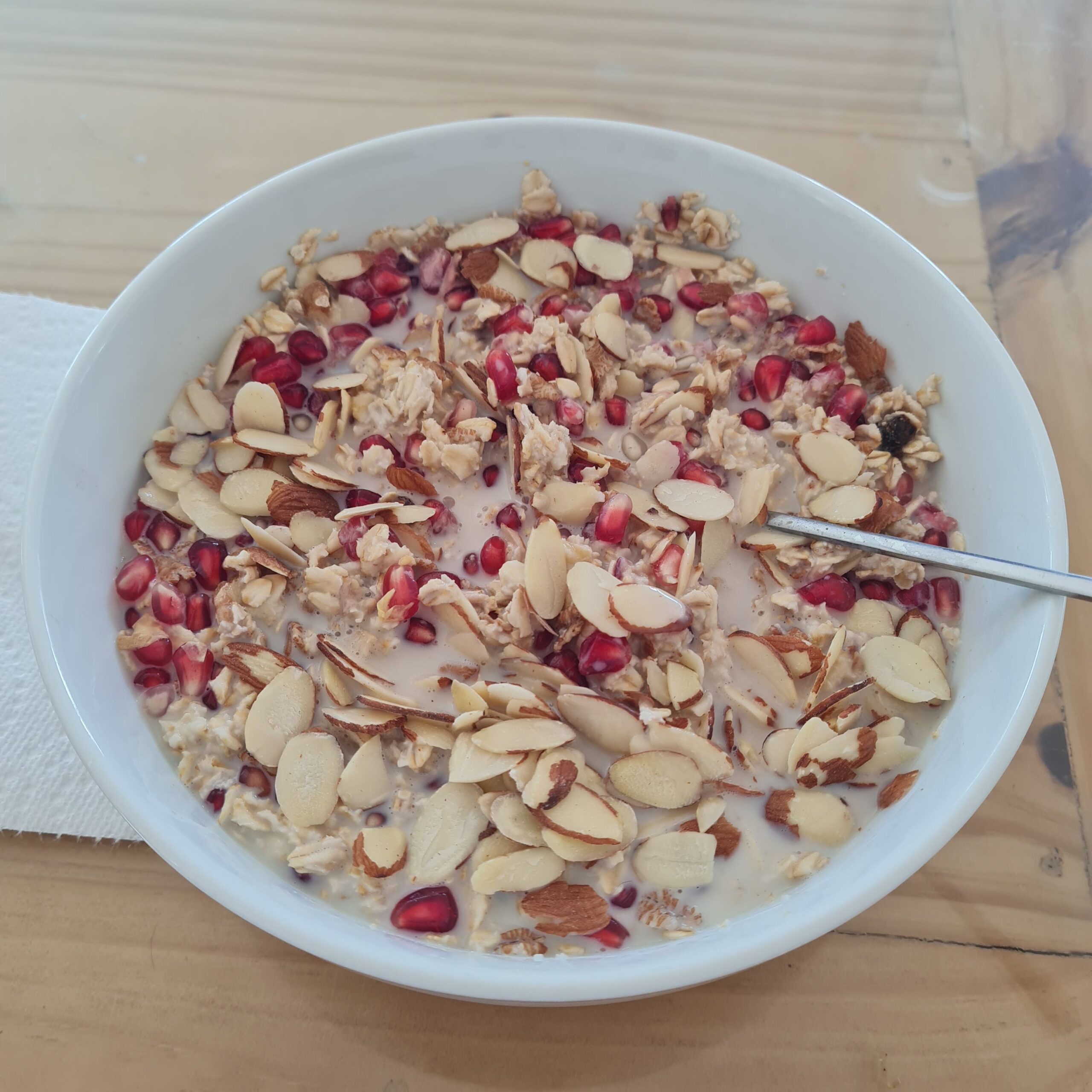
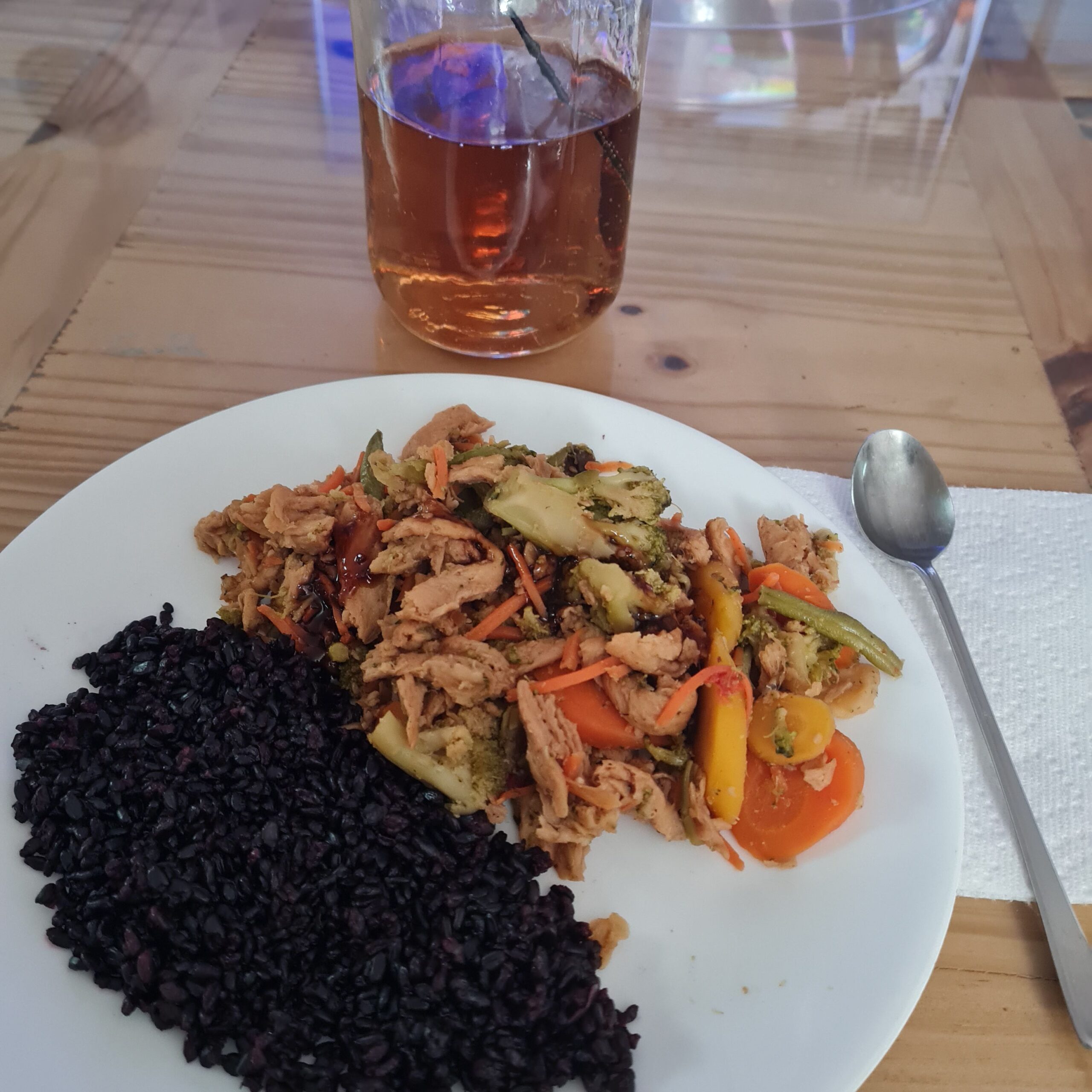
The plant-focused MIND diet highlights 10 types of food, including berries, leafy greens, veggies, whole grains, nuts and seeds, beans, legumes, seafood, poultry and olive oil. [Editor: Seafood, chicken raise cholesterol. Also read note below about olive oil.]
“These focus foods contain nutrients that play a critical role in supporting brain health, including flavonoids, carotenoids, B vitamins, omega-3 fatty acids (especially DHA), choline, and minerals like magnesium, potassium and calcium,” she said.
“The diet also suggests limiting foods such as pastries, refined sugar, red meat, cheese, fried foods, fast food, and butter or margarine.”
The longer people adhered to the diet, the greater the reduction of risk. Those who followed the plan over a 10-year period had a 25% lower risk compared to those who didn’t stick with it.
“Our study findings confirm that healthy dietary patterns in mid to late life and their improvement over time may prevent Alzheimer’s and related dementias,” said Song-Yi Park, PhD, associate professor at the University of Hawaii at Manoa, in the release.
“This suggests that it is never too late to adopt a healthy diet to prevent dementia.”
NOTE: Some studies suggest olive oil can impair endothelial function, causing a temporary paralysis of arteries similar to other high-fat meals. This is a potential drawback, especially for refined olive oil, though extra virgin olive oil may have some protective polyphenol compounds. The overall benefits of a Mediterranean diet, which includes olive oil, are likely due to other components like fruits and vegetables, which can mitigate the negative effects of high-fat foods on endothelial function.