We explore a large-scale real-world analysis based on UK Office for National Statistics (ONS) data (April 2021–May 2023), examining all-cause mortality by vaccination status.
The data show that the initial rollout of COVID-19 vaccines provided substantial mortality protection, especially among older populations. However, this protective effect declined over time, revealing a more nuanced picture by age group and booster status.
🔍 What you’ll learn: • Initial vaccine protection and when it peaked • Age-stratified risk trends over time • Booster dose impact on longevity of protection • Patterns in non-COVID deaths • Duration of benefit by age and dose count
This video unpacks both the benefits and complexities of long-term mortality trends post-vaccination—based solely on publicly available data.
Timestamps: 00:00 – Introduction & Title 00:20 – Excess deaths Videos 04:00 – 18-39 age group mortality rate ratio by vaccine status 05:35 – 40-49 age group mortality rate ratio by vaccine status 07:30 – 50-59 age group mortality rate ratio by vaccine status 11:05 – 60-69 age group mortality rate ratio by vaccine status 14:10 – 70-79 age group mortality rate ratio by vaccine status 16:16 – 80-89 age group mortality rate ratio by vaccine status 18:55 – 90+ age group mortality rate ratio by vaccine status 22:25 – 18-39 age group standardized mortality ratio of all vaxx vs non-vaxx24:00 – 40-49 age group standardized mortality ratio of all vaxx vs non-vaxx 29:55 – Non-specific vaccine effects
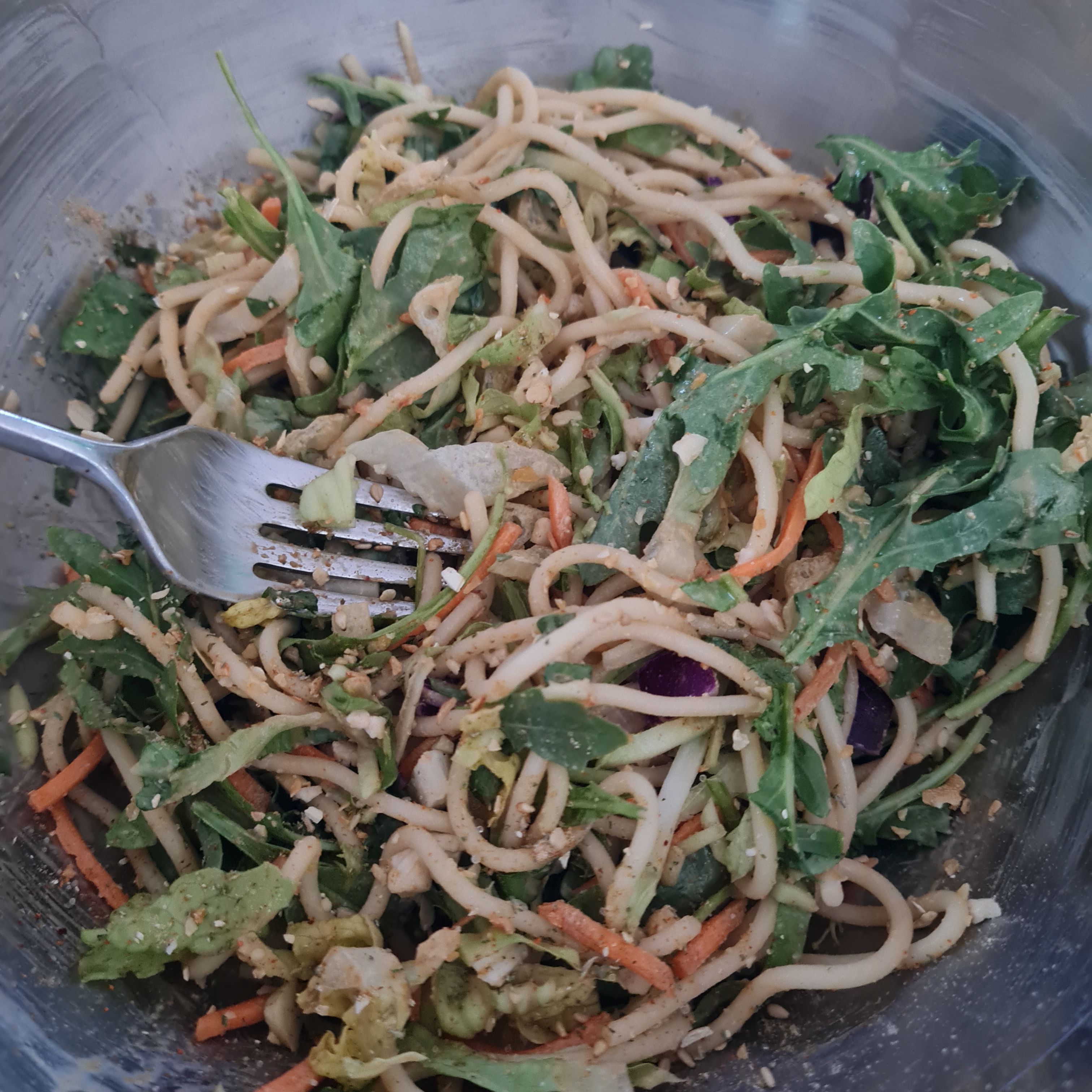
Herbs like oregano, basil, parsley, and black pepper 🌿
It’s oil-free, creamy, savory, and punches you in the face in a good way (Wade’s words 😄). Great for salads, dipping fresh veggies, or even drizzling over pasta.
EDITOR: Since I already live a super simple, low cost lifestyle (my electric company just congratulated my household for using only 20% of the summer-time power that our most efficient neighbors use… and we do not have solar, go figure) and since I grocery shop very conservatively (no meat, no dairy, no oil), I do not notice the increased costs as much as others. However, this article provides the solution to high prices for all of us!
Dr. John Day is an internationally recognized cardiologist, specializing in AFIB. His new book focuses on recent breakthroughs in prevention and treatment that often allows us to cure this disease. His dietary recommendation is listed below at the end of comments.
Dr. John Day, a leading cardiologist and electrophysiologist, has championed several recent breakthroughs in atrial fibrillation (AFib) prevention and treatment—often enabling remission or even a “cure” in early-stage cases:
🫀 1. Lifestyle Optimization as Treatment Dr. Day emphasizes that AFib is often driven by modifiable factors like obesity, hypertension, sleep apnea, excessive alcohol, poor diet, smoking, and stress. His approach encourages targeting these through weight loss, blood pressure control, sleep hygiene, and moderation in alcohol/caffeine.
For example, Dr. Day highlights that losing ≥10% of body weight can lead to complete remission in ~45% of AFib patients—without ablation or antiarrhythmic drugs
In online forums, patients credit his book The AFib Cure for prompting lifestyle changes, improved biomarkers, and reduced episodes amazon.com
⚡ 2. Early Rhythm Control Strategies (EAST-AF Study) Dr. Day highlights results from the EAST-AF trial:
Early rhythm control—within 12 months of diagnosis—led to ~22% fewer cardiac deaths, strokes, or hospitalizations in ~2,800 patients followed over 5+ years
A sub-study showed similar benefits specifically in patients with concurrent heart failure
He stresses that delaying (e.g., more than a few hours or weeks) allows structural remodeling, scar tissue, and a “tipping point” that make normal rhythm much harder to maintain.
⚙️ 3. Pulsed‑Field Ablation (PFA) Dr. Day has been a vocal proponent and early adopter of PFA, a groundbreaking ablation technique that uses non‑thermal pulsed electric fields to isolate arrhythmic tissue:
He oversaw Utah’s first PFA procedure in March 2024 at St. Mark’s Hospital and has performed over 120 cases with reduced risk to surrounding tissues and shorter procedure times.
As part of the ADVENT Study, where Dr. Day served on the Data Safety Monitoring Board, PFA proved superior to thermal ablation—offering higher freedom from arrhythmia at one year, faster procedures, and fewer complications
At St. Mark’s, he reports even better results than the trial, with virtually eliminating complications like pulmonary vein stenosis and esophageal injury, even in challenging cases
🔬 4. The BLAST Protocol Dr. Day co-authored The AFib Cure, introducing the BLAST framework:
This model frames AFib as a multifactorial condition—more a symptom than a standalone disease—and focuses on root-cause correction rather than symptom management. Many patients have reported significant improvements or full remission after implementing it.
Act fast: early rhythm control and timely ablation boost outcomes dramatically.
Embrace cutting-edge tech: PFA delivers more effective and safer ablation.
Use integrated care: follow the BLAST model for comprehensive, patient-centered treatment.
Thanks to these advances, Dr. Day has helped usher in a new era where AFib is increasingly preventable, treatable, and even reversible for many patients—without lifelong medication dependency.
Dr. John Day recommends a whole-food, plant-slant, Mediterranean-style diet tailored to reduce inflammation, support heart health, and help reverse or prevent atrial fibrillation (AFib). His dietary recommendations are based on both scientific studies and his clinical experience with thousands of AFib patients. Below is a breakdown of his core dietary principles:
🥗 Dr. John Day’s Recommended AFib-Friendly Diet
✅ What to Eat (Daily or Often)
1. Vegetables (non-starchy) At least 7+ servings per day
Especially leafy greens, cruciferous (broccoli, cauliflower), tomatoes, onions, and peppers
2. Fruits (especially berries) 1–2 servings/day max (low glycemic)
Focus on berries, apples, citrus, and seasonal produce
Avoid excess sugary fruit like grapes or dried fruit
3. Healthy Fats [IMO: healthy fats are intact fats, not oils!]
Olive oil (cold-pressed, extra virgin – main fat source)
Refined Grains White bread, pasta, etc. – spikes blood sugar
Red & Processed Meats Linked to higher AFib and heart risk
Excess Alcohol Especially binge drinking – strong AFib trigger
Caffeine (excessive) Some sensitive people trigger episodes
Dairy Prefer unsweetened almond/coconut milk over cow’s milk
⚠️ Special Notes from Dr. Day Intermittent fasting (Time-Restricted Eating): He often recommends eating within a 6–12 hour window daily to reduce insulin resistance and promote metabolic health.
Weight Loss: Key goal is 10%+ sustained body weight loss for overweight patients, which significantly lowers AFib recurrence.
No “one-size-fits-all”: He adjusts recommendations depending on individual sensitivities (e.g. salt, histamine foods, FODMAPs if gut issues exist).
🧠 In His Words (from The AFib Cure): “The best diet to prevent or reverse AFib is one that minimizes inflammation, stabilizes blood sugar, and supports the heart at a cellular level… Think real food, mostly plants, not too much.”
Toxic modern bodybuilding has lost public appeal. John Terilli explores how physical culture can easily build a healthy physique and longevity.
Chapters: 00:00:00 The Lost Art of Bodybuilding 00:46:12 Health & Longevity 01:51:20 Modern Bodybuilding 03:17:13 Classic Bodybuilding 05:08:20 Public Perception 05:58:14 Training Methodology 07:02:05 Who Am I? 09:47:17 The Tools You Will Need 10:07:12 Test Your Longevity 12:31:14 Training For Longevity 12:55:08 Tricep Exercise 13:24:04 Shoulders Exercise 14:02:20 Thigh Exercise 14:29:11 Chest Exercise 14:55:00 Chest Alternate Exercise 15:14:23 Back, Lats, Rear of Shoulders 15:39:01 Biceps, Brachialis & Forearms 15:54:03 Biceps Exercise 16:23:09 Weider Cheating Method 17:12:22 Back Exercise 17:29:03 Posture, Lats, Pecs & Rib Cage 17:43:11 Spine & Pelvic Floor 18:30:16 Lats Exercise 18:38:24 Abdominal Exercise 18:56:15 Hamstring & Buttocks (Hanging) 19:01:16 Calves Exercise 19:24:01 Hamstring & Buttocks (Laying) 19:58:07 Abdominal Exercise 20:27:02 Biceps & Brachialis 20:49:23 Triceps Exercise 21:32:20 The Mysterious Magic of Nutrition
It appears that John Terilli’s use of a wheelchair at the start of recent videos is a deliberate theatrical device, not a depiction of a real injury or impairment. Here’s the rationale:
Visual Metaphor for Poor Form Sitting in a wheelchair at the beginning dramatically dramatizes the consequences of improper technique. It symbolizes a body that has “aged prematurely” or become dysfunctional—only to be redeemed through correct form, posture, and technique.
John Quickly Transitions to Standing In several of these videos, he begins seated in the chair—but soon moves into functional movement and stands upright. This pivot reinforces that the wheelchair is a prop, not a true indication of his physical state.
His Messaging Matches the Prop Terilli emphasizes posture, joint alignment, lifting mechanics, and mobility. The wheelchair introduction ties directly into his warning: “If you train poorly, expect a broken body.” Proper training gives you independence and vitality; neglect it, and you’re metaphorically—or literally—stuck.
The wheelchair functions as a vivid metaphor for the consequences of neglecting proper training habits. Once the real issue (poor technique) is addressed, he’s back on his feet—literally.
In his videos he is
Highlighting common faults:
– Rounded shoulders
– Forward head posture
– Hip hinges missing during squats
– Excessive lumbar strain
Demonstrating the damage: He visually links these faults to joint wear, accumulated stress, and pain that can “age” your body prematurely.
Re-education through demonstration: He then walks through drills focusing on:
– Correct posture
– Joint stacking
– Controlled movement patterns
– Proper breathing and neural control
Standing up transition: After form correction, he physically stands up from the wheelchair—dramatizing the reversal of “broken” movement into functional strength.
Mind–body emphasis: He stresses the importance of neuromuscular awareness—training consciously rather than mindlessly lifting heavy.
Longevity focus: The ultimate takeaway: It’s not about how much weight you lift—it’s about maintaining a resilient, pain-free body for life.
Call to action: Train intelligently. Prioritize form. Preserve your body’s mobility, freedom, and independence—so you never metaphorically (or literally) end up in a chair.