Dr Douglas Graham on 50 Years of Raw Food & the 80:10:10 Diet

In this powerful interview, we sit down with Dr. Douglas Graham, author of The 80/10/10 Diet and a raw food pioneer with over 50 years of experience living the 100% raw lifestyle. We discuss the core principles of the 80/10/10 diet, why many people struggle to stay 100% raw, and what it really takes to succeed on this lifestyle long term. If you’ve ever been curious about raw food, fruitarianism, or the science behind natural health, this conversation is a must-watch.

July 27, 2025 of Low-SOS Vegan Plan

(This blog began 3/15/2015)

MEDITATION:
Proverbs 23: 1-12 “Labour not to be rich: cease from thine own wisdom. Wilt thou set thine eyes upon that which is not? for riches certainly make themselves wings; they fly away as an eagle toward heaven.”

Adviceline episodes

EXERCISE:
* Jog 5k outdoors
* PT APP workout
–low back stretch / strengthening

WATER:
(2) × (32) = 64 oz (+)

EATS:
* watermelon
* gfo smoothie (greens, fruit, oats)
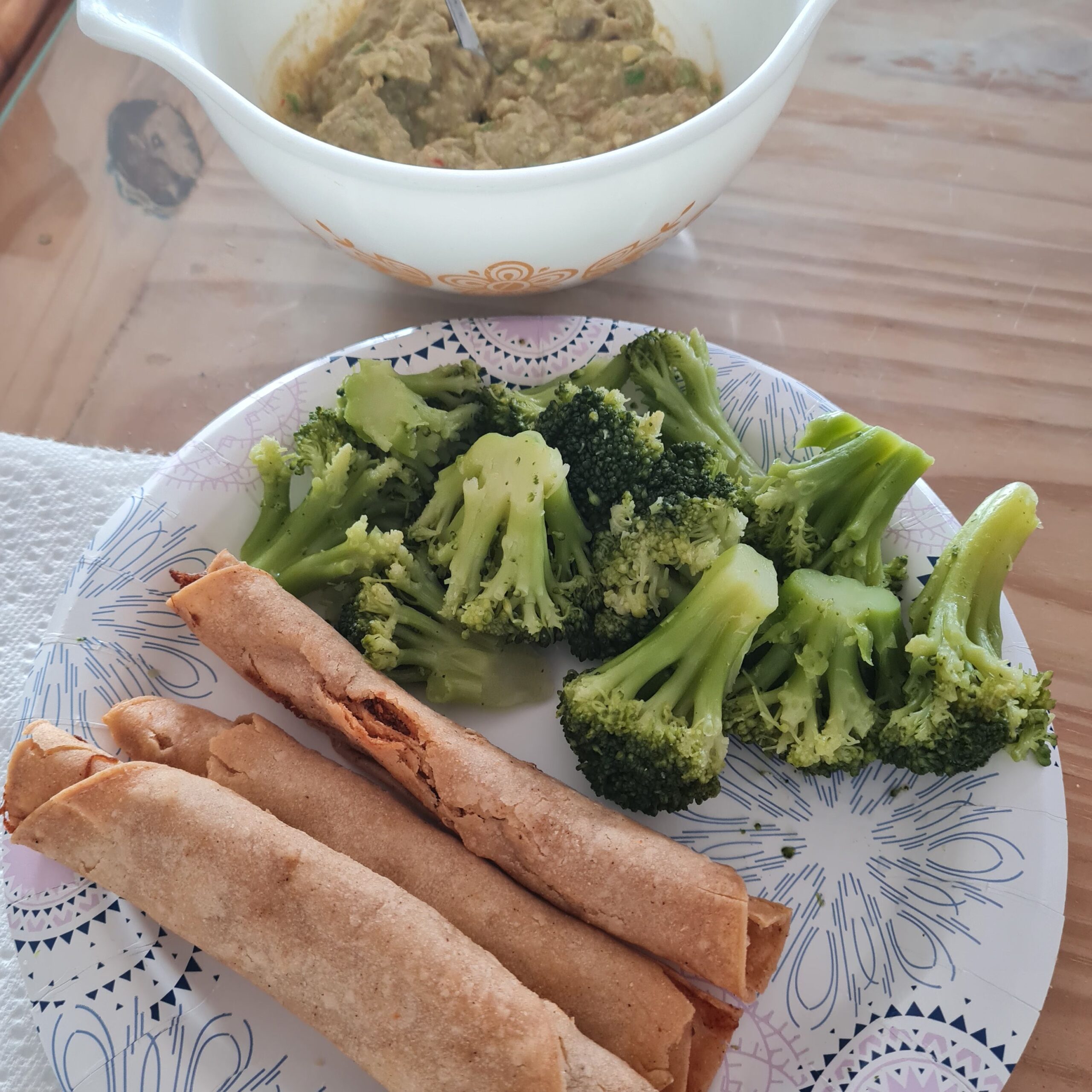
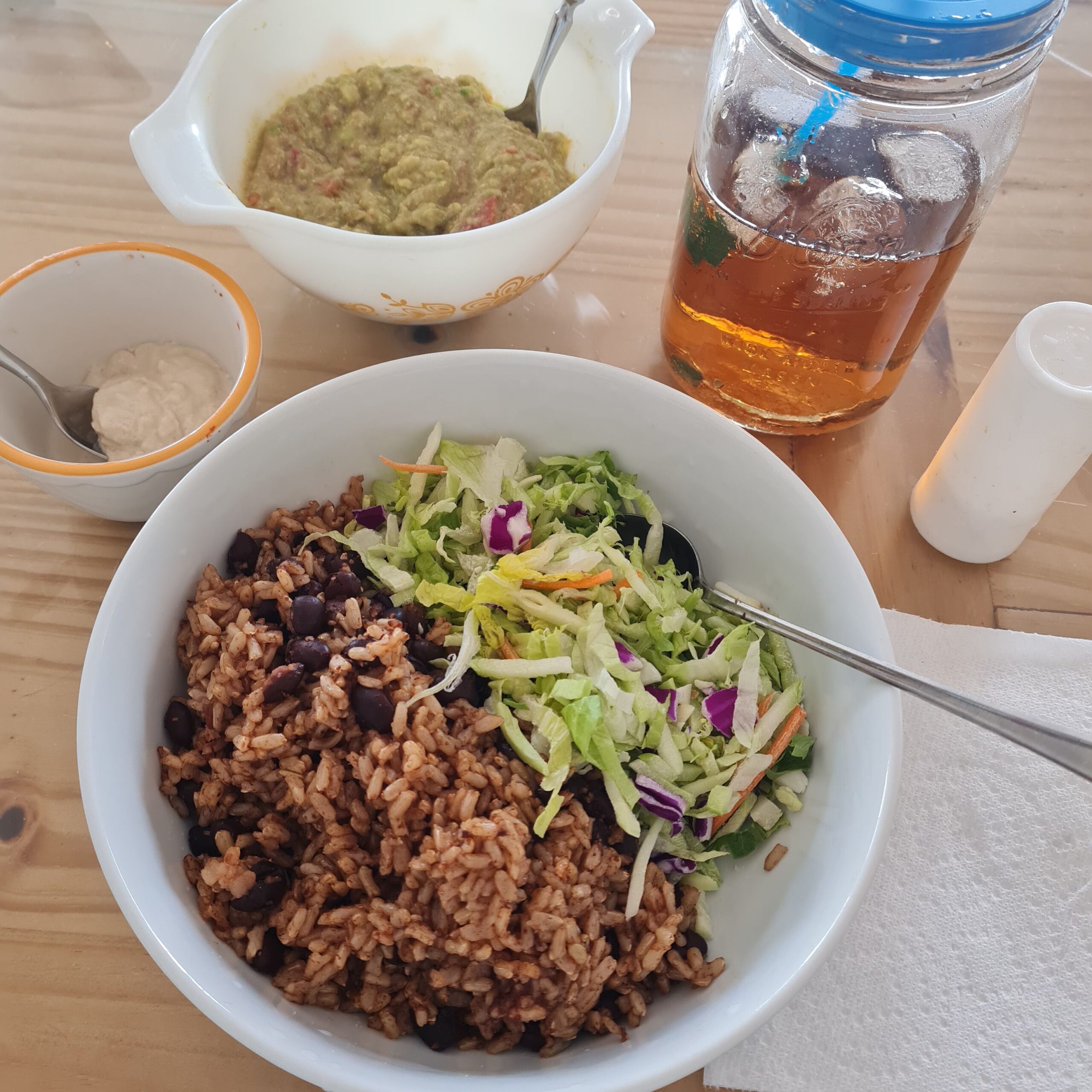
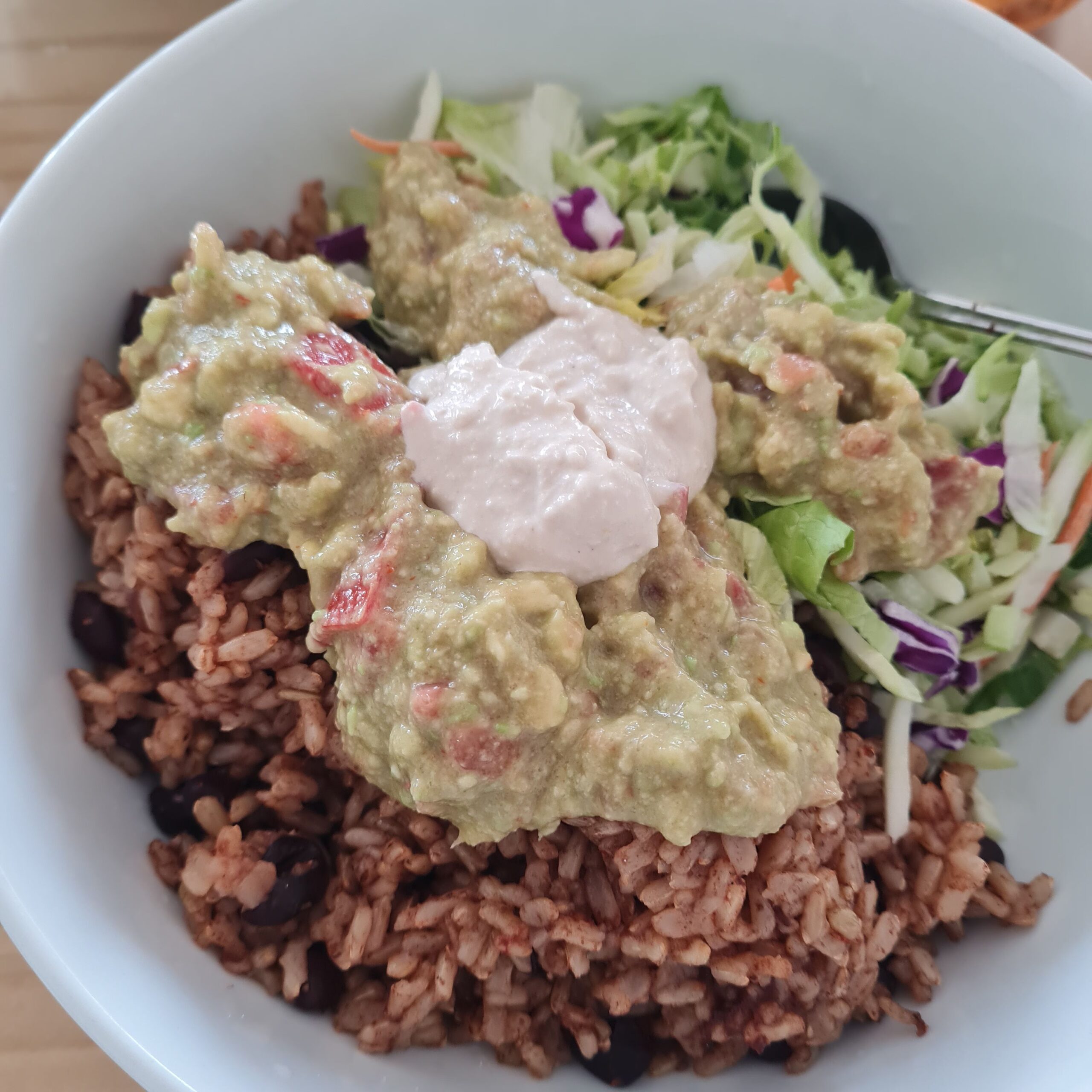
* grilled bbq mushrooms w/ garlic toast & loaded alpha gorilla veggie salad
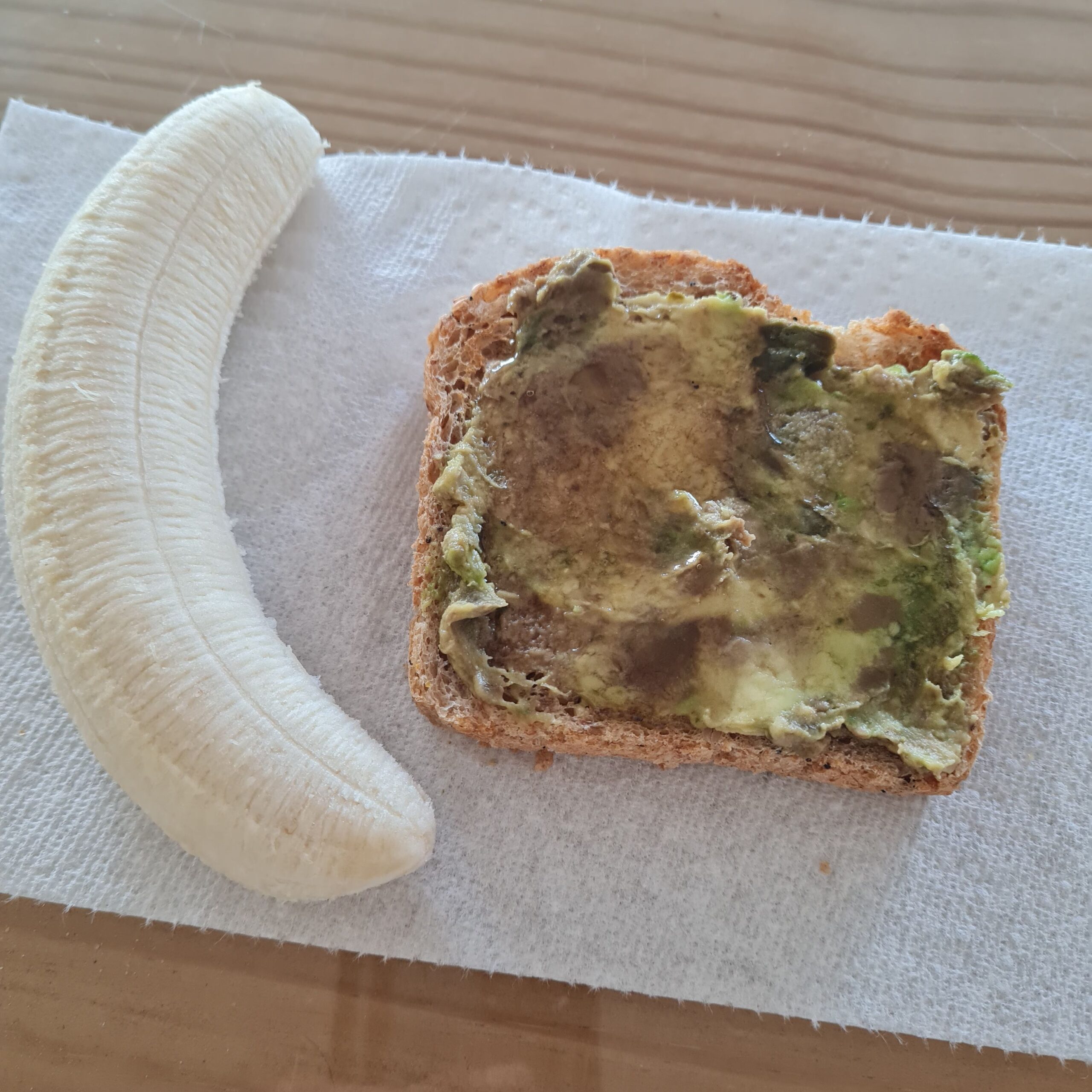
* 9 grain sourdough toast topped w/ avocado, more gorilla salad

… SUN HAS SET …

Cmmt: XL indicates uncommon extravagantly lucious food, and wautéed means water-sautéed
 

Stephanie Seneff, PhD | MIT Scientist Warns: This Chemical is Everywhere (And It’s Dangerous)

April 1, 2025

We hear about toxins in our food all the time – but what if one chemical was quietly linked to the rise of so many chronic conditions and diseases? Autism, Alzheimer’s, diabetes, fatty liver disease, Parkinson’s, ADHD, even certain cancers?

Meet Dr. Stephanie Seneff, an MIT scientist who has spent years uncovering the shocking effects of glyphosate – the active ingredient in the world’s most commonly used weedkiller. Stephanie explains how this one component could be the root behind the biggest health crises of our time – and in this episode, she breaks down exactly how.

We cover:
🔥 The rise of glyphosate – where it came from & how it took over our food supply
🦠 How it disrupts your gut, microbiome, and nutrient absorption
💧 Deuterium – the “heavy hydrogen” affecting mitochondria & metabolism
🥑 How a low-deuterium diet (ketogenic, high-fat) may help reverse damage
❌ Why Ozempic ultimately won’t work full cycle
💉 Glyphosate in vaccines
🌍 AI & the future of medicine

Dr. Seneff’s research is controversial but the evidence is mounting. Could glyphosate be the silent spring of our time?

July 26, 2025 Low-SOS Vegan Plan

(This blog began 3/15/2015)

MEDITATION:
Proverbs 22: 12-29

Enjoying some BRI posts here

Adviceline episodes

EXERCISE:
* Jog 5k outdoors
* Day 3 Muscle/Bone Mass Workout
* PT APP workout
–low back stretch / strengthening
* Bicycle indoors 45 minutes

WATER:
(2) × (32) = 64 oz (+)

EATS:
* gfo smoothie (greens, fruit, oats)
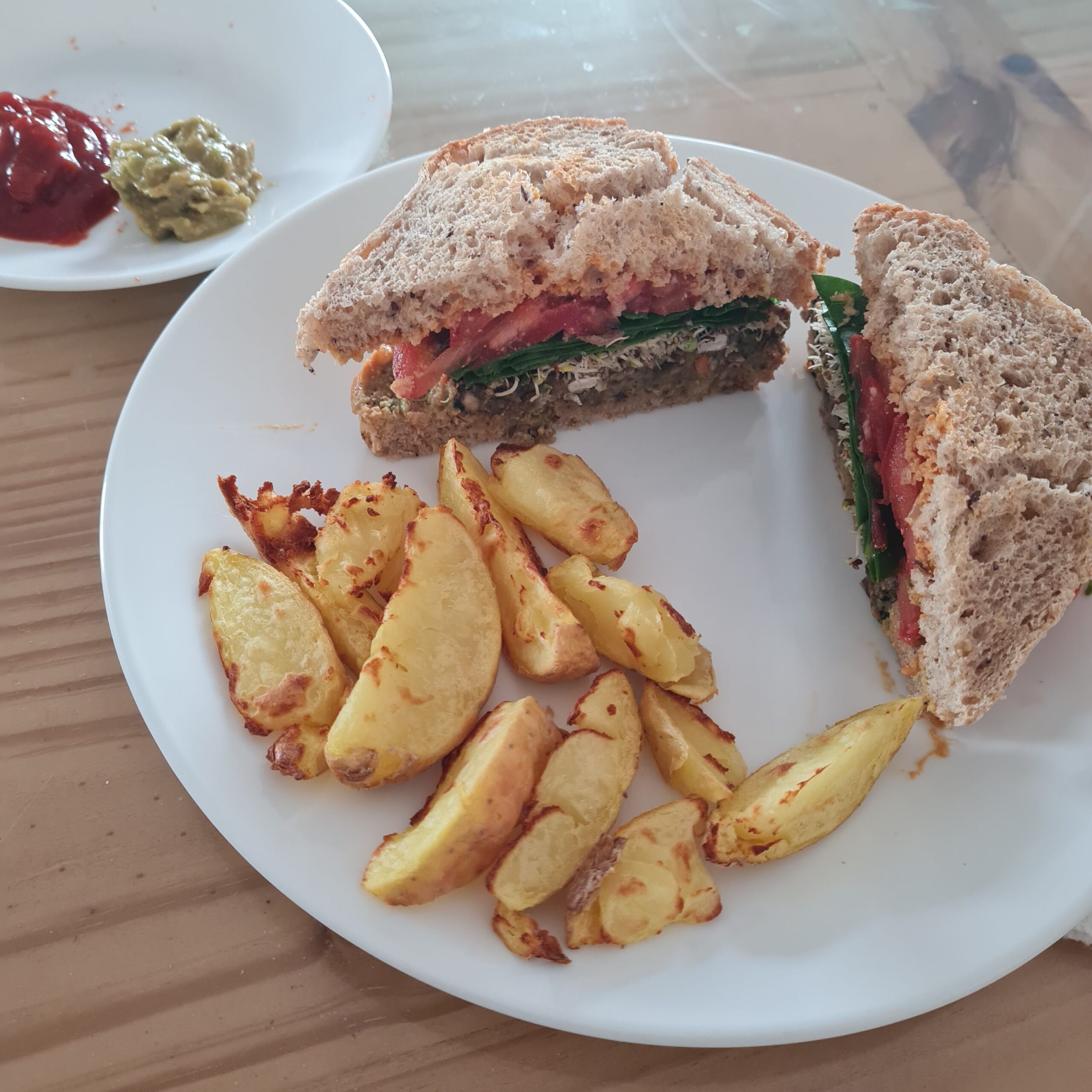
* 9 grain sourdough toast topped w/ avocado, grain & raw veggie salad & fresh garden tomato slices
* cauliflower crust (cheese-free) pizza w/sauce & lots of fresh veggies
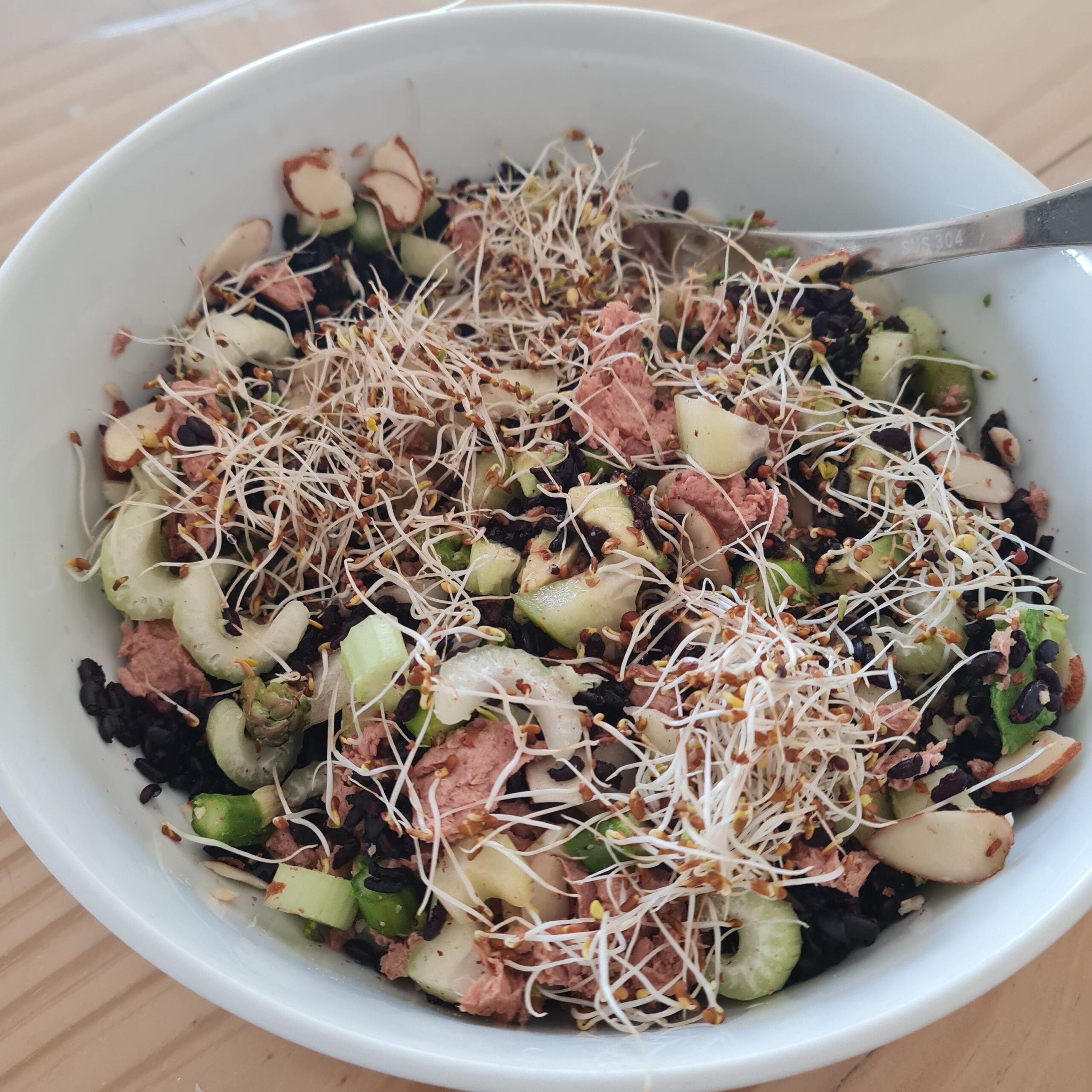
* loaded alpha gorilla veggie salad
* fresh peach

… SUN HAS SET …

Cmmt: XL indicates uncommon extravagantly lucious food, and wautéed means water-sautéed
 

Where Do Lowfat Vegans Get Their Protein?

Low-fat vegan protein sources organized by category.

🥦 Low-Fat Vegan Protein Sources


1. Legumes and Beans


Lentils (cooked) – ~9g protein / 0.4g fat per 100g

Chickpeas (cooked) – ~9g protein / 2.6g fat

Black beans (cooked) – ~8.9g protein / 0.5g fat

Kidney beans (cooked) – ~8.7g protein / 0.5g fat

Green peas (cooked) – ~5g protein / 0.4g fat

Edamame (cooked) – ~11g protein / 5g fat (moderate fat)

2. Grains


Quinoa (cooked) – ~4g protein / 1.9g fat

Brown rice (cooked) – ~2.6g protein / 0.9g fat

Whole wheat pasta (cooked) – ~5g protein / 1g fat

Oats (dry) – ~13g protein / 7g fat (mostly healthy fat)

Buckwheat (cooked) – ~3.4g protein / 0.6g fat

3. Soy-Based Foods


Tofu (firm) – ~10g protein / 5g fat (moderate fat)

Tempeh – ~19g protein / 4g fat (lean for protein content)

4. Vegetables (Supplemental Protein)


Spinach (cooked) – ~3g protein / 0.4g fat

Broccoli (cooked) – ~2.8g protein / 0.3g fat

Brussels sprouts (cooked) – ~3.4g protein / 0.3g fat

Asparagus (cooked) – ~2.4g protein / 0.2g fat

5. Protein Supplements & Isolates (be careful, protein isolates not recommended)


Seitan (wheat gluten) – ~21g protein / 2g fat per 100g

Soy protein isolate – ~25g protein / 0g fat per scoop

Pea protein powder – ~20–25g protein / <2g fat per scoop

Hemp protein (concentrate) – ~15g protein / ~3g fat per scoop (moderate)

✅ Suggested Low-Fat Protein Combos
Beans + Brown Rice

Lentils + Quinoa

Whole Wheat Pasta + Green Peas

Tofu Stir-Fry (steamed or water-sautéed)

Smoothie with Pea Protein + Berries + Almond Milk

July 25, 2025 of Low-SOS Vegan Plan

(This blog began 3/15/2015)

MEDITATION:
Proverbs 22: 1-11  “Every way of a man is right in his own eyes: but the Lord pondereth the hearts.”

No Greater Love podcast

EXERCISE:
* Powerwalk 4 miles indoors w/ facial lymphatic massage
* PT APP workout
–low back stretch / strengthening

WATER:
(2) × (32) = 64 oz (+)

EATS:
* watermelon
* oatmeal w/ fresh peaches, blueberries, Martian arugula milk, walnuts, dash of coconut  XL-sugar
* black bean brownie cookies w/o flour! (this recipe, but w/ black beans instead of chickpeas)
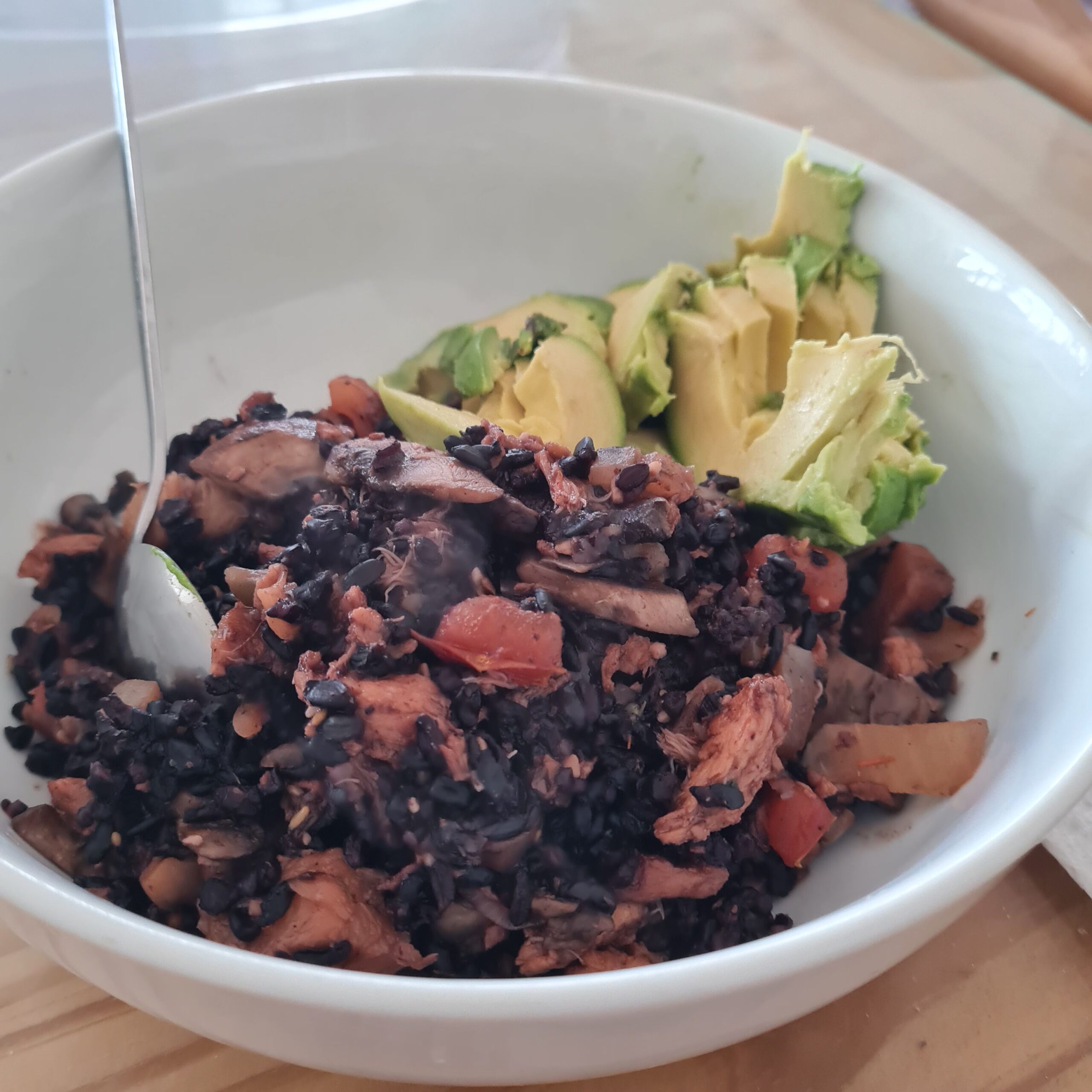
* purple + brown rice w/ lots of fresh wautéed veggies
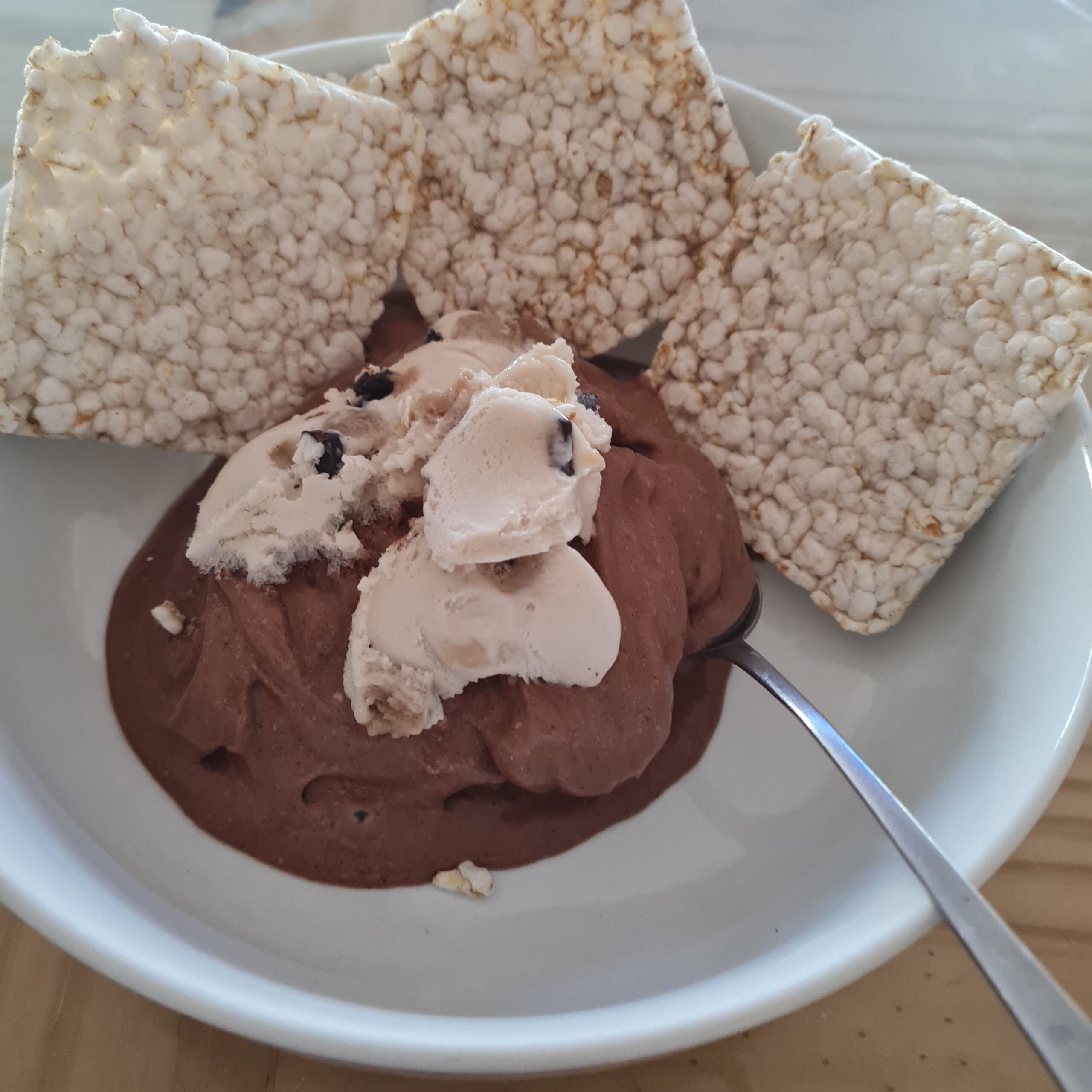
* vegan sweet potato ice cream

… SUN HAS SET …

Cmmt: XL indicates uncommon extravagantly lucious food, and wautéed means water-sautéed
 

The Real Reason You’re Not Losing Weight (Hint: It’s Not Willpower)

Dr. Peter Rogers, a double board-certified physician:

If you’ve struggled to lose weight – or just want to age better than your friends and family – this talk is a must-watch.

⏱️ TIMECODES – Dr. Peter Rogers: The Real Reason You’re Not Losing Weight

00:00 – Intro: Why this talk matters
01:04 – Meet Annette Larkins: What aging should look like
02:45 – You don’t need to worry about protein
03:50 – Why most people get fat and sick
04:53 – It’s not genetics, it’s the food
06:00 – The Nauru disaster: How processed food destroyed a nation
07:15 – What rice-eating cultures teach us about fat loss
08:00 – Tarahumara vs. Pima: Two fates, one fork
10:00 – The healthiest tribes (and what they eat)
11:00 – McDougall’s insight: Starch is the key
12:30 – Why oil and fried food are always a problem
13:30 – Peter’s personal story: Losing 65 pounds
15:00 – The food industry’s “bliss point” science
16:28 – How MSG and MFG hijack your brain
17:15 – The Pleasure Trap: Why change is so hard
18:00 – Doug Lisle & Alan Goldhamer on food addiction
19:25 – Why “moderation” doesn’t work
20:00 – Resetting your taste buds with a fast
21:12 – Which beans and starches help you lose most
22:14 – Why no oil, no soy, no nuts
23:10 – Stress, caffeine, and sleep’s effect on weight
24:30 – Estrogenic chemicals: hidden drivers of weight gain
26:00 – Why medication isn’t enough – fix the cause
28:00 – Buridan’s ass & analysis paralysis: just start
29:07 – Which diets actually work (and which don’t)
30:45 – High-fat plant-based diets: The “phony health food” trap
31:36 – Why keto, paleo, and carnivore fail long-term
32:00 – Obesity theories: set point, stress, and estrogen
34:00 – Personal care products that might make you fat
35:09 – MSG’s impact on brain hunger centers
36:44 – Caloric density explained: why starch wins
38:29 – Why veggies alone don’t work for weight loss
39:00 – The best diet books for losing weight
40:15 – Starch and blood sugar: the roller coaster explained
41:30 – Estrogenic preservatives and how they affect fat storage
42:40 – Gut bacteria, estrogen recycling, and fibroids
44:10 – Filter your water or drink 8 cups of estrogen?
44:40 – “Fountain of Youth” – lifestyle habits that really work
46:49 – Dr. Rogers’ 20 Commandments for health
47:51 – Final thoughts: It’s not about perfection, it’s about direction