Is it possible to achieve healthy aging through eating? Yeast research points the way to securing better health in our golden years.
[…]
… healthy aging is achievable through dietary change without restriction by potentially optimizing diet and that ill health is not an inevitable part of the aging process.
[Cmmt: Basically concludes earlier healthy lifestyles are best.]
(She mentions that she has been on the CARNIVORE DIET for the past 9 months & on the very high fat KETO DIET for 2 years before that. Nevertheless, she does not attribute her stroke to these.)
She also mentions that her nine member junior high girls’ group (they meet annually) had three members suffer a stroke in the past year w/ one (Julie) dying. How odd.
This is 2023. What could these women have in common that would cause 33% of them to stroke-out together THIS year? Certainly not all had a “tiny hole in the heart”, or “forgot to wear compression stockings” (reasons to which SHE attributes her stroke).
Could it possibly be the Keto diet? Carnivore diet? mRNA spike protein production? Hmm…
Caldwell Esselstyn Jr. is an American physician, author and former Olympic rowing champion; most notable for his work Prevent and Reverse Heart Disease, which advocates for a low-fat, whole foods, plant-based (vegan) diet. He recommends avoiding all animal products, as well as reducing or avoiding soybeans, nuts, avocados and oils. The diet is the one former U.S. President Bill Clinton follows after his heart attack.
“You work hard to establish the background of chronic illness.”
In this video, Esselstyn discusses heart disease as a food-born illness. He states that simply stopping consumption of cell-damaging food substances will stop the down-stream processes that cause the onset of plaque buildup in your arteries. Hence, you have the power to prevent heart attacks and other chronic illnesses through changing whats on your plate.
Esselstyn in response to common heart health questions:
Q) Who develops heart disease?
A) “Everyone eating the typical western diet. In autopsy studies of our GI’s who died in the Vietnam and Korean wars almost 80% at an average age of 20 years, had disease that could be seen without a microscope. Forty years later in 1999, a study of young persons between the ages of 16-34 years who have died of accidents, homicides and suicides, finds the disease is now ubiquitous.”
Q) What is the cause of the disease?
A) “It is the typical western diet of processed oils, dairy, and meat which destroys the lifejacket of our blood vessels known as our endothelial cells. This cell layer is a one cell thick lining of all of our blood vessels. Endothelial cells manufacture a magical protective molecule of gas called nitric oxide, which protects our blood vessels. It keeps our blood flowing smoothly, it is the strongest dilator (widener), of our blood vessels, it inhibits the formation of blockages (plaques), and it inhibits inflammation.” With such natural protection why do we ever develop heart disease? “Every western meal of processed vegetable oils, dairy products, and meat (including chicken and fish) injures these endothelial cells. As individuals consume theses damaging products throughout their lives, they have fewer functioning endothelial cells remaining and thus less of the protective nitric oxide. Without enough nitric oxide the plaque blockages build up and grow creating eventually heart disease and strokes.”
Q) Can it be stopped or even reversed?
A)”Yes. First we must look at the lessons learned from cultures where there is a virtual absence of coronary artery heart disease such as rural China, the Papua Highlands of New Guinea, Central Africa, and the Tarahumara Indians of Northern Mexico. Their nutrition is plant based without oil. Beginning in 1985 I initiated a study of seriously ill coronary artery disease patients. Their nutrition became plant based without oil. Their cholesterol levels plummeted. Their angina disappeared. Their weight dropped. I have reported this study at 5 years, 12 years, and 16 years, in the peer reviewed scientific literature and again beyond 20 years in my book Prevent and Reverse Heart Disease. “
Q) Any final thoughts?
A) When people learn to eat plant based to eliminate heart disease it could inaugurate a seismic revolution in health. Other diseases that resolve include obesity, hypertension, stroke, heart attacks, gall stones, diverticulitis, asthma, osteoporosis, allergies, rheumatoid arthritis, multiple sclerosis, lupus, and a marked decrease in the common western cancers of breast, prostate, colon, endometrial, ovarian, and pancreatic. To paraphrase John Kennedy “Ask not what your country can do for [your health], ask what YOU can do for [your health].”
————————
“The truth be known coronary artery disease is a toothless paper tiger that need never exist and if it does exist it need never progress.”
Foods Rich in NITRATES:
Beets
Leafy greens (includes kale!)
Lettuce
Carrots
Green beans
Spinach
Parsley
Cabbage
Radishes
Celery
Collard greens
Etc.
Foods Rich in POLYPHENOLS (aids in nitric oxide production) :
Fruit
Garlic
Berries
Nuts
Soy
Chocolate (w/ no added fat)
Red wine (resveratrol)
Etc.
His book is: Prevent and Reverse Heart Disease, available on Amazon
Dr. Naomi Wolf is the CEO of the Daily Clout, a nonprofit that enables people to see, share and affect live legislative bills which otherwise would be largely non-transparent and passed in behind closed doors. She is perhaps best known as a feminist leader, journalist and author writing about feminism and women’s rights, the emerging totalitarianism in the US and more recently the Covid pandemic and creeping institutional tyranny.
Naomi graduated from Yale University as a Rhodes Scholar to attend Oxford University where she later received her doctorate in English Language and Literature. In the past she has taught at Barnard College, Stoney Brook and George Washington University.
She hosts a weekly program Daily Clouton the Progressive Radio Network.
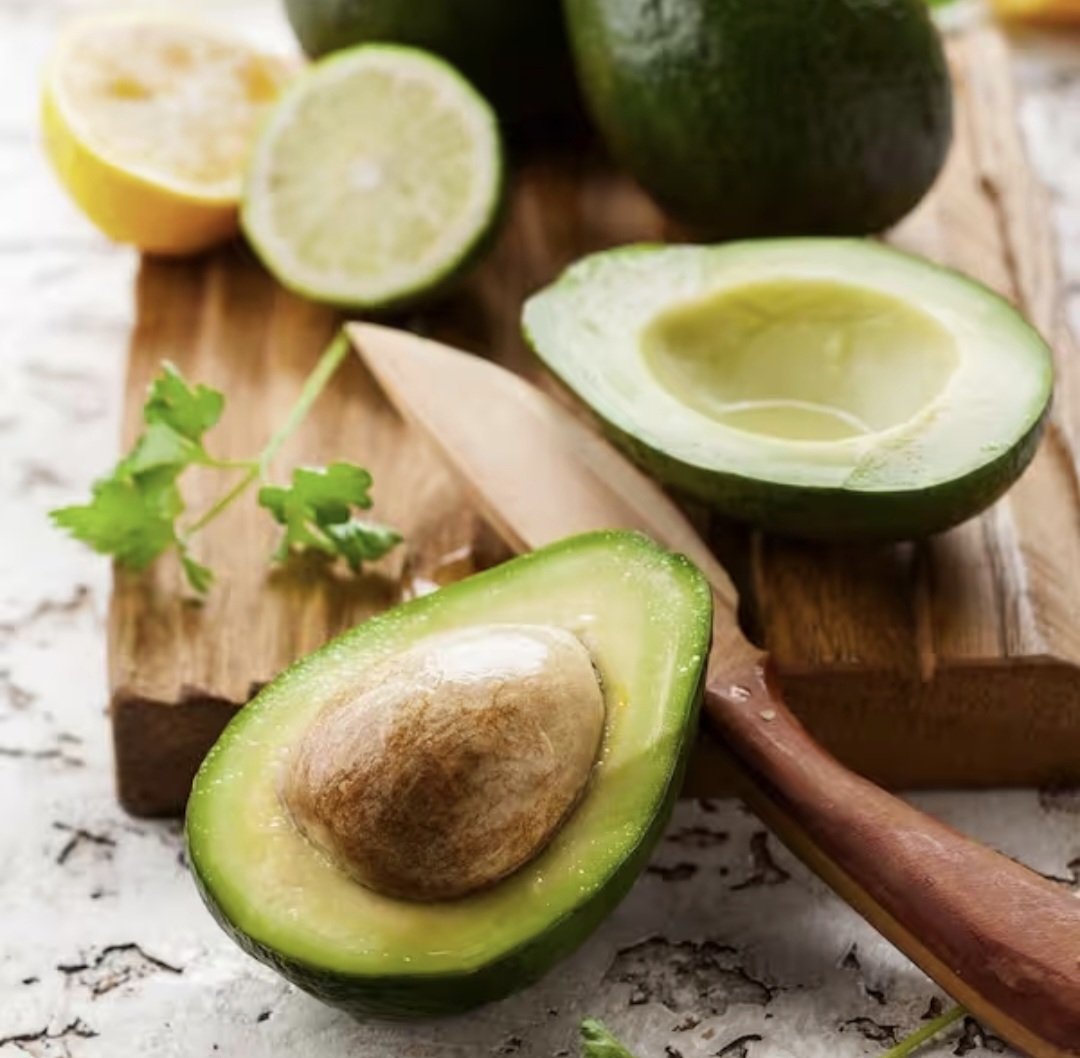
Avocados are certainly much higher in calories and fat content than most other fruits or vegetables. But that’s also what makes them so special. Avocados and avocado oil provide monounsaturated fats, mostly in the form of heart-healthy oleic acid, and alpha-linolenic acid, an omega-3 fatty acid, which actually work to keep your levels of unhealthy cholesterol (LDL) down while raising levels of good cholesterol (HDL.) This contributes to overall better heart health and a significant reduction in the risk of cardiovascular diseases.
Avocados have the power of potassium.
Potassium is necessary for your body to regulate cellular fluid levels, for muscle contractions including regulating your heartbeat, and for nerve functions. Potassium also allows the body to process proteins and carbohydrates. If your potassium levels are too low, you can suffer from muscle weakness or an arrhythmia of your heart. One avocado can have over 650 mg of potassium, making it one of the best sources God has provided of this important electrolyte.
Avocados are plentiful with folate.
This is wonderful news for women of child-bearing age. Folate, which is the natural form of the supplement known as folic acid, is a powerful preventative when it comes to birth defects. It’s recommended that women consume around 400 mcg a day when they’re of childbearing age—in order to maintain a healthy level of folate before they are even pregnant, as birth defects can develop extremely early on in pregnancy. One avocado can contain one-fifth of that, making it one of the Earth’s most folate-filled foods.
Avocados do not cause weight gain.
For as much healthy fats and fatty acids as avocados contain, they have not been shown to contribute to body weight gain. One study showed that people whose diets included one avocado daily did not gain overall weight, which means that all those amazing health benefits of eating avocados, like a reduction in LDL cholesterol, does not come paired with weight gain. Yet another study even suggested that an avocado a day could help redistribute belly fat in women; there was a positive shift in the ratio of visceral fat, which is deeper and closer to the organs, to subcutaneous fat, right beneath the skin. People with a higher percentage of visceral fat are at a greater risk for diabetes. So, even if not contributing directly to weight loss, an avocado a day might really keep the doctor away, at least when it comes to diabetes.
Avocados are full of fiber.
Fiber is a type of carbohydrate that, instead of being converted to sugar, passes through your body undigested. Your body needs fiber in order to regulate your blood sugar levels and keep hunger at bay. So the combination of fat and fiber in avocados works to regulate your appetite and keep you feeling full longer. Fiber also helps keep your gut microbiome healthy, which aids in fighting off inflammation caused by chronic diseases—and it has been shown to decrease your risk of developing diabetes, heart disease, and some digestive disorders. Fiber is fundamental!
Avocados can benefit your brain.
Avocados contain lutein. A Tufts University Study found that older adults who regularly consume avocados showed improved cognition; both their problem-solving skills and working memory became better and stronger. Strangely, subjects who consumed lutein supplements did not show the same results, showing that avocados somehow deliver lutein more effectively.
Avocados are nutrient powerhouses.
They provide many other important nutrients. Half an avocado can contain 20% of your daily recommendation of pantothenic acid, also known as Vitamin B5. Pantothenic acid helps digest food—especially fats—and turn it into energy. Avocados also contain lutein and zeaxanthin, which are essential for your eyesight and protect your eyes from the damaging ultraviolet rays of the sun. The vitamin E in avocados also benefits your eyes. Avocados offer Vitamin K, too, which your body needs to absorb calcium to keep bones strong and healthy. Even better, the high-fat content of avocados means that these vitamins are what’s known as “fat-soluble,” which means they are much easier for your body to absorb.
You can eat the seed, too!
What’s more, the seed of the precious avocado has so much to offer to a healthy vegan diet, too. Avocado seed extracts have antioxidant, anti-inflammatory, and anti-neurodegenerative properties. Avocado seeds can also fight fungal infections, cancer, hyperglycemia, and high cholesterol. Like the flesh of the avocado, the seed is super high in potassium and fiber. You can dehydrate avocado seeds in your oven and then grind them to a powder that you can sprinkle over any dish you like.
Our Favorite Ways to Enjoy Avocados
Looking for fun and creative ways to include avocados in your diet? Most of the recipes on our website that include avocado are also entirely raw, making it easy to stay faithful to The Hallelujah Diet. Try some of these unique dishes and combinations!
Dressings:
Blended avocado has so many uses. Here, it becomes a condiment rather than the main ingredient in a dish. This Avocado Dressing with lemon juice is a very basic two-ingredient, easy and delicious topping for any kind of salad you want! Here is a sweet twist: another simple two-ingredient Grape Juice and Avocado Dressing!
Dips:
These delectable dips will take you beyond guacamole. This Avocado Salsa spiced with cumin is an alternative to guacamole. This Cumin Avocado Dip gets an extra boost of flavor from almond butter. And this Creamy Spinach Dip with avocado gets the health benefits of the calcium-packed superfood spinach.
Salads:
Avocado gets to be the focus of attention when it’s the main ingredient in these summery salads. This refreshing Raw Cucumber and Avocado Salad is a perfect summertime side. With hearty and filling black beans, this Black Bean and Avocado Salad would make a satisfying midday meal. This unique Grapefruit and Avocado Salad has an unexpected burst of zingy grapefruit and grapefruit juice.
Soups:
Chilled, invigorating summertime soups make a special accompaniment to a meal or can be a whole lunch or dinner. This Delightful Avocado Soup contains a variety of fresh, raw veggies—and you can substitute any ones you want or that are in season. Spice lovers will love Margarita’s Soupa, a tomato-based explosion of flavor—add some jalapeno for an extra kick. This hearty One-Step Creamy Corn Chowder is a sweet and savory seasonal soup.
Smoothies:
Creamy, rich avocados are the perfect addition to a satisfying, filling smoothie. A yummy and pretty traditional fruit smoothie gets extra creaminess from not just banana but also avocado in the Avocado Raspberry Banana Green Smoothie. Fresh herbs make this Mint-Basil Veg Smoothie sparkle with flavor. And if you’re feeling adventurous, try this savory, bitter Green Goodness Smoothie made with dandelion greens, parsley, spinach, and yes—avocado.
Desserts:
If our smoothie recipes don’t convince you that avocados aren’t only made for guacamole and toast, these desserts will! Sherrie’s Raw “Chocolate” Pudding is a delectable blend of avocado and carob powder that babies, adults, and everyone in between will love equally. This Avocado Lemon Pudding is made of all raw ingredients, just as The Hallelujah Diet recommends, and has a creamy texture and a fresh tangy lemon flavor. And finally, this incredible Simple Key Lime Pie, from Rhonda’s Culinary Creations, by The Hallelujah Diet’s own Rhonda J. Malkmus, utilizes avocado to obtain the custard-like consistency of a traditional key lime pie without dairy but with all the added benefits of avocado.
In this clip, Peter and Beth Lewis demonstrate how to properly perform a step-up. Additionally, they explain the mobility and strength benefits of the exercise.