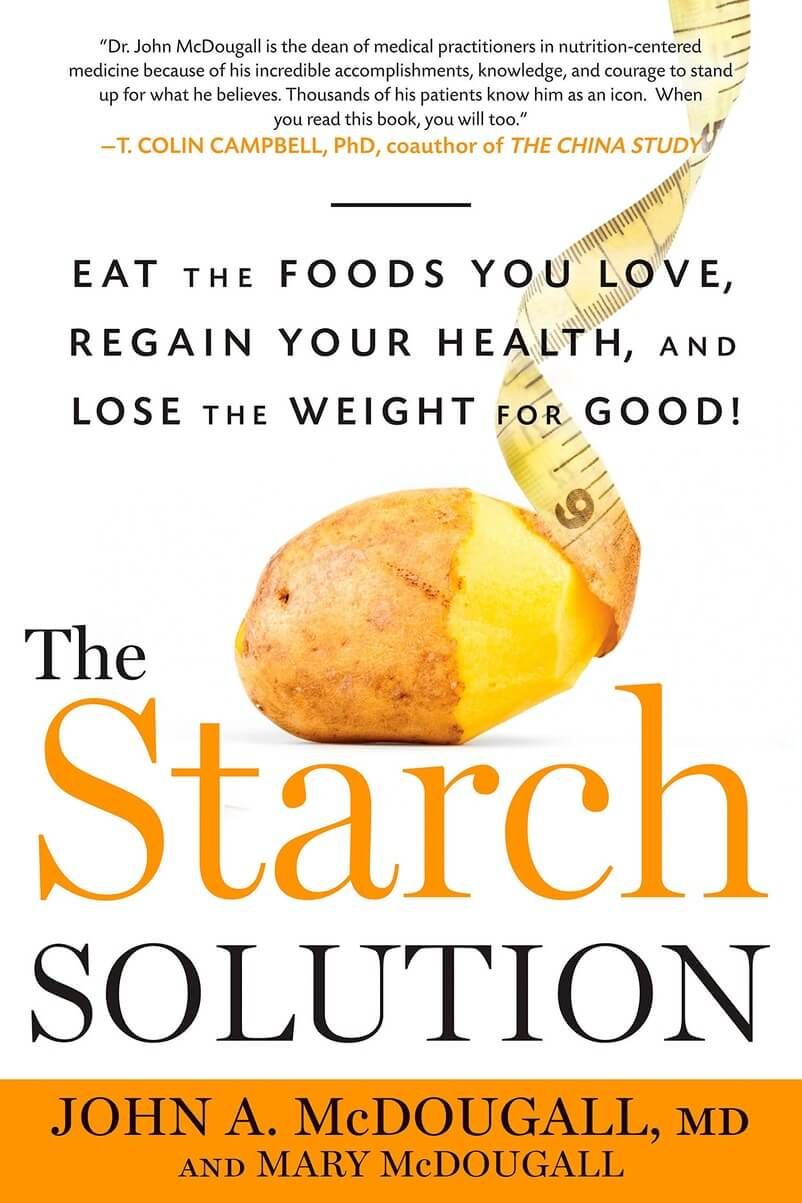
The John McDougall diet is a low-fat, starch-centered, whole-food plant-based eating pattern developed by Dr. John McDougall and his wife Mary McDougall.
Here are the main points:
Starch-based foundation
Built around whole starch foods like potatoes, rice, oats, corn, beans, and whole grains
These foods provide most daily calories
Very low fat intake
Avoids all added oils (olive oil, coconut oil, etc.)
Keeps fat intake naturally low from whole plant foods only
Fully plant-based
Emphasizes fruits, vegetables, legumes, and whole grains
Excludes all animal products
No meat, dairy, or eggs
Completely eliminates animal-derived foods
Minimal processed foods
Limits refined sugar, refined flour, and heavily processed packaged items
High fiber intake
Whole plant foods naturally create a high-fiber diet, supporting digestion and fullness
Sodium and sugar moderation (varies by version)
Some versions reduce salt and added sweeteners for health reasons
Weight management focus
Promotes low-calorie-density eating for easier weight loss or maintenance
“Eat to satiety” principle
Encourages eating large portions of approved foods without calorie counting
The Healthiest Diet on the Planet: Why the Foods You Love-Pizza, Pancakes, Potatoes, Pasta, and More-Are the Solution to Preventing Disease and Looking and Feeling Your Best
The Caldwell Esselstyn diet (often called the “plant-based, no-added-oil” heart disease reversal diet) is centered on very strict whole-food, plant-based eating. Here are the main principles in bullet points:
100% whole-food, plant-based eating
Emphasis on vegetables, fruits, whole grains, and legumes
No animal products at all (meat, fish, dairy, eggs)
No added oils
Avoid all oils, including olive oil, coconut oil, and “healthy” oils
Also avoids oil-containing products like most salad dressings and fried foods
No nuts and seeds (in the strict version)
Unlike some other plant-based diets, Esselstyn restricts nuts and seeds due to their fat content
Low-fat, very low-oil approach
Focus is on keeping dietary fat extremely low to improve endothelial (blood vessel) function
Eliminate processed foods
Avoid refined and processed plant-based foods, especially those with added fat, sugar, or oil
No refined sugars or flours
Limits white bread, pastries, soda, candy, and other highly refined carbohydrates
Emphasis on leafy greens
At least one large serving of leafy green vegetables daily (e.g., kale, spinach, arugula)
Legumes as a staple protein source
Beans, lentils, peas, and chickpeas are core protein and calorie sources
Whole grains in moderation
Brown rice, oats, barley, quinoa, etc.
Supplements only if needed (e.g., vitamin B12)
B12 is commonly recommended due to the lack of animal products
Goal: cardiovascular disease reversal
Designed specifically to halt and potentially reverse coronary artery disease progression
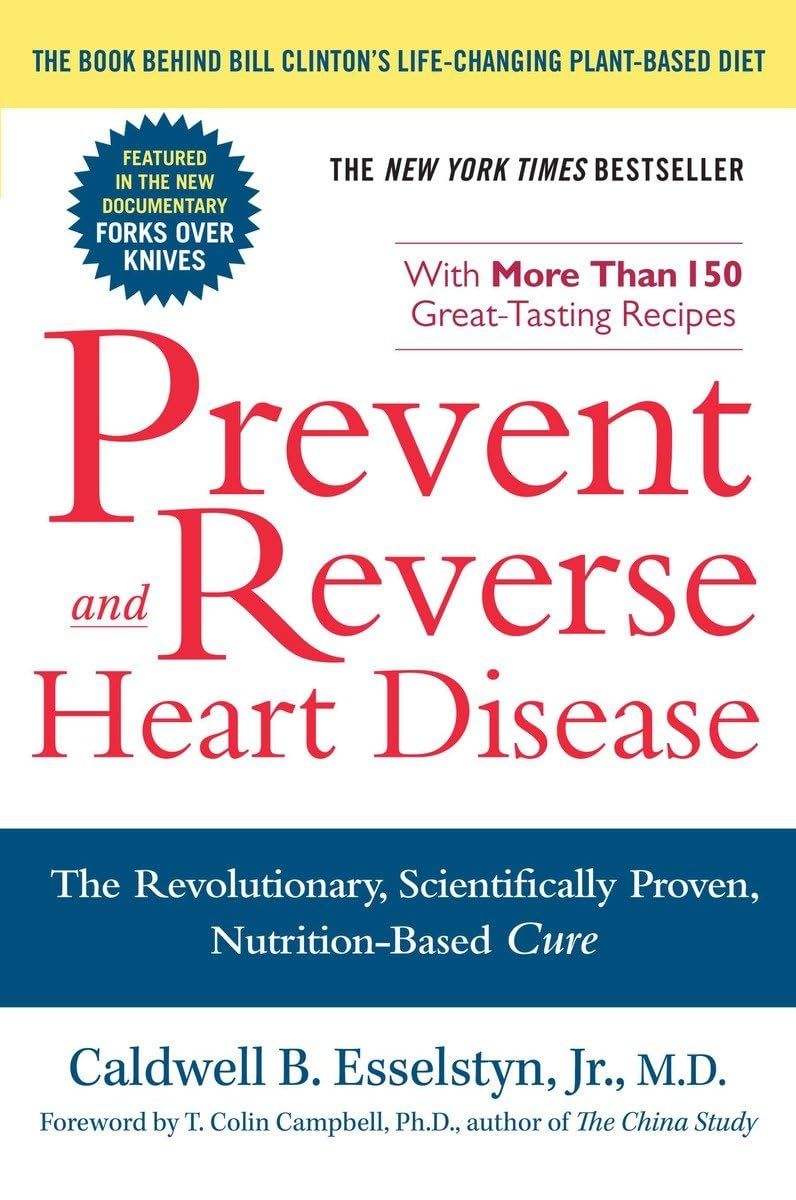
This approach is most closely associated with Dr. Caldwell Esselstyn and is detailed in his book Prevent and Reverse Heart Disease.
EXERCISE: * Jog 4k outdoors * PT APP workout –build hip strength, stretch, etc * Helped transplant small fig tree (I did the easy part, running to & fro)
WATER: (2) × (32) = 64 oz (+)
EATS: * bowl of bbq beans w/ bunch of chopped kale & avo-toast * pure potato bowl created in waffle iron, bowl filled later w/ bbq beans, grilled veggies & avocado on the side * few walnuts
… SUN HAS SET …
Cmmt: XL indicates uncommonly excessive food, and wautéed means water-sautéed
Ingredients 2 cups finely chopped red onions 1 cup finely chopped celery 1 cup finely chopped green bell pepper 1 cup chopped red bell pepper 12 small cloves garlic, minced 2 tablespoons mild chili powder, or to taste 1 tablespoon sweet paprika 2 teaspoons ground cumin 2 15-oz. cans diced tomatoes, undrained, or 3 cups chopped fresh tomatoes 2 cups fresh or frozen blueberries 2 15-oz. cans kidney beans, rinsed and drained (3 cups) ¼ cup finely chopped fresh cilantro 2 tablespoons lemon juice ½ teaspoon sea salt
Instructions In a large pot combine the first eight ingredients (through cumin) and ½ cup water. Cook over medium 15 minutes or until onions are tender, stirring occasionally. Add tomatoes and 1½ cups of the blueberries. Cook 15 minutes more.
Transfer 2 cups of the chili to a blender; let cool. Cover and blend until smooth. Return mixture to the pot. Stir in beans, half of the cilantro, the lemon juice, and salt.
Bring to boiling; reduce heat. Simmer 5 minutes.
Top servings with the remaining blueberries and cilantro.
Nearly 800,000 people in the United States experienced homelessness on a single night in January 2024, and a growing share are sleeping inside vehicles. Cars and trucks look like shelter, but in winter they can become dangerously cold fast. Glass loses heat quickly, the metal floor pulls warmth away all night, and an unheated car can drop to near outdoor temperatures within hours. This video documents how people sleeping in vehicles stay warm and wake up safe without electricity, without expensive gear, and without running the engine overnight, using a complete system that costs under ten dollars.
Many people ask why not go to a shelter or get a motel. Shelters can fill early, require ID, separate couples, ban pets, and create real risks around theft and personal safety. A motel is not realistic when income is unstable. For many, the vehicle is the only controlled space they have, with their dog, their belongings, and their security. That is why practical vehicle winter survival methods matter.
🧠 What You Will Learn
🚗 Why a car is not automatically warm in winter How thin metal, large glass surfaces, and an uninsulated floor cause rapid heat loss even when the vehicle is closed.
🏚️ Why shelters are not a guaranteed option during cold snaps How capacity limits, rules, and safety issues push people to rely on vehicle based survival systems instead.
🧥 Why sleeping fully dressed is warmer than relying on blankets alone How multiple dry layers trap still air close to the body and why clothing matters even before blankets and sleeping bags.
🪟 How the Mylar window vault reduces heat loss through glass How emergency Mylar sheets create a barrier at the windows, why the air gap matters, and how covering glass improves overnight warmth and reduces window ice.
🧊 Why the floor is the biggest heat thief in a parked vehicle How conduction pulls heat into the seat base and floor structure and why insulating underneath your body changes everything.
📦 How the dead air floor stack works with free materials How cardboard and a basic foam pad create trapped air space that slows heat transfer and reduces the cold coming up from below.
🔥 How hot water becomes stored heat for the coldest hours How a hot water bottle inside the sleeping setup releases warmth for hours and supports core and foot temperature without any combustion.
🧤 How chemical hand warmers are used for core warmth not just hands How strategic placement near the chest and feet supports overall body warmth and helps prevent the early morning cold crash.
💧 Why condensation can silently ruin your warmth overnight How breath moisture builds up inside a sealed car, why wet insulation loses effectiveness, and how ventilation prevents damp gear that makes you colder.
🌬️ Why a small window crack can keep you warmer How controlled airflow reduces moisture buildup without creating a strong draft, especially when the opening is placed away from your head.
🧩 How all methods combine into one vehicle winter sleep system How window insulation, floor insulation, heat storage, and sustained warmth work together to protect against conduction, radiant heat loss, and moisture.
The key lesson is simple. Staying warm in a car during winter is not about one blanket. It is about treating the vehicle like an insulation problem and solving it in layers. When windows are covered, the floor is insulated, the core is warmed with stored heat, and moisture is controlled with ventilation, a vehicle becomes far more survivable in freezing conditions.
⚠️ This video is for education and safety only. Extreme cold can be life threatening. Never use combustion heat sources inside a vehicle and never run an engine in enclosed areas. If you are at risk, prioritize warming centers, emergency services, and local resources whenever possible.
📜 Copyright Disclaimer: All content used in this video, including clips, images, is utilized under Fair Use (Section 107 of the Copyright Act) for purposes of commentary, criticism, education, and transformative analysis. This video is transformative in nature, providing original commentary, research, and educational context not present in the source material.
⚖️ No copyright infringement is intended. All rights belong to their respective.
If you are the copyright holder and have concerns, please contact youtube creator directly for resolution.
Athletes are using concentrated broccoli sprout shots containing isothiocyanates like sulforaphane to enhance performance, reduce blood lactate, and speed recovery. Sprouts are highly nutritious—up to 100 times more than mature vegetables—and have been historically used to prevent diseases like scurvy. Experts, including Dr. Jed Fahey, confirm their safety and health benefits, emphasizing their potential to detoxify pollutants, support weight management, and replace supplements. Growing sprouts at home is safe with proper sourcing and hygiene, and they offer environmental and economic advantages by reducing resource use and food waste. Sprouts are considered a powerful, medicinal, low-cost food that can significantly improve health and planetary sustainability.