White clots

April 8, 2024

As Dr John Campbell debates the mystery of white clots in relation to the Covid vaccine, knowing what we already know about vaccine censorship, how do we ensure critical thinking, open dialogue, and the availability of credible sources of information?

First seen early 2021. Discussion with Mr. Richard Hirschman.

Spike clotting 2: abnormal clots after COVID (with images!) – update 94

June 8, 2023

First look at the abnormal clots seen post COVID! We see what they look like when exposed to fluorescent dye and how they can differ in sizes, what makes up these clots and why they can explain the complex symptoms due to clogging of blood vessels. We also look at the unusual behaviour of platelets that can add to the disease development.


Location: Central Alberta


Described content:
Post COVID clots:
https://cardiab.biomedcentral.com/art…

Dr. Raszek Credentials: https://merogenomics.ca/en/about/

Pfizer is ‘deeply sorry’

April 11, 2024

https://youtube.com/watch?v=rnVTj2Uy9yc&si=sktMaR4WvoRM_wa

Pfizer, bringing discredit to pharmaceutical industry

https://www.pmcpa.org.uk/media/cwvkqv…

https://www.telegraph.co.uk/news/2024…Ā 

Senior executives used social media to promote an ā€œunlicensedā€ Covid vaccine. Pfizer found to have breached the regulatory code five times, Prescription Medicines Code of Practice Authority (PMCPA) Pharmaceutical watchdog, relates to a complaint about a message posted on twitter November 2020 by senior Pfizer employees. COMPLAINT the complainant alleged that it turned out that such misbehaviour was even more widespread than they had thought, extended right to the top of their UK operation and was apparently continuing to this very day.Ā 


PANEL RULINGĀ 


The Panel noted Pfizer’s submission that on further investigation into this complaint four other Pfizer UK colleagues, including another senior colleague in the UK organisation, had re-tweeted the same post.Ā 


The Panel queried whether a social media platform, such as Twitter was the appropriate forum to share such information.Ā 


The Panel noted the tweet contained limited information regarding the efficacy of the vaccine candidate with no safety information provided.Ā 


On the balance of probabilities, it was likely that the Pfizer UK employee’s connections would include UK members of the public as well as UK health professionals.Ā 


The Panel noted that the tweet clearly referred to the outcome of the Pfizer and BioNTech’s vaccine being developed to protect against COVID-19.Ā 


The Panel noted that Clause 3.1 prohibited the promotion of a medicine prior to the grant of its marketing authorisation.Ā 


They must not mislead either directly or by implication, by distortion, exaggeration or undue emphasis.Ā 


Material must be sufficiently complete to enable the recipient to form their own opinion of the therapeutic value of the medicine.Ā 


It must not be stated that a product has no adverse reactions, toxic hazards or risks of addiction or dependency.Ā 


The Panel noted the tweet made no reference to adverse events and was therefore concerned that important safety information relating to the vaccine candidate was not provided and ruled a breach of Clause 7.9 of the 2019 Code as acknowledged by Pfizer.Ā 


The Panel noted Pfizer stated that the senior employee whose re-tweet was the subject of this complaint had completed the social media training module in October 2019.Ā 


Activity which was clearly outside of company policy had not been taken down or deleted.Ā 


ā€˜Unlicensed medicine proactively disseminated’ 


ā€œunlicensed medicine being proactively disseminated on Twitter to health professions and members of the public in the UKā€.Ā 


Pfizer UK spokesmanĀ 


ā€œfully recognises and accepts the issues highlighted by this PMCPA rulingā€,Ā 


ā€œdeeply sorryā€.Ā 


PfizerĀ 


ā€˜Accidental and unintentional’ 


Sixth time Pfizer has been reprimanded by the regulator over its promotion of the Covid-19 vaccine.Ā 


Ben Kingsley, UsForThemĀ 


ā€œIt’s astonishing how many times Pfizer’s senior executives have been found guilty of serious regulatory offences – in this case including the most serious offence of all under the UK Code of Practice.Ā 


ā€œYet the consequences for Pfizer and the individuals concerned continue to be derisory.Ā 


This hopeless system of regulation for a multi-billion dollar life and death industry has become a sham, in dire need of reform.ā€

Facial Yoga Massage

Click here:

https://youtu.be/kTbboUM3CzQ?si=VkVbbIQITwrOhqEB

Time Line: 

00:00 Intro. 

00:15 Split finger movement 

00:30 Apply oil 

00:51 Stretch necks 

01:09 Neck massage 

01:32 Lift up cheekbones 

01:56 Lift up jawline 

03:02 Stimulate muscles 

03:29 Improve skin elasticity 

04:15 Lift cheeks 

05:21 Wiggle front of the ear 

06:30 Massage around eye 

07:18 Rebuild collagen 

08:24 Nasolabial folds 

08:58 Pinch cheek muscles 

09:44 Smooth our crow’s feet 

10:31 Make eyes look young 

12:11 Hairline massage 

12:44 Smooth out frown lines 

13:30 Erase eleven lines 

14:27 Drain face 

15:03 Outro

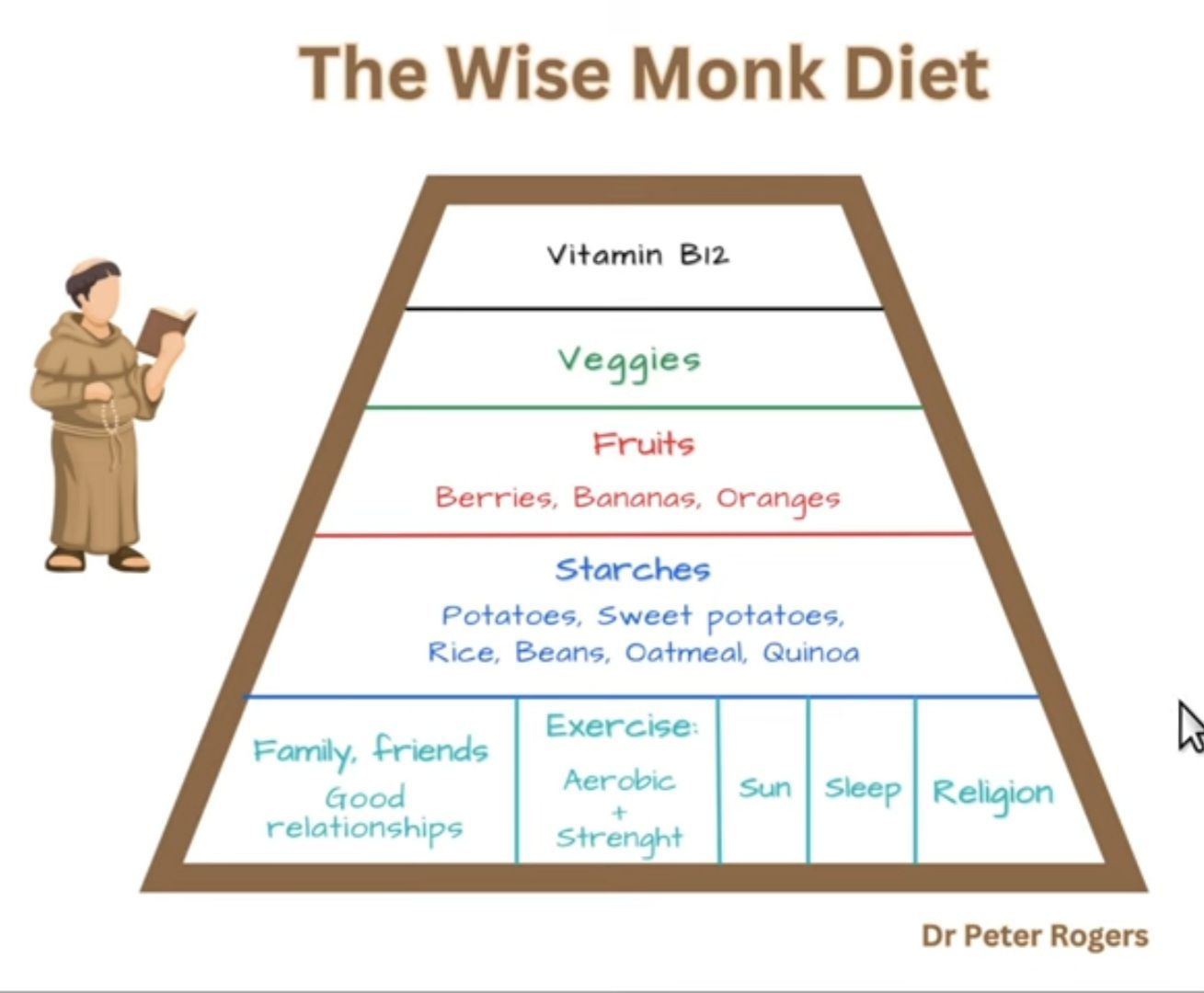
Vegan vs Meat Protein | Which is REALLY Better For Building Muscle?

This is body builder Nimai Delgado. He’s 34 years old & has never eaten meat… never.

He says:

“Meanwhile, I’m over here eating 300 carbs a day.ā€

For protein, Delgado likes beans, lentils, edamame, hemp, seeds, rice, potatoes, quinoa, tofu and tempeh.

ā€œI also eat a lot of broccoli, asparagus, Brussels sprouts, spinach, and kaleā€

China RX: How China Got Control of America’s Drug Supply

Mar 18, 2024

This week’s show is an exclusive long-format issue with Rosemary Gibson, author of China Rx. Here is some more about the book:

ā€œMillions of Americans are taking prescription drugs made in China and don’t know it–and pharmaceutical companies are not eager to tell them. This is a disturbing, well-researched wake-up call for improving the current system of drug supply and manufacturing. Several decades ago, penicillin, vitamin C, and many other prescription and over-the-counter products were manufactured in the United States. But with the rise of globalization, antibiotics, antidepressants, birth control pills, blood pressure medicines, cancer drugs, among many others are made in China and sold in the United States. China’s biggest impact on the US drug supply is making essential ingredients for thousands of medicines found in American homes and used in hospital intensive care units and operating rooms. The authors convincingly argue that there are at least two major problems with this scenario. First, it is inherently risky for the United States to become dependent on any one country as a source for vital medicines, especially given the uncertainties of geopolitics. For example, if an altercation in the South China Sea causes military personnel to be wounded, doctors may rely upon medicines with essential ingredients made by the adversary. Second, lapses in safety standards and quality control in Chinese manufacturing are a risk. Citing the concerns of FDA officials and insiders within the pharmaceutical industry, the authors document incidents of illness and death caused by contaminated medications that prompted reform. This probing book examines the implications of our reliance on China on the quality and availability of vital medicines.ā€