Author: Sharon
The Plant-Based Blueprint for Aging Well with Vesanto Melina
What if getting older didn’t have to mean slowing down?
At 84, *Vesanto Melina, MS, Registered Dietitian*, is living proof that our later years can still be active, productive and full of purpose. She’s still writing books, speaking, counseling clients and hitting the gym for five fitness classes a week. And she has decades of science and experience behind what she teaches.
Vesanto is the author or co-author of *15 books on plant-based nutrition*, including books recognized by the American Library Association as go-to resources in the field. Her latest, _Plant-Powered Seniors_, was written with Brenda Davis, RD and Dr. Charlyn Black. She also co-authored the #1 Amazon bestseller _Plant-Powered Protein_. Vesanto has taught nutrition at *Bastyr University and the University of British Columbia*, received both the Ryley-Jeffs Memorial Award and a lifetime achievement award as a dietitian and served as lead author of the Academy of Nutrition and Dietetics’ position paper on vegetarian diets across the life cycle.
In this episode of *NHA Today*, Dr. Stephan Esser talks with Vesanto about what she’s learned from more than three decades of vegan living and a lifetime spent studying nutrition. They dig into why she now emphasizes a *well-planned plant-based diet*, why legumes deserve a bigger place on our plates and the nutrients that become especially important as we age, including protein, calcium, vitamin D and omega-3s.
They also explore the other side of healthy aging: staying strong and independent. Vesanto shares how exercise supports bone health, balance and fall prevention, why small changes can make a meaningful difference and why it’s never too late to improve the way you eat and live.
Whether you’re already in your 70s or 80s or thinking about the health you want decades from now, this conversation offers a different vision of aging and practical ways to stay strong, active and engaged for the years ahead.
LINKS AND RESOURCES
Order_Plant-Powered Seniors_:
https://plant-poweredp…
Learn more about Vesanto Melina:
https://nutrispeak.com/
Follow Dr. Esser on Instagram:
@esserhealth
NHA Today on YouTube:
/ @nationalhealthassocia…
National Health Association:
https://www.healthscie…
Cook your own.
Reverse insulin resistance: 5-step plan
Sept 1, 2026 of Low-SOS Vegan Plan
(This blog began 3/15/2015)
MEDITATION:
* No Greater Love podcast
* E W Kenyon Sermons w/ Insights
EXERCISE:
* Jog 5k outdoors
* PT APP workout
–full body stretch/strengthening
–lower back stretch/strengthening
* Lift shoulders dumbbells
* Rocking Stair Stepper
WATER:
(2) × (32) = 64 oz (+)
EATS:
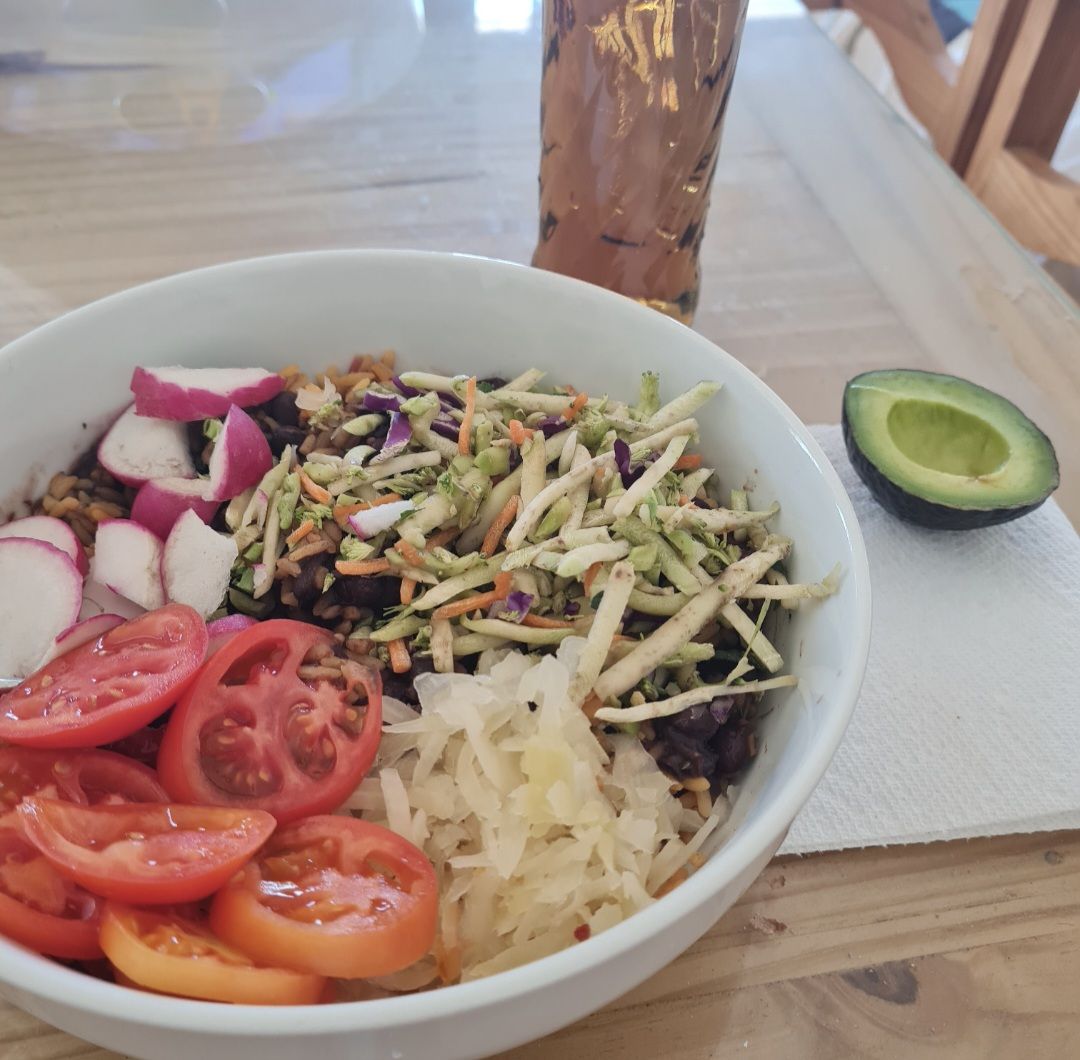
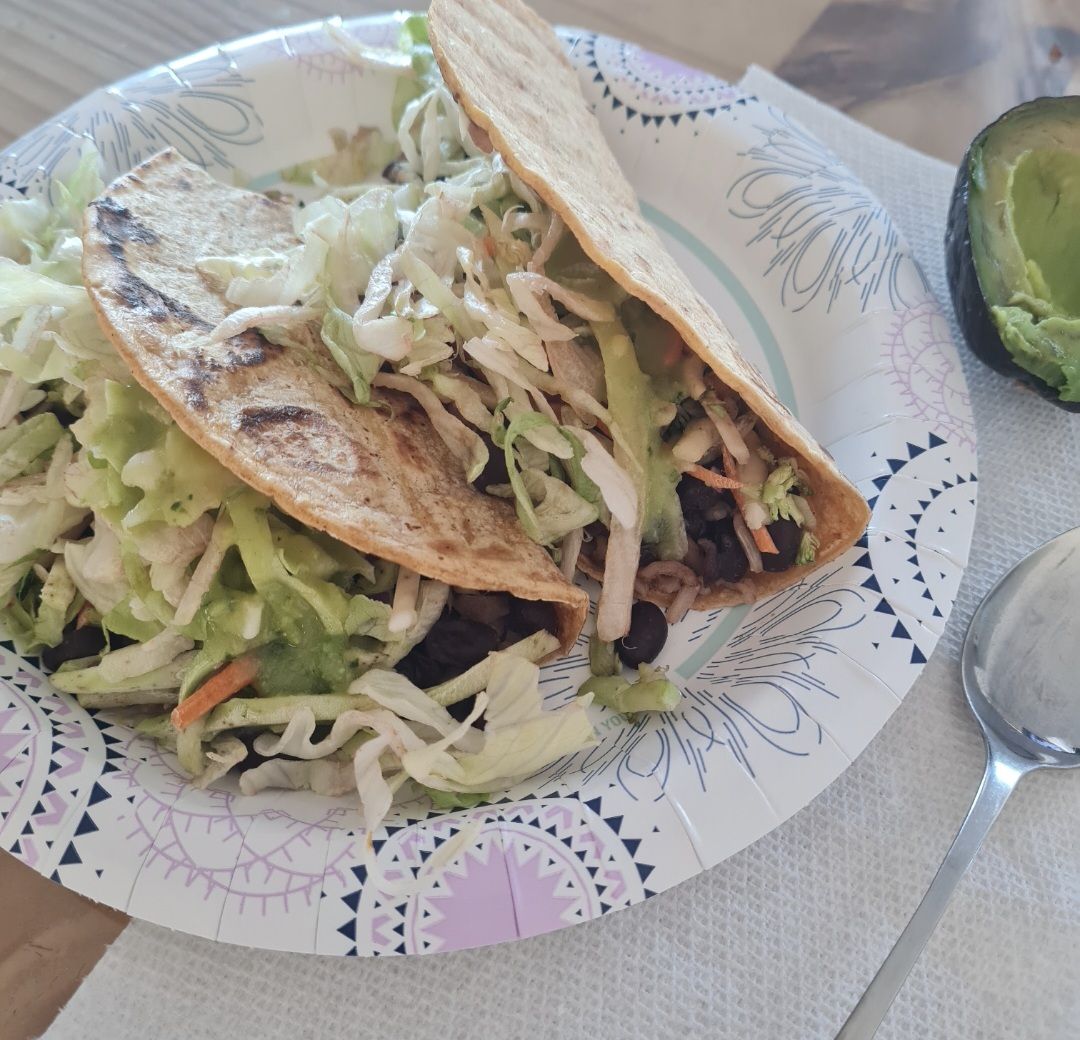
* black beans, rice, sauerkraut, radishes, tomatoes, broccoli-slaw, corn tortillas & crafted sparkling water mix
* leftover macaroni casserole
* choco/p-nut powder mini chickpea cookies w/ scoop of banana nice cream
* pistachios & one kiwi
… SUN HAS SET …
Cmmt: XL indicates uncommonly excessive food, and wautéed means water-sautéed
Understanding Pain in less than 5 minutes, and what to do about it!
This video explains the nature of chronic pain and how to manage it by retraining the brain and nervous system.
Key Takeaways:
Pain is brain-generated: Pain is a universal experience produced 100% of the time by the brain, regardless of its intensity or duration (0:07).
Acute vs. Chronic Pain: Acute pain (weeks to months) is often linked to tissue damage (e.g., an injury), whereas chronic or persistent pain (3+ months) usually persists after tissues have healed, indicating a sensitive nervous system rather than structural damage (0:21–1:45).
A Broad Management Approach: Rather than relying solely on medication or surgery, the video suggests a structured, active plan to address the complexity of chronic pain (2:06–2:45). This includes:
Thoughts and Emotions: Managing stress and beliefs can help “wind down” the nervous system (2:56–3:22).
Lifestyle Factors: Assessing diet, smoking, and nutrition can reduce systemic sensitivity (3:24–3:48).
Personal Story: Understanding the context of when the pain developed can provide insights into healing (3:53–4:16).
Physical Activity: Gradual, fear-free movement is recommended to help restore function and stop the brain from using pain as a protective mechanism (4:19–4:32).
Do this, live longer. For real!
Popular sweetener Xylitol linked to higher heart attack and stroke risk, new study finds
Aug 31, 2026 of Low-SOS Vegan Plan
(This blog began 3/15/2015)
MEDITATION:
* No Greater Love podcast
EXERCISE:
* Powerwalk 4 miles indoors
* Multiple sessions on vibrating platform
* PT APP workout
–full body stretch/stengthening
* Rocking Stair Stepper
WATER:
(2) × (32) = 64 oz (+)
EATS:
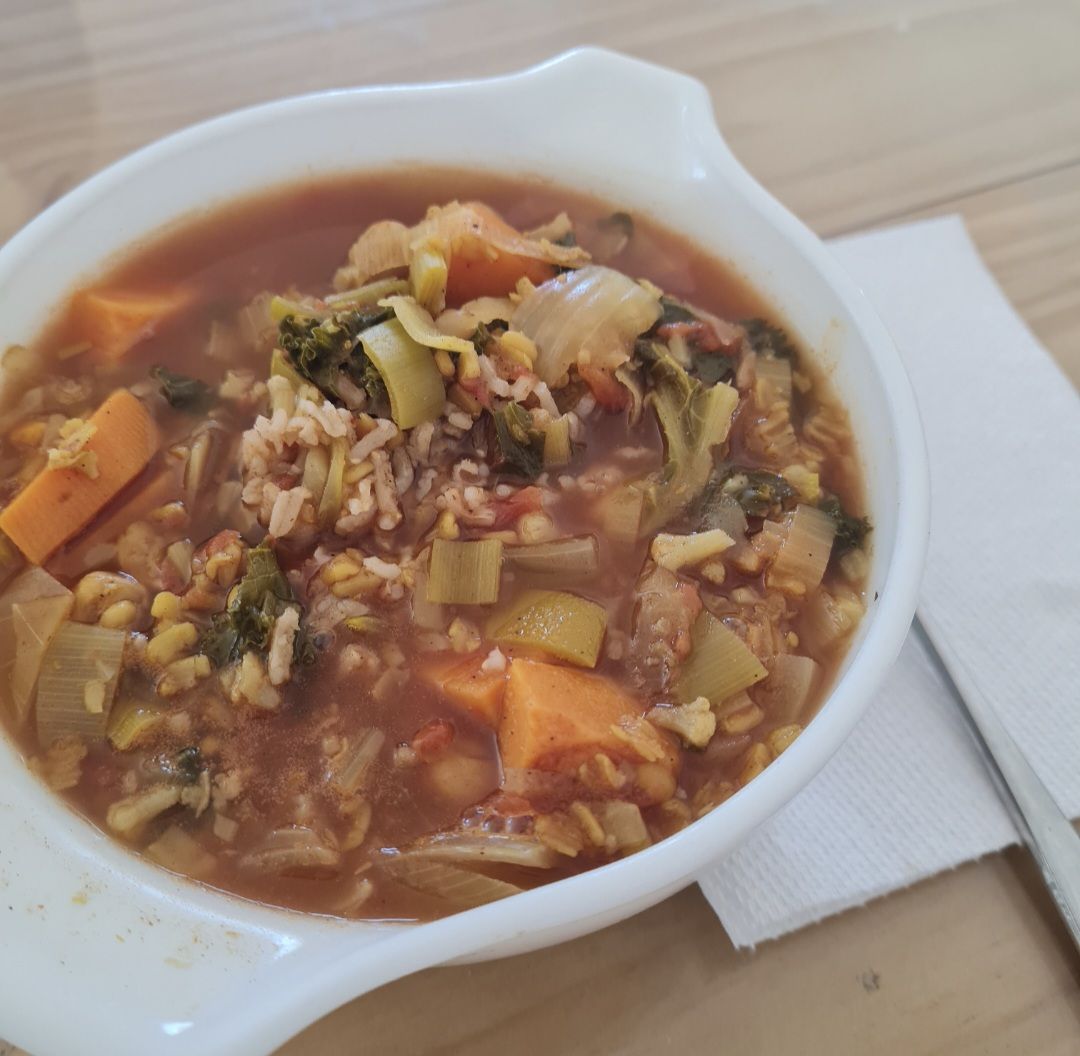
* Moroccan veggie stew
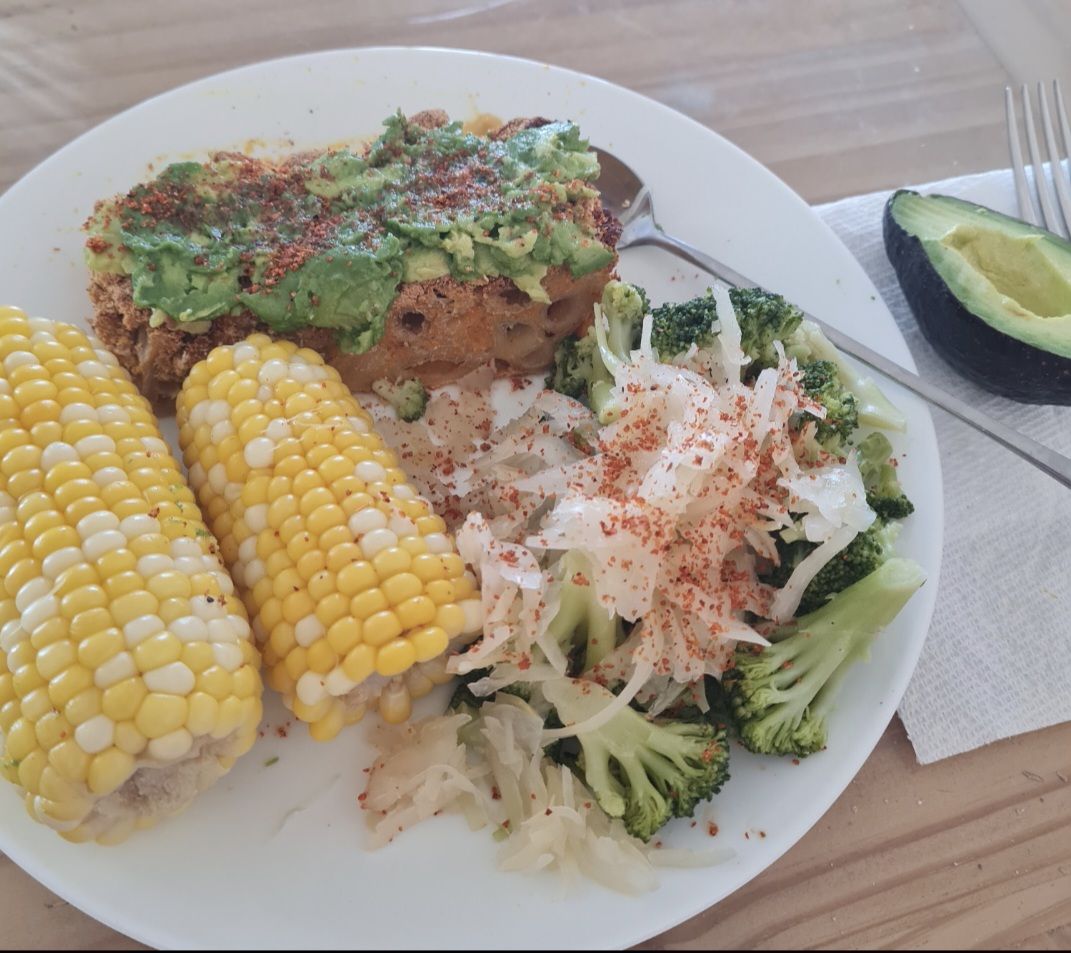
* Leftover macaroni casserole, steamed corn & broccoli, avocado, mustard, crafted sparkling water mix
* few choco/p-nut powder mini chickpea cookies w/ scoop of banana nice cream
* one kiwi
… SUN HAS SET …
Cmmt: XL indicates uncommonly excessive food, and wautéed means water-sautéed
Practical [BONE] Regeneration
This video features Debi Robinson and orthopedic surgeon Professor Paul Lee discussing regenerative medicine and practical, daily habits to rebuild bone health naturally at any age (0:00-0:45).
Key takeaways on bone regeneration:
Bone as Regenerative Tissue: Contrary to the traditional “scan and pill” medical model, Dr. Lee emphasizes that bones can regenerate if the right biological environment is created (2:15-3:05).
Traditional osteoporosis medications, such as alendronic acid, are often designed to stop bone turnover rather than rebuild it (4:30-5:30).
The 1% Rule: Instead of high-intensity workouts, the experts recommend making 1% incremental improvements in habits, such as increasing weight loading or rest, to build sustainable change (14:30-15:45).
The Importance of Rest: Regeneration happens during rest. Dr. Lee suggests planning rest before exercise to ensure the body is in a parasympathetic, bone-building state (15:45-16:50, 19:42-20:30).
Daily movement and hydration hacks:
Heel Drop Test: A simple way to shock the system and signal osteoblasts to build bone, recommended to be done in small, frequent bursts (16:50-17:50, 24:00-25:20).
Toileting Hack: Using daily bathroom trips as an opportunity for eccentric loading by slowly sitting and standing to strengthen the hips (26:30-29:00).
Hydration: Proper hydration is essential for cellular enzymatic processes. Dr. Lee recommends the “Five-Star Week” method, ensuring you drink enough water to use the restroom at least six times daily (30:00-32:00).
Physics and Energy:
The discussion also explores using physics—specifically heat, light (red light therapy), sound, vibration, and electromagnetism—to assist the body’s mitochondria in energy production and healing (35:00-42:00).
a renowned expert in regenerative medicine and author of
Practical Regeneration: No Hacks – Just Science, Systems and Results
outlines specific dietary guidelines focused on cellular health, structural restoration, and biological longevity. Rather than temporary restrictions, his approach leverages “Chemistry, Biology, and Time” to support the body’s natural repair mechanisms, with a heavy emphasis on structural components like muscles, bones, and joints. [1, 2, 3]
Let us now consider his key practical DIETARY recommendations. Upon researching we find that he focuses on both structural preservation and behavioral eating habits:
1. The Core Dietary Foundations
* Maximize Whole Foods & Vegetables: Shift the diet heavily toward high-fiber vegetables, whole grains, and unrefined ingredients to lower systematic inflammation. [2, 3]
* Incorporate Fermented Foods: Daily intake of fermented items (such as sauerkraut, kimchi, or plant-based ferments) is strongly emphasized to build gut microbiome diversity, which directly reduces inflammatory markers. [2, 4]
* Prioritize Omega-3 Fatty Acids: Essential for soothing joint inflammation, protecting cartilage, and supporting structural recovery. [5]
* Strictly Minimize Processing: Significantly reduce highly processed snacks, refined sugars, deep-fried items, and heavy saturated fats, which degrade cellular healing and speed up biological aging. [3, 6, 7]
2. Behavioral Principles: “How You Eat”
Professor Lee strongly underscores that the environmental and temporal context of eating dictates how well the body utilizes nutrients: [2]
* Rhythmic Eating: Eat at fixed, predictable intervals daily. Regularity stabilizes blood sugar, matches the body’s internal circadian rhythms, and prevents the hormonal disruptions that stall tissue repair.
* Warm and Simple Meals: Opt for warm, steamed, or easily digestible dishes over cold, rushed, or heavy foods. Warm meals prevent intestinal tension and encourage steady nutrient assimilation.
* Communal and Mindful Dining: Share meals with others when possible. Communal dining, laughter, and an attitude of gratitude lower oxidative stress and stimulate beneficial immune-cell environments typical of “longevity villages”. [2, 7]
There is much more than diet information in this book. He discusses these items in this interview.
*******
[1] [https://www.amazon.com](https://www.amazon.com/Practical-Regeneration-Science-Systems-Results-ebook/dp/B0GHPLVYG8)
[2] [https://www.chosun.com](https://www.chosun.com/english/travel-food-en/2025/11/11/2CNZPSH3TZDRFGWGVM74BV2KE4/)
[3] [https://debirobinson.com](https://debirobinson.com/podcast/episode-80-professor-paul-lee-how-do-we-take-care-of-our-muscles-bones-and-joints/)
[4] [https://regenphd.com](https://regenphd.com/insights/the-14-day-gut-reset-protocol)
[5] [https://londoncartilage.com](https://londoncartilage.com/insights/nutrition-strategies-for-knee-cartilage-recovery)
[6] [https://pmc.ncbi.nlm.nih.gov](https://pmc.ncbi.nlm.nih.gov/articles/PMC12408607/)
[7] [https://www.facebook.com](https://www.facebook.com/changigeneralhospital/posts/did-you-know-that-eating-right-can-help-improve-patient-outcomes-and-reduce-the-/656880456482382/)