I can’t think of anything that creates more confusion and is more misunderstood than carbohydrates.
To help understand carbohydrates and the recommended vs. not recommended types/forms, I will break them up into 6 groups, 3 of which will be important to you.
1) Unrefined, Unprocessed Carbohydrates
These are foods that we can consume in their most natural form, or “as grown in nature.” Examples of these foods include intact whole grains that we consume in their intact form (such as brown rice, oats, quinoa, millet, buckwheat, wheat berries), starchy vegetables (such as sweet potatoes, yams, corn, peas, potatoes, winter squash) and legumes (such as beans, dried peas and lentils). These foods are not only low in calories, but also low in calorie density and high in fiber and nutrients, so they fill you up with fewer calories. Enjoy these foods as a regular part of your diet.
(The calorie density of these foods is around 300 to 700 calories per pound. A serving size of these foods is 1/2 cup cooked.)
2) Unrefined, Processed Carbohydrates Low in Calorie Density
These are foods that are made from whole grains but the whole grain was ground into whole grain flour first and then made into the final food. Examples of these foods include whole grain pasta, including pastas made from whole wheat, brown rice, corn or buckwheat. The reason these foods are low in calorie density is that, during the cooking process, they absorb a large amount of water back into their structures, which lowers calorie density. These foods are also very high in fiber and a rich source of nutrients, so they will fill you up for fewer calories. Enjoy these foods as a regular part of your diet.
While these foods are low in calorie density, the mechanical process of grinding the whole grain into a whole grain flour before making them into the whole grain pasta does raise a concern. The mechanical grinding of food results in a less effective fiber (see my post on Fruit, Fiber, Form and Satiety) and increases the surface area of the food so it is more readily absorbed. So, even though these foods are made from whole grains, this increase in the surface area and the rate of absorption may pose a temporary and minor problem for those who are highly insulin resistant while they are getting well. The disruption of the fiber can also make these foods less satiating which can pose a problem for those trying to manage their weight. Therefore, it may be prudent to eliminate these and if so, their best choices would be intact unrefined, unprocessed carbs.
(The calorie density of these foods is around 500-600 calories per pound. A serving size of these foods is 1/2 cup cooked.)
3) Unrefined, Processed Carbohydrates High in Calorie Density
These are foods that are made from 100% whole grains but the whole grain was ground into whole grain flour first and then made into the final food. These foods are consumed in a dry state. Examples of these foods include whole grain bread, whole grain bagels, whole grain crackers and whole grain dry cereal. While these foods are high in fiber and nutrients, they can be easy to overeat on because they are higher in calorie density. Therefore, for those who are concerned about their weight, these foods should be either limited or eliminated from their regular diet.
In this case, the mechanical process of grinding the whole grain into a whole grain flour before making them into a whole grain food raises two concerns. First, since these foods do not absorb any water back into their structure before they are consumed, they are much higher in calorie density. Second, the mechanical grinding of food results in a less effective fiber (see my post on Fruit, Fiber, Form and Satiety) and increases the surface area of the food so it is more readily absorbed. So, even though these foods are made from whole grains, this increase in the calorie density, the surface area and the rate of absorption may pose a problem for those who are overweight and/or diabetic and/or highly insulin resistant while they are getting well. The disruption of the fiber can also make these foods less satiating which can pose a problem for those trying to manage their weight. Therefore, it may be wise to eliminate these and if so, their best choices would be intact unrefined, unprocessed carbs.
(The calorie density of these foods is about 1200 to 1800 calories per pound. A serving size of these foods is 1 oz, which is 1 slice of whole grain bread, 1 cup of whole grain dry cereal, or 1/2 a small whole grain bagel.)
The above three choices are the healthiest forms of carbohydrates.
4) Refined Carbohydrates
These are foods that have been refined, which means most, if not all of the bran and/or the germ have been removed. One example is white rice. While these foods are low in calories and low in calorie density, they have had most (if not all) of their fiber removed; in addition, they lose many valuable nutrients in the refining process. Always choose the whole grain variety of these foods (i.e., brown rice).
(The calorie density of these foods is around 500-600 calories per pound. A serving size of these foods is 1/2 cup cooked.)
5) Refined, Processed Carbohydrates Low in Calorie Density
These are foods that are made from refined grains but the refined grain was ground into flour first and then made into the final food. One example is pasta that has been made from white flour. The reason these foods are low in calorie density is that, during the cooking process, they absorb a large amount of water back into their structures, which lowers calorie density. While these foods are low in calories and low in calorie density, they have had most (if not all) of their fiber removed. In addition, they lose many valuable nutrients in the refining process. Always choose the whole grain variety of these foods (i.e., whole grain pasta).
(The calorie density of these foods is around 500-600 calories per pound. A serving size of these foods is 1/2 cup cooked.)
6) Refined, Processed Carbohydrates High in Calorie Density
There are foods that are made from refined grains but the refined grain has been ground into flour first and then made into the final food. These foods are consumed in a dry state. Examples of these foods include breads, bagels, crackers and dry cereals that have been made from white flour. These foods have had most (if not all) of their fiber removed and they lose many valuable nutrients in the refining process. In addition, these foods can be easy to overeat on because they are higher in calorie density. Therefore, for those who are concerned about their weight, these foods should be either limited or eliminated from their regular diet. Always choose the whole grain variety of these foods (i.e., whole grain breads, bagels, crackers and dry cereals).
(The calorie density of these foods is about 1200 to 1800 calories per pound. A serving size of these foods is 1 oz, which is 1 slice of bread, 1 cup of dry cereal, or 1/2 a small bagel.)
NOTE: Refined carbohydrates and refined processed carbohydrates, regardless of their calorie densities, are not recommended and should be minimized, if included at all.
National recommendations are for us to consume at least 3 servings of whole grains per day. This is a minimum recommendation; in addition, it does not make the distinction between unrefined intact whole grains, unrefined, processed whole grains low in calorie density, and unrefined, processed whole grains high in calorie density, which is important to know, especially for those who are trying to manage their weight, insulin resistance and/or diabetes. I would encourage the consumption of at least 3 or more servings of whole grains per day. Not only will they help fill us up for fewer calories, they will help provide many of the important nutrients and phytochemicals we need.
Some basic facts about dietary protein and human metabolism will help to bust some common myths and get you to STOP OBSESSING ABOUT PROTEIN. Most adults in the US need less than they think they do, eat more than they think they do, and have no place to store extra (once protein needs are easily met, the excess is converted to carbohydrates and fat). Most adults in the US fail to get recommended amounts of fiber that only comes from plants, NONE from animal foods. Reducing animal foods and increasing plant foods would be consistent with health recommendations and be better for the planet. Don’t sweat the plant protein – ALL PLANTS HAVE ALL 20 AMINO ACIDS, including the 9 essential amino acids. Y’know that advertisement that “Quinoa is the only plant with all 9 essential amino acids”? BS! How about taste? Chefs around the globe are working to perfect plant forward dishes that are unapologetically delicious. Plant proteins are more than enough to keep you strong, healthy and energized. Eating more plants benefits not just you, but the planet, future generations, and even the animals we share this world with. We don’t have to be perfect, but we can be better – one plant-based meal at a time. And the best part? This journey isn’t just good for you – it can be delicious too!
Kennedy, however, cited a previous review by the federal government’s National Toxicology Program, which concluded that “higher levels” of fluoride was linked to lowered IQ in children. Those levels exceeded what’s recommended in water systems.
[…]
“They have not been completely well studied, but they are alarming enough that we shouldn’t be demanding that parents accept something for their children and in their homes, that is essentially a medication,” said Kennedy.
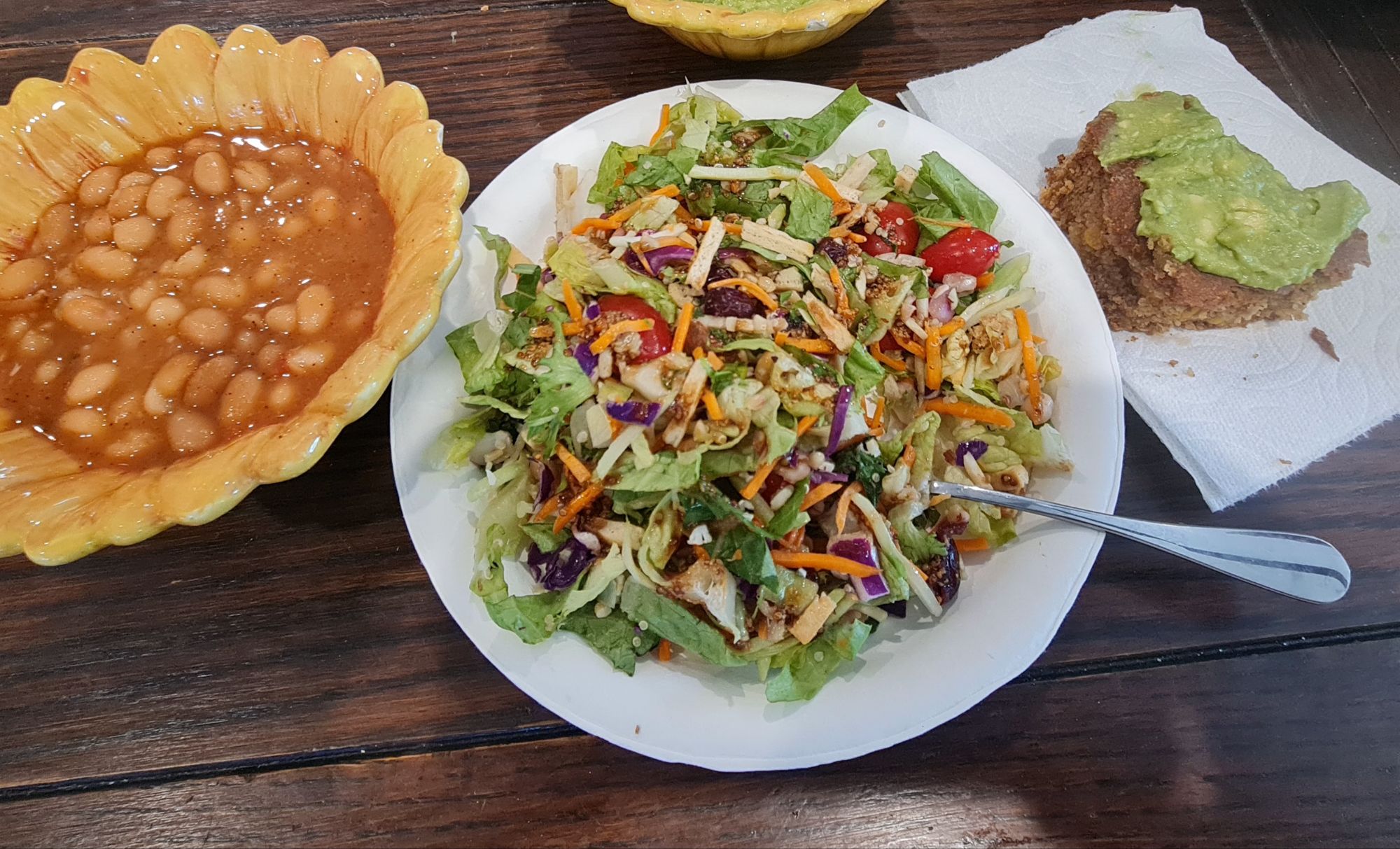
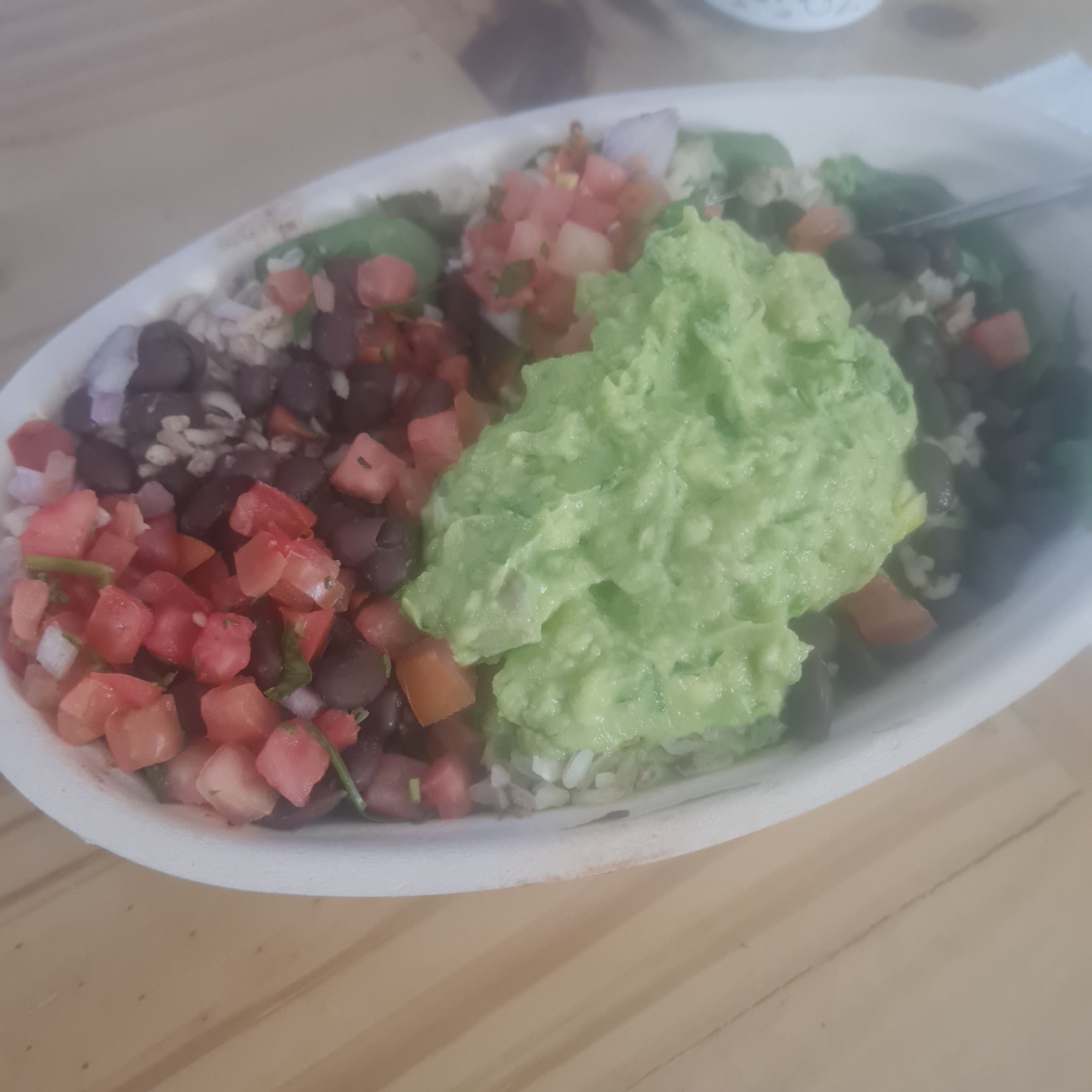
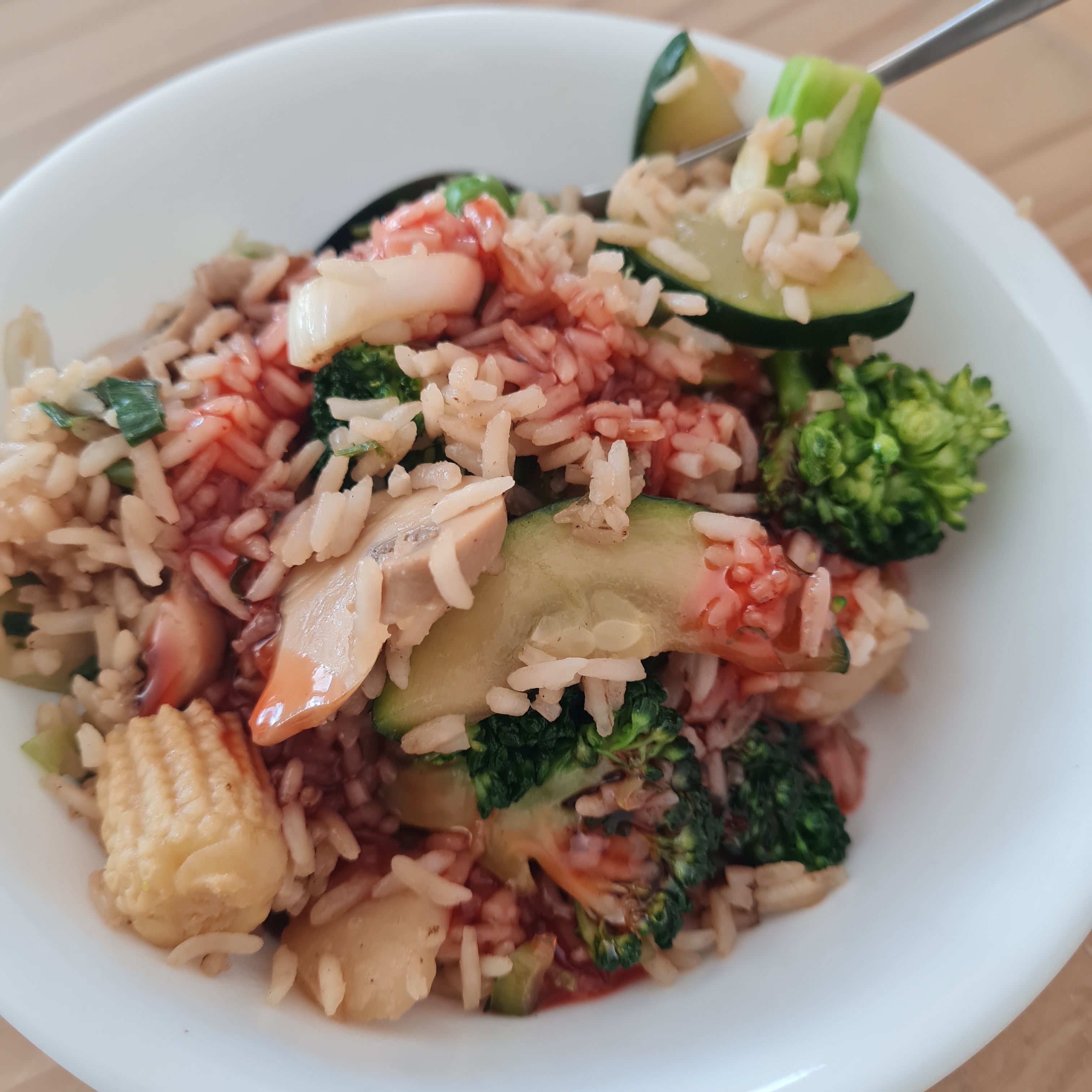
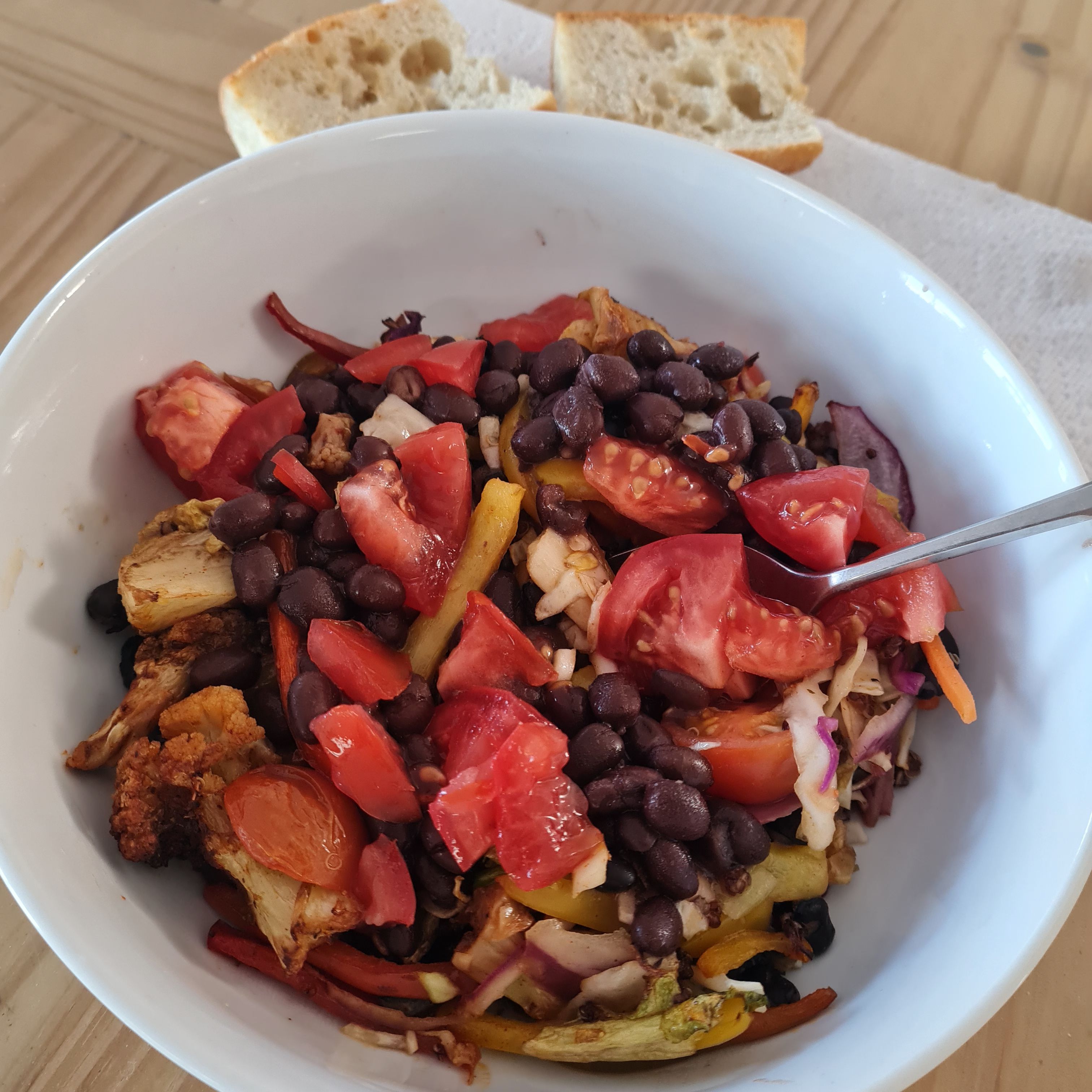
EATS: * plate of fruit (watermelon, cantaloupe, honeydew melon, pineapple) * grapefruit w/ drizzle of honey [And after 10 mile bike ride] * XL-fried green tomatoes (Cornmeal-crusted green tomatoes, pico de gallo, pickled red onions, smoked jalapeños, cilantro) w/ XL-biscuit * XL-fried potato * roasted cauliflower, cabbage, cucumber, onion, red, yellow & green peppers, black beans, quinoa, raisins w/ small piece of sourdough avocado baguette
… SUN HAS SET …
Cmmt: XL indicates uncommon extravagantly luscious food, and wautéed means water-sautée