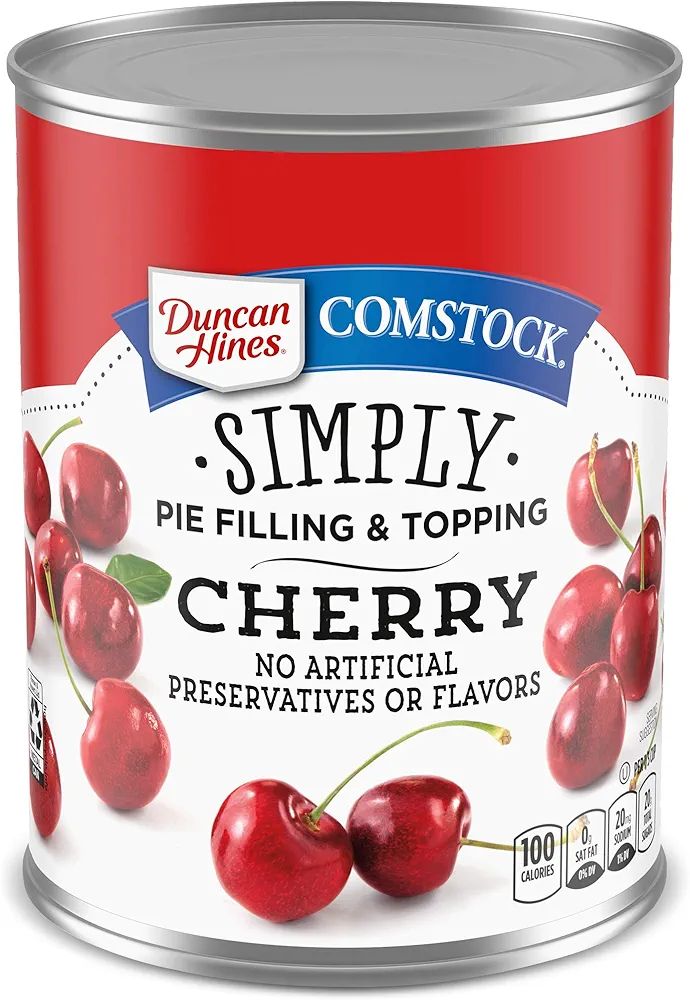
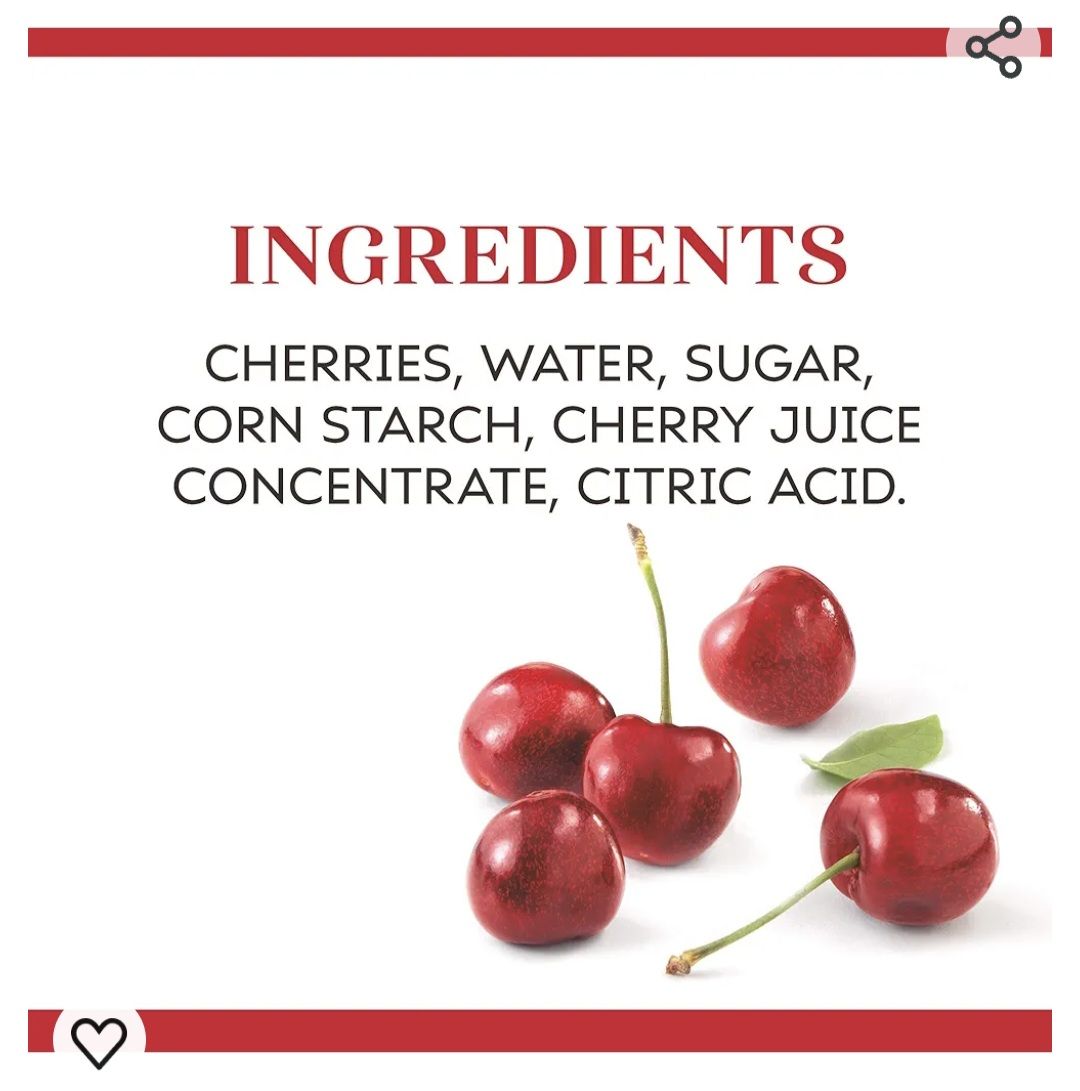
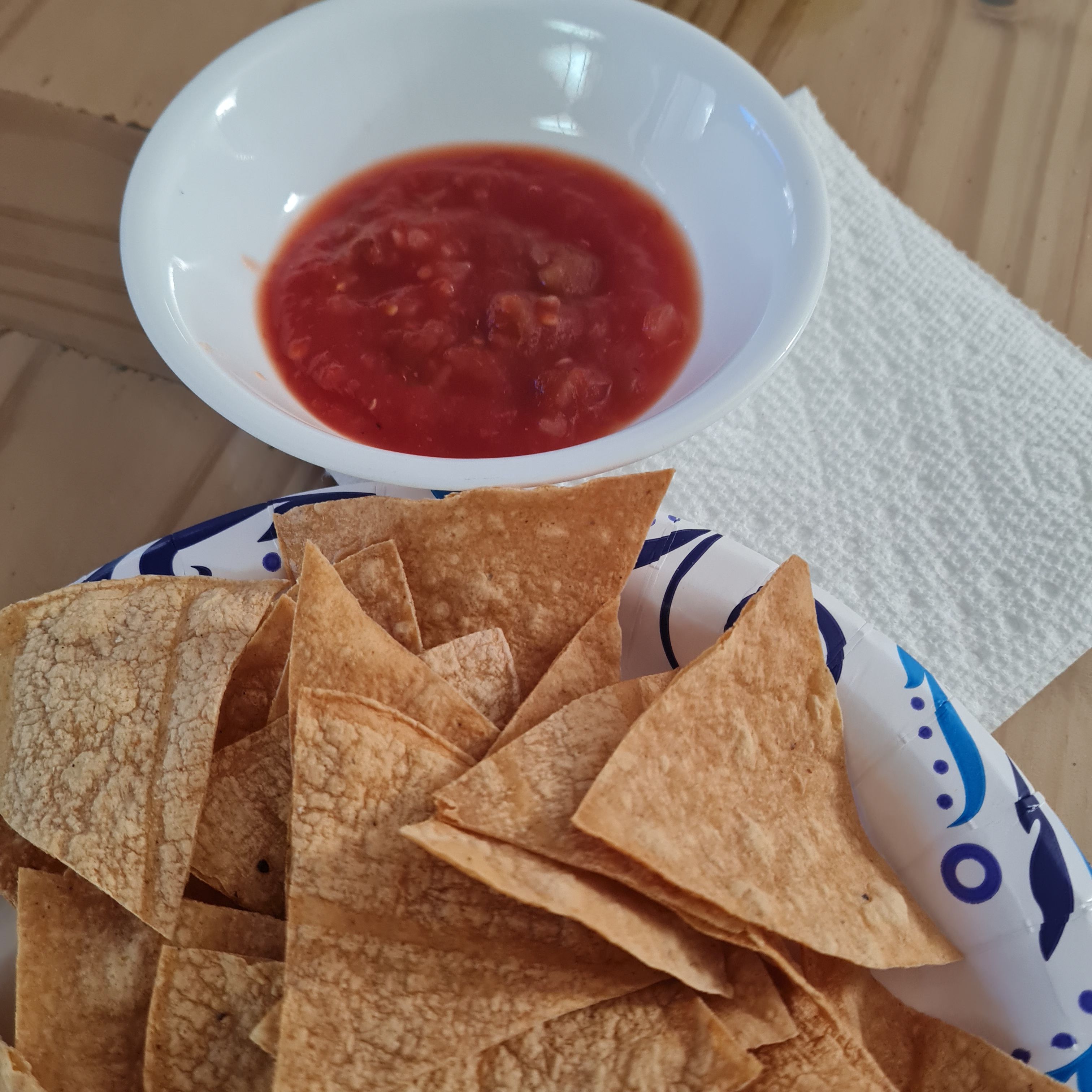
NOTICE INGREDIENTS LIST *EXCLUDES* HIGH FRUCTOSE CORN SYRUP AND RED DYE. THIS IS A VERY IMPORTANT DETAIL.
FILLING:
* 1 tin of Simply Cherries Filling
Ingredients in tin (may make this yourself) CHERRIES, WATER, SUGAR, CORN STARCH CHERRY JUICE CONCENTRATE, CITRIC ACID.
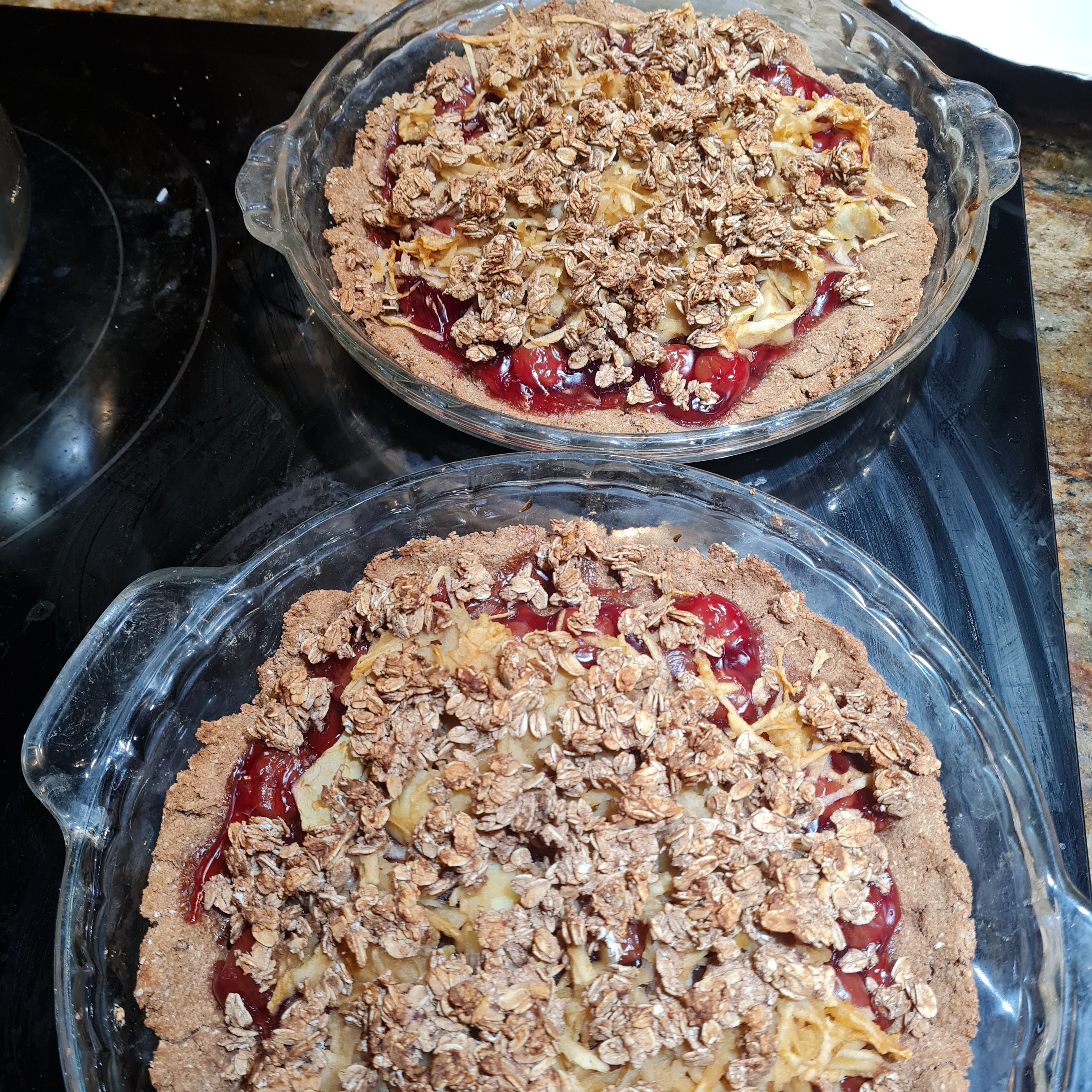
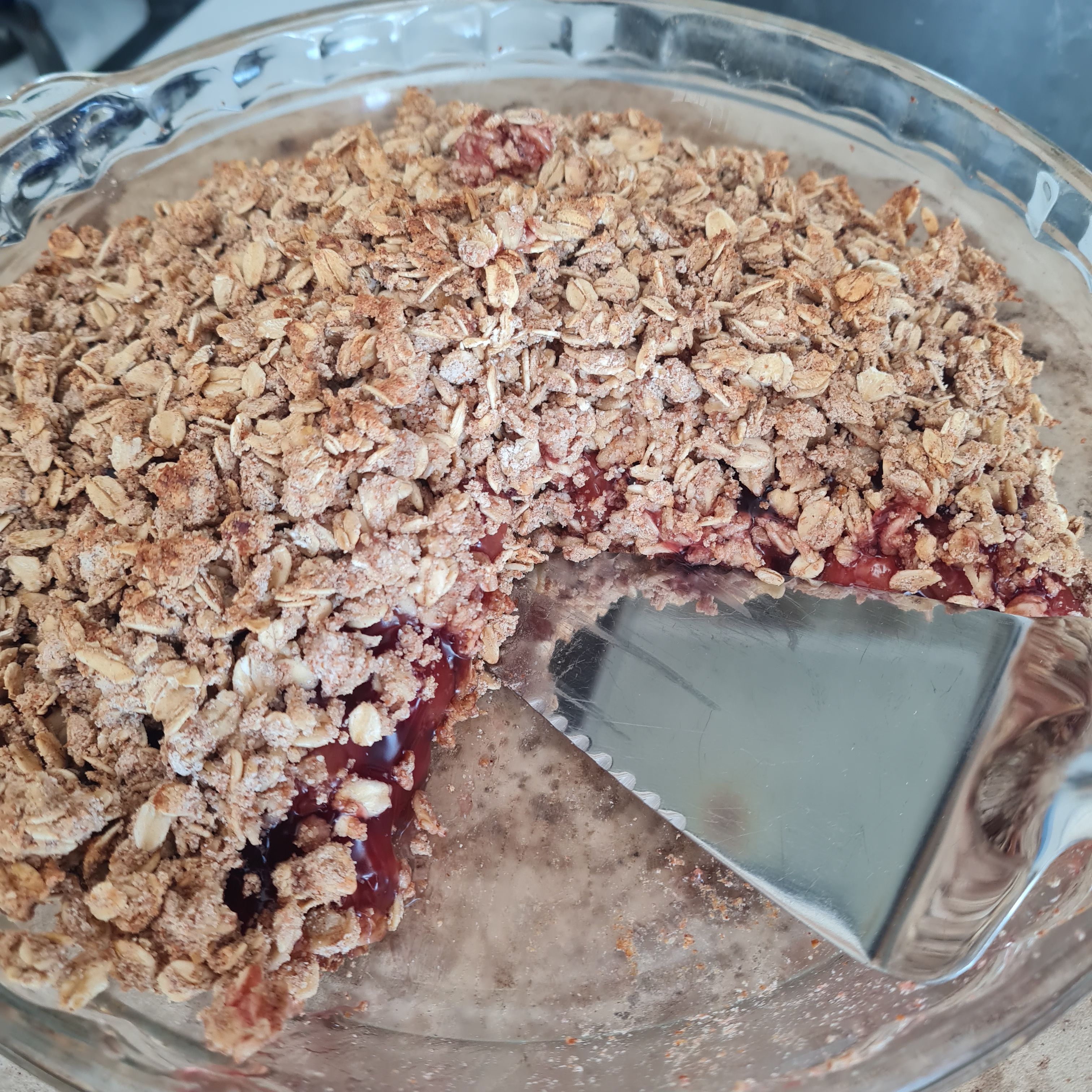
TOP CRUST (sprinkle on top) * 1 C OAT FLOUR (blenderized rolled oats)… no need to blenderize, you may use them whole * DATE PASTE (dates blenderized w/ water) only a few, to taste * 1/2 T CINNAMON * 1/2 t VANILLA powder (or liquid)
BOTTOM CRUST (press by hand into a unoiled glass pie plate) * Ingredients are same as top, but add some almond paste & splash of water, just enough to create the consistency of dough
(Almond paste is the residue of blenderizing & filtering raw almonds & water to create almond milk. I use 4:1 ratio Water to Almonds)
EXERCISE: * Walked 30 minutes about campus, up/down stairs * PT APP workout – lower body / hip strengthening (moderate) * Slow treadmill walk 2 hours while grading papers
WATER: (2) × (32) = 64 oz (+)
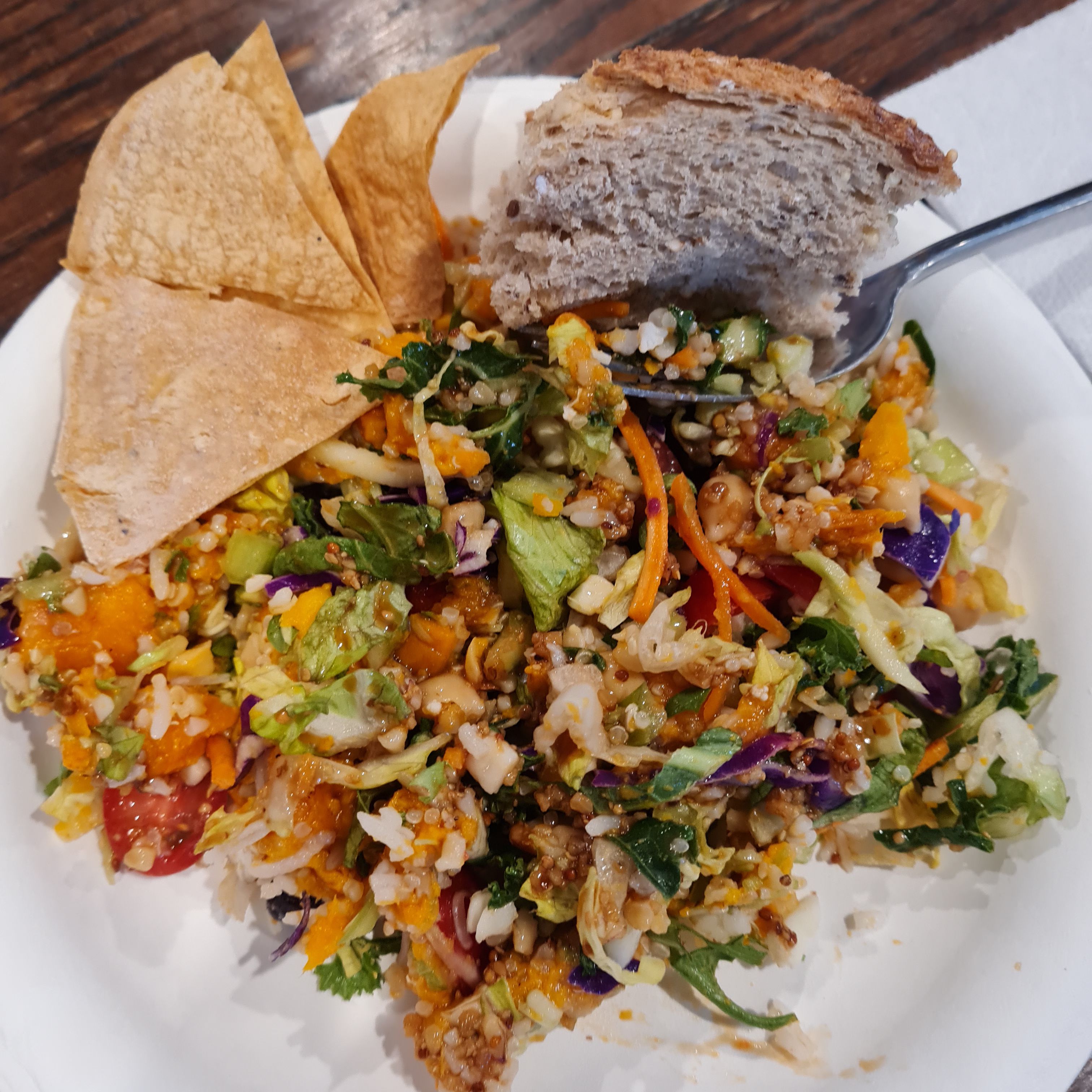
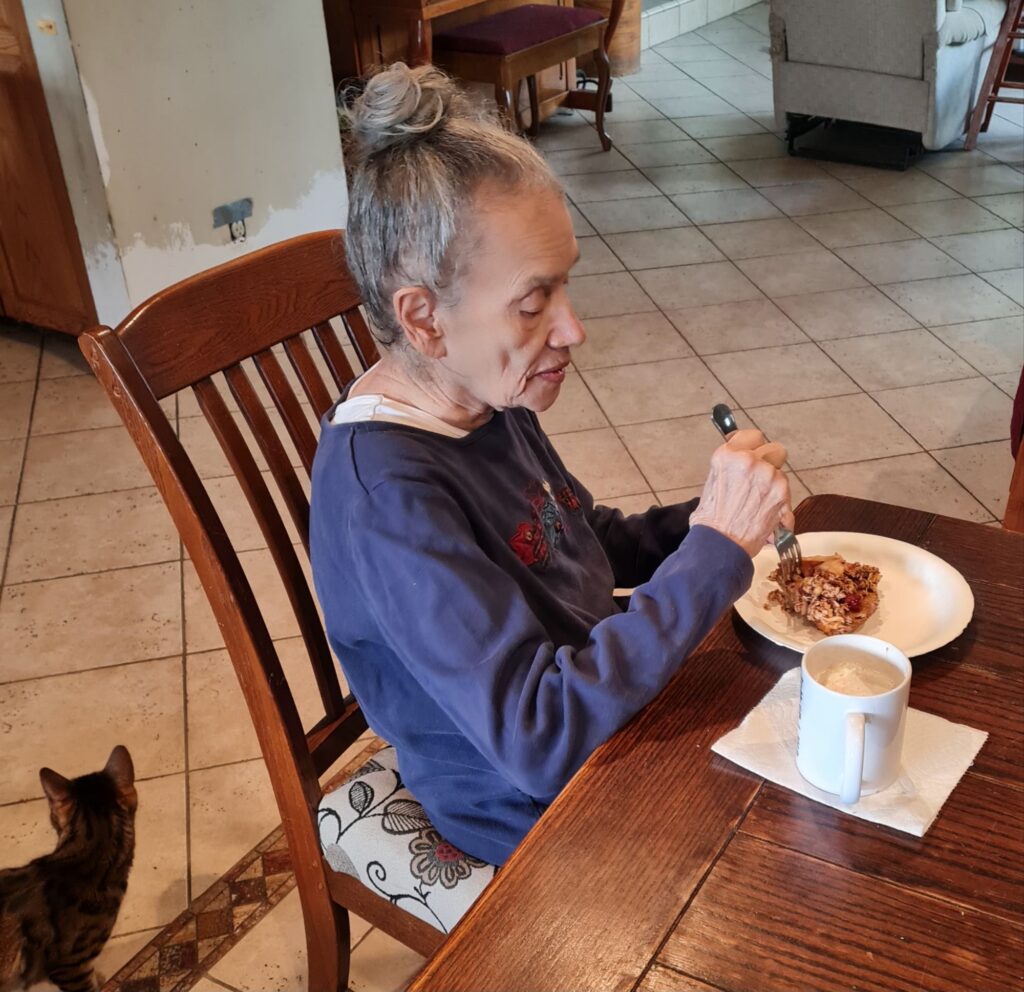
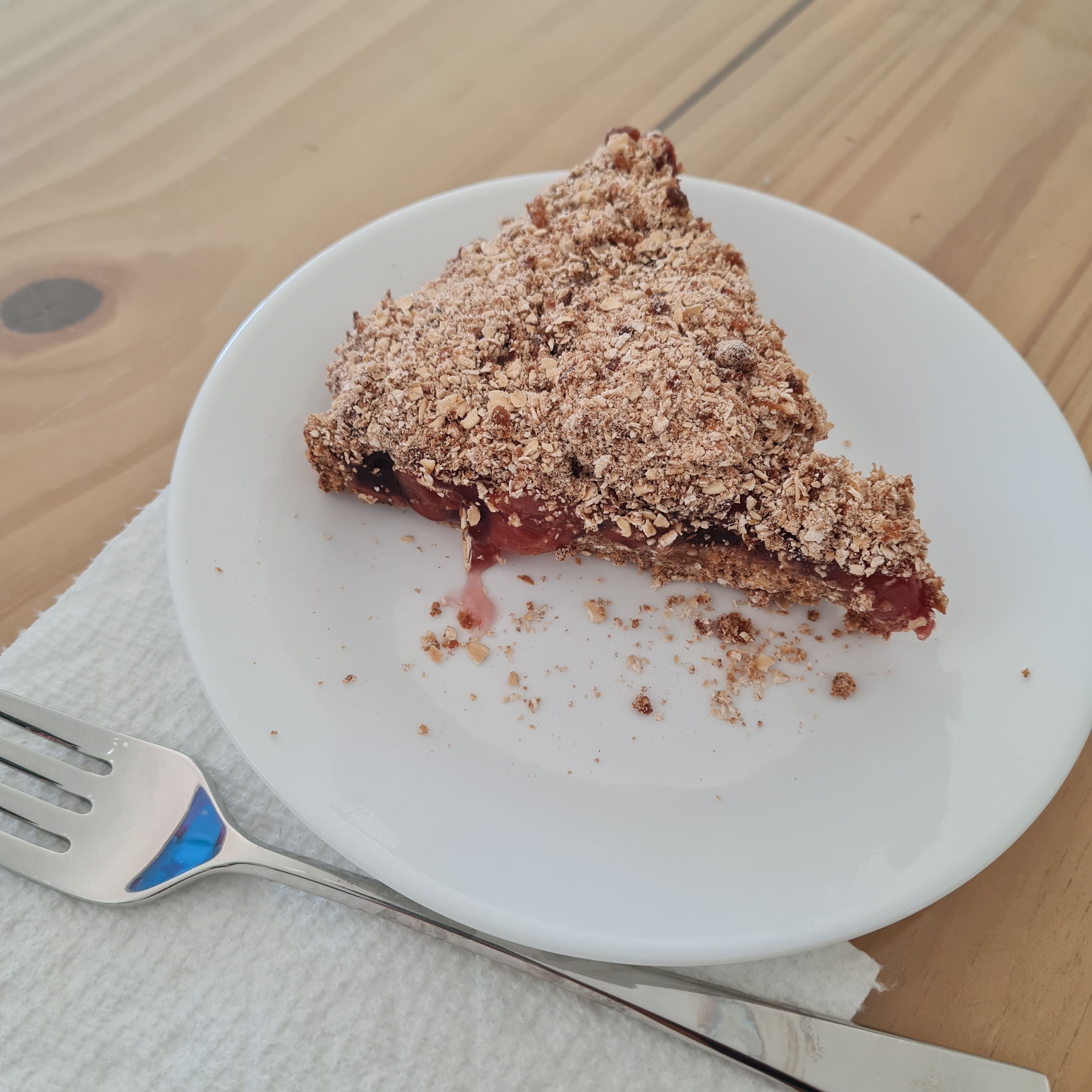
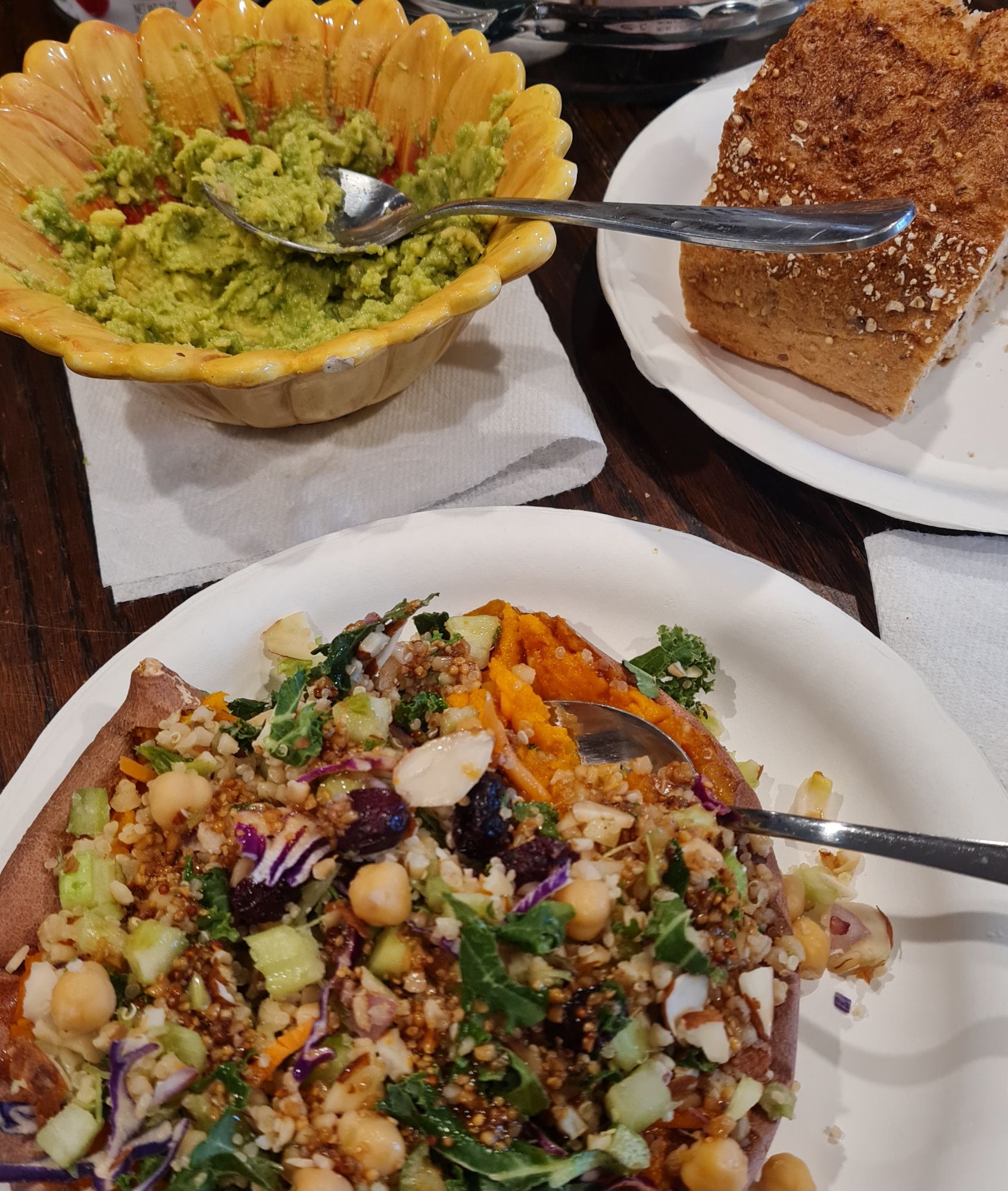
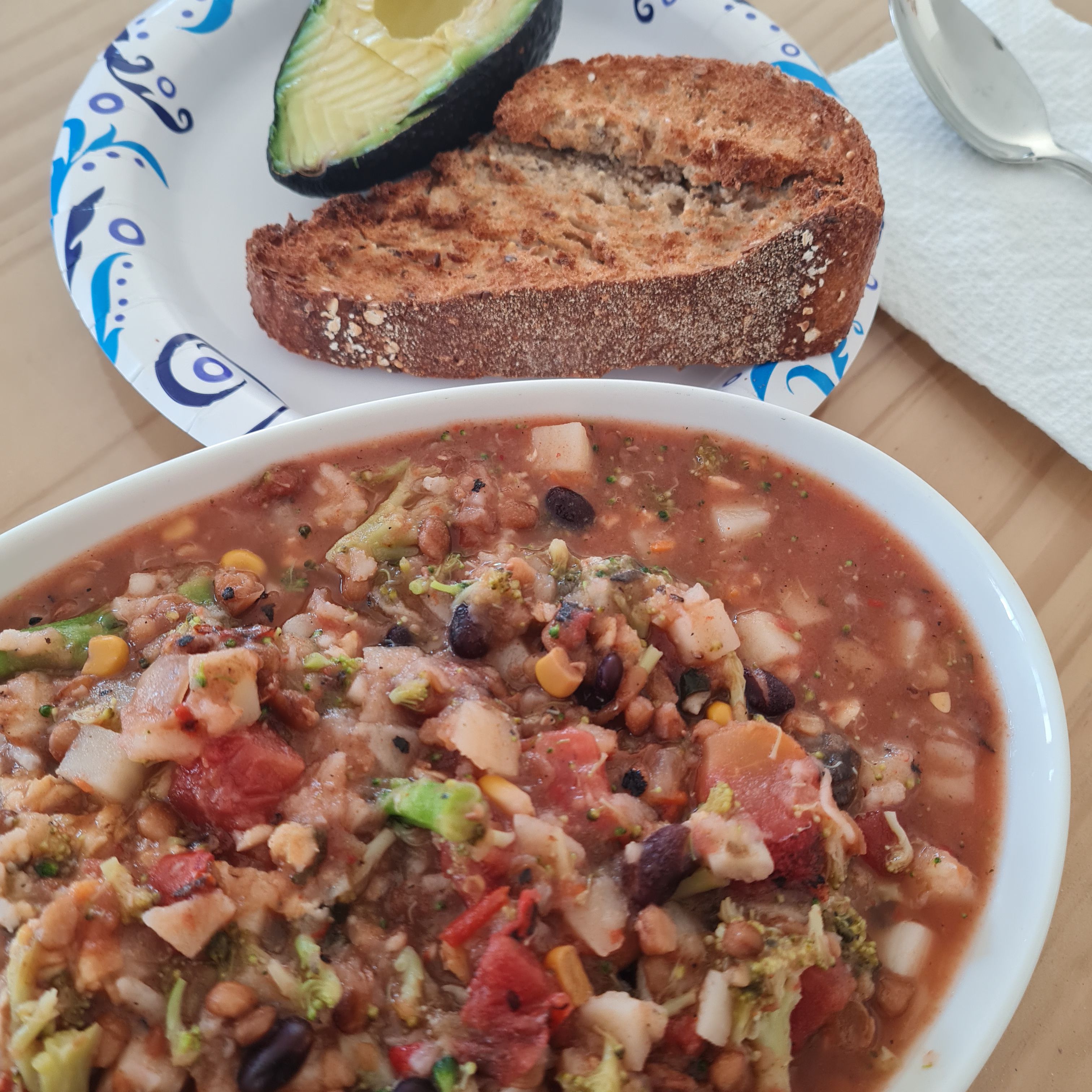
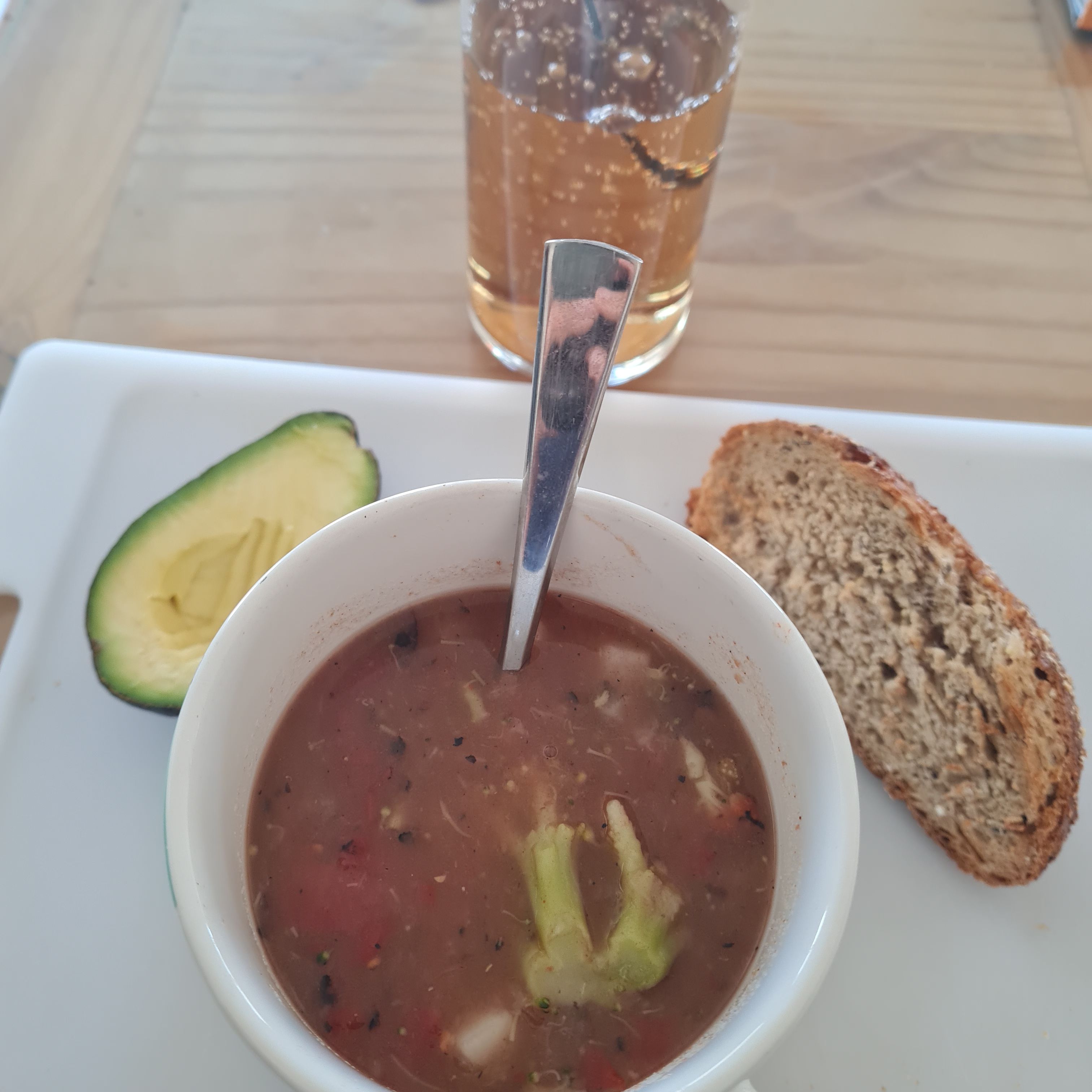
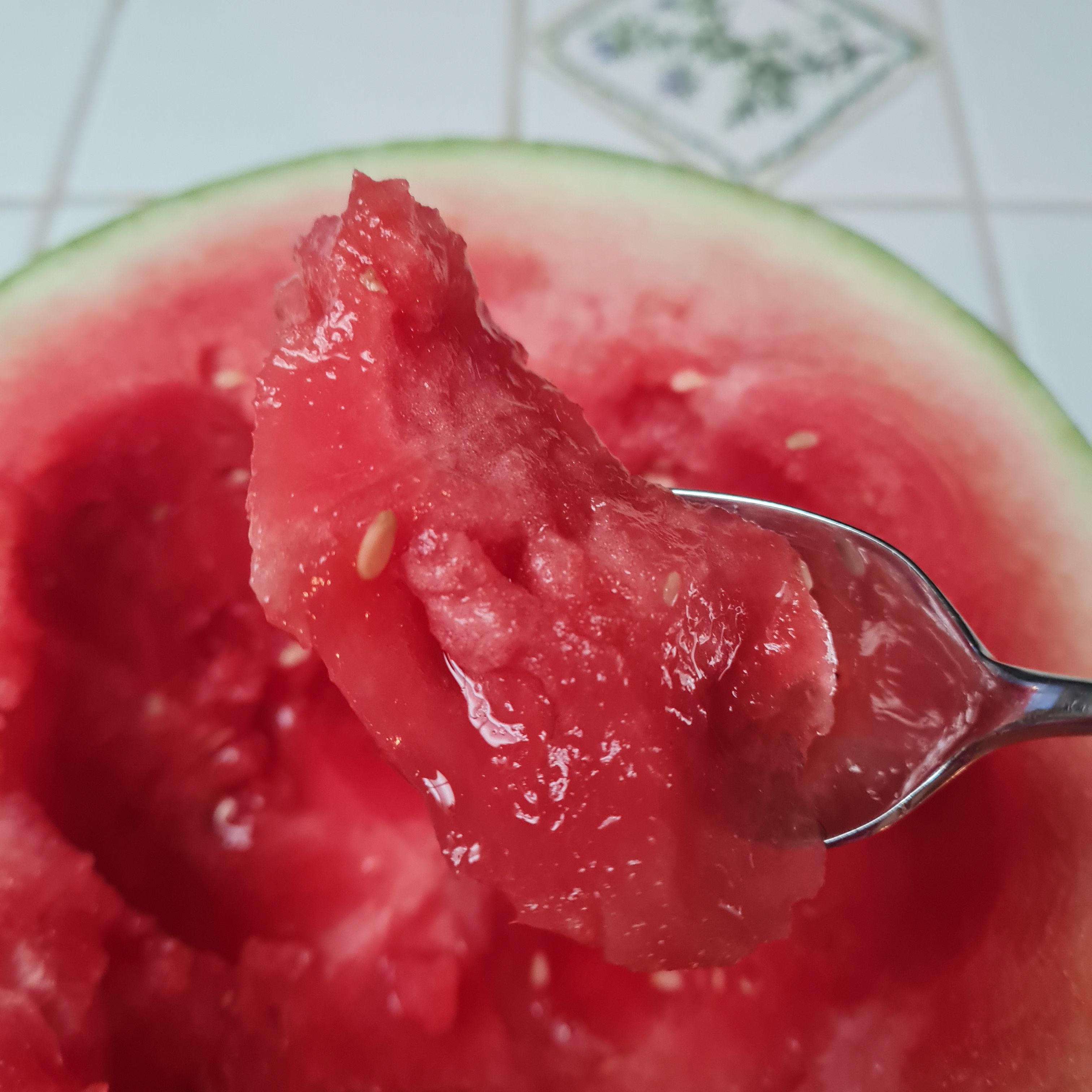
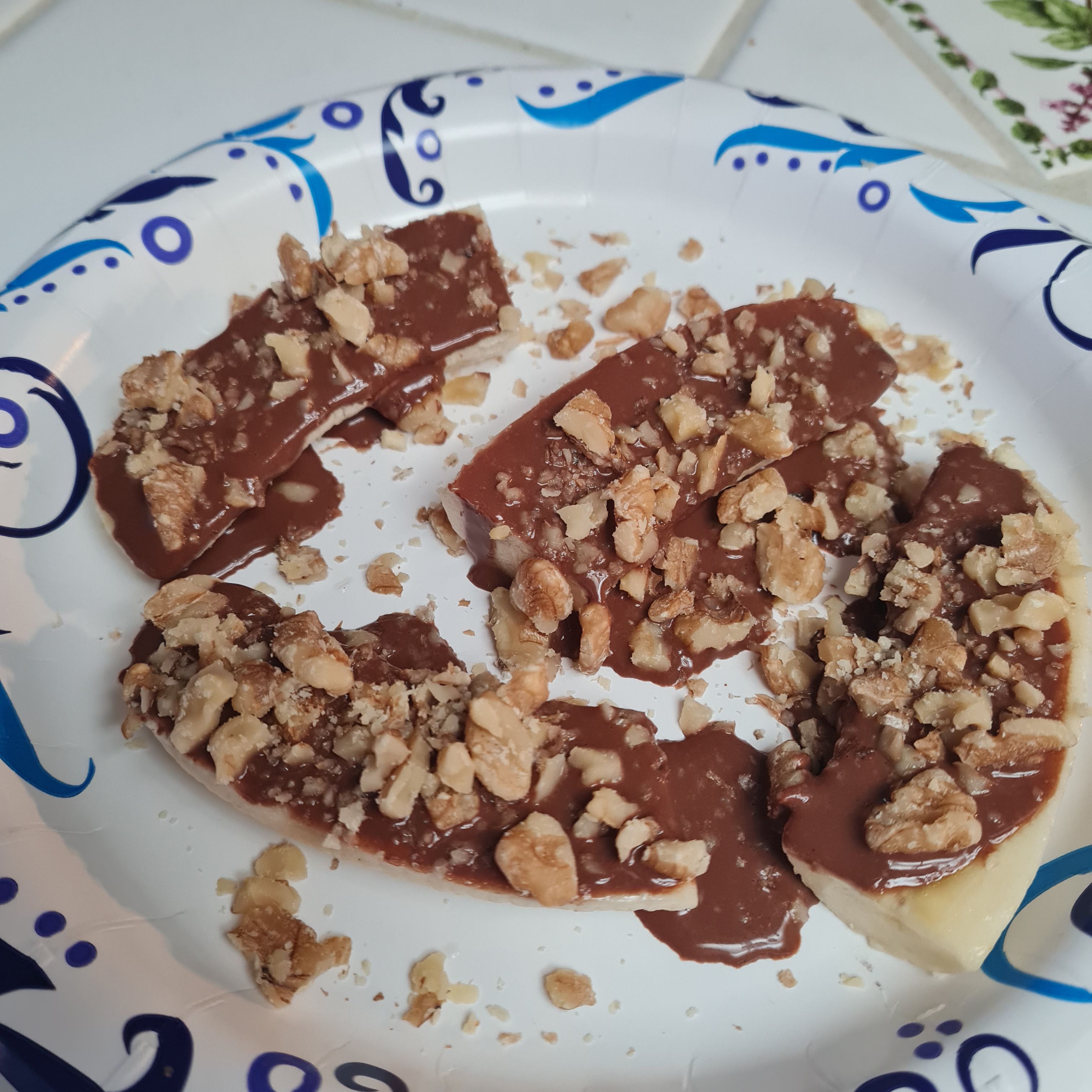
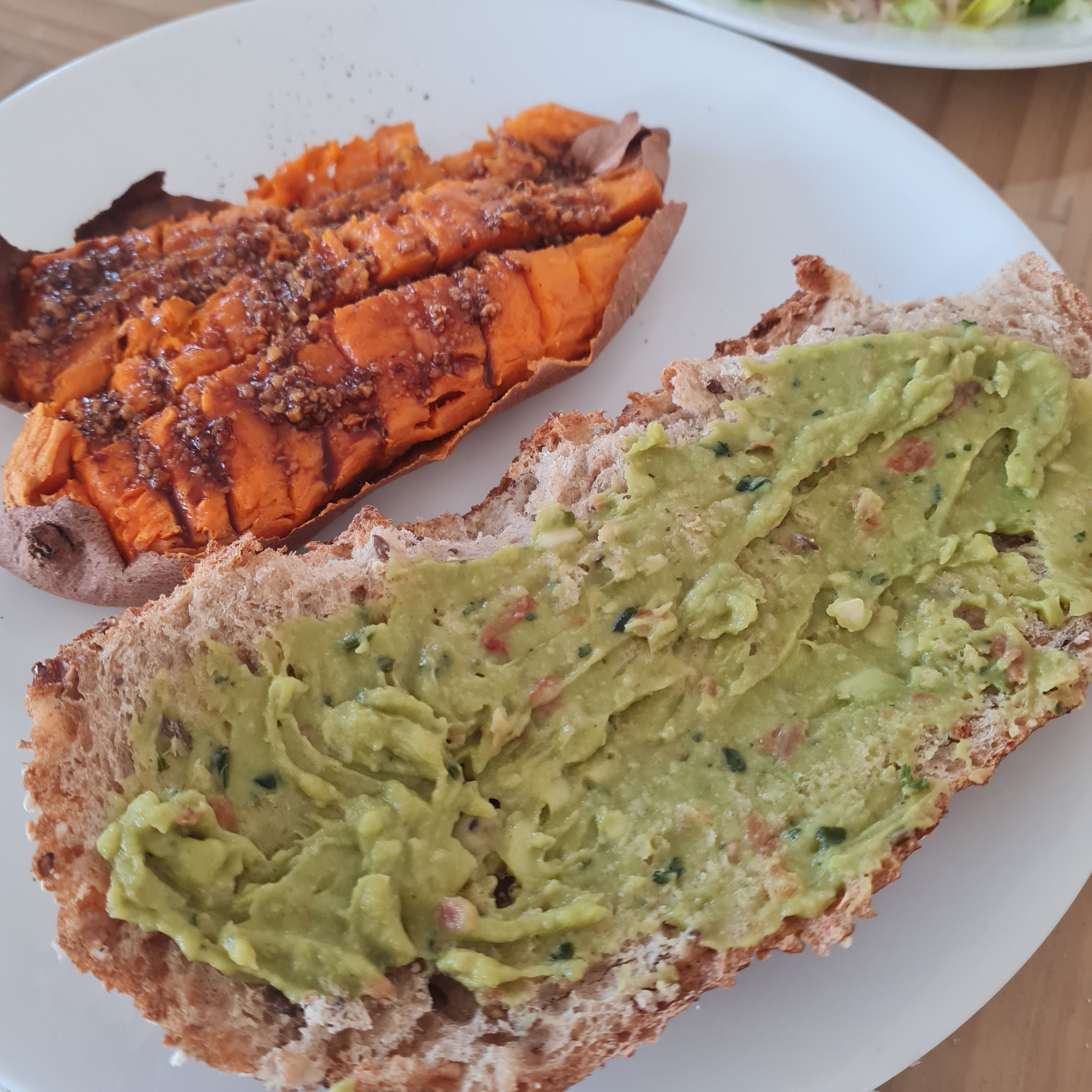
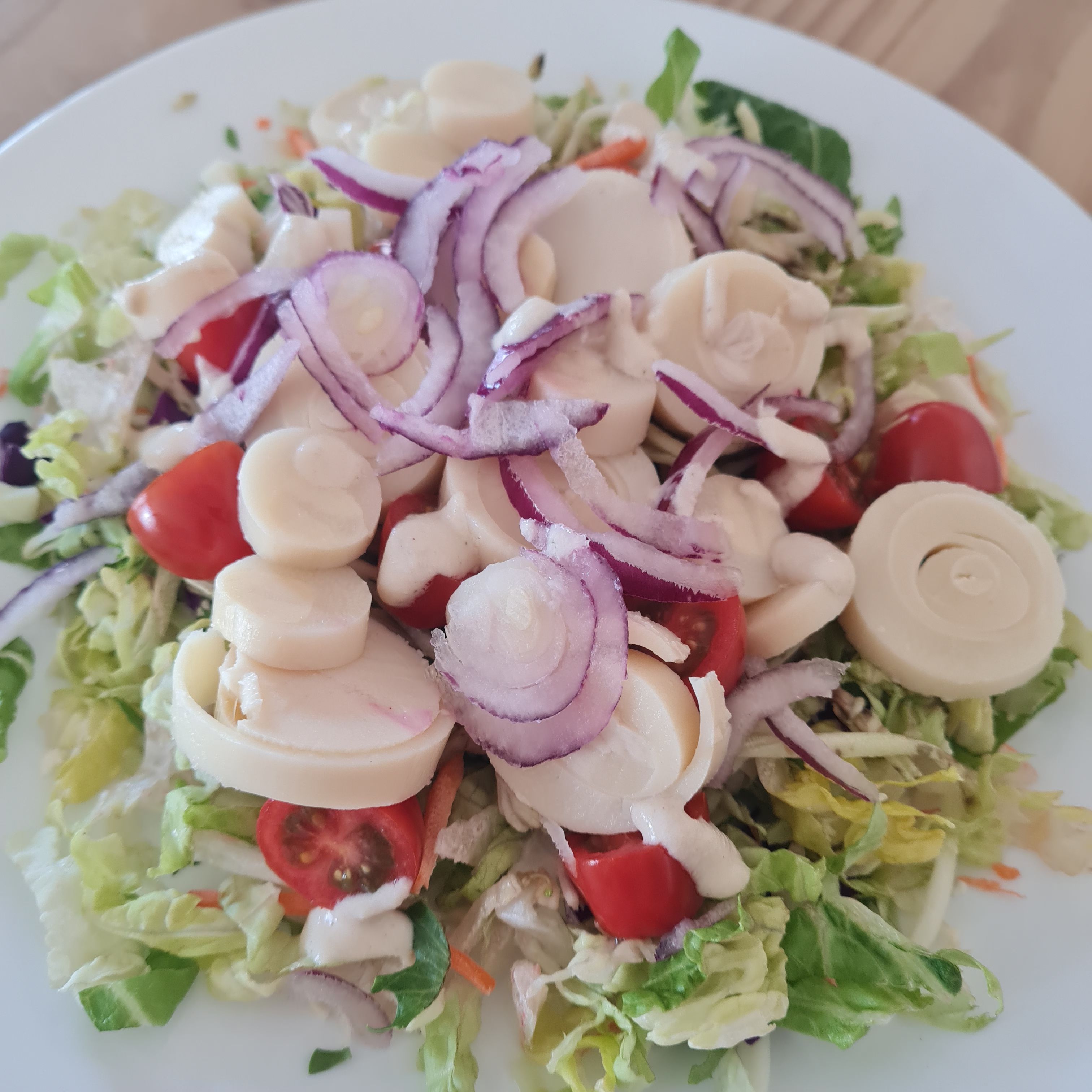
EATS: * gfo smoothie (greens-fruit-oats) * baked sweet potato topped w/ Grain & Celery salad, 3-2-1 dressing and multi-grain sourdough w/ avocado * cherry-apple tart home-assembled using Chef AJ crust idea, however use almond paste (pulp filtered from homemade almond milk) in bottom crust (pulp is only 4% fat)
… SUN HAS SET …
Cmmt: XL indicates uncommon extravagantly luscious food, and wautéed means water-sautéed
EXERCISE: * Powerwalk 4 miles indoors w/ facial lymphatic massage * PT APP workout – lower body / hip strengthening (moderate) * Total Gym 30 min full body routine https://projectwaistline.com/?p=45739 * Walked 20 minutes about campus, up/down stairs
Do vegans and carnivores actually agree on something?! No oils?
0:00 Intro 1:14 What diet communities believe 2:45 Carnivore diet and oils 6:14 The Minnesota Coronary Experiment 13:35 Low carb and oils: Fat Fiction movie 16:59 Nutrition Coalition: Front group? 20:15 Mediterranean diet and oils 29:05 Vegans and oils 34:46 Conclusion
Omega 3 index, omega 6 ratio, high heat, saturated versus polyunsaturated, bleach, hexane…How toxic are oils?
0:00 Intro 1:48 The term vegetable oil is a lie? 5:32 Who objects to olive or sesame oil? 7:09 Monounsaturated versus polyunsaturated? 10:20 Omega 3s? 23:14 Fascinating Omega 3 studies. 29:00 Cardiologist Neil Stone on fat. 30:16 Processing seed oils. 38:02 Heating oils. 40:16 Why do some doctors believe they are toxic? 41:56 I am pretty. 42:25 I am malnourished.
Having worked alongside tech legends like Steve Jobs and transitioned into a passionate advocate for plant-based living, Chris brings a unique perspective to the table.
Join us in this enlightening interview with Chris Macaskill, an esteemed earth scientist and former tech entrepreneur, who shares his expert insights on the myths surrounding low-carb diets and their long-term implications on health.
This is Jeff Nelson’s February 2025 newsletter, looking back at a 2012 discussion video. He is quoted as follows:
From The Archives: Plant-Based Experts Answer Your Questions (2012)
I recently came across a fascinating Q&A panel from our 2012 VegSource Healthy Lifestyle Expo featuring some of the pioneers in plant-based nutrition, including Drs. John McDougall and Michael Klaper, Brenda Davis RD, Rich Roll, John and Ocean Robbins, and Rev. Heng Sure. Here are some of the compelling topics they addressed:
Autism & Relationship-Based Approaches
A pediatrician asked about promising treatments for autism, specifically regarding eye contact improvements. The panel discussed relationship-based approaches like the Son-Rise Program as alternatives to behavioral modification, emphasizing how these principles could benefit all relationships.
B12 Supplementation
The experts discussed vitamin B12 recommendations, with consensus around supplementing with either 100 or 1000 mcg doses. Dr. McDougall emphasized that brand choice wasn’t critical, but proper dosing was key due to absorption rates.
Cancer & Diet
Dr. McDougall shared his groundbreaking 1982 study on dietary treatment of breast cancer. While noting that hardcore randomized controlled trial data is limited (largely due to funding priorities favoring drug research), he emphasized the logic of removing dietary factors that may have contributed to the cancer’s development.
Fruit Consumption
There was an interesting discussion about optimal fruit intake. Dr. McDougall recommended limiting to about three fresh fruits daily for the general population, while Brenda Davis shared that she personally consumes 5-6 servings daily. They cautioned against excessive fruit juice consumption and rapid smoothie consumption, suggesting taking time to properly chew and digest smoothies.
Raw Food Diets
The panel had a thought-provoking exchange about raw food diets. Dr. McDougall strongly advocated for cooked foods, stating that human civilization developed because of cooking. Brenda Davis suggested a more moderate approach, recommending 60-75% raw combined with some cooked foods for better nutrient absorption.
Annual Physical Exams
In a surprising take, Dr. McDougall strongly advised against routine annual physical exams, citing recommendations from medical authorities that they can lead to over-testing and unnecessary treatments. He emphasized that the body will signal when medical attention is needed.
The discussion highlighted how many of these topics remain relevant today, while also showing how our understanding has evolved over the past decade. It’s fascinating to look back at these conversations that helped shape the plant-based movement.