- Beans and lentils
No exceptions. They’re packed with soluble fiber, resistant starch, and plant protein, and they help improve blood sugar not just at one meal, but at the next one too. - Leafy greens and non-starchy vegetables. Spinach, kale, broccoli, zucchini. These foods help slow glucose absorption from the rest of your meal. Eat them first, and you’ll feel the difference.
- Whole intact grains
Oats, barley, brown rice, buckwheat. Not flour, not instant. The less processed the grain, the better your post-meal blood sugar response. - Berries and whole fruit
Not juice. Whole fruit. The fiber changes how sugar behaves in your body and supports better long-term blood sugar outcomes.
Category: Uncategorized
What people who NEVER get dementia do EVERY morning
Sept 6, 2026 of Low-SOS Vegan Plan
(This blog began 3/15/2015)
MEDITATION:
* E W Kenyon Sermons w/ Insights
* K Pop Hagin’s booklet God’s Medicine
EXERCISE:
* Rest
WATER:
(2) × (32) = 64 oz (+)
EATS:
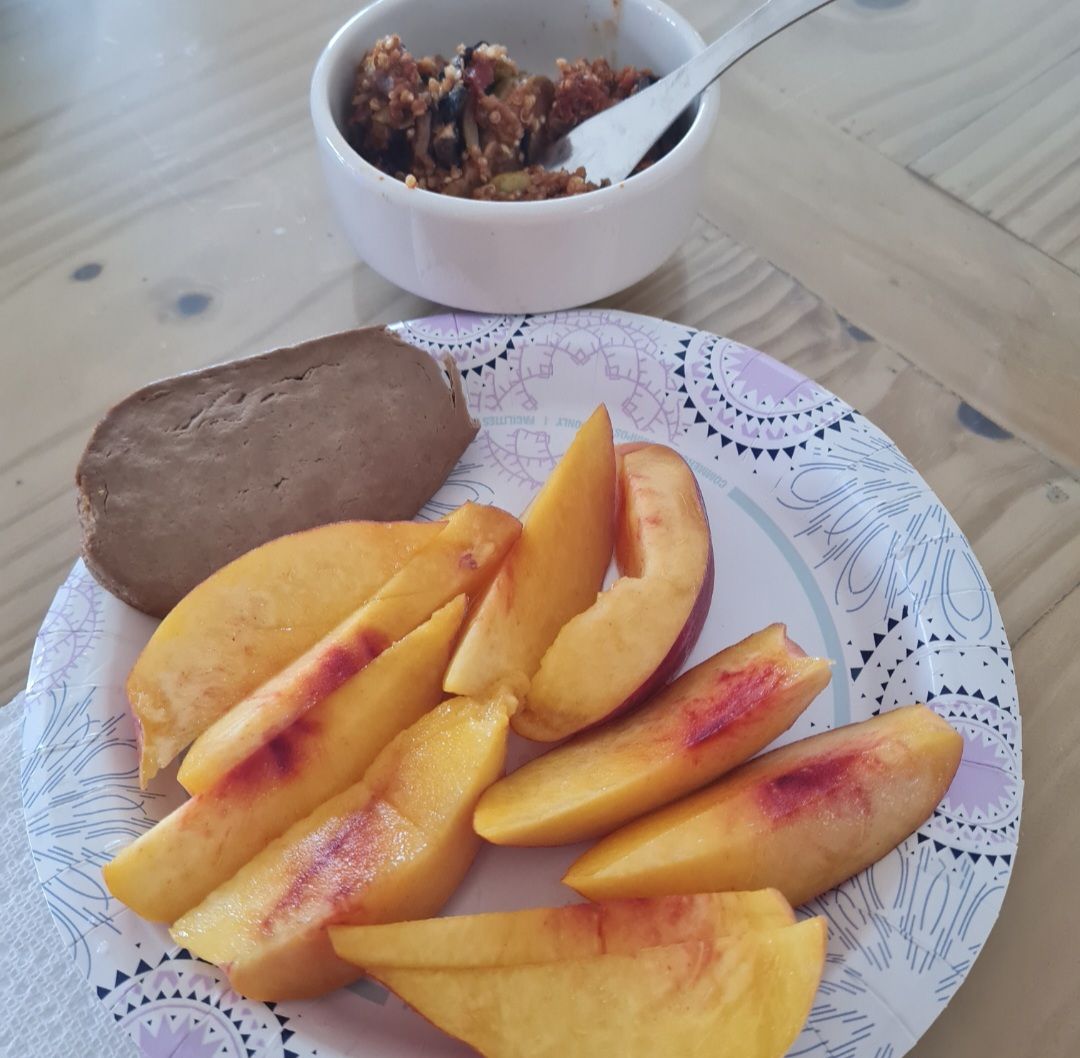
* oatmeal w/ blueberries, fresh peach, thinly sliced almonds & splash of almond milk
* last bowl of leftover Moroccan Grandmother Stew w/ sauerkraut
* quinoa vegetti leftover sauce w/ few soycurls, plus meati mushroomi patty
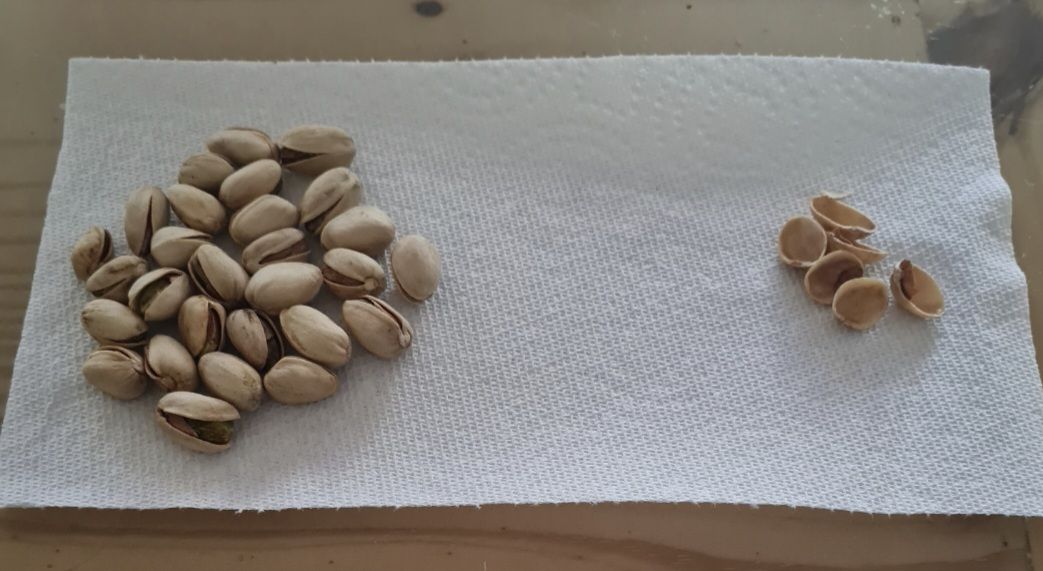
* salt-free pistachios & fresh peach
* chopped gorilla salad w/ peanut drizzle dressing
… SUN HAS SET …
Cmmt: XL indicates uncommonly excessive food, and wautéed means water-sautéed
Sept 5, 2026 of Low-SOS Vegan Plan
(This blog began 3/15/2015)
MEDITATION:
* E W Kenyon Sermons w/ Insights
* Healing Scriptures for Sleep, Peace & Total Restoration
EXERCISE:
* Full body workout on ab-coaster
* PT APP workout
–full body stretch/strengthening
* Powerwalk outdoors
WATER:
(2) × (32) = 64 oz (+)
EATS:
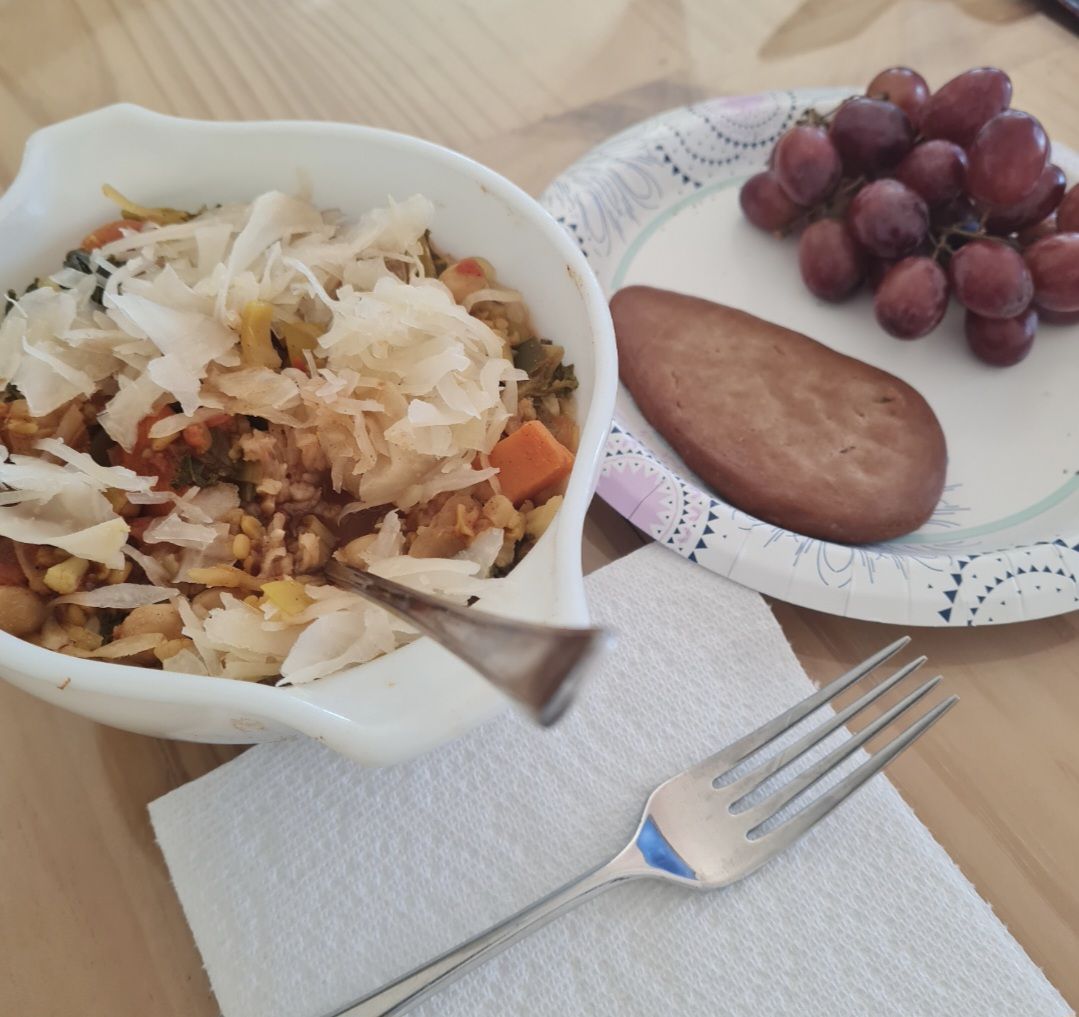
* bowl of Moroccan Grandmother Stew w/ sauerkraut, meati mushroomi patty & red grape
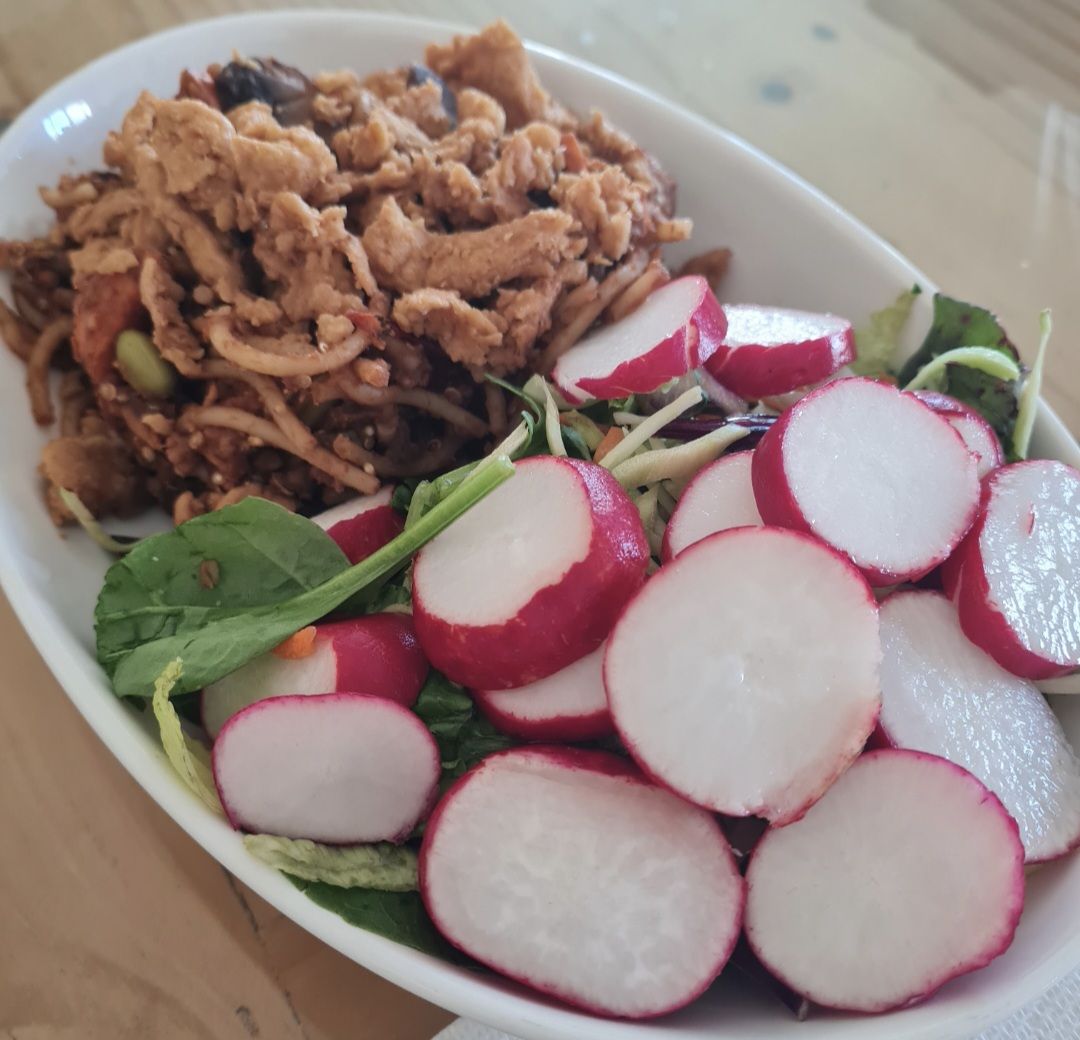
* stirfry vegetti & chopped salad
* Actual Veggie burger & XL-fries
… SUN HAS SET …
Cmmt: XL indicates uncommonly excessive food, and wautéed means water-sautéed
How Did These Work?! 🤯
Why Measuring Your LDL Cholesterol(The Bad Cholesterol) Isn’t Enough…It’s The ApoB Lipoproteins That Matter
https://substack.com/@doc4heart/note/p-203291420?r=o554c
Why ApoB is Important
Better Risk Predictor: A high number of circulating particles means a higher chance of plaque building up in your arteries.
Hidden Risks: Standard tests can miss risk in people with high triglycerides, diabetes, or obesity, making ApoB a more accurate warning sign. [1, 2, 3, 4]
Typical Ranges
Normal Level: Generally under 90 mg/dL is considered optimal for a low risk of heart disease.
High Level: Levels above 110 to 120 mg/dL indicate an increased risk of cardiovascular problems. [1, 2]
How to Lower High ApoB
Healthy Diet: Limit saturated fats and eat more fiber, fruits, and vegetables.
Regular Exercise: Get at least 30 minutes of physical activity daily.
Medication: Doctors may prescribe cholesterol-lowering drugs like statins if lifestyle changes are not enough. [1]
Cut it out
Practical [BONE] Regeneration
This video features Debi Robinson and orthopedic surgeon Professor Paul Lee discussing regenerative medicine and practical, daily habits to rebuild bone health naturally at any age (0:00-0:45).
Key takeaways on bone regeneration:
Bone as Regenerative Tissue: Contrary to the traditional “scan and pill” medical model, Dr. Lee emphasizes that bones can regenerate if the right biological environment is created (2:15-3:05).
Traditional osteoporosis medications, such as alendronic acid, are often designed to stop bone turnover rather than rebuild it (4:30-5:30).
The 1% Rule: Instead of high-intensity workouts, the experts recommend making 1% incremental improvements in habits, such as increasing weight loading or rest, to build sustainable change (14:30-15:45).
The Importance of Rest: Regeneration happens during rest. Dr. Lee suggests planning rest before exercise to ensure the body is in a parasympathetic, bone-building state (15:45-16:50, 19:42-20:30).
Daily movement and hydration hacks:
Heel Drop Test: A simple way to shock the system and signal osteoblasts to build bone, recommended to be done in small, frequent bursts (16:50-17:50, 24:00-25:20).
Toileting Hack: Using daily bathroom trips as an opportunity for eccentric loading by slowly sitting and standing to strengthen the hips (26:30-29:00).
Hydration: Proper hydration is essential for cellular enzymatic processes. Dr. Lee recommends the “Five-Star Week” method, ensuring you drink enough water to use the restroom at least six times daily (30:00-32:00).
Physics and Energy:
The discussion also explores using physics—specifically heat, light (red light therapy), sound, vibration, and electromagnetism—to assist the body’s mitochondria in energy production and healing (35:00-42:00).
a renowned expert in regenerative medicine and author of
Practical Regeneration: No Hacks – Just Science, Systems and Results
outlines specific dietary guidelines focused on cellular health, structural restoration, and biological longevity. Rather than temporary restrictions, his approach leverages “Chemistry, Biology, and Time” to support the body’s natural repair mechanisms, with a heavy emphasis on structural components like muscles, bones, and joints. [1, 2, 3]
Let us now consider his key practical DIETARY recommendations. Upon researching we find that he focuses on both structural preservation and behavioral eating habits:
1. The Core Dietary Foundations
* Maximize Whole Foods & Vegetables: Shift the diet heavily toward high-fiber vegetables, whole grains, and unrefined ingredients to lower systematic inflammation. [2, 3]
* Incorporate Fermented Foods: Daily intake of fermented items (such as sauerkraut, kimchi, or plant-based ferments) is strongly emphasized to build gut microbiome diversity, which directly reduces inflammatory markers. [2, 4]
* Prioritize Omega-3 Fatty Acids: Essential for soothing joint inflammation, protecting cartilage, and supporting structural recovery. [5]
* Strictly Minimize Processing: Significantly reduce highly processed snacks, refined sugars, deep-fried items, and heavy saturated fats, which degrade cellular healing and speed up biological aging. [3, 6, 7]
2. Behavioral Principles: “How You Eat”
Professor Lee strongly underscores that the environmental and temporal context of eating dictates how well the body utilizes nutrients: [2]
* Rhythmic Eating: Eat at fixed, predictable intervals daily. Regularity stabilizes blood sugar, matches the body’s internal circadian rhythms, and prevents the hormonal disruptions that stall tissue repair.
* Warm and Simple Meals: Opt for warm, steamed, or easily digestible dishes over cold, rushed, or heavy foods. Warm meals prevent intestinal tension and encourage steady nutrient assimilation.
* Communal and Mindful Dining: Share meals with others when possible. Communal dining, laughter, and an attitude of gratitude lower oxidative stress and stimulate beneficial immune-cell environments typical of “longevity villages”. [2, 7]
There is much more than diet information in this book. He discusses these items in this interview.
*******
[1] [https://www.amazon.com](https://www.amazon.com/Practical-Regeneration-Science-Systems-Results-ebook/dp/B0GHPLVYG8)
[2] [https://www.chosun.com](https://www.chosun.com/english/travel-food-en/2025/11/11/2CNZPSH3TZDRFGWGVM74BV2KE4/)
[3] [https://debirobinson.com](https://debirobinson.com/podcast/episode-80-professor-paul-lee-how-do-we-take-care-of-our-muscles-bones-and-joints/)
[4] [https://regenphd.com](https://regenphd.com/insights/the-14-day-gut-reset-protocol)
[5] [https://londoncartilage.com](https://londoncartilage.com/insights/nutrition-strategies-for-knee-cartilage-recovery)
[6] [https://pmc.ncbi.nlm.nih.gov](https://pmc.ncbi.nlm.nih.gov/articles/PMC12408607/)
[7] [https://www.facebook.com](https://www.facebook.com/changigeneralhospital/posts/did-you-know-that-eating-right-can-help-improve-patient-outcomes-and-reduce-the-/656880456482382/)
Modified Teriyaki Bowl
Low-SOS vegan recipe below photo
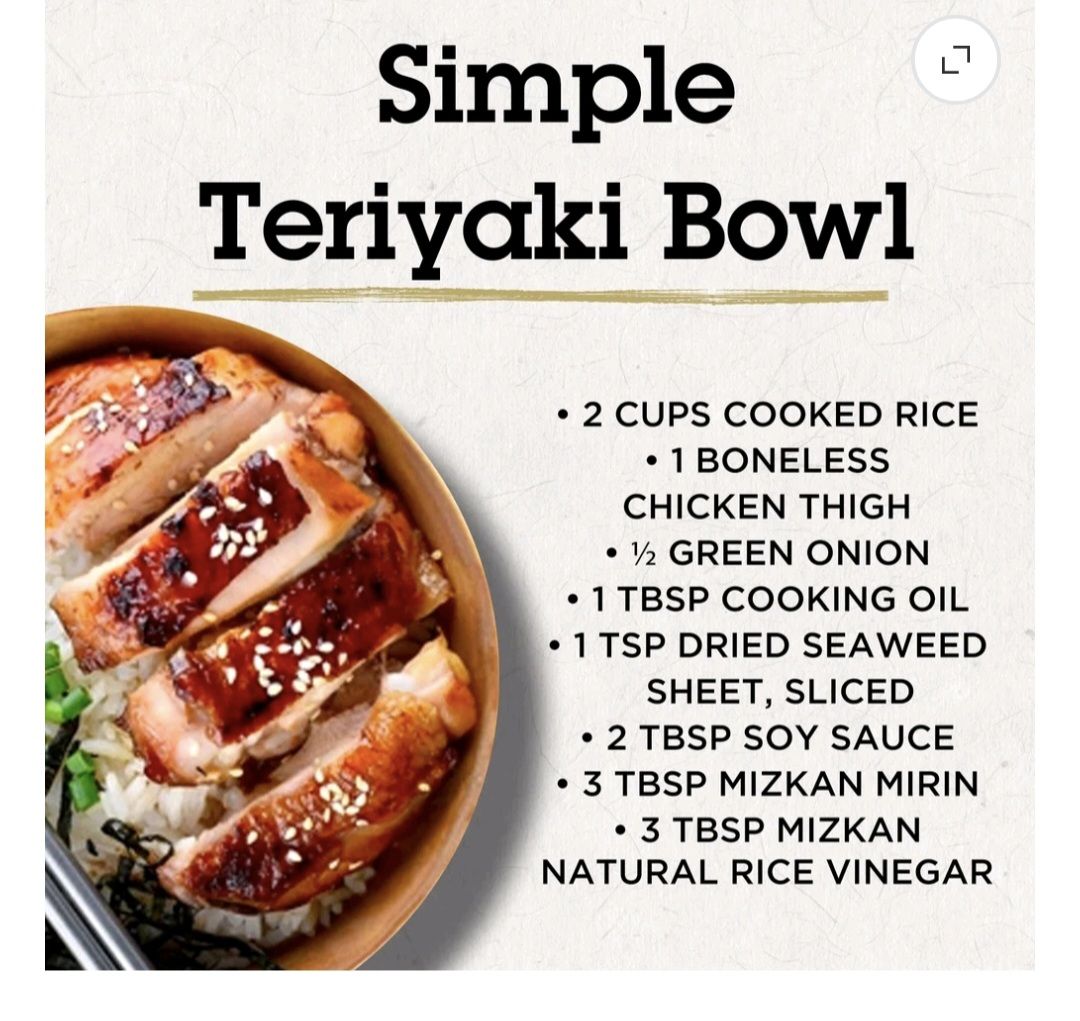
Here is a plant-based, low-SOS (low salt, oil, and sugar) version of your teriyaki bowl using hearty mushrooms and rehydrated soy curls.
Ingredients
- Base: 2 cups cooked brown or white rice
- Main: 1 cup Butler Soy Curls (soaked in warm water for 10 minutes, drained, and squeezed dry)
- Main: 1 cup sliced mushrooms (cremini or shiitake)
- Garnish: 1 green onion, chopped
- Garnish: 1 tsp dried seaweed sheets, sliced
- Cooking Liquid: 2 tbsp water (used instead of oil)
- Sauce: 1 tbsp low-sodium tamari or coconut aminos (low salt)
- Sauce: 2 tbsp rice vinegar
- Sauce: 1 tbsp date paste or pure maple syrup (replaces sugary mirin)
Instructions
- Prepare the Protein: Soak the dry soy curls in warm water for 10 minutes. Drain them well and gently squeeze out extra water.
- Sauté Without Oil: Heat a pan over medium heat. Add 2 tablespoons of water instead of cooking oil.
- Cook the Vegetables: Add the sliced mushrooms and prepared soy curls to the pan. Cook for 5 minutes until the mushrooms turn soft and brown.
- Mix the Sauce: Whisk together the low-sodium tamari, rice vinegar, and date paste in a small bowl.
- Glaze: Pour the sauce into the pan over the mushrooms and soy curls. Stir constantly for 2 minutes until the liquid thickens and coats the mixture.
- Assemble: Divide the cooked rice into bowls. Top with the warm mushroom and soy curl mixture.
- Finish: Sprinkle the chopped green onions and sliced seaweed on top.