Author: Sharon
SUPER STRETCHES!
Mute audio & mimic these super stretches! Reminds me of my kitty 🙂
May 3, 2026 of Low-SOS Vegan Plan
(Happy 95th birthday Mommy!)
(This blog began 3/15/2015)
MEDITATION:
* Nothing But Bible
* No Greater Love podcast
EXERCISE:
* Jog 5k outdoors
WATER:
(2) × (32) = 64 oz (+)
EATS:
* gf (greens & fruit) smoothie
* cauliflower tinga bowl
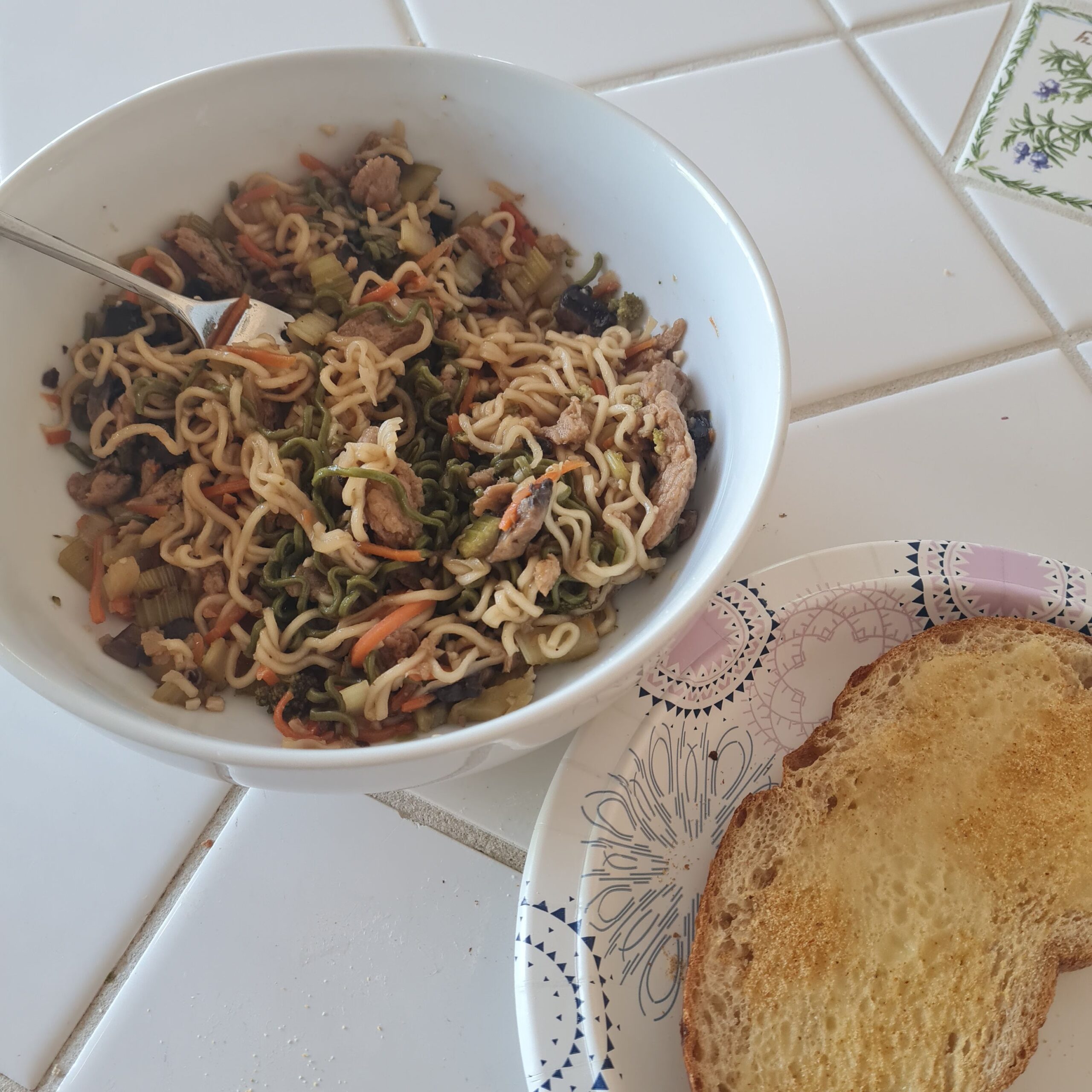
* soy curl homemade ramen w/ loads of veggies & noodles
* sourdough garlic toast w/ McDougall corn/lemon butter
… SUN HAS SET …
Cmmt: XL indicates uncommonly excessive food, and wautéed means water-sautéed
Train for Longevity AND look great in a tank top! ☀️💪💃
When People Ask Him What He EATS (as a vegan)
May 2, 2026 of Low-SOS Vegan Plan
(This blog began 3/15/2015)
MEDITATION:
* Nothing But Bible
EXERCISE:
* Jog 5k outdoors
* Powerwalk outdoors 15 minutes
WATER:
(2) × (32) = 64 oz (+)
EATS:
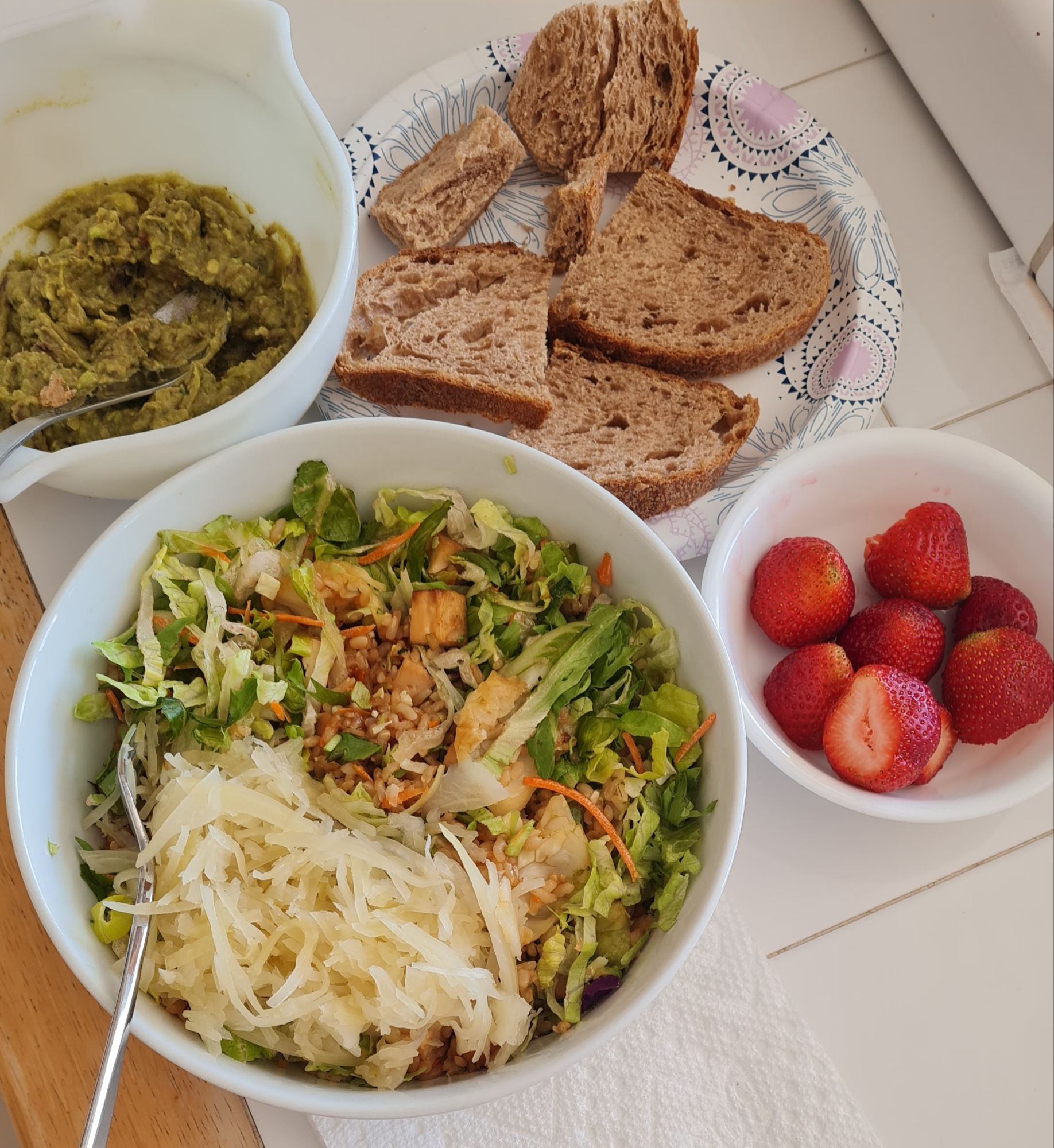
* grilled tofu on brown rice, sauerkraut, chopped Mediterranean salad (romaine, chicory, broccoli stalk, cauliflower, red cabbage, carrot) w/ organic whole wheat sourdough toast, avocado, strawberries
* cherries, green grapes, slice of pineapple, lemon juice only slightly sweetened
* bbq beans, mashed potatoes, coleslaw, one mini corn muffin, few crackers
* pineapple whip, sourdough toast w/ lemon/corn butter & garlic
… SUN HAS SET …
Cmmt: XL indicates uncommonly excessive food, and wautéed means water-sautéed
May 1, 2026 of Low-SOS Vegan Plan
(This blog began 3/15/2015)
MEDITATION:
* Thru The Bible broadcast
* Nothing But Bible
* Charles Capps podcast
EXERCISE:
* Jog 5k outdoors
* Standing desk for hours @ online work
WATER:
(2) × (32) = 64 oz (+)
EATS:
* chopped Mediterranean salad w/ hearts of palm, grain/celery salad, thinly sliced almonds, Mother Raw Mediterranean dressing, sourdough avocado toast
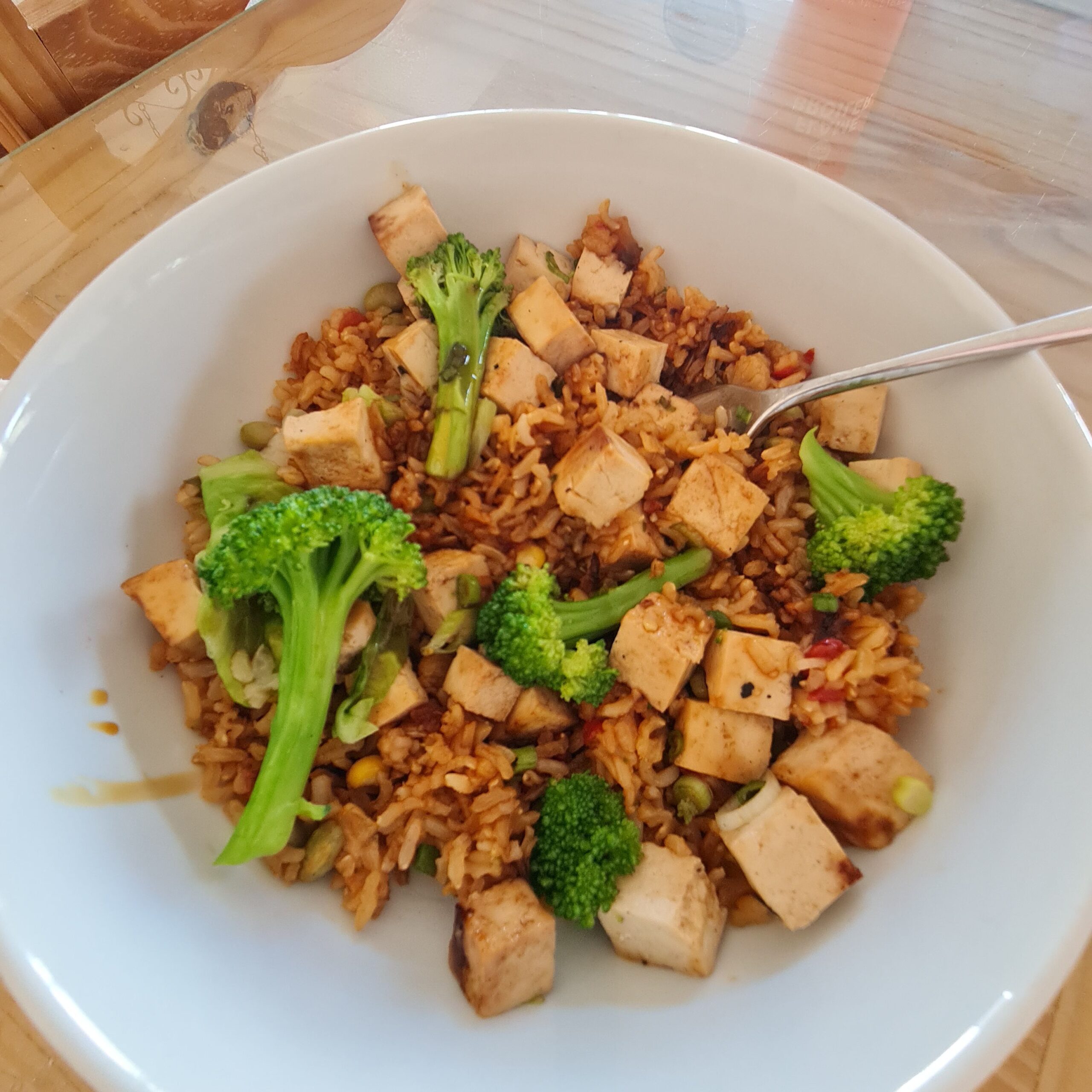
* grilled tofu served on leftover veggie brown rice w/ extra broccoli
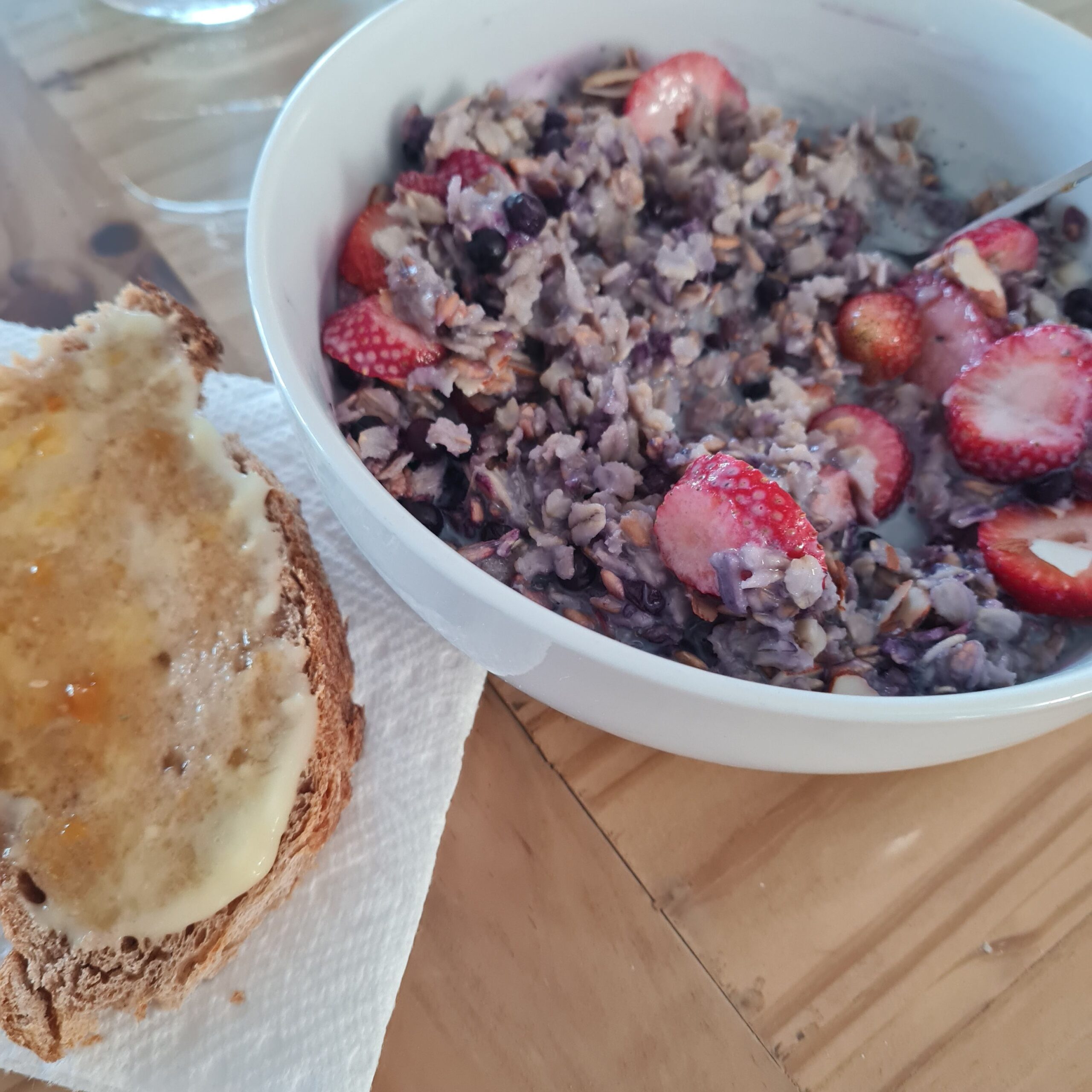
* warm oat/spelt meal w/ blueberries, strawberries, thinly sliced almonds, water, splash of soy milk & slice of whole wheat sourdough toast,w/ homemade corn butter & unsweetened apricot jam
… SUN HAS SET …
Cmmt: XL indicates uncommonly excessive food, and wautéed means water-sautéed
Why Nobody Was Fat in 1970s America — The Whole Truth
Mainstream Recognition of COVID-19 Vaccination and Increased Cancer
May 1, 2026
This first wave of mainstream acknowledgements are about cancer on the rise in general. From Time Magazine in 2025 to an interview with cancer survivor Katie Couric in 2026, there is a general recognition that after stead rises from 2000 to the present, there was a sharp inflection point upward in 2021 with the roll out of the ill-fated genetic vaccines.
Ironically, Couric developed cancer after COVID-19 vaccination. Couric and her husband, John Molner, received their second doses together in early 2021. She documented the event on Instagram with the caption, “I am so stoked that I got poked,” and expressed deep gratitude for the healthcare workers supporting the effort. Shortly after her first dose, Couric reported feeling “great” with virtually no side effects. She had no idea a consequence of her shots could be a new breast cancer. Katie Couric was diagnosed with early-stage breast cancer in June 2022 after a routine mammogram. Following a lumpectomy and radiation, she became cancer-free and now advocates for regular screenings but shows no concern over emerging cancer risks in the vaccinated.
Apr 30, 2026 of Low-SOS Vegan Plan
(This blog began 3/15/2015)
MEDITATION:
* Christ the Healers audiobook
* Thru The Bible broadcast
* Charles Capps podcast
* Nothing But Bible
EXERCISE:
* Jog 5k outdoors
* Lift lower body @ gym
* Walk-about 40 min in grocery stores
* Vibrating platform
WATER:
(2) × (32) = 64 oz (+)
EATS:
* banana & green grapes
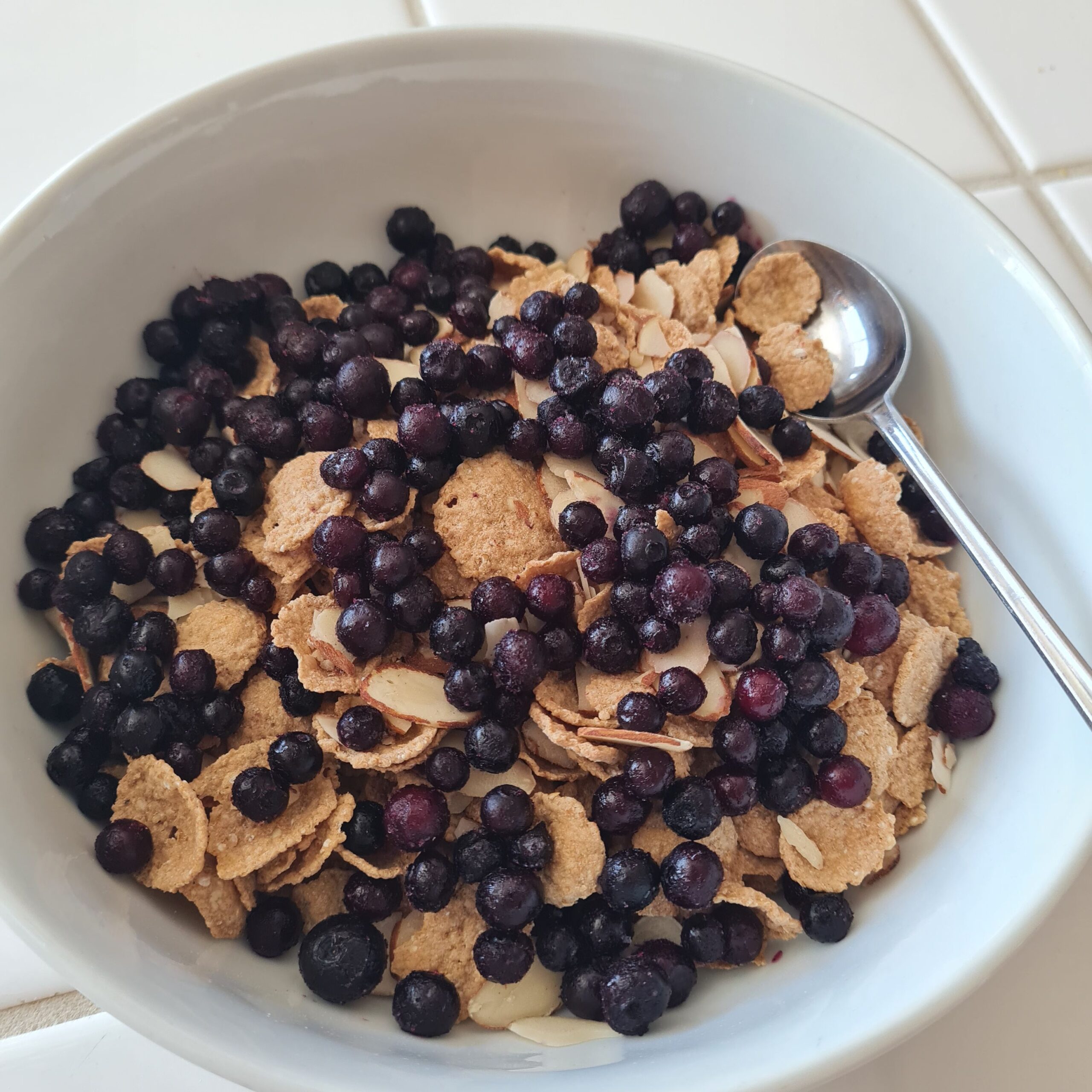
* Heritage Flakes, spelt & oat cereals w/ wild blueberries, sliced almonds & soy milk
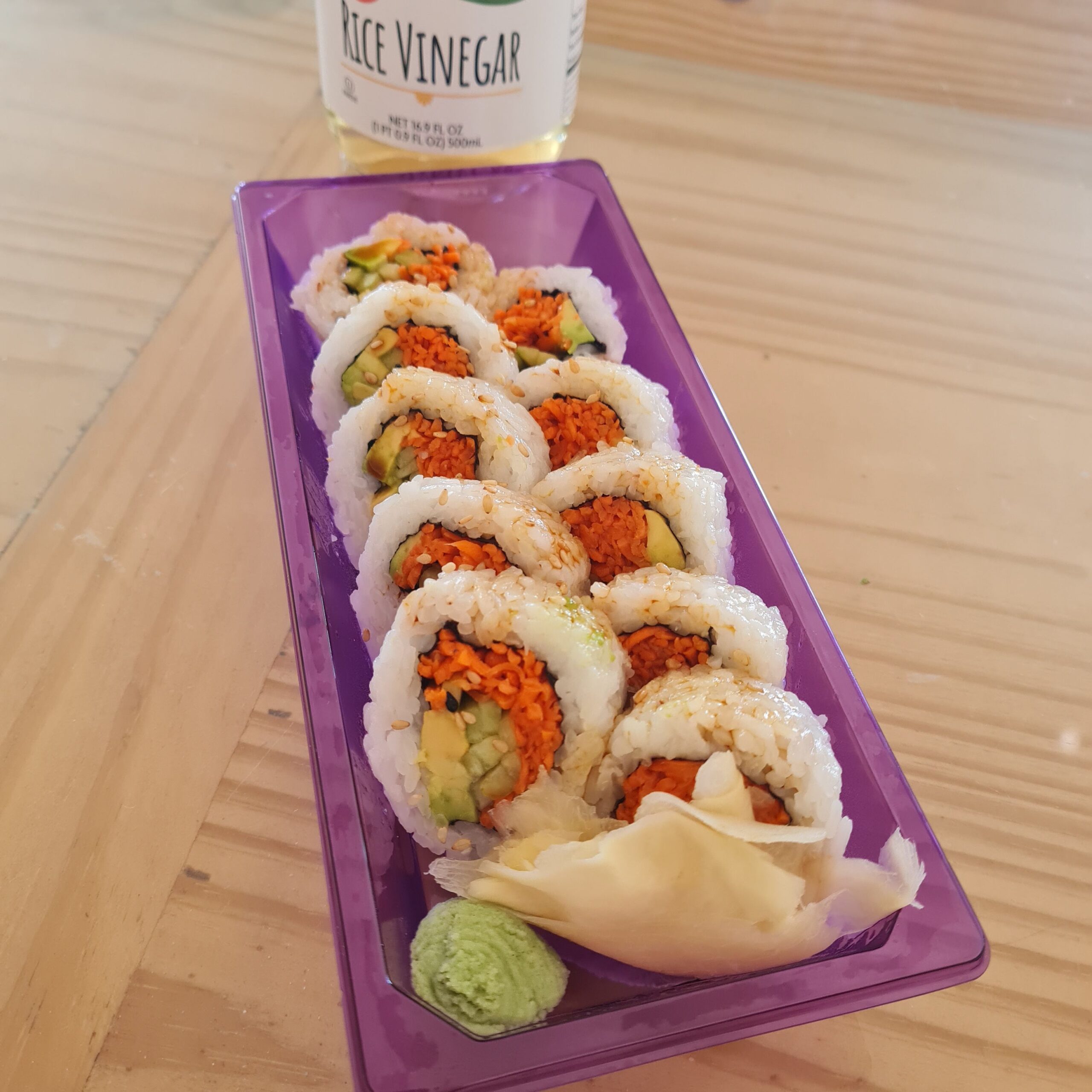
* veggie sushi roll
* giant chopped Mediterranean salad w/ hearts of palm, grain/celery salad, broccoli-slaw, thinly sliced almonds, Mother Raw Mediterranean dressing, garlic sourdough avocado toast
* few salt-free pistachios
… SUN HAS SET …
Cmmt: XL indicates uncommonly excessive food, and wautéed means water-sautéed