July 26, 2026
Author: Sharon
BILATERAL BRAIN WORKOUT SERIES
LINK BELOW VIDEO OPENS A NEW EXERCISE SERIES – BILATERAL BRAIN WORKOUT. CLICK ON THE LINK TO LEARN IT!
https://youtube.com/playlist?list=PLF8DUSBimv8Q&si=I3L9Xa_x4lnojs67
🥔 HIGH VOLUME VEGAN BIBIMBAP🔥 Healthy Vegan Weight Loss!!
Ingredients:
Veggies:
🍄 Mushrooms
🥦 Broccoli
🌱 Bean sprouts
🥬 Spinach
🥒 Cucumber
🥕 Carrots
Protein & Base:
🧈 Extra firm tofu
🥔 Grated potatoes (or frozen hash browns)
Mushrooms:
🫙 Soy sauce
🥥 Coconut sugar
Bean Sprouts:
🧄 1 clove garlic
🧂 Salt
🥄 A tiny drizzle of sesame oil
🌾 Sesame seeds or furikake
Sauce:
🌶️ Gochujang
🫙 Soy sauce
🍁 Maple syrup
🧄 Garlic powder
🍚 Rice vinegar
Method:
1️⃣ Caramelise the mushrooms with the soy sauce and coconut sugar.
2️⃣ Steam the broccoli, blanch the bean sprouts, and wilt the spinach with a splash of soy sauce.
3️⃣ Dice the tofu and air fry until crispy.
4️⃣ Finely slice the cucumber and carrots.
5️⃣ Cook the grated potato (or hash browns) with garlic powder until golden and tender.
6️⃣ Season the bean sprouts with garlic, salt, a tiny drizzle of sesame oil, and sesame seeds or furikake.
7️⃣ Mix together the gochujang, soy sauce, maple syrup, garlic powder, and rice vinegar to make the sauce.
8️⃣ Layer everything into a giant bowl, drizzle over the sauce, mix well, and enjoy!
This is what volume eating looks like… a HUGE bowl packed with veggies, crispy tofu, and potatoes that keeps you full for hours. 🥔🥦💚
If you’re trying to eat more food while losing weight, this is exactly the kind of meal you want on repeat.
July 14, 2026 of Low-SOS Vegan Plan
(This blog began 3/15/2015)
MEDITATION:
* E W Kenyon Sermons w/ Insights
EXERCISE:
* Walk-about in scorching heat outside & inside for 3.5 hours
WATER:
(2) × (32) = 64 oz (+)
EATS:
* Mexican pizza (XL-crispy corn tortilla w/ beans, rice, salsa) & one plain sparkling water w/ soft XL-drink
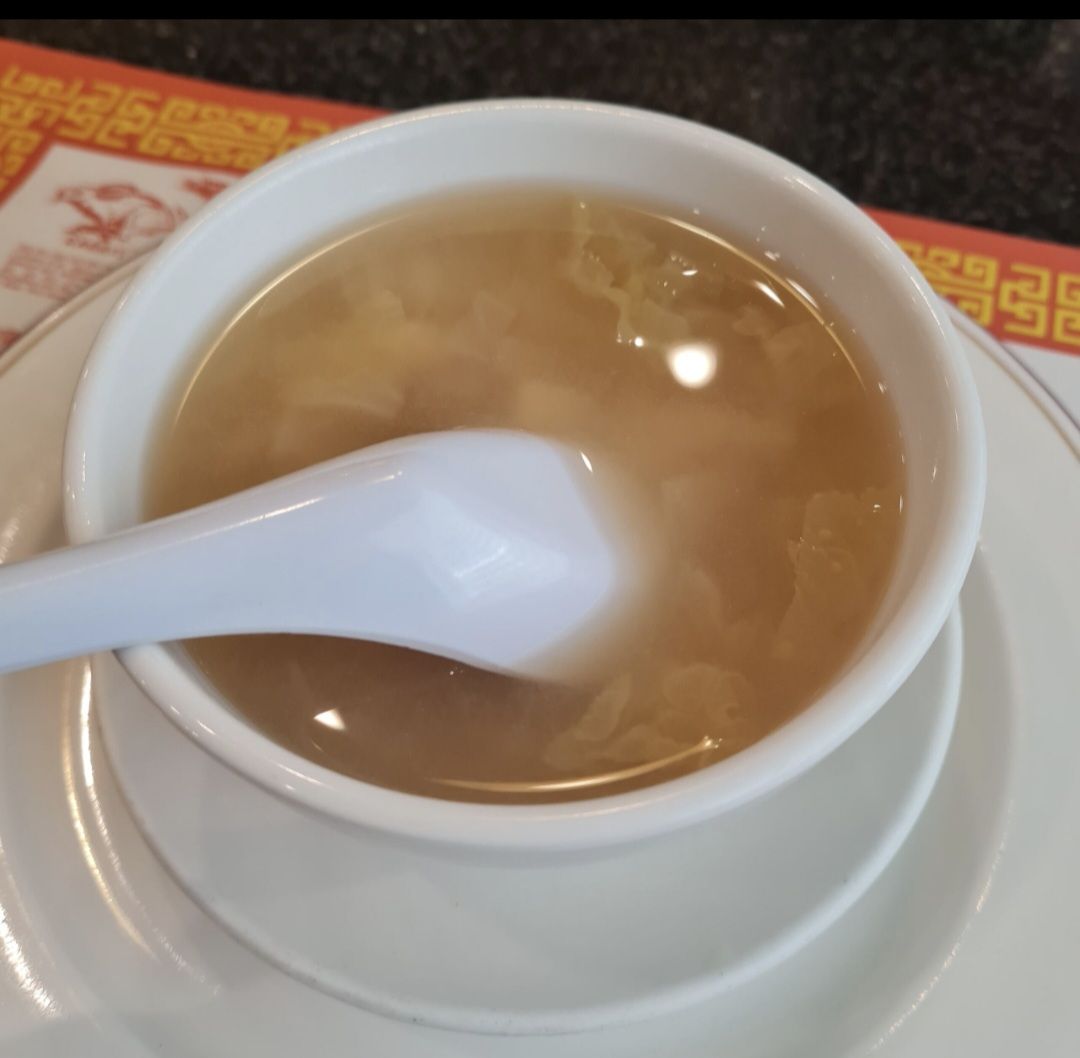
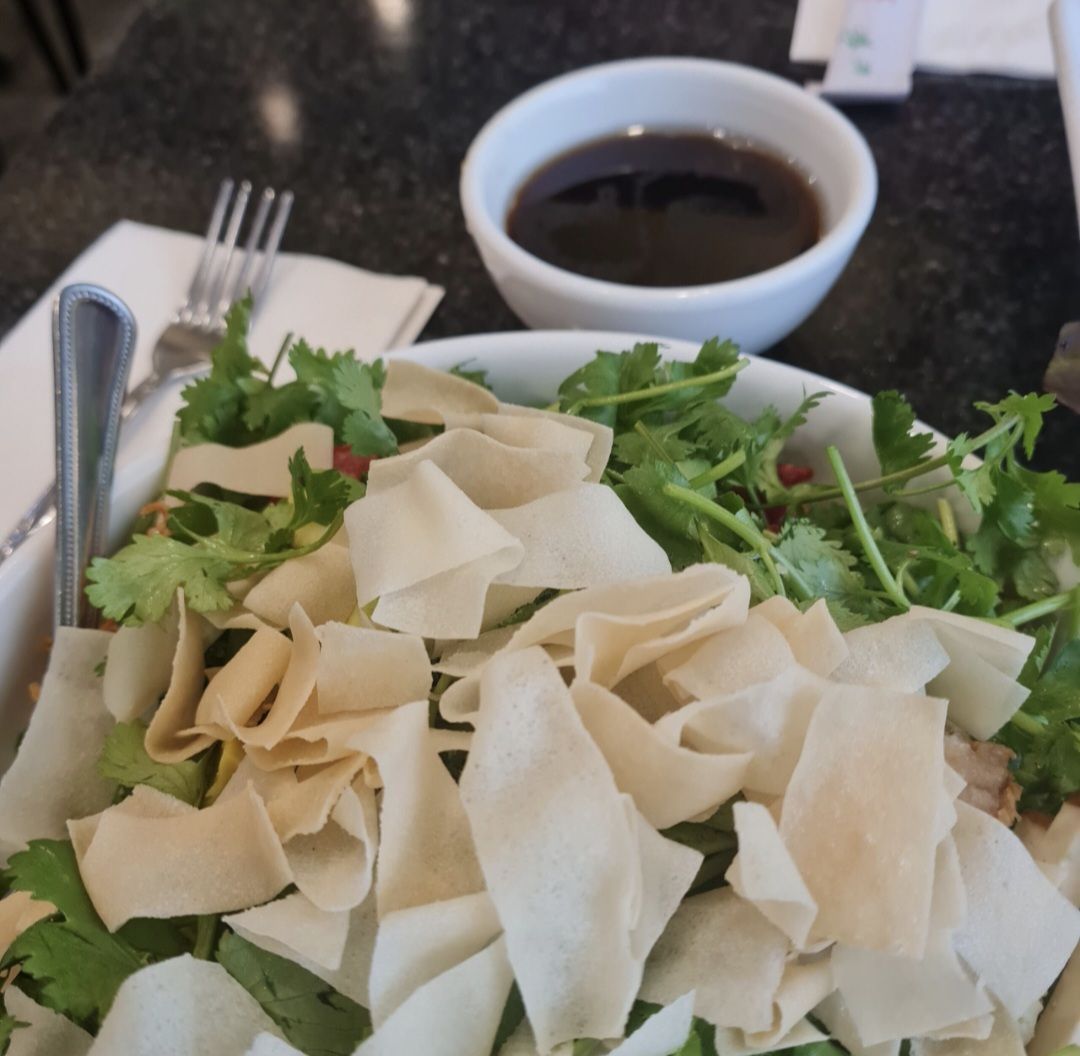
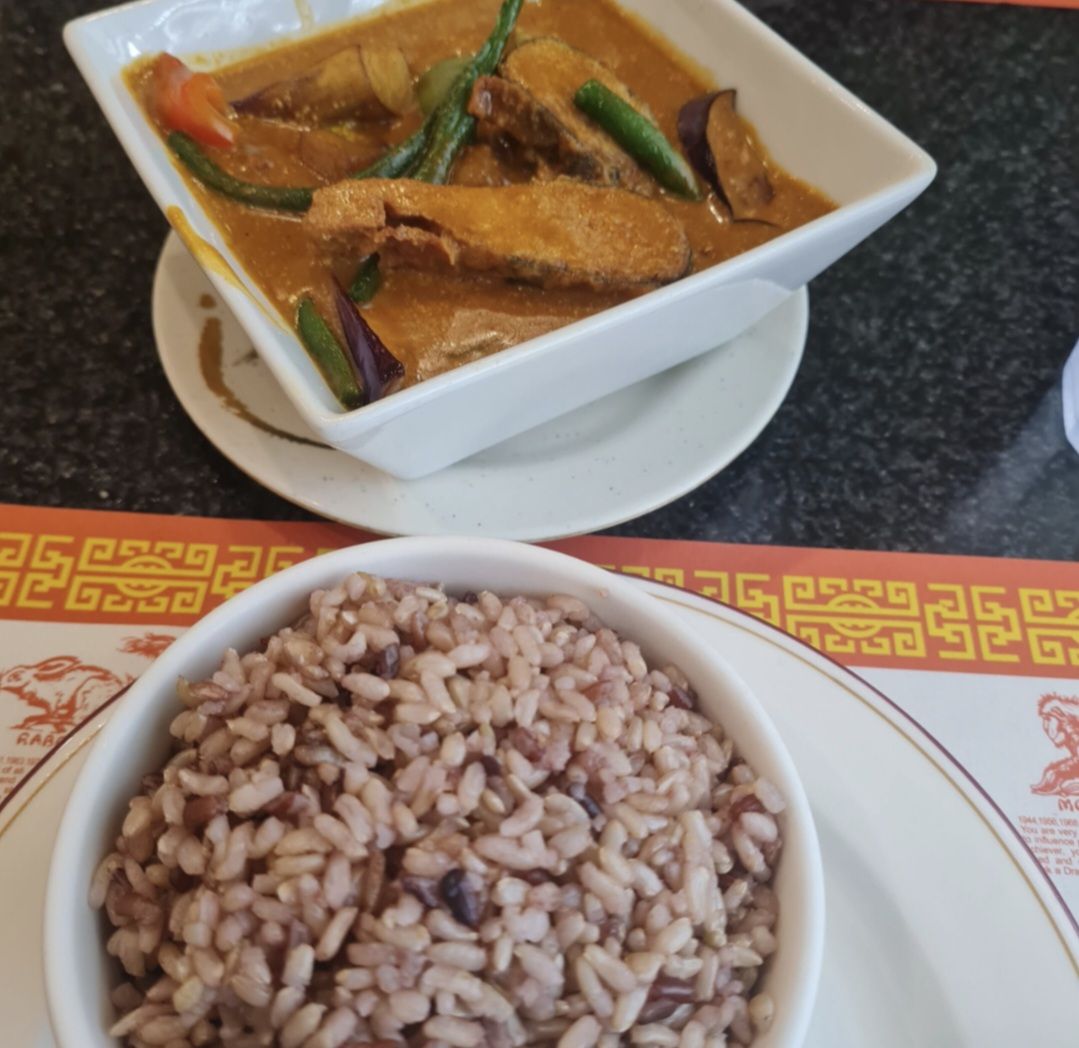
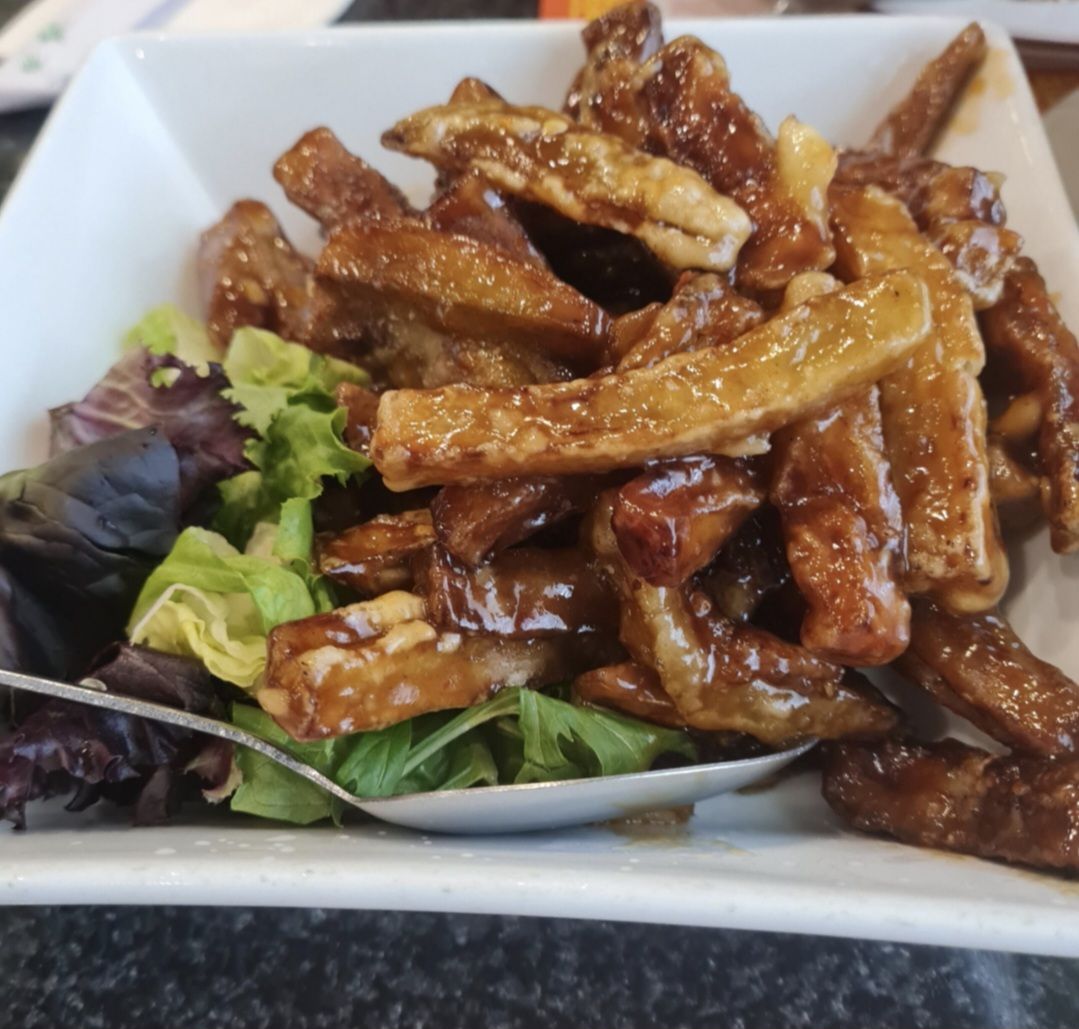
* Vegas Chef Kenny lunch (miso soup, cilantro salad, XL-crispy eggplant, brown wild rice, veg curry)
… SUN HAS SET …
Cmmt: XL indicates uncommonly excessive food, and wautéed means water-sautéed
July 13, 2026 of Low-SOS Vegan Plan
(This blog began 3/15/2015)
MEDITATION:
* E W Kenyon Sermons w/ Insights
EXERCISE:
* Jog 5k miles outdoors
* Body by Stacy LEG DAY
WATER:
(2) × (32) = 64 oz (+)
EATS:
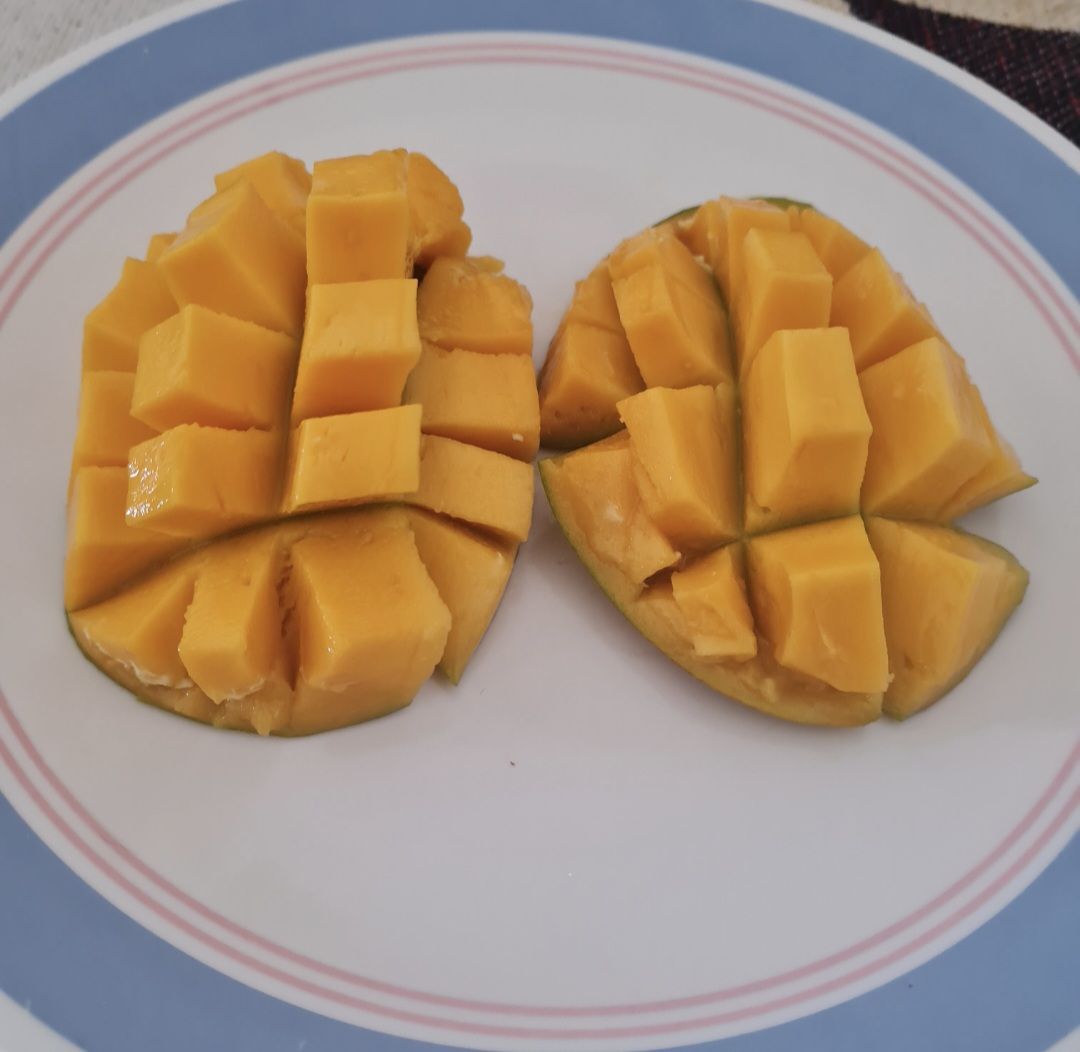
* fresh mango & few red grapes
* cookie dough blended oats
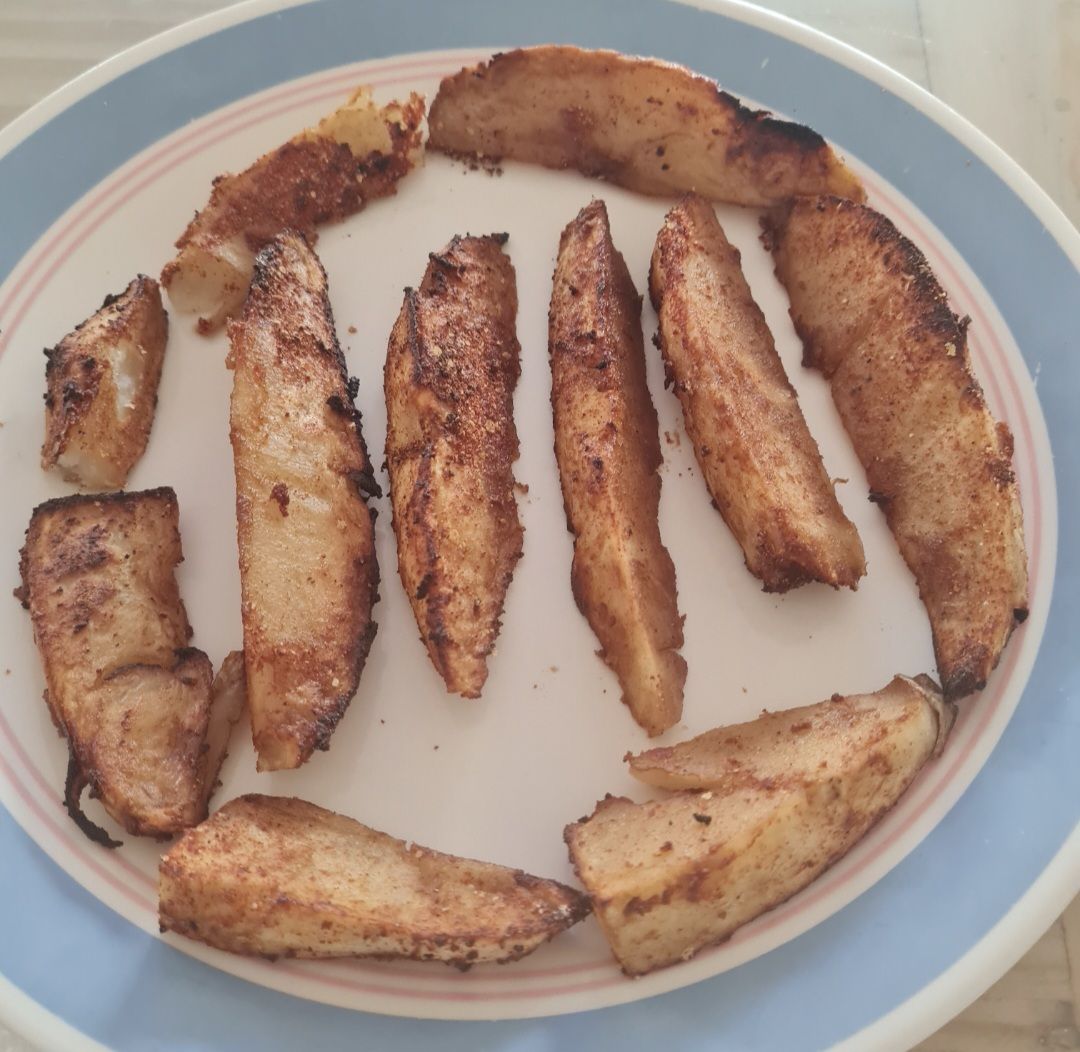
* baked-then airfried potato wedges w/ Rosy’s Smoky BBQ rub
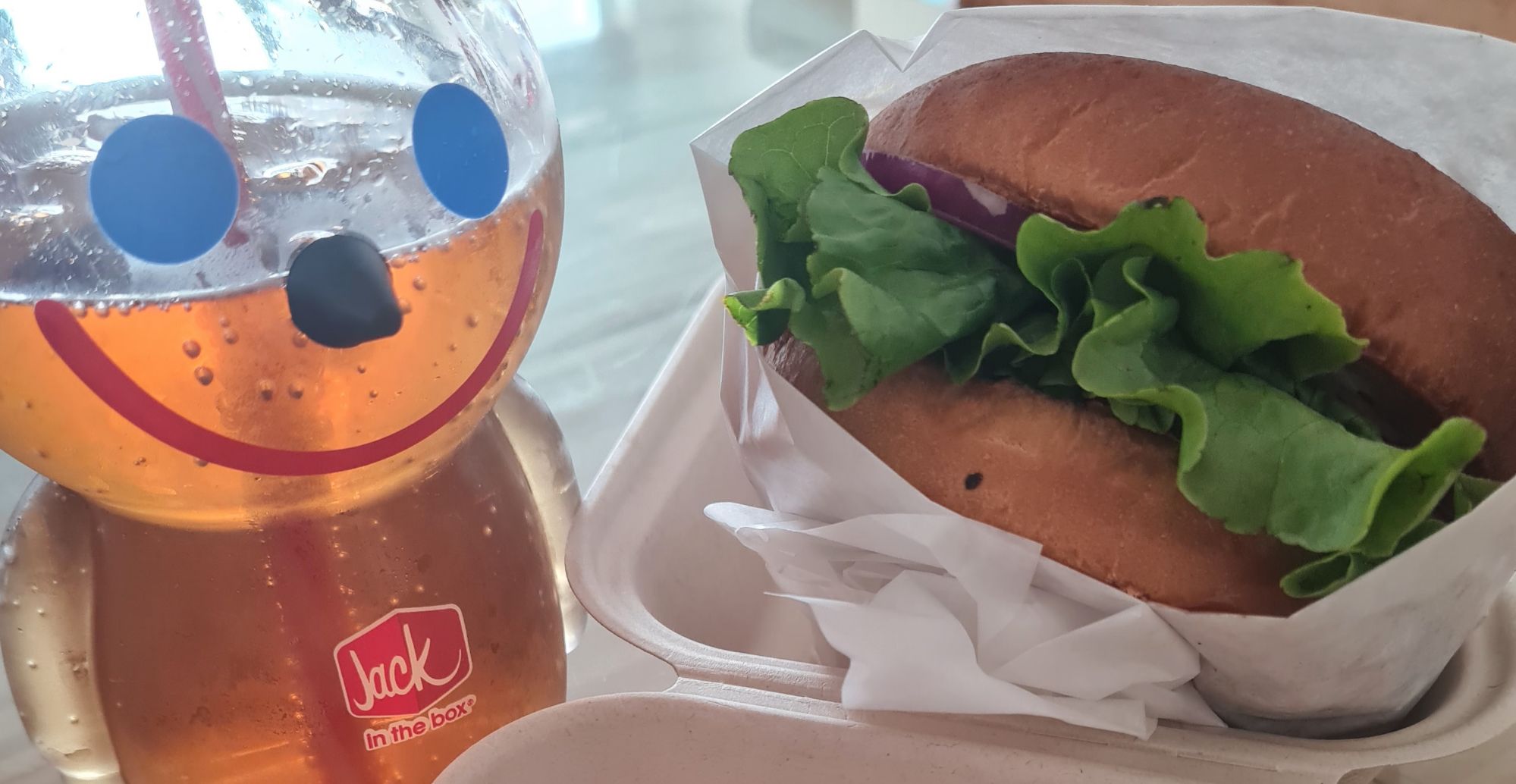
* Veganburg teriyaki XL-burger (should have requested no vegan mayo & no Impossible patty) & plain sparkling water w/ shot of soft XL-drink
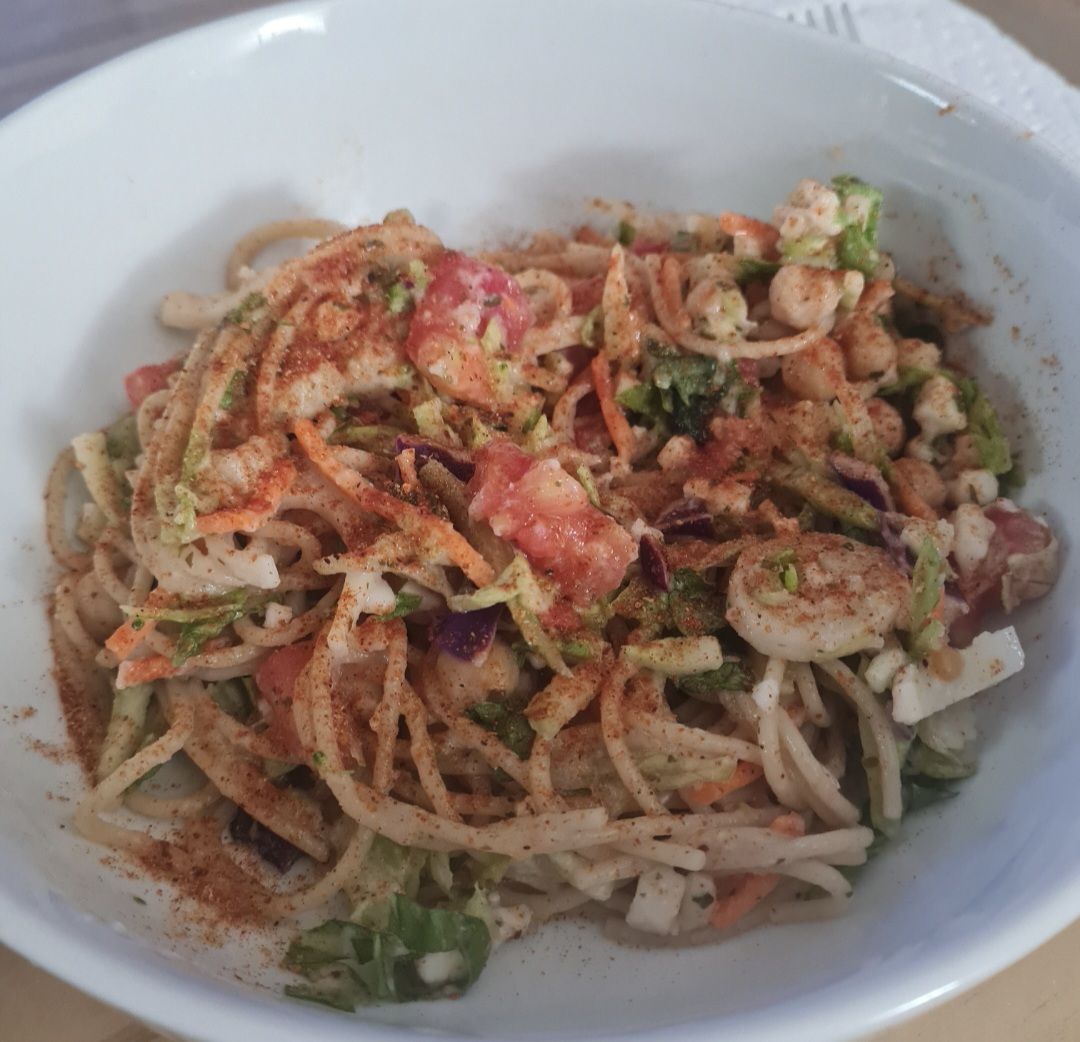
* chopped Mediterranean salad w/ hearts of palm, garbanzo beans, whole wheat noodles & Rosy’s Smoky BBQ Rub
… SUN HAS SET …
Cmmt: XL indicates uncommonly excessive food, and wautéed means water-sautéed
What Should We Learn From The Deaths Of Fitness Icons?
Click to read, just scroll past the HuffPost announcement:
https://www.huffpost.com/entry/what-should-we-learn-from_b_815943
Cookie Dough Blended Oatmeal / Vegan Weight Loss
INGREDIENTS
1/2 cup chickpeas
1/2 cup frozen cauliflower
3 frozen ripe bananas
1 medjool dates
1/2 cup unsweetened plant milk
1/2 cup water
Pinch of salt
OPTIONAL EXTRAS
1 tbsp dark vegan chocolate chips
(Instead I added 2 tsp cacao powder)
METHОD
1. Add everything (aside from the
chocolate chips) to a high speed
blender and blitz until you get a
super smooth milkshake!
2. AFTER blitzing, pour in uncooked rolled oats, mix w/ spoon.
3. Let oats soak a few minutes & enjoy!
Do You Really Need Fat with Your Salad?
July 12, 2026 of Low-SOS Vegan Plan
(This blog began 3/15/2015)
MEDITATION:
* E W Kenyon Sermons w/ Insights
EXERCISE:
* Rest
WATER:
(2) × (32) = 64 oz (+)
EATS:
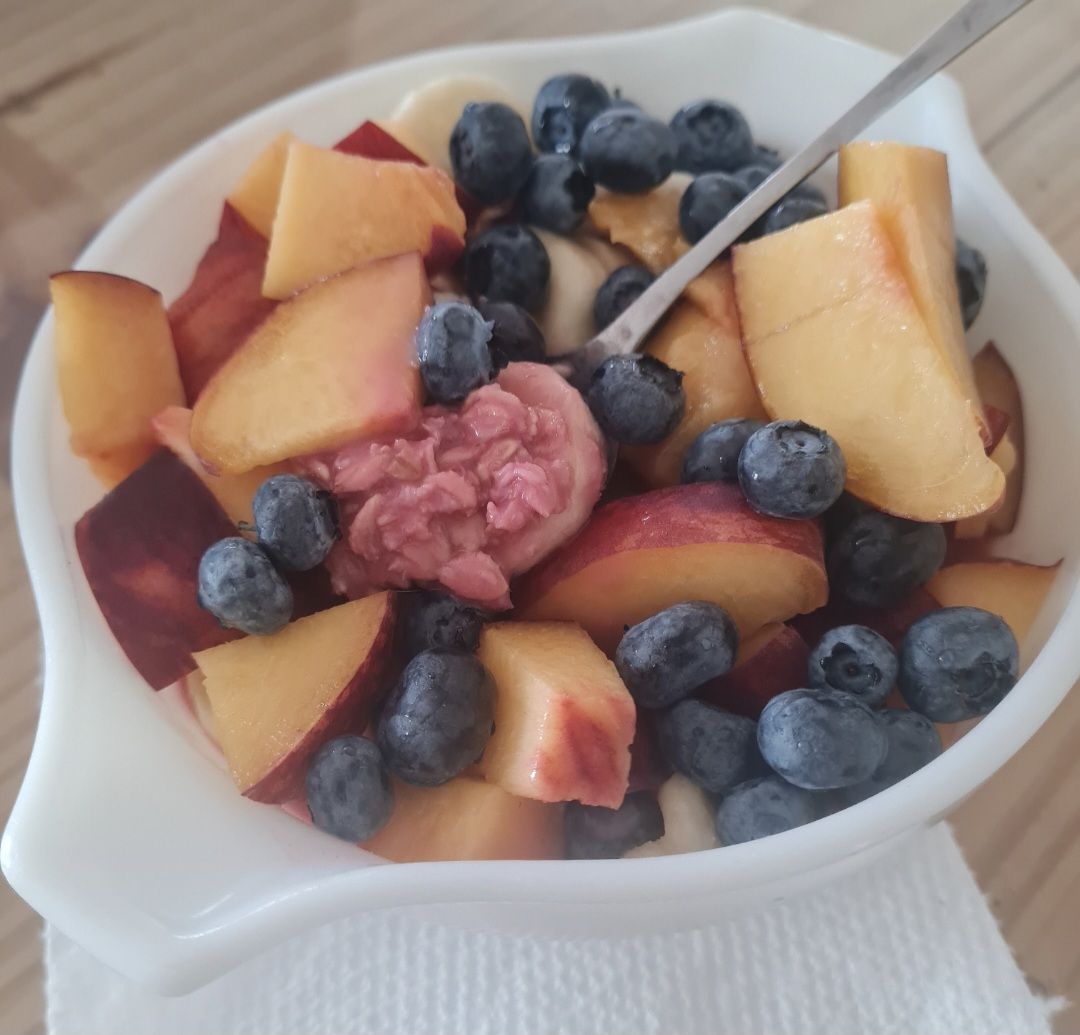
* oatmeal w/ beet & pomegranate powders, peach, blueberries, banana & almond milk
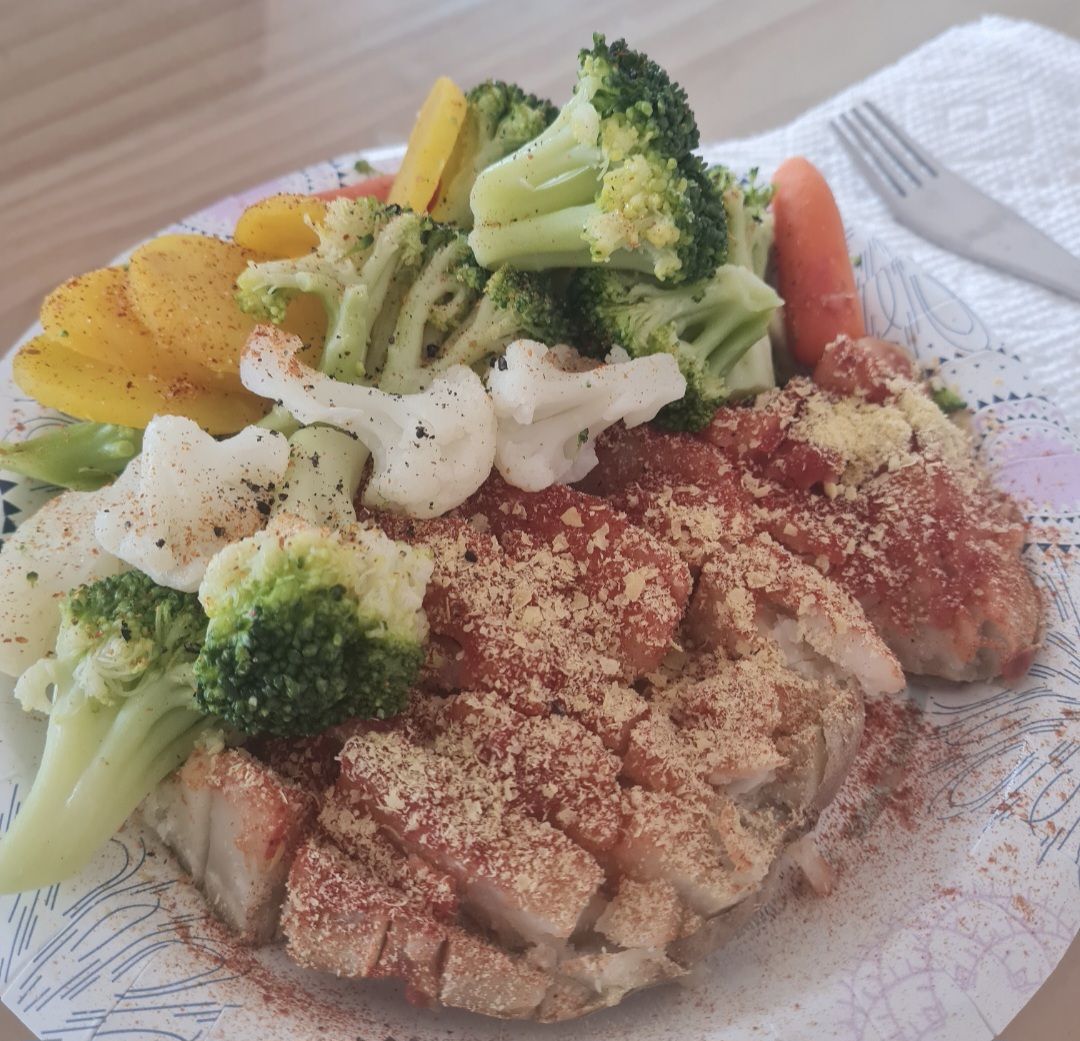
* bbq baked potato, steamed veggies
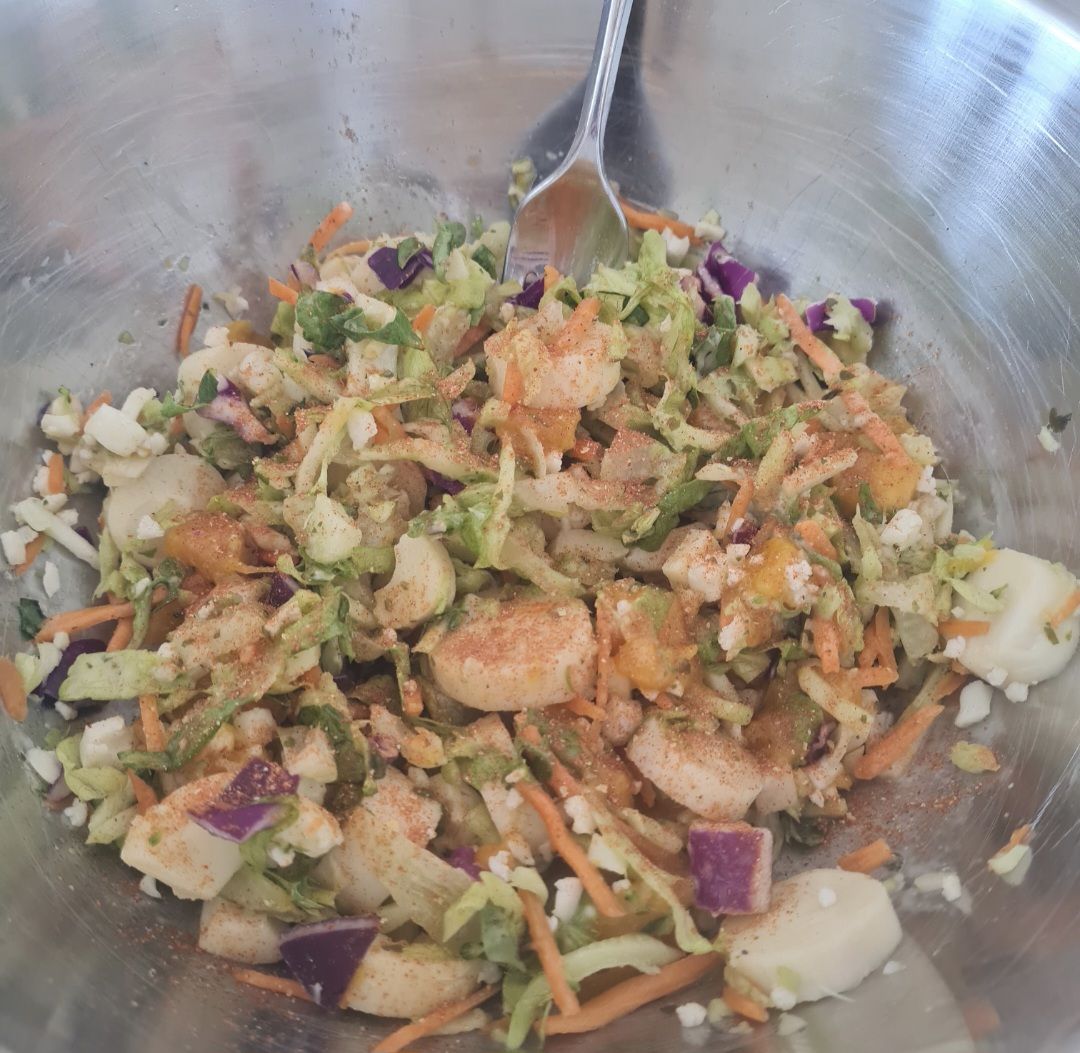
* chopped Mediterranean salad
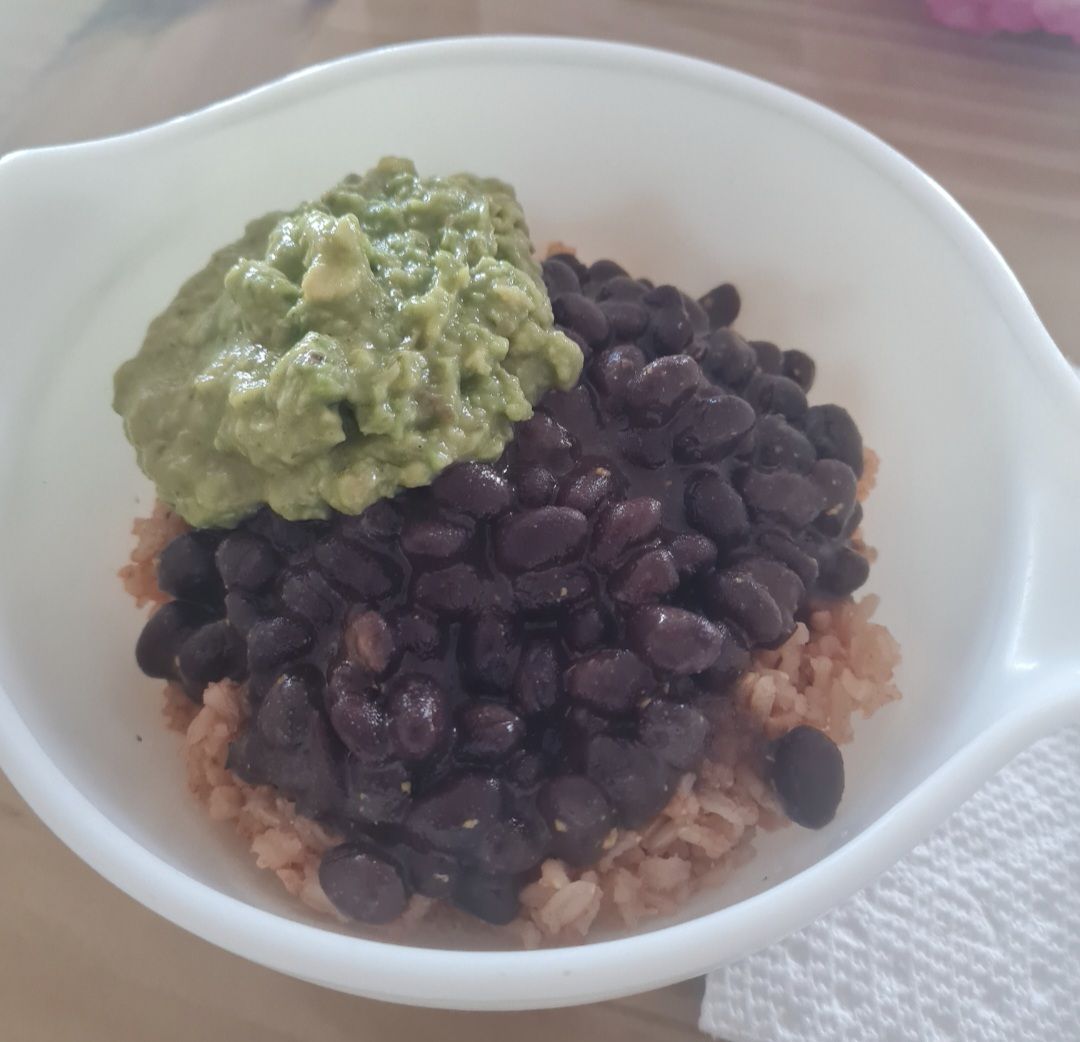
* Spanish brown rice, black beans & guacamole
… SUN HAS SET …
Cmmt: XL indicates uncommonly excessive food, and wautéed means water-sautéed
Creamy Healthy Thai Peanut Dressing
- OPTIONAL: May switch out sauce for this lowfat peanut dressing.
This recipe requires you to cook noodles, chop up the veggies and layer it all up into jars (ready in less than 15 minutes) and it’s packed with plant protein from edamame beans and lots of fibre and polyphenols 😋:
Since I know we prefer low-fat, whole-food, plant-based cooking, here’s a version that keeps the rich peanut flavor while replacing most of the fat with PB2 (powdered peanut butter). It’s creamy, flavorful, and perfect over noodles or as a salad dressing.
Ingredients
- ½ cup PB2 (powdered peanut butter)
- ¼ cup warm water (plus more as needed)
- 3 tablespoons low-sodium tamari or soy sauce
- 2 tablespoons fresh lime juice (about 1 lime)
- 1 tablespoon pure maple syrup
- 2 cloves garlic, minced (or 1 teaspoon garlic powder)
- 1 tablespoon freshly grated ginger (or 1 teaspoon ground ginger)
- 1 teaspoon rice vinegar (optional, for extra brightness)
- ¼ teaspoon crushed red pepper flakes (optional)
- 1–3 tablespoons additional water to reach desired consistency
Instructions
- Whisk the PB2 with the warm water until completely smooth.
- Stir in the tamari, lime juice, maple syrup, garlic, ginger, and rice vinegar.
- Add extra water, one tablespoon at a time, until the dressing coats a spoon but still pours easily.
- Taste and adjust:
- More lime for brightness.
- More maple syrup if you prefer it sweeter.
- More tamari for a saltier, richer flavor.
- More ginger for a stronger Asian flavor.
Toss With
- 8 ounces cooked noodles (whole wheat, soba, rice noodles, or your favorite)
- 1½ cups sugar snap peas
- 1 red bell pepper, thinly sliced
- 2 cups shredded red cabbage
- 1 cup shelled edamame
- ¼ cup chopped fresh mint
- 2 tablespoons chopped roasted peanuts (optional garnish)
Optional Flavor Boosts
If you’re trying to mimic the flavor of restaurant Thai peanut noodles, add one or two of these:
- 1 teaspoon toasted sesame seeds (instead of sesame oil)
- ½ teaspoon smoked paprika
- 1 teaspoon sriracha or chili garlic sauce
- 1 tablespoon nutritional yeast for extra savory depth
This version is about 85–90% lower in fat than one made with regular peanut butter, yet it still has the creamy peanut flavor. It also stores well in the refrigerator for 4–5 days; just whisk in a little water before serving if it thickens.