Aug 6, 2026
Month: August 2026
The Ultimate Learning Book for Kids 📚✨
Aug 6, 2026 of Low-SOS Vegan Plan
(This blog began 3/15/2015)
MEDITATION:
* E W Kenyon Sermons w/ Insights
* Mathematics & God w/ John Lennox
EXERCISE:
* Jog 5k outdoors
* Lift back on Total Gym
* PT APP workout
–lower body stretch/stengthening
WATER:
(2) × (32) = 64 oz (+)
EATS:
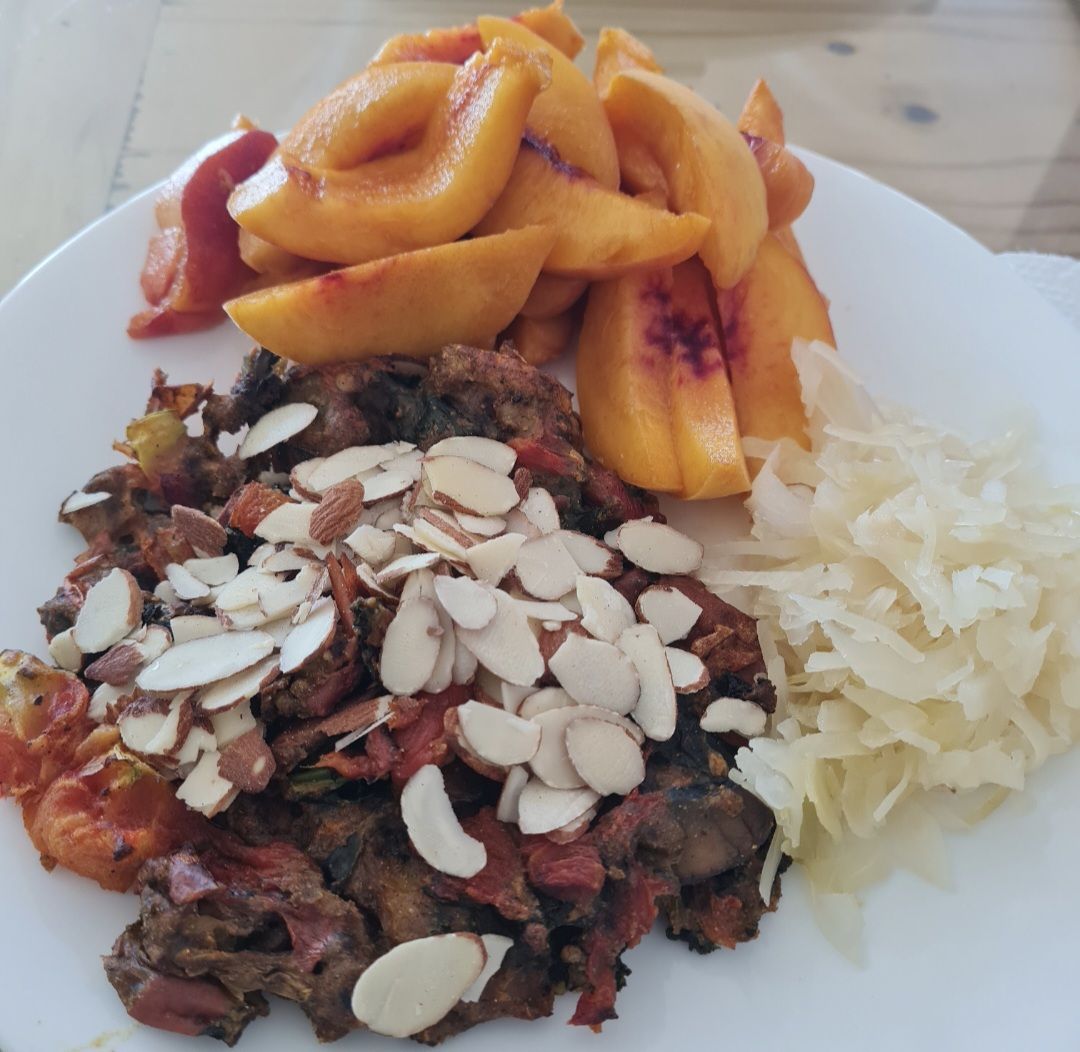
* chickpea scramble w/ fresh peach, shaved sliced almonds, sauerkraut, avocado
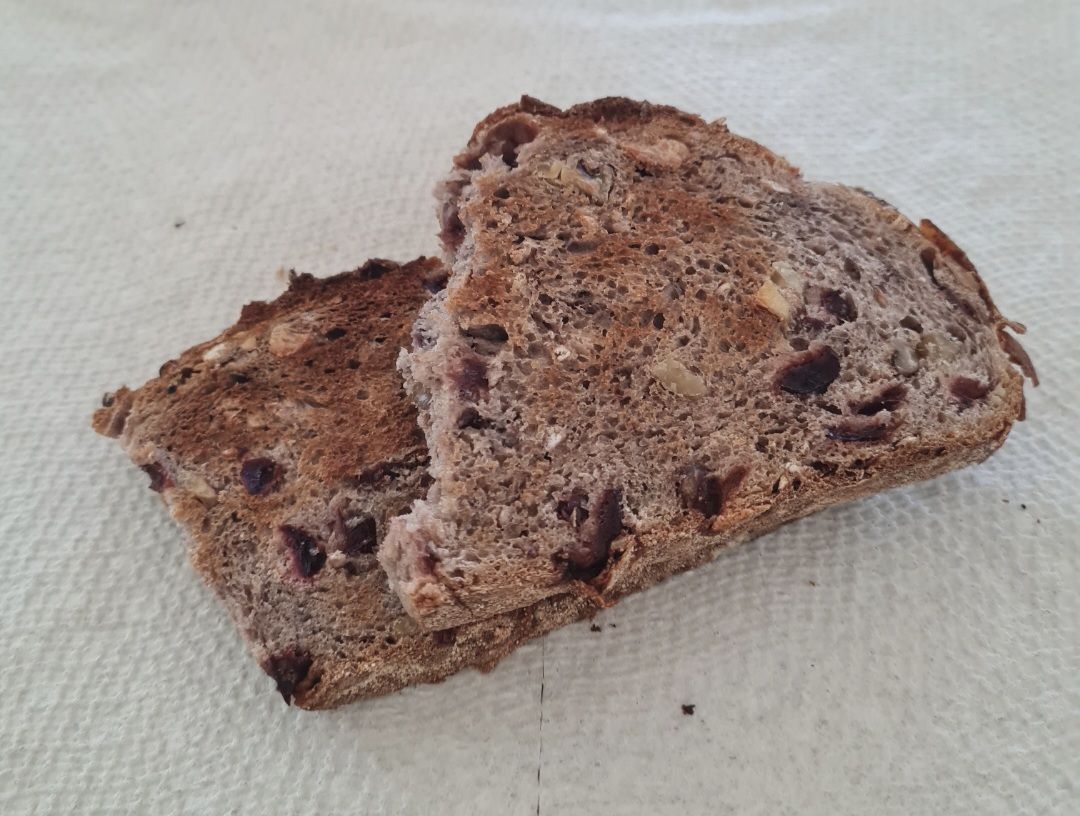
* cranberry-walnut (dry) toast
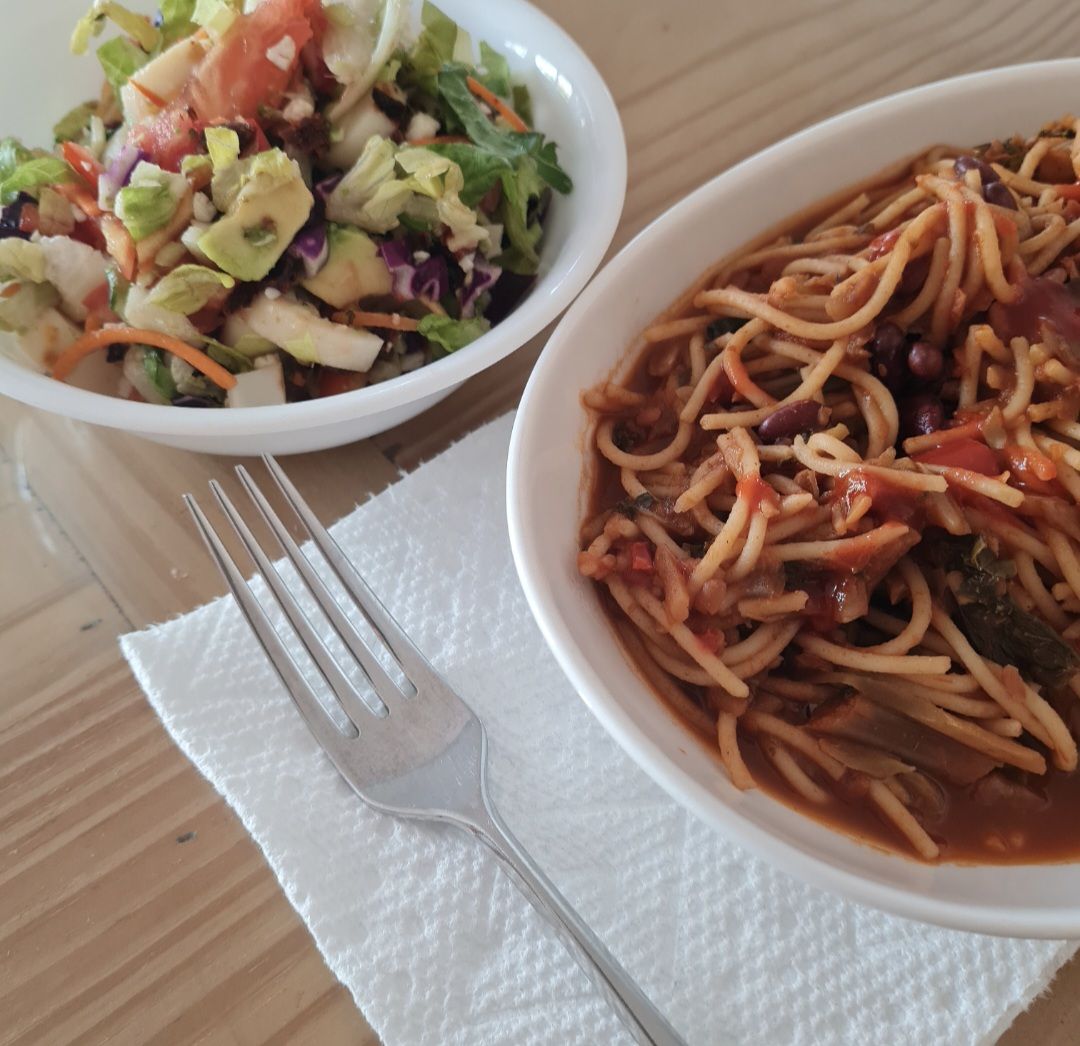
* leftover very veggie spaghetti w/ sauerkraut & gorilla salad
* fresh peach
… SUN HAS SET …
* pretzel chips w/ choco-peanut dip
Cmmt: XL indicates uncommonly excessive food, and wautéed means water-sautéed
Nuts Don’t Cause Weight Gain?!?
Summary:
- Flawed Research Studies (0:55 – 2:06): Nelson explains that many studies used to support the claim that nuts are weight-neutral were actually cholesterol studies where participants were strictly monitored and had their food intake reduced if they began to gain weight. Therefore, these studies were engineered to prevent weight gain, not to test if nuts cause it.
- The “Expected Weight Gain” Fallacy (2:37 – 4:42): When the initial claim was challenged, some nutrition experts shifted the narrative to say nuts don’t cause the “expected” weight gain. Nelson argues that this relies on a flawed mathematical model (the “3,500 calorie rule”) that does not accurately predict human weight changes.
- Common Marketing Tactics (4:43 – 8:30): The video highlights how the same logic—finding a gap between predicted and actual weight gain—is currently used to market other calorie-dense foods like avocados, full-fat dairy, and chocolate. He points out that this phenomenon is not unique to these foods; adding any 300 calories of food, including broccoli, would show similar results because of how the body naturally compensates.
- Real-World Impact (9:00 – 10:45): Nelson emphasizes that for many people, including himself, consuming calorie-dense foods like nuts without restriction does lead to weight gain. He advises viewers to be skeptical of nutrition headlines by asking three questions: Was the food added or substituted? Is the “expected” weight gain based on a reliable model? And who paid for the study?
🥔 POTATO CAESAR SALAD for Maximum Weight Loss 🔥
This potato Caesar salad is crispy, creamy, packed with chickpeas and greens — and totally oil-free!
Ingredients:
🥔 Baked potatoes (4 medium)
🫘 1.5 cans Chickpeas (drained)
🧀 5 T Nutritional yeast (divided)
🧂 Salt & pepper (to taste)
🧈 8 oz firm Tofu (for Caesar dressing, drained)
🍋 3 T Lemon juice
🧄 2 cloves Garlic & 1 T Mustard
🍁 1 T Maple syrup
💧 Water (as needed)
🌿 6 C fresh greens (romaine, kale, spinach, or a mixture)
Instructions
1. Preheat oven to 425°F.
2. Scrub potatoes, pierce with a fork, and bake for 45–60 minutes until tender.
3. Cut potatoes in half lengthwise and carefully scoop out the centers, leaving about ¼-inch potato flesh attached to the skins.
4. Return potato skins to the oven and bake another 15–25 minutes until crispy. (Dip it in salt water bath first, if desired.)
5. While potato skins bake, combine chickpeas, nutritional yeast, salt, and pepper.
6. Air fry chickpeas at 375°F for 10–15 minutes, shaking occasionally, until slightly crispy. (Alternatively, roast in the oven at 425°F for 20–30 minutes.)
7. Prepare Caesar dressing by blending tofu, lemon juice, nutritional yeast, garlic, mustard, maple syrup, water, salt, and pepper until smooth & creamy.
8. Chop fresh greens.
9. Toss chickpeas and greens with the Caesar dressing until evenly coated.
10. Fill the crispy potato skins with the chickpea Caesar mixture.
11. Serve immediately.
Approximate Nutrition Information (per serving, 4 servings)
Calories: ~390
Protein: ~24 g
Carbohydrates: ~60 g
Fiber: ~13 g
Fat: ~5 g
Saturated fat: ~1 g
Sodium: ~650 mg (varies with added salt and tofu brand)
Calcium: ~200 mg
Iron: ~5 mg
Only you can save yourself 🥴
Some tough love! 👍
T Colin Campbell told me all this – J Nelson
Chickpea Scramble (Low-Oil Version)
Batter
- 1/2 cup chickpea (besan/gram) flour
- 1/2 cup water
- 1 Tbsp nutritional yeast
- 1 Tbsp ground flaxseed
- 1/2 tsp baking powder
- 1/4 tsp salt
- 1/4 tsp turmeric
- 1/4 tsp paprika (or less)
- 1/8 tsp kala namak (black salt, for an egg-like flavor)
- Generous dash of black pepper
Vegetables
- 1/2 tsp oil (or use a nonstick skillet and a splash of water instead)
- 1 clove garlic, minced
- 1/4 cup onion, chopped
- 2 Tbsp chopped asparagus
- 2 Tbsp chopped green bell pepper
- 2 Tbsp chopped zucchini (or other vegetables)
- 1/2 green chile, chopped (optional)
- 2 Tbsp chopped red bell pepper or tomato
- Chopped cilantro (optional, for garnish)
Directions
- Whisk together all batter ingredients until smooth. Set aside.
- Heat 1/2 tsp oil in a nonstick skillet over medium heat.
- Cook the onion and garlic for about 3 minutes, adding a splash of water if needed to prevent sticking.
- Add the asparagus, green pepper, zucchini, and chile. Cook 2 minutes.
- Stir in the red bell pepper (or tomato).
- Pour the batter over the vegetables. Cook 2 minutes, until the edges begin to set.
- Gently scramble with a spatula. Let the mixture sit for about 2 minutes between stirring so it can brown slightly. Continue cooking until set, about 4–5 minutes total.
- Remove from heat and let rest 1–2 minutes. Break into bite-size pieces.
- Sprinkle generously with black pepper, garnish with cilantro if desired, and serve.
Serving Ideas
- Whole-grain or multigrain toast
- Tacos
- Burritos
Makes: 1–2 servings.
Gut Bacteria May Reveal How a Western Diet Fuels Colon Cancer : ScienceAlert
Aug 5, 2026
Colorectal cancer is one of the most common cancers worldwide, and what we eat can significantly influence our risk of developing it.
Western-style diets, typically high in fat and meat but low in fiber, have long been linked to a higher risk of the disease. But exactly how this pattern of eating may encourage tumors to develop has remained unclear.
A new study published in the journal Gut may have taken us a step closer to understanding the exact mechanism at play.
The study suggests that certain gut bacteria in the depths of our bowels, sustained by Western-style diets, may produce a substance that promotes tumor growth.
[…]
For now, the findings reinforce existing dietary advice rather than establishing a new treatment: Diets rich in fiber, fruit, vegetables, and whole grains, and lower in processed and red meat, are associated with a reduced risk of colorectal cancer.
The study was published in Gut.
https://www.sciencealert.com/gut-bacteria-may-reveal-how-a-western-diet-fuels-colon-cancer