Nov 26, 2025
Month: November 2025
Nov 26, 2025 of Low-SOS Vegan Plan
(This blog began 3/15/2015)
MEDITATION:
* Charles Capps audio
EXERCISE:
* TaeBo workout w/ Billy Blanks
* Powerwalk indoors 20 minutes
* PT APP workout
–lower body stretch/stengthening
* Vibration platform
WATER:
(2) × (32) = 64 oz (+)
EATS:
* baby carrots
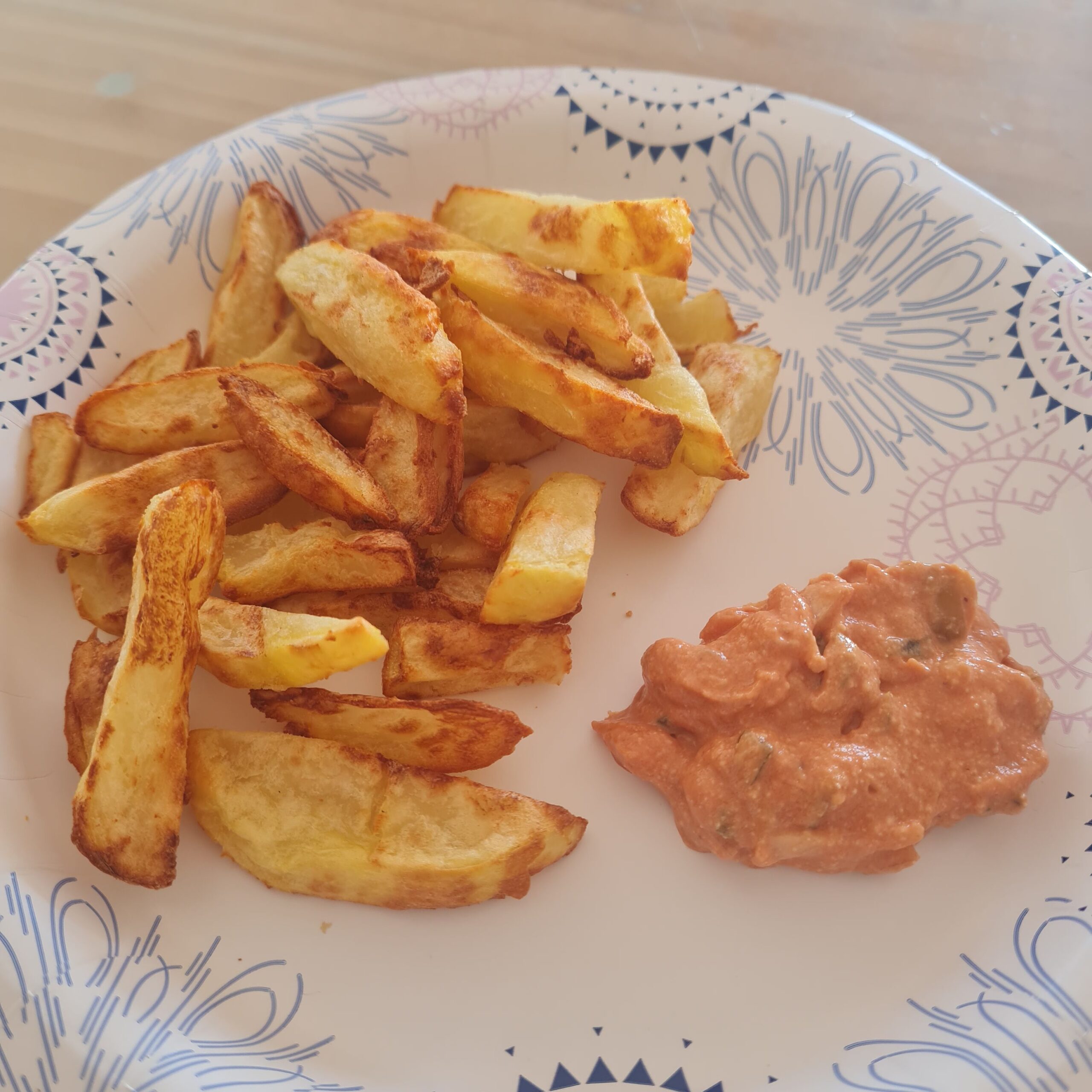
* airfried oilfree crispy potato wedges w/ homemade In-n-Out sauce
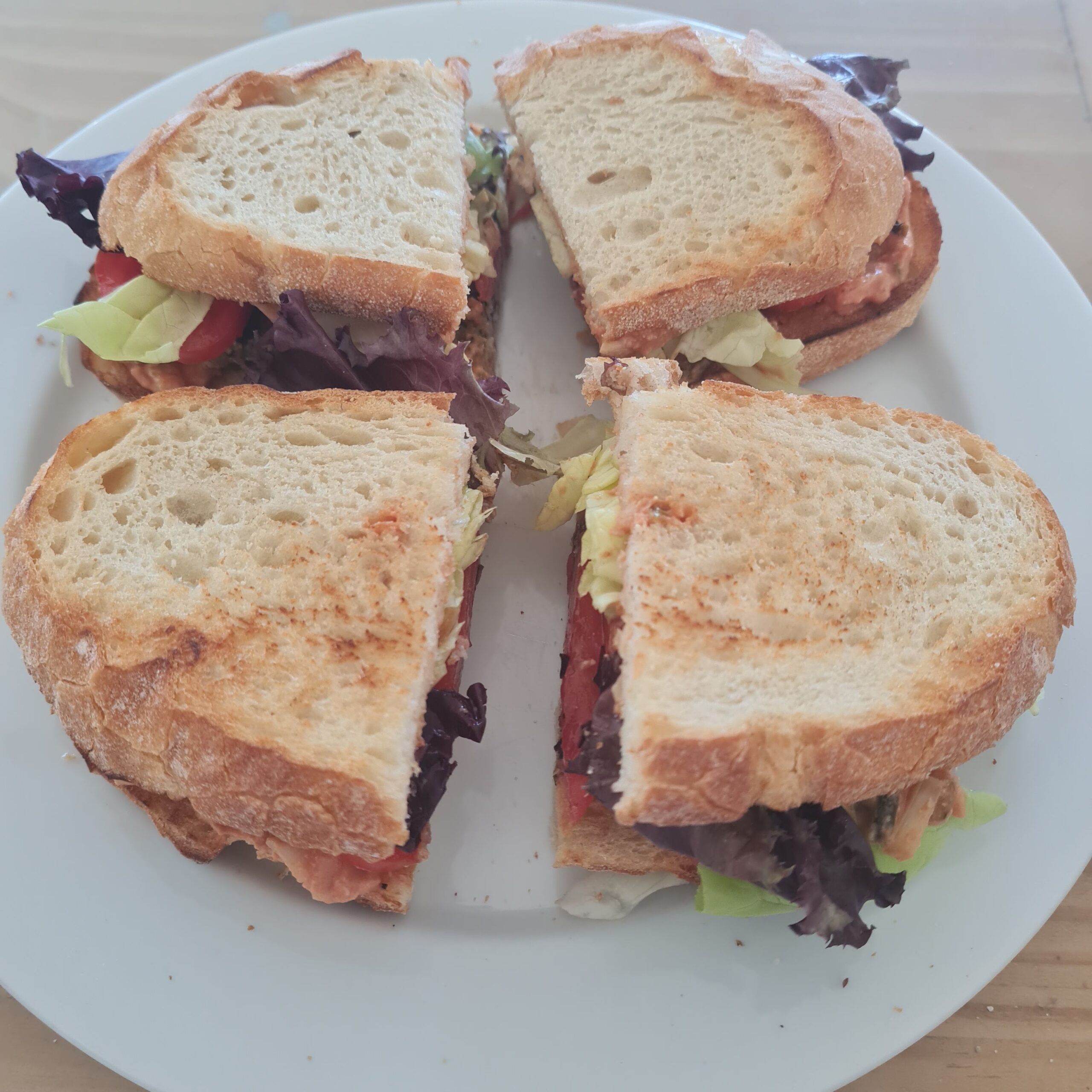
* blackbean burger w/ tomatoes, lettuce, onion
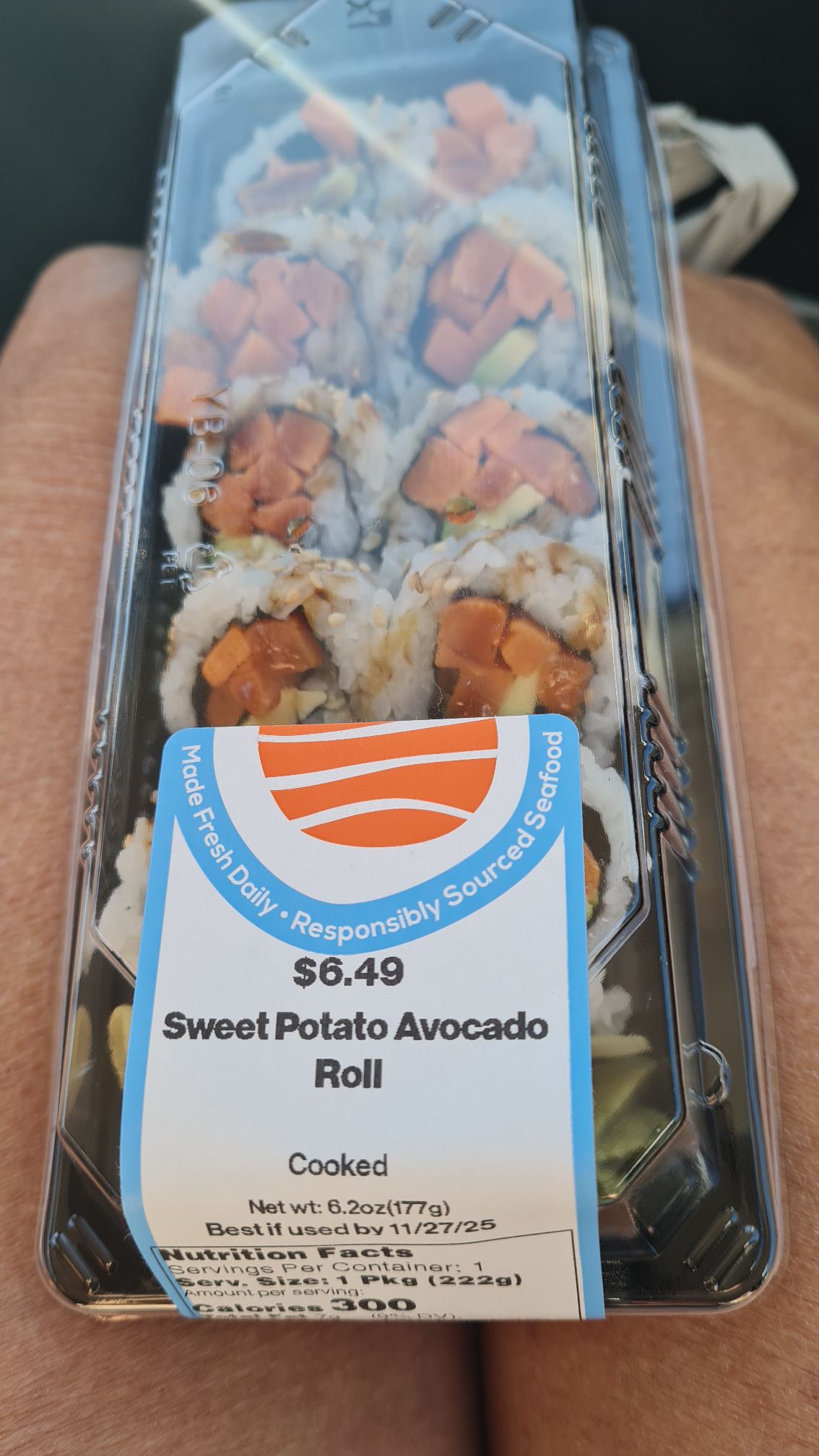
* sweet potato sushi rolls
* sourdough toast w/ lowfat unsweetened peanut/cacao spread & homemade boysenberry jam
… SUN HAS SET …
Cmmt: XL indicates uncommonly excessive food, and wautéed means water-sautéed
Tae Bo Workouts w/ Billy Blanks ® – YouTube
Exclusive | Fauci involved in ‘massive’ COVID-19 origins cover-up, FDA chief Marty Makary tells ‘Pod Force One’
Nov 26, 2025
Dr. Anthony Fauci orchestrated a “massive cover-up” about the origins of COVID-19 while serving as a top public health official during the coronavirus pandemic, Food and Drug Administration Commissioner Marty Makary argued on the latest episode of “Pod Force One.”
Makary, a former professor at the Johns Hopkins School of Medicine, explained to “Pod Force One” host Miranda Devine that as director of the National Institute of Allergy and Infectious Disease (NIAID), Fauci went to great lengths to suppress the theory that COVID-19 leaked out of a research lab in China – something few in the medical community picked up on.
“One thing that’s extremely obvious that very few people realize, and certainly hardly anyone in the medical establishment where I come from realized, is that [Fauci] was involved in a massive cover-up of the origins of COVID, a massive cover-up,” the FDA commissioner said.
Single session of weightlifting improves executive function and processing speed
A new study found that processing speed regarding inhibitory control (the ability to suppress automatic or impulsive responses) and working memory improved in a group of participants after moderate-intensity resistance exercises compared to a group that was resting and watching a video during that time. Blood lactate levels and systolic blood pressure also increased after exercises. The paper was published in Psychophysiology.
Resistance exercises are physical activities that make muscles work against an external force, such as weights, resistance bands, or one’s own body weight. They are designed to increase muscle strength by challenging the muscles to contract against this resistance. Common forms include weightlifting, push-ups, squats, and exercises using machines in a gym.
Nov 25, 2025 of Low-SOS Vegan Plan
(This blog began 3/15/2015)
MEDITATION:
* Charles Capps podcast
EXERCISE:
* Walk 20 minutes about campus
* Standing lecture 2.5 hours
* Powerwalk 20 minutes inside grocery warehouse
* Vibration platform
WATER:
(2) × (32) = 64 oz (+)
EATS:
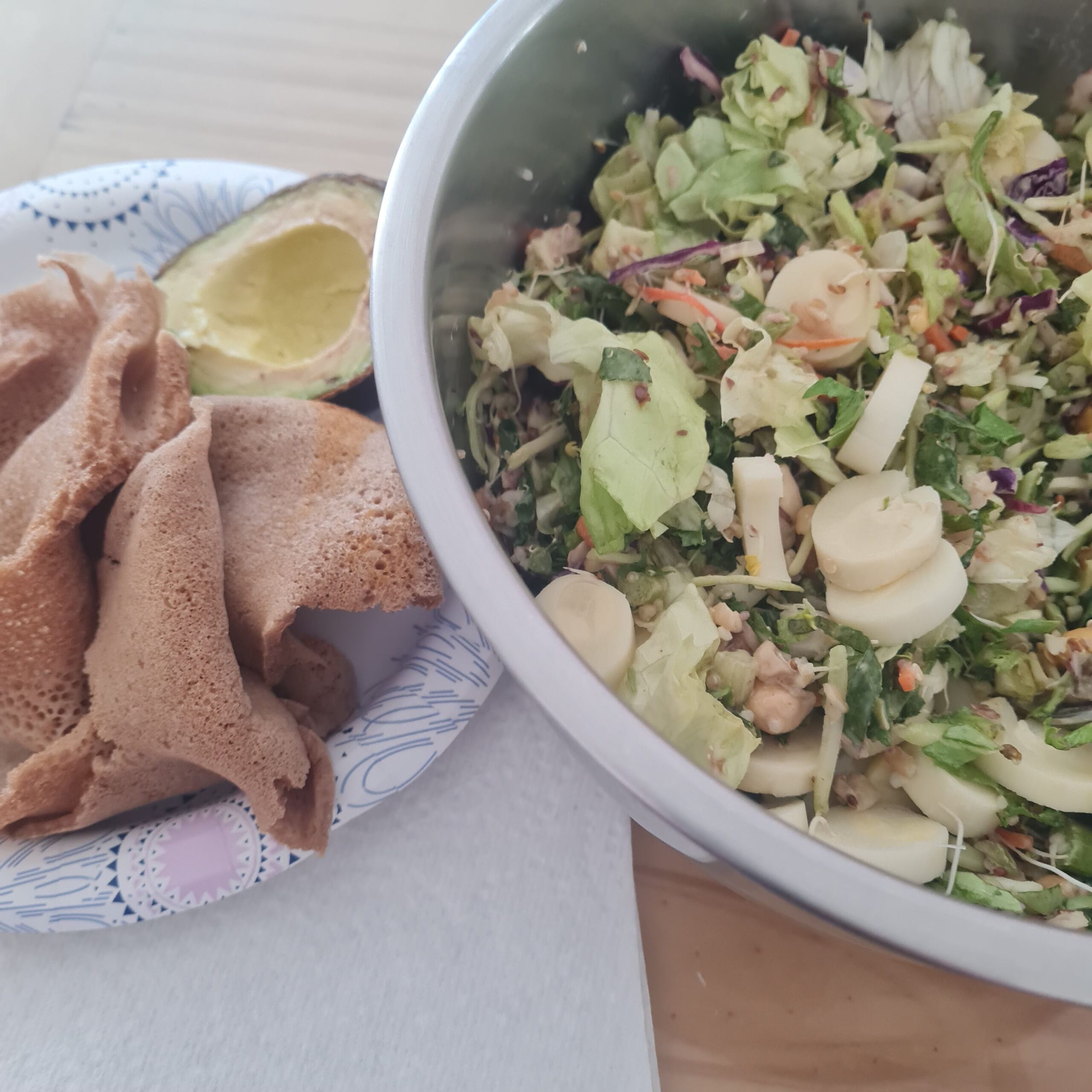
* huge gorilla salad w/ leftover teff injera & avocado
* banana & pistachios
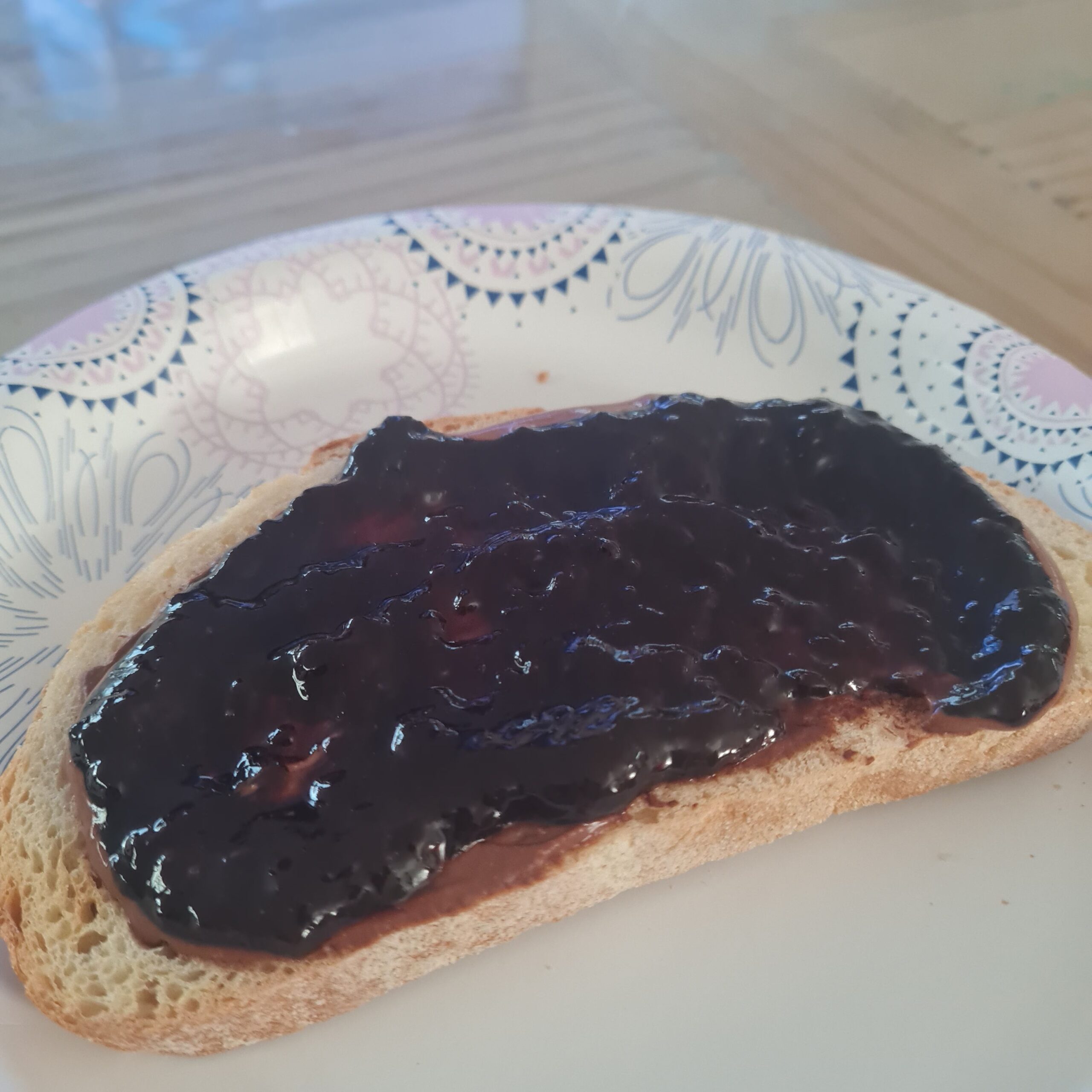
* sourdough toast w/ reconstituted lowfat unsweetened peanut/cacao spread & homemade boysenberry jam
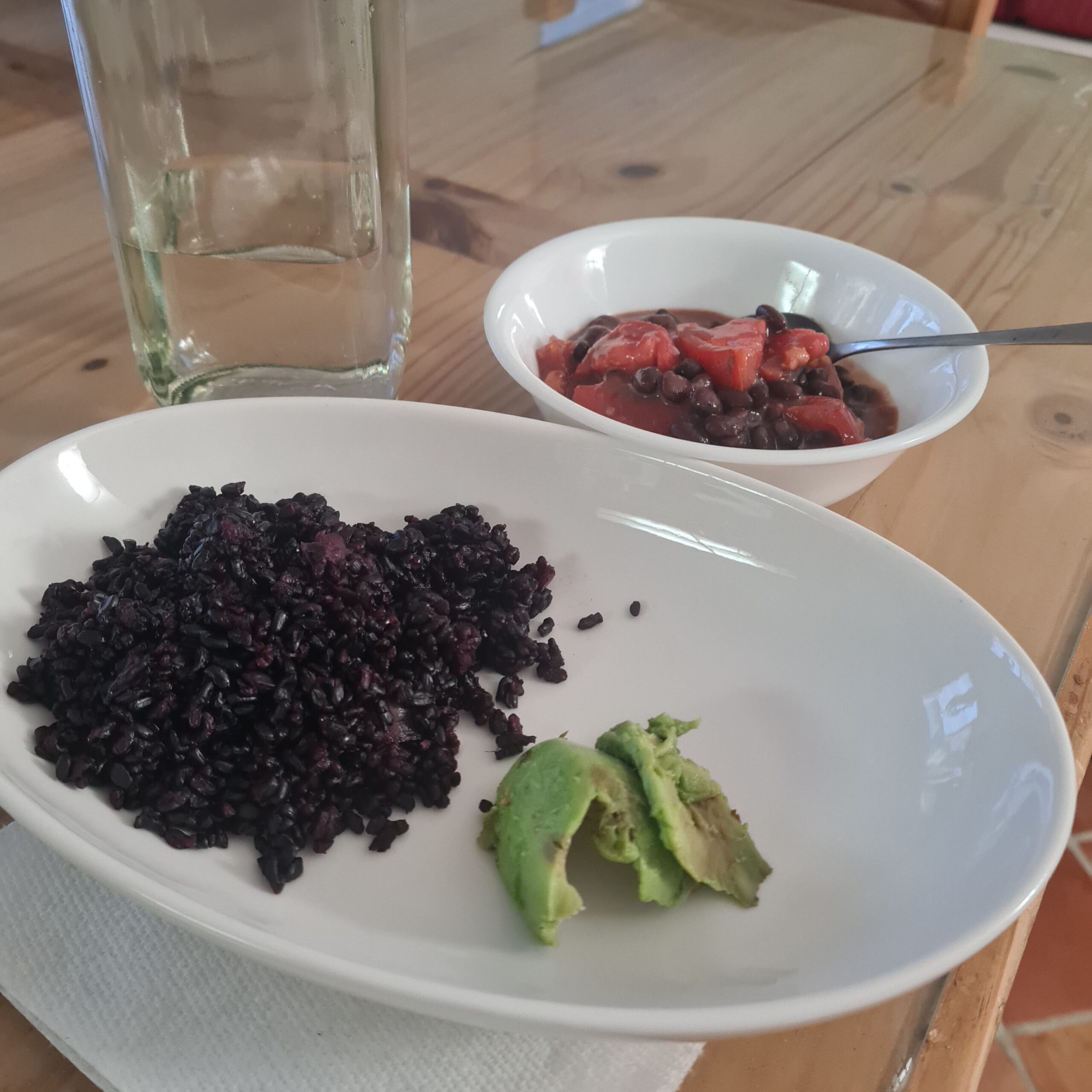
* purple forbidden rice w/ chipotle flavored black beans & bit of avocado
* sweet homegrown tomatoes
… SUN HAS SET …
Cmmt: XL indicates uncommonly excessive food, and wautéed means water-sautéed
Nov 24, 2025 of Low-SOS Vegan Plan
(This blog began 3/15/2015)
MEDITATION:
* Charles Capps podcast
EXERCISE:
* Jog 5k outdoors
* PT APP workout
–lower body stretch/stengthening
* Vibration platform
WATER:
(2) × (32) = 64 oz (+)
EATS:
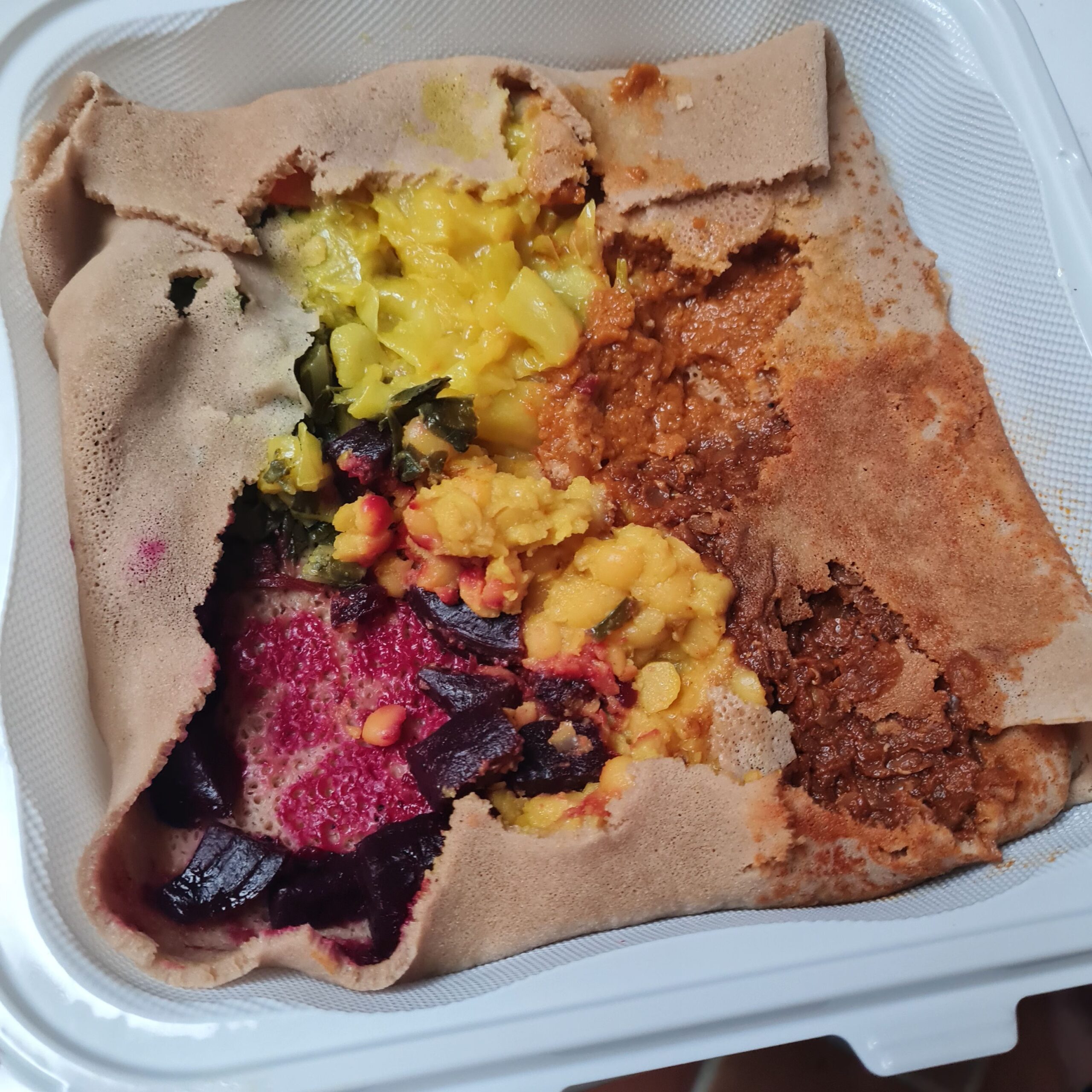
* leftover Ethiopian veg food w/ teff injera
* red grapes
* chopped salad w/ lightly creamy 3-2-1 dressing
* leftover veggie spaghetti soup
* pistachios
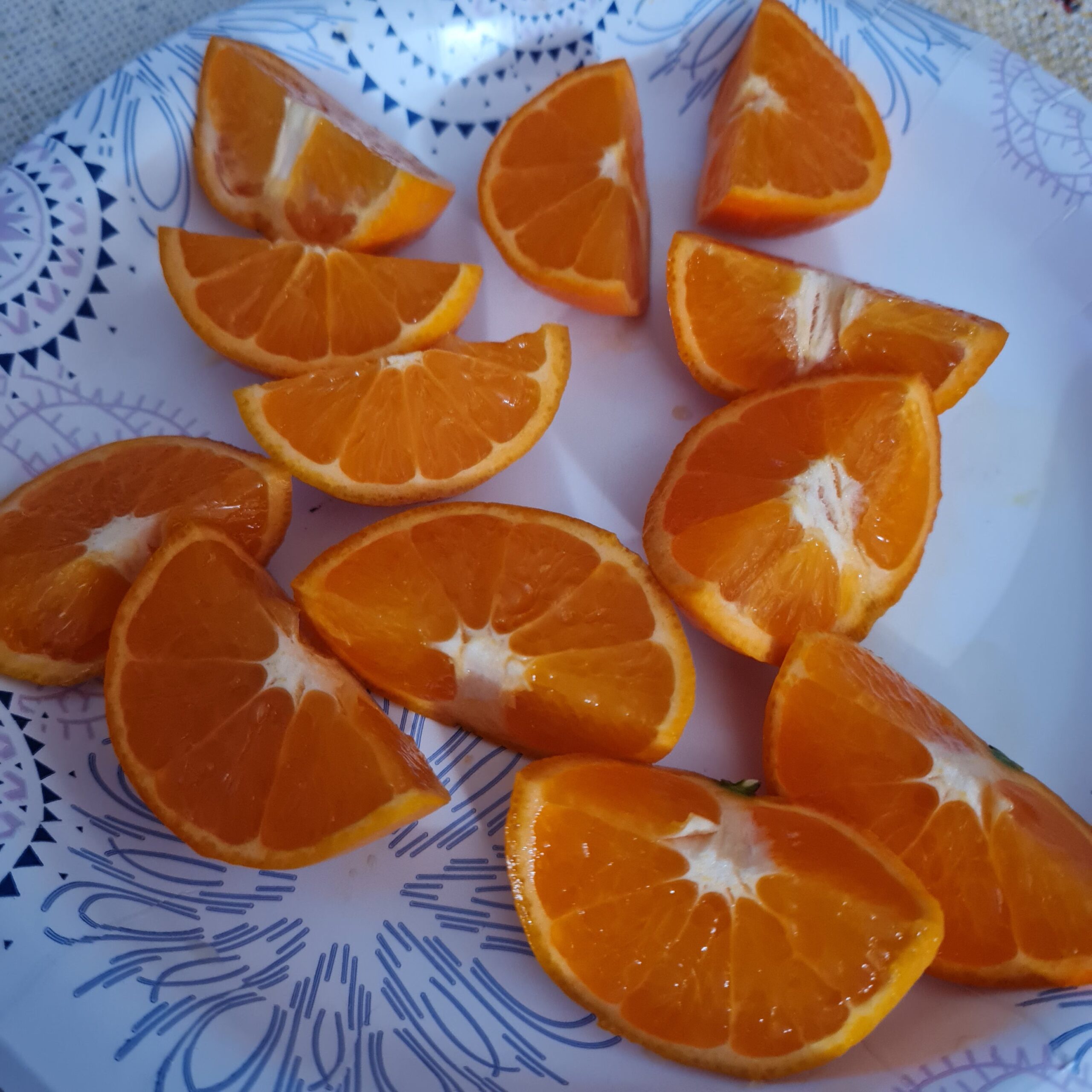
* tangerines
… SUN HAS SET …
Cmmt: XL indicates uncommonly excessive food, and wautéed means water-sautéed
NOV 23, 2025 of Low-SOS Vegan Plan
(This blog began 3/15/2015)
MEDITATION:
* Charles Capps podcast
EXERCISE:
* Jog 5k outdoors
* PT APP workout
–lower body stretch/stengthening
WATER:
(2) × (32) = 64 oz (+)
EATS:
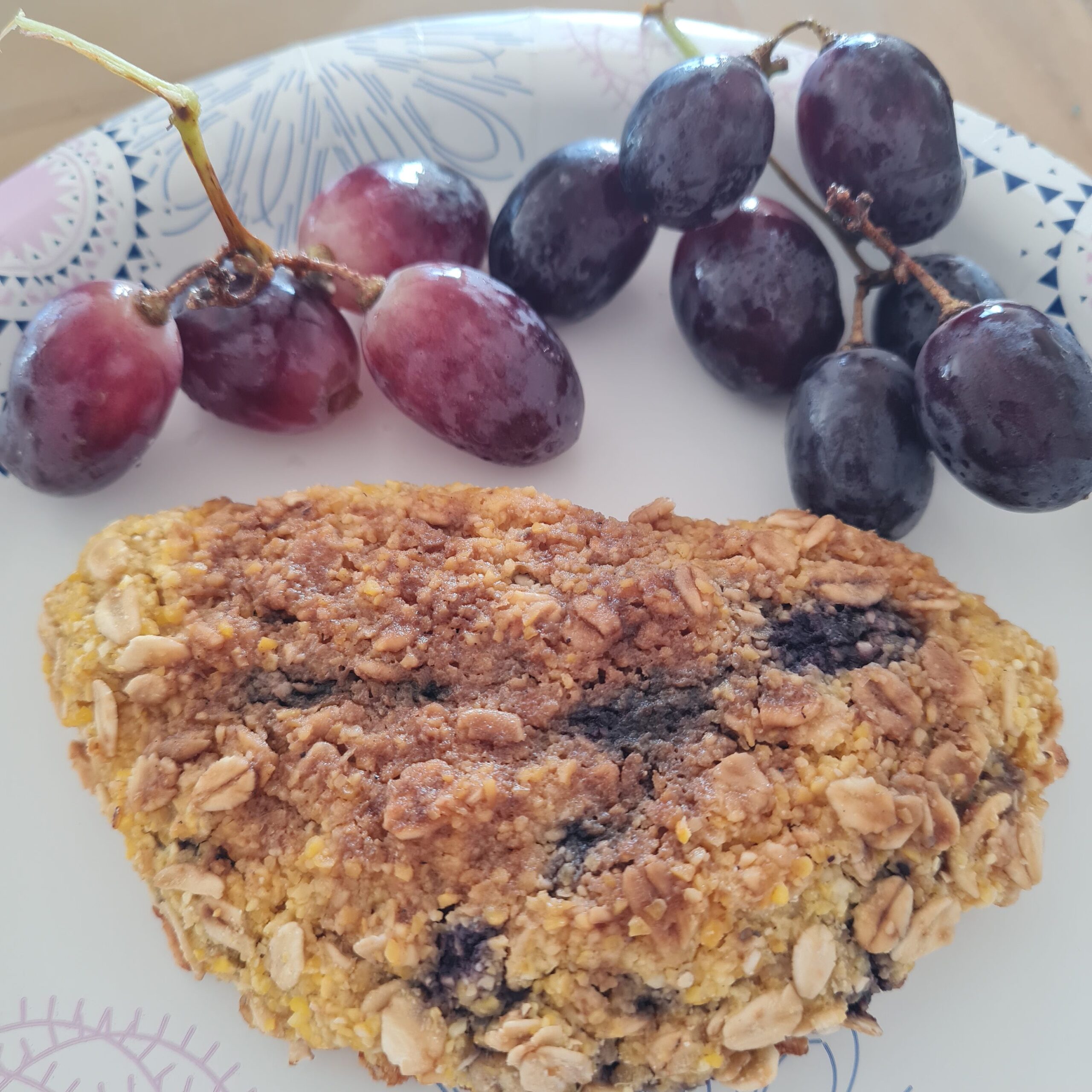
* rustic oilfree blueberry empañadas (dough is medium grade cornmeal & whole rolled oats) & red grapes
* few pistachios
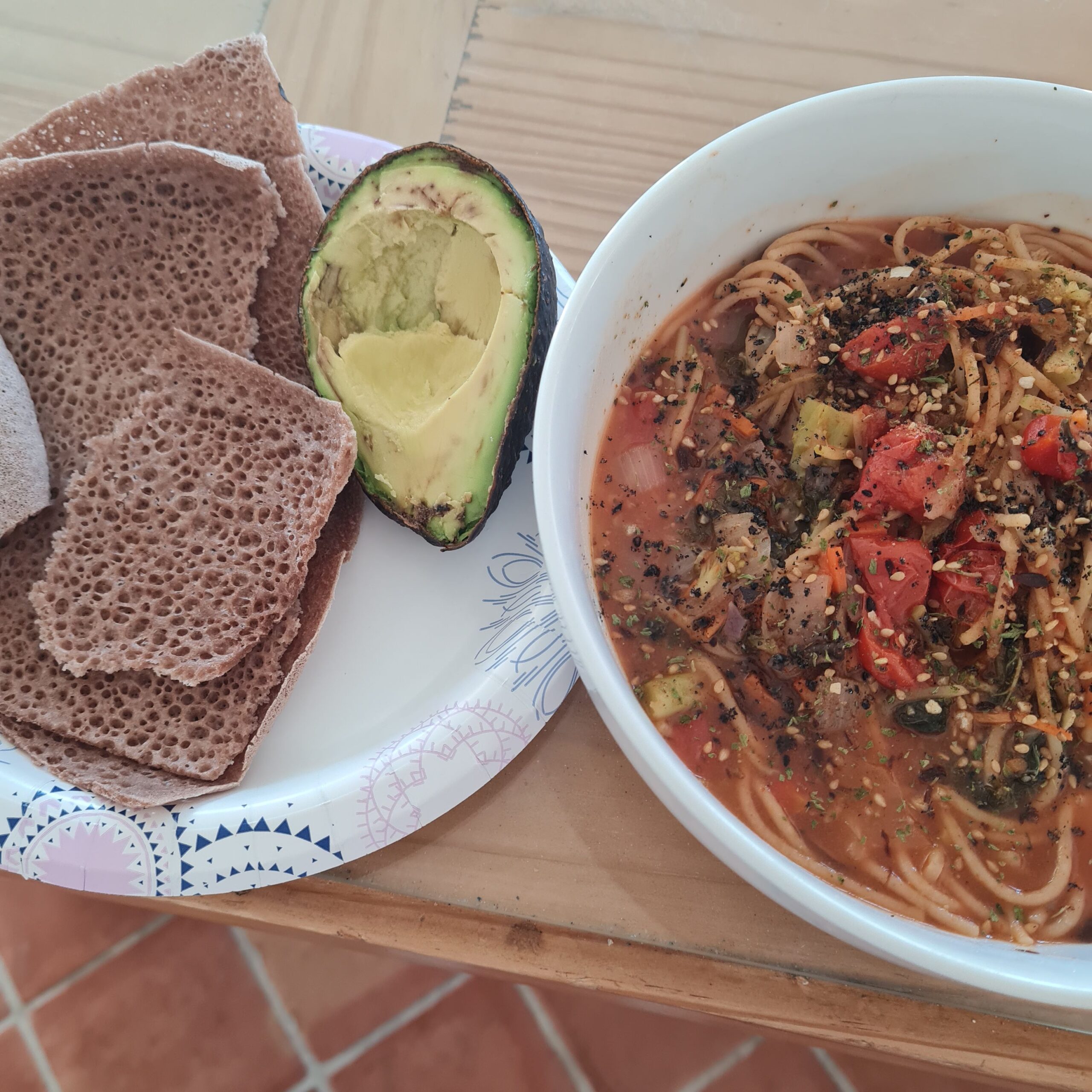
* veggie spaghetti soup w/ side of teff injera & avocado
… SUN HAS SET …
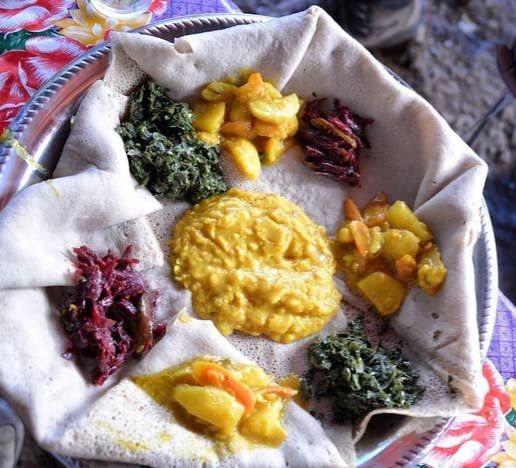
* ate some of an Ethiopian veggie plater
Cmmt: XL indicates uncommonly excessive food, and wautéed means water-sautéed
Fry Sauce/Spread (aka In-n-Out Sauce!)
Nutrition Facts
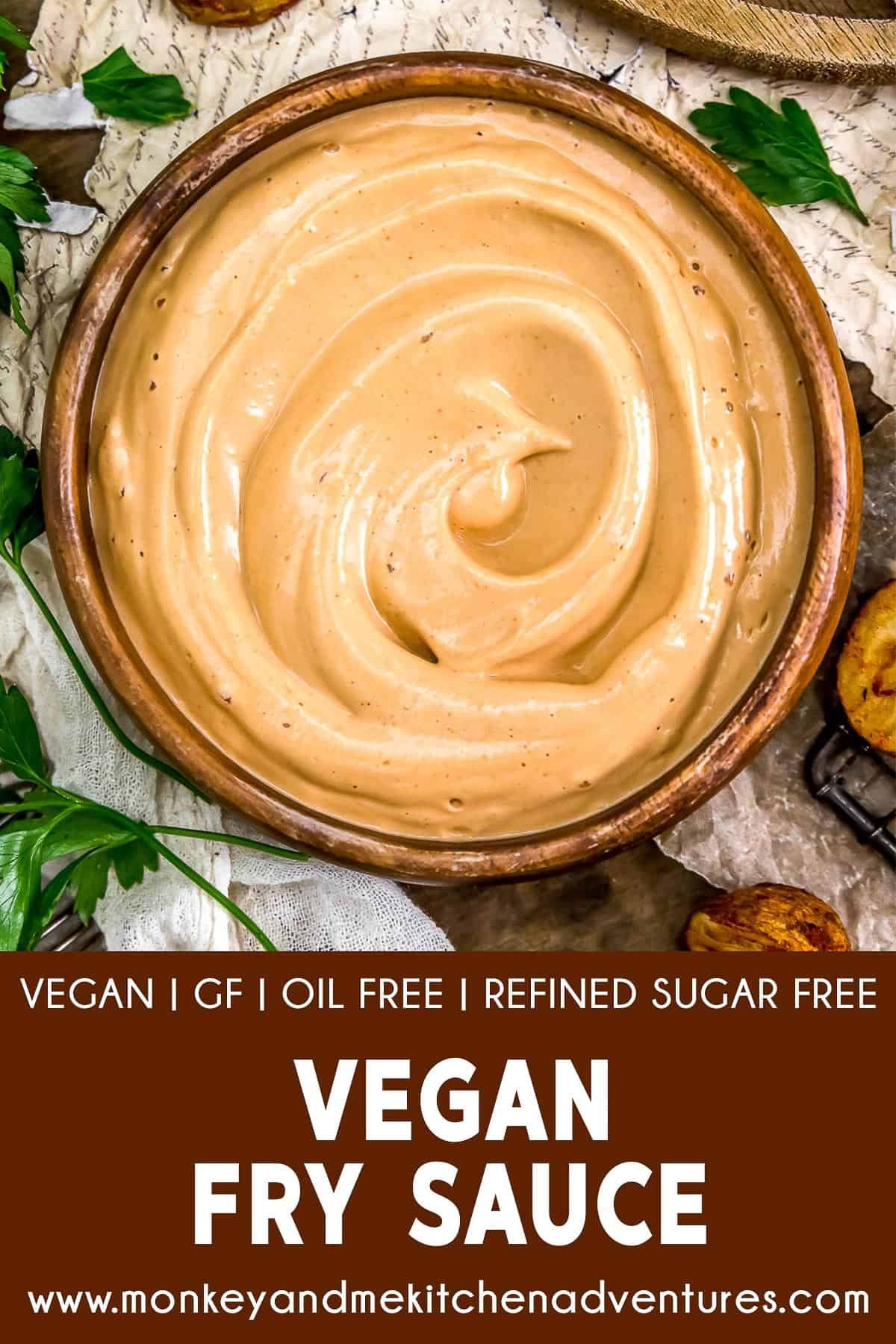
This post is about the full recipe, but honestly I make it simple! The complicated recipe comes lower on this page.
MY SIMPLY SAUCE
In handheld wand-blender CUP combine healthy (naturally sweetened, low salt, no oil) :
- Ketchup
- Mustard
- Just a few cashews (presoaked)
- Tomato paste
- White vinegar
After blending add (for crunch) :
- Dill pickle relish
- Onion (fresh chopped)
That’s all! But if you want to see original recipe – read further.
*******
COMPLICATED SAUCE
Ingredients
½ cup (raw) cashews [I only use ¼ cup]
1 Tablespoon tomato paste
¼ cup + 1 Tablespoon distilled white vinegar
3 Tablespoons water
2 Tablespoons pure maple syrup
½ teaspoon reduced-sodium tamari
½ teaspoon garlic powder
¼ teaspoon sweet paprika
¼ teaspoon smoked paprika
pinch to ½ teaspoon sea salt (+/-)
[Add 2 teaspoons dill pickle relish after blender for crunch!]
Instructions
* Place the cashews into a small bowl, cover with boiling water, set aside for 15 minutes, then discard the water and place the cashews into a high-speed blender.
* Add all the remaining ingredients into the high-speed blender with the soaked cashews.
* Blend on high until smooth and emulsified, scraping down the sides occasionally.
* Serve as a dipping sauce for fries. Also, it makes a spread for sandwiches.
Notes
* Please reference the blog post for Tips for Success, Pantry Items Used, Storage and Freezing, and Kitchen Products Used.
* Sea Salt: Please adjust the sea salt based upon your family’s sea salt preferences and/or based upon dietary needs.
* Servings: Makes 1 cup
Nutrition Facts
Serving Size 1 Tablespoon
Serves 16
Amount Per Serving
Calories 33
% Daily Value*
Total Fat 2g, 3%
Cholesterol 0mg, 0%
Total Carbohydrate 3.3g, 1%
Dietary Fiber 0.2g, 1%
Protein 0.7g, 1%
Iron 2%
Treating Back Pain
**Dr. Peter Rogers (Radiologist) — His Views on Back Pain**
**Who he is**
Peter Rogers, MD, is a radiologist trained in interventional radiology and neuroradiology. He has worked extensively with spinal imaging and spinal injection clinics, and he has written several audiobooks on back-pain mechanisms and treatment.
**His central idea: back pain is often ischemic**
Rogers believes that the most common root cause of back pain is *ischemia*—insufficient blood flow to the spine, especially the discs. He argues that standard models over-focus on “pain generators” such as a specific disc herniation, instead of looking at the overall vascular health of the spine.
**Atherosclerosis as a driver of degeneration**
He suggests that plaque buildup in the abdominal aorta can reduce blood flow to lumbar arteries. Over years, this reduced perfusion may cause multilevel disc degeneration, making discs weaker and more likely to bulge or herniate.
**Degenerative cascade**
From this ischemia, he explains:
* discs lose strength and height
* bone spurs and stenosis can develop
* associated findings like Schmorl’s nodes or ligament ossification can appear
**Lifestyle and treatment principles he emphasizes**
* **Walking**: promotes gentle compression/decompression, helping nutrient exchange in discs.
* **Diet**: prefers a plant-based diet to reduce atherosclerosis and improve blood flow.
* **Less sitting**: prolonged sitting may worsen ischemia and trigger pain when one stands again.
**His diagnostic philosophy**
Rogers emphasizes stepping back and considering whole-spine and whole-body contributors—especially vascular—rather than only reading isolated MRI abnormalities.
**Context and limitations**
* His model is not the mainstream explanation for most back pain. Evidence is interesting but not yet supported by large clinical trials.
* Many of his explanations appear in audiobooks and practitioner-oriented material rather than peer-reviewed journals.
* Broader clinical guidelines warn that early imaging does not always improve outcomes and that many MRI findings do not correlate with pain.
* His lifestyle advice (walking, less sitting, plant-based diet) is generally low-risk, but its effect on spine ischemia specifically is still a developing idea.
**Balanced take**
Rogers offers a useful perspective: focusing on vascular health may explain certain patterns of degeneration and pain that don’t fit traditional mechanical models. Still, his approach is best used as a complementary framework alongside standard clinical evaluation.