Category: Motivational
Grandma’s Secret Gardening Hacks You Need to Know! 🌱
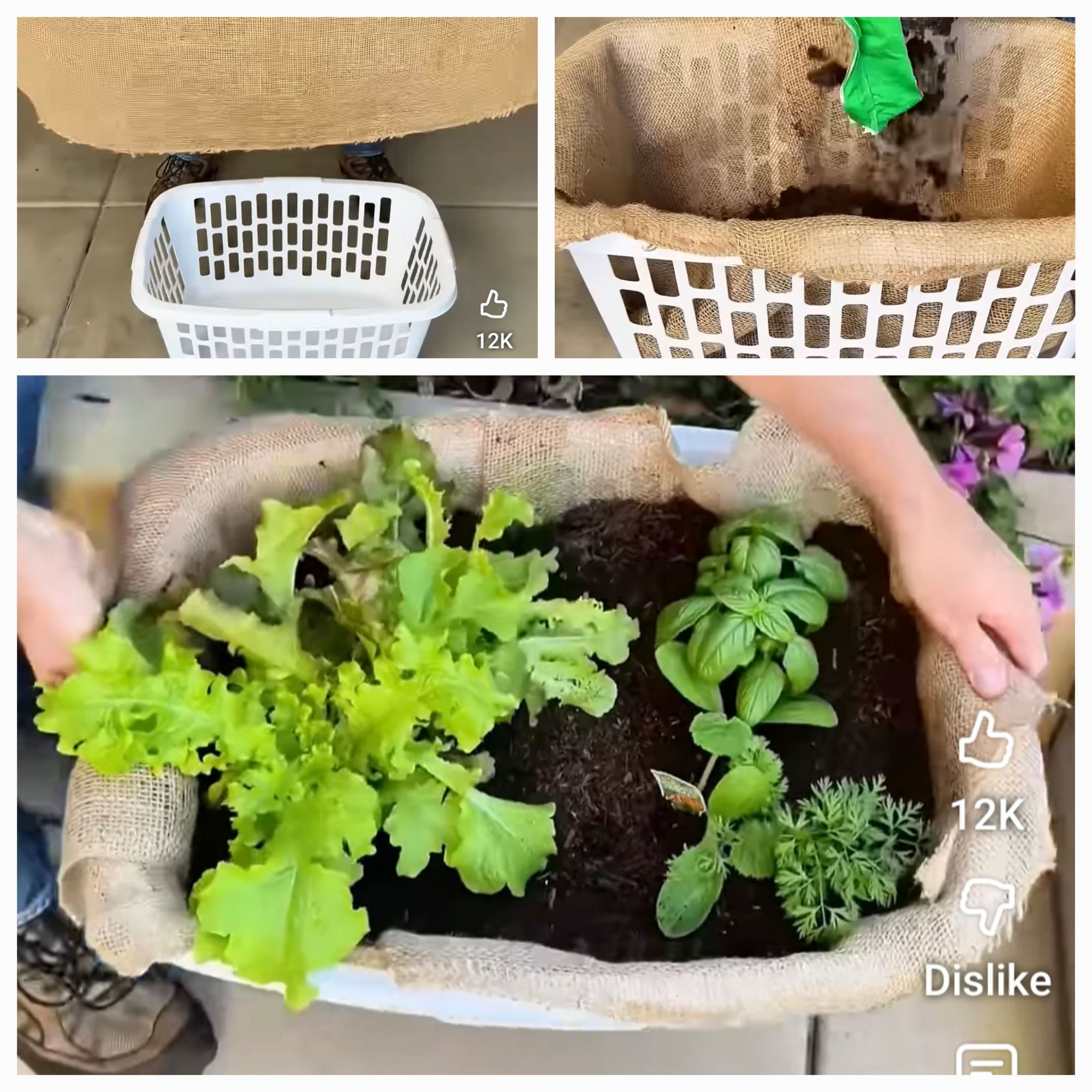
* Laundry basket
* lined w/ burlap cloth
* filled w/ potting soil
* plant veggies
* set on patio (drains very well)
High Yield Tomato Tips and Hacks
18-CENT VEGAN SMASH TACOS!
When People Ask Him What He EATS (as a vegan)
Why Nobody Was Fat in 1970s America — The Whole Truth
Feeding a family of one for $0.50 throwback to last summer!
How to Stay Out of the Doctor’s Office (1994)

How to Stay Out of the Doctor’s Office (1994)
By Edward M. Wagner and Sylvia Goldfarb – 30 Q&As – Book Summary
The body is not a machine that breaks down and requires a mechanic. It is a self-repairing system that deteriorates only when deprived of the raw materials it needs or overwhelmed by substances it was never designed to process. That distinction — between a body that fails and a body that has been failed — is the foundation of everything in this book. Dr. Edward Wagner came to this understanding not through academic theory but through necessity. His parents and brother died of heart disease. Orthodox medicine had not saved them. He applied the problem-solving discipline of his architectural career to a different kind of structure — the human body — and discovered that the same principle holds: identify what is missing, supply it, remove what is causing damage, and the structure restores itself.
What follows is an encyclopedia organized around that principle. Fifty-eight conditions are covered, from acne to yeast infections, each examined through the same lens: what the condition actually is, what causes the tissue to deteriorate, what orthodox medicine does about it, why that approach often creates new problems, and what nutritional and alternative methods can do to address the cause rather than suppress the symptom. The pattern that emerges across these entries is striking in its consistency. Medications block bodily functions without rebuilding tissue. The blocking action produces side effects on other systems. New medications are prescribed for the side effects. The patient accumulates prescriptions while the original deficiency deepens. Wagner documents this cycle with specific biochemical detail — which vitamins are depleted by which drugs, which minerals are excreted by which treatments, which organ systems are compromised by which procedures — turning what could be an abstract critique into a practical reference.
The book is written for the person who senses that something is wrong with the way chronic disease is managed but lacks the specific knowledge to articulate what. It does not require a science background. Each chapter is short, direct, and organized so that a reader dealing with a specific condition can find actionable information without wading through technical literature. The dietary recommendations, supplement protocols, herbal remedies, and amino acid therapies are presented with dosages and explanations of their biochemical function. Case histories demonstrate the outcomes in real patients who exhausted conventional options before finding resolution through nutritional methods. This is not a book that asks the reader to reject medicine. It is a book that asks the reader to understand what medicine does and does not do — and to recognize that the body, when given what it actually needs, already knows how to heal.
With thanks to Edward M. Wagner and Sylvia Goldfarb.
Keep Reading
A paid subscription unlocks everything on the site: the full Deep Dive Audio Library of in-depth conversations, the premium content for every book summary I produce across all series, and my growing library of original books. New content is added every month.
This book is part of that library. Subscribing now unlocks the full summary (analogy, one-minute elevator explanation, 12-point summary, and Q&As), the Golden Nugget, together with the premium content for every other book summary already published.
I do this work independently, outside the institutions these books so often describe. No foundation grants, no academic approval, no editorial gatekeepers deciding what’s acceptable to publish. Your subscription makes that independence possible. If these ideas matter to you, and if the work of surfacing overlooked knowledge matters to you, I’d be grateful for your support.
[This book leans upon a supplement-heavy approach. Read with a critical eye.]
21 Day Greger Daily Dozen Challenge!
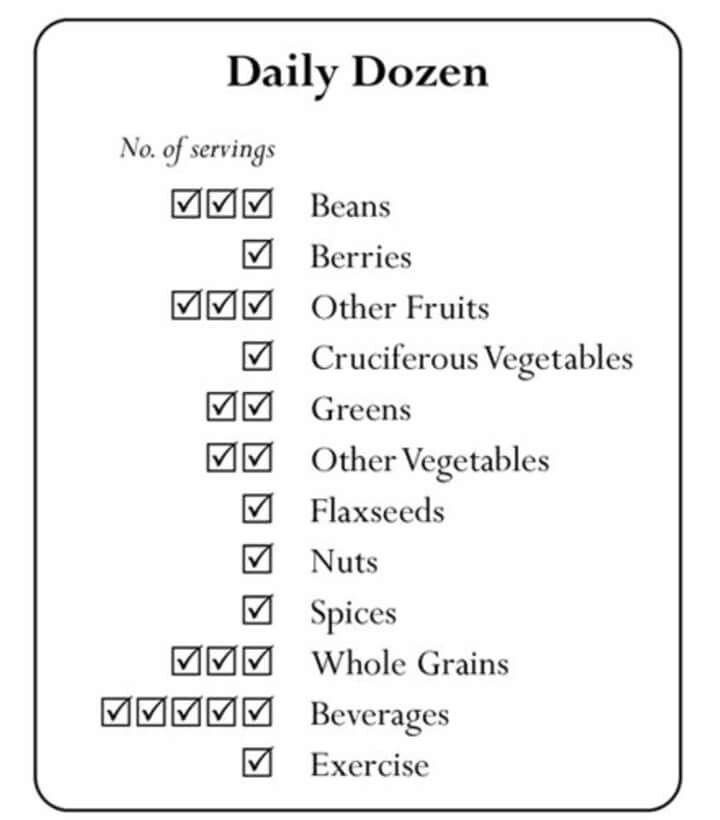
Here’s a structured 21-day Daily Dozen plan based on the Daily Dozen from Michael Greger. It rotates simple meals so you don’t get bored, while still hitting all 12 categories each day. (Shopping list below!)
🌱 WEEK 1 (Foundations: bowls, oats, simple meals)
Day 1
Breakfast: Oatmeal + blueberries + flax + cinnamon
Lunch: Chickpea quinoa salad (spinach, tomato, carrots)
Dinner: Lentil stew + brown rice + broccoli
Snacks: Apple + almonds
Day 2
Breakfast: Green smoothie (banana, berries, kale, flax)
Lunch: Hummus veggie wrap + side fruit
Dinner: Black bean bowl + rice + sautéed peppers
Snacks: Orange + walnuts
Day 3
Breakfast: Overnight oats + strawberries + chia
Lunch: Lentil soup + side salad
Dinner: Sweet potato + chickpeas + greens
Snacks: Apple + cashews
Day 4
Breakfast: Oatmeal + raspberries + flax
Lunch: Big salad + white beans + tahini
Dinner: Stir-fry tofu + veggies + brown rice
Snacks: Banana + pistachios
Day 5
Breakfast: Smoothie bowl (berries, banana, flax)
Lunch: Black bean soup + greens
Dinner: Lentil pasta + marinara + veggies
Snacks: Pear + almonds
Day 6
Breakfast: Oats + apple + cinnamon + walnuts
Lunch: Quinoa chickpea bowl
Dinner: Veggie chili (kidney beans)
Snacks: Orange + seeds
Day 7
Breakfast: Smoothie (mango, berries, greens)
Lunch: Leftover chili + salad
Dinner: Baked potato + beans + broccoli
Snacks: Apple + nuts
🌱 WEEK 2 (Variety: wraps, soups, global flavors)
Day 8
Breakfast: Oatmeal + banana + flax
Lunch: Lentil curry + brown rice
Dinner: Veggie stir-fry + tofu
Snacks: Fruit + almonds
Day 9
Breakfast: Smoothie (berries, greens, chia)
Lunch: Hummus wrap + veggies
Dinner: Black bean tacos (corn tortillas)
Snacks: Apple + walnuts
Day 10
Breakfast: Overnight oats + berries
Lunch: Minestrone (beans + veggies)
Dinner: Quinoa + roasted veggies + chickpeas
Snacks: Orange + pistachios
Day 11
Breakfast: Oats + pear + cinnamon
Lunch: Big salad + lentils
Dinner: Sweet potato + black beans + greens
Snacks: Banana + nuts
Day 12
Breakfast: Smoothie bowl
Lunch: Lentil soup
Dinner: Whole grain pasta + veggies + white beans
Snacks: Apple + seeds
Day 13
Breakfast: Oatmeal + berries + flax
Lunch: Chickpea salad wrap
Dinner: Veggie curry + rice
Snacks: Fruit + nuts
Day 14
Breakfast: Smoothie (greens + fruit)
Lunch: Leftover curry
Dinner: Stuffed bell peppers (beans + grains)
Snacks: Apple + almonds
🌱 WEEK 3 (Easy + repeatable lifestyle meals)
Day 15
Breakfast: Oats + banana + walnuts
Lunch: Quinoa + chickpea bowl
Dinner: Lentil soup + greens
Snacks: Fruit + seeds
Day 16
Breakfast: Smoothie (berries, flax, greens)
Lunch: Hummus veggie wrap
Dinner: Black bean stir-fry
Snacks: Apple + nuts
Day 17
Breakfast: Overnight oats
Lunch: Big salad + beans
Dinner: Sweet potato + lentils + broccoli
Snacks: Banana + walnuts
Day 18
Breakfast: Oatmeal + berries
Lunch: Lentil curry
Dinner: Veggie pasta + beans
Snacks: Fruit + seeds
Day 19
Breakfast: Smoothie bowl
Lunch: Chickpea salad
Dinner: Stir-fry tofu + rice
Snacks: Apple + almonds
Day 20
Breakfast: Oats + apple + cinnamon
Lunch: Bean soup
Dinner: Veggie chili
Snacks: Orange + nuts
Day 21
Breakfast: Smoothie (fruit + greens)
Lunch: Leftovers + salad
Dinner: Grain bowl (beans, greens, veggies)
Snacks: Fruit + seeds
************
🛒 21-Day Shopping List
Beans/Legumes
- Lentils (dry or canned no-salt)
- Chickpeas (get extra for the hummus and curry)
- Black beans, kidney beans, white beans
Grains
- Oats (rolled or steel-cut)
- Brown rice, quinoa
- 100% Whole grain pasta
- 100% Whole grain tortillas (for wraps/tacos)
Greens
- Spinach, kale, arugula (fresh & frozen for smoothies)
Vegetables
- Aromatics: 3-4 large heads of Garlic, 2 bags of Yellow Onions, Fresh Ginger
- Base: Broccoli, carrots, bell peppers, zucchini, sweet potatoes
- Salsa/Curry Staples: 2-3 cartons of Cherry Tomatoes, 1 bunch of Cilantro, 1-2 Jalapeños (optional), Lime juice
Fruits
- Berries (fresh/frozen), bananas, apples, oranges, pears, fresh lemons & limes
- Sauce Sweetener: 1 bag of Medjool Dates (Dr. Greger’s preferred whole-food sweetener)
Nuts/Seeds
- Flaxseed (ground), chia seeds
- Almonds, walnuts, cashews, pumpkin seeds
- Tahini: 2 jars of 100% Sesame Tahini (check that ingredients are just “sesame seeds”)
The “Sauce Maker” Extras (Modified)
- Spices: Turmeric, cinnamon, Curry Powder, cumin, smoked paprika, chili powder, black pepper.
- The “Greger” Salty Swap: White Miso Paste (kept in the fridge; used instead of salt in sauces).
- Acids: Lemon juice, apple cider vinegar, and rice vinegar (no-sugar added).
- Canned Goods: 2-3 cans of Tomato Paste and 2 cans of Crushed Tomatoes (for curry/salsa bases).
- Plant milk: Unsweetened soy or oat milk.
Quick “Whenever” Sauce Formulas (No-Oil)
- Tahini Sauce: Whisk 1/4 cup tahini, juice of 1 lemon, 1 clove minced garlic, and a teaspoon of miso. Thin with water until it reaches “drizzle” consistency.
- Fast Salsa: Pulse cherry tomatoes, cilantro, onion, garlic, and lime juice in the blender. Add a date if your tomatoes are too acidic.
- 5-Minute Curry Sauce: Simmer 1/2 cup crushed tomatoes, 1 tbsp curry powder, 1 tsp minced ginger, and a splash of plant milk or aquafaba for creaminess.
Fruits, veggies can fuel lung cancer risk in young non-smokers
Researchers are still exploring why a diet high in fruits and vegetables might be linked to an increased risk of early-onset lung cancer, but they have one leading theory: pesticides used in agriculture.
Farmers spray these chemicals to protect their crops from insects, weeds, fungus, disease and rodents, boosting yields and helping ensure a steady food supply.
But their widespread use has also raised concerns about potential effects on human health.
In general, pesticide exposure through food, water and air is thought to be limited, with safety thresholds established by regulatory agencies like the EPA and WHO to protect public health.
However, research suggests that long-term, daily exposure could contribute to serious health issues.
While effects vary depending on the type of pesticide, they have been associated with a higher risk of Parkinson’s, Alzheimer’s and several types of cancer, as well as reproductive, developmental and metabolic disorders.
Article continues below:
https://nypost.com/2026/04/25/health/fruits-veggies-can-fuel-lung-cancer-risk-in-young-non-smokers/