Category: Motivational
Leaving a Medical Practice to Go All-In on Food as Medicine
Rip’s guest is Dr. Sandra Musial, a board-certified pediatrician and obesity medicine specialist. Dr. Musial shares her journey from practicing pediatric medicine and teaching to pursuing her passion for helping people transition to a whole food plant-based lifestyle.
Dr. Jenn Simmons – the truth about mammograms and the best diet for breast health
Show notes and links: https://www.chrisbeatcancer.com/dr-je…
Let’s connect! Join my email newsletter at https://www.chrisbeatcancer.com
My Grandma Taught Me This
Great article is about cures/treatments grandma’s taught us.

https://www.askaprepper.com/my-grandma-taught-me-this/?utm_source=newsletter&utm_medium=AAP
Mastering Mexican Dining

Nutrition science is entirely unreliable | Don’t trust the New York Times Well section
“It is simply no longer possible to believe much of the clinical research that is published, or to rely on the judgment of trusted physicians or authoritative medical guidelines. I take no pleasure in this conclusion, which I reached slowly and reluctantly over my two decades as an editor of the New England Journal of Medicine.” –Marcia Angell, M.D.
“The case against science is straightforward: much of the scientific literature, perhaps half, may simply be untrue. Afflicted by studies with small sample sizes, tiny effects, invalid exploratory analyses, and flagrant conflicts of interest, together with an obsession for pursuing fashionable trends of dubious importance, science has taken a turn towards darkness.” –Richard Horton, Editor-in-Chief, The Lancet
Vinay Prasad, MD MPH; Physician & Professor
Hematologist/ Oncologist
Professor of Epidemiology, Biostatistics and Medicine
Author of 450+ Peer Reviewed papers, 2 Books, 2 Podcasts, 100+ op-eds.
Gen Z, millennials increasingly view alcohol use as unhealthy, poll says
Views on alcohol and drugs are shifting rapidly, especially among millennials and Gen Z. Americans overall now see booze as more harmful than marijuana.
https://www.axios.com/2023/08/17/drinking-alcohol-unhealthy-gen-z-millennials-poll
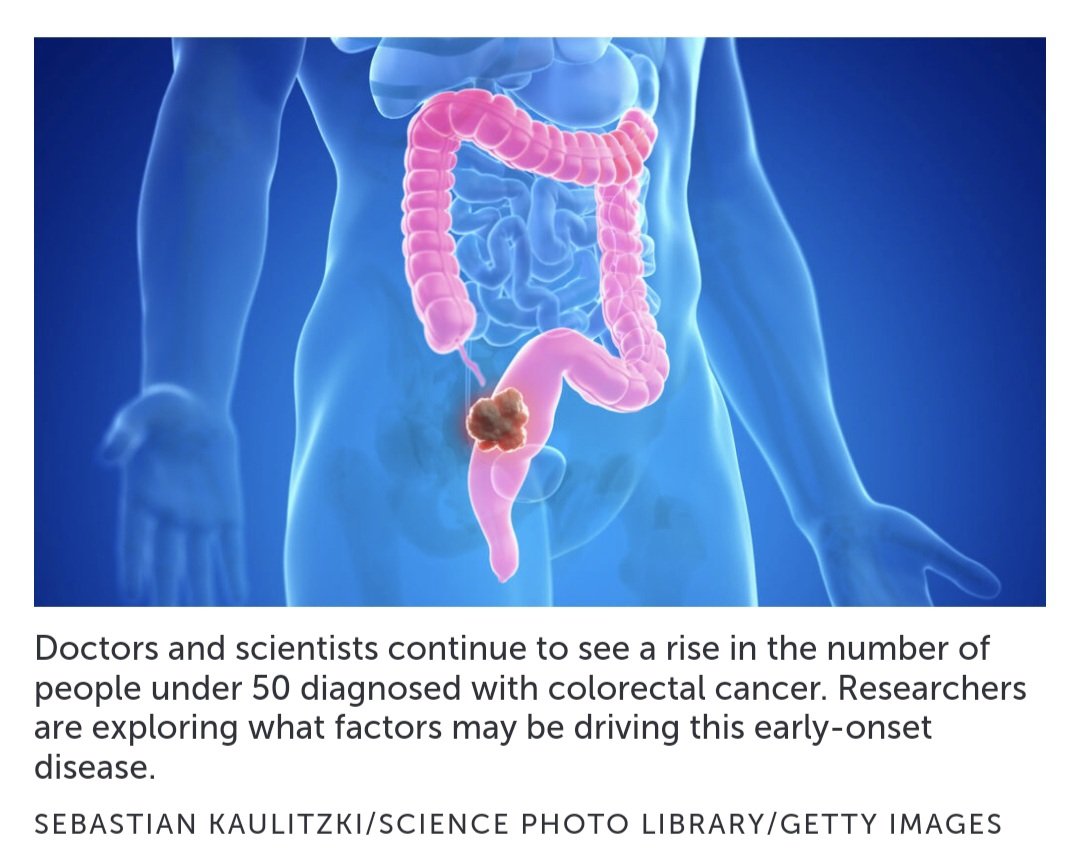
Things to know about colorectal cancer in people under 50
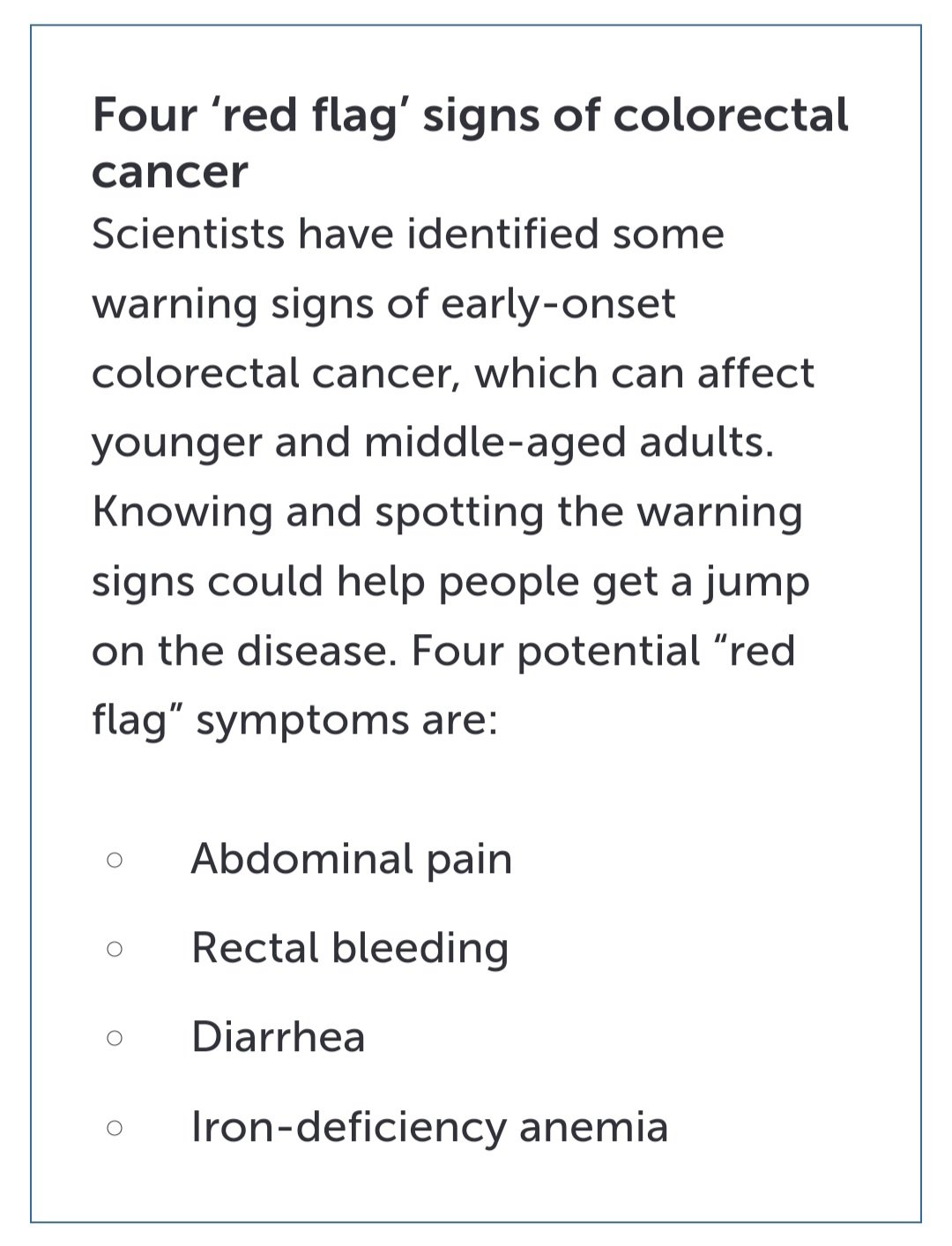
[…]
Today, scientists are investigating an assortment of potential disease drivers, including
* diet rich in red meat & sugar
* alcohol intake
* the gut microbiome [diet, again]
* antibiotics
* delivery by cesarean section
* obesity [diet & exercise]
Cao’s team, for example, has linked drinking sugar-sweetened beverages to an increased risk of early-onset colorectal cancer in women. Her group and others have also reported a connection between the disease and people with metabolic syndrome (which can include conditions like high blood pressure and excess belly fat) as well as those who eat a Western diet, among other factors.
Other teams have pointed out alterations in the gut microbiome in people with early-onset disease.
[…]
Reduce Your Cancer Risk by 60%: 10 Things You Can Do, Per Dr. Paul Marik
“Think about that:
* exercise
* sunshine/vitamin D
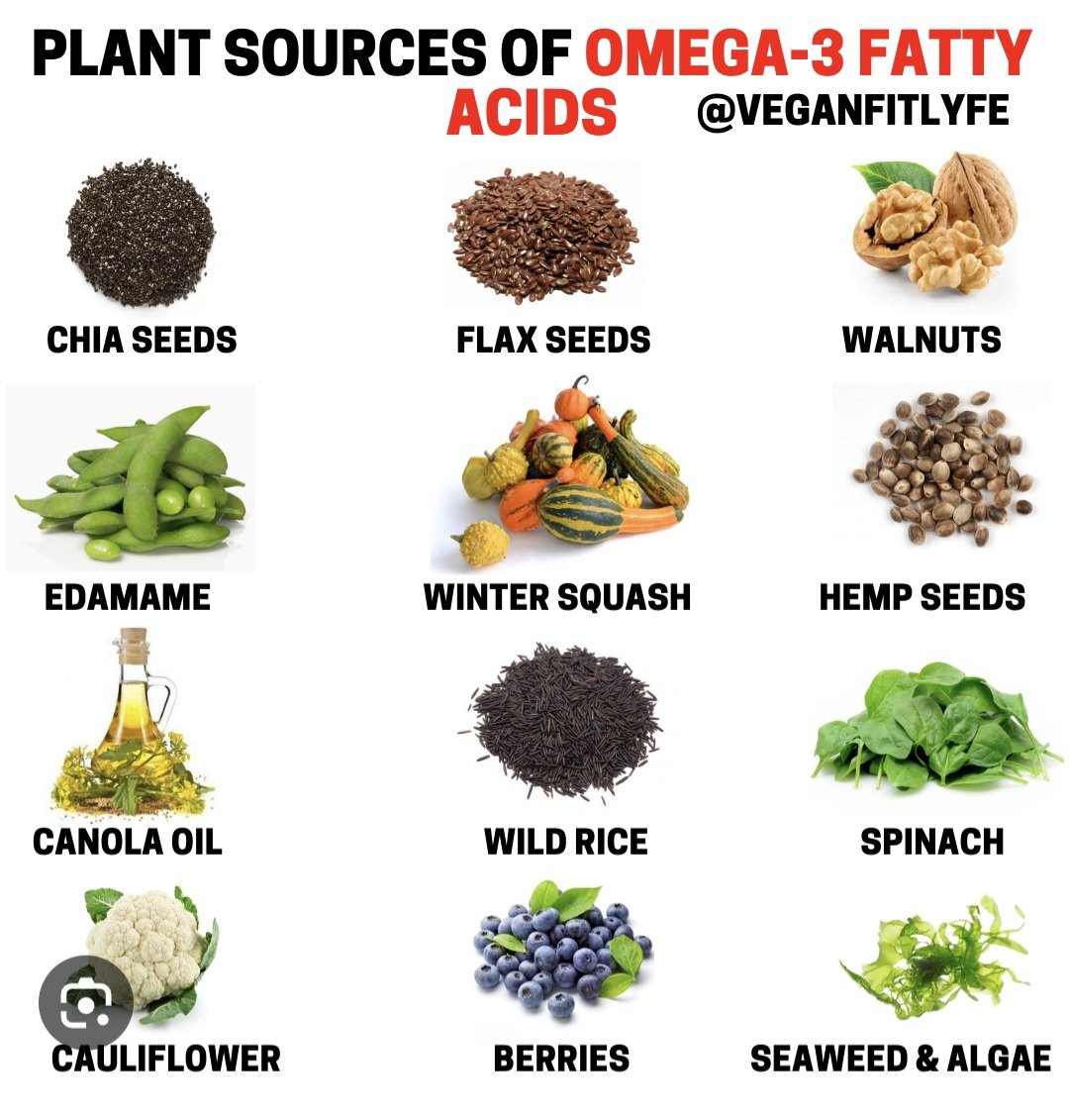
* Omega-3s (see sources below)
can reduce your cancer risk by 60%. None of these interventions, by any means, break the bank. So, if this is your first time hearing this bit of information, it’s likely no mere coincidence.”
[…]
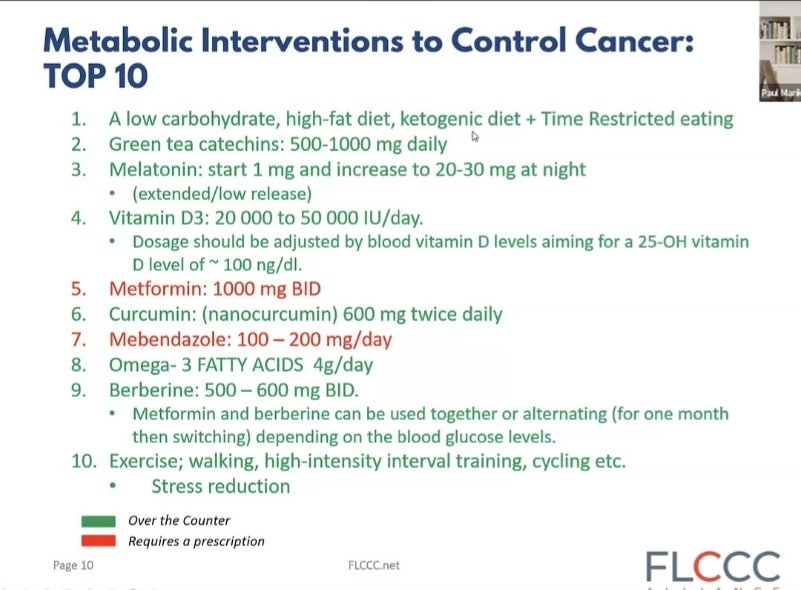
[Cmmt: You are urged to Google food sources for these nutrients. A good place to begin is by clicking HERE.]
https://vigilantnews.com/post/reduce-your-cancer-risk-by-60-10-things-you-can-do-per-dr-paul-marik
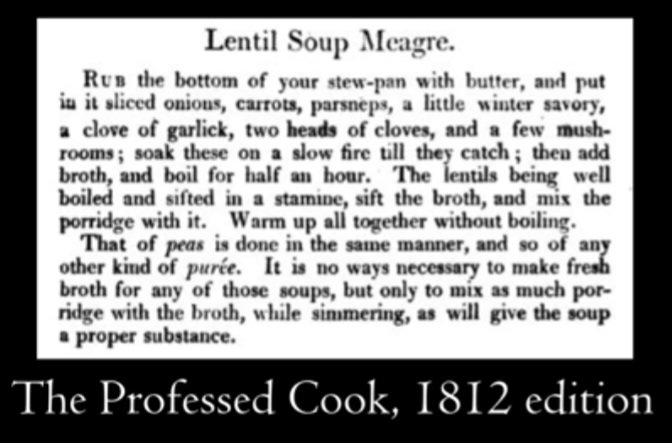
A Vegetarian Soup From 1812 |Real Historic Recipes| Lentil Soup
Lentils, carrots, mushrooms & parsnips make up this 200+ year old soup. Is it edible? Watch till the end to see an image of the original recipe (or receipt as they used to be called) as it appeared in the book. Thank you for watching.