Summary: Researchers have successfully altered human reward learning using non-invasive transcranial ultrasound stimulation directed at a deep brain structure linked to motivation. After brief stimulation, participants learned faster from positive feedback and repeated rewarding choices more consistently.
The effects mirrored key aspects of surgical deep brain stimulation but without implants or incisions. The findings suggest ultrasound could become a safer, personalized tool for reshaping faulty reward circuits in mental health disorders.
Key Facts
Deep Brain Targeting: Ultrasound successfully modulated the nucleus accumbens without surgery.
Faster Reward Learning: Participants showed increased sensitivity to positive outcomes after stimulation.
Therapeutic Potential: The technique may one day aid treatment for addiction, depression, and eating disorders.
Source: University of Plymouth
Professor Fouragnan added: âThis study is the most significant I have had the privilege to lead so far. We uncovered a clear link between a specific cognitive process and a deep-brain structure that, until now, was beyond reach without surgery. It marks a turning point for neurotechnology, showing that a non-invasive ultrasound approach can influence behaviour and may one day help restore mental balance.â
One of the reasons people may avoid potatoes when theyâre trying to eat healthy is because of the cooking method, not the vegetable itself. Any food soaked in butter, deep fried or topped with sour cream will pack on the calories. Not to mention all the excess salt that often goes along with them (hello, bloating).
But potatoes can be a healthy and delicious choice if you use these cooking methods:
Baking. Boiling. Pressure cooking. Roasting. Slow cooking. Air frying.
MEDITATION: * Healing Verses w/ K Copeland * James Earl Jones reads the Bible audiobook
EXERCISE: * Jog 5k outdoors * PT APP workout âlower body stretch/stengthening
WATER: (2) Ă (32) = 64 oz (+)
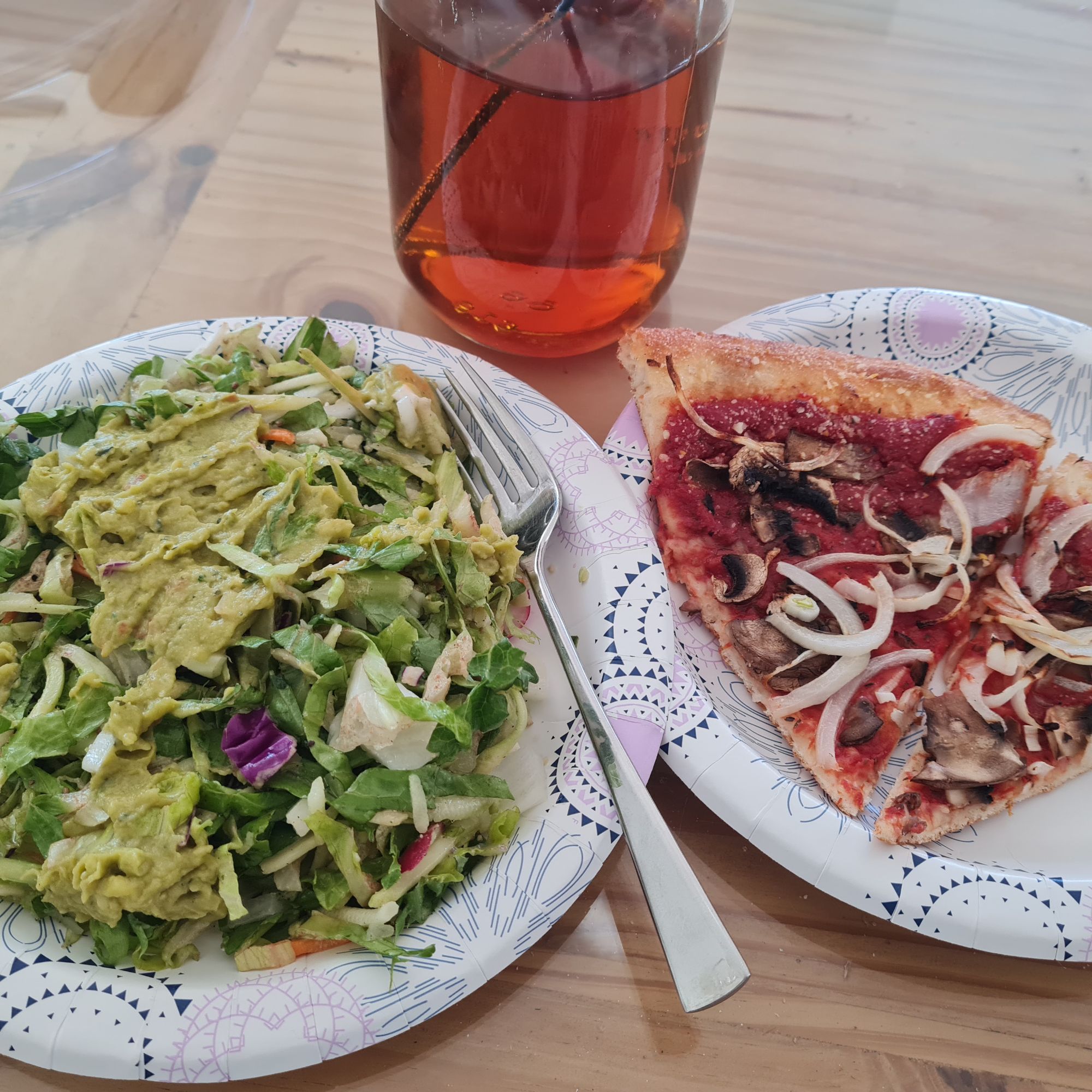
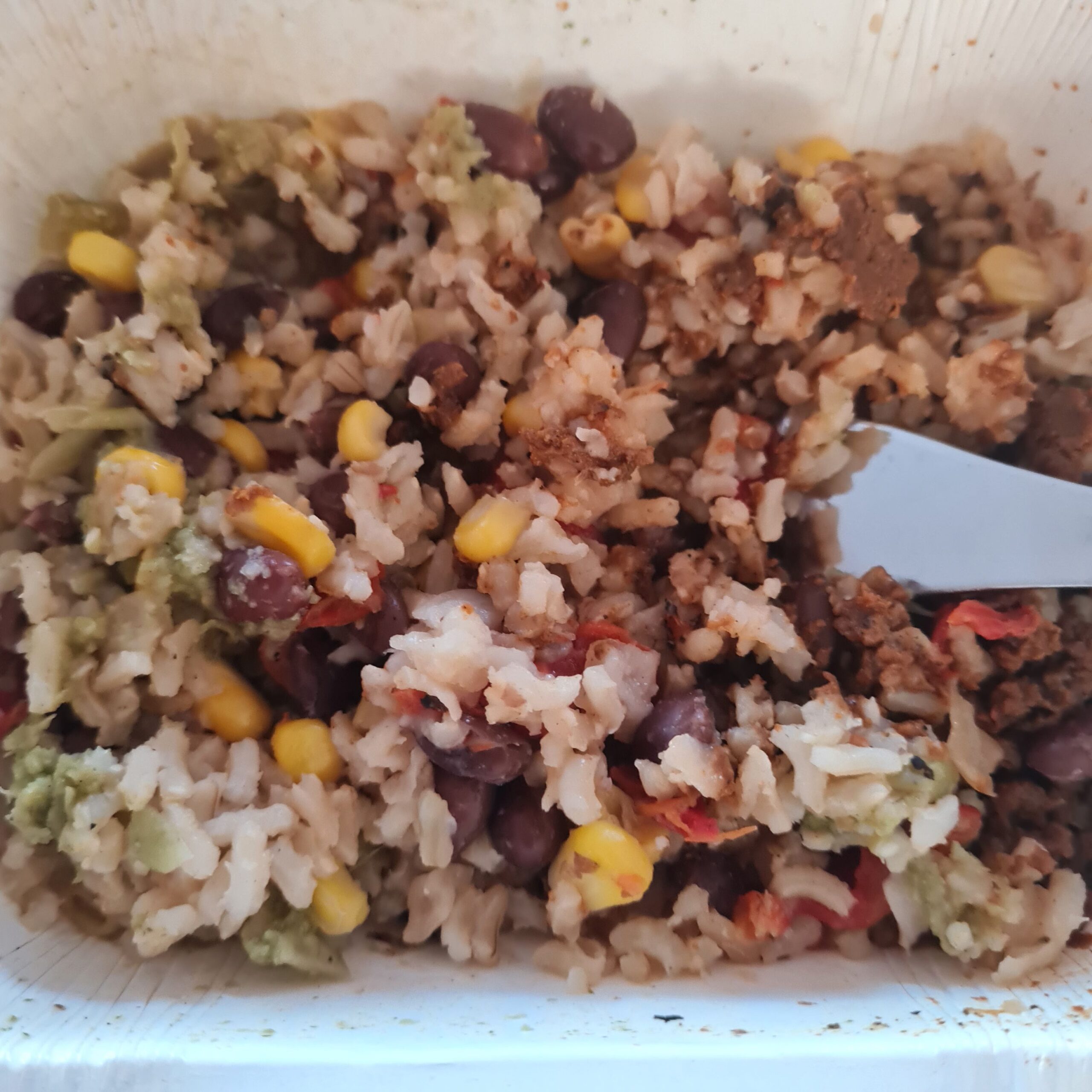
EATS: * oatmeal w/ warm water, pomegranate, sliced peach * big chopped gorilla salad w/ home made creamy (few soaked cashews) oilfree Italian dressing * two mushroom taquitos w/ salsa * plain sparkling water w/ shot of soft XL-drink * black bean burger on whole grain sourdough w/ homemade In-n-Out sauce, tomato, onion, raw broccoli-slaw * mini mug of white rice & curry beans
⌠SUN HAS SET âŚ
Cmmt: XL indicates uncommonly excessive food, and wautĂŠed means water-sautĂŠed
* Popular diet books focus on single macronutrients and sensational claims. * Scientific recommendations are more cautious and require long-term evidence.
**Low-Carb & Long-Term Studies**
* Interest in long-term effects of low-carb diets, especially regarding diabetes risk. * Food quality within low-carb diets matters more than carb quantity.
**Epidemiology**
* Observational studies criticized for lacking causality but remain essential for identifying health risks.
**Insights from Study Authors**
* Carb quality is central; public misunderstandings stem from decades of shifting diet fads. * Short-term weight loss often overshadows long-term health evidence.
**Weight Loss Dynamics**
* Early weight loss commonly followed by regain due to biological mechanisms. * Preserving lean mass through exercise helps mitigate regain.
**Cohort & Methodology**
* Medical-professional cohorts provide reliable long-term diet data. * No universal definition of âlow-carbâ; categories based on diet quality.
**Challenges Studying Extreme Diets**
* Few people maintain strict keto/very-low-carb diets long-term. * High dropout rates limit strong conclusions.
**Food Frequency Questionnaires**
* FFQs are validated tools for capturing broad dietary patterns.
**Diet Categorization**
* Low-carb diets vary: animal-based, unhealthy, plant-based, or healthy. * Health outcomes depend heavily on food quality within these categories.
**Potatoes**
* White potatoes raise diabetes risk more than sweet potatoes. * Cooking method significantly affects health impact.
**Dietary Patterns & Health**
* Large studies challenge assumptions about red meat, processed foods, and sugar. * Cooking methods alter risk profiles.
**Conclusions**
* Healthy fats and Mediterranean-style diets show strong evidence for long-term benefits. * Quality of foodsânot carb count aloneâis key to healthy low-carb eating.
*******
What the videoâs argument overlooks / what you should keep in mind
The video treats âcarbsâ as almost uniformly negative, without distinguishing quality or type of carbohydrate (simple vs complex, fiber-rich vs refined). Thatâs a big oversimplification.
It lumps carbohydrate-rich foods together â without recognizing that some carb-rich foods (like many vegetables, whole grains, legumes) provide fiber, vitamins, minerals, slower digestion, lower glycemic impact â qualities that make them far different from refined carbs or fried starchy foods.
As many nutrition experts note: preparation matters a lot. A baked potato (whole, with skin) will have a very different metabolic effect from deep-fried fries.
The context of the meal and what else you eat (fats, protein, fiber, overall calories) also matters â because those factors modulate how your body handles the carbs.
đŻ My take: Are their negative assumptions about white potatoes deserved?
Only somewhat â but with big caveats. The core of the âpotatoes are badâ message in the video seems to rely on a low-carb mindset that treats all carbs as more or less equal, which is scientifically shaky. Potatoes can raise blood sugar relatively quickly (especially certain types, or when prepared certain ways). But that doesnât automatically make them âunhealthy.â
White potatoes â when eaten in moderation, prepared simply (boiled, baked, skin on), and paired with other nutritious foods â can be part of a healthy diet. The main problems tend to arise from frying, heavy add-ons (butter, cream, salt), excessive portions, or overall calorie overload, not the potato per se.
In short: the video exaggerates the risk by using a blanket âcarbs-are-badâ argument; a more nuanced perspective shows that âcarbs matter â but context matters more.â
A vegan substitute for Salad Supreme can be made by combining sesame seeds, poppy seeds, paprika, celery seed, garlic powder, black pepper, and cayenne pepper. This blend will provide a similar flavor profile without any dairy ingredients.
[Before we begin consider adding 1/2 t lemon powder & removing 1/2 t salt.]
Instructions In a small bowl or jar combine 1 tablespoon sesame seeds, 1 teaspoon paprika, 1 ½ teaspoon kosher salt, 1 teaspoon poppy seed, 1 teaspoon celery seed, 1 teaspoon garlic powder, ½ teaspoon coarse ground black pepper, â teaspoon cayenne pepper, and 2 tablespoons nutritional yeast.
Mix or shake until well combined. It is best to store homemade salad supreme seasoning in an airtight container in the refrigerator. It will keep for up to 1 month.
Equipment
large glass jars with lid perfect for a larger spice blend
-FINISHED-
*********
For Vegan âSalad Supremeâ Seasoning (Stinky-Boot Edition)