Month: June 2026
LEMON SHERBET 🔥 Healthy Vegan Weight Loss!!
Ingredients:
🥦 Cauliflower
🥣 Greek-style soy yogurt
🍋 Lemon rind
🍋 Lemon juice
🍁 Maple syrup
Method:
1️⃣ Add the cauliflower, Greek-style soy yogurt, lemon rind, lemon juice, and maple syrup to a blender and blend until completely smooth.
2️⃣ Pour the mixture into your Ninja Creami container and freeze overnight.
3️⃣ Process on the Ice Cream setting until smooth and creamy.
4️⃣ For serving, carefully hollow out a lemon, removing all of the flesh and leaving just the shell.
5️⃣ Spoon the lemon sherbet into the lemon shell for a classic Italian-inspired presentation ✨
Day 27 of Alzheimer’s Month: Type 3 Diabetes
June 27, 2026 of Low-SOS Vegan Plan

(This blog began 3/15/2015)
MEDITATION:
* Thru the Bible podcast
* Concepts in Faith podcast
EXERCISE:
* Jog 5k outdoors
* Powerwalk 25 minutes indoors
WATER:
(2) × (32) = 64 oz (+)
EATS:
* ice cream sandwich
* chopped Mediterranean salad w/ avo-salsa
* red grapes
* chopped brussel sprouts soup w/ whole wheat noodles
* mushroom taquitos
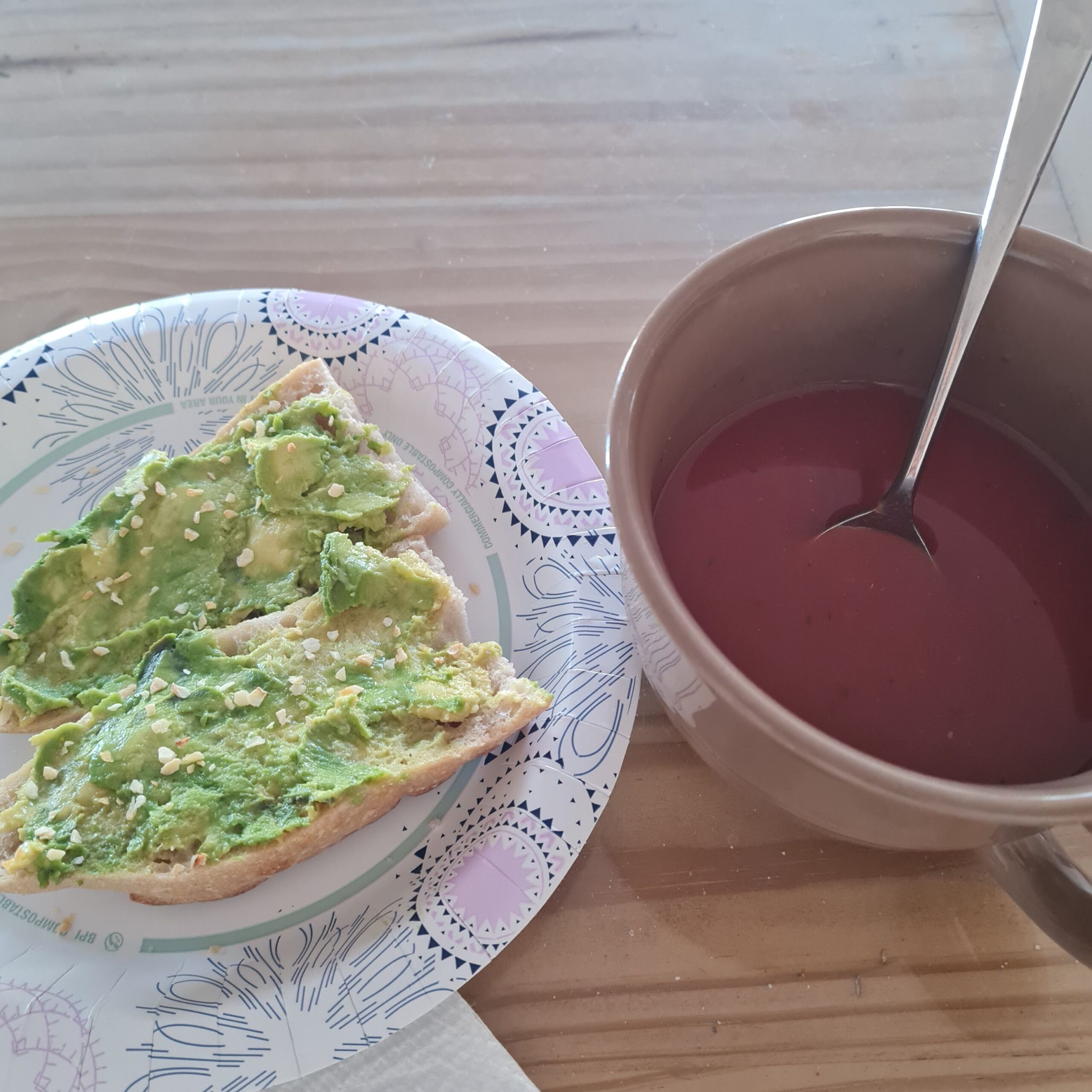
* half-cup tomato soup & piece of toasted sourdough avocado baguette
… SUN HAS SET …
Cmmt: XL indicates uncommonly excessive food, and wautéed means water-sautéed
#1 Neurologists: 5 Habits to Boost Brain Health & Prevent Alzheimer’s
Key Takeaways and The NEURO Framework
The experts introduce the NEURO acronym, which outlines five pillars to protect your memory and reduce the risk of Alzheimer’s and dementia (38:46):
N – Nutrition: Focusing on dietary patterns—specifically whole foods like leafy greens, nuts, seeds, and legumes—can reduce Alzheimer’s risk by up to 53% (51:24).
E – Exercise: Moving the body, especially leg-strengthening exercises and brisk walking, is vital. A study showed that 25 minutes of brisk walking five days a week can reduce risk by 40% (54:20, 57:35).
U – Unwind: Chronic stress shrinks the hippocampus (the brain’s memory center). The doctors recommend identifying “bad” stressors versus “good” (purpose-driven) stressors to manage mental load (12:03, 1:00:04).
R – Restorative Sleep: Sleep allows the glymphatic system to wash away brain debris, like amyloid-beta proteins, and consolidate memories. They suggest keeping a consistent wake-up time (1:05:30).
O – Optimize: Challenging the brain through complex learning, vocabulary, and purpose-driven activities helps maintain cognitive reserve, even in the presence of physical brain pathology (1:10:42).
Why It Matters
Brain Resilience: The brain is highly adaptive; even if some damage has occurred, healthy habits can strengthen connections between existing neurons (28:06, 32:38).
Empowerment: The doctors highlight that small, daily changes act like “bricks” in a building, creating a foundation for long-term brain health regardless of your age (1:17:02).
Caregiver Support: The episode specifically addresses the unique risks faced by caregivers and the critical importance of prioritizing self-care to avoid cognitive decline (33:38).
Reverse Alzheimer’s? This (Viral) Harvard Doctor Explains the Truth
https://youtube.com/live/27etnL4lTL8?is=7v84qpmKRBb_w1KN
This video features a discussion between Dr. Mobeen Syed and Dr. Josh Helman regarding the possibility of preventing and reversing Alzheimer’s disease through lifestyle changes and functional medicine.
Key Takeaways:
Lifestyle Habits to Reduce Dementia Risk: Starts at 24:00
Alzheimer’s Reversibility: Dr. Helman asserts that Alzheimer’s is a complex condition with 30–200 potential root causes, and it is indeed preventable and reversible when these underlying factors are addressed (3:26–4:38).
The Power of Sleep: The most significant risk factor identified is a lack of deep N3 sleep. Deep sleep is essential for the brain to clear out amyloid plaques and consolidate memory. Risk increases by 22% for every percentage of N3 sleep lost (9:19–10:37).
Lifestyle & Diet: Patients are advised to avoid processed foods high in salt, oil, and sugar to prevent vascular damage and inflammation. Incorporating exercise is crucial for releasing BDNF (Brain-Derived Neurotrophic Factor), which supports new neuron growth (12:02–13:02, 24:09–25:12).
Emerging Protocols: Dr. Helman discusses a multi-layered approach, including:
Anti-Galectin-3 therapy: A compassionate-use FDA-approved drug used to reduce brain inflammation (20:07–21:22).
Total Plasma Exchange: A form of dialysis used to remove toxins from the blood (22:06–22:28).
Sauna therapy: Helps stimulate heat shock proteins and aids in detoxification (26:40–27:26).
Underlying Factors: The discussion highlights that chronic infections, toxins (heavy metals, plastics), and metabolic issues like type 2 (or “type 3”) diabetes contribute significantly to the disease’s progression (13:17–14:48, 17:35–18:09).
Dr. Helman emphasizes the importance of consulting an expert to avoid “stirring the pot” of toxins or infections improperly. He encourages viewers to prioritize sleep, manage inflammation, and take control of their metabolic health to reduce their risk profile, regardless of genetic predispositions like APOE4 (35:00–36:00).
Groundbreaking Alzheimer’s research: Lithium could treat, prevent it, says Harvard Study
Lithium is a naturally occurring trace mineral found in tiny, physiological amounts in many everyday plant and animal foods. The amount of lithium in these foods is highly variable because it depends entirely on the mineral content of the soil and the local drinking water.
A diverse, plant-forward diet generally provides the highest amounts of naturally occurring trace lithium.
The primary dietary sources of lithium include:
Whole Grains & Cereals: Cereal grains are estimated to provide up to 90% of dietary lithium intake. Good sources include oats, wheat, and barley.
Vegetables: Root vegetables (like potatoes), leafy greens (like spinach and kale), and cabbage absorb trace lithium from the soil.
Nuts & Seeds: Nuts are particularly dense in trace minerals. Walnuts, cashews, sunflower seeds, and hazelnuts contain notable amounts of lithium.
Legumes: Lentils, chickpeas, and beans are solid contributors to daily trace mineral intake.
Fruits: Detectable levels are found in citrus fruits (oranges, grapefruits, lemons), as well as bananas and apples.
Spices: Trace amounts can be found in common spices such as nutmeg, coriander seeds, and cumin.
Beverages: Tea (especially black, green, and rooibos) naturally contains microgram quantities. Additionally, many natural spring waters and mineral waters are known to have measurable amounts of dissolved lithium.
Dietary trace lithium differs significantly from the high-dose lithium carbonate prescribed for bipolar disorder, which is a pharmaceutical drug and should only be taken under strict medical supervision. Naturally occurring food and water sources provide just microgram-level trace amounts that support overall brain and cellular health
Day 26 of Alzheimer’s Month: Can Gratitude Improve Brain Health?
June 26, 2026 of Low-SOS Vegan Plan

(This blog began 3/15/2015)
MEDITATION:
* No Greater Love podcast
* AW Tozar sermon on Spotify
EXERCISE:
* Powerwalk 20 minutes indoors
* PT APP workout
–lower body stretch/stengthening
* Sessions on Vibrating Platform
WATER:
(2) × (32) = 64 oz (+)
EATS:
* veg sushi w/ walnuts, grapes
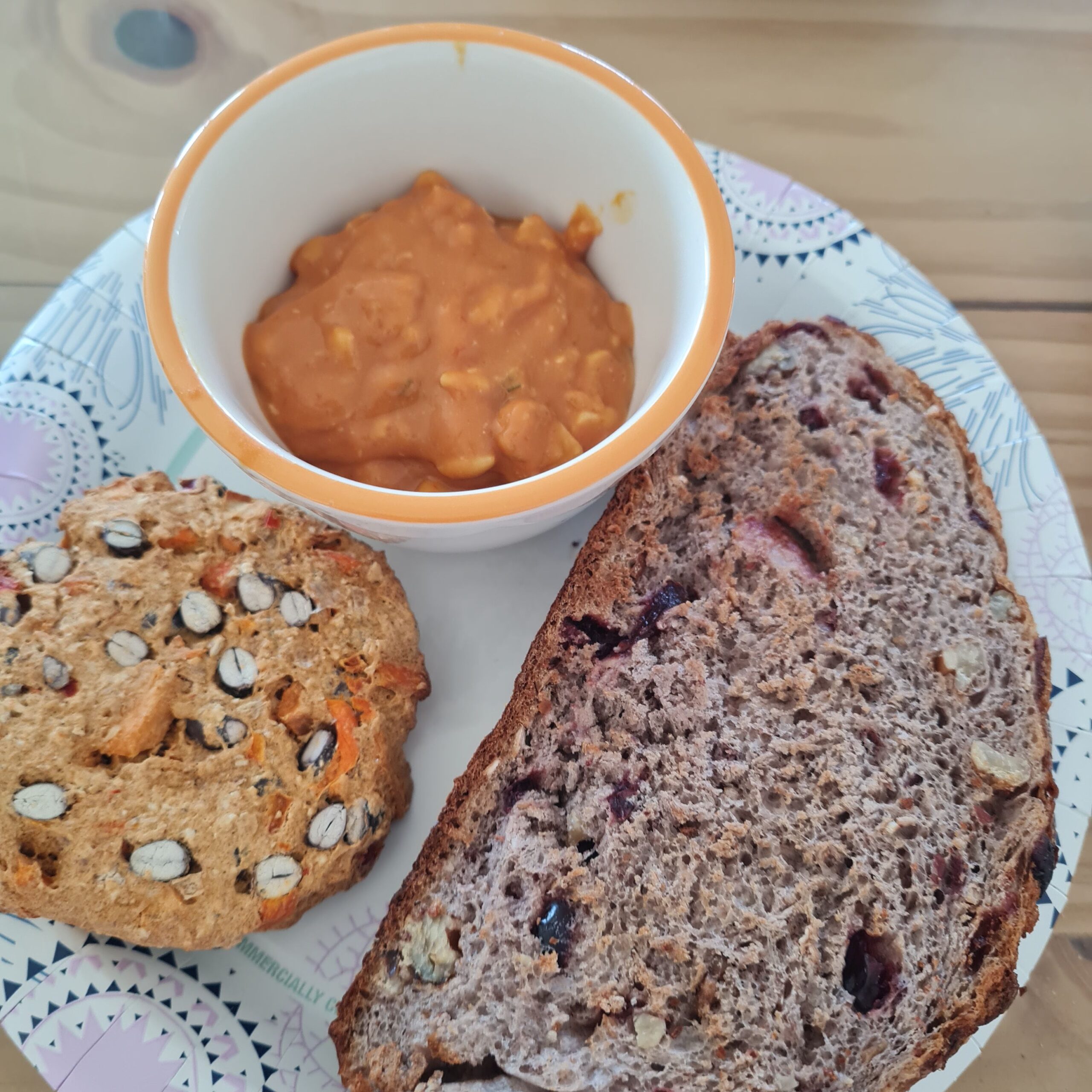
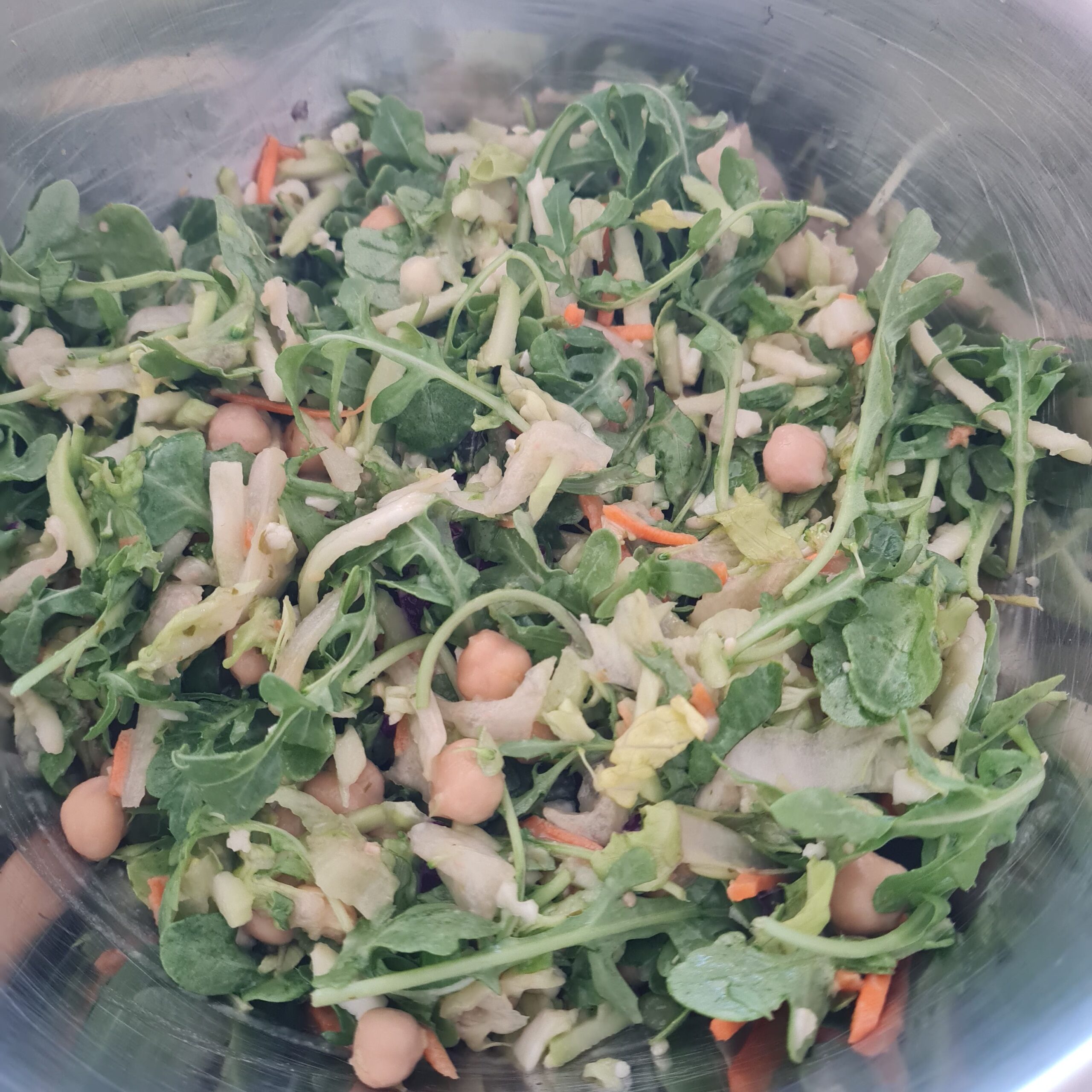
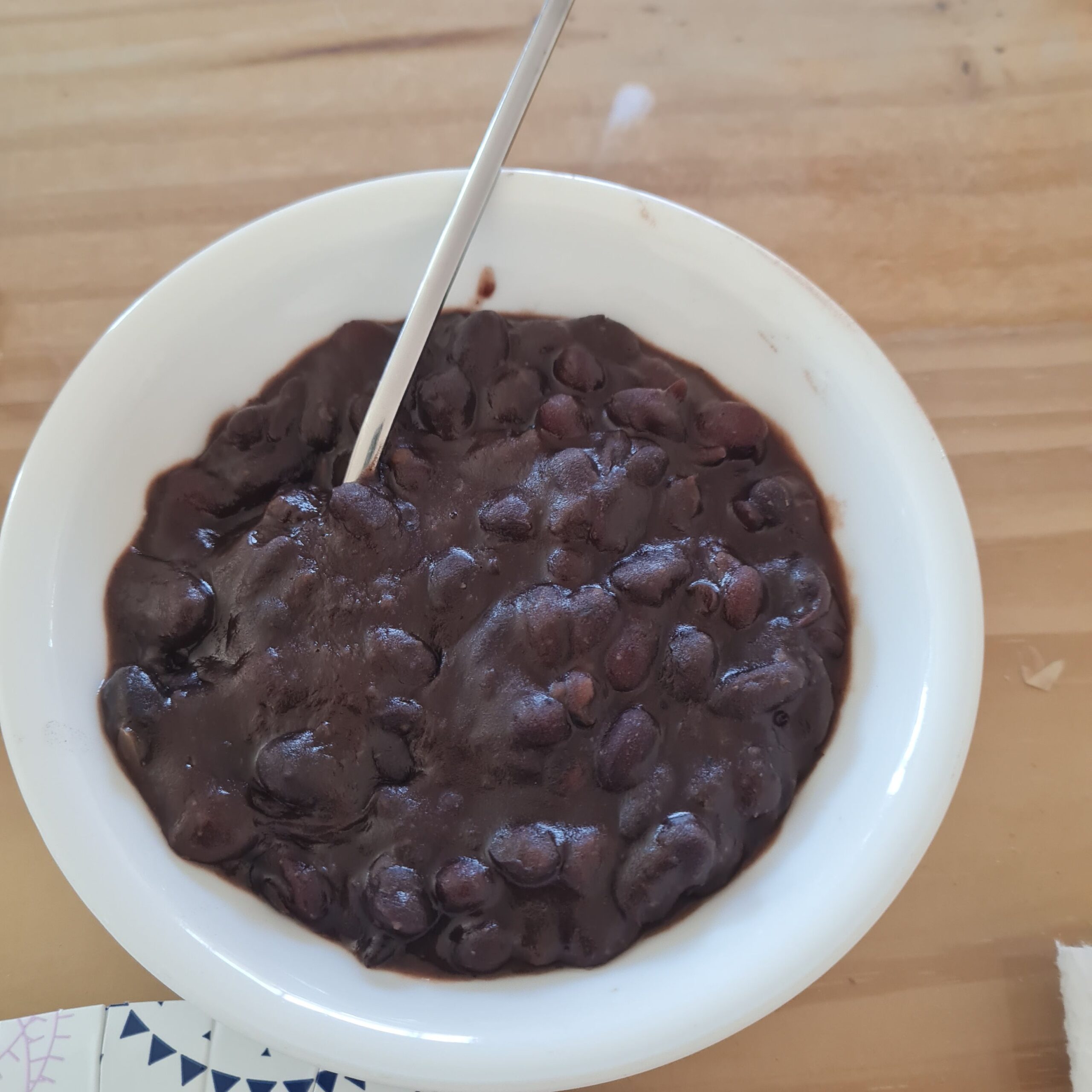
* salad, cranberry toast, grilled veg patty, sauce, bbq blackbean, plain sparkling water w/ shot of soft XL-drink
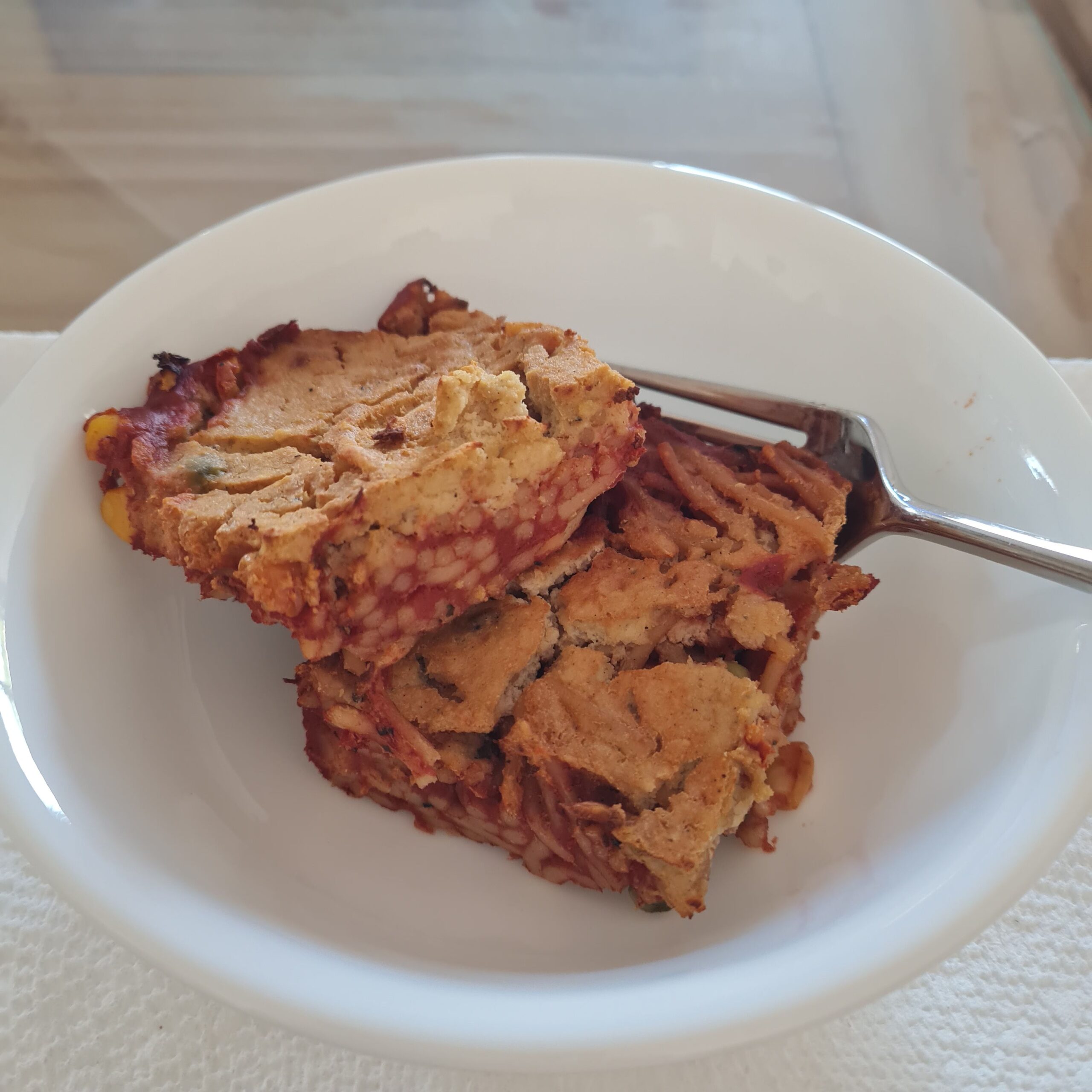
* leftover dump & bake pasta
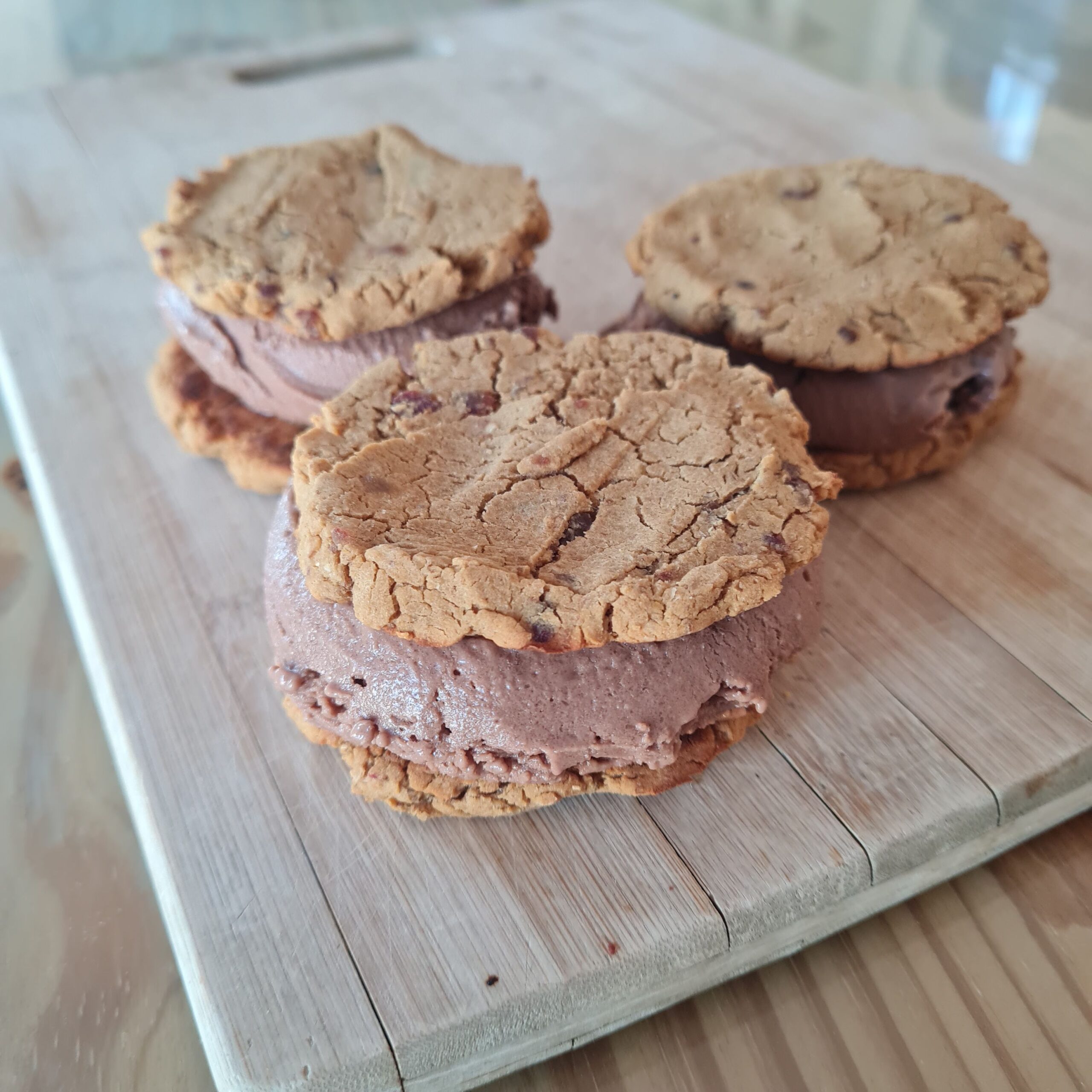
* one ice cream sandwich (peanut cookie w/ chocolate ice cream – delish)
… SUN HAS SET …
Cmmt: XL indicates uncommonly excessive food, and wautéed means water-sautéed
🍆 AUBERGINE [eggplant] RICE SALAD
Ingredients:
🍆 2 huge aubergines
🥬 Lettuce
💜 Purple cabbage
🥒 Cucumber
🫛 Edamame
🍚 Cooked rice
Marinade & Dressing:
🥄 Miso paste
🥢 Soy sauce
🍁 Maple syrup
✨ Furikake seasoning (or 🌱 sesame seeds)
🌿 Fresh coriander to serve
Method:
1️⃣ Slice the aubergines in half lengthways and score the flesh in a criss-cross pattern.
2️⃣ In a small bowl, mix together the miso paste, soy sauce, maple syrup, and furikake seasoning (or sesame seeds).
3️⃣ Brush the aubergines generously with the dressing and bake until soft, caramelised, and looking absolutely delicious ✨
4️⃣ Add the lettuce, purple cabbage, cucumber, edamame, and cooked rice to a large bowl.
5️⃣ Top with the roasted aubergines and drizzle over the remaining dressing.
6️⃣ Finish with fresh coriander and enjoy 💚