Category: Motivational
3 Wound Healing Myths
Make America Healthy Again! WFPB Oil-Free
WFPB = Whole Food Plant Based
CAUTION! THIS PILL CAUSES DEMENTIA
Anticholinergic drugs are a class of medications that block the neurotransmitter acetylcholine in the central and peripheral nervous system. They are used to treat a variety of conditions, including:
Muscle spasms: Relieve cramps or spasms in the stomach, intestines, and bladder
Nausea and vomiting: Prevent nausea and vomiting, especially after anesthesia and surgery
Motion sickness: Prevent motion sickness
Hyperhidrosis: Control hyperhidrosis, or excessive sweating
Eye examinations: Dilate pupils before eye examinations
Poisoning: Treat poisoning caused by certain mushrooms, insecticides, and nerve gases
Slow heartbeat: Treat slow heartbeat in an emergency
Anticholinergic drugs can be available over-the-counter or by prescription. Some examples include:
Over-the-counter
Diphenhydramine (Benadryl), brompheniramine (Dimetapp), dimenhydrinate (Dramamine), doxylamine (Unisom)
Prescription
Atropine, benztropine mesylate (Cogentin), cyclopentolate (Cyclogyl), darifenacin (Enablex), glycopyrrolate, hyoscyamine (Levsinex), ipratropium (Atrovent), oxybutynin (Ditropan XL), scopolamine
Side effects of anticholinergic drugs can include:
Blurred vision, Constipation, Dilated pupils, Dry mouth, Glaucoma, Hyperthermia, Lack of sweating, Rapid or irregular heartbeat, Urinary retention, and Vision loss.
Angry Doctors are Flocking to Social Media Platform BlueSky
Nov 22, 2024
Drug Companies Caught Faking Studies (The Evidence)
OMG! FDA Backtracks: FINALLY says THIS
Nov 19, 2024
A stunning communication put out from the FDA head
Oldest family in the world have eaten the exact same meal for their entire life that even experts swear by
Nov 17, 2024

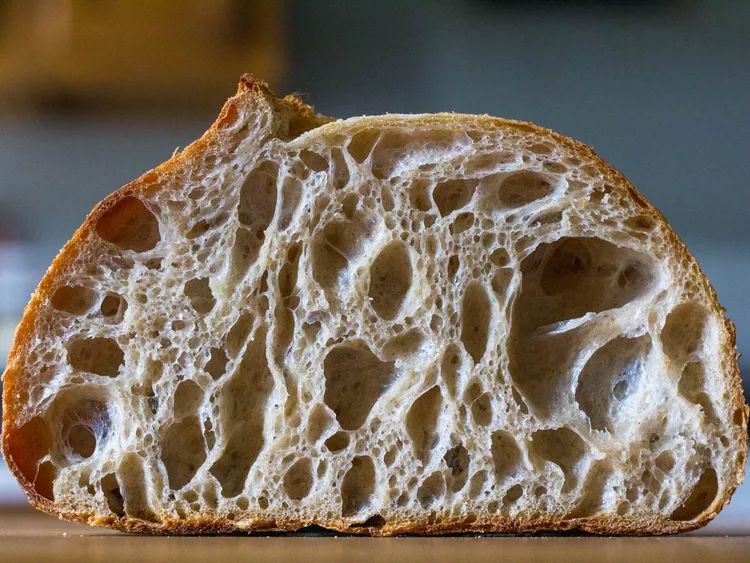
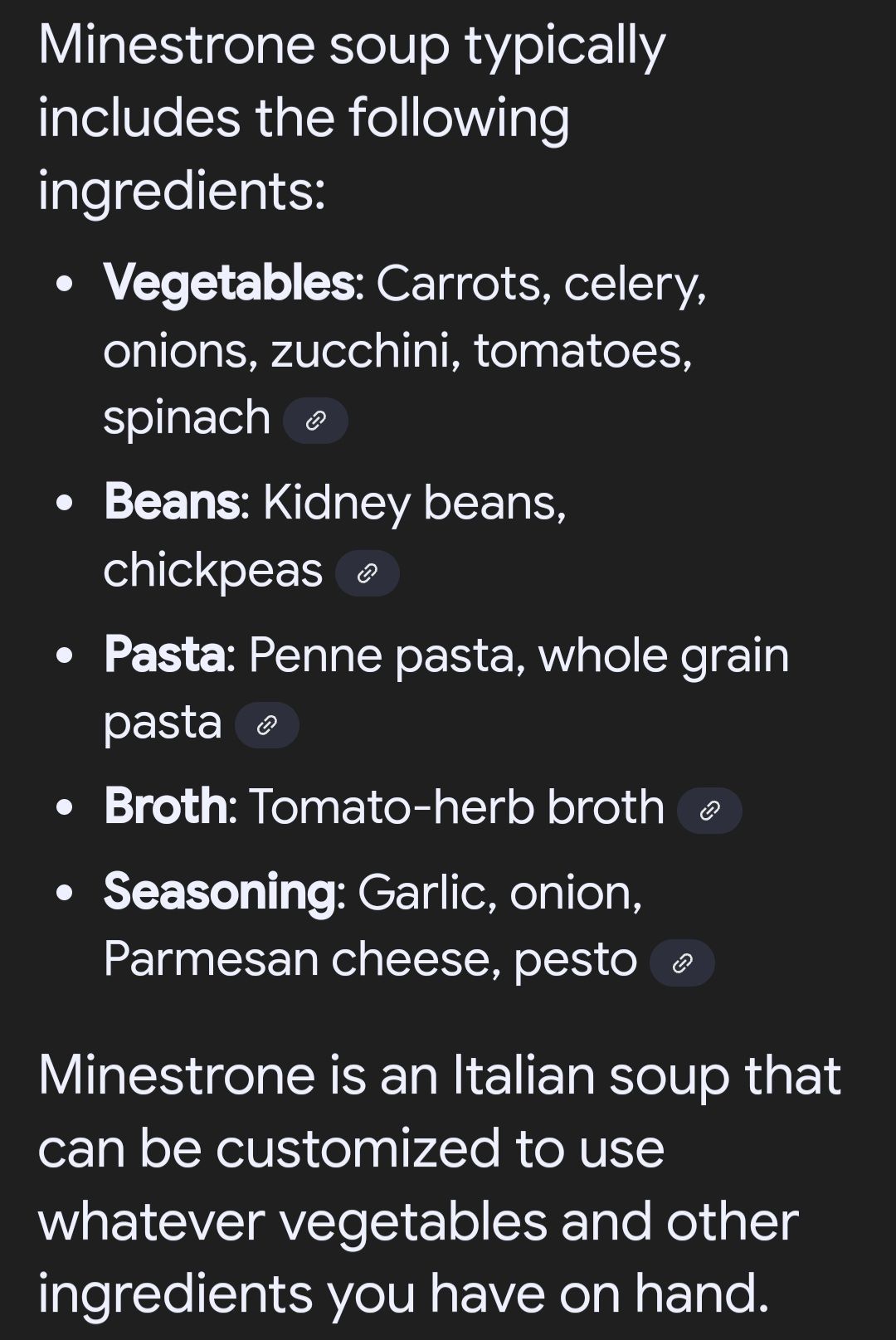
Reading story about family eating same lunch meal daily – sourdough bread, 3-bean soup w/ tomato, pasta, loads of veggies! LOVE IT!!!!
Young patients are now dying from bowel cancer – and this MD believes antibiotics could be behind this: Professor ROB GALLOWAY reveals how to protect yourself
Nov 18, 2024
Dr writes:
There’s little doubt in my mind that the rapid rise in Europe and the US points to lifestyle and environmental factors. For instance, we now know a diet high in ultra-processed food and processed meats – and low in fibre – is a risk factor for bowel cancer. So, too, is being overweight, smoking, alcohol and not taking exercise.
And research has suggested that environmental factors such as pesticides, plastics and air pollution could potentially also be contributing.
But more recently, emerging evidence points to the role of our gut microbiome – the community of microbes that is found there – in protecting us from bowel cancer. Harm those microbes, and you have a higher risk of bowel cancer.
And, yes, not surprisingly, antibiotics are implicated. A 2022 study published in the British Journal of Cancer compared the rates of antibiotic use in cancer patients against people who were identical in every way except they didn’t have cancer.
[…]
The results showed that the under-50s had a nearly 50 per cent higher chance of getting bowel cancer if they’d had antibiotics. But in the over-50s, antibiotics use was only associated with a 9 per cent increased risk.
This is not necessarily proof that antibiotic use can increase your risk of bowel cancer, but it is an eye-opening piece of research with a good scientific explanation for what’s going on.
[…]
As for what you can do now to protect yourself, my first port of call would be to take steps to improve your gut microbiome.
That means eating more fibre and less ultra-processed food – and try including fermented foods such as kefir and sauerkraut in your diet.
I also think a daily probiotic supplement is a good idea – look for one with at least one billion colony-forming units (or CFUs) per capsule.
There is evidence for this: A 2021 review of studies on the role of probiotics in cancer prevention, published in the journal Cancers, concluded: ‘There is a lot of evidence that the use of probiotics can play an important role in cancer prevention and support anti-cancer therapies.’
As for my patients, while I was once content to prescribe antibiotics fairly liberally, I’m now much more cautious – and I always tell them to take their prescription with probiotics, knowing this advice will do no harm and may very well reduce their risks of getting bowel cancer.
Postmenopausal WOMEN: How to Have Very STRONG BONES Naturally
Five methods to preserve our bones:
1. Monitor Vitamin D & Calcium
2. Weight-bearing exercises daily
3. Add strength/resistance training
4. Protein rich foods
5. Limit toxins