New COVID-19 mRNA shots approved today by the same nonsensical government that said mRNA does more harm than good! For six-month-old babies, on minutia of animal data
MEDITATION: * 10 Hours Sleeping in His Sweet Arms, Nothing But Bible
EXERCISE: * Jog 5k outdoors * Lift chest * Rocking Stair Stepper * PT APP workout –full body stretch/stengthening
WATER: (2) × (32) = 64 oz (+)
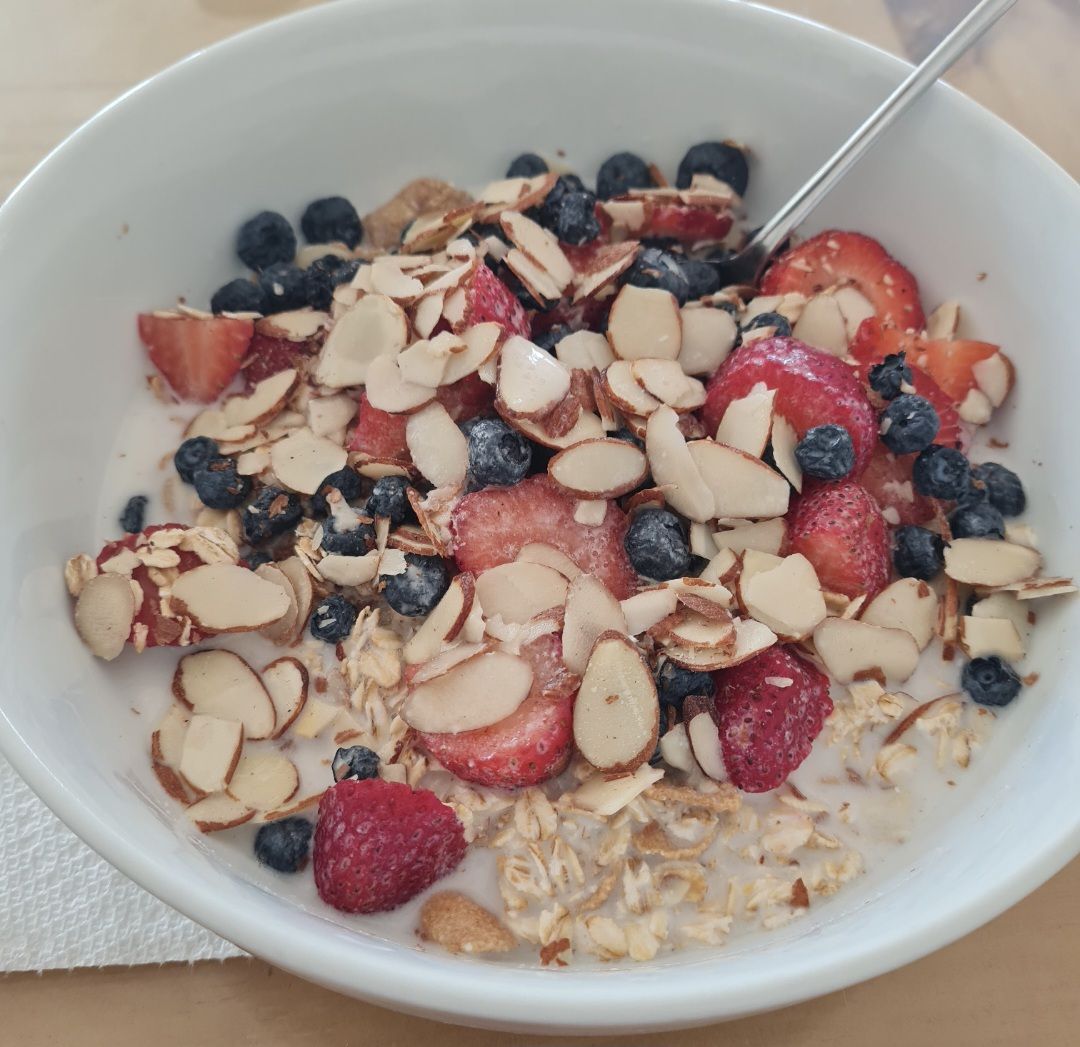
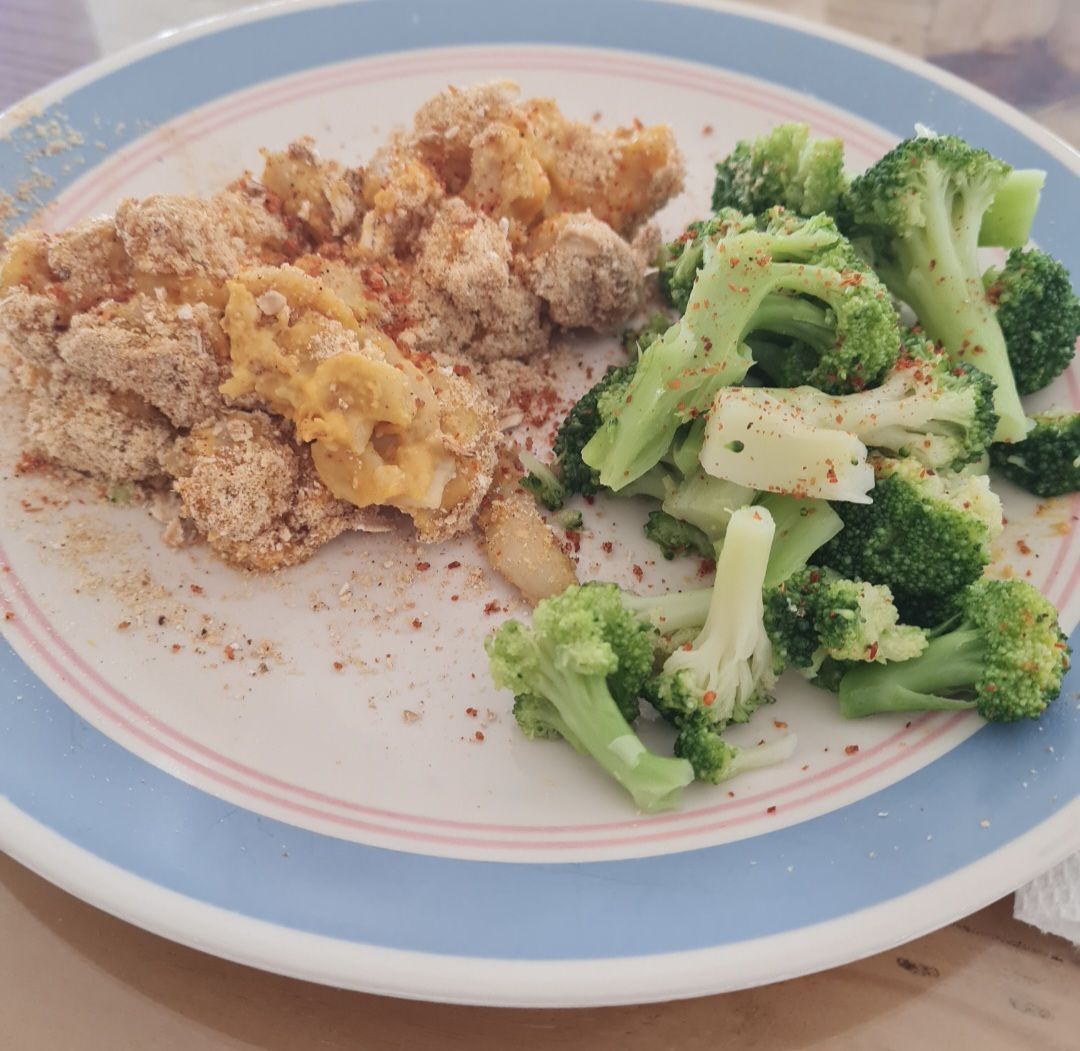
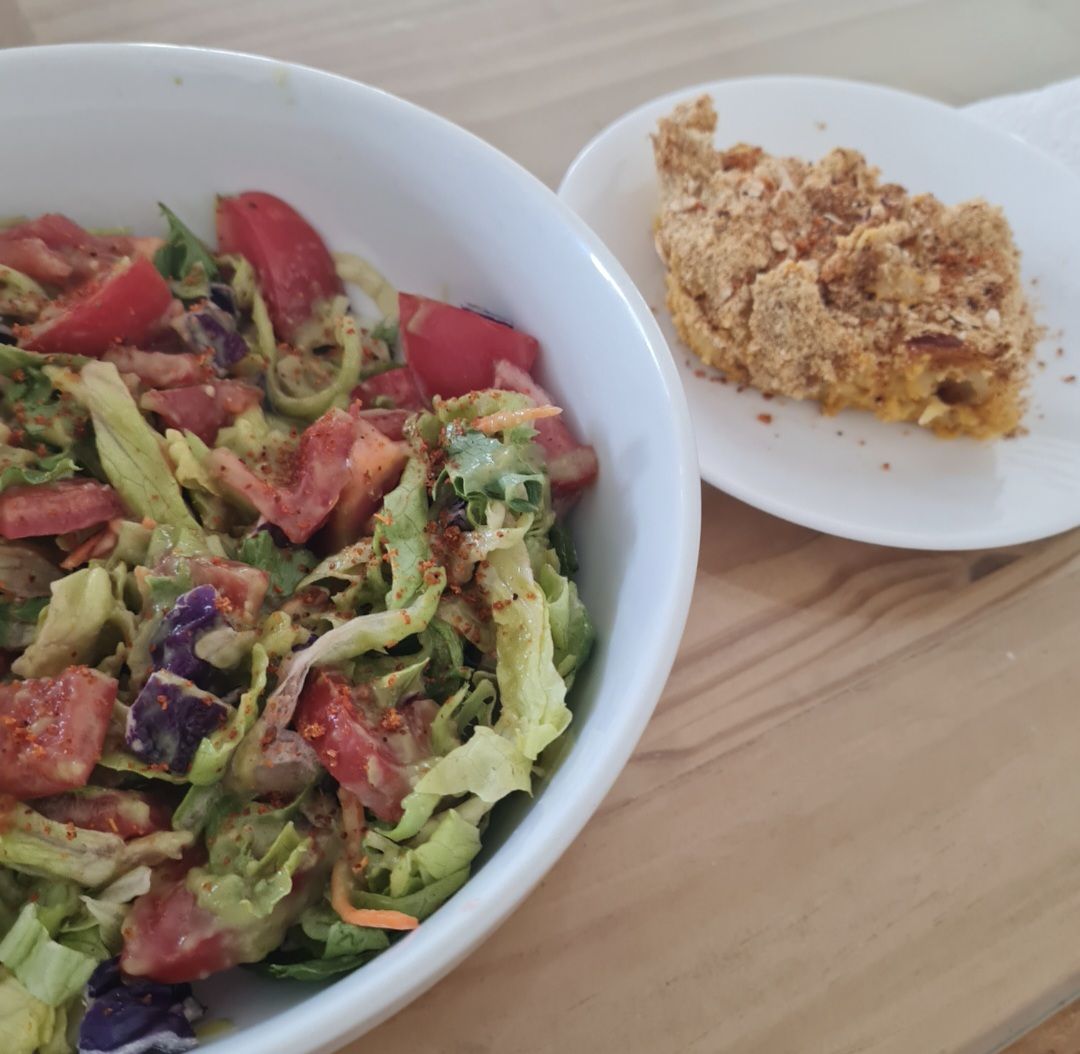
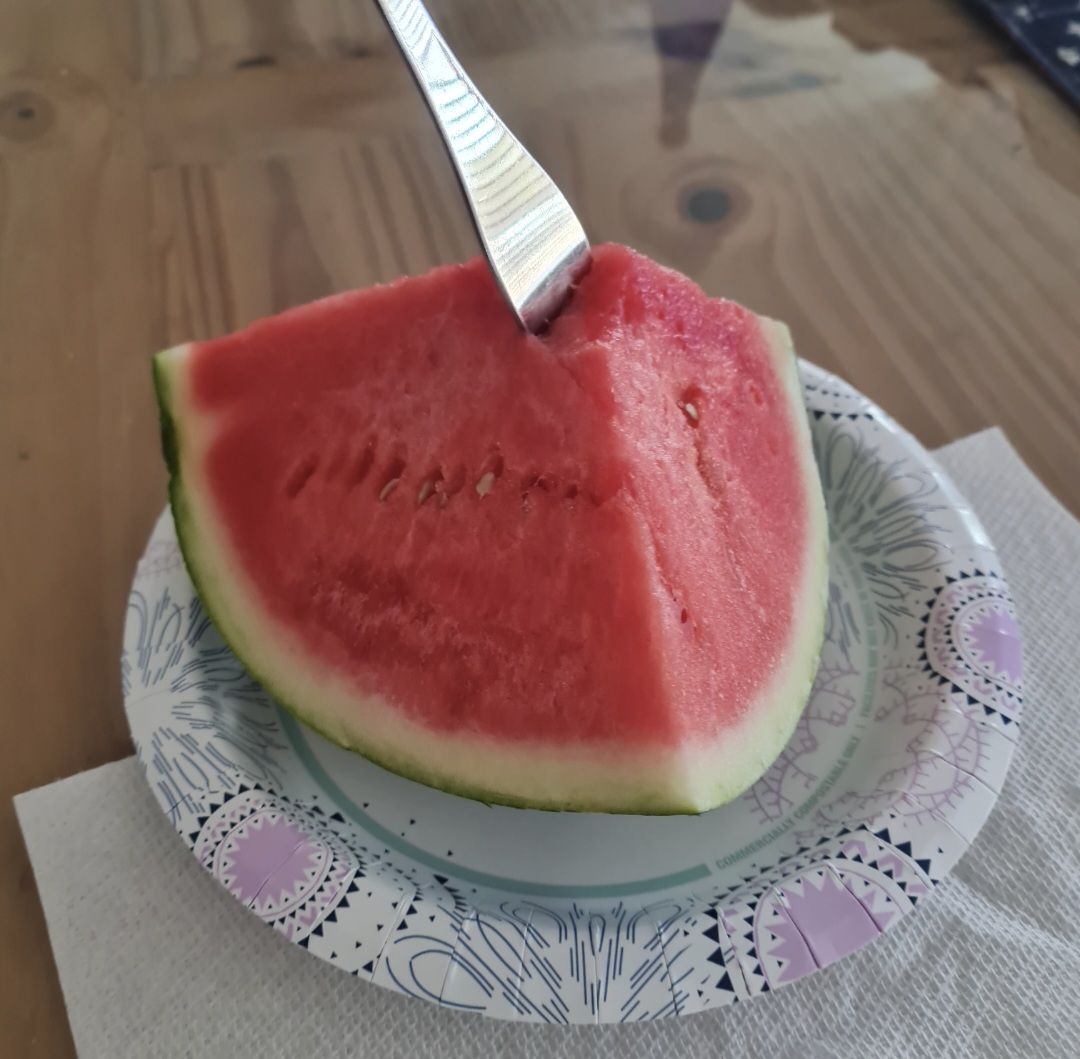
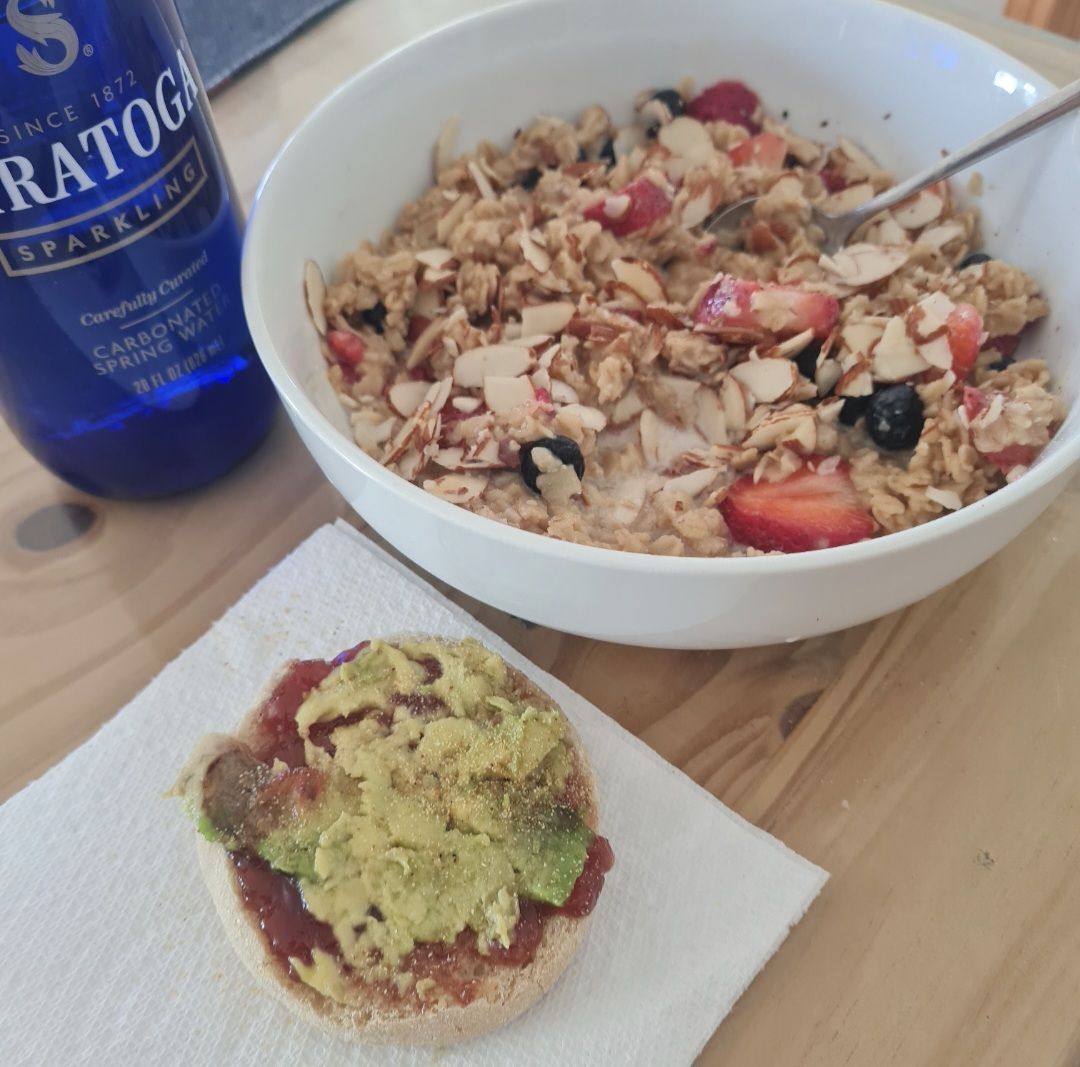
EATS: * Heritage flakes, oatmeal, strawberries, blueberries, thin sliced almonds, splash of almond milk * steamed broccoli & mac casserole * chopped gorilla salad topped w/ avo-salsa and Mac casserole on side * green grapes & slice of watermelon
… SUN HAS SET …
Cmmt: XL indicates uncommonly excessive food, and wautéed means water-sautéed
This video details how five states have implemented policies that function as “exit taxes” on homeowners, while six others are currently drafting similar legislation. The narrator argues that these states are creating “toll booths” to capture revenue from residents moving their equity out of state.
The Five States with Existing “Exit Taxes”
1. **New Jersey (1:33-3:45):** Has used withholding requirements at closing since 2004, requiring non-residents to pay a portion of their gains or a percentage of the gross sale price to the state. 2. **Massachusetts (3:48-5:36):** Implemented a “Fair Share Amendment” (4% surtax on income over $1 million), which the state has confirmed applies to one-time events like selling a primary residence. 3. **Washington (7:38-9:49):** Recently enacted a 9.9% income tax on household income over $1 million, which includes provisions that can follow former residents. 4. **California (9:51-15:03):** Proposing a “Billionaire Tax Act” with a retroactive trigger date (January 1, 2026), designed to be inescapable even for those who move. 5. **New York (15:05-16:29):** Proposing an estate tax change that would drastically reduce the homeowner exemption by nearly 90% and increase top tax rates.
Key Takeaways:
**Pattern of Growth:** The narrator highlights that these policies typically start by targeting the wealthy and are eventually expanded to impact middle-class households (17:57-18:49).
**Legislative Strategy:** States are using varied terminology (e.g., “withholding,” “fair share,” “modernization”) to mask the nature of these exit taxes (0:26-0:48).
**Future Outlook:** Several other states, including *Michigan*, *Connecticut*, *Minnesota*, *Maryland*, *Oregon*, and *Illinois*, are actively drafting or considering similar legislation (16:39-17:03).
WHAT CAN BE DONE?
The narrator acknowledges that there is no simple “workaround” for these exit taxes, as they are being baked into the **legal infrastructure** of the states involved (17:21-17:37).
Because these are constitutional or legislative changes, the video suggests the following approach:
* **Recognize the Pattern:** Understand that these policies are rarely just about the “rich.” They follow a historical pattern of starting at the top and gradually expanding to impact the **middle class** (17:57-18:49).
* **Vote with Awareness:** The narrator notes that while voting can feel ineffective, it is the primary tool available when dealing with state-level constitutional amendments. He emphasizes the importance of knowing exactly what you are voting for, rather than just voting against a specific person (20:00-20:18).
* **Stay Informed:** Because these tax mechanisms change depending on the state, the narrator encourages homeowners to stay alert to proposals in their specific area, noting that there are often **six other system-wide failures** compounding these issues that require attention (20:43-21:03).
Newport Beach is ditching synthetic herbicides on its 17 athletic fields, as alarm grows over a rare childhood cancer cluster in a nearby community.
The move comes as families grapple with at least six cases of Ewing sarcoma among children and teens since 2013 in Ladera Ranch, a master-planned community in south Orange County.
* 1 recipe our homemade blender sauce (made with peanut flour, dates, lemon, and your Ethiopian Seasoning Mixture) * 1 can (15 oz) Organic chickpeas (garbanzo beans), rinsed and drained * 2 cups Organic broccoli florets, chopped small * 1 cup Organic brown mushrooms, sliced * 2 cups Pre-cooked brown rice or black rice (warmed) * 2 tbsp Water or vegetable broth (for water-sautéing)
Cooking Instructions
1. Sauté the veggies: Heat a large non-stick skillet over medium-high heat. Add the sliced mushrooms and broccoli florets along with 2 tablespoons of water or vegetable broth. Cover and cook for 3 to 4 minutes until the broccoli is bright green and the mushrooms are tender. 2. Add the protein: Stir the drained chickpeas directly into the skillet with the vegetables. 3. Simmer the sauce: Turn the heat down to medium-low. Pour your freshly blended peanut Ethiopian curry sauce over the top. Stir well to coat everything evenly. 4. Thicken: Simmer uncovered for 4 to 5 minutes, stirring frequently so the peanut base doesn’t stick, until the sauce thickens into a rich, glossy glaze. 5. Serve: Divide the warm pre-cooked rice into two bowls, spoon the rich chickpea and veggie curry over the top, and enjoy hot. ******* OTHER VEGGIES YOU COULD THROW IN EARLY:
An oil-free, plant-based fusion sauce combining rich peanut flour, sweet dates, and an aromatic, warming spice blend.
Ingredients
* 1/2 cup Organic defatted peanut flour (or unsalted, oil-free powdered peanut butter) * 3 to 4 Organic Medjool dates (pitted and soaked in hot water for 10 minutes) * 1.5 tbsp of Ethiopian Seasoning Mixture (our custom batch recipe) * 1/4 tsp Organic lemon juice powder (or 1 tbsp fresh organic lemon juice) * 1 to 1.25 cups Warm water
Instructions
1. Prepare: Soak your pitted Medjool dates in warm water for 10 minutes until soft. Save the soaking water. 2. Blend: Add the softened dates, peanut flour, your custom Ethiopian Seasoning Mixture, lemon powder (or fresh juice), and 1 cup of the warm soaking water to a high-speed blender. 3. Liquefy: Process on high for 1 to 2 minutes until the sauce is completely smooth, creamy, and free of date pieces. If it is too thick, blend in the remaining 1/4 cup of water. 4. Simmer: Pour the sauce directly into a pan over medium-low heat with your favorite vegetables, beans, or grains. Simmer gently for 8 to 10 minutes until it thickens into a rich, aromatic.