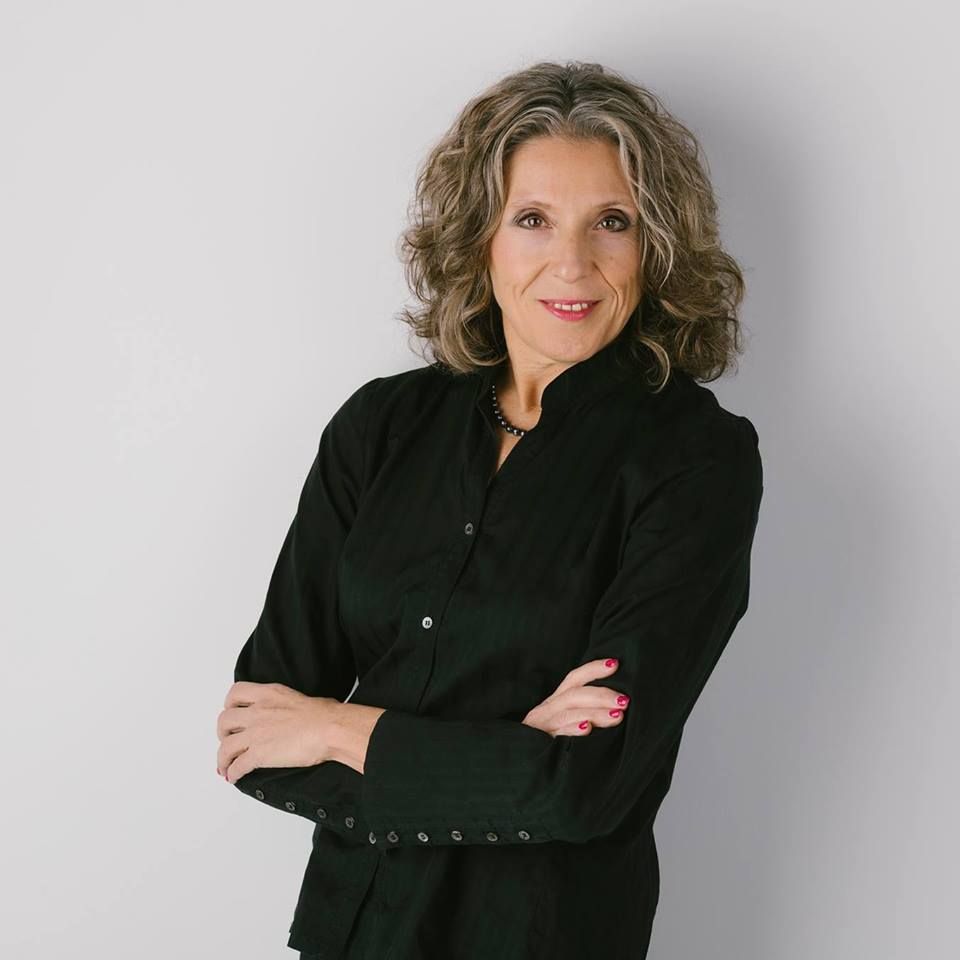
An Interview with Dr. Pam Popper
on Choice, Corruption, and the
Cure for Healthcare
By UNBEKOMING
AUGUST 14 AT 4:02 AM
(Condensed interview w/ Dr. Pam Popper)
1. What sparked your interest in healthcare advocacy and led to founding Wellness Forum Health?
* Mother’s 25-year medical decline from rheumatoid arthritis shaped her fears.
* Father lived into his 90s with a healthier approach, offering contrast.
* Personal struggle with obesity; lost 50 lbs after reading John McDougall’s book.
* Positive transformation inspired deeper research and career redirection.
* Realized this was her calling after drifting through unfulfilling jobs.
2. Why did you begin questioning the evidence behind commonly prescribed medications like statins?
* Initially focused on nutrition, but observed some clients stayed ill.
* Realized some issues were caused by medical interventions, not poor diets.
* Statins lower cholesterol but provide minimal event prevention in primary prevention.
* Poor risk-benefit ratio; misleading belief that drugs negate need for lifestyle change.
* Investigating this gap reinforced the importance of diet and lifestyle changes.
3. What lifestyle changes can improve the statistic that only 9% of adults reach 70 unimpaired?
* Diet: Average person eats a ton of food yearly—huge impact.
* Exercise: Essential for maintaining independence and avoiding frailty.
* Sunshine & Water: Clean water and vitamin D exposure important.
* Purpose & Social Connection: Critical to avoid isolation and disengagement.
* Blue Zones: Offer great examples of longevity through lifestyle and community.
4. How did you start focusing on the disconnect between cancer treatments and patient outcomes?
* Realized the system treats markers, not root causes (e.g., tumors vs. terrain).
* Early exposure to critics of mainstream medicine, including McDougall.
* Learned cancer drugs often approved on surrogate markers (e.g., tumor shrinkage), not survival.
* FDA’s compromised by pharma funding and revolving door hiring.
* Emphasizes systemic corruption and lack of follow-up on drug efficacy.
5. What is “choice architecture” and how does it influence behavior change?
* Designing your environment to encourage desired habits.
Examples:
* Only keeps healthy sweets at home—friction deters junk food.
* Batch cooks to make healthy eating convenient.
* Client sleeps in workout clothes to reduce resistance to exercise.
* Most people unconsciously design lives around current (often poor) habits.
6. What areas of medicine are overdue for paradigm shifts?
* Reductionism: Over-focus on symptoms and surrogate markers (e.g., cholesterol, PSA).
* Medicine needs to prioritize root cause analysis over symptom suppression.
* Criticizes supplement industry for mimicking pharma’s reductionist model.
* Challenges the belief that aging = breakdown—bodies are resilient.
* Wants to reframe aging as a powerful phase, not a decline.
7. Why do you oppose PSA testing for prostate cancer?
* Data shows minimal life-saving benefit; mostly causes false positives and anxiety.
* Overtreatment is common—often unnecessary and harmful.
* Emphasizes focus on cancer prevention, not early detection via unreliable tests.
* Notes parallel issues with mammograms and other screenings.
8. Why is proactive screening often problematic?
* Analogy: Inviting contractors to “find problems” in your house leads to unnecessary repairs.
* Same logic applies to health—constant searching = overtreatment.
* Better to address clear issues as they arise, rather than go looking for trouble.
9. How do you approach the risks of biopsies and cancer patient decisions?
* Doesn’t advise—just provides data for informed decisions.
* Believes in individualized decision-making based on risk tolerance.
* Big decisions are uncomfortable—compare it to buying a house.
* Encourages ownership of health decisions, not blind deference.
10. Why do flu shots continue being recommended despite questions of efficacy?
* Pharma marketing = powerful influence; public is thoroughly conditioned.
* Vaccination history shows coercion, not effectiveness.
* Medical training flaws: Arrogance, groupthink, and historical misuse of authority (e.g., Nazi doctors).
* Criticizes “best practices” protocols from the ACA—leads to rote medicine, no clinical judgment.
* Doctors are often punished for going against protocol.
11. Is the training and practice of medicine too authoritarian?
* Doctors used to be small business owners, more patient-focused.
* Now, they’re employees in massive health systems, tied to debt and institutional loyalty.
* Resistance to the system is costly and rare.
* Admires independent doctors who prioritize integrity over conformity.
12. Do you see a pattern in promising medical research being abandoned, like Dr. Becker’s work? What contributes to this?
* Drug companies have outsized influence over research funding, hospitals, journals, and regulators.
* Low-cost treatments (e.g., ivermectin) are often ignored due to lack of profitability.
* Researchers who explore alternatives risk job loss or board scrutiny.
* Suppression doesn’t prove efficacy—alternative medicine has its share of quackery too.
* Proposed solution: Long-term, grassroots data collection like Dr. Esselstyn’s dietary studies.
* A tech infrastructure for volunteer-driven research could uncover overlooked treatments.
13. How can average people navigate a healthcare system dominated by financial interests?
* Emergency care is essential—don’t hesitate in life-threatening situations.
* For non-emergencies, delay decisions and research thoroughly.
* Use a practiced phrase to defer immediate acceptance of treatments:
“Thank you, I’ll look into this and let you know.”
* Anyone can learn to read medical literature and make informed choices.
* Most people, with the right information, would reject many unnecessary interventions.
14. How has pharmaceutical power over Congress and media evolved during your career?
* Pharma has grown more powerful—dominates TV ads and editorial control.
* Drug companies fund ~60% of the FDA’s budget, influencing approvals.
* Example: FDA approved a failed Alzheimer’s drug under questionable circumstances.
* Criminal fines are negligible—treated like minor business expenses.
* Three pharma lobbyists exist for every U.S. congressperson.
* Corruption reaches state legislators and media; dissent is often silenced.
* Behavior described in Peter Gøtzsche’s Deadly Medicines and Organized Crime is common.
15. How do you maintain your resolve despite threats and intimidation?
* Strong belief in purpose and protection through faith.
* Easier decision to speak out due to not having dependents.
* Some risks are worth taking—someone must act.
* Goal is to build large movements to apply pressure through numbers.
* Despite fear and threats, the mission is worth the cost—would do it again.
16. What happened with Dr. Varma, and why is it significant?
* Varma, a CDC-trained “COVID czar” in NYC, enforced strict lockdowns and mandates.
* Privately, he and his wife held unmasked sex parties and raves during lockdowns.
* He admitted hypocrisy in private conversations; these were recorded.
* Lost a $2 million pharma job as a result; now works at a transgender clinic.
* Helped reopen lawsuits for fired EMTs, police, and firefighters.
* Used the scandal to file a complaint with the medical board.
* Example of public health corruption and double standards.
17. Have you read Peter Duesberg’s Inventing the AIDS Virus?
* Yes—dissertation was on this subject.
* Fauci used the same suppression tactics on Duesberg as on COVID dissenters.
* Duesberg’s funding was cut; he was removed from media appearances.
* Fauci tried to position himself as a hero during both AIDS and COVID.
* The new book (Conversations with Pam) will cover these themes extensively.
18. What should doctors be legally required to share under informed consent laws?
* Laws require disclosure of:
* Diagnosis
* Proposed treatment
* Risks and benefits
* Alternatives
* The option to do nothing
* “Doing nothing” is a valid choice in many cases (e.g., elderly patients with cancer).
* These laws are widely ignored in daily practice.
19. How do “Food Over Medicine” clubs and “Make Americans Free Again” work?
* Inspired by Tip O’Neill’s “All politics is local.”
* Food Over Medicine clubs:
* Local gatherings to learn about health, diet, and food systems.
* Emphasis on education, not dogma; people gravitate to better choices naturally.
* Aim: Create 10,000+ clubs to change culture through informed learning.
* Make Americans Free Again (MAFA):
* Focused on lawsuits and political activism.
* Petitions, rallies, and emails are ineffective.
* Legal action (as with Big Tobacco) and organized voting blocs are key strategies.
* Aim: 20,000+ active members per legislative district to swing elections.
* Power returns to people through numbers and coordination.
20. What are your current priorities with Wellness Forum Health and MAFA? How can people get involved?
* Free resources:
* Weekly newsletter (Monday) and video updates (Tuesday & Thursday).
* Free educational programs throughout the year—subscribe to stay updated.
* Membership:
* $99/year for Wellness Forum Health includes access to foundational courses and library.
* Empowers individuals to take control of their health through education.
* MAFA activism:
* Courts are the only functioning government branch for reform.
* Legal action combined with organized civic pressure is the path forward.
* Message to citizens:
* Prepare for inconvenience; freedom requires effort and sacrifice.
* Choose your inconvenience: minor activism now or major tyranny later.
* Thursday MAFA meetings are less inconvenient than state overreach.
* Websites to connect:
www.wellnessforumhealth.com
www.drpampopper.com
www.makeamericansfreeagain.com