Dec 7, 2025
Month: December 2025
RFK Jr.: School Vaccinated Child Without Parental Consent
Dec 7, 2025
If a provider stands between you and your child, HHS is going to step in,” he said.
https://www.newsmax.com/politics/rfk-hhs-vaccines/2025/12/05/id/1237280/
Z Z JAMES EARL JONES READS THE BIBLE ✝️🕊️🌴
Dec 7, 2025 of Low-SOS Vegan Plan
(This blog began 3/15/2015)
MEDITATION:
* Christ the Healer audiobook
* K Copeland Healing Verses
* James Earl Jones reads the Bible audiobook
EXERCISE:
* Jog 5k outdoors
* PT APP workout
–lower body stretch/stengthening
* TRX strap resistance workout & dumbbells (bicep, tricep, chest, back, shoulders)
WATER:
(2) × (32) = 64 oz (+)
EATS:
* oatmeal w/ warm water, fresh pomegranate, mango
* chopped gorilla salad w/ home made creamy (few soaked cashews) oilfree Italian dressing
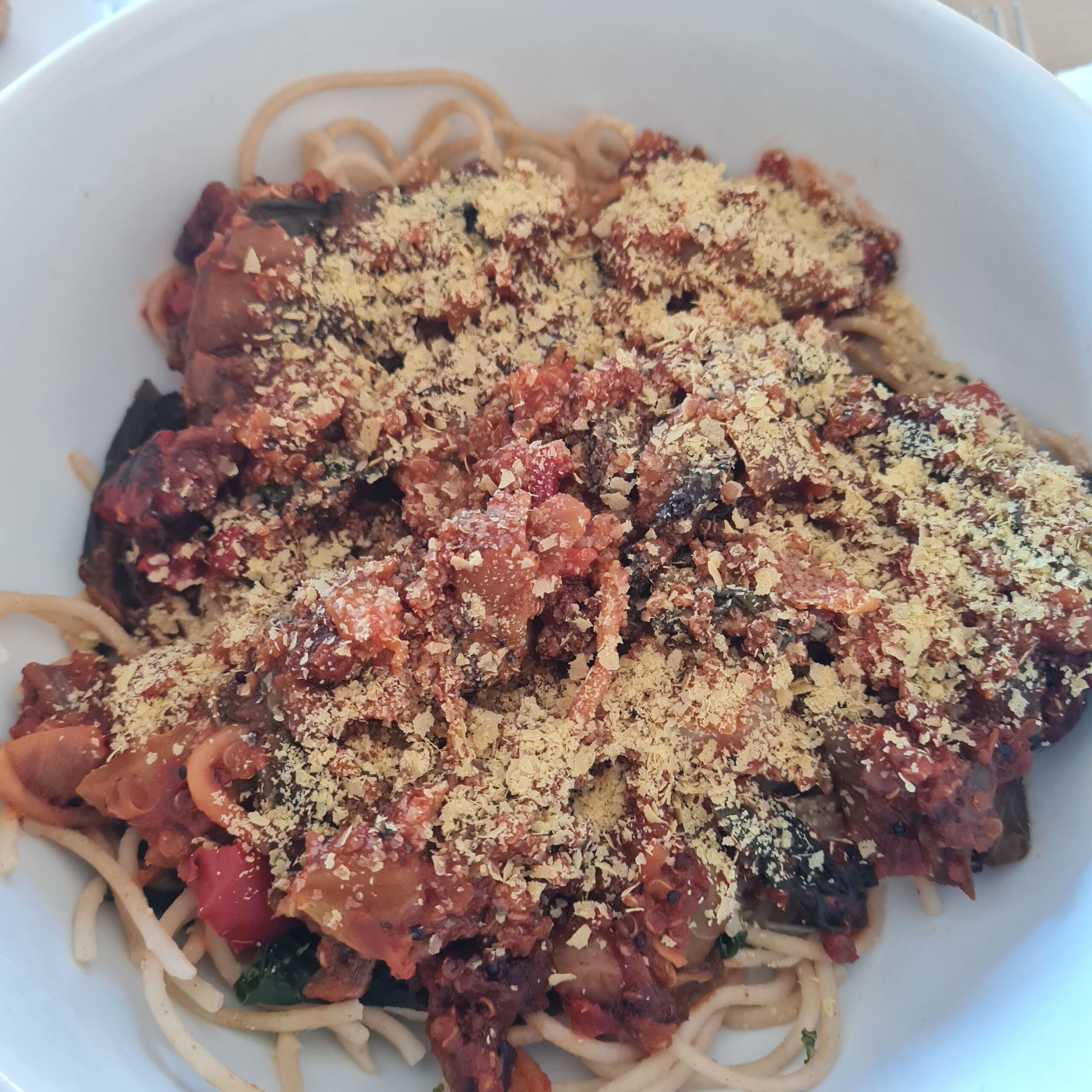
* whole wheat spaghetti w/ very veggie quinoa-thick tomato gravy & one slice multigrain sourdough toast
* plain sparkling water w/ shot of soft XL-drink
* pistachios
… SUN HAS SET …
Cmmt: XL indicates uncommonly excessive food, and wautéed means water-sautéed
Healing Scriptures read by Dodie Osteen
Forty-four years after her cancer diagnosis/healing in 1981, living healthy and strong, Ms. Dodie passed July 2025 at 91 years old.
1 hour version:
https://youtu.be/1pvdYE6tvoY?si=0pB0H6r1NOTy5klv
6 hourversion:
Guard Your Words, Guard Your Life
mRNA in our food
Hey friend,
I was reading through some disturbing news this morning…
And it hit me like a punch to the gut.
They’re putting mRNA technology in our beef supply now.
While we were all distracted by elections and political theater…
They quietly moved to the next phase.
Our food.
This isn’t some distant threat we need to worry about someday…
This is happening right now.
And most people have no idea.
Here’s what really gets me…
I’ve spent years documenting how the medical establishment poisoned us…
How they lied to us about “safe and effective”…
How they put profits over people.
And now they’re coming for our food supply.
The same playbook.
The same deception.
The same result.
But here’s the thing…
We don’t have to be victims this time.
We can choose differently.
We can take control.
Find a local rancher.
Look them in the eye.
Ask them directly: “Do you use mRNA vaccines on your cattle?”
If they don’t know what you’re talking about…
That should tell you something.
If they say yes…
Find another rancher.
If they say no and can prove it…
You’ve found your family’s food source.
This isn’t about being paranoid…
It’s about being responsible.
About protecting the people you love.
My family has found two local ranchers in our area…
All of them committed to raising clean, healthy cattle.
No mRNA.
No unnecessary interventions.
Just good, honest beef.
The way it should be.
The way our grandparents ate.
The way our children deserve to eat.
This week, I challenge you…
Find your rancher.
Ask the hard questions.
Take back control of your family’s health.
If you can’t find a local rancher, check out these resources that can help start your search…
Beefinitiative.com
and
Farmmatch.com.
Or just start asking around.
Because nobody else is going to do it for you.
In truth and service,
Mikki Willis Father | Filmmaker
P.S. You’d be amazed how many people in your community are already connected to clean food sources.
Sometimes the best recommendations come from neighbors who care about their families as much as you care about yours.
Our Mission
The Plandemic documentary series represents one of the most significant independent media achievements in modern history—reaching over one-eighth of the global population despite unprecedented censorship efforts. Released beginning May 4, 2020, these films exposed critical truths about gain-of-function research, medical corruption, and systematic suppression of effective treatments.
Our mission has always been to awaken people to uncomfortable truths through compelling documentary filmmaking, strategic truth-telling, and fearless investigation into topics the mainstream media refuses to explore. We believe that informed citizens are the foundation of a free society, and that truth—however difficult—must be preserved and shared.
The Plandemic series stands as proof that independent media can reach more people than corporate propaganda when the message resonates with truth. We continue this work to ensure these documented revelations are never forgotten and that similar deceptions are prevented in the future.
Affiliate Compensation & Resource Recommendations
If you purchase anything Plandemic or Mikki Willis Presents recommends through this platform or our communications, we will likely receive some form of affiliate compensation. However, we only recommend products, services, and resources that align with our core mission of health freedom and truth-telling.
Given the subject matter of our films and the experiences of our community, we are especially selective about health-related recommendations. We understand that many of our viewers have been harmed by trusting institutions that failed them, so we approach any product endorsements with extreme care and personal vetting.
Our Standards:
Products we personally use or would recommend to family Companies that support health freedom and medical choice Resources that empower individual decision-making Services that respect privacy and personal sovereignty
If you ever have an issue with anything we recommend, please contact us immediately. Our integrity and your trust matter deeply to us.
Health & Medical Information Disclaimers
The Plandemic films and related content document real events, scientific research, and expert testimonies about medical and public health topics. However, this content is presented for educational, documentary, and investigational purposes only—not as personal medical advice.
FTC Compliance & Funding Transparency
Plandemic and Mikki Willis Presents may receive compensation through:
Affiliate partnerships with aligned companies Donations and crowdfunding for ongoing projects Speaking engagements and educational partnerships Merchandise and educational material sales
Unlike mainstream media outlets funded by pharmaceutical advertising, our revenue comes directly from our community and ethical partnerships. This independence allows us to investigate and report on topics that corporate media cannot touch.
We do not accept funding from pharmaceutical companies, government health agencies, or organizations with conflicts of interest related to the topics we investigate. Our independence is non-negotiable.
Legal Disclaimers & Protections
The Plandemic series represents protected journalistic and documentary work investigating matters of significant public interest. Our content is protected under First Amendment freedoms of speech and press.
Plandemic, Mikki Willis, and associated entities provide documentary content for educational and informational purposes. We are not liable for personal decisions made after viewing our content or for outcomes resulting from any recommended resources.
Dec 6, 2025 of Low-SOS Vegan Plan
(This blog began 3/15/2015)
MEDITATION:
* Charles Capps audio
* Christ the Healer audiobook
EXERCISE:
* PT APP workout
–lower body stretch/stengthening
* Leisurely bike ride 90 minutes around the lake
WATER:
(2) × (32) = 64 oz (+)
EATS:
* leftover black beans, broccoli & sourdough toast
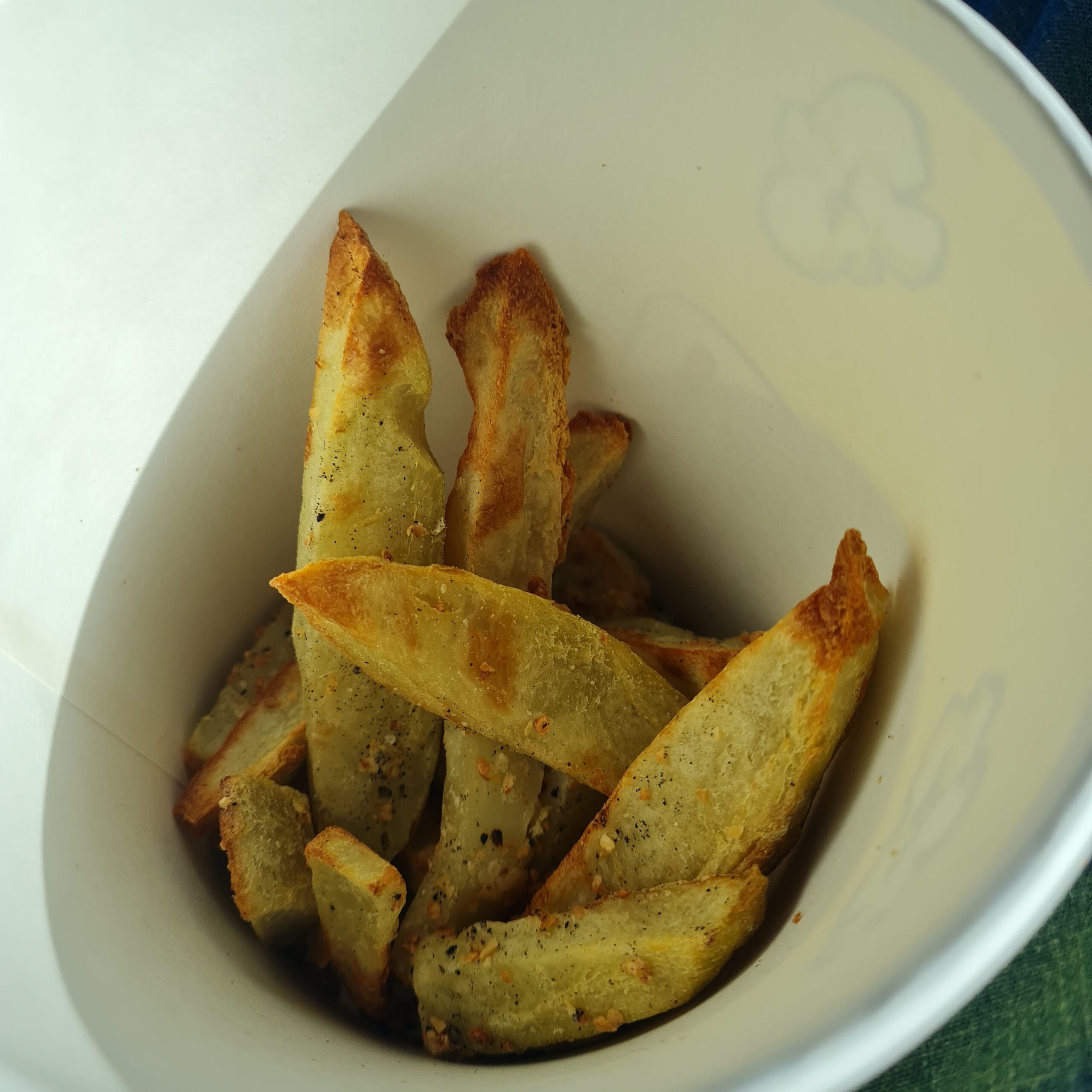
* airfried baked potato
* red grapes
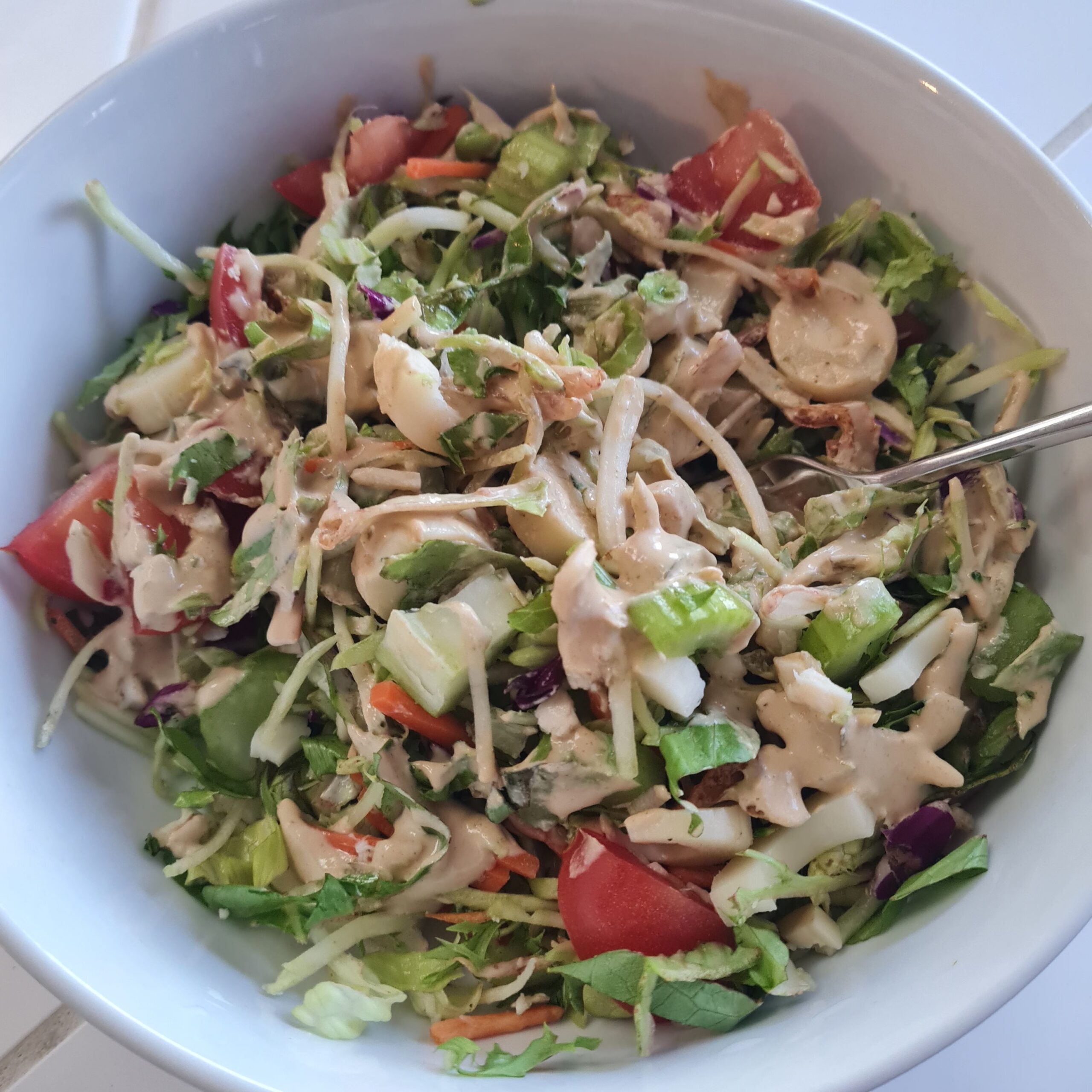
* chopped gorilla salad w/ home made creamy (few soaked cashews) oilfree Italian dressing
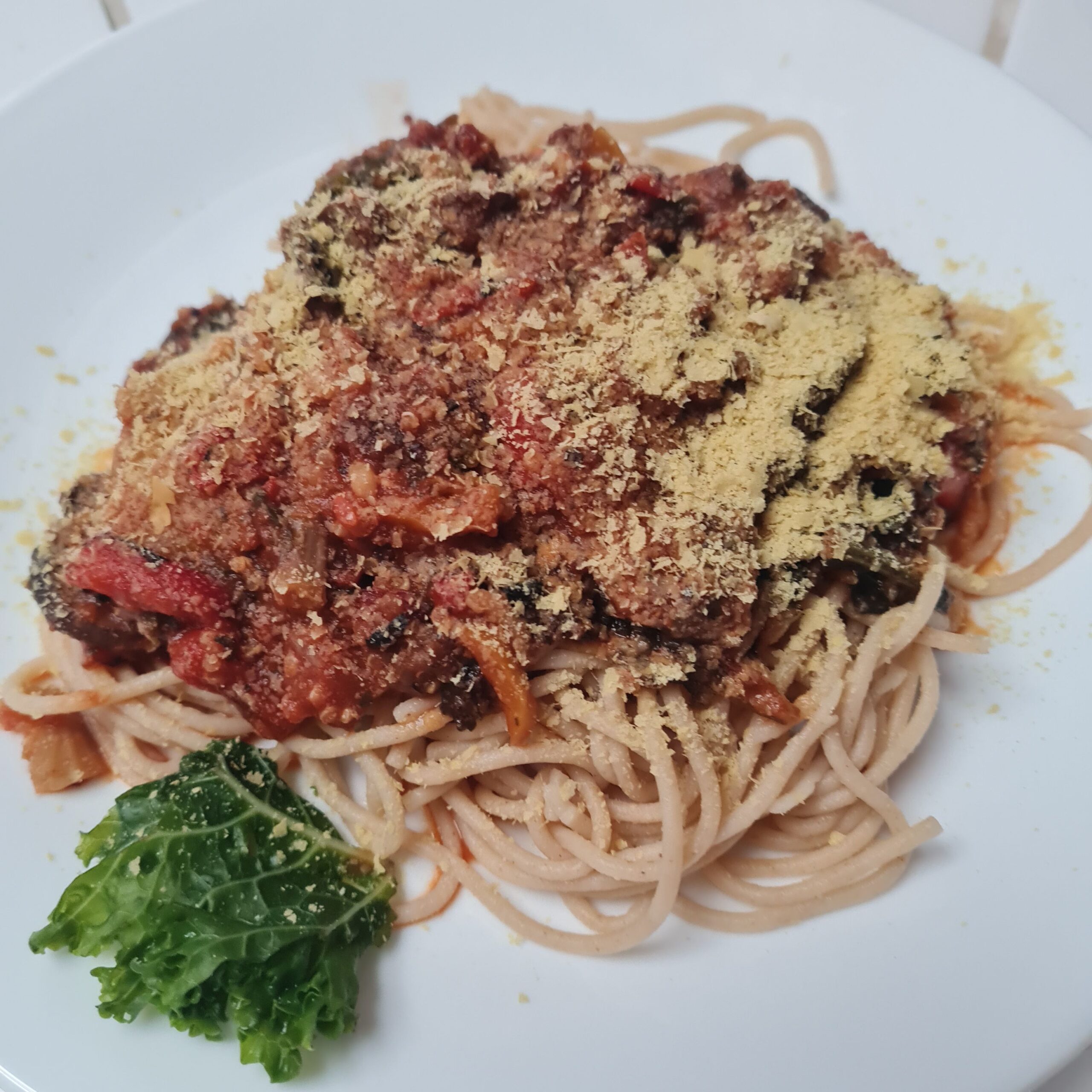
* whole wheat spaghetti w/ very veggie quinoa-thick tomato gravy
* plain sparkling water w/ shot of soft XL-drink
… SUN HAS SET …
* extra thin sliced raw almonds & few jr mints
Cmmt: XL indicates uncommonly excessive food, and wautéed means water-sautéed
Dec 5, 2025 of Low-SOS Vegan Plan
(This blog began 3/15/2015)
MEDITATION:
* Charles Capps audio
* K Copeland Healing Verses
EXERCISE:
* Powerwalk 4 miles indoors
* PT APP workout
–lower body stretch/stengthening
WATER:
(2) × (32) = 64 oz (+)
EATS:
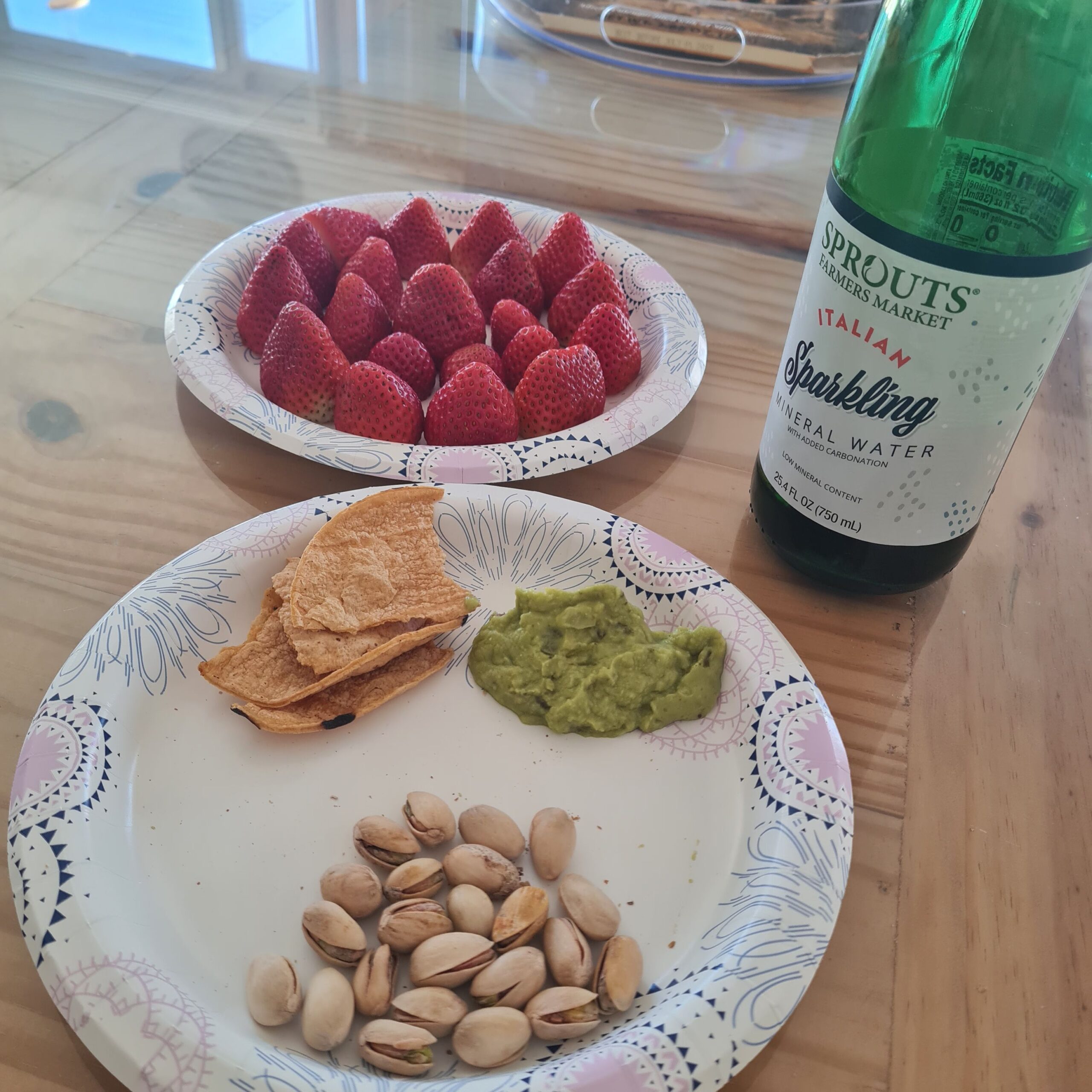
* one tortilla, pistachios, avocado
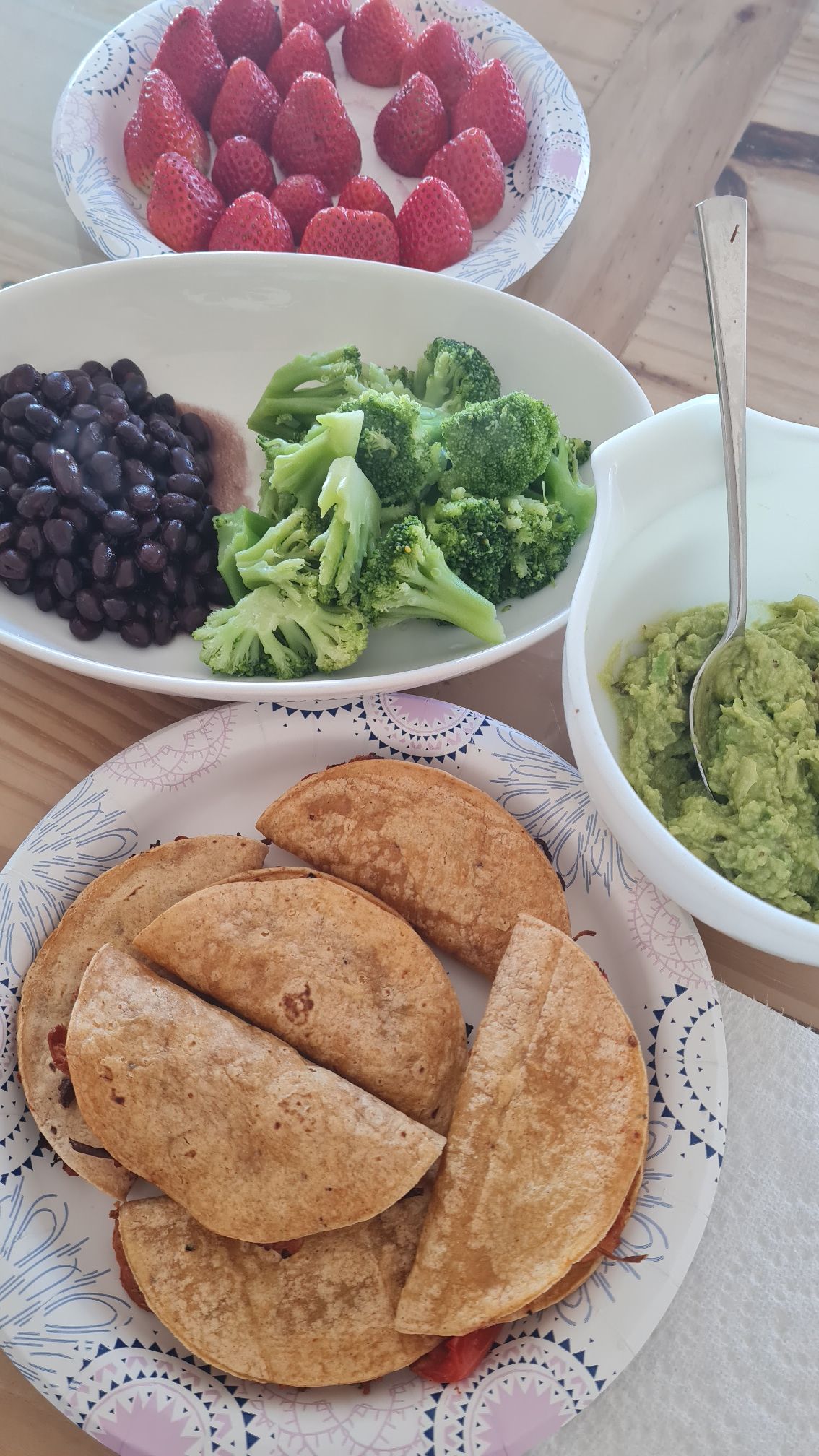
* rehydrated, then grilled soy curl /onion/tomato mini tacos (airfried), steamed broccoli, blackbeans, avocado & strawberries
* plain sparkling water w/ shot of soft XL-drink
… SUN HAS SET …
Cmmt: XL indicates uncommonly excessive food, and wautéed means water-sautéed
Why Jesus is Alive | World’s Highest IQ Record Holder
As the world’s highest IQ record holder, I declare with full conviction: Jesus Christ is alive. Here is the scientific explanation for why Jesus is alive.