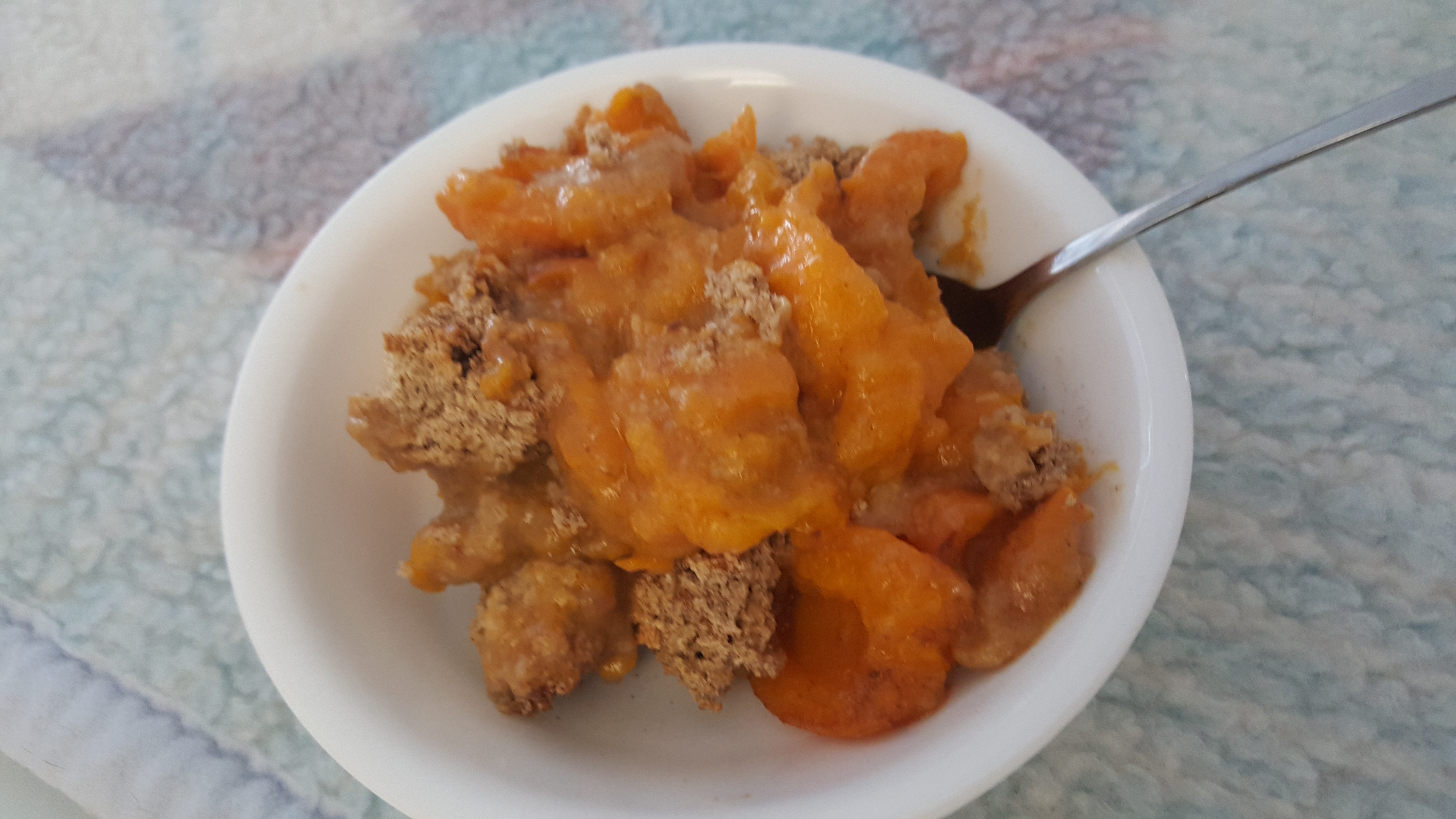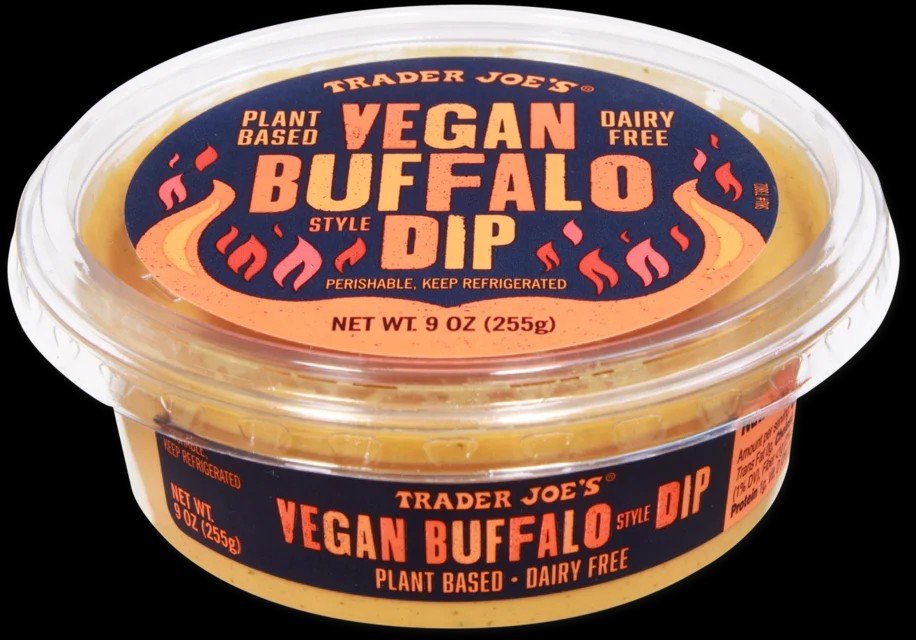
INGREDIENTS:
CAULIFLOWER, CAYENNE PEPPER SAUCE (AGED CAYENNE PEPPERS, DISTILLED VINEGAR, SALT, DRIED GARLIC), RED PEPPERS, CARROTS, PUMPKIN SEED KERNELS, SUNFLOWER OIL, RED ONIONS, OAT FLOUR, LIME JUICE, WATER, CILANTRO, GARLIC, SEA SALT.
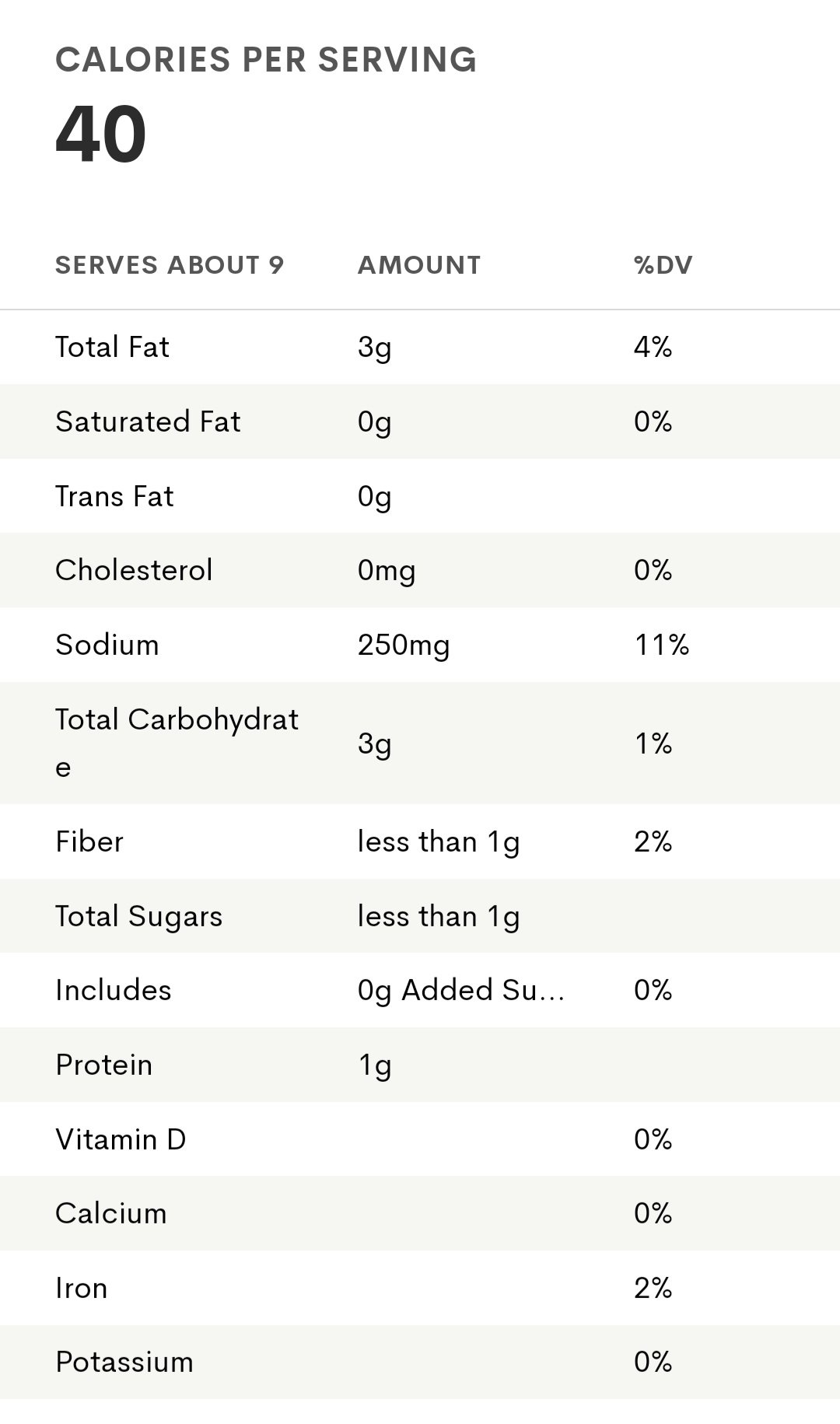
INGREDIENTS:
CAULIFLOWER, CAYENNE PEPPER SAUCE (AGED CAYENNE PEPPERS, DISTILLED VINEGAR, SALT, DRIED GARLIC), RED PEPPERS, CARROTS, PUMPKIN SEED KERNELS, SUNFLOWER OIL, RED ONIONS, OAT FLOUR, LIME JUICE, WATER, CILANTRO, GARLIC, SEA SALT.

(I substitute homemade date-paste, or blackstrap molasses for the maple syrup)
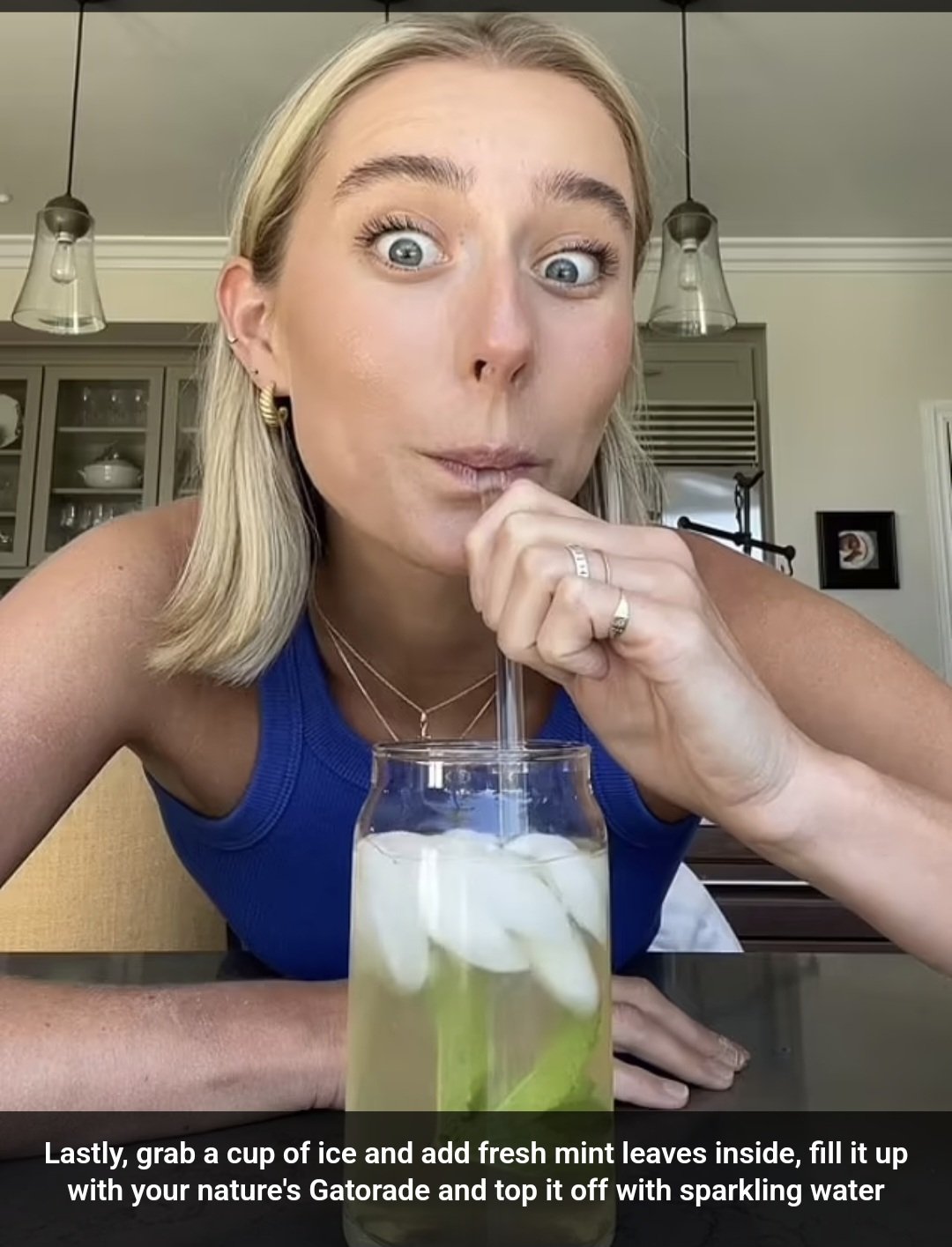
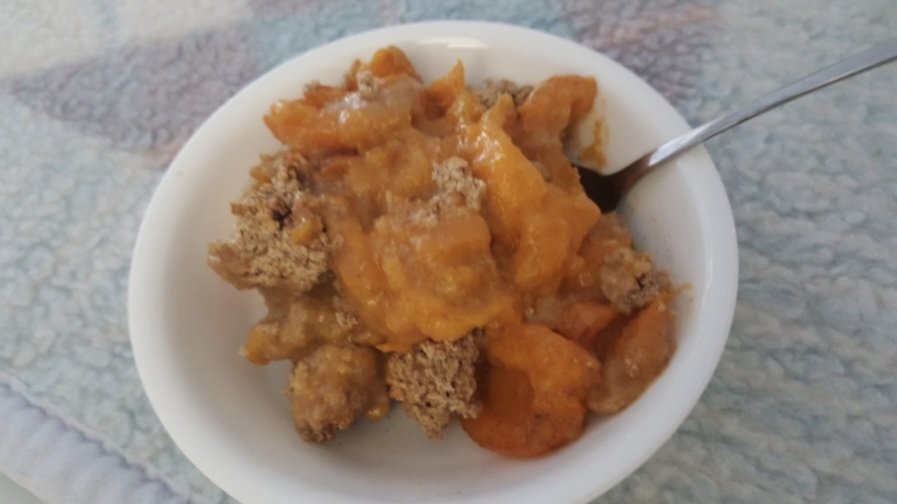
I used this recipe to make apricots cobbler:
For the biscuit topping:
* ½ cup unsweetened nondairy milk
* 2 ounces pitted dates (3 to 4 Medjool or 6 to 8 Deglet Noor), chopped
* ½ very ripe banana, sliced
* 1 teaspoon vanilla extract (or seeds from 1 vanilla bean)
* 1 ½ cups old-fashioned rolled oats
* 1 ½ teaspoons baking powder
* ¼ teaspoon cinnamon
The fruit:
* 2 cups fresh or frozen pitted and sliced peaches (about 4 medium peaches)
For the fruit sauce:
* 1 cup water (or fruit juice)
* 2 ounces pitted dates (3 to 4 Medjool or 6 to 8 Deglet Noor), chopped
* 2 tablespoons lemon juice
* ¼ cup old-fashioned rolled oats
* ½ teaspoon cinnamon
INSTRUCTIONS
* To start the biscuit topping, place the nondairy milk, dates, banana, and vanilla into a small bowl, and set aside for at least 15 minutes (so the dates can soften).
* Grind the 1 ½ cups of rolled oats (for the biscuit topping) and ¼ cup of rolled oats (for the fruit sauce) into flour with a blender. You can grind these together if you like; just measure out 1 ½ cups and ¼ cup of flour afterwards, and set aside.
* For the fruit, place the peaches and blackberries into a medium bowl (if frozen, rinse under warm water first).
* Preheat the oven to 375°F. Set aside an 8 x 8-inch baking pan (no parchment paper is needed).
* To make the fruit sauce, place the water (or juice), dates, and lemon juice into the blender, and blend until smooth. Add the ¼ cup of oat flour and the cinnamon, and blend again until smooth.
* Pour the fruit sauce into the bowl of peaches and blackberries, and toss. Spread evenly into the pan.
* To finish the biscuit topping, whisk the remaining 1 ½ cups of oat flour and the baking powder and cinnamon together in a medium bowl.
* Pour the soaking ingredients (milk, dates, banana, and vanilla) into the blender, and blend until smooth.
* Add this mixture to the bowl of dry ingredients and mix well.
* Spread the batter over the fruit and sauce (in the baking pan), somewhat evenly but with some gaps of fruit in between. Bake uncovered for 25 to 30 minutes, or until the topping is lightly browned. Let cool for at least 10 minutes before serving.
http://www.straightupfood.com/blog/2012/07/30/blackberry-peach-cobbler/
1 C split peas
1.5 C water to boil
Simmer until water absorbed
2 T chickpea flour
Mash
1 C chopped walnuts
2 T chopped parsley w/ stems
2 cloves garlic chopped
Salt & pepper
https://youtu.be/O5d8v2QJQxg?si=LIfgWWwcsPi4rdgu
INGREDIENTS:
1 C chickpea flour (recipe below)
2-2/3 C Water
1/3 C vegan fish sauce
1-1/2 t sea salt
blackening seasoning (recipe below)
INSTRUCTIONS:
Add all ingredients (except blackening seasoning) into a high speed blender and blend until smooth.
Transfer to a high walled pot on medium high heat and with a whisk be sure to stir continuously to prevent any lumps or stuicking to the bottom of the pot.
Bring to a soft boil (reduce the heat if needed) and cook for 5 minutes.
Transfer to a baking dish and allow to cool.
Once chickpea is set, cut into filets (score lines across top to make it flakey) and use as desired.
Sprinkle top w/ blackening seasoning & bake your chickpea filets for a minimum of 25 minutes at 350F to firm it up and reduce it’s moisture content
****************
* HOW TO MAKE CHICKPEA FLOUR AT HOME
Method A: Grind dry chickpeas in high speed blender (1 C dry ground chickpeas = 1.5 C flour)
Method B: Grind smaller amount in a coffee grinder & sift to remove large pieces.
Substitute wheat or oat flour w/ HALF chickpea flour.
****************
* BLACKENING SEASONING
2 tablespoon smoked paprika (or use regular paprika)
1 tablespoon cayenne powder (use more for a spicier blend)
1 tablespoon onion powder
1 teaspoon garlic powder
1 teaspoon ground black pepper
1 teaspoon sea salt
½ teaspoon dried basil
½ teaspoon dried oregano
½ teaspoon dried thyme
****************
Every Day Vegan Food; an introduction to the versatility of vegan cooking. Over 100+ Recipes Mock Meats, Roasts, Salads, Soups, Sandwiches, Sides, Desserts. Breads, Pastas, Breakfast, and More! Download your copy now: https://www.korennrachelle.com/cookbo…
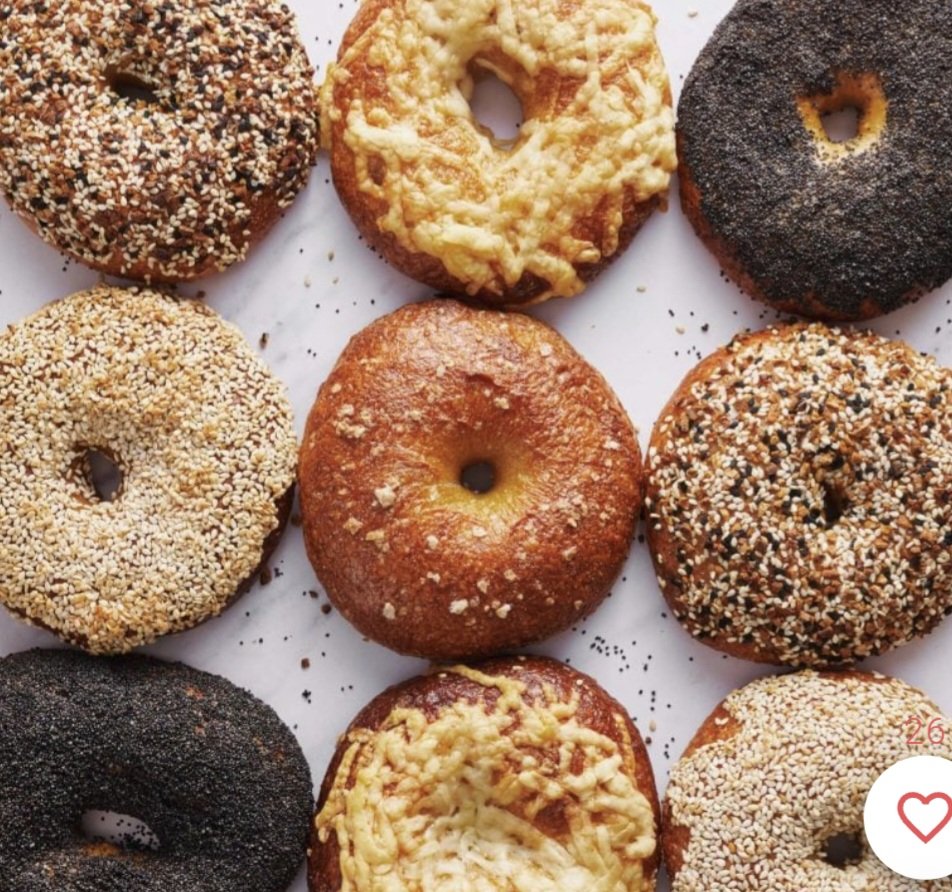
Blogger Bethenny Frankel admits that she made the ‘rookie mistake’ of storing a batch of bagels in her fridge, which had left them ‘too dense and hard.
But she’d heard of a way to reverse the condition: ‘Rinse it off and then put it in the oven 8or air fryer.’
This method may also work on dry baguettes!
In this video I show you how to grow broccoli sprouts and it is Super Easy. It only takes 5 days! Broccoli sprouts are a good for anti aging, I use mason jars with stainless steel lids. Broccoli sprouts have been cited to be good for helping with cancer, autism, anti aging and more.
Jar / Lids Set https://amzn.to/46KiHOC
These are the filters I use with the lids. https://amzn.to/46tsKHT
Seeds https://amzn.to/3PRWyrY
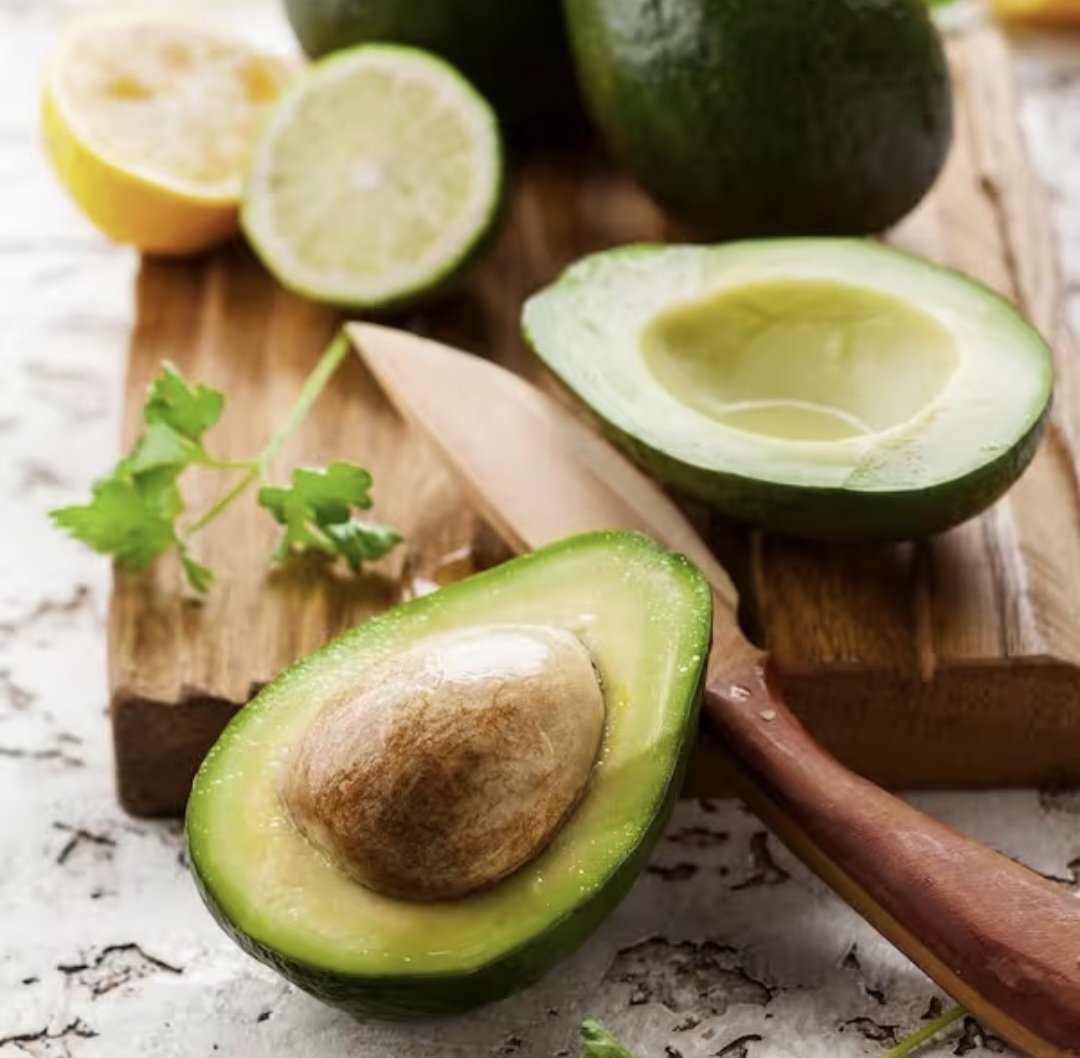
Avocados are certainly much higher in calories and fat content than most other fruits or vegetables. But that’s also what makes them so special. Avocados and avocado oil provide monounsaturated fats, mostly in the form of heart-healthy oleic acid, and alpha-linolenic acid, an omega-3 fatty acid, which actually work to keep your levels of unhealthy cholesterol (LDL) down while raising levels of good cholesterol (HDL.) This contributes to overall better heart health and a significant reduction in the risk of cardiovascular diseases.
Avocados have the power of potassium.
Potassium is necessary for your body to regulate cellular fluid levels, for muscle contractions including regulating your heartbeat, and for nerve functions. Potassium also allows the body to process proteins and carbohydrates. If your potassium levels are too low, you can suffer from muscle weakness or an arrhythmia of your heart. One avocado can have over 650 mg of potassium, making it one of the best sources God has provided of this important electrolyte.
Avocados are plentiful with folate.
This is wonderful news for women of child-bearing age. Folate, which is the natural form of the supplement known as folic acid, is a powerful preventative when it comes to birth defects. It’s recommended that women consume around 400 mcg a day when they’re of childbearing age—in order to maintain a healthy level of folate before they are even pregnant, as birth defects can develop extremely early on in pregnancy. One avocado can contain one-fifth of that, making it one of the Earth’s most folate-filled foods.
Avocados do not cause weight gain.
For as much healthy fats and fatty acids as avocados contain, they have not been shown to contribute to body weight gain. One study showed that people whose diets included one avocado daily did not gain overall weight, which means that all those amazing health benefits of eating avocados, like a reduction in LDL cholesterol, does not come paired with weight gain. Yet another study even suggested that an avocado a day could help redistribute belly fat in women; there was a positive shift in the ratio of visceral fat, which is deeper and closer to the organs, to subcutaneous fat, right beneath the skin. People with a higher percentage of visceral fat are at a greater risk for diabetes. So, even if not contributing directly to weight loss, an avocado a day might really keep the doctor away, at least when it comes to diabetes.
Avocados are full of fiber.
Fiber is a type of carbohydrate that, instead of being converted to sugar, passes through your body undigested. Your body needs fiber in order to regulate your blood sugar levels and keep hunger at bay. So the combination of fat and fiber in avocados works to regulate your appetite and keep you feeling full longer. Fiber also helps keep your gut microbiome healthy, which aids in fighting off inflammation caused by chronic diseases—and it has been shown to decrease your risk of developing diabetes, heart disease, and some digestive disorders. Fiber is fundamental!
Avocados can benefit your brain.
Avocados contain lutein. A Tufts University Study found that older adults who regularly consume avocados showed improved cognition; both their problem-solving skills and working memory became better and stronger. Strangely, subjects who consumed lutein supplements did not show the same results, showing that avocados somehow deliver lutein more effectively.
Avocados are nutrient powerhouses.
They provide many other important nutrients. Half an avocado can contain 20% of your daily recommendation of pantothenic acid, also known as Vitamin B5. Pantothenic acid helps digest food—especially fats—and turn it into energy. Avocados also contain lutein and zeaxanthin, which are essential for your eyesight and protect your eyes from the damaging ultraviolet rays of the sun. The vitamin E in avocados also benefits your eyes. Avocados offer Vitamin K, too, which your body needs to absorb calcium to keep bones strong and healthy. Even better, the high-fat content of avocados means that these vitamins are what’s known as “fat-soluble,” which means they are much easier for your body to absorb.
You can eat the seed, too!
What’s more, the seed of the precious avocado has so much to offer to a healthy vegan diet, too. Avocado seed extracts have antioxidant, anti-inflammatory, and anti-neurodegenerative properties. Avocado seeds can also fight fungal infections, cancer, hyperglycemia, and high cholesterol. Like the flesh of the avocado, the seed is super high in potassium and fiber. You can dehydrate avocado seeds in your oven and then grind them to a powder that you can sprinkle over any dish you like.
Our Favorite Ways to Enjoy Avocados
Looking for fun and creative ways to include avocados in your diet? Most of the recipes on our website that include avocado are also entirely raw, making it easy to stay faithful to The Hallelujah Diet. Try some of these unique dishes and combinations!
Dressings:
Blended avocado has so many uses. Here, it becomes a condiment rather than the main ingredient in a dish. This Avocado Dressing with lemon juice is a very basic two-ingredient, easy and delicious topping for any kind of salad you want! Here is a sweet twist: another simple two-ingredient Grape Juice and Avocado Dressing!
Dips:
These delectable dips will take you beyond guacamole. This Avocado Salsa spiced with cumin is an alternative to guacamole. This Cumin Avocado Dip gets an extra boost of flavor from almond butter. And this Creamy Spinach Dip with avocado gets the health benefits of the calcium-packed superfood spinach.
Salads:
Avocado gets to be the focus of attention when it’s the main ingredient in these summery salads. This refreshing Raw Cucumber and Avocado Salad is a perfect summertime side. With hearty and filling black beans, this Black Bean and Avocado Salad would make a satisfying midday meal. This unique Grapefruit and Avocado Salad has an unexpected burst of zingy grapefruit and grapefruit juice.
Soups:
Chilled, invigorating summertime soups make a special accompaniment to a meal or can be a whole lunch or dinner. This Delightful Avocado Soup contains a variety of fresh, raw veggies—and you can substitute any ones you want or that are in season. Spice lovers will love Margarita’s Soupa, a tomato-based explosion of flavor—add some jalapeno for an extra kick. This hearty One-Step Creamy Corn Chowder is a sweet and savory seasonal soup.
Smoothies:
Creamy, rich avocados are the perfect addition to a satisfying, filling smoothie. A yummy and pretty traditional fruit smoothie gets extra creaminess from not just banana but also avocado in the Avocado Raspberry Banana Green Smoothie. Fresh herbs make this Mint-Basil Veg Smoothie sparkle with flavor. And if you’re feeling adventurous, try this savory, bitter Green Goodness Smoothie made with dandelion greens, parsley, spinach, and yes—avocado.
Desserts:
If our smoothie recipes don’t convince you that avocados aren’t only made for guacamole and toast, these desserts will! Sherrie’s Raw “Chocolate” Pudding is a delectable blend of avocado and carob powder that babies, adults, and everyone in between will love equally. This Avocado Lemon Pudding is made of all raw ingredients, just as The Hallelujah Diet recommends, and has a creamy texture and a fresh tangy lemon flavor. And finally, this incredible Simple Key Lime Pie, from Rhonda’s Culinary Creations, by The Hallelujah Diet’s own Rhonda J. Malkmus, utilizes avocado to obtain the custard-like consistency of a traditional key lime pie without dairy but with all the added benefits of avocado.