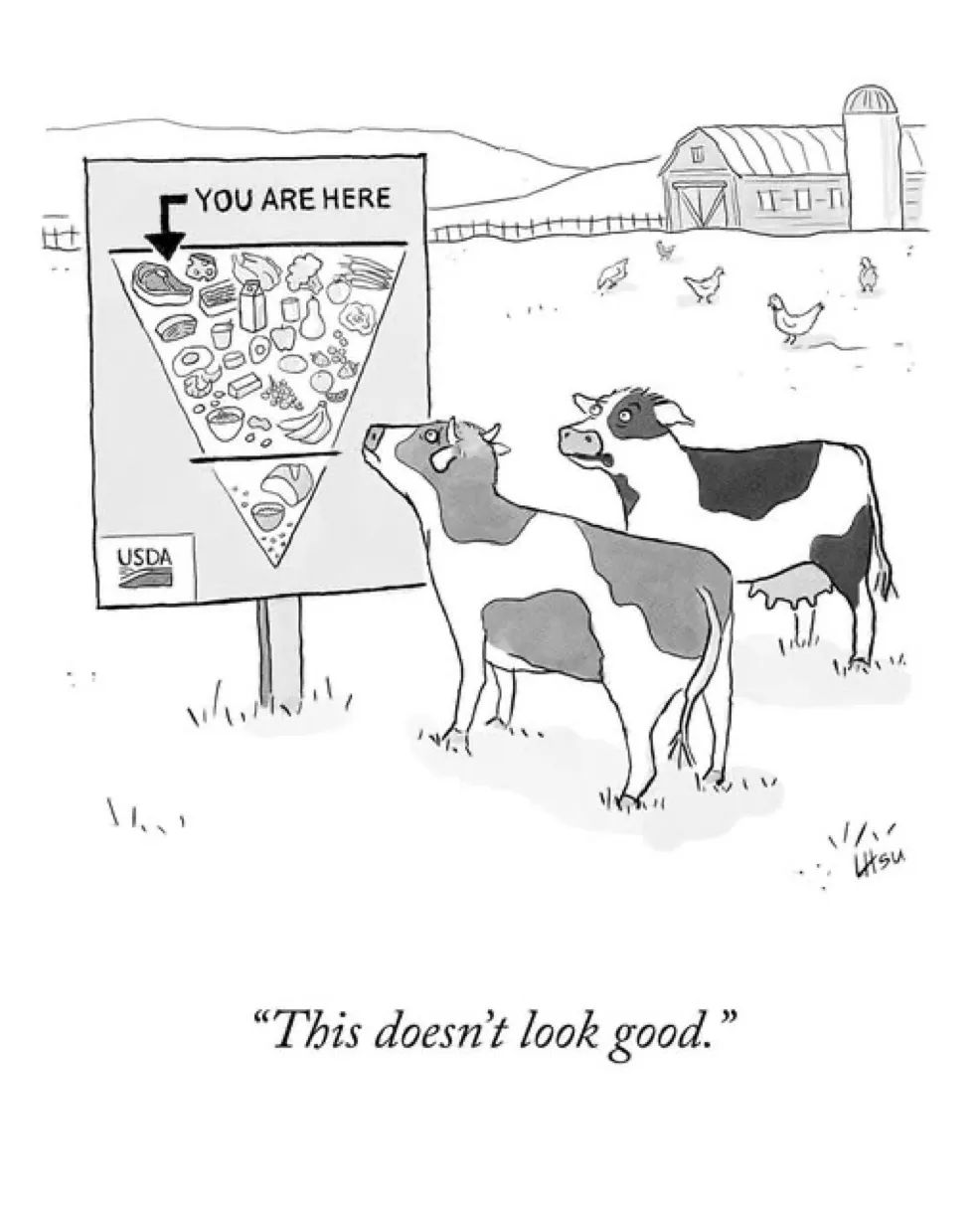
“What this tells us is that cows have the potential to innovate tool use, and we have ignored this fact for thousands of years,” lead author Antonio J. Osuna-Mascaró, a postdoctoral researcher at the University of Veterinary Medicine, Vienna, said in an email. “There are around 1.5 billion heads of cattle in the world, and humans have lived with them for at least 10,000 years. It’s shocking that we’re only discovering this now.”
Arthritis is not simply “wear and tear.” Many forms, including inflammatory conditions like rheumatoid arthritis, are driven by inflammation and immune dysfunction. What you put on your plate directly affects inflammation, immune response and joint health.
A starch-based, whole-food, plant-based diet has helped many people dramatically reduce joint pain, stiffness and swelling, often reducing or even eliminating the need for medication. In case after case, removing animal products, added oils and highly processed foods lowers inflammation and allows the body to heal.
How food affects arthritis
– A healthy gut matters. Whole plant foods strengthen the gut lining and reduce “leaky gut,” a trigger for immune reactions that worsen joint inflammation.
– Plants calm inflammation. Starches, vegetables and fruits are rich in antioxidants and natural anti-inflammatory compounds that support joint health.
– Low fat is key. Diets high in animal fat and oils promote inflammation. Keeping fat intake low appears especially important for inflammatory arthritis.
Simple changes can make a powerful difference. Replacing meat and dairy with potatoes, rice, beans, vegetables and fruit often leads to noticeable relief within weeks.
It’s not about restriction. It’s about giving your body the food it needs to heal.
Image credit: Dmytro Donets/iStock/Getty Images Plus via Getty Images
You know food has been irradiated primarily through labeling: look for the green Radura symbol (a plant inside a broken circle) and text like “Treated with Radiation” or “Treated by Irradiation” on the packaging or near bulk items like fruits and vegetables. While some scientific testing methods exist (like Electron Paramagnetic Resonance), they’re for labs, not consumers; the mandatory label is the key for shoppers.
What to Look For: – The Radura Logo: A green symbol with a plant inside a circle, often with dashed lines for rays. – Descriptive Text: Phrases such as “Treated with Radiation,” “Treated by Irradiation,” or simply “Irradiated”.
Where to Find It: – Packaged Foods: The symbol and statement must appear on the label. – Bulk Produce: A label must be placed next to the container in stores. – Restaurants & Multi-Ingredient Foods: Labeling might not be required for foods served in restaurants or in complex products like spices where irradiation is applied to a small ingredient.
Why It’s Important: Safety: Irradiation doesn’t make food radioactive; it’s a process similar to pasteurization to kill microbes, but labeling helps consumers make informed choices.
In summary, check the packaging for the specific Radura symbol and text to identify irradiated products.
The new Dietary Guidelines for Americans will shape how the U.S. eats for the next five years -but are they based on science or industry influence?
In this episode of The Exam Room Podcast, host Chuck Carroll is joined by Dr. Neal Barnard, Dr. Hana Kahleova, and registered dietitian Anna Herby to break down the good, the bad, and the troubling truths behind the newly released guidelines.
In this episode, you’ll learn:
– Why eight of nine panelists had major industry conflicts – How meat and dairy ended up at the top of the new food pyramid – Why protein recommendations were nearly doubled – The hidden risks of saturated fat, red meat and dairy – Why whole grains and legumes were minimized – What this means for heart disease, diabetes, and cancer risk – Why a legal petition has been filed to challenge the guidelines
Read the legal petition challenging the guidelines: click here
You can’t go wrong with leafy greens, but these standouts offer the biggest nutritional payoff.
By Lisa Valente, MS, RD Published on January 8, 2026
While you might be wondering which green is best to eat, they’re all pretty good for you, and eating a mix is a good idea. “Variety in greens gives you variety in nutrients as well as texture, flavor, and cooking times,” says Maggie Moon, MS, RD. “The darker the green, the more nutrient-dense it’ll be,” she adds.
If you enjoy or crave lighter lettuces, by all means add them to your plate. But if maximizing nutrition is your goal, consider these dietitian-recommended greens and lettuces.
1. Watercress
2. Arugula
3. Kale
4. Collard greens
5. Pea leaves (pea shoots)
6. Spinach
7. Perilla leaves (aka kkaennip in Korean cuisine)
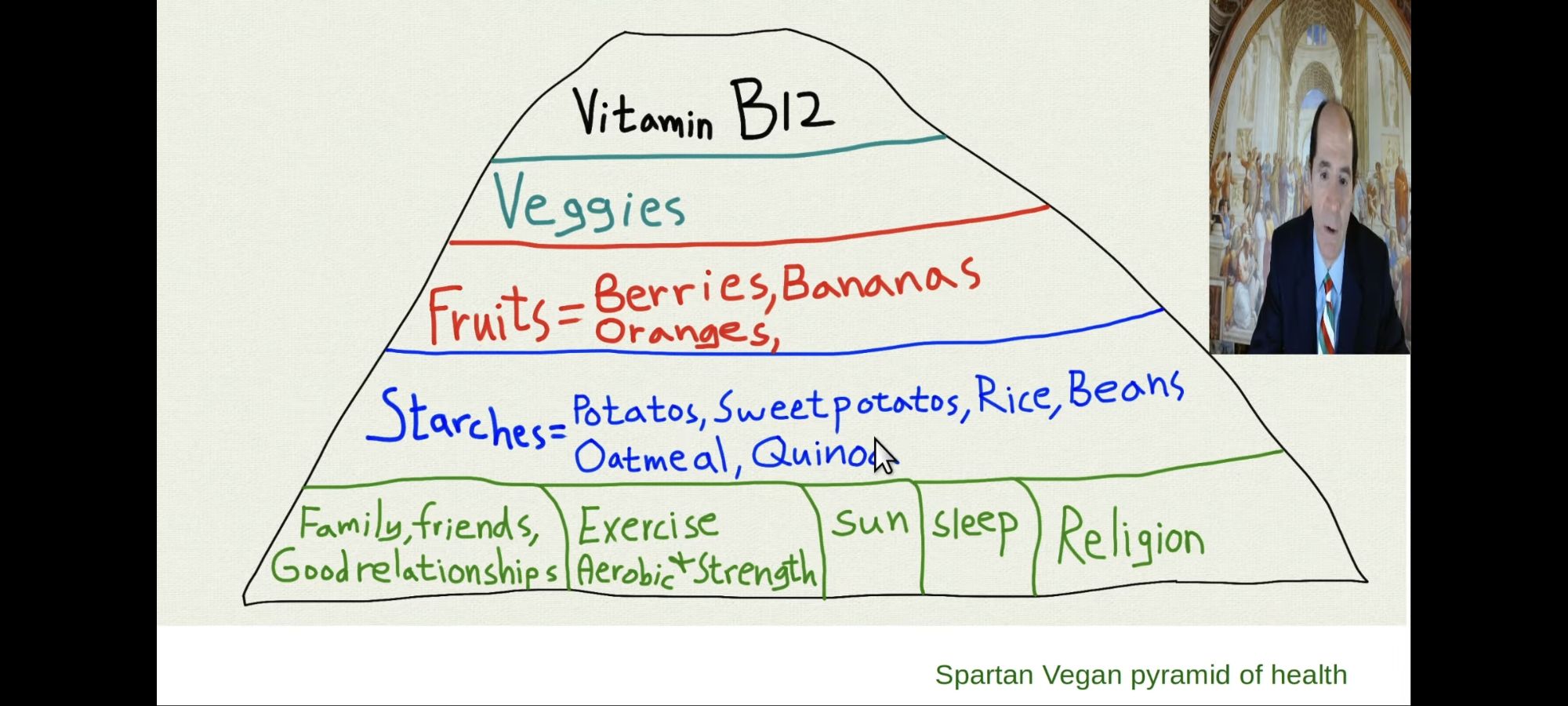
Yeah to some, nay to many. Can you see which are good/bad changes?
Specific guidance include:
Prioritizing Protein: While previous Dietary Guidelines have demonized protein in favor of carbohydrates, these guidelines reflect gold standard science by prioritizing high-quality, nutrient-dense protein foods in every meal. This includes a variety of animal sources, including eggs, poultry, seafood, and red meat, in addition to plant-sourced protein foods such as beans, peas, lentils, legumes, nuts, seeds, and soy.
Avoiding highly processed foods: For the first time, the Dietary Guidelines call out the dangers of certain highly processed foods – a common-sense and vital public health point. The guidance calls to “avoid highly processed packaged, prepared, ready-to-eat, or other foods that are salty or sweet” and “avoid sugar-sweetened beverages, such as soda, fruit drinks, and energy drinks.”
Avoiding added sugars: While previous Dietary Guidelines did not take a hard line against added sugar (especially for children), this guidance says, “no amount of added sugars or non-nutritive sweeteners is recommended or considered part of a healthy or nutritious diet” and calls on parents to completely avoid added sugar for children aged four and under.
Ending the War on Healthy Fats: The guidance calls for receiving the bulk of fat from whole food sources, such as meats, poultry, eggs, omega 3–rich seafood, nuts, seeds, full-fat dairy, olives, and avocados. When cooking with or adding fats to meals, the guidelines call for using the most nutrient-dense natural options with essential fatty acids, such as olive oil.
Heralding whole grains and avoiding refined carbohydrates: This guidance takes a firm stand to “prioritize fiber-rich whole grains” and “significantly reduce the consumption of highly processed, refined carbohydrates, such as white bread, ready-to-eat or packaged breakfast options, flour tortillas, and crackers.”
Including diets lower in carbohydrates to manage chronic disease: The guidance makes the science-based and common-sense recommendation that individuals with certain chronic diseases may experience improved health outcomes when following a lower carbohydrate diet.
Considering that only 1-3% of Americans identify as vegan, and about 4% of Americans identify as vegetarian (which includes vegans), we do not have much political pull in contributing our excellent lifestyle results to these guidelines. There are mixed results here, more veggies, less ultra processed foods… but so much saturated fats, not enough unprocessed carbs & fiber.