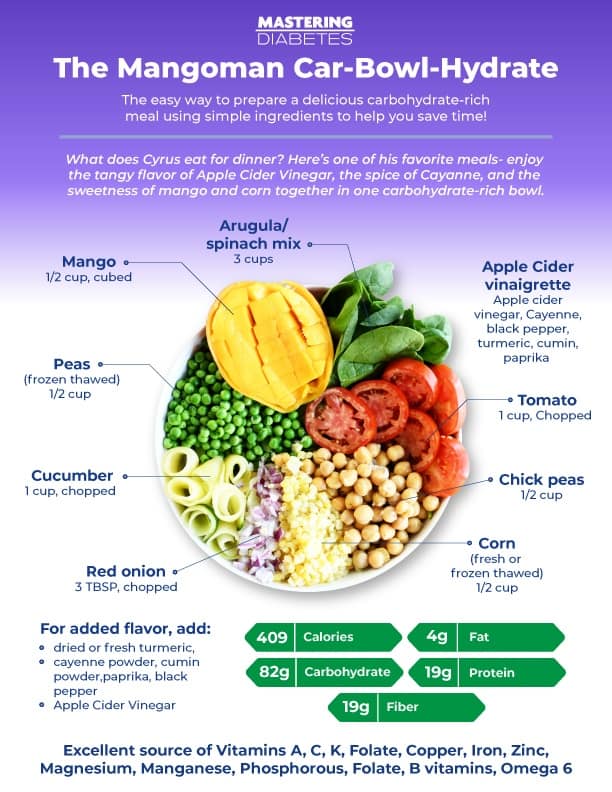
Jeff Novick’s 10-Point Checklist for Maximum Weight Loss:

Jeff Novick’s 10-Point Checklist for Maximum Weight Loss:

  1. Start each meal with a soup and/or salad and/or fruit.
  2. Follow the 50/50 plate method for your meals, filling half your plate (by visual volume) with non-starchy vegetables and 50% (by visual volume) with minimally processed starches. Choose fruit for dessert.
  3. Greatly reduce or eliminate added sugars and added salts. This includes gourmet sugars and salts too. If either is troublesome for you, you can eliminate them.
  4. Eliminate all animal foods (dairy, meat, eggs, fish, seafood).
  5. Eliminate all higher fat plant foods (i.e., nuts, seeds, avocados, tofu, soy).
  6. Eliminate any added oil.
  7. Eliminate all higher calorie-dense foods including flour products (i.e. bread, bagels, muffins, crackers, dry cereals, cookies, cakes), puffed cereals, air-popped popcorn and dried fruit.
  8. Don’t drink your calories (especially from juices & sugar-sweetened beverages).
  9. Follow these principles, eating whenever you are hungry until you are comfortably full. Don’t starve yourself and don’t stuff yourself.
  10. Avoid being sedentary and aim for at least 30 minutes or more of moderate exercise daily (i.e., brisk walking).

MAXIMUM WEIGHTLOSS RECIPES

How to Build Collagen With Plants by Theresa Houghton

How Can I Increase Collagen Production Naturally?

Eating foods containing the amino acids and nutrients from which collagen is formed provides your body with the raw materials for making more collagen without supplements. All the components of collagen can be found in whole plant foods: beans and legumes, nuts and seeds, fruits and vegetables, and whole grains.

To get the full range of nutrients that support collagen production:

  • Consume enough protein for your activity level
  • Eat more leafy greens to increase copper intake[7]
  • Consume a variety of colorful fruits and vegetables to increase your intake of vitamin C and other antioxidants
  • Add hemp seeds, pumpkin seeds, cashews, and other high-zinc nuts and seeds to meals[8]
  • Include beans, root vegetables, and whole soy products in your diet to increase your intake of hyaluronic acid, a component of the collagen in skin[9]

Additionally, you can preserve the collagen you already have by avoiding foods and lifestyle habits that increase free radical production or inflammation. To prevent damage:

  • Remove added sugars from your diet
  • Limit direct UV exposure
  • Don’t smoke, and stay away from secondhand smoke

Following healthy diet and lifestyle patterns, including consuming a variety of whole plant foods, supports your body’s innate collagen production. In the majority of cases, this should be enough to see the same benefits ascribed to collagen supplements. If not, talk with a knowledgeable physician to determine if you have an underlying condition that affects collagen production so that you can address and correct the root cause.

Palm Oil & Human Trafficking

Trans fats are now officially banned in the United States due to health concerns.

The Food and Drug Administration has ruled that partially hydrogenated oils [also known as trans fatty acids or trans fats] are no longer “generally recognized as safe” or GRAS. As of next month, U.S. food manufacturers may not use trans fats in food products without FDA approval. Some cities, notably New York City, have also banned them.

NBC News, May 14, 2018

Palm oil is quickly replacing the notorious hydrogenated oils, but palm oils are as unhealthy as trans fats. Remaining solid at room temperature, its consumption promotes blockages in the cardiovascular system. It also promotes human trafficking for labor purposes, and devastating fires in Southeast Asia. Besides corporate profits there really is no reason to consume palm oil. Read the contents on packaged foods. You’ll find it listed under a variety of ingredients:

  • PKO – Palm Kernel Oil
  • PKO fractionations: Palm Kernel Stearin (PKs); Palm Kernel Olein (PKOo)
  • PHPKO – Partially hydrogenated Palm Oil
  • FP(K)O – Fractionated Palm Oil
  • OPKO – Organic Palm Kernel Oil
  • Palmitate – Vitamin A or Asorbyl Palmitate (NOTE: Vitamin A Palmitate is a very common ingredient in breakfast cereals and we have confirmed 100% of the samples we’ve investigated to be derived from palm oil)
  • Palmate
  • Sodium Laureth Sulphate (Can also be from coconut)
  • Sodium Lauryl Sulphates (can also be from ricinus oil)
  • Sodium dodecyl Sulphate (SDS or NaDS)
  • Elaeis Guineensis
  • Glyceryl Stearate
  • Stearic Acid
  • Chemicals which contain palm oil
  • Steareth -2
  • Steareth -20
  • Sodium Lauryl Sulphate
  • Sodium lauryl sulfoacetate (coconut and/or palm)
  • Hydrated palm glycerides
  • Sodium isostearoyl lactylaye (derived from vegetable stearic acid)
  • Cetyl palmitate and octyl palmitate (names with palmitate at the end are usually derived from palm oil, but as in the case of Vitamin A Palmitate, very rarely a company will use a different vegetable oil)

[…] major retailers discovered the cheap oil from Southeast Asia had almost magical qualities. It had a long shelf-life, remain nearly solid at room temperature and didn’t smoke up kitchens, even when used for deep frying.

When researchers started warning that trans fats [hydrogenated oils] like those found in margarine posed serious health risks, demand for palm oil soared even higher.
Just about every part of the fruit is used in manufacturing, from the outer flesh to the inner kernel, and the versatility of the oil itself and its derivatives seem endless.

It helps keep oily substances from separating and turns instant noodles into steaming cups of soup, just by adding hot water. It’s used in baby formula, non-dairy creamers and supplements and is listed on the labels of everything from Jif Natural peanut butter to Kit Kat candy bars.

Often hidden amid a list of scientific names on labels, it’s equally useful in a host of cleansers and makeup products. It bubbles in shampoo, foams in Colgate toothpaste, moisturizes Dove soap and helps keep lipstick from melting.

But the convenience comes with a cost: For workers, harvesting the fruit can be brutal.

[…]

https://apnews.com/article/virus-outbreak-only-on-ap-indonesia-financial-markets-malaysia-7b634596270cc6aa7578a062a30423bb

Waist Circumference and Prostate Cancer

Dr Aurora Perez-Cornago [Oxford], who led the study, said: “We found a significant association between concentration of body fat around the belly and waist and the risk of prostate cancer death, but no clear association between total body fat and risk of prostate cancer death.

“However, a larger number of cases in this study together with studies in other populations are needed to confirm these findings.”

She added: “A high BMI increases the risk of other diseases, including other types of cancer, so people should consider the implications of excess body fat wherever it is found in the body.”

Dr Perez-Cornago explained that waist circumference and waist-to-hip ratio were a better marker of “visceral fat” than BMI.

“This is the most dangerous fat because this fat is located around the vital organs,” she said.

“It’s associated with metabolic and hormonal dysfunction and this is what may play a role in prostate cancer progression.”

She said the message to men was to exercise and eat a healthy diet to ensure they maintain a healthy weight and lower waist circumference.

https://www.basingstokegazette.co.uk/news/national/18690705.men-larger-waists-likely-die-prostate-cancer—study/

MORE GREENS / LESS GRAINS

John McDougall MD has a very simple weightloss plan for whole food plantbased vegans:

More Greens / Less Grains!

He writes:

I suggest about 1/3 of the meal should be from these low-calorie vegetables [green & yellow]. If you are desperate, then you may push that amount to ½ of your plate (measured by the eyeball). However, be careful that you do not eat so many of these low-calorie foods that your meal plan is no longer satisfying, because then you won’t want to stick with it for the long run.

Go Vegan Now! – as much as possible

A mostly vegan diet may lower your blood pressure, even if you occasionally eat meat and dairy

Gabby Landsverk
Aug 24, 2020
Insider.com

A vegan diet of plant-based whole foods, with no meat, eggs, or dairy, has been associated with health benefits like lower risk of heart disease.New evidence suggests that a mostly plant-based diet, with small amounts of animal products, can still help to reduce blood pressure and cut risk of cardiovascular illness. Researchers theorize the health benefits of veganism come from eating more vegetables, fruits, whole grains, nuts and seeds, and the wealth of micronutrients contained in these plant foods. Visit Insider’s homepage for more stories.

If you’re intrigued by the health benefits of veganism, but not willing to give up meat and cheese for life, there’s good news.

A mostly plant-based diet may be enough to improve heart health, reduce blood pressure, and lower the risk of heart disease, according to a study published July 24 in the Journal of Hypertension.

Researchers from the University of Warwick reviewed 41 previous studies on a variety of plant-based diets. They found that all the diets surveyed appeared to have health benefits for the participants, even if they still occasionally ate meat and dairy.

A diet rich in plant foods is good for your heart, evidence suggests

The studies included in this systemic review were on seven different styles of plant-based diet: the DASH diet, specifically designed lower blood pressure; a vegetarian diet; a vegan diet; the Nordic diet, rich in veggies and fatty fish; a high fiber diet full of whole grains and legumes; and a high fruits and vegetables diet.

Nearly all of the diets improved blood pressure significantly compared to a diet comprised of what participants in the control group typically ate.

The biggest improvements in blood pressure didn’t come from the vegan diet — they were linked to the DASH diet and lacto-ovo vegetarianism, both of which include eggs and dairy.

This suggests that the benefits of eating plant-based diet are not necessarily dependent on eliminating all animal products.

Instead, they are likely linked to eating more plant-based whole foods, which contain flavonoids and nitrates. These could potentially reduce inflammation, improve blood flow, and benefit the gut microbiome, researchers theorize.

A plant-based diet is also likely to be lower in sodium, or salt, than most diets — high sodium is linked to health risks like heart disease.

Although how exactly a plant-rich diet lowers blood pressure isn’t clear, the benefits are promising because evidence suggest that strict vegan diets are harder to stick to over time. A mostly plant-based diet is likely to be more accessible to people who could benefit from including more veggies, fruits, whole grains, and legumes in their diets.

“This is a significant finding as it highlights that complete eradication of animal products is not necessary to produce reductions and improvements in blood pressure,”Joshua Gibbs, lead author of the study and a student at the University of Warwick, said in a statement. “Essentially, any shift towards a plant-based diet is a good one.”

https://www.insider.com/mostly-vegan-diet-lowers-blood-pressure-2020-7
Holistic Holiday at Home (STARTS SUNDAY JULY 26)

Hey, how about taking a free online cruise in your livingroom? Holistic Holiday at Sea is going virtual! (I signed up for the free access pass.)

Watch their pre-pandemic commercial for 2020:

Sign up & join in online!

HOLISTIC HOLIDAY AT HOME

Now, ya gotta decorate, have some nice tropical food in the fridge, Hawaiian music, orchids and leis. Make it fun for the entire family 😁

July 26 – August 1, 2020, for 7 days of learning, inspiration, and connection, all from the comfort of your own home!