The 8 Most Nutrient-Dense Leafy Greens, Ranked by Dietitians

You can’t go wrong with leafy greens, but these standouts offer the biggest nutritional payoff.

By Lisa Valente, MS, RD  Published on January 8, 2026

While you might be wondering which green is best to eat, they’re all pretty good for you, and eating a mix is a good idea. “Variety in greens gives you variety in nutrients as well as texture, flavor, and cooking times,” says Maggie Moon, MS, RD. “The darker the green, the more nutrient-dense it’ll be,” she adds.

If you enjoy or crave lighter lettuces, by all means add them to your plate. But if maximizing nutrition is your goal, consider these dietitian-recommended greens and lettuces. 

1. Watercress

2. Arugula

3. Kale

4. Collard greens

5. Pea leaves (pea shoots)

6. Spinach

7. Perilla leaves (aka kkaennip in Korean cuisine) 

8. Romaine

https://www.foodandwine.com/nutrient-dense-greens-ranked-11880677
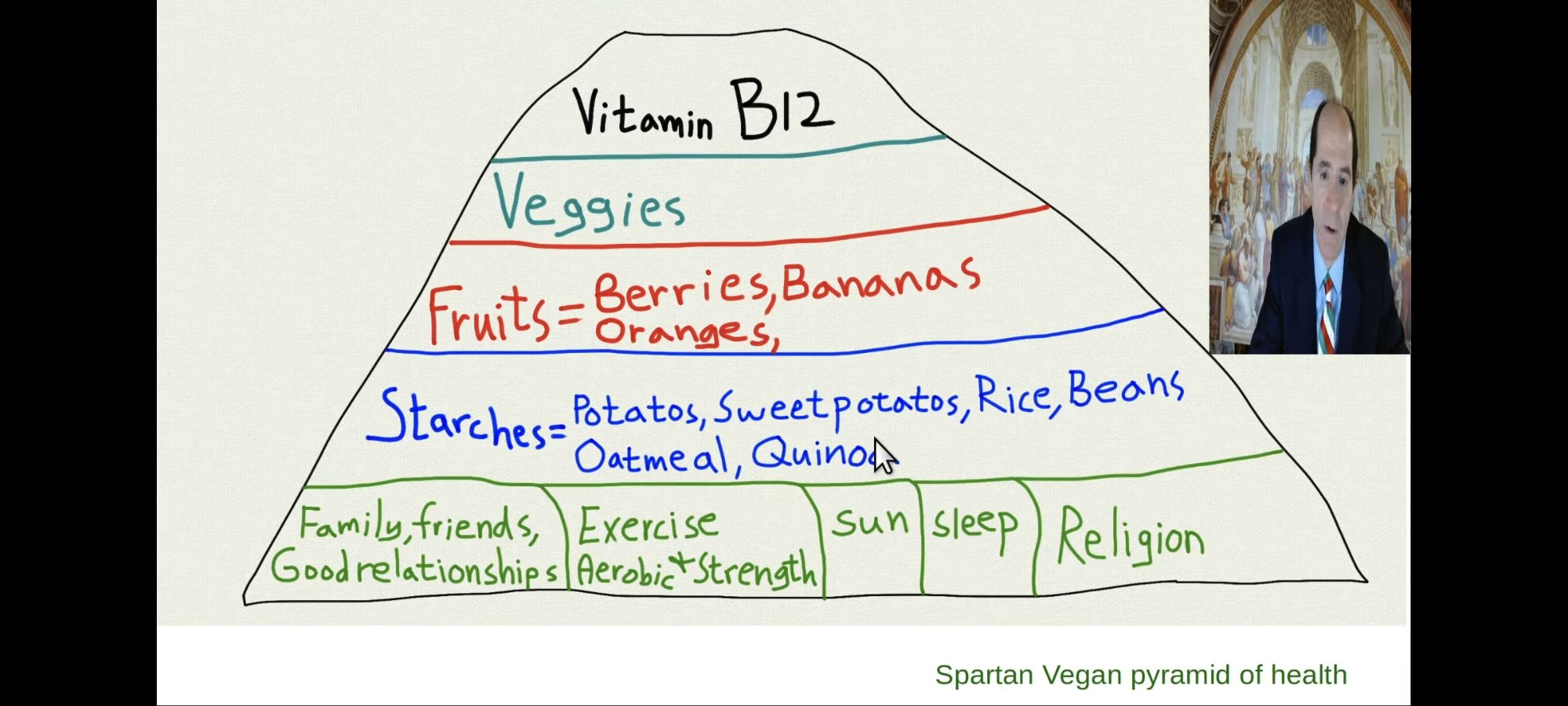
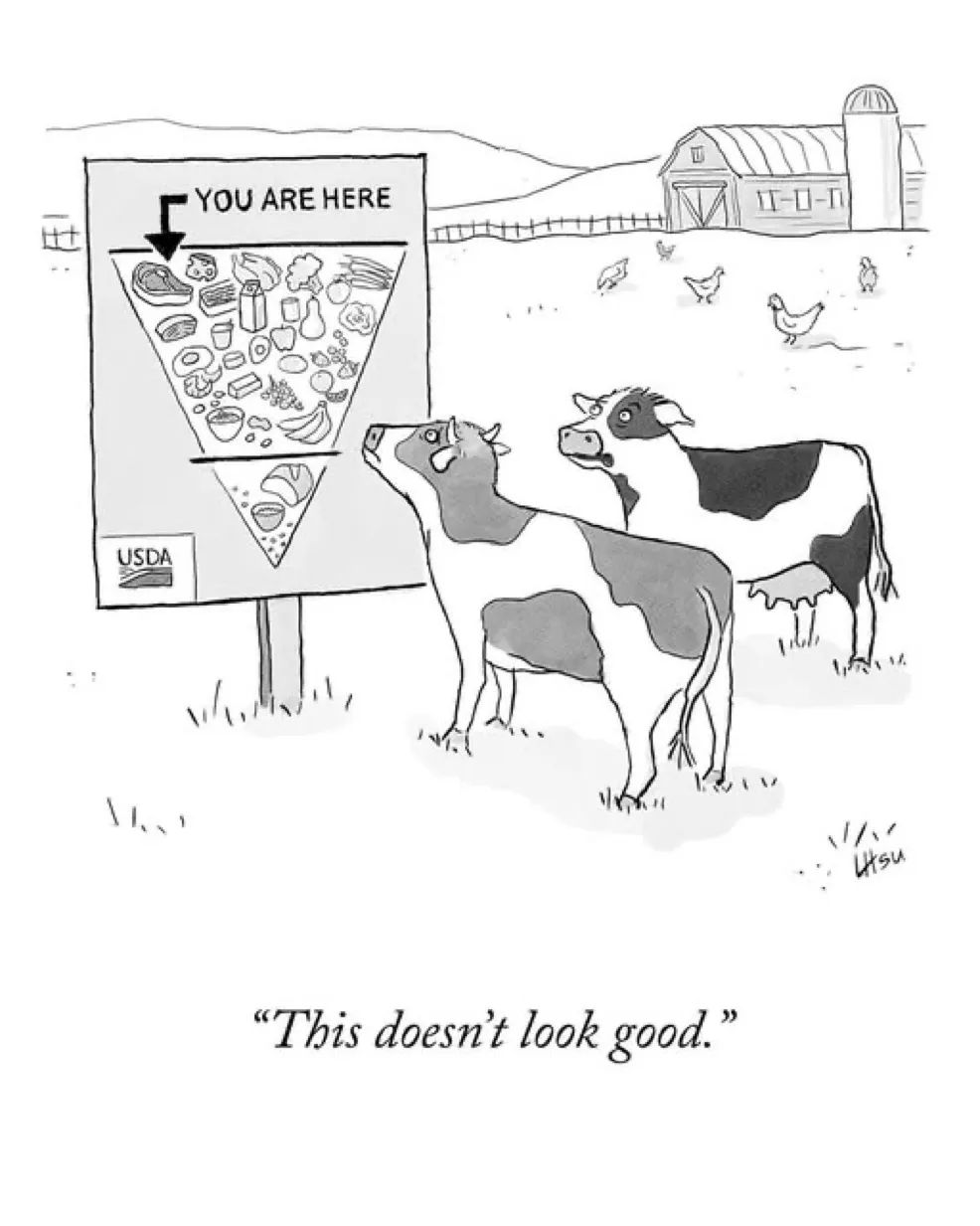
New US Nutritional Guidelines

Yeah to some, nay to many. Can you see which are good/bad changes?

Specific guidance include:

  • Prioritizing Protein: While previous Dietary Guidelines have demonized protein in favor of carbohydrates, these guidelines reflect gold standard science by prioritizing high-quality, nutrient-dense protein foods in every meal. This includes a variety of animal sources, including eggs, poultry, seafood, and red meat, in addition to plant-sourced protein foods such as beans, peas, lentils, legumes, nuts, seeds, and soy.
  • Avoiding highly processed foods: For the first time, the Dietary Guidelines call out the dangers of certain highly processed foods – a common-sense and vital public health point. The guidance calls to “avoid highly processed packaged, prepared, ready-to-eat, or other foods that are salty or sweet” and “avoid sugar-sweetened beverages, such as soda, fruit drinks, and energy drinks.”
  • Avoiding added sugars: While previous Dietary Guidelines did not take a hard line against added sugar (especially for children), this guidance says, “no amount of added sugars or non-nutritive sweeteners is recommended or considered part of a healthy or nutritious diet” and calls on parents to completely avoid added sugar for children aged four and under.
  • Ending the War on Healthy Fats: The guidance calls for receiving the bulk of fat from whole food sources, such as meats, poultry, eggs, omega 3–rich seafood, nuts, seeds, full-fat dairy, olives, and avocados. When cooking with or adding fats to meals, the guidelines call for using the most nutrient-dense natural options with essential fatty acids, such as olive oil.
  • Heralding whole grains and avoiding refined carbohydrates: This guidance takes a firm stand to “prioritize fiber-rich whole grains” and “significantly reduce the consumption of highly processed, refined carbohydrates, such as white bread, ready-to-eat or packaged breakfast options, flour tortillas, and crackers.”
  • Including diets lower in carbohydrates to manage chronic disease: The guidance makes the science-based and common-sense recommendation that individuals with certain chronic diseases may experience improved health outcomes when following a lower carbohydrate diet.

Considering that only 1-3% of Americans identify as vegan, and about 4% of Americans identify as vegetarian (which includes vegans), we do not have much political pull in contributing our excellent lifestyle results to these guidelines. There are mixed results here, more veggies, less ultra processed foods… but so much saturated fats, not enough unprocessed carbs & fiber.

Choose wisely and to thine ownself be true.

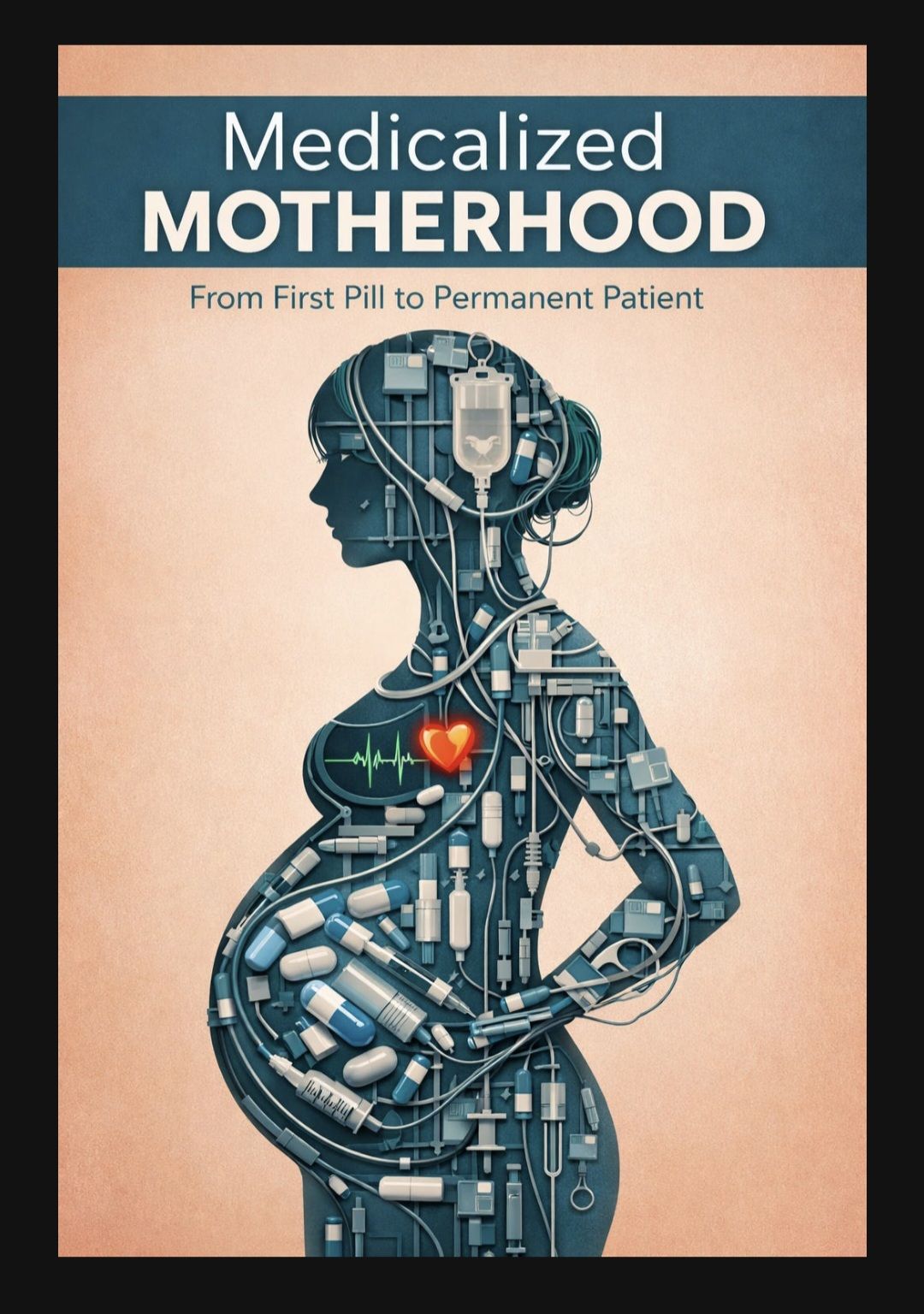
Medicalizing Motherhood

Jan 10, 2026

Free Book download

Brief Summary of the Article

  • Purpose of the Book:
    Medicalized Motherhood: From First Pill to Permanent Patient is a free book arguing that modern medicine increasingly turns women—especially mothers—into long-term patients through unnecessary and cascading medical interventions.
  • Core Argument:
    Medical interventions in women’s reproductive lives often create problems that justify further interventions, fostering dependency rather than health.
  • Key Evidence & Influences:
    • Historical examples of unnecessary hysterectomies.
    • Research showing most recommended hysterectomies were avoidable.
    • Critiques of modern obstetrics that claim it creates risks and then “rescues” women from them.
  • The “Cascade of Interventions”:
    • Documents 123 interventions spanning pre-conception through postpartum.
    • Shows how early steps (e.g., birth control, fertility testing) lead to later ones (e.g., IVF, induction, cesarean).
    • Emphasizes that interventions compound rather than remain isolated.
  • Book Structure & Content:
    • Organized chronologically across six phases of motherhood.
    • Includes analysis of the medical business model and how maternal confidence is undermined.
    • Adds five new interventions and a new chapter on how women can reclaim decision-making.
  • Practical Tools Included:
    • Birth plan templates, question checklists, provider interview guides.
    • Quick-reference cards and visual maps of intervention cascades.
    • Resources for women processing past birth trauma.
  • Why It’s Free:
    • The author wants the information accessible to all women, especially those early in the system.
    • Funded by paid subscribers, but no payment required to download or share.
  • Overall Message:
    Awareness of how medicalization works empowers women to ask questions, interrupt unnecessary interventions, and make more informed choices about their care.

https://open.substack.com/pub/unbekoming/p/medicalized-motherhood-from-first?utm_source=share&utm_medium=android&shareImageVariant=overlay&r=o554c

Jan 9, 2026 of Low-SOS Vegan Plan

(This blog began 3/15/2015)

MEDITATION:
* The Voice of the Most High
* Charles Capps podcast

EXERCISE:
* Slow jog outdoors 30 minutes
* PT APP workout
–lower body stretch/stengthening

WATER:
(2) × (32) = 64 oz (+)

EATS:
* lowfat dark choco / PB fudge
* chopped cruciferous gorilla salad w/ cornbread
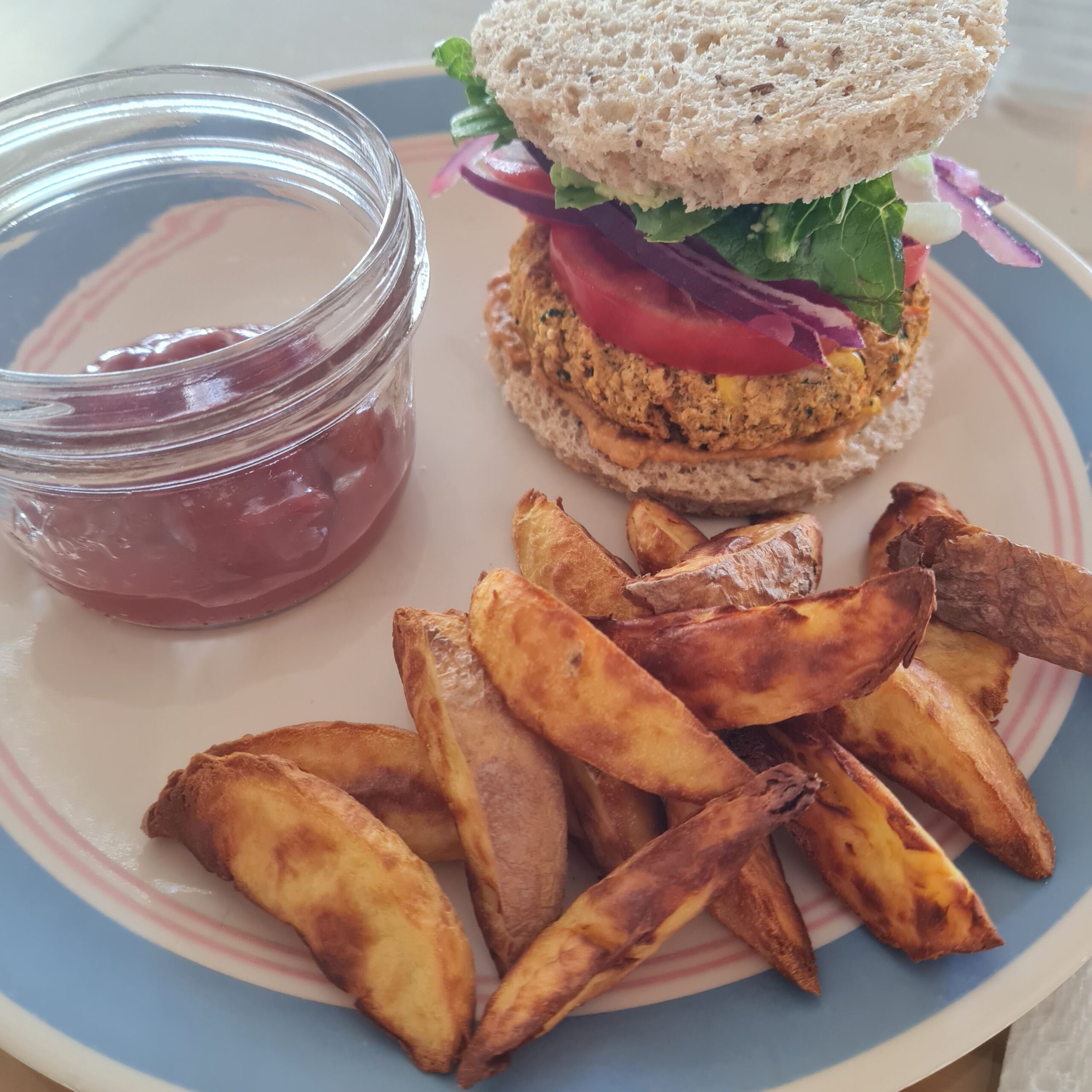
*  Actual Veggie burger w/ airfried potato wedges

… SUN HAS SET …

Cmmt: XL indicates uncommonly excessive food, and wautéed means water-sautéed


Jan 8, 2026 of Low-SOS Vegan Plan

(This blog began 3/15/2015)

MEDITATION:
* Read God’s Promises for Health
* Charles Capps podcast
* Read some of God’s Medicine booklet by K. Hagin

EXERCISE:
* Powerwalk 3 miles indoors
* PT APP workout
–lower body stretch/stengthening
* High-knees slow walking indoors

WATER:
(2) × (32) = 64 oz (+)

EATS:
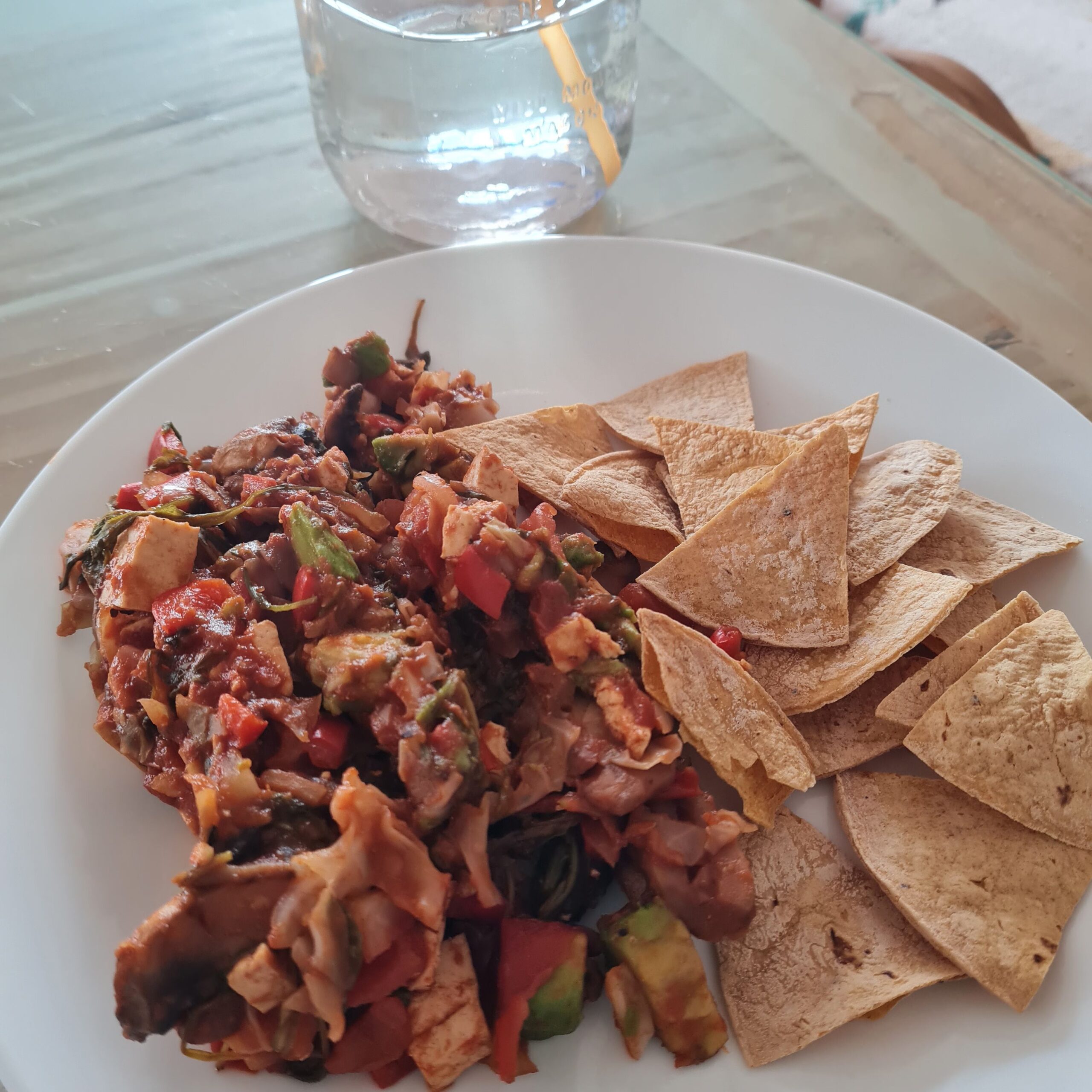
* tofu scramble (w/ onion, cabbage, tomato, mushrooms, arugula, salsa, avocado chunks), served w/ airfried oilfree corn tortillas
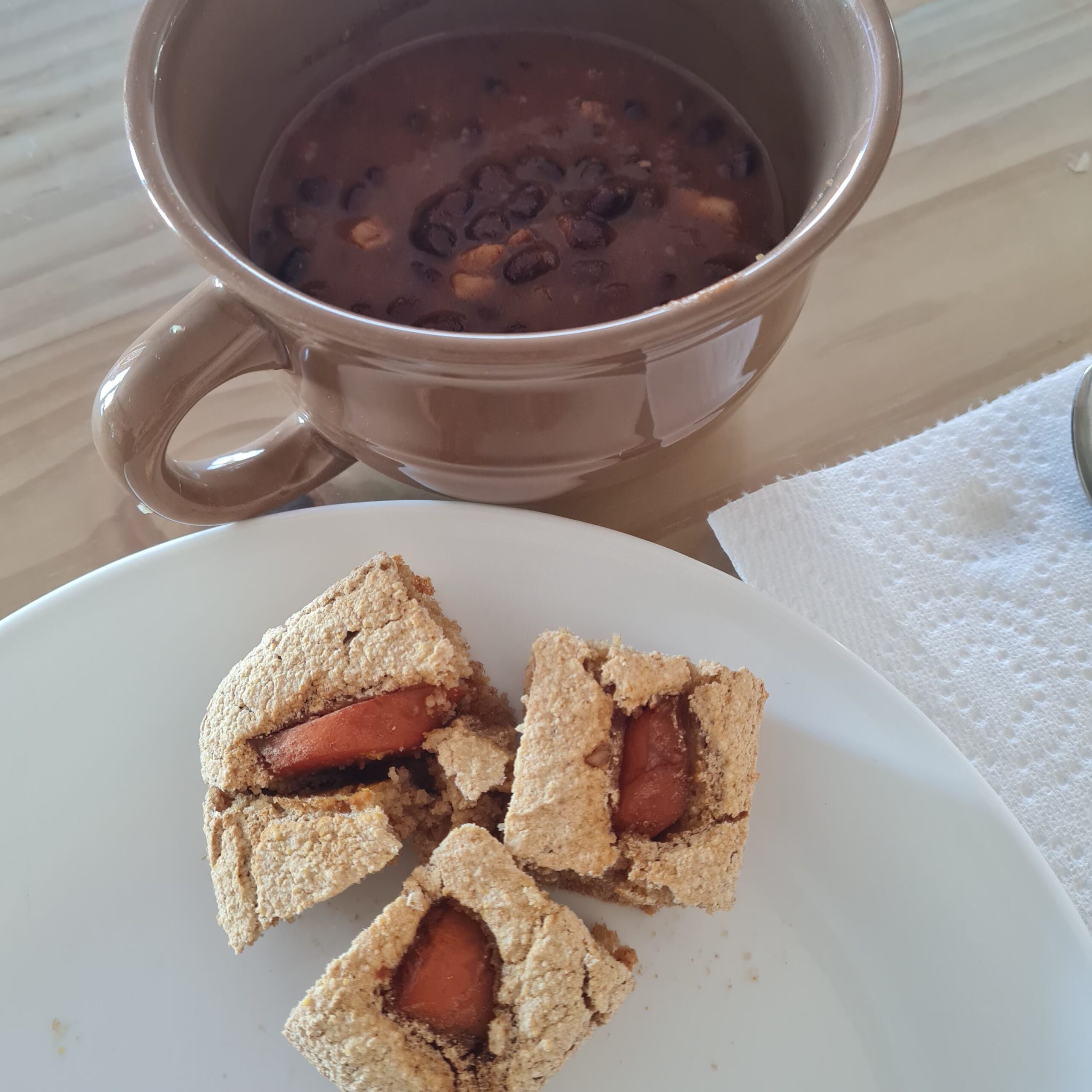
* black bean chili & homemade baked vegan cornbread w/ marinated carrot dog pieces embedded inside
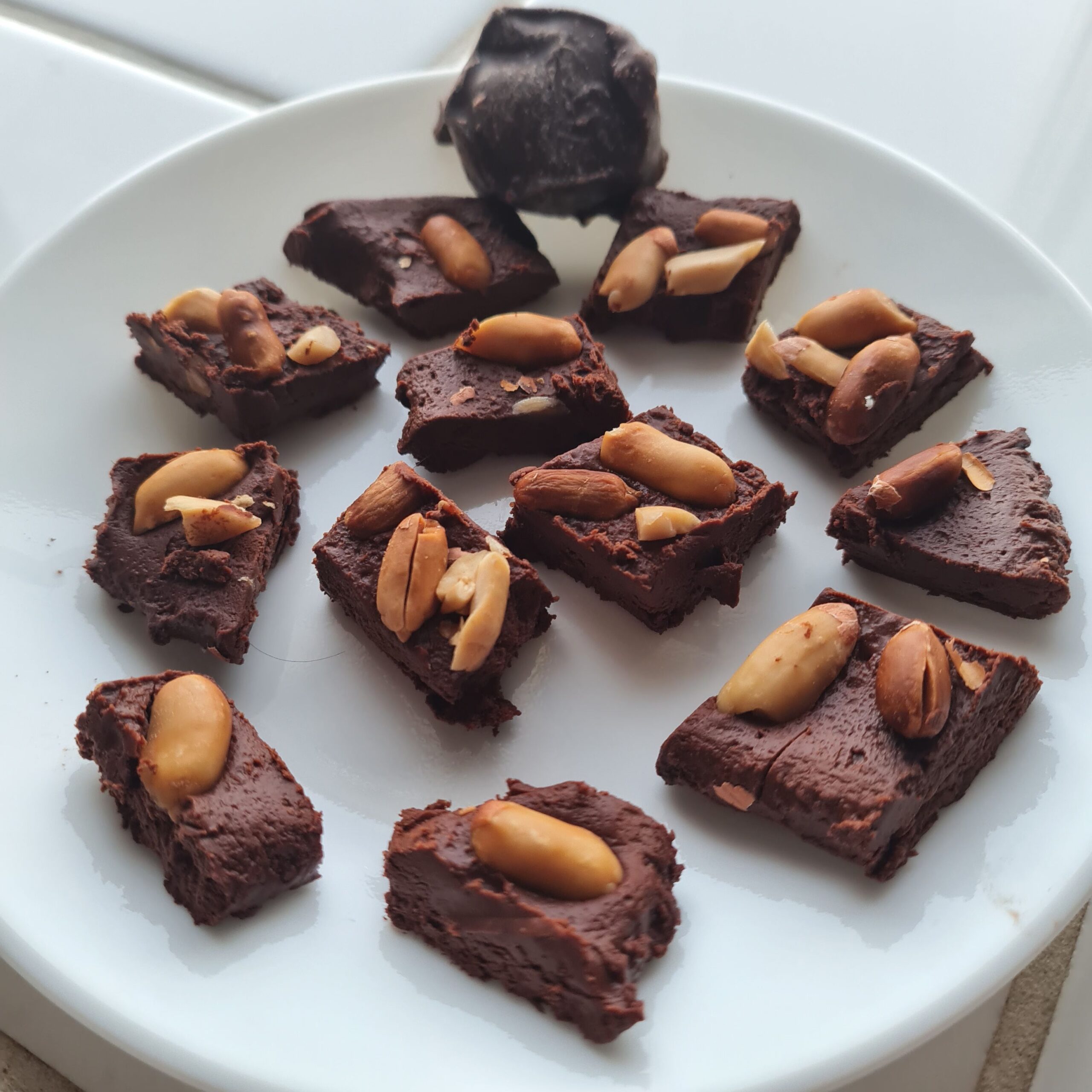
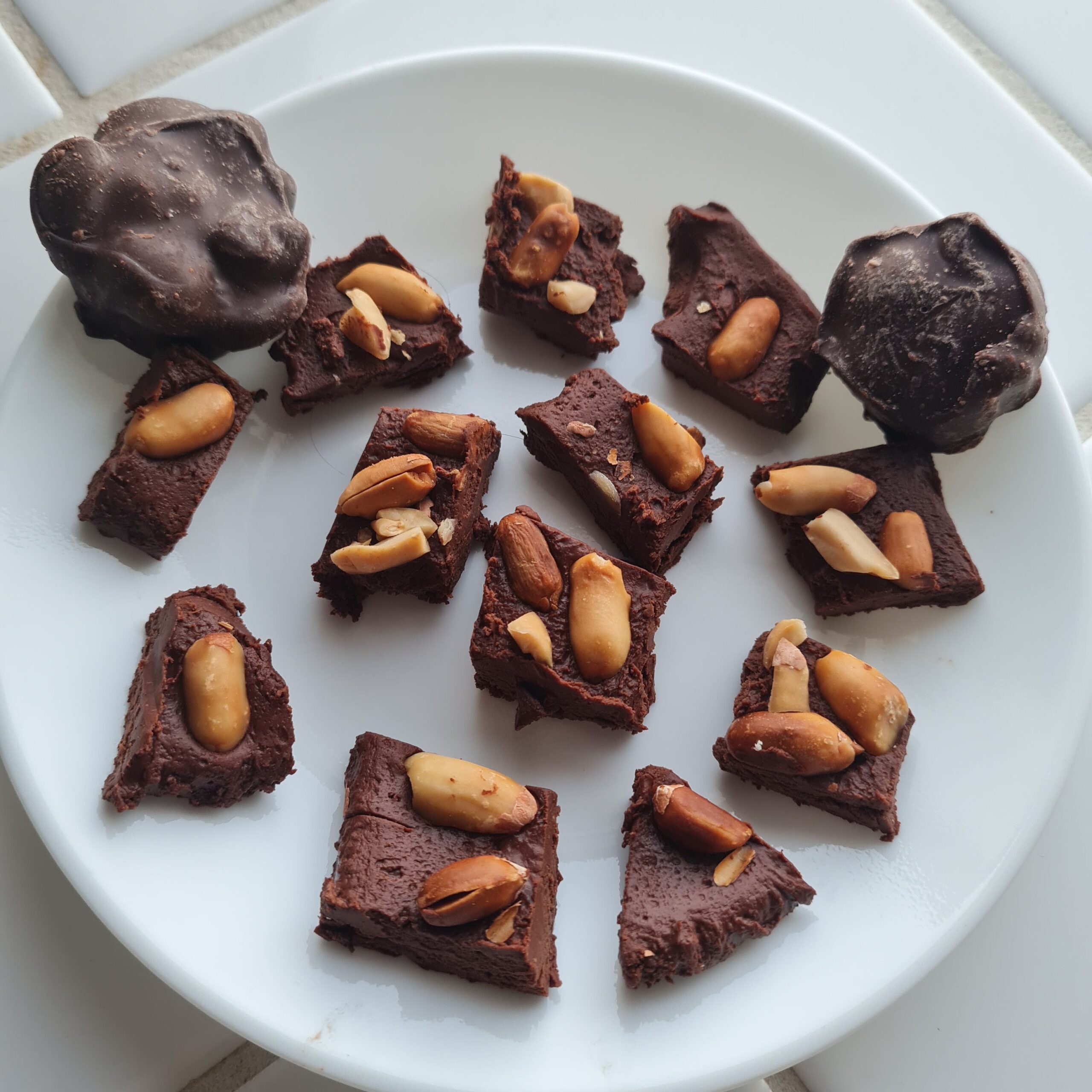
* one small peanut/dark choco XL-cluster AND homemade copycat recipe Dark Chocolate PB Fudge
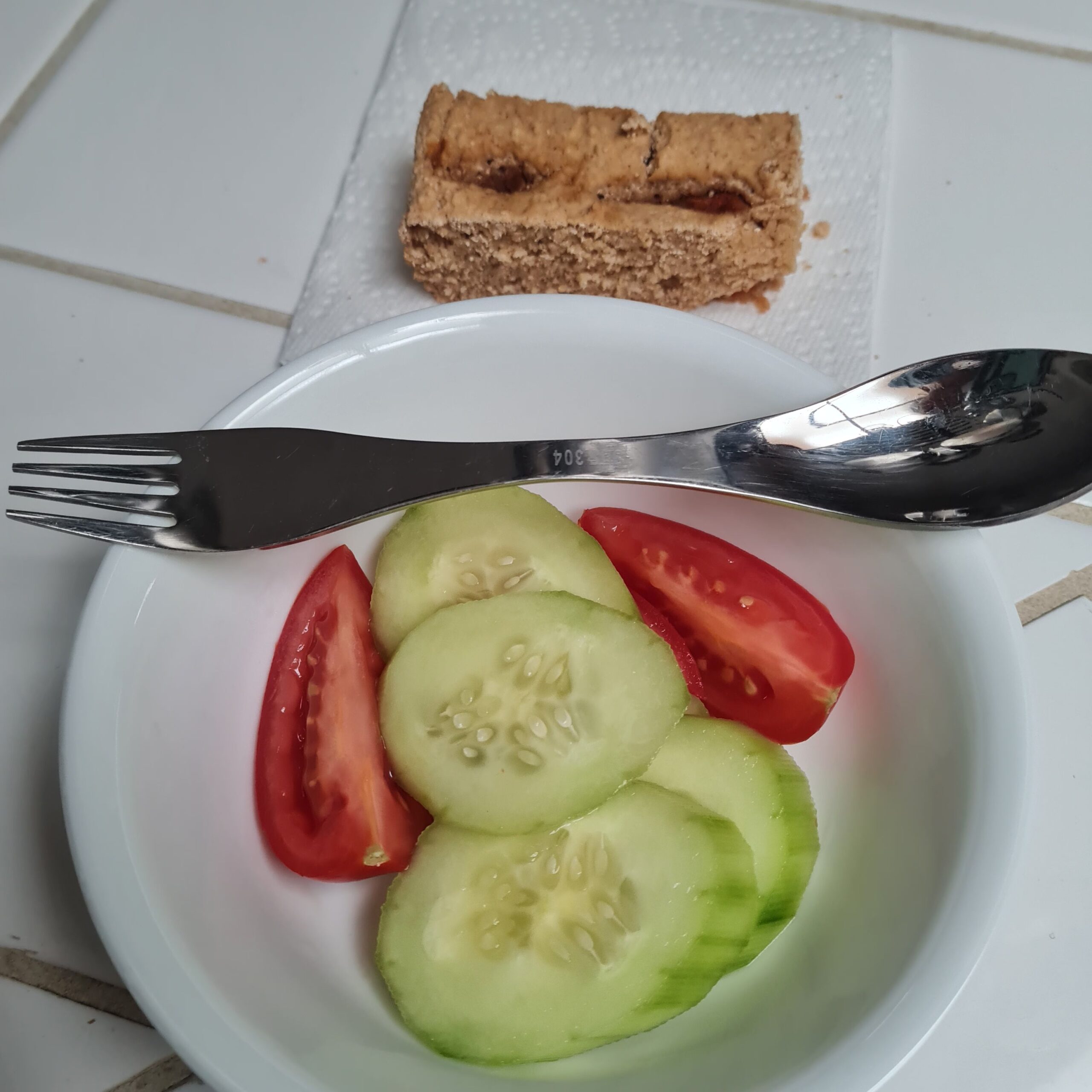
* cucumber & tomato in lemon juice w/ cornbread

… SUN HAS SET …

* airpopped popcorn 🍿

Cmmt: XL indicates uncommonly excessive food, and wautéed means water-sautéed

Dark Chocolate (cacao) PB “Fudge” Squares (peanuts optional)

Two highfat store bought pieces, along w/ lowfat home made versions… healthy & tastes great!

COPYCAT RECIPE

Best when you want something **intense and dessert-like**, but still lighter.

**You’ll need**

* 4 tbsp (same as ¼ cup) PB2 PURE peanut powder
* 2 tbsp simple cacao powder
* 1 tbsp maple syrup or date paste
* 2–3 tbsp water (add slowly)
* Few roasted peanuts (optional)

**How**

1. Mix everything but nuts into a thick paste.
2. Press into a small container.
3. (Optional) Press few peanuts into the paste
4. Chill until firm, then cut into squares.

**Texture**

* Like dense chocolate fudge
* Strong cocoa flavor = less sweetner needed

*******

## Side-by-side nutritional comparison

Nutrient (28 g)

Market Cluster | Homemade w/ added peanuts | Homemade w/o nuts
| —– | —– | —- |
| Total Fat          | 11g| ~6 | ~2 |
| Saturated Fat | 3.5g| ~1|~.4 |
| Dietary Fiber | 7 g  | ~6| ~6 |
| Total Sugar     | 8 g  | ~3|~3  |
| Added Sugar  | 8 g  | ~3|~3  |

(REDUCE FAT BY REDUCING PEANUTS)