Aug 1, 2019
(Click & fast-forward to 6 minute mark)
https://youtu.be/3gbyRUS99B4?si=JYUfeKXdRwUj6cEP
*******
OTHER LORRAINE DAY POSTS:
.
Aug 1, 2019
(Click & fast-forward to 6 minute mark)
https://youtu.be/3gbyRUS99B4?si=JYUfeKXdRwUj6cEP
*******
OTHER LORRAINE DAY POSTS:
.
[Note to reader: “No one has a monopoly on the truth.” And “Truth is the property of no individual, but is the treasure of all men.”]
(This blog began 3/15/2015)
MEDITATION:
* Nothing But Bible
* KCM Healing verses
* Thru The Bible broadcast
* Food Rev Summit Day 3
(Hear how 99 year old Dr. Michael Debakey, the father of coronary bypass surgery, called Dean Ornish to credit his lifestyle research for extending his own life!)
EXERCISE:
* Jog 4k outdoors
* Lift biceps, triceps, shoulders dumbbells
* Vibrating Platform
WATER:
(2) × (32) = 64 oz (+)
EATS:
* homemade smoothie (fresh kale, beet powder, mango, banana)
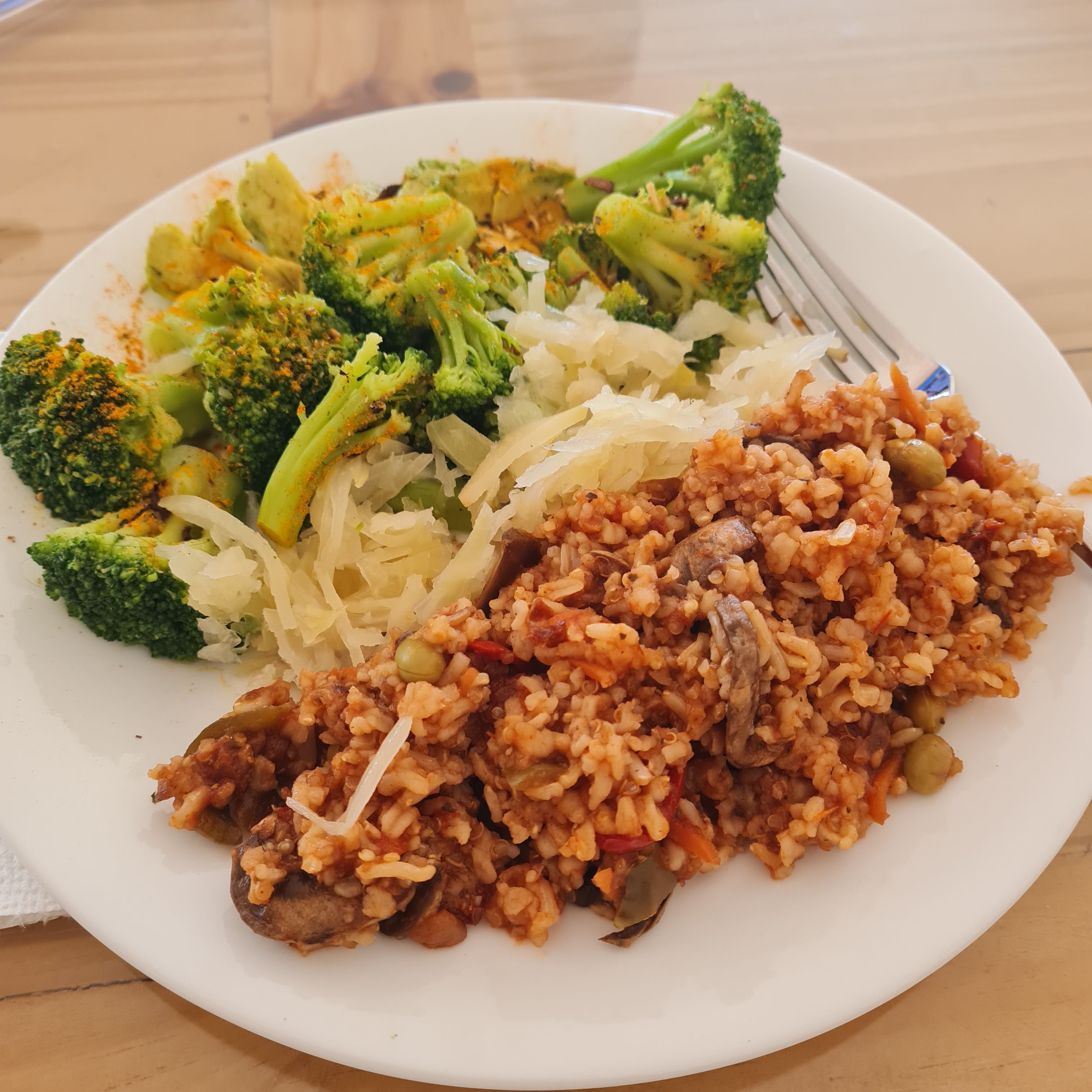
* leftover very veg-ghetti sauce w/ brown basmati rice, sauerkraut, steamed broccoli & avocado
* 2 pieces of homemade lowfat PB fudge
… SUN HAS SET …
Cmmt: XL indicates uncommonly excessive food, and wautéed means water-sautéed
Fresh/frozen better, but in any form make sure it is organic to avoid gmo.
What all these breads mean:
Now, step back and look at all eight of these breads together. Eight breads, eight stories, eight windows into a world where bread wasn’t something you bought in
a plastic bag at the store. It was
something you made with your
hands every single day with whatever God gave you. It was prayer made physical, faith made edible, love made into something you could hold, break, and share. And every single one of them points to the same person. Jesus said, “I am the bread of life. Whoever comes to me will never go hungry.”
* He is the unleavened bread, pure without sin.
* He is the daily bread, present every morning, faithful every day.
* He is the barley bread, humble, common, enough for everyone.
* He is the wheat bread, the finest offer given for honored guests.
* He is the bread with oil, anointed, consecrated, set apart.
* He is the showbread, always present before the face of God.
* He is the Ezekiel bread sustaining us even in the hardest times.
* He is the mana, the bread from heaven that gives life to the world.
Every bread in the Bible was always pointing to Him.
Explore the historical origins and nutritional science behind a unique bread recipe found in the Book of Ezekiel. This guide examines the biblical significance of the six simple ingredients and provides instructions on how to prepare this ancient, protein-rich staple in a modern kitchen.
EZEKIEL BREAD RECIPE
Ingredients
2.5 cup whole wheat flour with germ and bran
1.5 cup spelt
0.5 cup barley
0.5 cup millet
1/4 cup lentils
2 tablespoons pinto or kidney beans
2 tablespoons northern bean or chick peas
Seasoning
1 teaspoon sea salt
1/4 cup extra virgin olive oil
2 tablespoons raw honey
1.5 cup warm water (Hot water kill the yeast.)
2 teaspoons of yeast (Skip if you
would like a dense bread.)
Blend flours before use.
(There is more protein from legumes than steak.)
Bake 45-50 minutes in 385° oven.
THESE ARE THE QUESTIONS… ANSWERS ARE BELOW!!
*How to build deep, rich flavor without meat
*The biggest mistake people make when cooking vegetables
*Why fresh herbs and acid can completely change a dish
*How to season tofu and plant-based proteins properly
*The chef’s go-to tricks for making meals restaurant-quality
(SCROLL BELOW VIDEO FOR ANSWERS)
HERE ARE THE ANSWERS!
Chef Ed Harris shares professional insights on elevating plant-based meals from bland to restaurant-quality by focusing on technique, layering, and high-quality ingredients.
### Building Deep Flavor Without Meat
To create rich, complex flavors, you must layer your ingredients (26:35). A great example is starting with caramelized onions, garlic, and shallots as a flavor base, followed by dry spices that bloom in the heat, and finishing with fresh herbs (26:35-27:37). Using ingredients like mushroom powder or umami-rich vegetables can also help replicate the depth typically provided by meat (14:44).
### The Biggest Vegetable Cooking Mistake
The most common error is overcooking vegetables, which leaves them limp, mushy, and discolored (31:20-31:39). Properly cooked vegetables should retain their vibrant color and texture. When you treat vegetables with the same care and precision as you would a high-quality steak, the difference is night and day (6:32-6:55).
### The Power of Fresh Herbs and Acid
Fresh Herbs: These act as a bright, aromatic finish. Adding them about five minutes before finishing a dish ensures their flavor remains distinct and vibrant, rather than getting cooked out (27:26-28:07). Parsley is particularly noted as a versatile “game-changer” that adds a clean, floral, and bright note to soups, pastas, and salads (24:42-26:01).
Acid: A splash of lemon or lime juice or a bit of zest acts as a highlighter for flavor (22:46). It “wakes up” the dish and provides the balance needed to lift a meal from heavy or bland to bright and professional (22:46-23:12).
### Seasoning Tofu and Plant-Based Proteins
People often find tofu bland because they don’t treat it like a protein (7:16). To fix this:
Remove Excess Water: Press the tofu or use paper towels to draw out moisture so the protein acts like a sponge (8:27-9:00).
Marinate: Once the water is removed, the tofu can absorb flavors deeply. You can use dry rubs, marinades, or even char it just like a piece of meat (6:57-8:38).
Size Matters: Ensure pieces are small enough for the marinade to penetrate, or if using larger pieces, allow them to marinate for up to 24 hours (8:52-9:04).
### Chef Ed’s Restaurant-Quality Tricks
1. Cook Like a Kid: Embrace experimentation and don’t be afraid to try new combinations or flavor profiles (23:30-23:55).
2. Source Freshly: Whenever possible, shop at farmers markets to ensure your produce is fully matured, which offers 10 times better flavor than mass-market options (3:24-4:15).
3. Don’t Over-Process: Avoid relying solely on store-bought substitutes which are often loaded with salt and fillers; instead, learn how to create your own flavors using whole ingredients (15:17-16:05).
Results showed that a stimulating activity can overpower even the strongest genetic risk factor for Alzheimer’s in shaping brain health in midlife.
These activities included socializing with family or friends, practicing a musical instrument, creating art, exercising, reading, learning a second language and traveling.
The study also found that the two most harmful risk factors for brain health were symptoms of depression and traumatic brain injury. Others included diabetes, high blood pressure, poor sleep and hearing loss.
https://www.newsmax.com/health/health-news/dementia-alzheimers-brain-power/2026/04/24/id/1254057/