Israeli research: People with asthma 30% less likely to contract COVID-19
Doesn’t this remind you of Dr. Richard Bartlett of Texas?
And here is his related WEBSITE.
Israeli research: People with asthma 30% less likely to contract COVID-19
Doesn’t this remind you of Dr. Richard Bartlett of Texas?
And here is his related WEBSITE.
(image: cdc.gov)
UPDATED: Johns Hopkins Study Saying COVID-19 Has ‘Relatively No Effect on Deaths’ in U.S. Spiked After Publication
Conventional wisdom is that COVID-19 has caused thousands of deaths in the United States and nearly 1.5 million worldwide. This perception has been directly challenged by a study published by Johns Hopkins University on November 22.
Genevieve Briand, assistant program director of the Applied Economics master’s degree program at Johns Hopkins University, critically analyzed the impact that COVID-19 had on U.S. deaths. According to Briand, the impact of COVID-19 on deaths in the United States can be fully understood by comparing it to the number of total deaths in the country.
According to the study, “in contrast to most people’s assumptions, the number of deaths by COVID-19 is not alarming. In fact, it has relatively no effect on deaths in the United States.”
Wait, what? Really?
That’s what it says. And, it should come as no surprise that the study was deleted within days.
Luckily, a back-up copy remains on The Wayback Machine, and we can still read the study.
So, how exactly did the study conclude that COVID-19 has had “relatively no effect on deaths”? Here’s how the study made this determination:
After retrieving data on the CDC website, Briand compiled a graph representing percentages of total deaths per age category from early February to early September, which includes the period from before COVID-19 was detected in the U.S. to after infection rates soared.
Surprisingly, the deaths of older people stayed the same before and after COVID-19. Since COVID-19 mainly affects the elderly, experts expected an increase in the percentage of deaths in older age groups. However, this increase is not seen from the CDC data. In fact, the percentages of deaths among all age groups remain relatively the same.
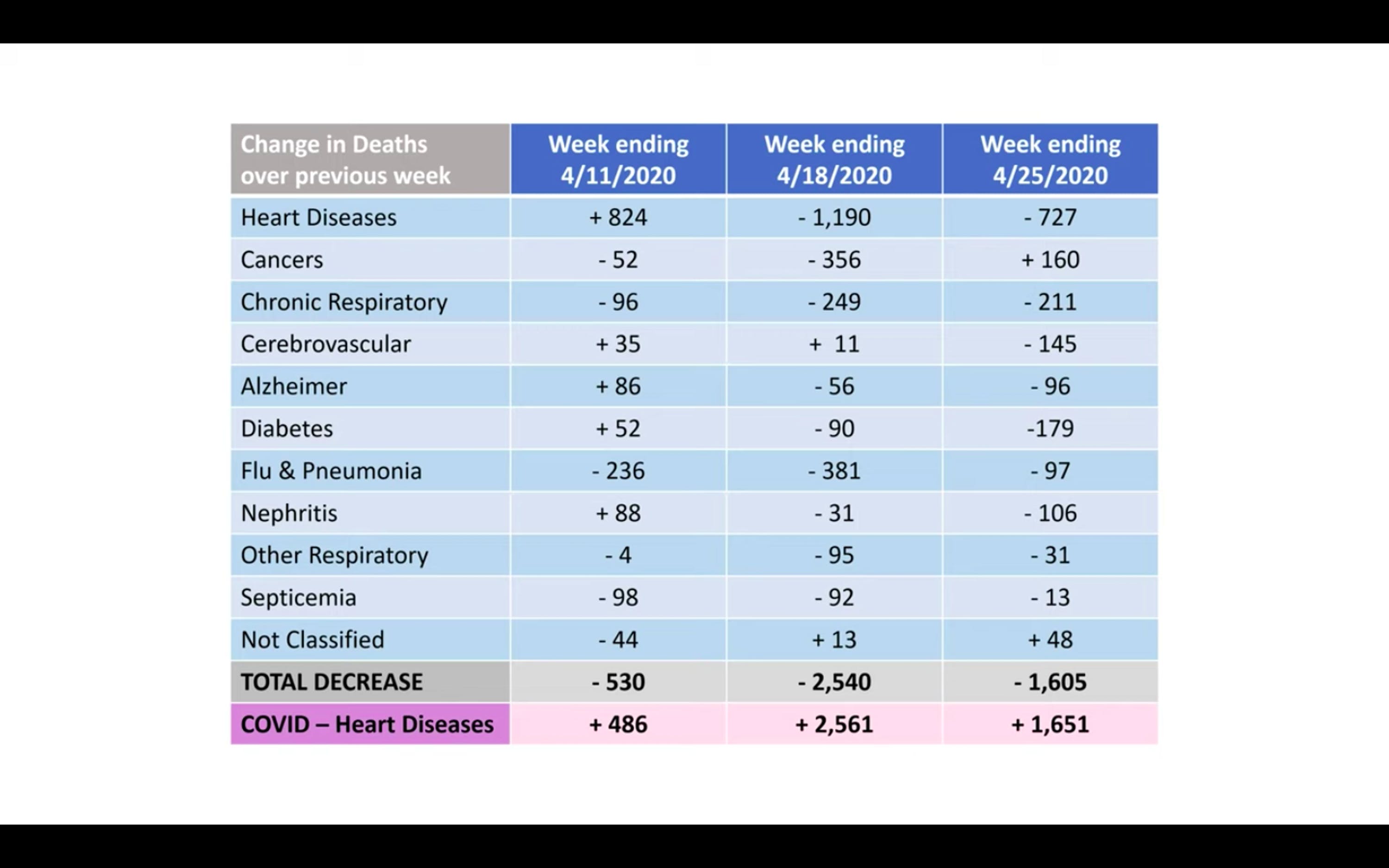
The study found that “This trend is completely contrary to the pattern observed in all previous years.” In fact, “the total decrease in deaths by other causes almost exactly equals the increase in deaths by COVID-19.”
Briand concludes that the COVID-19 death toll in the United States is misleading and that deaths from other diseases are being categorized as COVID-19 deaths.
There have been reports of inflated COVID-19 deaths numbers for months. Patients who never tested positive for the disease had COVID-19 as their cause of death on their death certificates. In May, Jared Polis, the Democrat governor of Colorado, disputed official coronavirus death counts, saying even those of the Centers for Disease Control and Prevention (CDC) were inflated as the result of including people who tested positive for the coronavirus but died of other causes. In July, a fatal motorcycle accident victim was listed as a COVID-19 death.
On Thursday, Johns Hopkins University explained that they deleted the article on the study because it “was being used to support false and dangerous inaccuracies about the impact of the pandemic.”
.
https://youtu.be/D1onx7LaNio
This video discusses the Scientific Advisory Group for Emergencies (SAGE), the British government advisory body that advises central government in emergencies. It is similar to the US Center for Disease Control (CDC).
CLICK TO READ:
https://www.lifesitenews.com/news/former-pfizer-vp-no-need-for-vaccines-th-pandemic-is-effectively-over
FACT CHECK RESPONSE only offered:
“Although scientific studies found that some people who never had COVID-19 have a certain type of immune cell (memory T cell) that can recognize SARS-CoV-2, the implications for immunity are still unknown,” the nonprofit fact-checker said.
(You decide.)
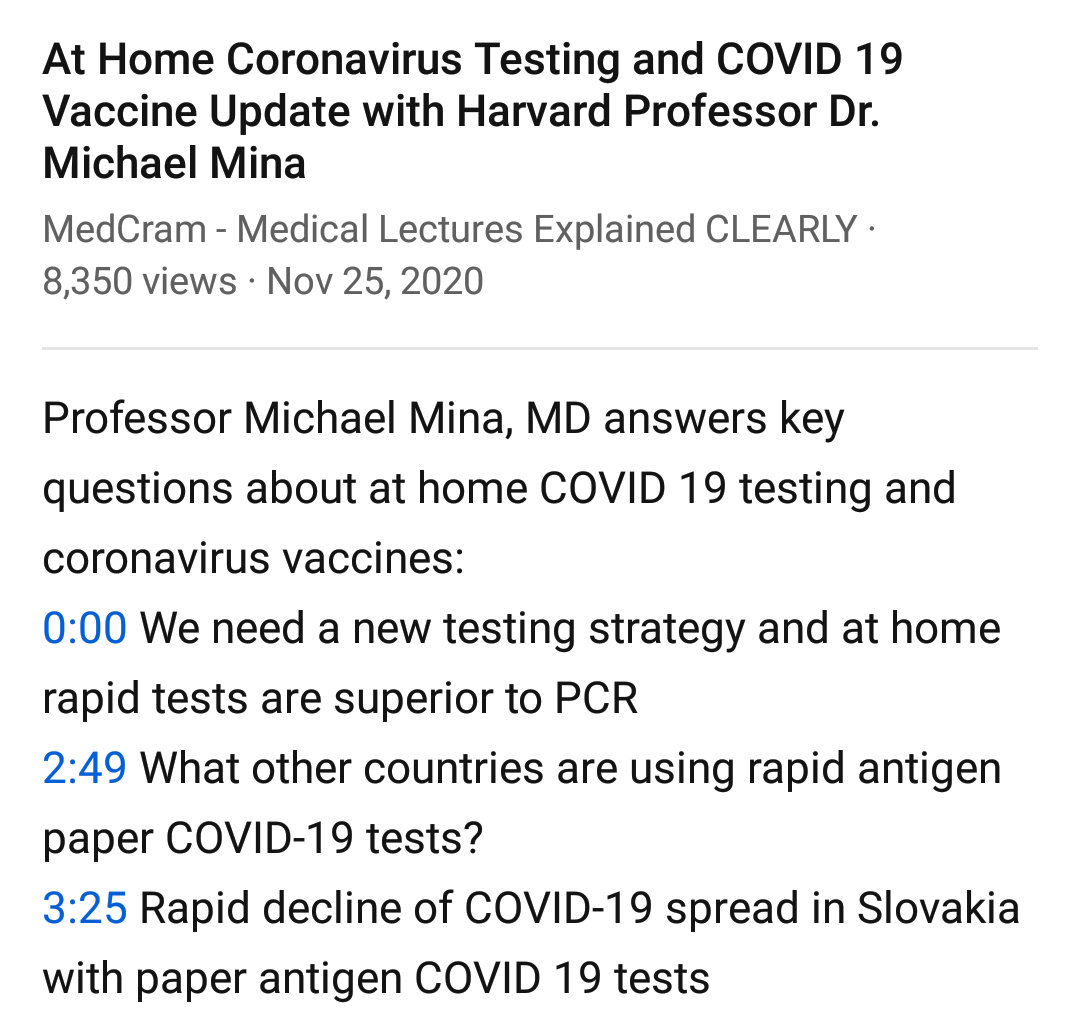
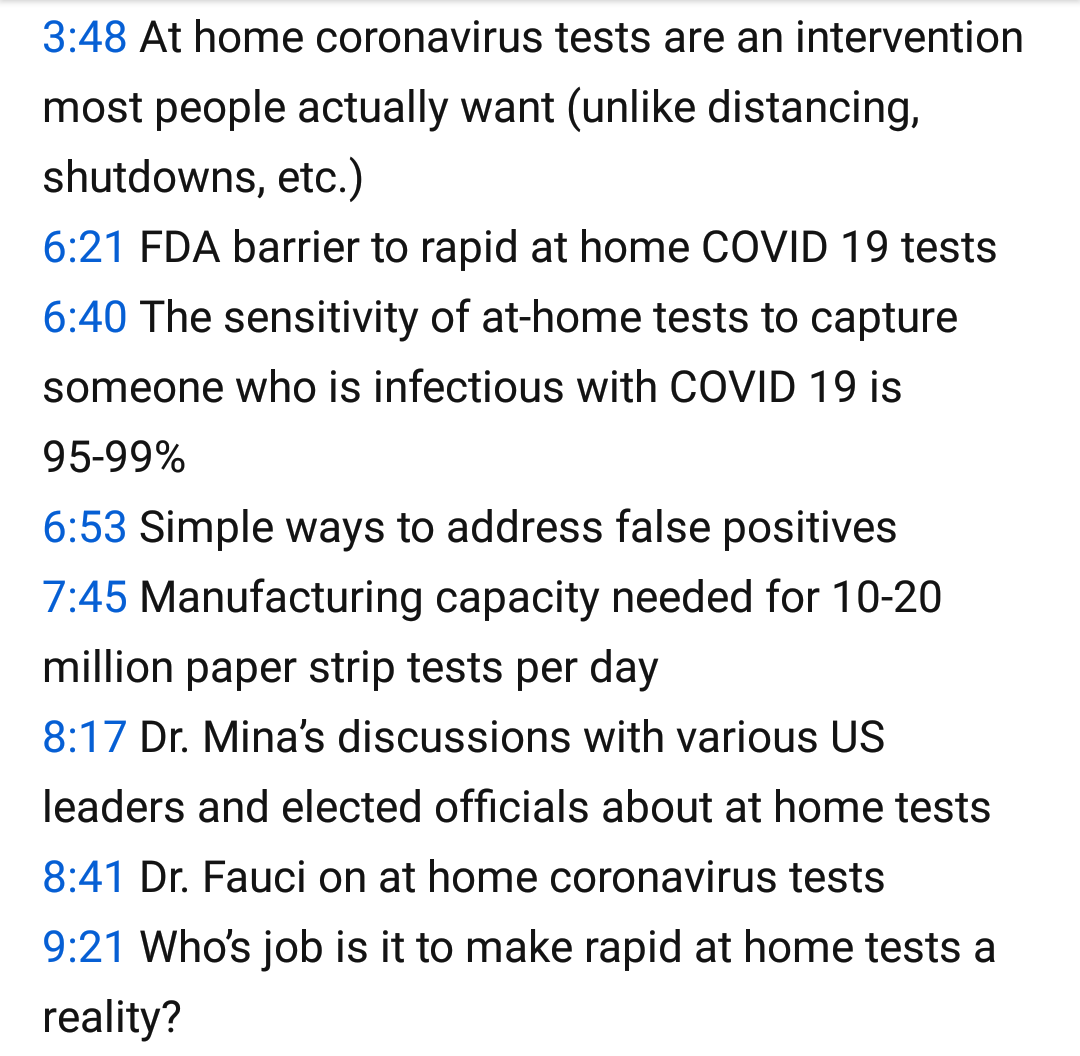
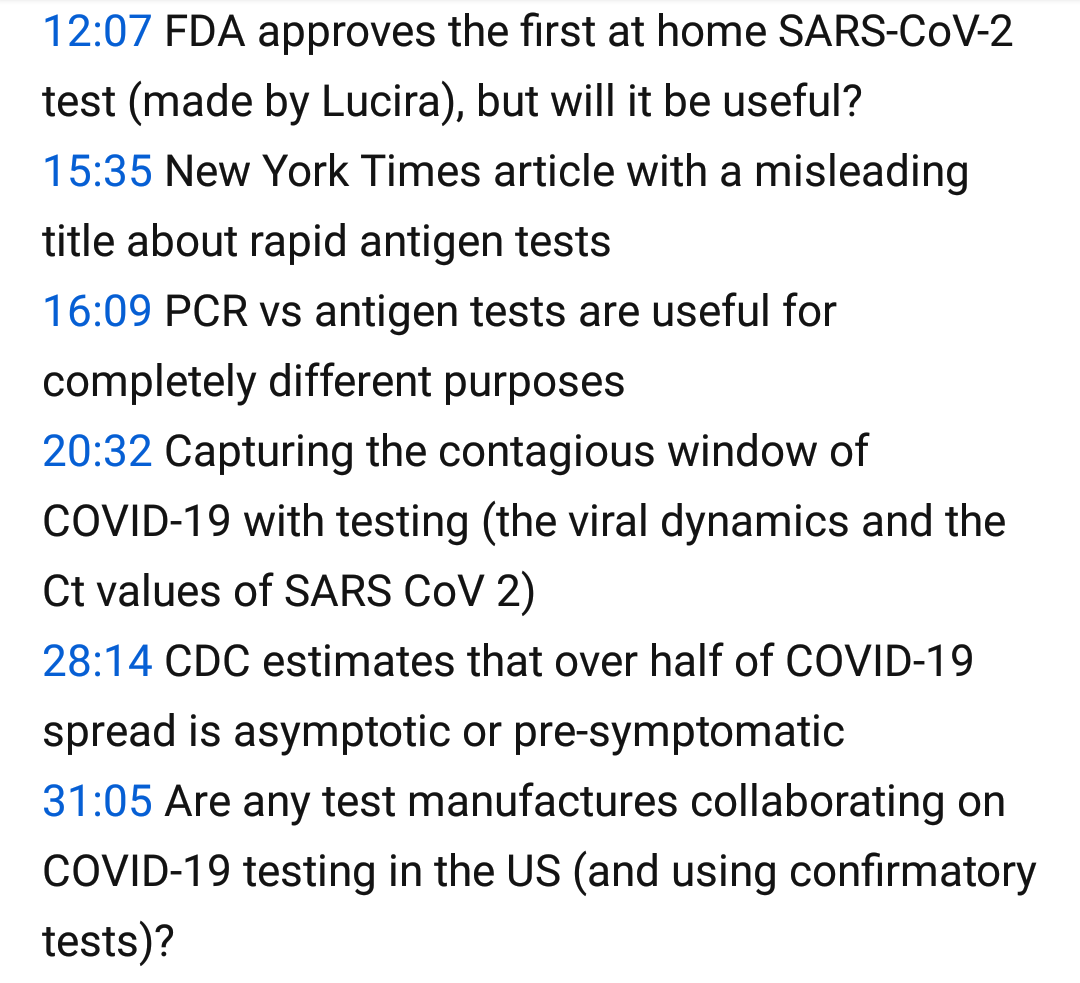
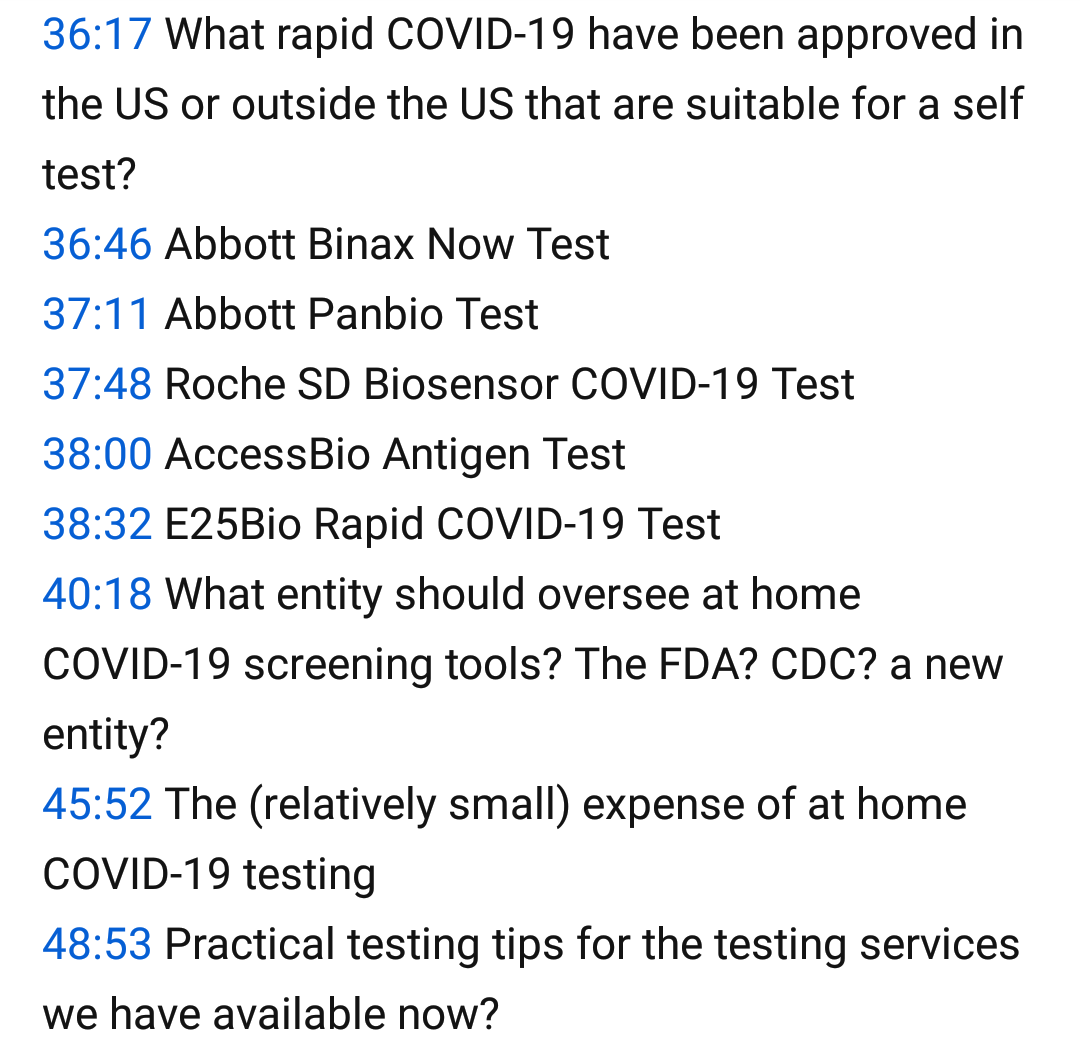
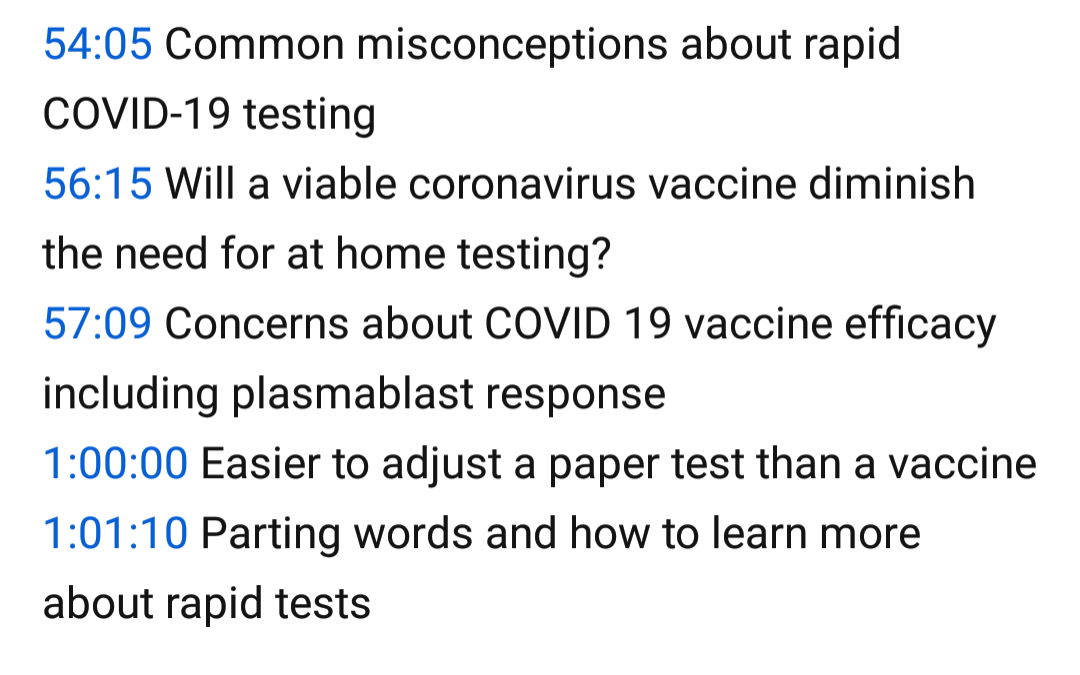
Here’s what happened to NEW CASES in Slovakia when they had residents use the low cost Rapid Result At Home Paper Tests twice a week:
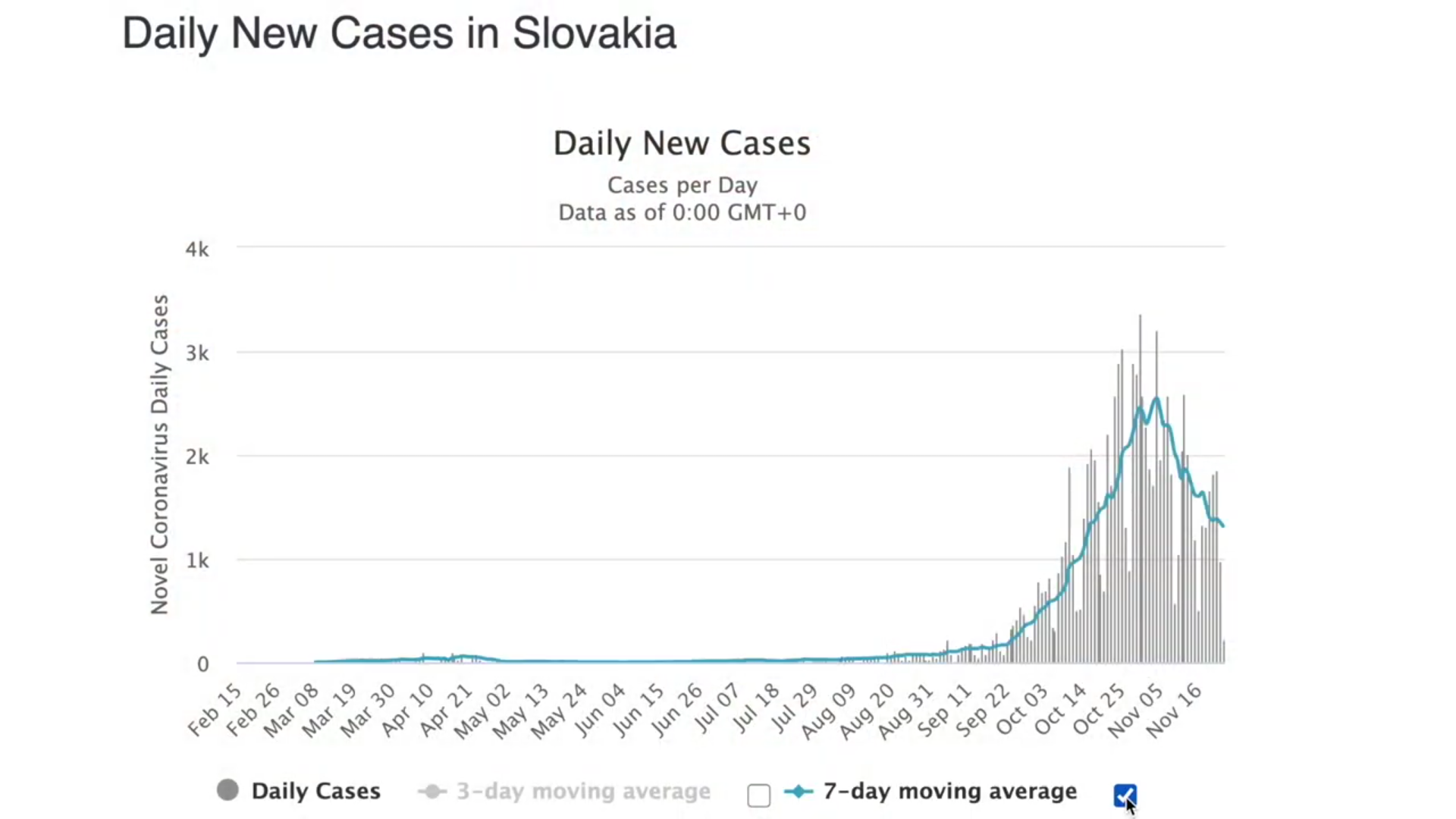
Austria & Poland are now preparing to follow Slovakia’s method. WE NEED THESE TESTS EVERYWHERE… NOW!
(If you want to fast-forward the video to the items listed below in blue you will need to click on the hyperlinks directly on Youtube:
Two leading Oxford University academics have accused Facebook of ‘censorship’ after it claimed an article they wrote on face masks amounted to ‘false information’.
Professor Carl Heneghan, director of the university’s Centre for Evidence-Based Medicine, posted a link on his Facebook page to the article he wrote with colleague Dr Tom Jefferson, titled: ‘Landmark Danish study shows face masks have no significant effect.’
The piece reviewed the recently published ‘Danmask-19’ trial, which looked at the effectiveness of masks in preventing wearers becoming infected with Covid-19.
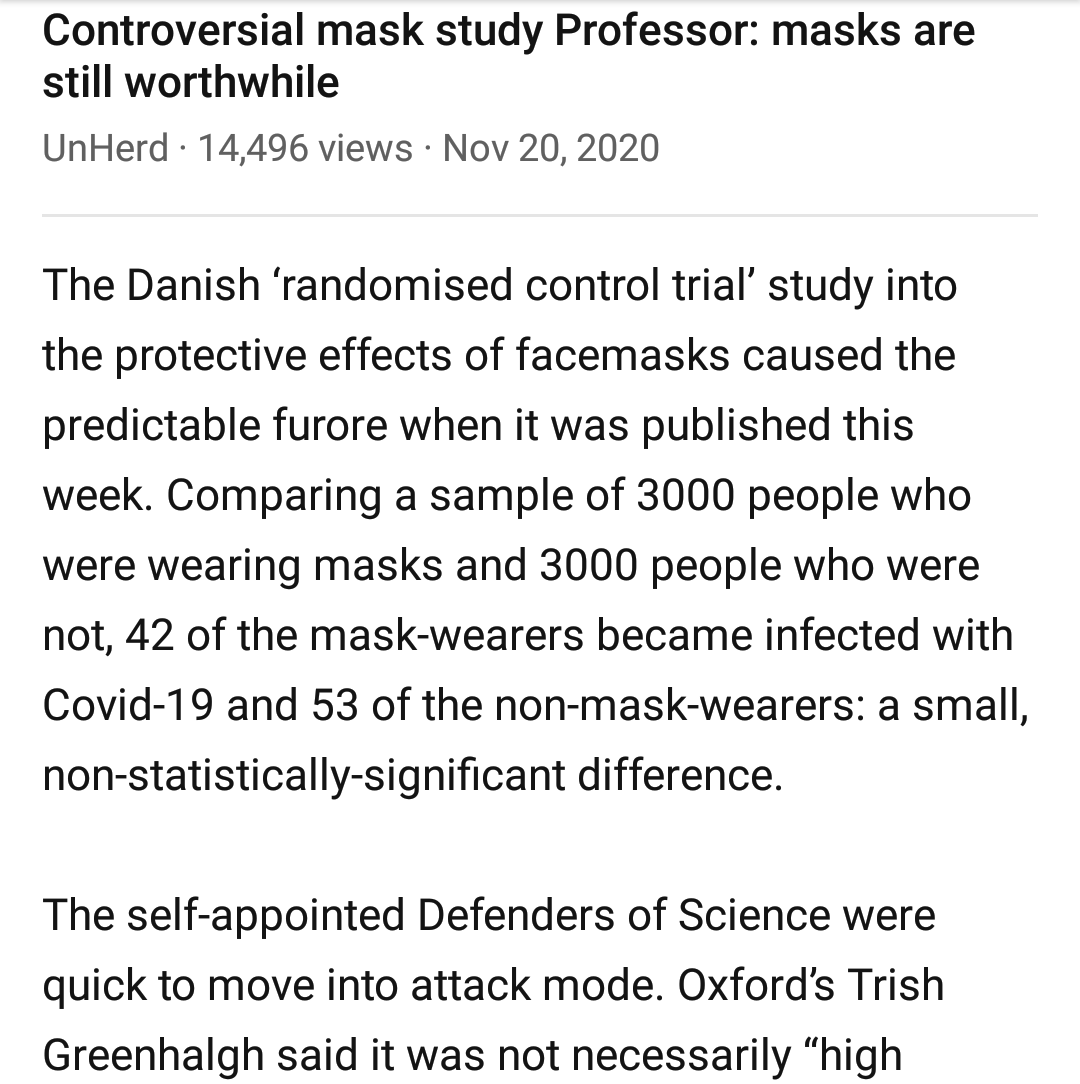
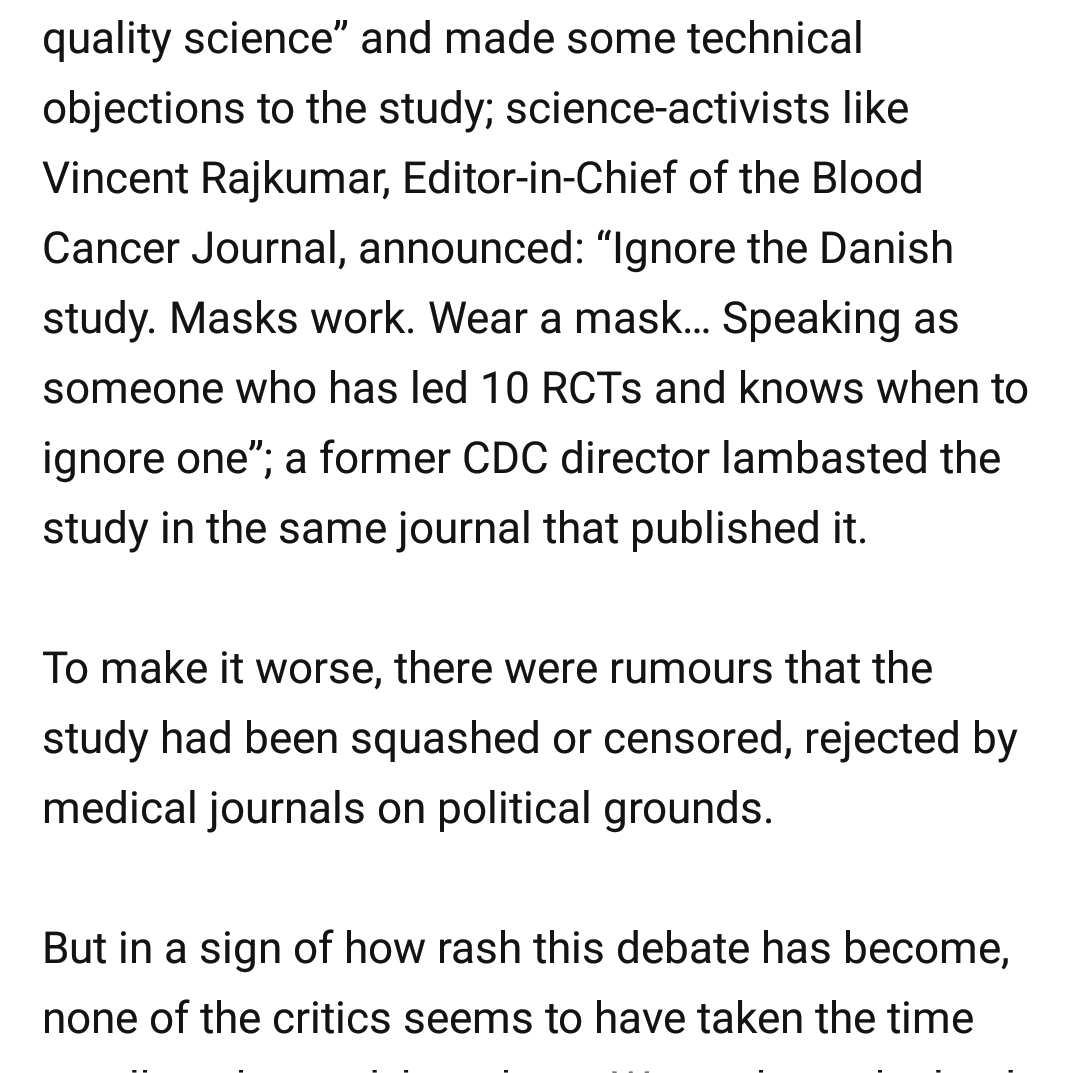
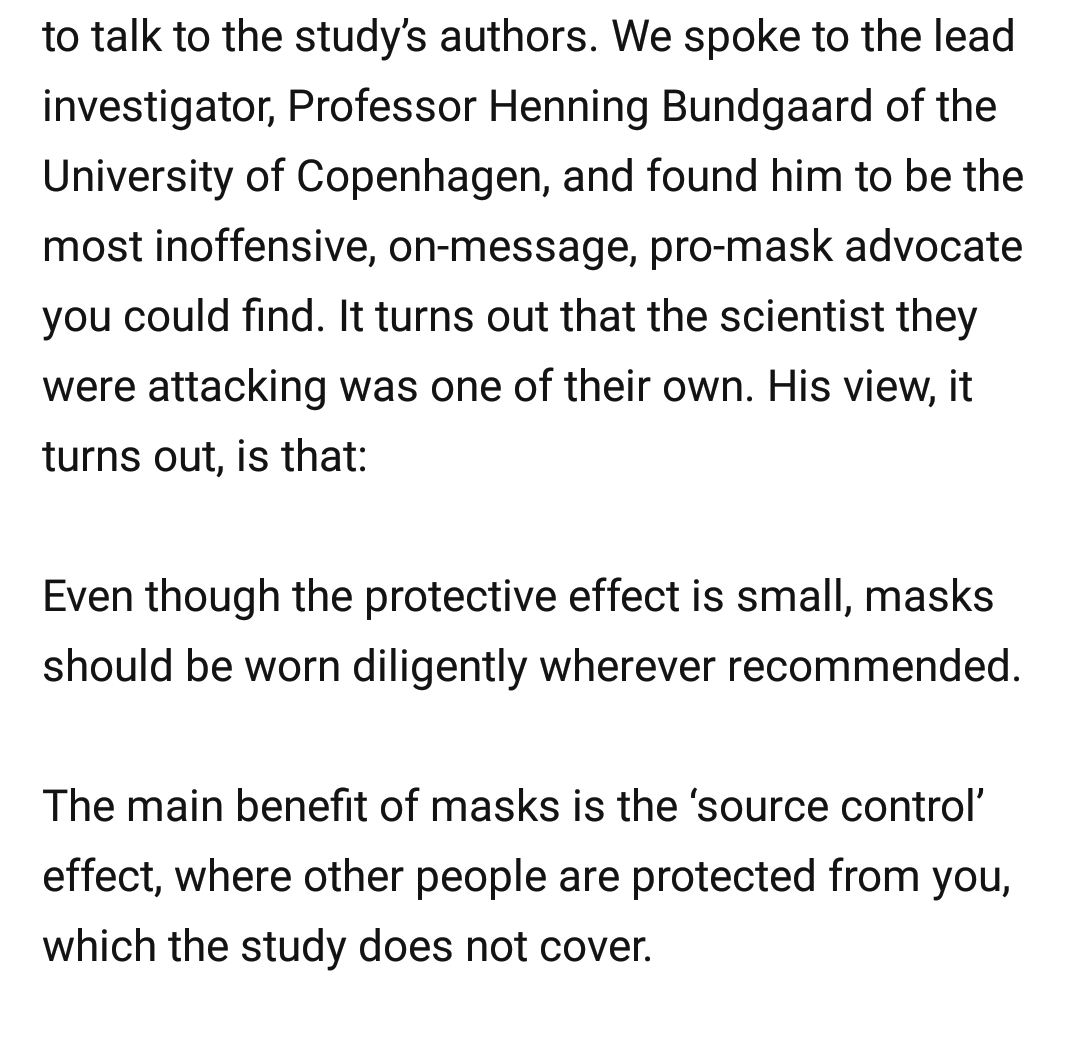
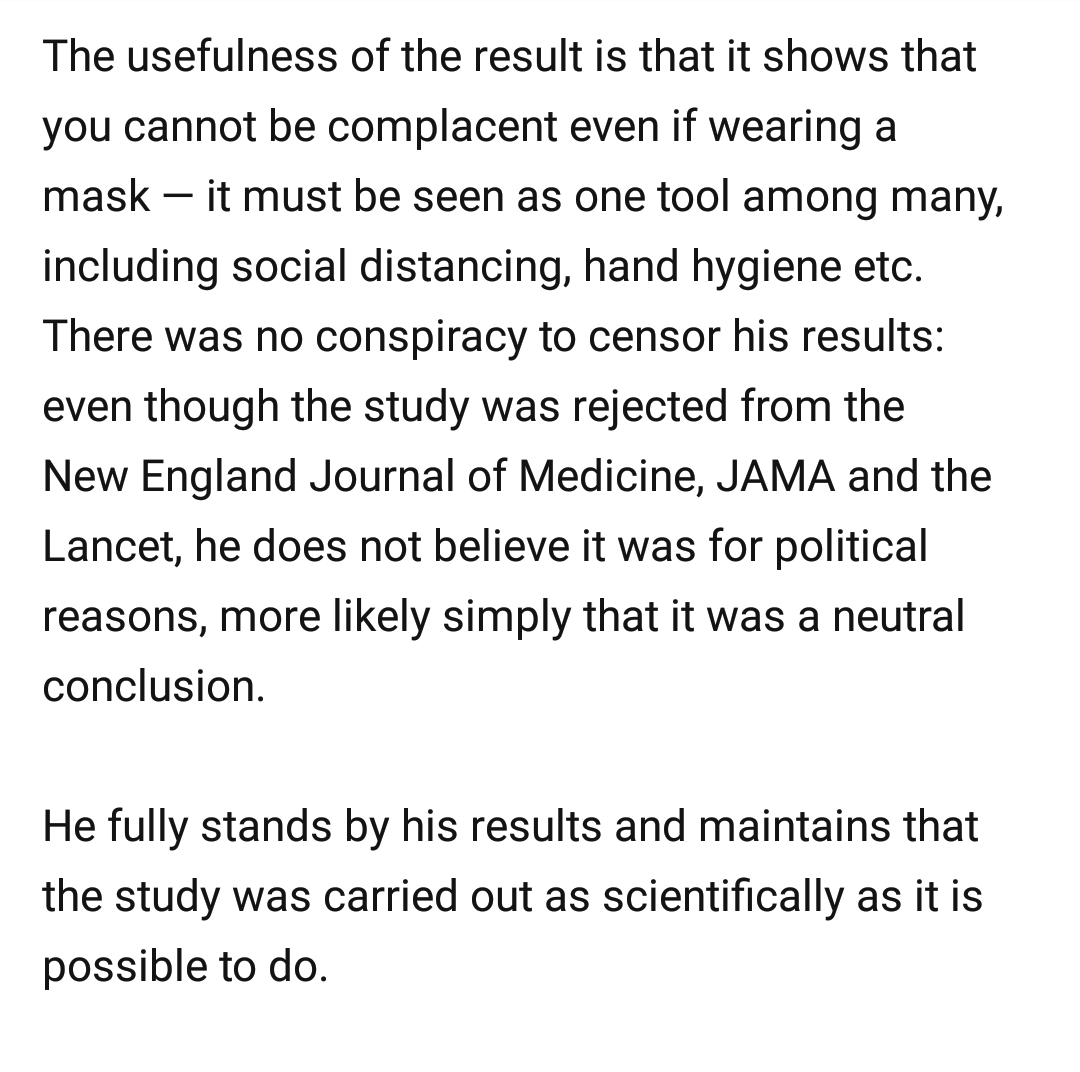
After following some 6,000 volunteers for a month, half of whom were asked to wear face masks outside the home and half of whom were asked not to wear them, researchers concluded that the difference in infection rates (1.8 versus 2.1 per cent) was so small it was not ‘statistically significant’ – meaning it could have happened by chance. The Danish researchers described their results as ‘inconclusive’.
The pair’s article relayed the findings, adding: ‘As a result, it seems that any effect masks have on preventing the spread of the disease in the community is small.’
But Facebook put a warning on the link taking viewers to the 694-word article, which appears on The Spectator’s website, claiming it had been ‘checked by independent fact-checkers’ who found it amounted to ‘false information’.
A furious Prof Heneghan, who wrote for the MoS earlier this month, drew attention to his run-in with Facebook on Twitter, telling his 70,000 followers: ‘I’m aware of this happening to others – what has happened to academic freedom and freedom of speech? There is nothing in this article that is false.’
Facebook cited a review by ‘independent third-party fact-checkers’ Health Feedback, titled: ‘Danish face mask study did not find that masks were ineffective at reducing spread of Covid-19; study was underpowered and results were inconclusive.’
But this did not mention the pair’s Spectator article at all.
Last night Dr Jefferson told The Mail on Sunday: ‘It is censorship and it is one of the reasons we face a global meltdown of free thinking and science.’
The Danmask-19 study was highly anticipated as it was a ‘randomised controlled trial’ (RCT), regarded as the gold standard in medical evidence.
‘Observational’ studies have linked mask wearing with a slightly lower risk of respiratory infections, but these can be prone to bias and other methodological problems. One important aspect Danmask did not address, however, was whether face masks help stop infections being passed on.
Many scientists believe this is their main benefit, as lab studies show masks greatly reduce the quantity of potentially infected droplets travelling away from the wearer.
Professor James Naismith, director of the Rosalind Franklin Institute at Oxford, said: ‘It is highly unlikely that definitive “proof” can ever be obtained for mask wearing.
‘I will continue to wear a mask to protect others, and I would ask those who can, to do so too. If I am wrong, the cost to me has been virtually zero. If I’m right, then maybe someone avoided a serious illness.’
The Spectator said yesterday: ‘Due to the large number of people passing comment on the article on social media without reading it, we have updated the headline to emphasise that the study is about face-mask wearers.’
A Facebook spokesman said: ‘Publishers are of course able to appeal the ratings and judgments of the fact checkers.’
HONG KONG (Reuters) – A Hong Kong man who recovered from COVID-19 was infected again four-and-a-half months later in the first documented instance of human re-infection, researchers at the University of Hong Kong said on Monday.
The findings indicate the disease, which has killed more than 800,000 people worldwide, may continue to spread amongst the global population despite herd immunity, they said.
The 33-year-old male was cleared of COVID-19 and discharged from a hospital in April, but tested positive again after returning from Spain via Britain on Aug. 15.
The patient had appeared to be previously healthy, researchers said in the paper, which was accepted by the international medical journal Clinical Infectious Diseases but is not yet available online.
He was found to have contracted a different coronavirus strain from the one he had previously contracted and remained asymptomatic for the second infection.
“The finding does not mean taking vaccines will be useless,” Dr. Kai-Wang To, one of the leading authors of the paper, told Reuters. “Immunity induced by vaccination can be different from those induced by natural infection,” To said. ” will need to wait for the results of the vaccine trials to see if how effective vaccines are.”
World Health Organization (WHO) epidemiologist Maria Van Kerkhove said on Monday that there was no need to jump to any conclusions in response to the Hong Kong case.
Instances of people discharged from hospitals and testing positive again for COVID-19 infection have been reported in mainland China. However, in those cases it was not clear whether they had contracted the virus again after full recovery – as happened to the Hong Kong patient – or still had the virus in their body from the initial infection.
The preliminary number of patients in China who tested positive again once being discharged from hospital was 5%-15%, Wang Guiqiang, an infectious disease specialist in China’s expert group for COVID-19 treatment, said during a press briefing in May.
One explanation was that the virus still existed in the lungs of patients but was not detected in samples taken from upper parts of the respiratory tract, he said. Other possible causes were low sensitivity of tests and weak immunity that could lead to persistent positive results, he added.
Jeffrey Barrett, an expert and consultant with the COVID-19 Genome Project at Britain’s Wellcome Sanger Institute, said in emailed comments to Reuters that it was very hard to make any strong inference from a single observation.
“Given the number of global infections to date, seeing one case of re-infection is not that surprising even if it is a very rare occurrence,” he said.
.
According to the study, 1.8% of participants with masks got coronavirus. That compares to 2.1% of participants without masks.
A recommendation to wear a surgical mask when outside the home among others did not reduce, at conventional levels of statistical significance, incident SARS-CoV-2 infection compared with no mask recommendation.
ACPJOURNALS Study
.
The recommendation to wear surgical masks to supplement other public health measures did not reduce the SARS-CoV-2 infection rate among wearers by more than 50% in a community with modest infection rates, some degree of social distancing, and uncommon general mask use. The data were compatible with lesser degrees of self-protection.
Monk Debate Podcast