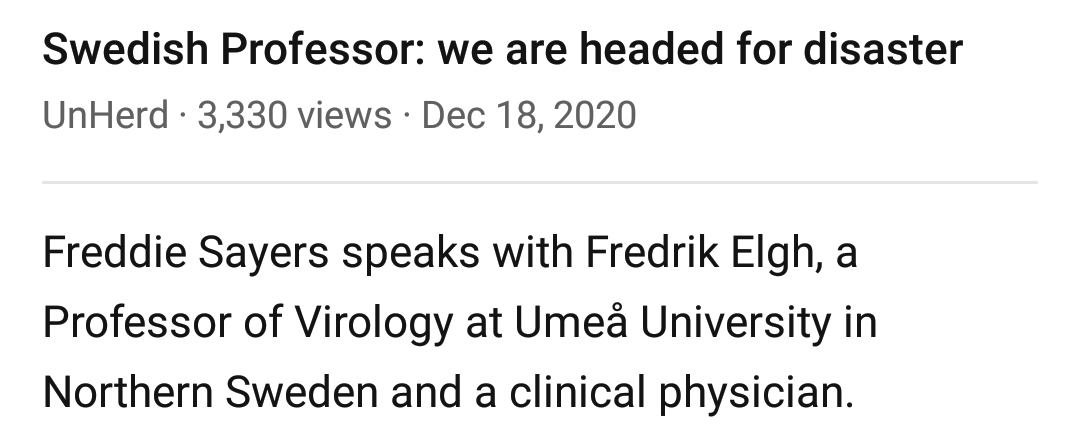
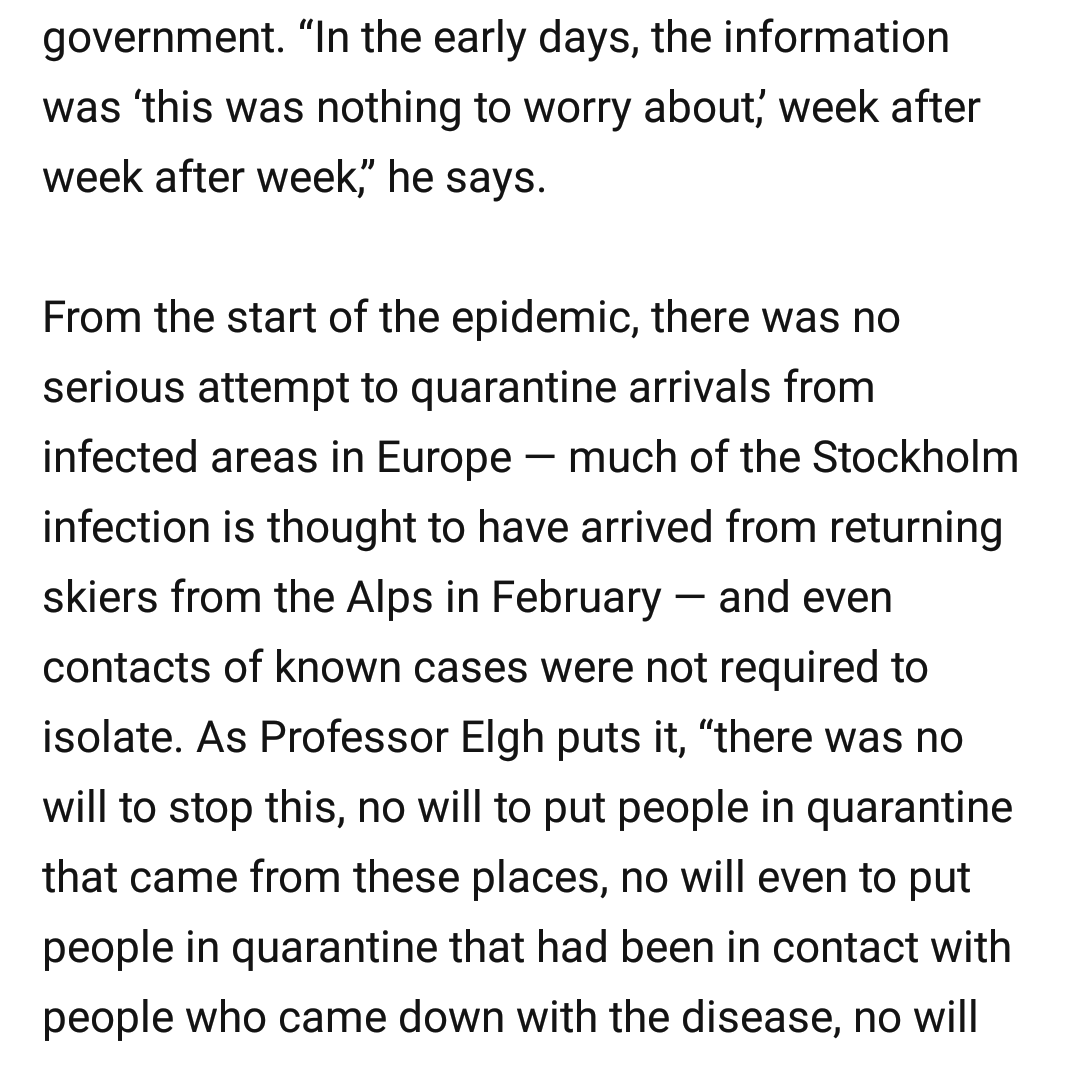
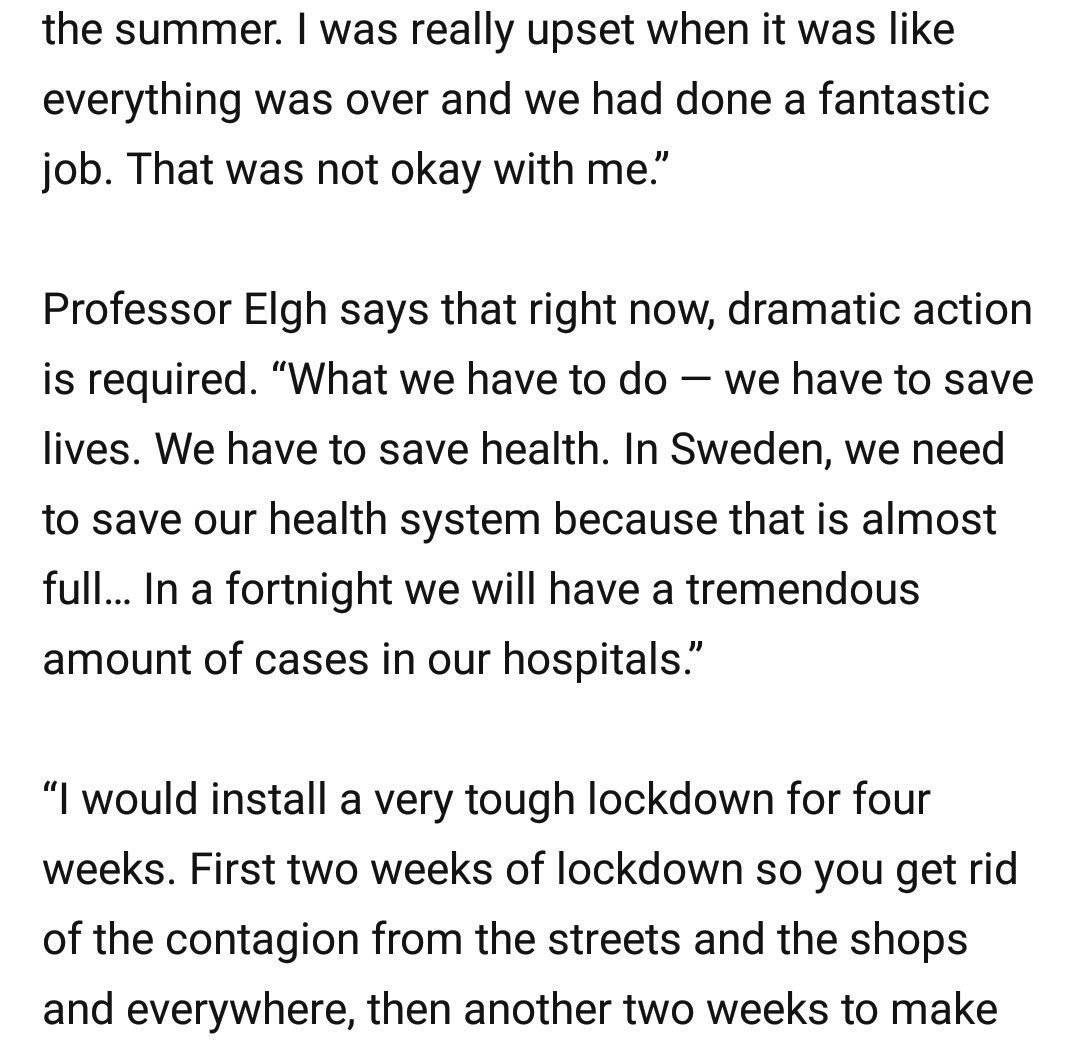
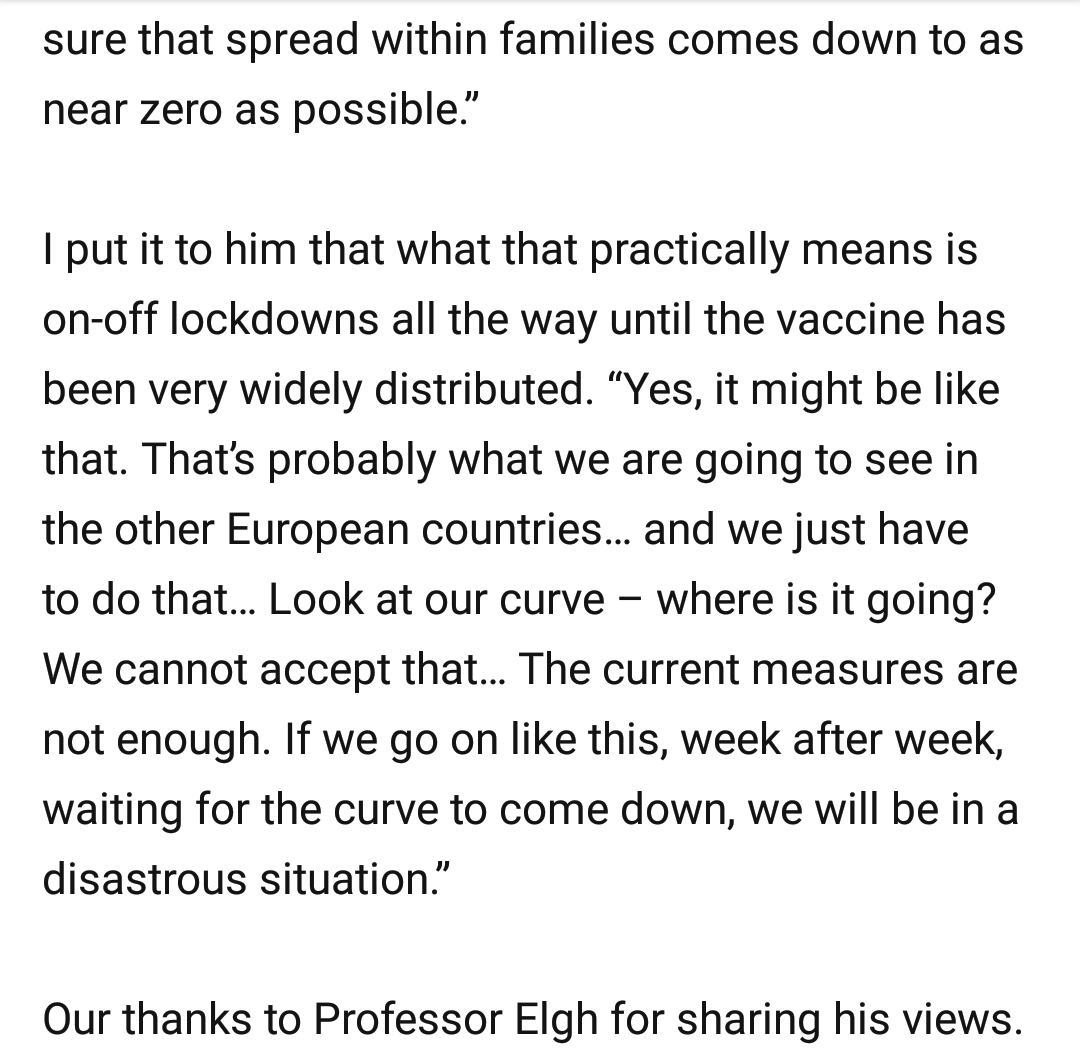
CDC and WHO Mortality Data

Video published Nov 10, 2020

Source: CDC

Provisional death counts deliver the most comprehensive picture of lives lost to COVID-19. These estimates are based on
incoming death certificates, which are the most reliable source of death data and contain information not available anywhere
else, including information about the place of death, other causes that contributed to the death, and race and ethnicity. – CDC

https://www.cdc.gov/nchs/nvss/vsrr/covid_weekly/index.htm#AgeAndSex

Remembering Galileo

Science is by definition open to debate. It seems unimaginable that in 2020 science is being infected (once again) by political tribalism. Such was the fate of Galileo Galilei who spent nearly a decade of his life under house arrest for his scientific theories.

Some medical professionals today are still being culture-cancelled for their divergent professional inquiries. A fair analysis of such a case is presented in the non-profit, editorially independent digital magazine UNDARK that explores the intersection of science and society. Please give it a good read here:

https://undark.org/2020/06/11/john-ioannidis-politicization/

“Locking ourselves in our beautiful mansions and continuing with our videoconferences practically does nothing for nursing homes and chronically badly prepared hospitals . . . It also kills the poor, the disadvantaged . . .” He [Professor John Ioannidis] has cautioned that protracted lockdown will cause starvation, violence, poverty, and deaths that could exceed the number of lives saved by avoiding Covid-19 infections.

He’s not alone in these concerns. The World Food Program estimates that 265 million people worldwide could face hunger and starvation due to lockdown-related disruptions in the food supply. Business writer Tom Keane suggests, based on a study linking death rates to unemployment, that pandemic-related job losses in the U.S. alone could translate to an extra 815,000 deaths over the next 10 to 17 years.

.

* REMINDER – The early low estimate of Covid deaths was discussed in an earlier interview by The Greek Reporter:

Greek Reporter: You had earlier extrapolated 10,000 total US deaths using the Diamond Princess cruise ship analysis, using the case fatality rate among those infected, which was .3% (mid-range guess), with 1% of the US population becoming infected. As we know now, the total amount of those dying with the disease was much higher but it was still not the astronomical, exponentially huge number that some had predicted. There had been only 68 American deaths by March 16, the day before your original article was published. The most pessimistic projection in March was 40 million deaths globally — the same as the 1918 flu. What do you really think it is now, bottom line?

Dr. Ioannidis: In the STAT article, I discussed two hypothetical extremes for illustrative purposes, one with just 10,000 deaths in the USA and another with 50 million deaths worldwide. I said that our data are so unreliable that the truth could be anywhere between these two amazingly different extremes. Based on what we know now, we seem to be closer to the optimistic end of the range. In terms of numbers of lives lost, so far the COVID-19 impact is about 1% of the 1918 influenza. In terms of quality-adjusted person-years lost, the impact of COVID-19 is about 0.1% of 1918 influenza, since the 1918 influenza killed mostly young healthy people (average age 28), while the average age of death with COVID-19 is 80 years, with several comorbidities.

Greek Reporter: We had been told that we needed to “flatten the curve” — and we did so in the US, did we not? No health system was completely overwhelmed, not even in NYC, where they did not completely run out of ventilators.

Dr. Ioannidis: The predictions of most mathematical models in terms of how many beds and how many ICU beds would be required were astronomically wrong. Indeed, the health system was not overrun in any location in the USA, although several hospitals were stressed. Conversely, the health care system was severely damaged in many places because of the measures taken.

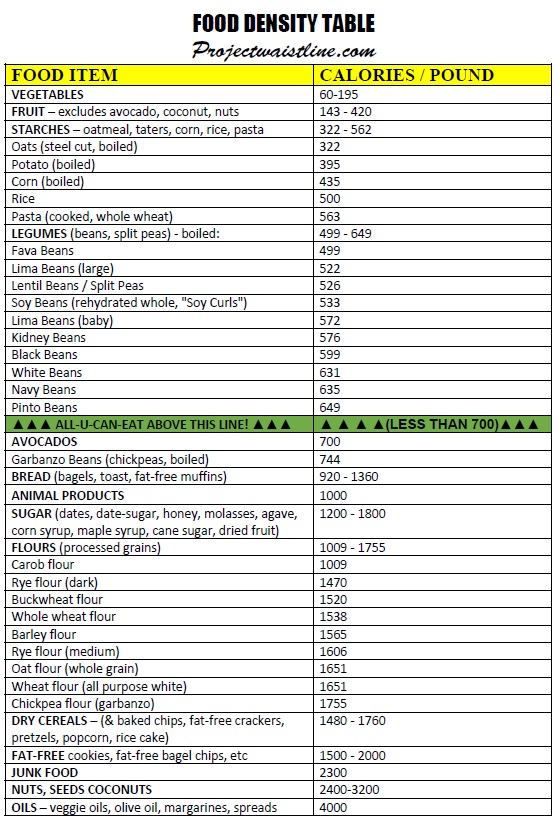
http://projectwaistline.com/?p=20606

PCR TEST RELIABILITY?

The Infectious Myth podcast:

Only recently have I come upon articles (and the above podcast) questioning the reliability of the PCR tests that govern our global lockdown response. I am only scratching the surface. It is now the job of the reader to search more deeply and arrive at their own conclusions. If nothing else my research has convinced me how little we truly know about this virus.

PART A) Consider this article from the Bulgarian Pathology Association:

Though the whole world relies on RT-PCR to “diagnose” Sars-Cov-2 infection, the science is clear: they are not fit for purpose

[…]

Finally, the reasons and possible motives remain speculative, and many involved surely act in good faith; but the science is clear: The numbers generated by these RT-PCR tests do not in the least justify frightening people who have been tested “positive” and imposing lockdown measures that plunge countless people into poverty and despair or even drive them to suicide.

And a “positive” result may have serious consequences for the patients as well, because then all non-viral factors are excluded from the diagnosis and the patients are treated with highly toxic drugs and invasive intubations. Especially for elderly people and patients with pre-existing conditions such a treatment can be fatal, as we have outlined in the article “Fatal Therapie.”

Without doubt eventual excess mortality rates are caused by the therapy and by the lockdown measures, while the “COVID-19” death statistics comprise also patients who died of a variety of diseases, redefined as COVID-19 only because of a “positive” test result whose value could not be more doubtful.

https://off-guardian.org/2020/06/27/covid19-pcr-tests-are-scientifically-meaningless/?fbclid=IwAR3G6Fuq8C-8XW7szL43scbKOYFx78irq52A6ZQCRdZmPMWiHTqD_2jv4Zo

*********************

PART B) In contrast consider this Reuters’ fact check concerning the quote, “PCR tests cannot detect free infectious viruses at all”.

While claiming, “The quote undermining PCR tests is misattributed to [it’s inventor] Mullis and taken out of context”, the article’s author writes:

A spokesperson for Public Health England told Reuters why PCR tests are being used widely in England:

“Molecular diagnostic tests, such as real-time PCR, are the gold standard methods for identifying individuals with an active viral infection, such as SARS-CoV-2 (the cause of COVID-19 disease), in their respiratory tract. These tests are rapid and produce results in real-time.

“It is important to note that detecting viral material by PCR does not indicate that the virus is fully intact and infectious, i.e. able to cause infection in other people. The isolation of infectious virus from positive individuals requires virus culture methods. These methods can only be conducted in laboratories with specialist containment facilities and are time consuming and complex.”

https://www.google.com/amp/s/in.mobile.reuters.com/article/amp/idUSKBN24420X?espv=1

******************

I wish we could study further with the podcast host David Crowe. The INFECTIOUS MYTH podcast began covering coronavirus on March 3, 2020. On June 16 he spoke of his recent liver cancer diagnosis. On July 12, 2020 David Crowe died.

I thank him for his contribution to our knowledge and I wish him the best on his journey.

THE INFECTIOUS MYTH WEBPAGE:

https://theinfectiousmyth.com/index2.php

Effectiveness of Cloth Masks for Protection Against Severe Acute Respiratory Syndrome Coronavirus 2

Volume 26, Number 10—October 2020Online Report

More research on cloth masks is needed to inform their use as an alternative to surgical masks/respirators in the event of shortage or high-demand situations. To our knowledge, only 1 randomized controlled trial has been conducted to examine the efficacy of cloth masks in healthcare settings, and the results do not favor use of cloth masks.

More randomized controlled trials should be conducted in community settings to test the efficacy of cloth masks against respiratory infections.

[…]

During a pandemic, cloth masks may be the only option available; however, they should be used as a last resort when medical masks and respirators are not available. Cloth mask use should not be mandated for healthcare workers, but some may choose to use them if there are no alternatives.

[…]

These transmission events appear uncommon and have typically involved the presence of an infectious person producing respiratory droplets for an extended time (>30 minutes to multiple hours) in an enclosed space. Enough virus was present in the space to cause infections in people who were more than 6 feet away or who passed through that space soon after the infectious person had left.

[…]

Conclusions

The filtration, effectiveness, fit, and performance of cloth masks are inferior to those of medical masks and respirators. Cloth mask use should not be mandated for healthcare workers, who should as a priority be provided proper respiratory protection. Cloth masks are a more suitable option for community use when medical masks are unavailable. Protection provided by cloth masks may be improved by selecting appropriate material, increasing the number of mask layers, and using those with a design that provides filtration and fit. Cloth masks should be washed daily and after high-exposure use by using soap and water or other appropriate methods.