Neuroscientist Chris Shaw PhD shares his concerns about the mRNA #Covid19 vaccines and explains Moderna’s own data demonstrating mRNA can cross the blood-brain barrier.
Category: Corona Virus
Covid Vaccine Facts w/ Links
Dr. Simone Gold discusses covid-19 and vaccine. https://www.americasfrontlinedoctors.com/custom_videos/the-stand-the-truth-about-the-covid-19-vaccine/
Stop Med Discrimination
https://stopmedicaldiscrimination.org/
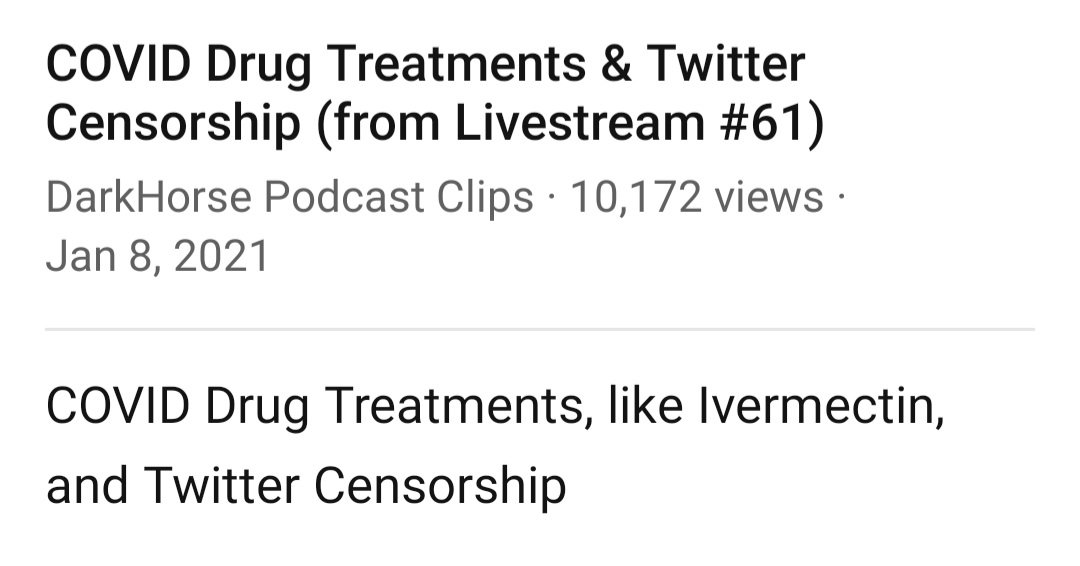
Covid Treatments VS Social Media
WHAT’S BEHIND THE IVERMECTIN-FOR-COVID BUZZ?
Medpage Today
January 6, 2021
https://www.medpagetoday.com/infectiousdisease/covid19/90552
Ivermectin meta-analysis by Dr Andrew Hill.
Cmmt: “Thank you from Bolivia, where lives are being saved by ivermectin!!!”
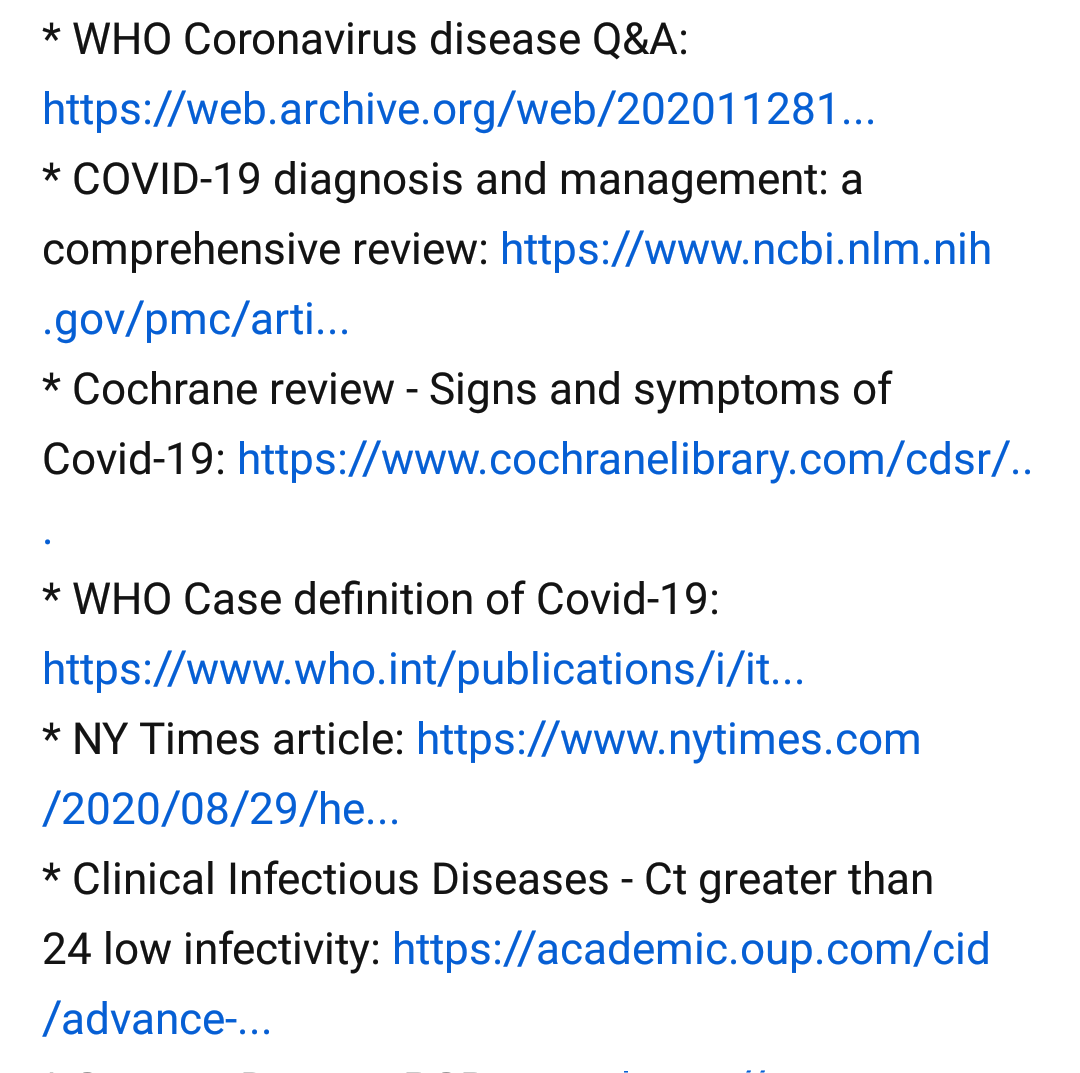
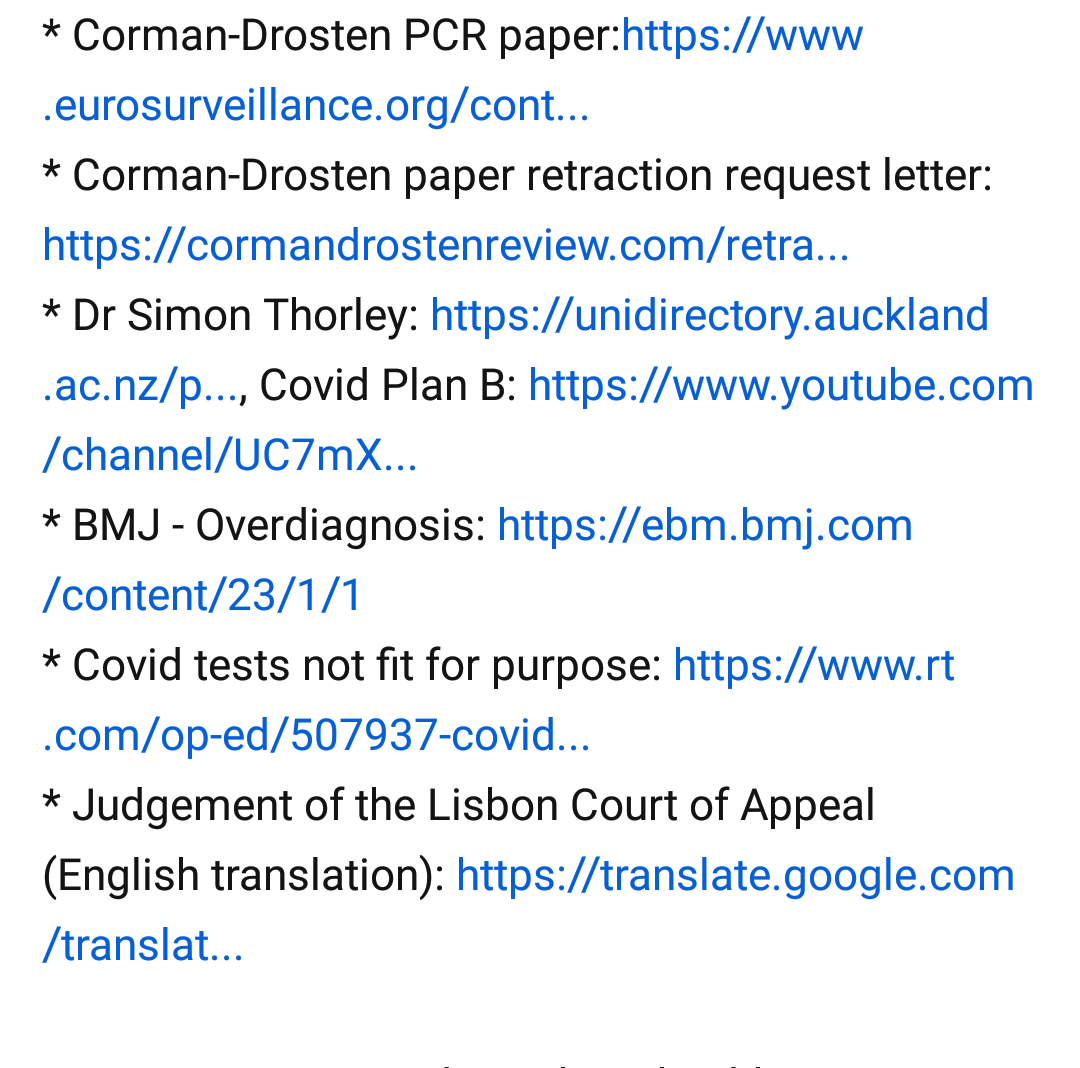
What is a covid-19 “CASE”?
https://youtu.be/g2aR2UInnug
To access active hyperlinks please view video directly on Youtube:
https://youtu.be/g2aR2UInnug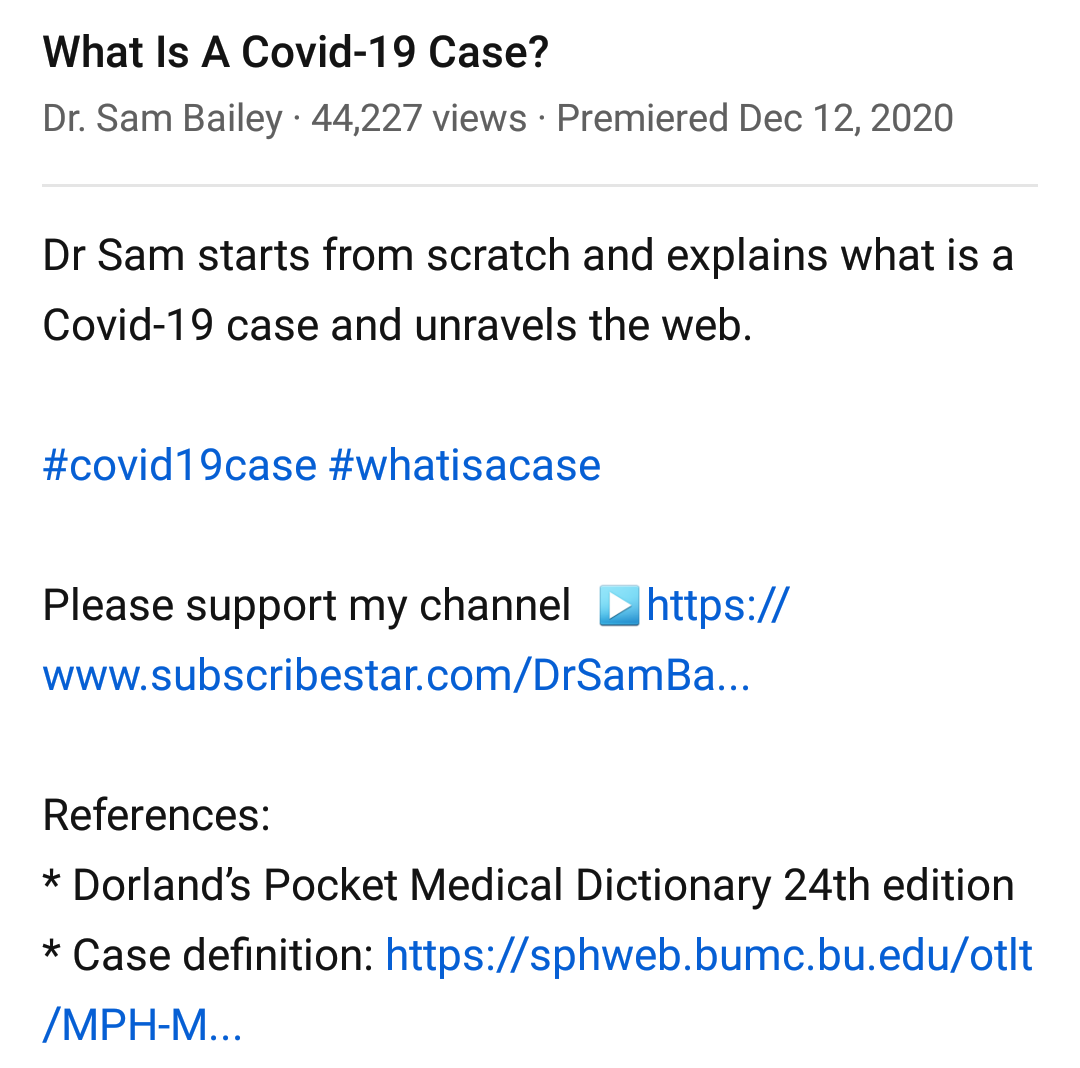
AP REPORT: Vaccine rollout hits snag as health workers balk at shots
PCR Pandemic
https://youtu.be/-LToSnpz8A4
To access active hyperlinks please view video directly on Youtube:

“Book published in 2007, but 100% relevant in 2020.”

Excess Mortality – What You Are Not Being Told
https://youtu.be/bw5ldWr9QD0
To access hyperlinked references please view this video directly on Youtube:


Does Ivermectin Take a Quantum Leap?
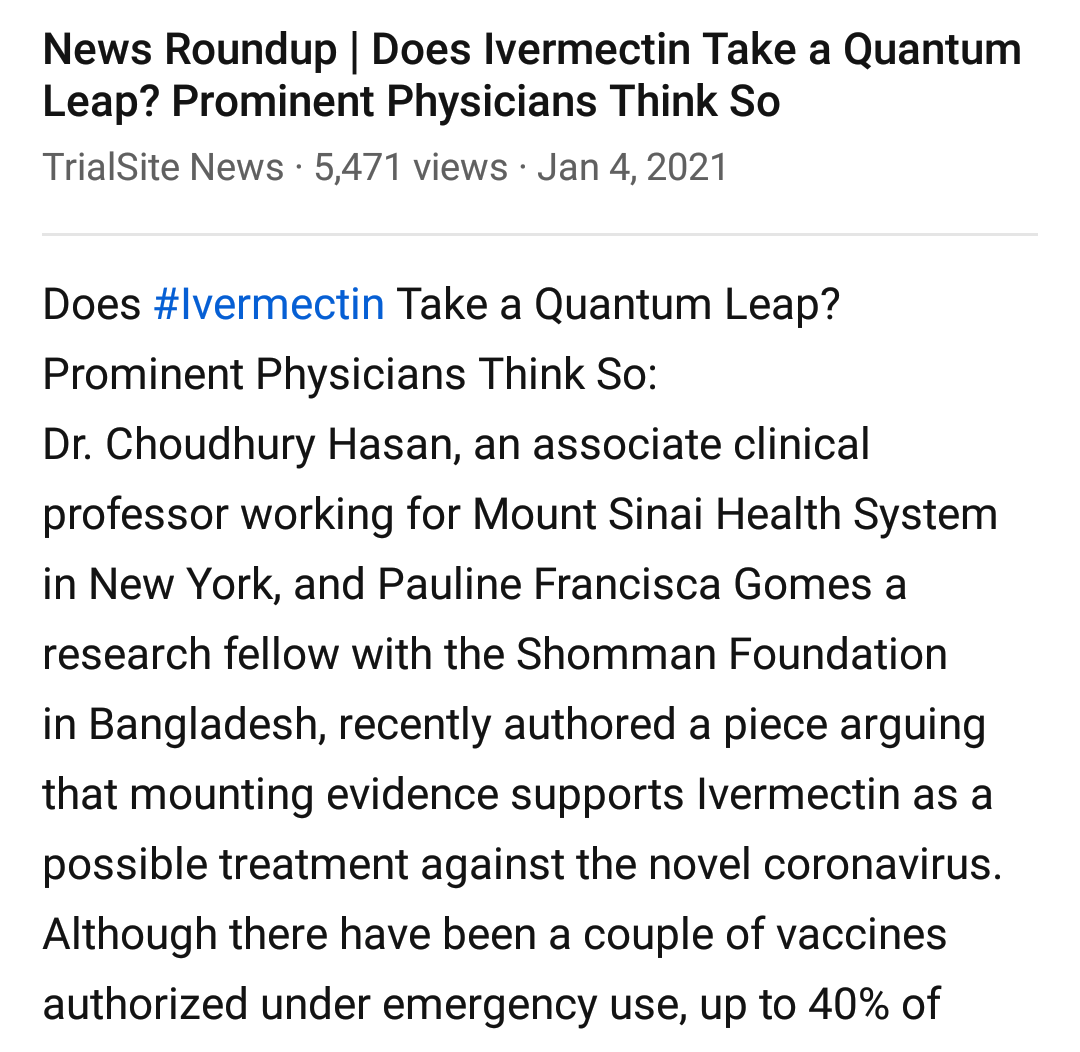
 https://trialsitenews.com/does-ivermectin-take-a-quantum-leap-prominent-physicians-think-so/
 https://trialsitenews.com/california-nurse-succumbs-to-covid-19-despite-vaccination-from-pfizer-expected-scenario/
 https://trialsitenews.com/healthcare-bedlam-wide-spread-vaccination-by-april-how-about-fall-2021/
COVID Death Rate Estimates Plummeted Since Beginning of the Year
by Brooke Conrad,
Sinclair Broadcast Group
Friday, December 18th 2020
WASHINGTON (SBG) – Data on COVID-19 deaths has changed drastically since the beginning of the year. The New York Times reported in April that the COVID case fatality rate — the number of known cases divided by the number of deaths — was 6.4%. Currently, the case fatality rate is probably closer to 1%, according to Amesh Adalja, a senior scholar at the Johns Hopkins Center for Health Security.
Adalja estimates the infection fatality rate, which estimates how likely someone is to die based on both confirmed and unconfirmed COVID cases, is lower– around 0.5 or 0.6%. That number depends on how good the COVID testing is, Adalja said.
Adalja noted that it’s essential to know the contributing factors leading to COVID deaths.
“COVID-19 may be the main cause of death, which was complicated by diabetes, complicated by hypertension,” he said. “And all of those deaths need to be counted because they do represent the true toll and the true impact of the pandemic.”
He said the contributing factors are critical to know when analyzing who should be prioritized in COVID vaccine distribution, he said.
Other researchers project a lower COVID-19 fatality rate. In an October study published by the World Health Organization, Stanford University Professor John Ioannidis estimated that the death rate was closer to 0.05%. According to the Daily Mail, for healthy people under age 70, that would be one in 2,000 people.
According to an article in The Conversation by Monica Gandhi, practicing infection disease doctor at the University of California, San Francisco, several researchers suggest that the lower death rates stem from improved treatments. One study in the Journal of Hospital Medicine shows the chance of death for a hospitalized patient dropped from 25.6% in March to 7.6% in August.
https://wjla.com/news/nation-world/covid-death-rate-estimates-plummeted-since-beginning-of-the-year