3 cups cooked lentils 3 cups cooked black beans 1 cup cooked rice 1 cup raw oats 1/2 cup ketchup 1/2 cup dried/minced onions 2 tsp smoked paprika
Mash ingredients together with potato masher, until desired consistency is reached (need to be able to form into patties). Form mixture into patties, and place on cookie sheet. Cover and place in refrigerator, for at least an hour (over night is best) Chill and grill!
3 cups cooked lentils 3 cups cooked black beans 1 cup cooked rice 1 cup raw oats 1/2 cup ketchup 1/2 cup dried/minced onions 2 tsp smoked paprika
Mash ingredients together with potato masher, until desired consistency is reached (need to be able to form into patties). Form mixture into patties, and place on cookie sheet. Cover and place in refrigerator, for at least an hour (over night is best) Chill and grill!
The prominent early twenty-first century fathers of nutrition & their programs are described at these links.
Common Patient Outcomes
These four pioneers achieved consistent clinical success because their protocols share a core foundation: a whole-food, plant-based (WFPB) diet completely free of animal products and added oils. By flooding the body with phytochemicals and eliminating dietary triggers of inflammation, their programs consistently produce the following shared patient outcomes:
Cardiovascular Reversal: Measurable reversal of arterial blockages and plaque buildup.
Rapid Biomarker Drops: Dramatic drops in total cholesterol, LDL, and blood pressure within weeks.
Medication Elimination: Safe reduction or total elimination of blood pressure and diabetic medications.
Diabetes Management: Reversal of insulin resistance and normalized blood sugar levels.
Weight Optimization: Natural, sustainable weight loss without portion restriction or calorie counting.
Cellular Longevity: Reduced systemic inflammation and genetic markers of cellular aging.
Patient outcomes from their clinical program meet or exceed traditional pharmaceutical benchmarks. [1, 2]
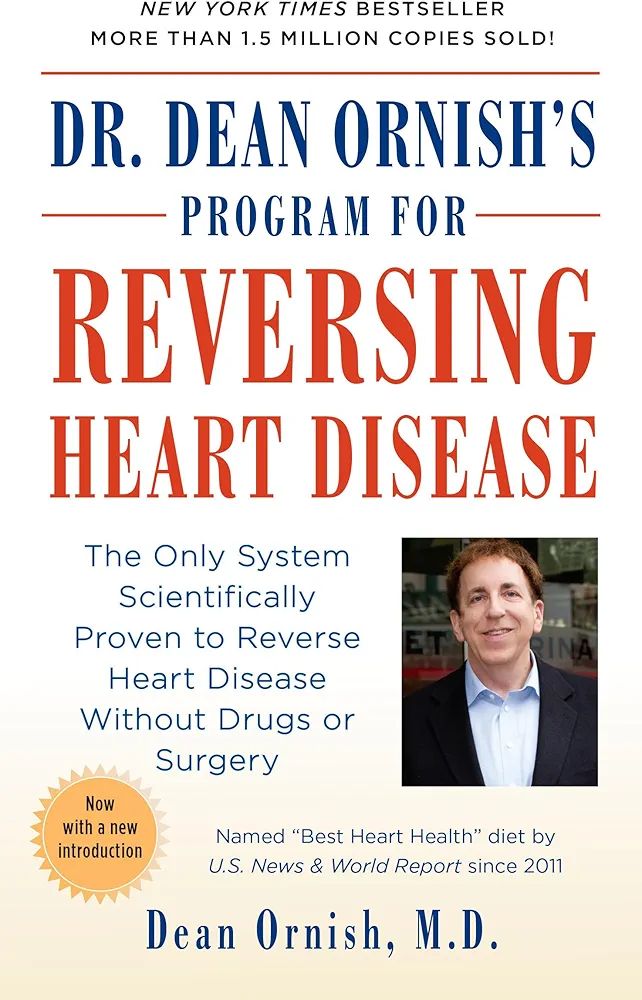
The Dean Ornish diet is a very low-fat, whole-food, plant-based lifestyle program designed to help prevent and, in some cases, reverse chronic disease. Unlike some other plant-based approaches, it combines nutrition with exercise, stress management, and emotional support.
Very low-fat, whole-food, plant-based diet
Emphasis on fruits, vegetables, legumes, whole grains, and soy foods
Very low fat intake
Fat is typically limited to about 10% of total daily calories in the strict version
Little or no animal products
Avoids or greatly limits meat, poultry, fish, dairy, and eggs
Minimize processed foods
Choose whole or minimally processed foods whenever possible
Limit refined sugars and flours
Avoid heavily processed packaged foods, sweets, white bread, and other refined carbohydrates
Very low saturated fat and cholesterol
Designed to greatly reduce dietary cholesterol and saturated fat intake
Regular moderate exercise
Encourages daily walking or other moderate aerobic activity with an emphasis on consistency
Stress management
Daily meditation, yoga, breathing exercises, or other relaxation techniques are considered essential parts of the program
Emotional and social support
Encourages group support, counseling, and healthy relationships to promote long-term success
Lifestyle approach
Focuses on combining nutrition, exercise, stress reduction, and emotional well-being rather than diet alone
Goal: disease prevention and reversal
Developed to help prevent and potentially reverse coronary artery disease and improve overall health
Scientific foundation
Based on clinical research conducted through the Ornish Program for Reversing Heart Disease and later studies involving prostate cancer and other chronic diseases.
Other Ornish books:
Ornish Diet Cookbook: Delicious, Heart-Healthy Recipes That Can Help You Lose Weight, Reduce Cholesterol, and Feel Better All Around
Ornish Diet Made Easy⁹: A Simple, Low-Fat, Plant-Based Approach to Losing Weight Naturally and Improving Your Health — and a Clear Answer to the Question: What Is an Ornish Diet?
Undo It!: How Simple Lifestyle Changes Can Reverse Most Chronic Diseases
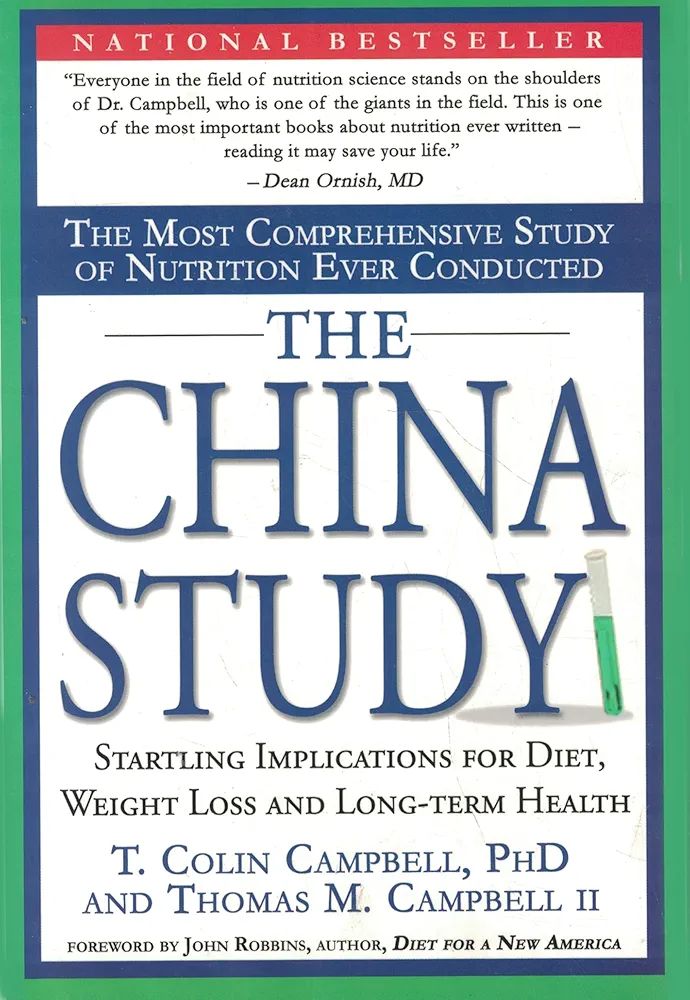
The T. Colin Campbell diet (often called the Whole Food, Plant-Based (WFPB) diet) is based largely on Dr. Campbell’s research summarized in The China Study. It emphasizes eating whole, unrefined plant foods while avoiding animal products and highly processed foods.
Whole, unrefined plant foods
Emphasis on vegetables, fruits, whole grains, legumes, nuts, and seeds
No animal products
No meat, poultry, fish, dairy, or eggs
Low-fat approach
Minimize added fats and high-fat processed foods
No added oils
Avoid oils such as olive, coconut, canola, and other added oils whenever possible
Minimize processed foods
Choose foods in their natural or minimally processed form
Limit refined sugars
Avoid added sugars and heavily processed packaged foods
Limit refined grains
Prefer whole grains over refined products such as white bread and, in stricter versions, white rice
Whole-food carbohydrates as staples
Meals commonly center around potatoes, brown rice, oats, beans, lentils, corn, and other whole plant foods
Legumes as a primary protein source
Beans, lentils, peas, and chickpeas provide most of the protein
Nuts and seeds are allowed
Unlike the Esselstyn program, moderate amounts of nuts and seeds are generally encouraged
Typical meals
Oatmeal with fruit, bean and vegetable stews, brown rice with lentils and greens, baked potatoes, and fruit-and-greens smoothies
Goal: long-term disease prevention and health promotion
Designed to reduce the risk of chronic diseases by replacing animal foods with whole plant foods
Scientific foundation
Based on epidemiological and nutritional research, including Dr. Campbell’s work in China in collaboration with Cornell University and other research institutions, suggesting that diets rich in whole plant foods are associated with lower rates of heart disease, diabetes, and some cancers.
More Campbell books:
The China Study SOLUTION: The Simple Way to Lose Weight and Reverse Illness, Using a Whole-Food, Plant-Based Diet
The PlantPure Nation Cookbook: The Official Companion Cookbook to the Breakthrough Film…with over 150 Plant-Based Recipes
The PlantPure Kitchen: 130 Mouthwatering, Whole Food Recipes and Tips for a Plant-Based Life
The Low Carb Fraud: where (and how) the low-carb proponents get it wrong
The Future of Nutrition: An Insider’s Look at the Science, Why We Keep Getting It Wrong, and How to Start Getting It Right
The Whole Truth: The Hidden Agendas Behind Decades of Health Misinformation―and What to Do About It
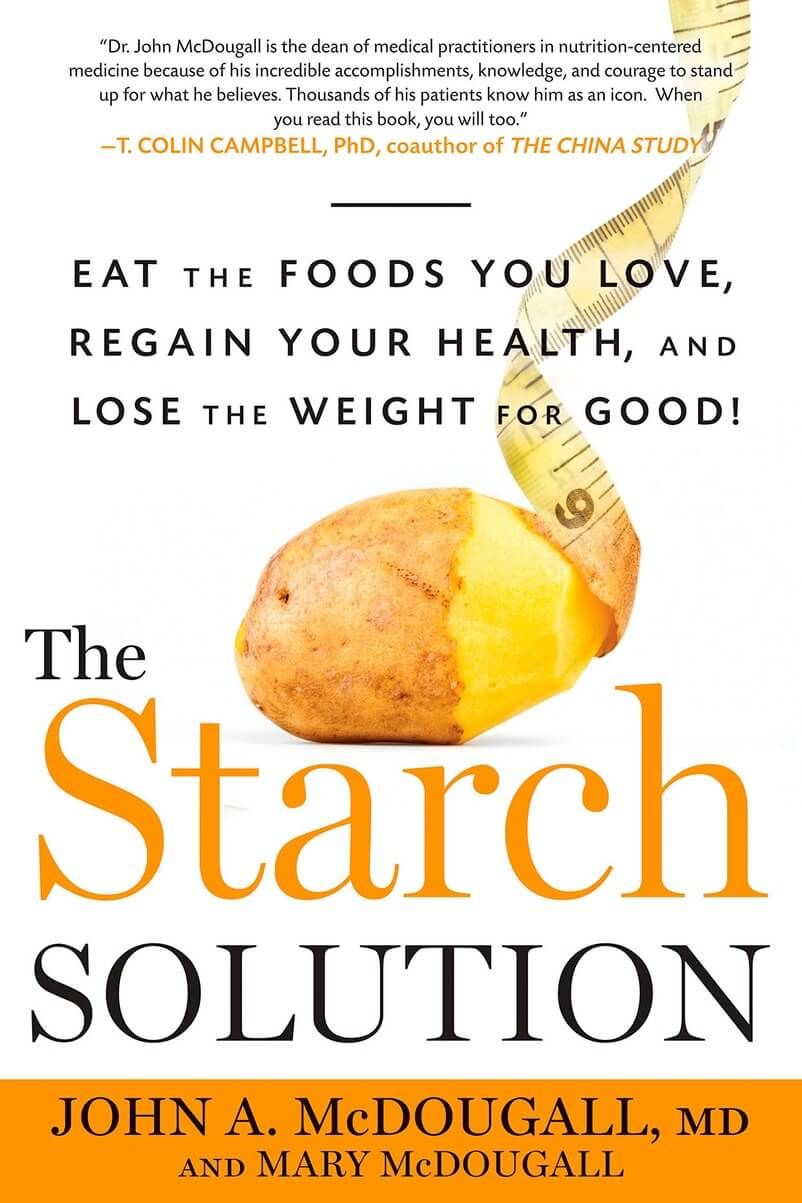
The John McDougall diet is a low-fat, starch-centered, whole-food plant-based eating pattern developed by Dr. John McDougall and his wife Mary McDougall.
Here are the main points:
Starch-based foundation
Built around whole starch foods like potatoes, rice, oats, corn, beans, and whole grains
These foods provide most daily calories
Very low fat intake
Avoids all added oils (olive oil, coconut oil, etc.)
Keeps fat intake naturally low from whole plant foods only
Fully plant-based
Emphasizes fruits, vegetables, legumes, and whole grains
Excludes all animal products
No meat, dairy, or eggs
Completely eliminates animal-derived foods
Minimal processed foods
Limits refined sugar, refined flour, and heavily processed packaged items
High fiber intake
Whole plant foods naturally create a high-fiber diet, supporting digestion and fullness
Sodium and sugar moderation (varies by version)
Some versions reduce salt and added sweeteners for health reasons
Weight management focus
Promotes low-calorie-density eating for easier weight loss or maintenance
“Eat to satiety” principle
Encourages eating large portions of approved foods without calorie counting
The Healthiest Diet on the Planet: Why the Foods You Love-Pizza, Pancakes, Potatoes, Pasta, and More-Are the Solution to Preventing Disease and Looking and Feeling Your Best
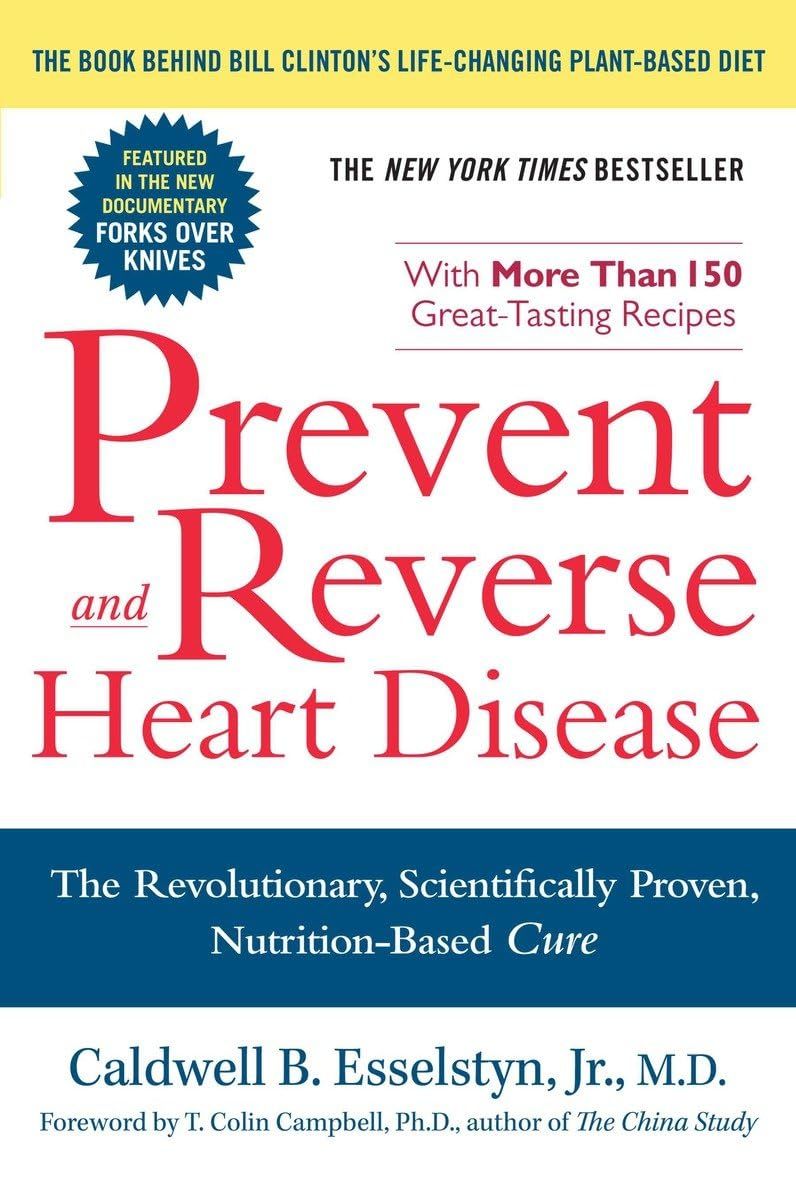
The Caldwell Esselstyn diet (often called the “plant-based, no-added-oil” heart disease reversal diet) is centered on very strict whole-food, plant-based eating. Here are the main principles in bullet points:
100% whole-food, plant-based eating
Emphasis on vegetables, fruits, whole grains, and legumes
No animal products at all (meat, fish, dairy, eggs)
No added oils
Avoid all oils, including olive oil, coconut oil, and “healthy” oils
Also avoids oil-containing products like most salad dressings and fried foods
No nuts and seeds (in the strict version)
Unlike some other plant-based diets, Esselstyn restricts nuts and seeds due to their fat content
Low-fat, very low-oil approach
Focus is on keeping dietary fat extremely low to improve endothelial (blood vessel) function
Eliminate processed foods
Avoid refined and processed plant-based foods, especially those with added fat, sugar, or oil
No refined sugars or flours
Limits white bread, pastries, soda, candy, and other highly refined carbohydrates
Emphasis on leafy greens
At least one large serving of leafy green vegetables daily (e.g., kale, spinach, arugula)
Legumes as a staple protein source
Beans, lentils, peas, and chickpeas are core protein and calorie sources
Whole grains in moderation
Brown rice, oats, barley, quinoa, etc.
Supplements only if needed (e.g., vitamin B12)
B12 is commonly recommended due to the lack of animal products
Goal: cardiovascular disease reversal
Designed specifically to halt and potentially reverse coronary artery disease progression
This approach is most closely associated with Dr. Caldwell Esselstyn and is detailed in his book Prevent and Reverse Heart Disease.