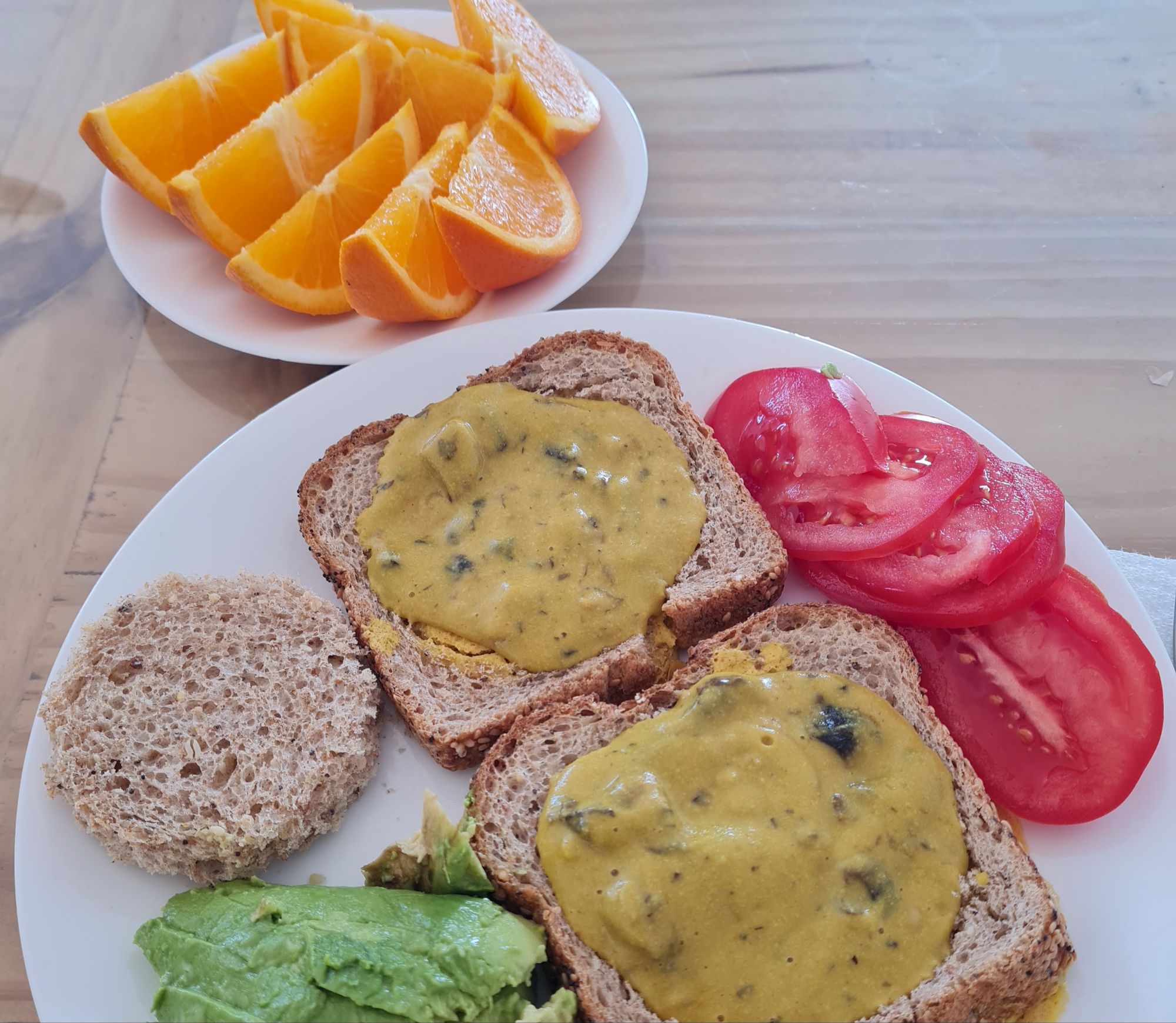
Ingredients 1 cup whole raw cashews (soaked (at least 15 minutes in hot water; 2 hours in cold water)) 2 tablespoons freshly squeezed lemon juice (from approximately 1 medium lemon) 2 teaspoons apple cider vinegar 1/2 teaspoon kosher salt or sea salt + more to taste 1/3 cup water
Instructions * Soak cashews in at least 3 cups of water. For a quick soak, pour 3 cups of boiling water cashews. Let soak at room temp for 15 minutes. For a not-so-quick soak, pour 3 cups cold/tepid/lukewarm tap water over 1 cup of cashews. Let soak at least 2 hours or up to 18 hours (any longer than that and you should refrigerate).
* Drain soaked cashews in a colander or sieve and rinse with cold water.
* Place soaked cashews in the pitcher of a high-speed blender along with the lemon juice, vinegar, 1/2 teaspoon salt, and water.
* Puree on max speed until completely smooth, 1-2 minutes. Taste and add additional salt if desired. Sometimes I like to add another teaspoon of apple cider vinegar if I’m looking for some extra tangy tang.
* Keeps in refrigerated in an airtight container for 4-5 days. You can also freeze it – score!
Chipotle-style beans and rice recipe adapted for cooking in an Instant Pot (iPot), including measurements and instructions for both white and brown basmati rice:
Chipotle-Style Beans and Rice Recipe for Instant Pot (iPot)
Ingredients
Rice base: 2 cups white rice (rinsed) or 2 cups brown basmati rice (rinsed)
Water: For white rice: 2 cups water For brown basmati rice: 2 ½ cups water
Chipotle adobo mixture: ½ can adobo chilies with sauce 1 tbsp chili powder 1.5 tsp salt 1 tbsp maple syrup 1 tsp garlic powder 2 tbsp red wine vinegar
Additional ingredients: 1 can black beans (undrained)
Optional:
* ½ block tofu (pressed, drained, and cubed) * corn kernels
Instructions
Prepare the rice:
Rinse the rice thoroughly under cold water until the water runs clear. Place the rinsed rice in the Instant Pot inner pot. Add water:
Add 2 cups water for white rice or 2 ½ cups water for brown basmati rice.
Prepare the chipotle adobo mixture:
In a small bowl or blender, combine the ½ can adobo chilies with sauce, chili powder, salt, maple syrup, garlic powder, and red wine
Blend into a smooth paste or stir directly into the rice and water in the Instant Pot.
Add beans and tofu:
Add the entire can of black beans (undrained) and cubed tofu & corn on top of the rice mixture.
Cook:
Close the Instant Pot lid and set the valve to sealing.
For white rice: Set to “Pressure Cook” (Manual) on high pressure for 4 minutes.
For brown basmati rice: Set to “Pressure Cook” (Manual) on high pressure for 22-24 minutes.
After cooking, allow a natural pressure release for 10 minutes, then carefully quick release any remaining pressure.
Finish and serve:
Open the lid and gently fluff the rice, beans, and tofu mixture with a fork.
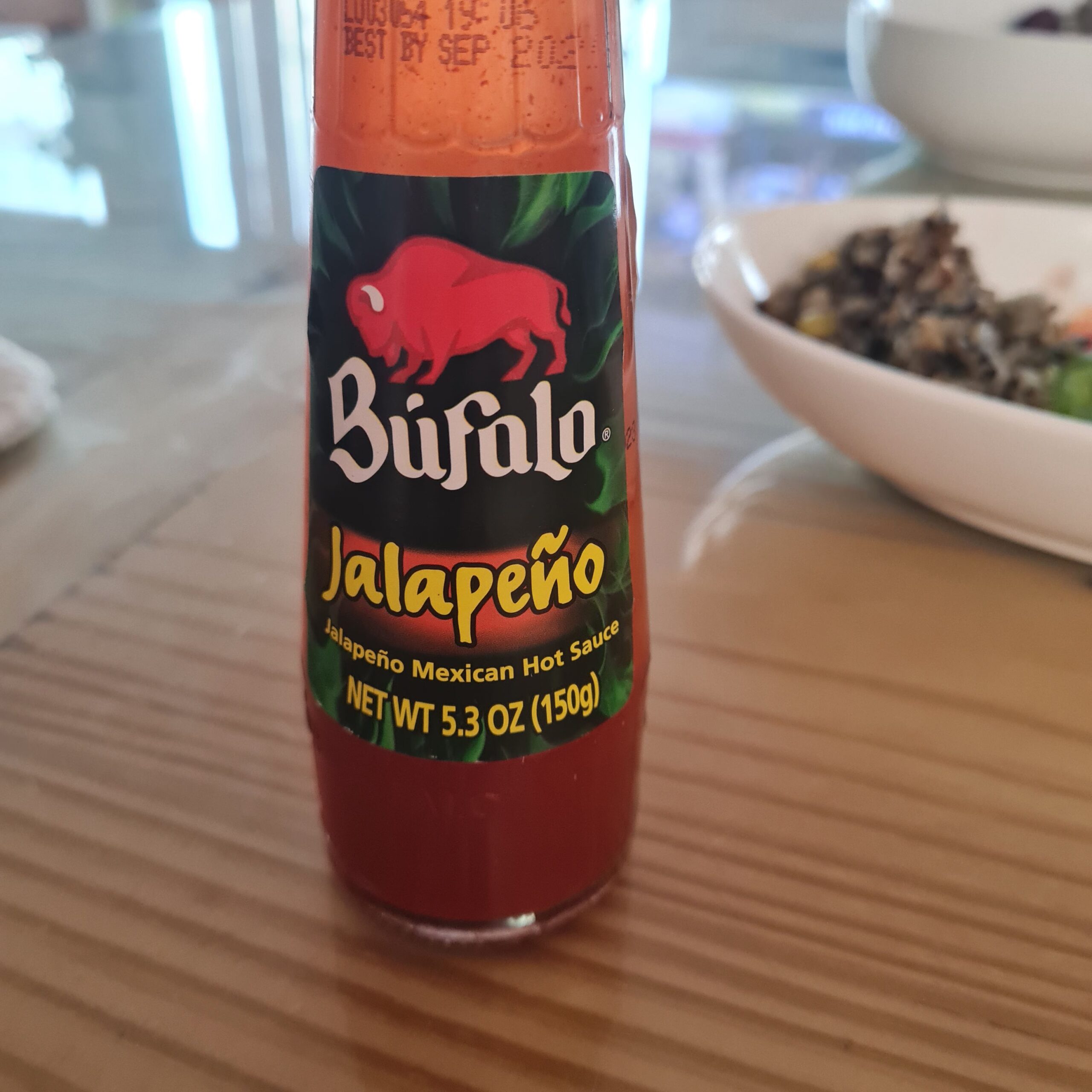
Serve topped with pico de gallo, cashew sour cream, avocado, and hot sauce.
*****
RICE COOKER VERSION:
Chipotle-Style Beans and Rice Recipe Using Brown Basmati Rice (For Any Rice Cooker)
Water: Brown basmati rice requires more water and longer cooking time than white rice. Use 2 ½ to 2 ¾ cups of water for every 1 cup of brown basmati rice. For 2 rice cooker cups (about 1.5 standard measuring cups), use approximately 3 ¾ to 4 cups of water.
Since rice cooker water lines are usually calibrated for white rice, it’s best to measure water by volume rather than relying on the rice cooker’s “2” line.
Chipotle adobo mixture: ½ can adobo chilies with sauce 1 tbsp chili powder 1.5 tsp salt 1 tbsp maple syrup 1 tsp garlic powder 2 tbsp red wine vinegar Additional ingredients: 1 can black beans (do not drain)
Optional: * ½ block tofu (pressed, drained, and cubed) or soycurls * corn kernels
Instructions
Prepare the rice:
Rinse the brown basmati rice thoroughly under cold water until the water runs clear. Place the rinsed rice into the rice cooker pot.
Add water:
Add 3 ¾ to 4 cups of water to the rice cooker pot with the rice. This amount is higher than for white rice because brown basmati rice has a tougher bran layer and requires more water and longer cooking to become tender. Prepare the chipotle adobo mixture:
Combine the ½ can of adobo chilies with sauce, chili powder, salt, maple syrup, garlic powder, and red wine vinegar.
Blend into a paste or stir directly into the rice and water mixture. Add beans and tofu:
Add the entire can of black beans (undrained) and cubed tofu on top. Add corn if desired.
Cook:
Close the lid and start the rice cooker. Use the “brown rice” setting if your rice cooker has one, as it will allow longer cooking time. If your rice cooker does not have a brown rice setting, use the regular white rice setting but be prepared to run a second cycle or let the rice steam longer after cooking to ensure tenderness.
Finish and serve:
Once cooking is complete, fluff the rice gently. Serve with toppings like pico de gallo, cashew sour cream, avocado, and hot sauce.
Why More Water for Brown Basmati Rice?
Brown basmati rice retains its bran layer, which makes it more fibrous and slower to absorb water. It typically requires about 1.5 to 1.75 times the water used for white rice. Using 3 ¾ to 4 cups of water for 2 rice cooker cups of brown basmati rice ensures the grains cook fully without being dry or undercooked.
This adjusted recipe will give you a flavorful, nutritious Chipotle-style beans and rice dish with the nuttier, chewier texture of brown basmati rice, perfectly cooked in your rice cooker.
I created this recipe with AI to mimic Meati brand maple breakfast steaks. What do you think? They are meaty, not watery, and air-fryer friendly.
— Best Mushrooms for Sliced “Patty” Style
Choose large, dense caps like:
1. King oyster mushrooms *best* 2. Portobello caps 3. Large shiitake (thick caps)
Avoid thin mushrooms (they shrink too much).
—
How to Cut (Important)
* Cut lengthwise into ¾–1 inch thick slabs * Keep the stem attached if possible (especially king oyster) * You want steaks, not thin slices
—
Simple Low-SOS Maple-Sausage Marinade:
No oil, no soy sauce.
* 1½ tbsp pure maple syrup * 2 tbsp water * 1 tsp apple cider vinegar or lemon juice * 1 tsp crushed fennel seed * ½ tsp sage or thyme * ½ tsp smoked paprika (optional) * Black pepper to taste * Optional: pinch garlic powder
Whisk well.
—
Marinate (Short + Smart)
* Brush marinade lightly on both sides * Let sit 15–30 minutes only * Longer = mushy mushrooms
—
Air Fryer Method (Best Results)
1. Preheat air fryer to 375°F / 190°C 2. Place mushrooms in a single layer on parchment or rack 3. Air fry:
* 8 minutes → flip * Brush lightly with remaining marinade * 6–8 more minutes