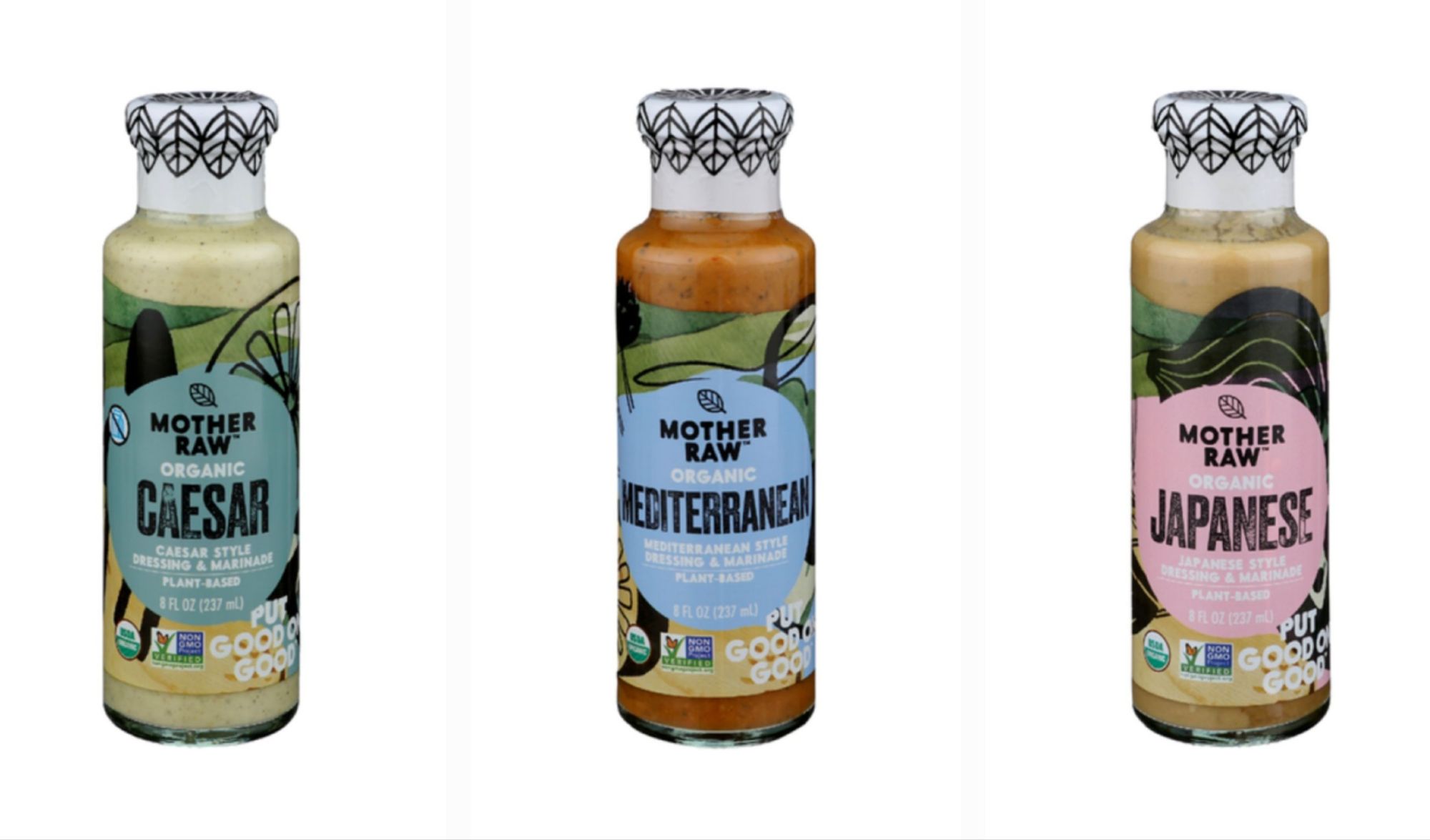
When I mix any one of these MOTHER RAW lowfat dressings with my Chef Kenny Copycat dressing… zing!
Okay, there’s a bit of fat, but not much 🙂 Tastes great!
When I mix any one of these MOTHER RAW lowfat dressings with my Chef Kenny Copycat dressing… zing!
Okay, there’s a bit of fat, but not much 🙂 Tastes great!
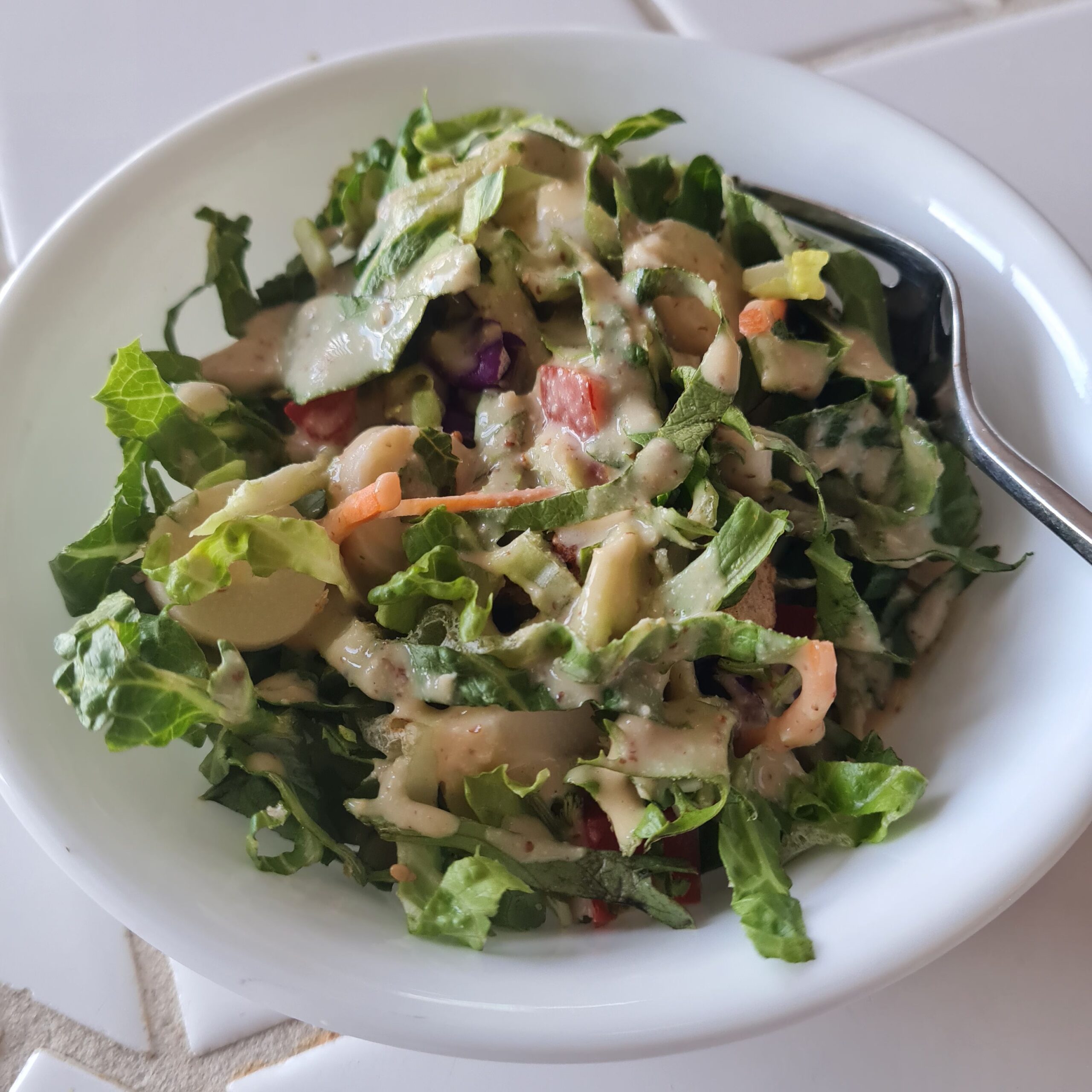
Here’s a low-oil dressing inspired by the flavor profile — thin, tangy, slightly sweet, similar to the style often served at Vegan Chef Kenny’s Las Vegas restaurant, but fully original and low-oil:
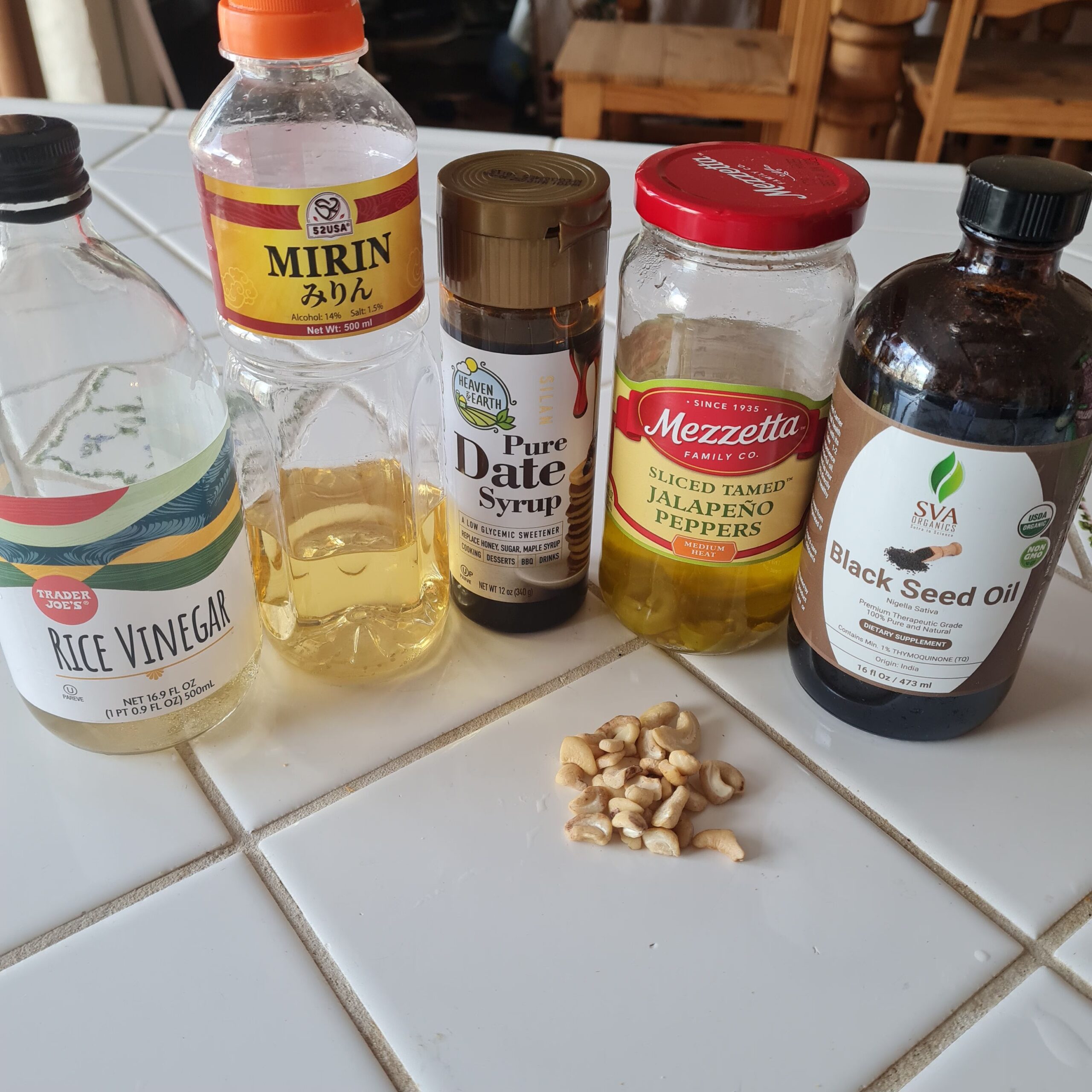
What follows is a recipe created by AI. Give it a try, but I believe the ingredients above combine to provide a most intriguing flavor, closer to Kenny’s!
Ingredients (≈ ½–⅔ cup)
⅓ cup rice vinegar
¼ cup soy sauce or tamari OR vegan worcheshire sauce, like Tonelli brand
1–2 Tbsp water (only to adjust strength)
½–1 tsp maple syrup (optional — barely perceptible)
½ tsp ginger juice (or ⅛ tsp ginger powder)
¼ tsp garlic powder (NOT fresh garlic)
¼ tsp toasted sesame powder (optional, very subtle — or omit entirely)
Juice of lime
Instructions (important for smoothness)
Add everything to a jar or blender cup.
Shake hard for 20–30 seconds or briefly blend.
Taste and fine-tune:
More rice vinegar if it needs bite
A splash more soy if it needs salt
1–2 tsp water if too aggressive
Chill 10–15 minutes before serving.
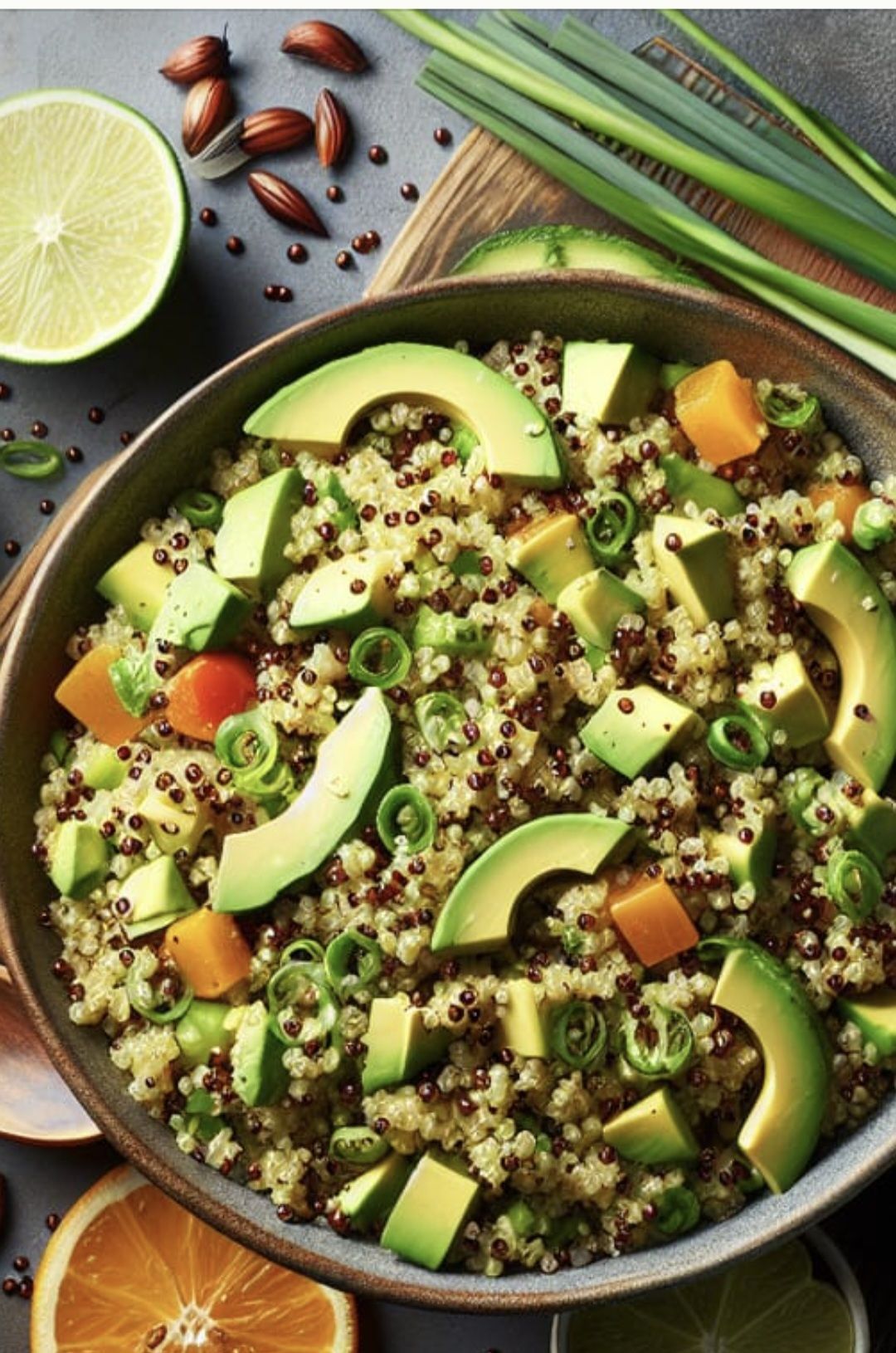
Ingredients
1 cup quinoa, rinsed
2 cups vegetable broth or water
1 ripe avocado, diced
4 scallions, finely chopped
Juice and zest of 1 lime
Juice and zest of 1 orange
1 teaspoon olive oil
Salt and pepper to taste
Fresh cilantro or parsley, for garnish (optional)
Directions
In a medium saucepan, combine the rinsed quinoa and vegetable broth (or water). Bring to a boil over medium-high heat, then reduce the heat to low, cover, and simmer for about 15 minutes, or until the quinoa is fluffy and the liquid has been absorbed. Remove from heat and let it sit, covered, for an additional 5 minutes.
Fluff the cooked quinoa with a fork and transfer it to a large mixing bowl. Allow it to cool for a few minutes.
While the quinoa cools, prepare the dressing. In a small bowl, whisk together the lime juice, lime zest, orange juice, orange zest, and olive oil. Season with salt and pepper to taste.
Once the quinoa has cooled slightly, add the diced avocado and chopped scallions to the bowl. Pour the dressing over the mixture and gently toss to combine, being careful not to mash the avocado.
Taste and adjust seasoning if necessary. Garnish with fresh cilantro or parsley before serving.
https://www.ironchefai.com/healthy/algorithmic-avocado-quinoa-pilaf?lctg=650237d7e8179a307ef619dd
Check out the spinach in this article!
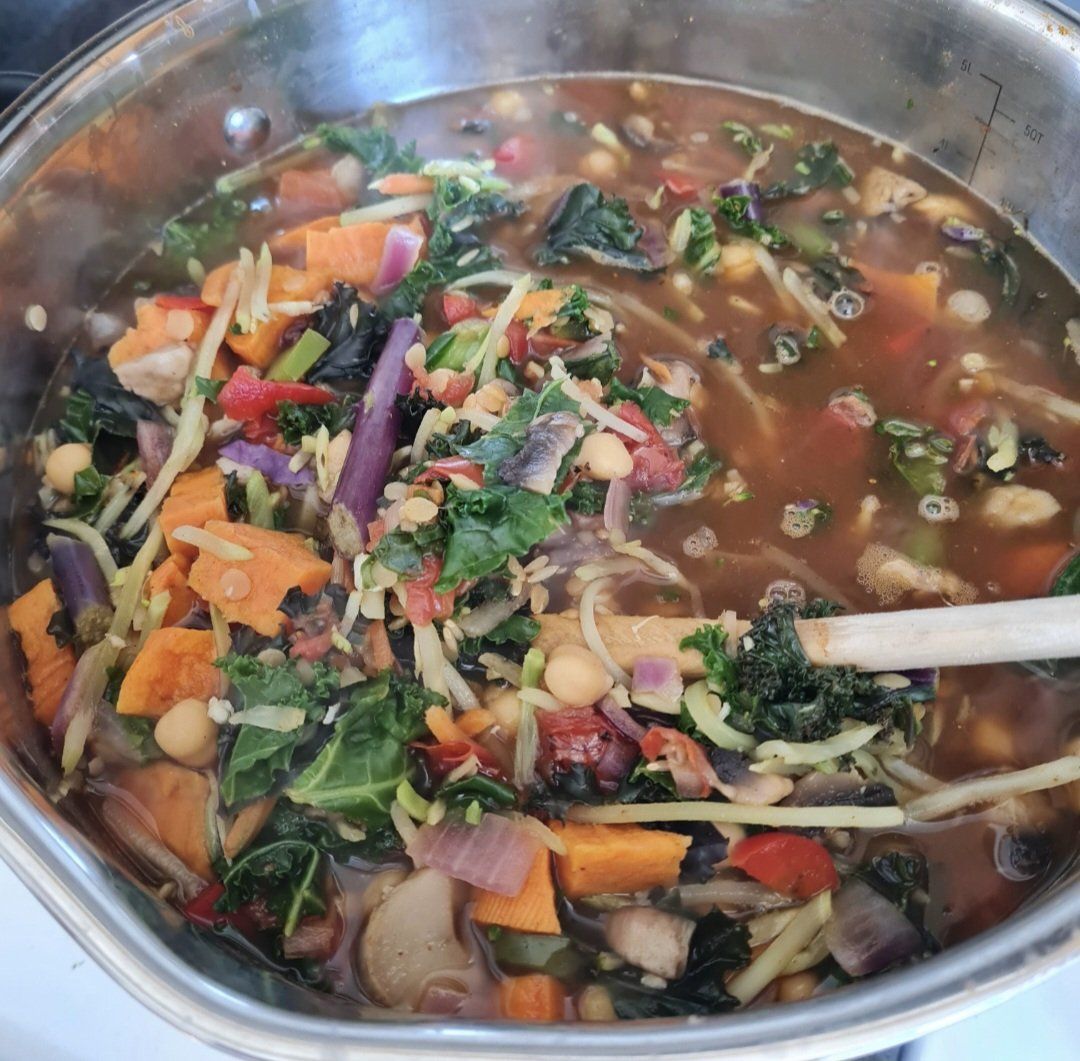
INGREDIENTS
(This is my standard “clean out fridge veggie drawer” recipe, using whatever is available with my Ethiopian Seasoning.)
2 white potatoes, cubed
1 sweet potato, cubed
2 beets, cubed
1/2 head shredded cabbage
1 medium onion, chopped
3 ribs celery, chopped
3 handfulls of fresh power greens (baby kale, chard, spinach)
1 teaspoon minced ginger root
2 teaspoons Ethiopian Seasoning
1 qt salt-free vegetable broth (or Better-Than-Broth paste or plain water)
8 oz canned chickpeas w/ fluid
28 oz can chopped stewed tomatoes
1/4 teaspoon salt
cracked black cumin seeds
1 cup nut milk (cashew, almond, coconut, your choice)
water, as needed for soupy consistency
garnish w/ fresh lemon and dill pickle spear or sauerkraut
(PS Sometimes I also add mushrooms!)
Served over cooked brown jazmine rice
In the United States, 1 in every 3 adults will develop cancer in their lifetime. That’s not a rare disease. That’s the baseline. But in Loma Linda, California — one of the world’s most studied Blue Zones — that number significantly drops.
– Same country.
– Same hospitals.
– Dramatically different outcomes.
And the answer isn’t a supplement or a surgery. It’s something they cook every-single-day.
This video explores how residents of Loma Linda, California, a documented Blue Zone, achieve significantly lower cancer rates and longer lifespans compared to the rest of the United States, focusing on their dietary habits rather than medical interventions (0:35-1:06).
Key Longevity Factors:
Daily Legume Consumption: The foundation of the Loma Linda diet is eating beans, lentils, or chickpeas daily, specifically at the midday meal (4:37, 8:20). Legumes provide fiber that produces butyrate for gut health, selective prebiotics for the microbiome, and phytic acid to bind excess free iron (6:02-8:11).
Anti-inflammatory Spices: Residents use turmeric daily, paired with black pepper to increase absorption by 2000%, which inhibits the molecular pathway responsible for inflammation and cancer proliferation (9:48-11:27).
Garlic: Consuming raw or lightly cooked garlic four or more times a week modulates the gut microbiome and provides direct anti-inflammatory benefits (11:51-12:15).
Elimination of Processed Meats: A non-negotiable aspect of this approach is completely removing processed meats to reduce cancer risk (8:47-9:00).### What to Avoid:
The video warns against relying on isolated antioxidant supplements (like Vitamin E or beta carotene), citing studies that show they can increase cancer risk, whereas obtaining these nutrients through whole foods remains protective (2:15-3:22).
Summary of the 90-Day Protocol:
Tier 1: Eat half a cup of legumes daily and eliminate processed meat.
Tier 2: Rotate between different legumes, add turmeric/black pepper and garlic, and stop taking isolated antioxidant pills (14:48-15:20).
Tier 3: Rebuild protein intake around legumes, nuts, and tofu (18:02-18:24).
*******
Conclusion:
EAT MORE BEANS!
*******
Editor’s Comment:
Key Bean Varieties
– Lentils: Green, brown, red, black
– White Beans: Cannellini, Great Northern
– Common Beans: Black, kidney, pinto, adzuki
– Others: Lima beans, mung beans, split peas (green/yellow)
– Soy: Edamame
Recommendation:
To search “beans” on this website, click on the 3 stacked lines & type.
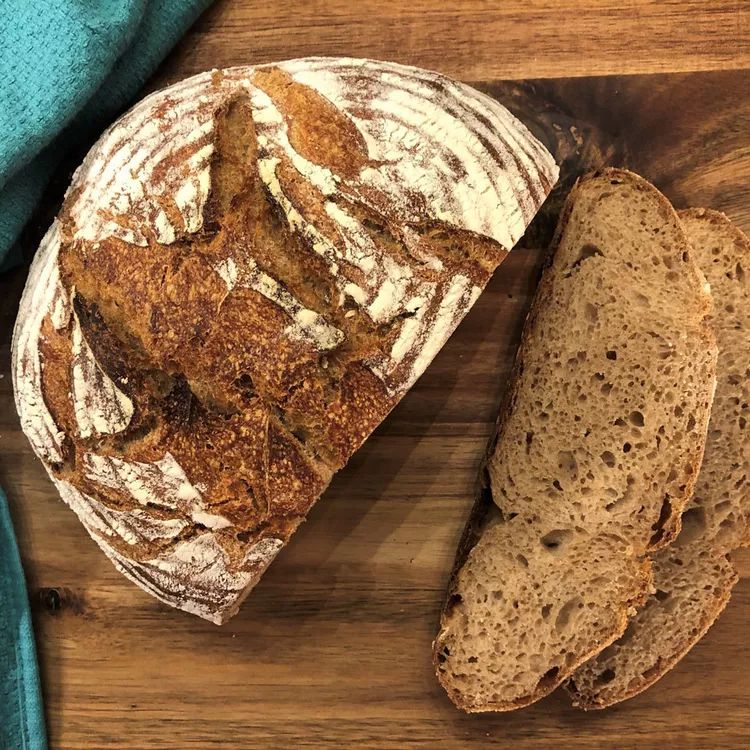
Whole grain sourdough seems the BEST of both worlds!!
https://www.prevention.com/food-nutrition/healthy-eating/a70813203/sourdough-vs-multigrain-bread/
https://youtube.com/watch?v=HoZ0FZDjr7A&si=exmNT1L4w2unouQo
Ingredients:
1 cup dried chickpeas
4 cups water for soaking
4 cups water for blending
⅓ cup raw cashews OR raw sunflower seeds
1 tbsp lemon juice
2 tsp vanilla bean powder or 3 tsp vanilla extract
Fruit Layer:
10-12oz fresh or frozen fruit
2 tbsp – ¼ cup water
Date paste to taste
Instructions
Soak dried chickpeas in 4 cups of water for 10-12 hours at room temperature.
Reserve 2 tbsp of chickpea soaking water and set aside.
Rinse and drain the chickpeas.
Add soaked chickpeas and remaining 4 cups of water to a blender and blend.
Strain chickpea milk through a nut milk bag into a pot until you extract all the excess liquid.
Add the raw cashews or sunflower seeds to the blender with about a cup of the chickpea milk and blend until completely smooth.
Add cashew/sunflower mixture to the pot of chickpea milk.
Bring chickpea milk to a simmer and mix for about 10 minutes or until the mixture has thickened. As you cook the mixture, scrape the bottom of the pot to prevent sticking and scorching. You can also whisk the mixture to prevent clumping.
Once it has thickened, whisk in the vanilla.
Remove the pot from the heat to allow it to cool until lukewarm.
Mix and whisk to prevent clumping as the mixture cools.
Transfer to a clean glass jar and whisk in 2 tbsp of chickpea soaking water and the lemon juice.
Cover the jar with a cheese cloth or paper towel and allow to ferment for 12 hours at room temperature.
Cover and store in the fridge.
Add fruit mixture and/or date paste as desired. Enjoy!
… frozen broccoli is generally higher in vitamins C and A as well as some antioxidants, compared to fresh broccoli that’s been sitting in your crisper for several days,
… frozen vegetables are blanched to help preserve color, safety, and texture, which can reduce water-soluble and heat-sensitive nutrients, including sulforaphane.
… to make frozen broccoli even more nutritious. “Chopping broccoli and letting it sit for about 30–40 minutes before cooking allows an enzyme called myrosinase to activate, which helps increase the formation of sulforaphane,” Hadley says. “Adding a small amount of mustard seed after cooking can also help boost sulforaphane production, making both fresh and frozen broccoli more nutritionally impactful.
https://www.realsimple.com/fresh-vs-frozen-broccoli-is-one-healthier-11894791