RECIPE 1 — Black Bean Stew (Mon/Wed/Fri): 1 can black beans $1.20, yellow onion, 3 garlic cloves, 1 tsp cumin, 2 tbsp olive oil, 1 cup vegetable broth
RECIPE 2 — The Big Salad (daily): 3 cups mixed greens $3.50, ¼ cup walnuts (28g — do NOT substitute), 1 apple or pear, 1 tbsp olive oil + 1 tbsp apple cider vinegar
RECIPE 3 — Steel-Cut Oatmeal (every morning): ½ cup steel-cut oats Bob’s Red Mill $4, 1 banana, handful blueberries, 1 tbsp GROUND flaxseed (NOT whole — critical)
Category: Recipes I Have Tried
Almond Ricotta Cheese
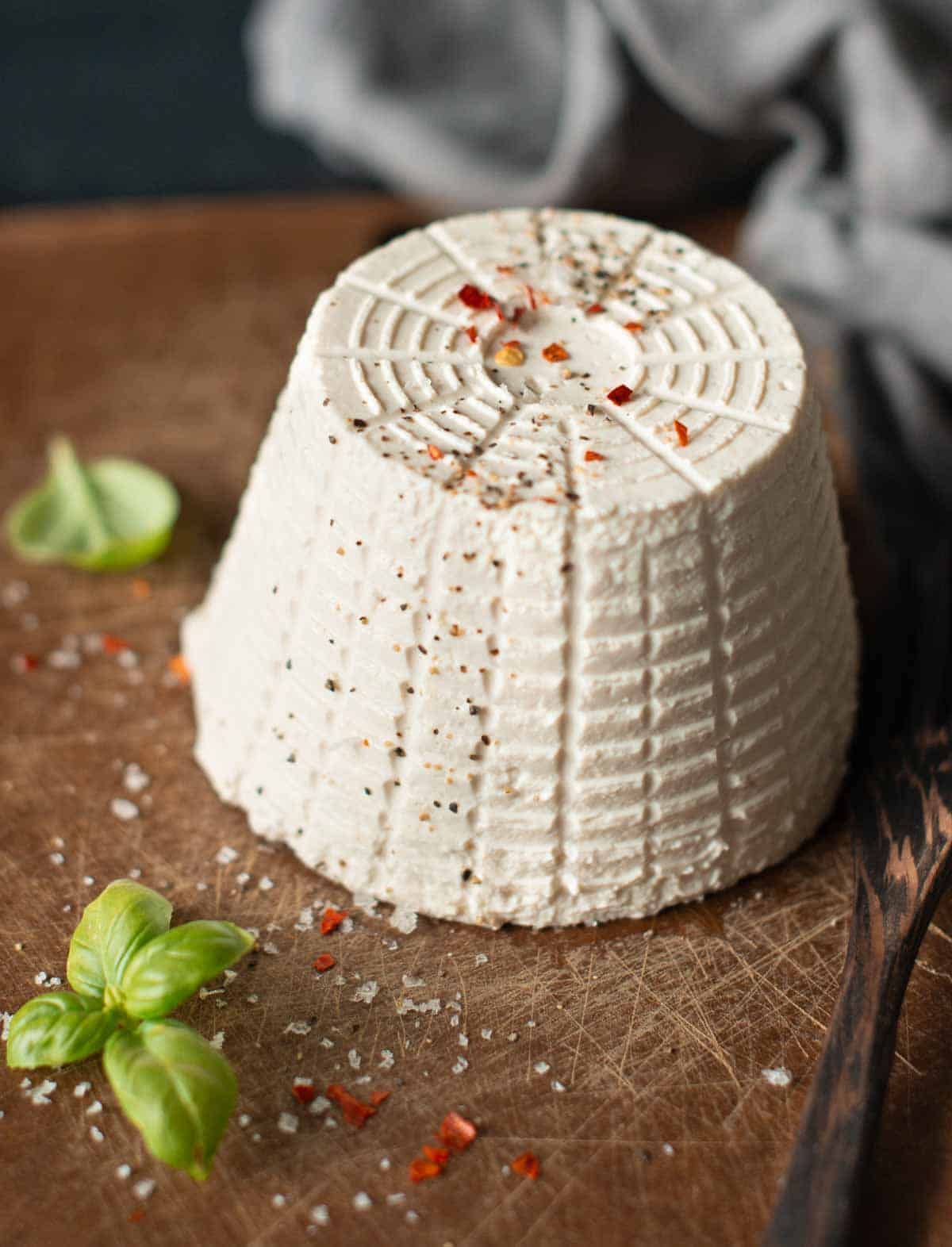
Here is a detailed almond ricotta recipe inspired by Miyoko Schinner’s approach, based on her plant-based cheese techniques:
Ingredients:
1 cup raw almonds (soaked overnight or at least 8 hours)
1/2 cup pumpkin seeds (optional, for texture and flavor, as Miyoko sometimes uses seeds)
3 cups water (for blending)
1 1/2 tablespoons lemon juice (for acidity)
1/2 teaspoon kosher salt (or to taste)
Foragers probiotic drink or a similar plant-based probiotic (optional, for fermentation and tanginess)
Equipment:
High-speed blender or food processor
Cheesecloth or fine strainer (for draining excess liquid if needed)
Instructions:
Soak the almonds: Soak raw almonds in water overnight or for at least 8 hours. This softens them and makes blending easier.
Drain and rinse: After soaking, drain and rinse the almonds thoroughly.
Blend: Add the soaked almonds, pumpkin seeds (if using), lemon juice, salt, and about 3 cups of fresh water to a high-speed blender. Blend until smooth and creamy. You may need to stop and scrape down the sides a few times.
Adjust texture: If the mixture is too thin, strain some liquid out using cheesecloth or a fine strainer to reach a ricotta-like consistency.
Optional fermentation: For a tangier, more authentic ricotta flavor, you can add a small amount of plant-based probiotic drink (like Foragers) and let the mixture ferment at room temperature for 12-24 hours.
Chill: Refrigerate the ricotta for a few hours to firm up before using.
Use: Use this almond ricotta as a spread, in pasta dishes, stuffed shells, or any recipe calling for ricotta cheese.
This recipe is versatile and can be adjusted for creaminess, tanginess, and saltiness according to your taste. Miyoko Schinner’s recipes often emphasize natural fermentation and plant-based ingredients to mimic traditional cheese textures and flavors.
Israeli Couscous with Pistachios & Apricots
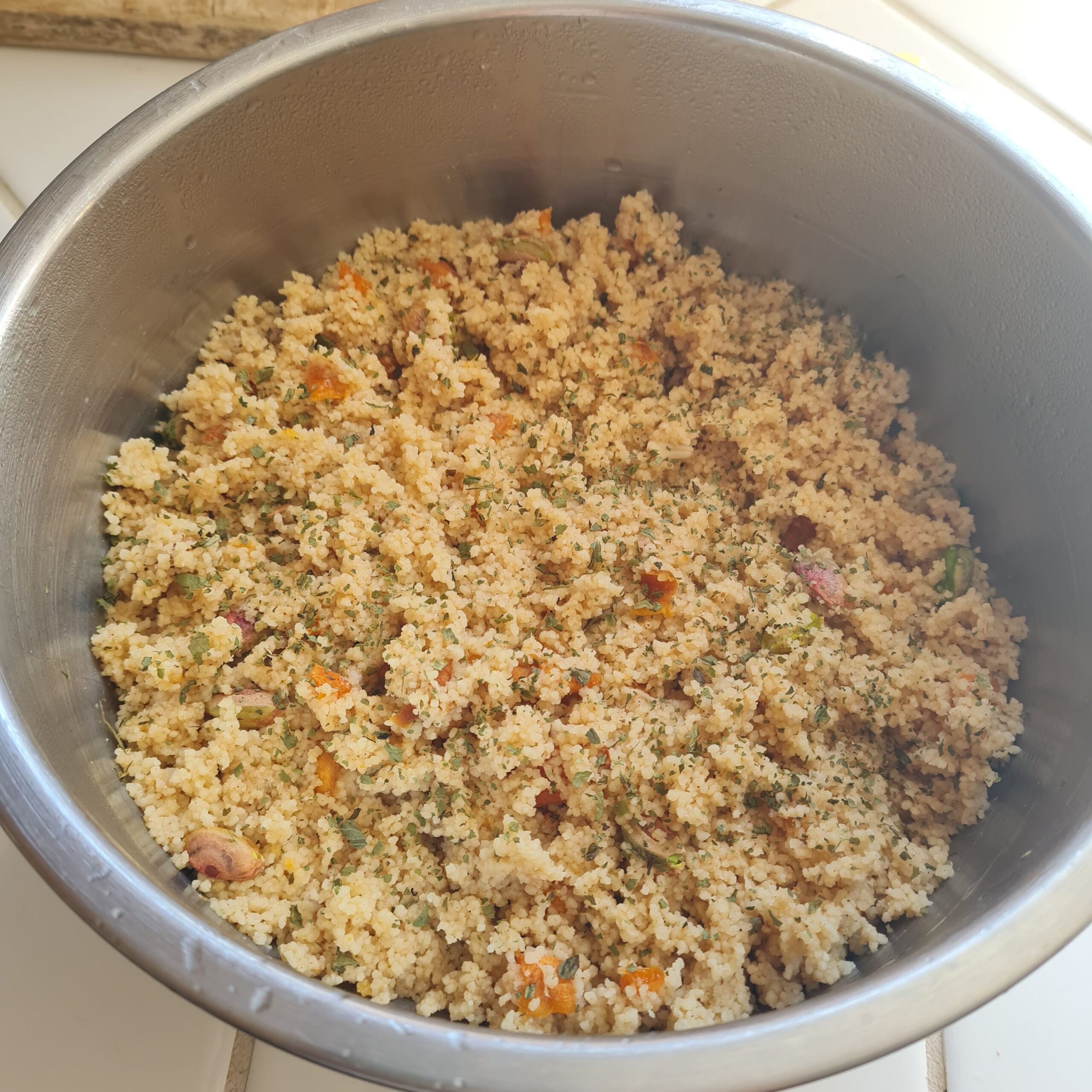
(Low-SOS vegan version. Thank you Agnes!)
Ingredients
* 3 cloves garlic, minced
* 2 cups Israeli couscous
* 2½ cups water or unsalted vegetable broth
* ½ teaspoon cinnamon
* 1 teaspoon ground cumin
* ¼ teaspoon ground cardamom
* Freshly ground black pepper, to taste
* ½ teaspoon salt
* Zest of 1 lime
* ¼ cup fresh mint, finely chopped
* ½ cup dried apricots, finely chopped
* ¼ – ½ cup shelled pistachios, roughly chopped
* Juice of ½ lime
Instructions
1. Place a medium saucepan over medium heat. Add the garlic and cook for 1–2 minutes, using a splash of water as needed to prevent sticking.
2. Add the Israeli couscous and cook for 2–3 minutes, stirring frequently to lightly toast the grains.
3. Pour in the water or unsalted broth. Add the cinnamon, cumin, cardamom, and black pepper.
4. Bring to a boil, then reduce heat to low. Cover and simmer for 10–12 minutes, or until the couscous is tender and the liquid has been absorbed.
5. Remove the saucepan from the heat and discard the cinnamon stick.
6. Stir in the lime zest, mint, apricots, pistachios, and lime juice.
7. Fluff gently with a fork and serve warm or at room temperature.
Notes
* For a brighter flavor, add extra lime zest or mint before serving.
* For an even lower-fat version, reduce the pistachios to 2 tablespoons or omit them entirely.
* This dish pairs well with roasted vegetables, chickpeas, or a green salad.
SWEET POTATO ICE CREAM
Ingredients:
🍠 Pre-baked sweet potato
🥛 Soy milk
🌼 Vanilla
🍁 Maple syrup
🧂 Pinch of salt
🫐 Blueberries
1️⃣ Blend everything together until smooth and creamy.
2️⃣ Freeze overnight until solid.
3️⃣ Process in a *Ninja on Ice Cream mode* until perfectly creamy.
NOTE: click on following links
A less expensive ice cream churner is either the
or this simple
Just freeze the mixture in the ice cube trays. The next day let the trays sit out on the counter for a few minutes, then pop them into the Yonana machine, or in the ice shaver churning machine & crank it!
Potato Pudding! Broccoli-Mum lost over 60lbs eating as many potatoes as she wanted!💥
Ingredients:
🍠 2 baked Japanese sweet potatoes
🍁 2 tbsp maple or date syrup
🌼 1 tsp vanilla
🥛 1/4 cup plant milk
✨ Cinnamon
Instructions:
* bake potatoes whole
* slice them lengthwise
* remove the “meat” & prepare
* stuff back into the “shells”
* broil until golden
Creamy, naturally sweet, and full of cozy flavor — this pudding is smooth, rich, and incredibly satisfying. Made with simple whole-food ingredients, it feels like dessert while staying light, nourishing, and perfectly comforting ✨
Raw Vegan Orange Julius Smoothie
Recipe:
-4 oranges (3 squeezed = 2 cups juice and one blended whole (optional))
-1.5 cups fresh Almond Milk
-2 Medjool Dates
[If you want it creamier, throw a banana in the blender ]
High protein ice cream date bars 🍦🍫
To make this low-SOS (no added salt, oil, or refined sugar) whole-food plant-based vegan, you can replace the dairy yogurt, chocolate chips, coconut oil, and optional sweeteners with minimally processed plant foods.
Low-SOS Whole Food Vegan Date Bark
**Ingredients**
* 12–16 pitted Medjool dates
* 1 cup unsweetened plain plant yogurt (soy yogurt works best for protein)
* ¼ cup natural peanut butter (ingredients: peanuts only, no salt/oil)
* 1–2 tbsp peanut flour or powdered peanut butter with no additives (optional, for extra protein)
* 2–3 tbsp unsweetened cocoa powder
* 2–4 tbsp date paste (blended dates) or mashed ripe banana, as needed for sweetness and chocolate topping texture
* Optional toppings:
* Cacao nibs
* Chopped walnuts or pecans
* Hemp hearts
* Unsweetened shredded coconut
### Instructions
1. Line a tray or plate with parchment paper.
2. Arrange the dates on the parchment. Place another sheet of parchment on top and press firmly with a rolling pin or glass until the dates form a flat layer.
3. In a bowl, mix the plant yogurt, peanut butter, and peanut flour (if using).
4. Spread the yogurt mixture evenly over the date layer.
5. In a small bowl, combine cocoa powder with date paste (or mashed banana) until it forms a spreadable chocolate-like topping. Add a teaspoon or two of water if needed.
6. Spread the chocolate layer over the yogurt mixture.
7. Sprinkle with any desired toppings.
8. Freeze for 30–60 minutes, or until firm.
9. Break into pieces and enjoy.
### Higher-Protein Version
For more protein while staying WFPB:
* Use unsweetened soy yogurt.
* Add 2–3 tbsp peanut flour or defatted peanut powder.
* Mix in 1–2 tbsp hemp hearts.
This version keeps the original “Snickers bark” flavor profile while avoiding added salt, oil, refined sugar, dairy, and processed chocolate. The dates provide enough sweetness that most people don’t need any additional sweetener.
Sweet Potato Pudding!💥
Ingredients:
🍠 2 baked Japanese sweet potatoes
🍁 2 tbsp maple syrup
🌼 1 tsp vanilla
🥛 1/4 cup plant milk
✨ Cinnamon
Creamy, naturally sweet, and full of cozy flavor — this pudding is smooth, rich, and incredibly satisfying. Made with simple whole-food ingredients, it feels like dessert while staying light, nourishing, and perfectly comforting ✨
Copycat Recipe for Viral Crunchy Chicken Caesar Taco
Whole-Food Vegan Crunchy Caesar Taco
TACO SHELL SUB
Instead of mozzarella/parmesan, use a lentil-oat shell:
**Ingredients (1 large taco)**
* ½ cup cooked red lentils
* ¼ cup rolled oats
* 2 tbsp nutritional yeast
* ½ tsp garlic powder
* ½ tsp onion powder
* 1 tbsp ground flaxseed
* 1–2 tbsp water as needed
**Method**
1. Blend everything into a thick paste.
2. Spread into a thin 8-inch circle on parchment.
3. Bake at 400°F (205°C) for 18–25 minutes until deeply golden.
4. While still warm, drape over a rolling pin or oven rack to form a taco shape.
5. Let cool completely for maximum crispness.
—
CHICKEN FILLING SUB
Use one of these whole-food options:
**Option A: Soy Curl Caesar Filling**
* Rehydrated soy curls
* Garlic powder
* Onion powder
* Black pepper
* Nutritional yeast
Bake or air-fry dry until chewy and lightly crisp.
**Option B: Chickpea Filling**
* 1 cup chickpeas, lightly mashed
* Garlic powder
* Onion powder
* Nutritional yeast
* Black pepper
—
CAESAR DRESSING SUB
**Ingredients**
* ½ cup white beans (or steamed cauliflower)
* 2 tbsp nutritional yeast
* 1 tbsp lemon juice
* 1 tsp Dijon-style mustard (optional if avoiding sodium)
* 1 garlic clove
* 2–4 tbsp water
* Black pepper
Blend until smooth.
—
GREENS
* Romaine lettuce
* Spinach
* Optional: kale, shredded cabbage, cucumber
—
ASSEMBLY
1. Fill the crispy lentil shell with the soy curls or chickpeas.
2. Toss greens with the Caesar dressing.
3. Stuff into the taco.
4. Add extra nutritional yeast for a parmesan-like flavor.
### Approximate Nutrition
Using the soy-curl version:
* Protein: ~30–40 g
* Fiber: ~15–20 g
* No added oil
* No added sugar
* Can be made completely salt-free