MEDITATION: * Charles Capps podcast * Kenneth E. Hagin reading * No Greater Love podcast
EXERCISE: * Powerwalk 3 miles indoors * Day 20 (day) of 21 Day Simple Countertop Challenge * PT APP workout –lower body stretch/stengthening * Rebounding outdoors * Face brushing
WATER: (2) × (32) = 64 oz (+)
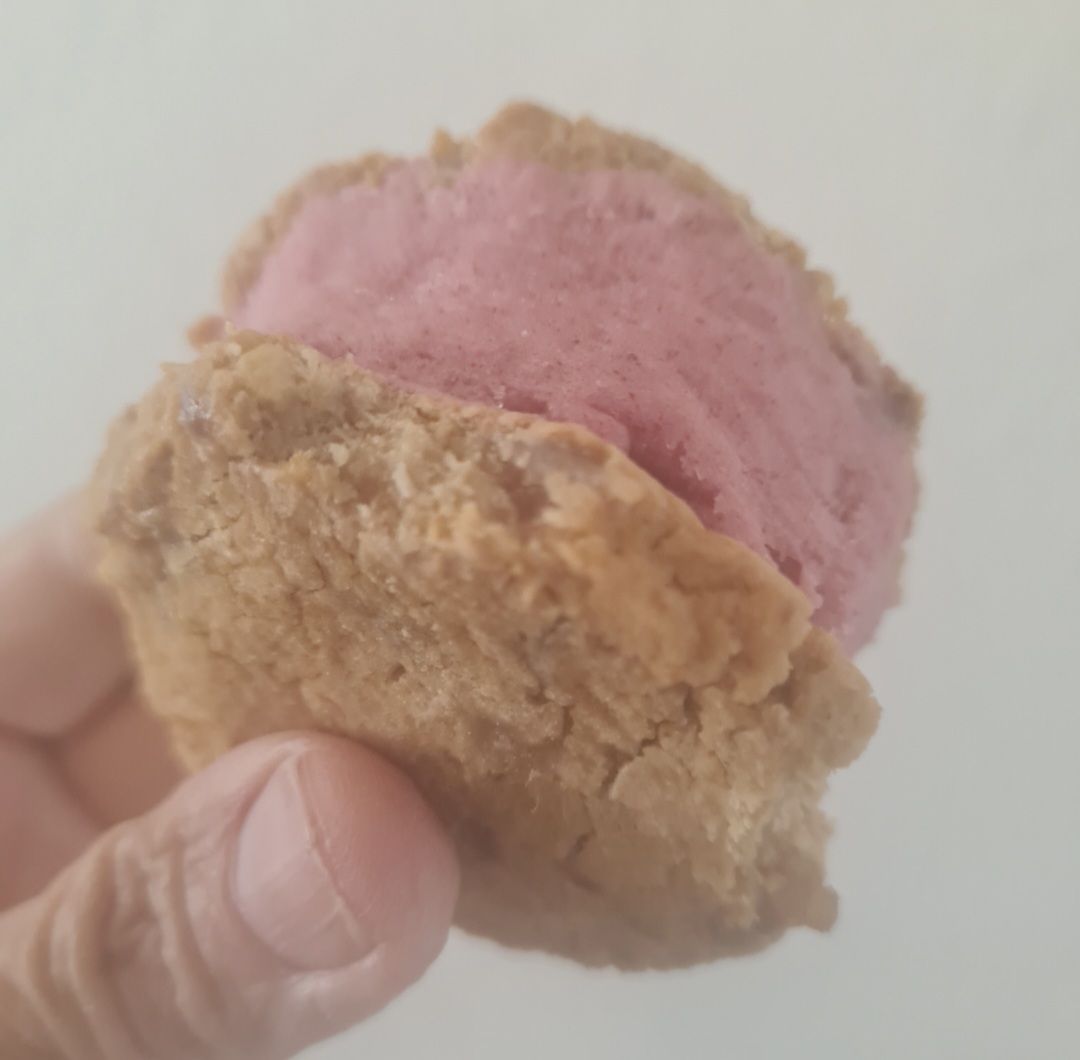
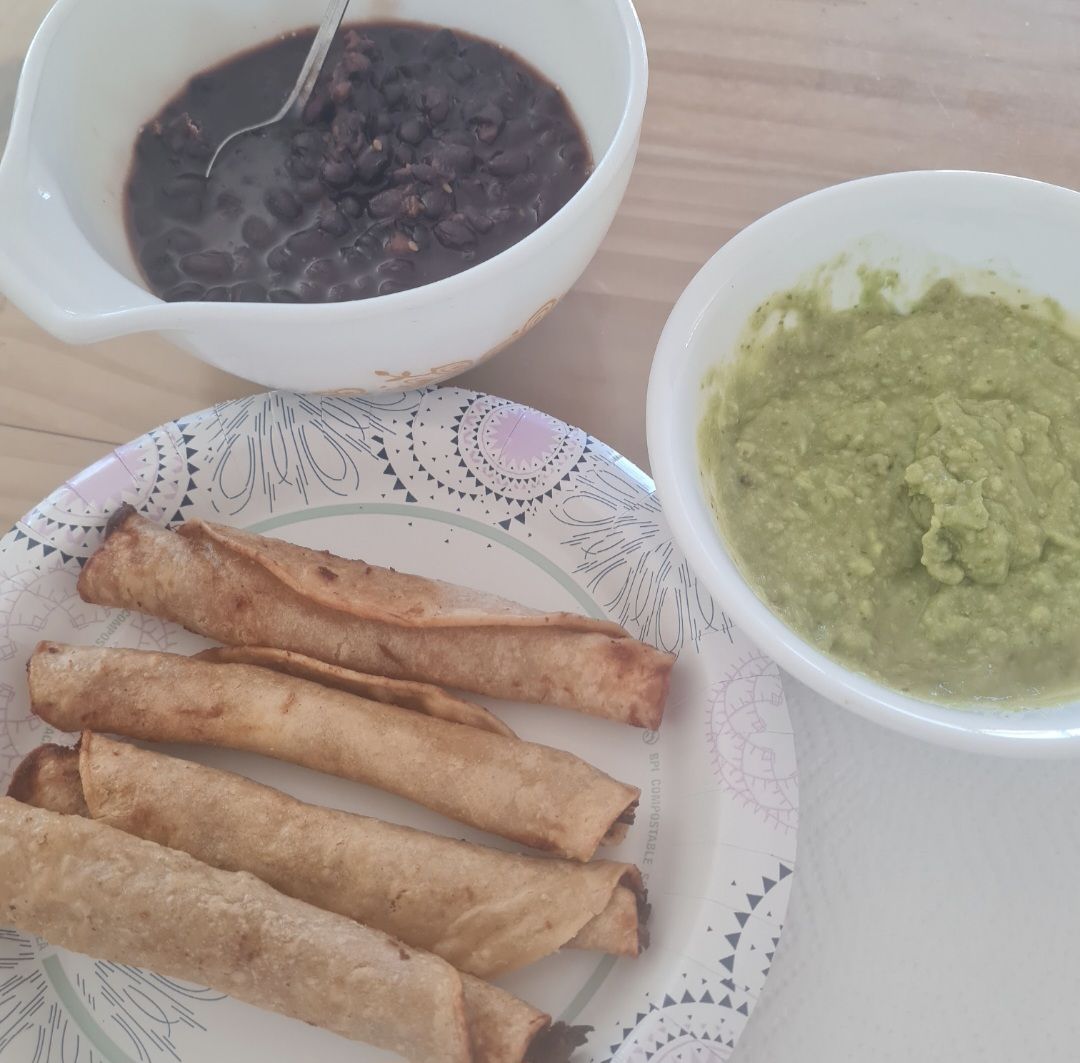
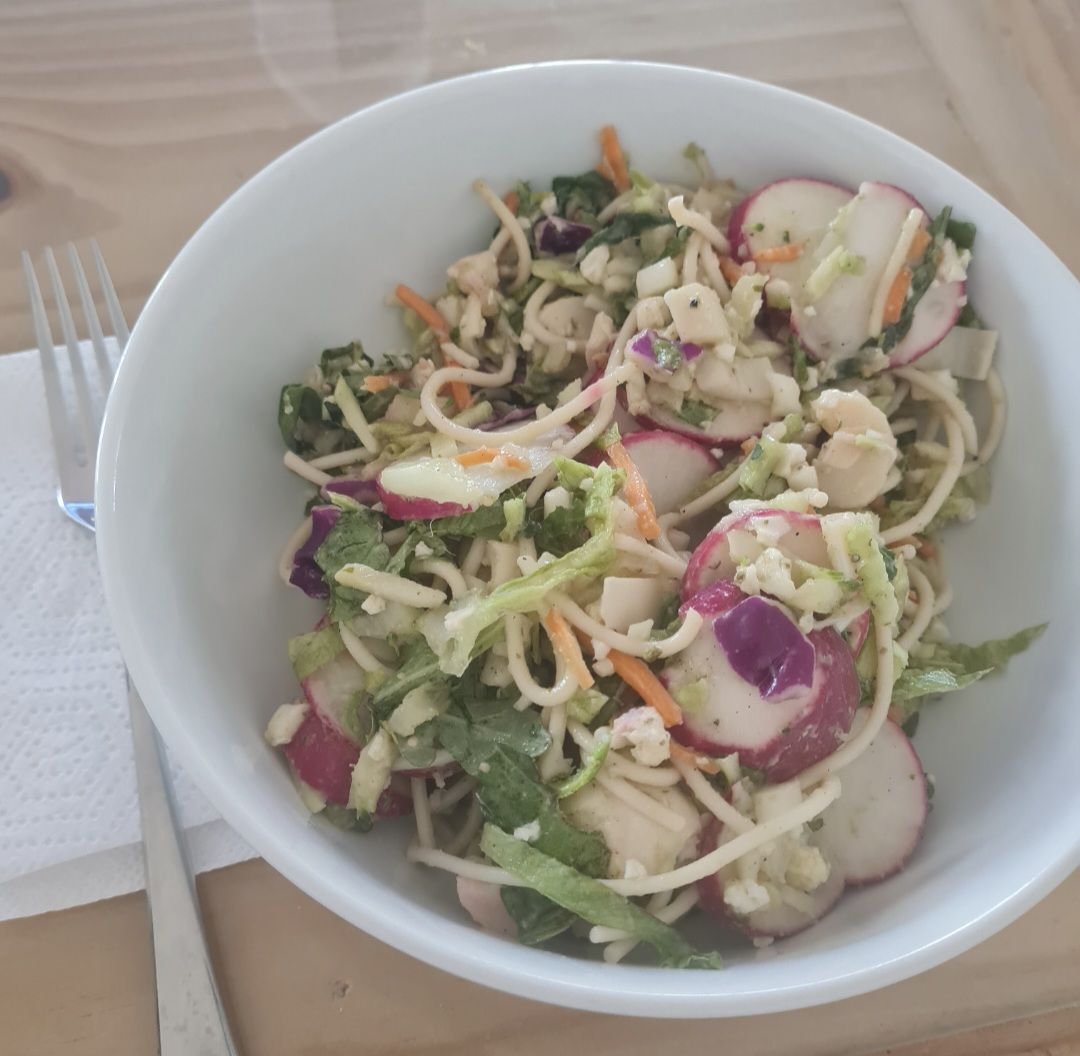
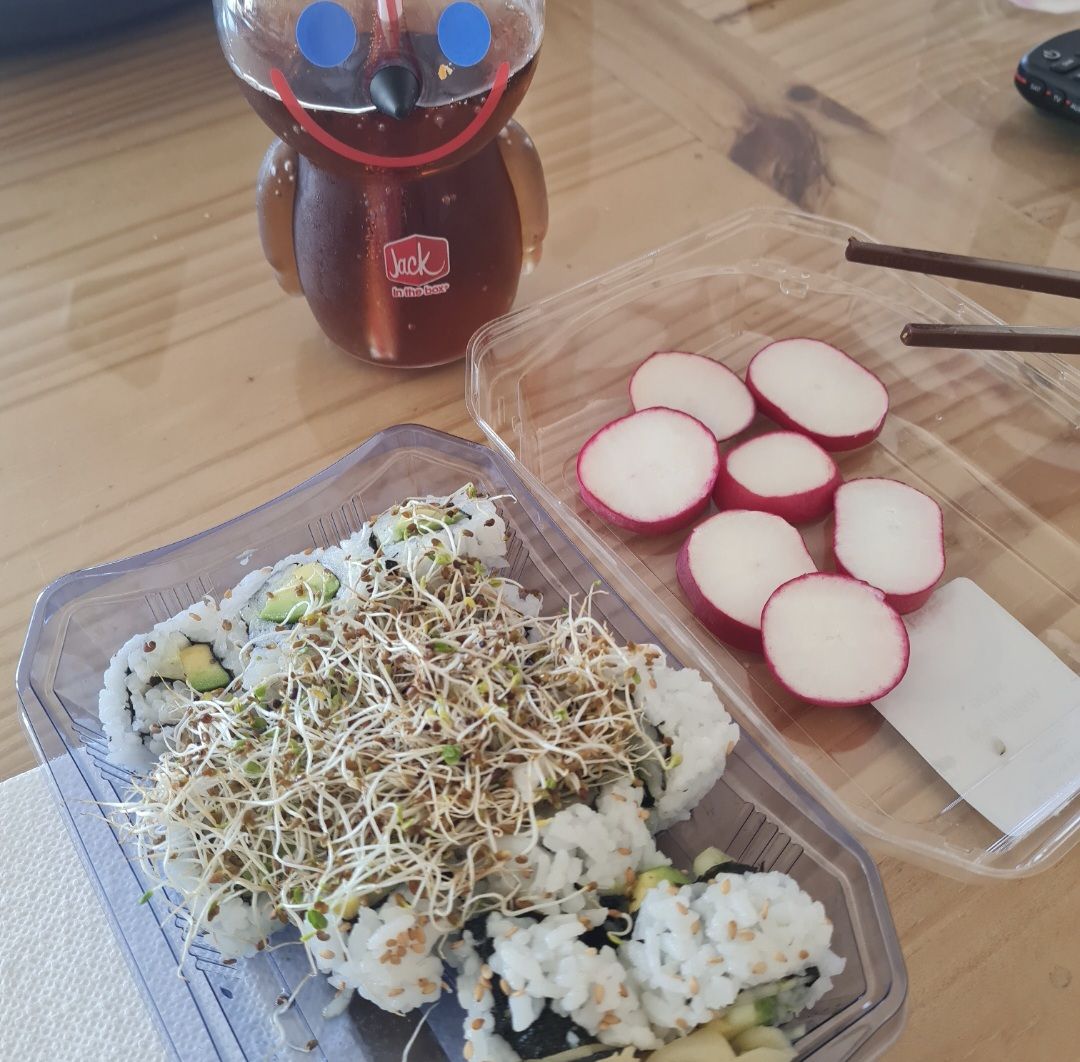
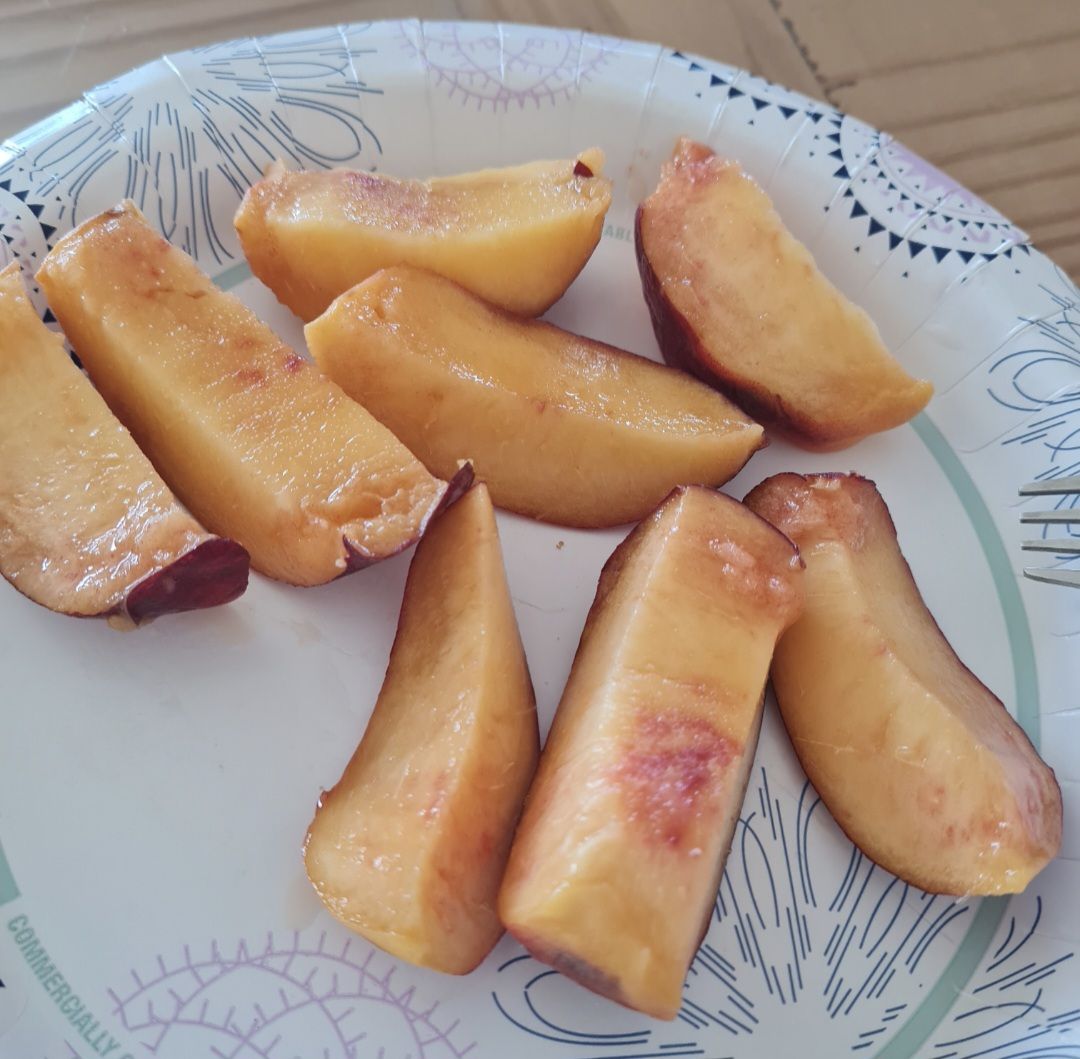
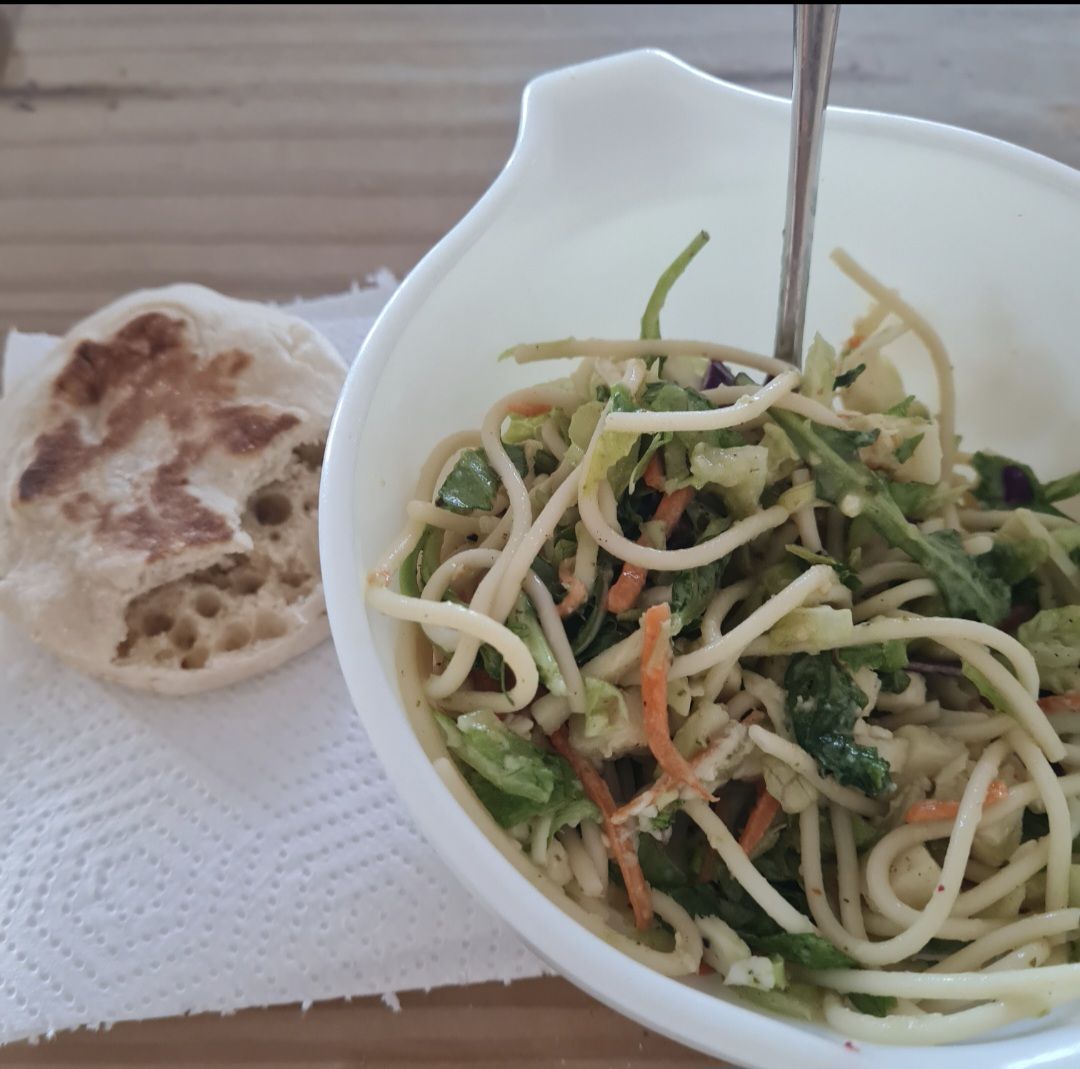
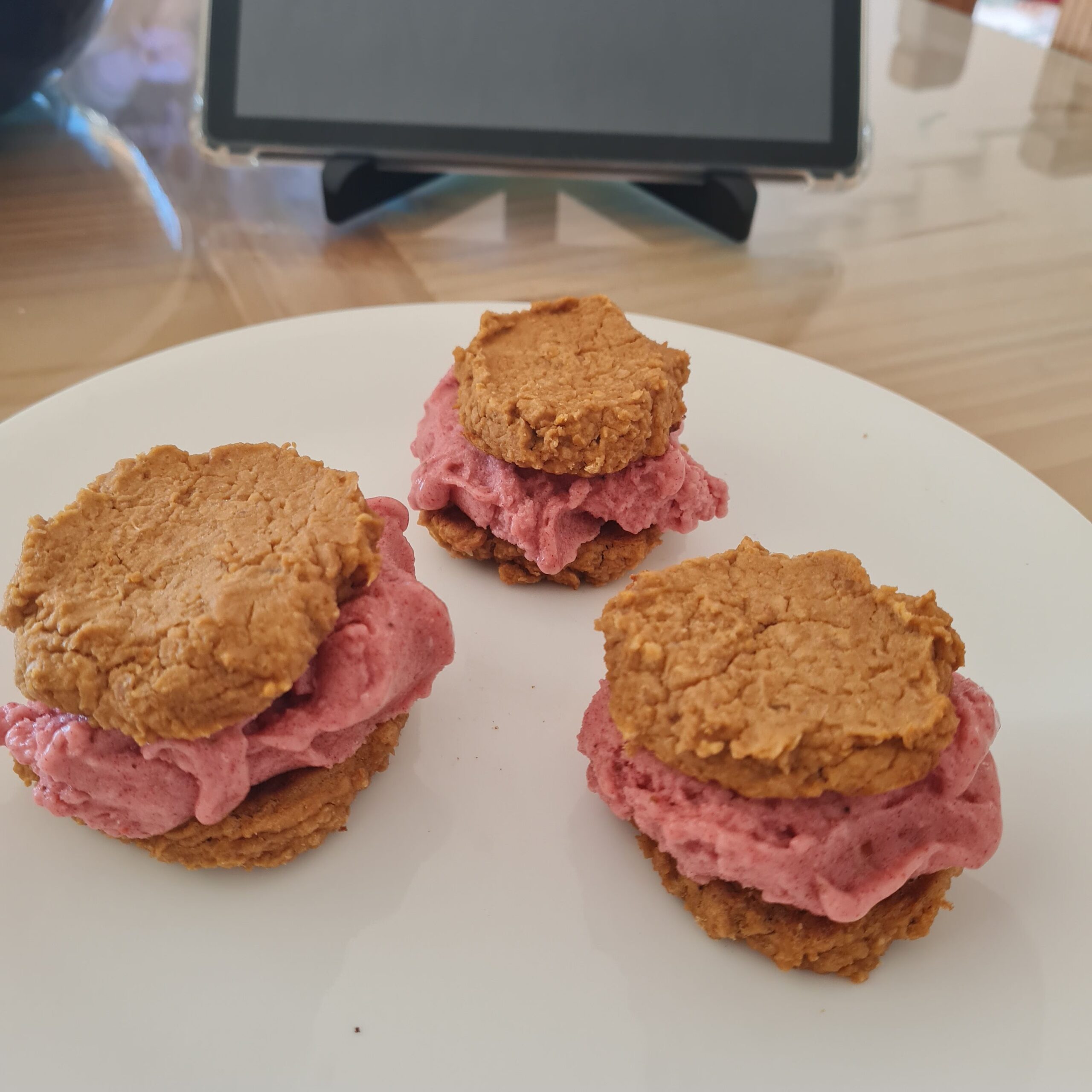
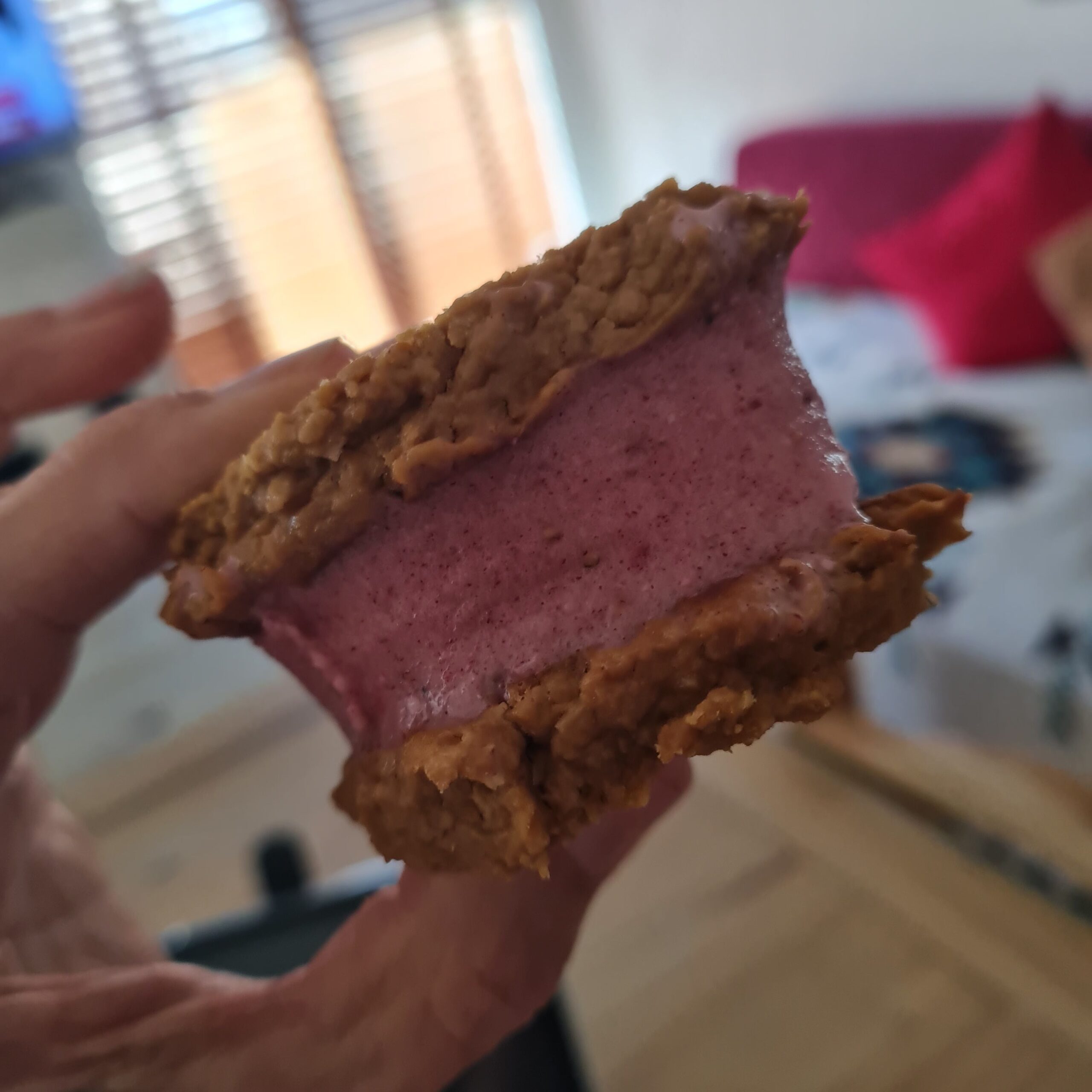
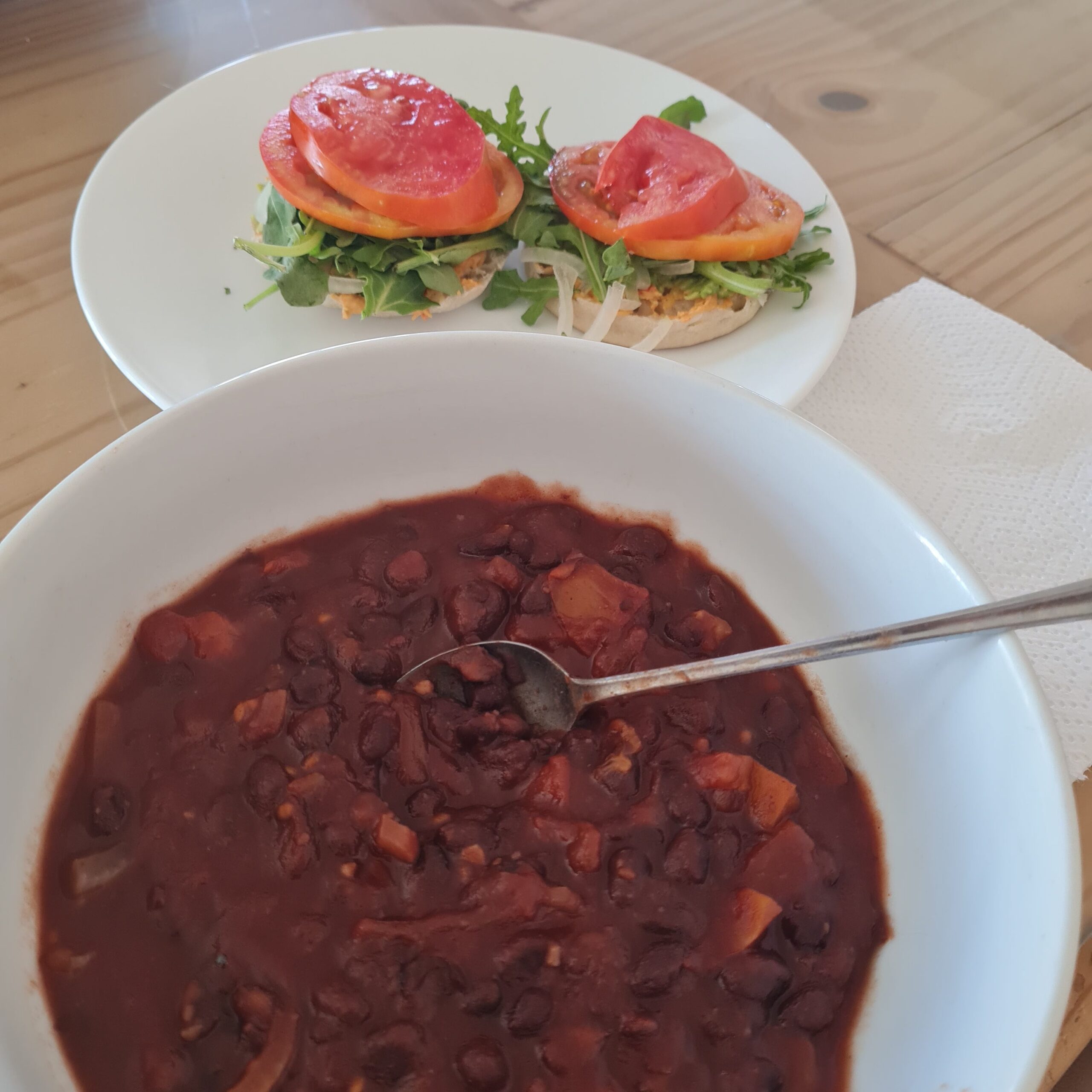
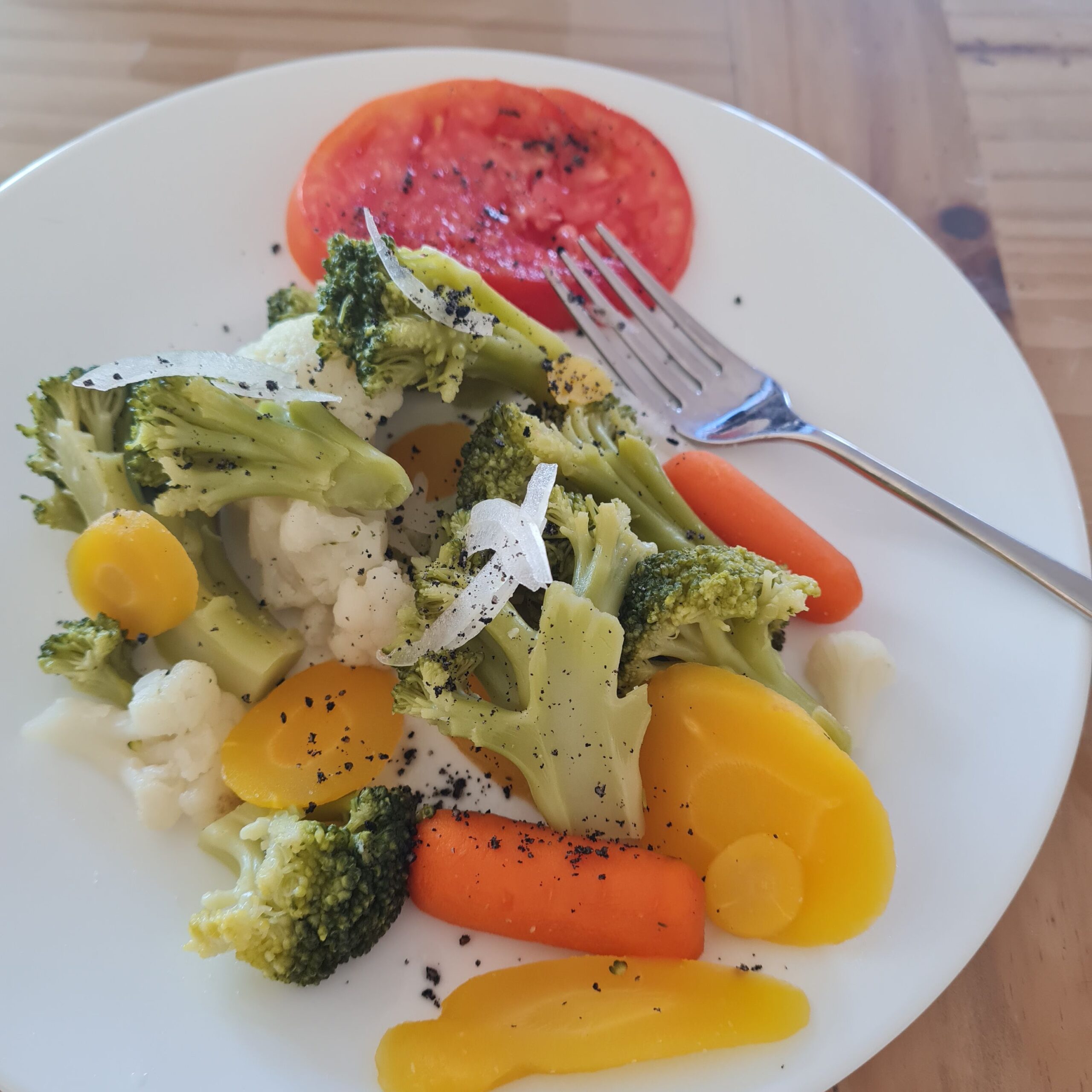
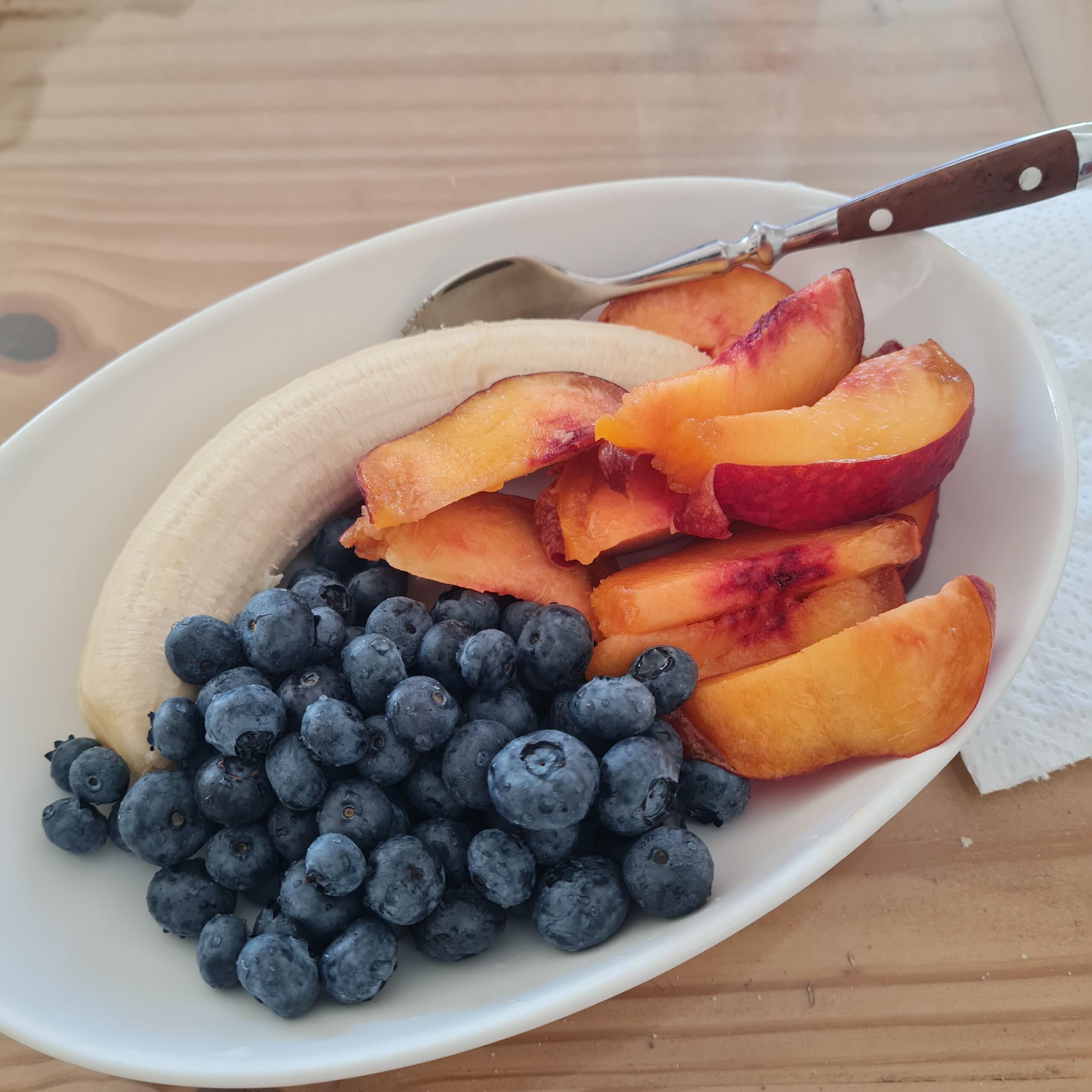
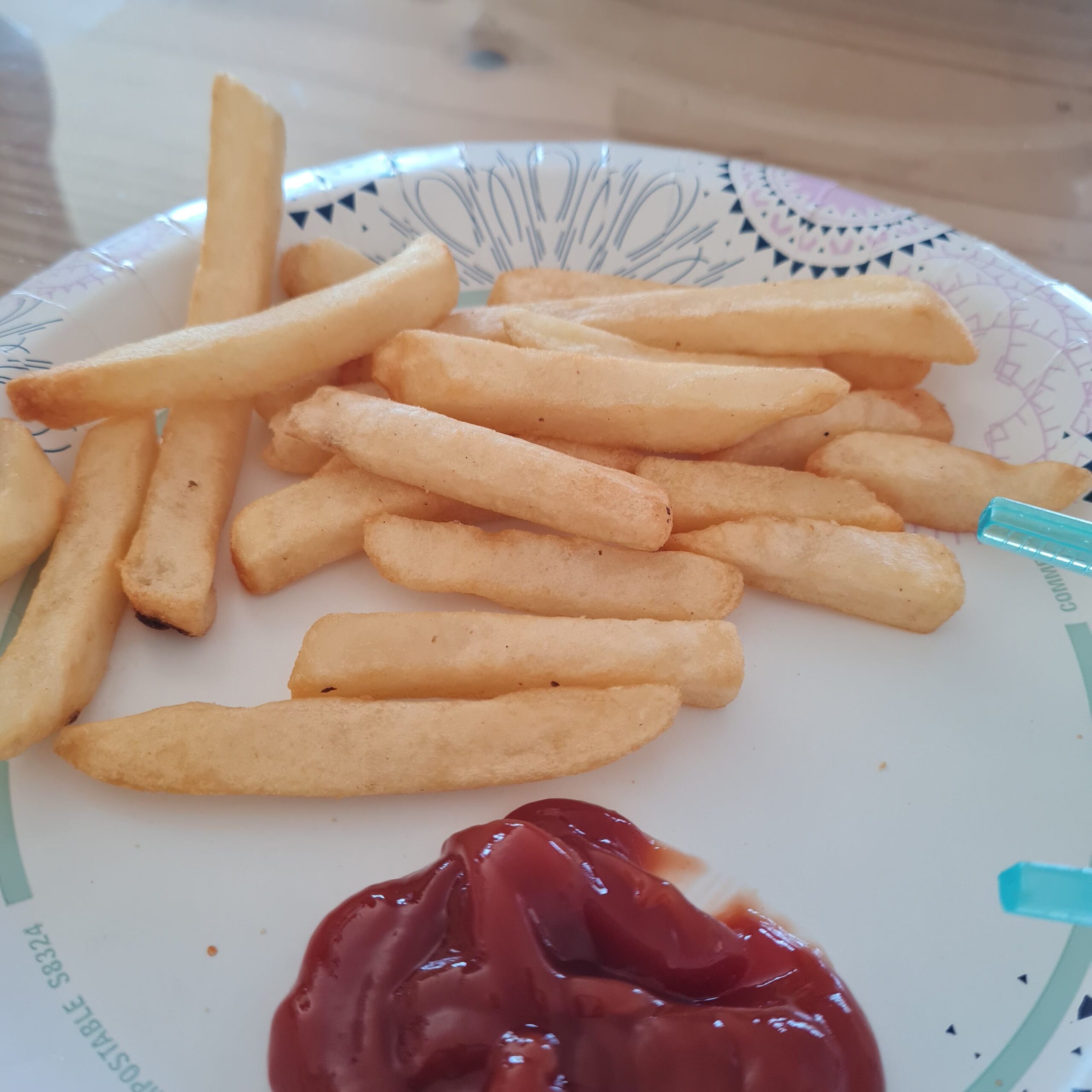
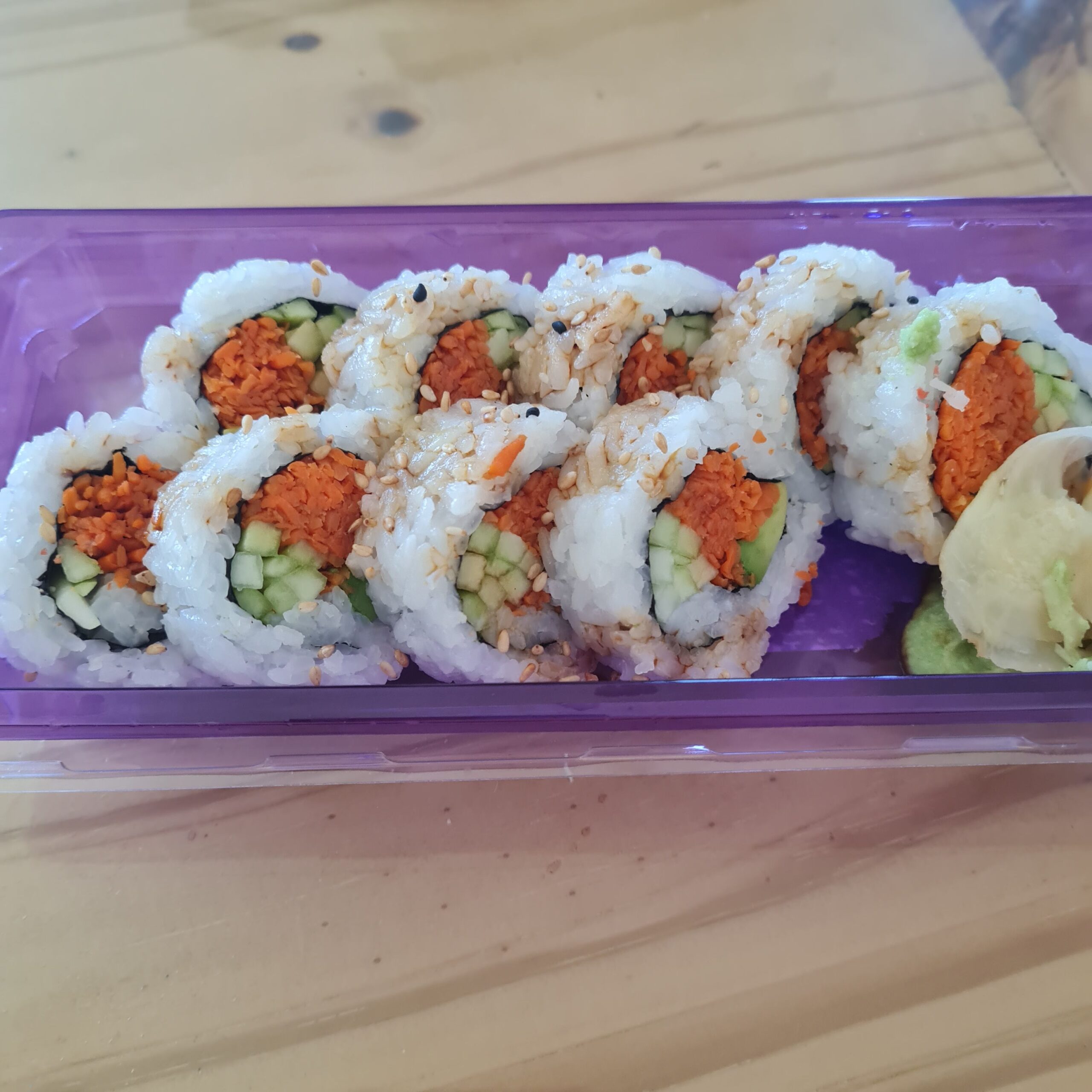
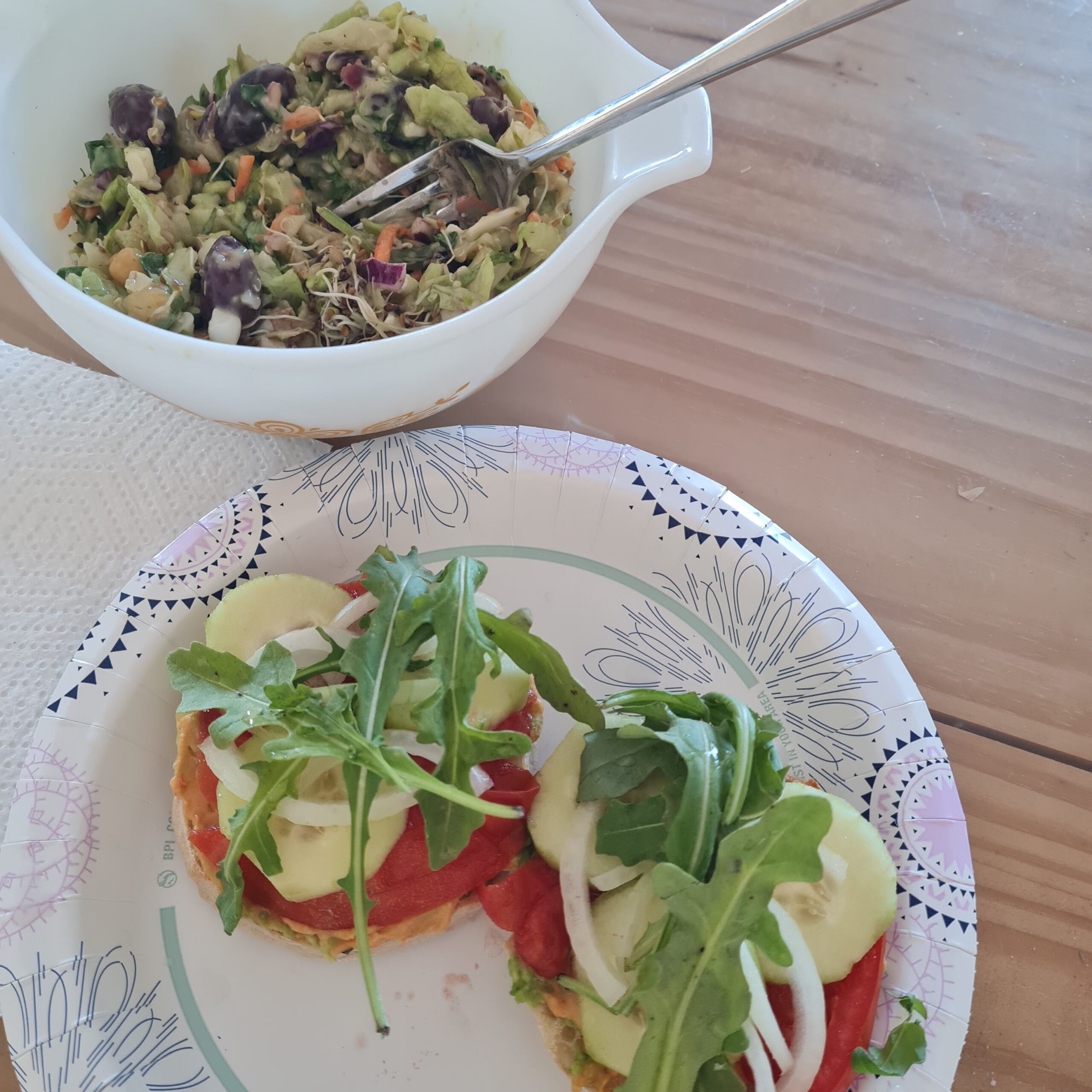
EATS: * Heritage Flakes, spelt & oat cereals w/ fresh strawberries, sliced almonds & homemade almond milk * leftover pinto beans, brown basmati rice, plain sparkling water w/ shot of Tuscanini Organic soda * Mediterranean chopped salad w/ grain salad & Mother Raw dressing * airfried half sweet potato * miso soup cup w/ mac & greens bowl
… SUN HAS SET …
Cmmt: XL indicates uncommonly excessive food, and wautéed means water-sautéed
In a study published in the journal Frontiers in Nutrition, Chilean researchers found that mice given sucralose or stevia passed on changes in metabolism-related genes to their children and grandchildren even when later generations did not consume the sweeteners.
MEDITATION: * Charles Capps podcast * No Greater Love podcast * Nothing But Bible
EXERCISE: * Walk-about outdoors * Day 19 (day/night) of 21 Day Simple Countertop Challenge * PT APP workout –lower body stretch/stengthening * Face brushing
Your belly isn’t fat. It’s your organs — dropped, displaced, and pressing forward. 90% of women with varicose veins, painful sex, and chronic bloating have no idea this is the real cause. No diet fixes a mechanical problem. No crunch targets a prolapsed intestine.
In this video, Dr. Sam Waterling breaks down the anatomy of a protruding belly — why subcutaneous fat accounts for only 2 to 3 centimeters of abdominal wall thickness, while a descended intestine pushes everything forward. We cover how visceroptosis compresses major veins, causes leg swelling, hemorrhoids, nocturia, stress incontinence, heavy periods lasting 5 to 7 days, and painful intercourse. We walk through the exact 3-part exercise, with the most common mistakes and how to fix them.
Results in 3 to 4 weeks. No diet. No surgery. No equipment.
One year of daily practice reverses years of organ prolapse.
This is all it takes to reclaim your body.
[Editor has created extended session, multiple sessions daily]
1. FULL DEEP EXHALE (hold)
2. MAX ABDOMINAL DRAW-IN (as you hold)
3. SLOW MANUAL LIFT w/ KNUCKLES (from pubic bone up to navel)
CONCLUDE w/ LITE BALLISTIC CARDIO WORK (for lymphatic circulation) via…
[Note to reader: “No one has a monopoly on the truth.” And “Truth is the property of no individual, but is the treasure of all men.”]
This video details the narrator’s personal health journey as he successfully lowered his total cholesterol from 280 to 120 and LDL from 150 to 55. After years of struggling with family history and trying various restrictive diets (including a period of being oil-free and nut-free), he explains that long-term epidemiological data—rather than intuition—was the key to his transformation.
Key takeaways from the video:
The Power of Nuts: Contrary to his original belief that nuts were just “fattening snacks,” large-scale studies (like the Adventist Health Study and Harvard’s nurses study) show that frequent nut consumption is associated with significantly lower heart disease and mortality risk (4:33 – 5:26, 6:35 – 7:35).
The Truth About Oils: While seed oils are often vilified online, the narrator and Walter Willett explain that replacing saturated fats with polyunsaturated fats (like those found in walnuts, salmon, and sunflower oil) is strongly linked to reduced mortality (8:03 – 8:38, 12:28 – 14:02).
Beware of “Slight of Hand” Nutrition Science: The narrator explains that many studies claiming saturated fat is “neutral” often fail to account for what is replacing those calories. When saturated fat is replaced with refined carbohydrates (like white flour and sugar), health outcomes do not improve (24:46 – 26:14).
The Role of Epidemiology: The creator emphasizes that individual anecdotes and “social media doctors” often contradict large-scale, long-term scientific data. He argues that anyone offering nutritional advice should have a fundamental understanding of epidemiology to avoid falling for misinformation or industry-funded studies (11:17 – 12:28, 16:04 – 17:01, 20:04 – 21:35).
Ultimately, the narrator suggests that the combination of statins, a shift toward healthy fats (nuts and oils), and reducing refined carbohydrates contributed to his improved blood markers (14:18 – 14:57).
HOW DOES HE DEFINE CARBS:
The video defines refined carbohydrates largely in contrast to whole foods, explicitly mentioning white flour, sugar, and sports drinks as low-quality carbohydrates (1:03, 2:30, 25:05).
[The narrator also notes that potatoes are categorized similarly to refined carbohydrates by Harvard nutrition researchers (14:50-14:55). Hmmm… not too sure about this. Must do more research!]
Regarding the narrator’s dietary journey and analysis, the video highlights the following:
The ‘Carbohydrate Responder’ Phenotype: The narrator discusses that his own health journey revealed he may be a “carbohydrate responder,” where consuming a very high-carbohydrate diet led to a significant spike in his triglycerides (4:00-4:12).
The ‘Slight of Hand’ in Nutrition Science: The video explains that many studies fail to show health benefits when reducing saturated fat because participants often replace those calories with refined carbohydrates, which the video describes as being “about as bad as saturated fat” (24:46-25:35).
Dietary Recommendations: To achieve his improved blood markers, the narrator explains that alongside consuming more healthy fats like nuts and oils, he specifically cut back on potatoes and avoided refined carbohydrates to optimize his metabolic health (14:46-14:55).
This video, presented by Dr. John Campbell, discusses a prospective observational study involving 197 cancer patients who were prescribed an off-label combination of ivermectin (25 mg) and mebendazole (250 mg) daily for 90 days (0:01-4:46). The study aimed to evaluate patient-reported outcomes, safety, and adherence to this repurposed, low-cost protocol.
Key Findings: Clinical Benefit: The study reported a Clinical Benefit Ratio (CBR) of 84.4%, which includes patients who experienced complete response, partial response, or stable disease (1:21, 9:16).
Outcomes Breakdown: Among the cohort, 32.8% had no current evidence of disease (NED), 15.6% reported tumor regression, and 36.1% maintained stable disease, while 15.6% experienced progression (9:30-9:42).
Adherence & Safety: The treatment was found to be well-tolerated, with an 86.9% adherence rate and only mild side effects (primarily gastrointestinal) reported by 25.4% of participants, most of whom were able to continue treatment (8:16, 11:58).
Dose-Response: Notably, the study observed no significant dose-response association (p = 0.91), suggesting that lower doses may be as effective as higher ones (10:13, 11:32).
Mechanisms and Discussion: The video highlights that these drugs are not acting as antiparasitics in this context but via multiple anti-cancer mechanisms, including the inhibition of cell proliferation, angiogenesis, and mitochondrial function (16:18-17:23).
Both agents are noted for their ability to selectively target cancer stem cells and disrupt microtubule formation, leading to cell cycle arrest and apoptosis (19:24-21:34). Dr. Campbell emphasizes that while these findings are hypothesis-generating and require validation through large-scale, randomized controlled trials, the potential for such inexpensive, repurposed therapies is significant, especially given the high costs of standard chemotherapy (13:57-15:13).
Many delicious recipe sites try to slip refined sugar, excess salt & most often processed fat (OIL) into their dishes. We must remain diligent in snooping out these ingredients & eliminating (or reducing) them.
The best sugar/oil/salt (S-O-S) substitute is quite simply no substitute, the ultimate goal being to gradually reduce our consumption of these additives to little or none. I “wauté” – which means sauté in a tiny bit of water/broth, not oil. Works great for me!
Some of us with wills of steel are able to cut out the S-O-S cold turkey (excuse the euphemism), and some of us will do better to progressively reduce them to manageable levels.
Consider googling “healthy substitutes for salt, oil, sugar”, then enjoy clicking on internet recipe websites below.