https://youtube.com/shorts/4QcwKm8ARxI?si=dpNZITRHVddGHea6
This short was taken from the full video HERE.
https://youtube.com/shorts/4QcwKm8ARxI?si=dpNZITRHVddGHea6
This short was taken from the full video HERE.
Oct 9, 2025
Now he’s issued an explosive demand that’ll upend healthcare in America.
https://www.dailymail.co.uk/health/article-15177871/top-cardiologist-pandemic-upend-america.html
Oct 11, 2021
When it comes to actions taken to address the Covid-19 threat, hindsight is still very much underway. For your consideration: a story and outcome you probably aren’t hearing much about anywhere else. It takes place in the heart of Amish country.
I eat ORGANIC grains to avoid exposure to glyphosate, even as a pre-harvest dessicant. If you think you are glutton sensitive, speak to your MD about trying organic & see if your digestion improves in the absence of GLYPHOSATE (the active ingredient in the widespread herbicide Roundup).
Internet says:
Why glyphosate is used before harvest:
Crop Desiccation:
The primary use is to dry down the crop, allowing for a faster and more uniform harvest.
Weed Control:
It kills weeds that grow late in the season, which can hinder harvest by damaging equipment, increasing moisture content, and contaminating the harvested grain.
Harvest Efficiency:
By ensuring the crop and surrounding weeds are dry, glyphosate application can make the threshing process easier and more efficient.
When and how it’s applied:
Timing:
Glyphosate is applied when the crop is fully mature and the grain’s development is complete.
Crop Conditions:
It’s often used in years with wet conditions that prevent the crop from drying naturally.
Harvest Restrictions:
Glyphosate products have specific harvest intervals (harvest waiting periods) that must be followed to ensure the residue levels in the grain are well below established safety limits.
Key considerations:
Crop Maturity: To avoid residue issues, the crop must be mature enough before application, with the least mature seeds below a certain moisture threshold, typically 30%.
Regulatory Compliance: Proper application timing and adherence to label guidelines are crucial for meeting Maximum Residue Limits (MRLs) and accessing export markets.
Not for Seed Crops: Pre-harvest application of glyphosate is not recommended for seed crops.
Consider registering for a free Substack account at the link for access to this fascinating interview w/ Peter McCullough.
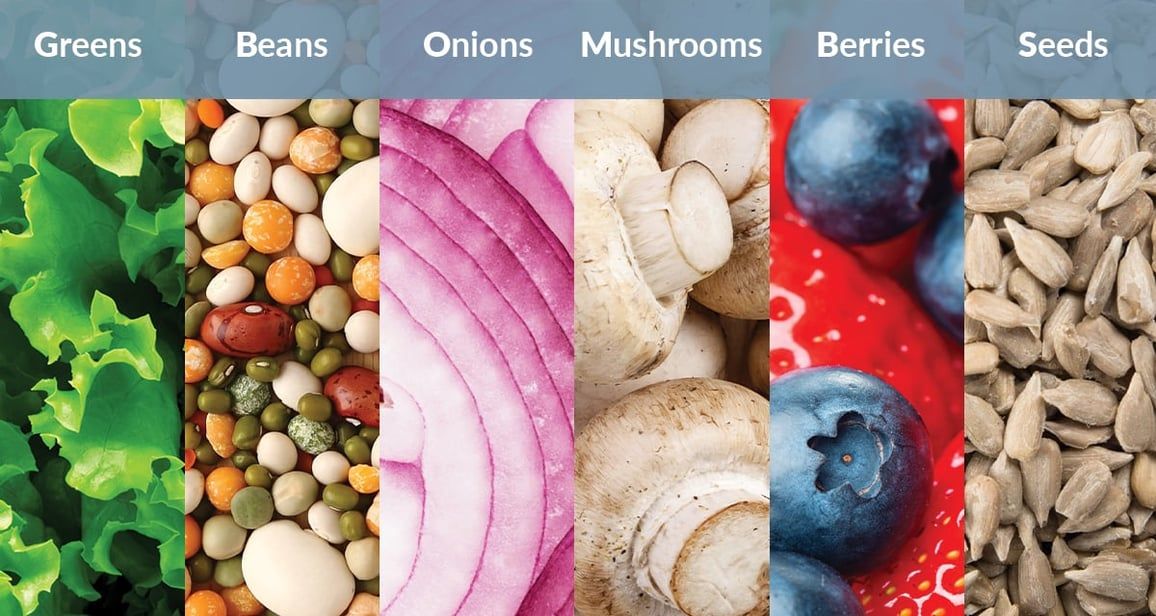
DAILY
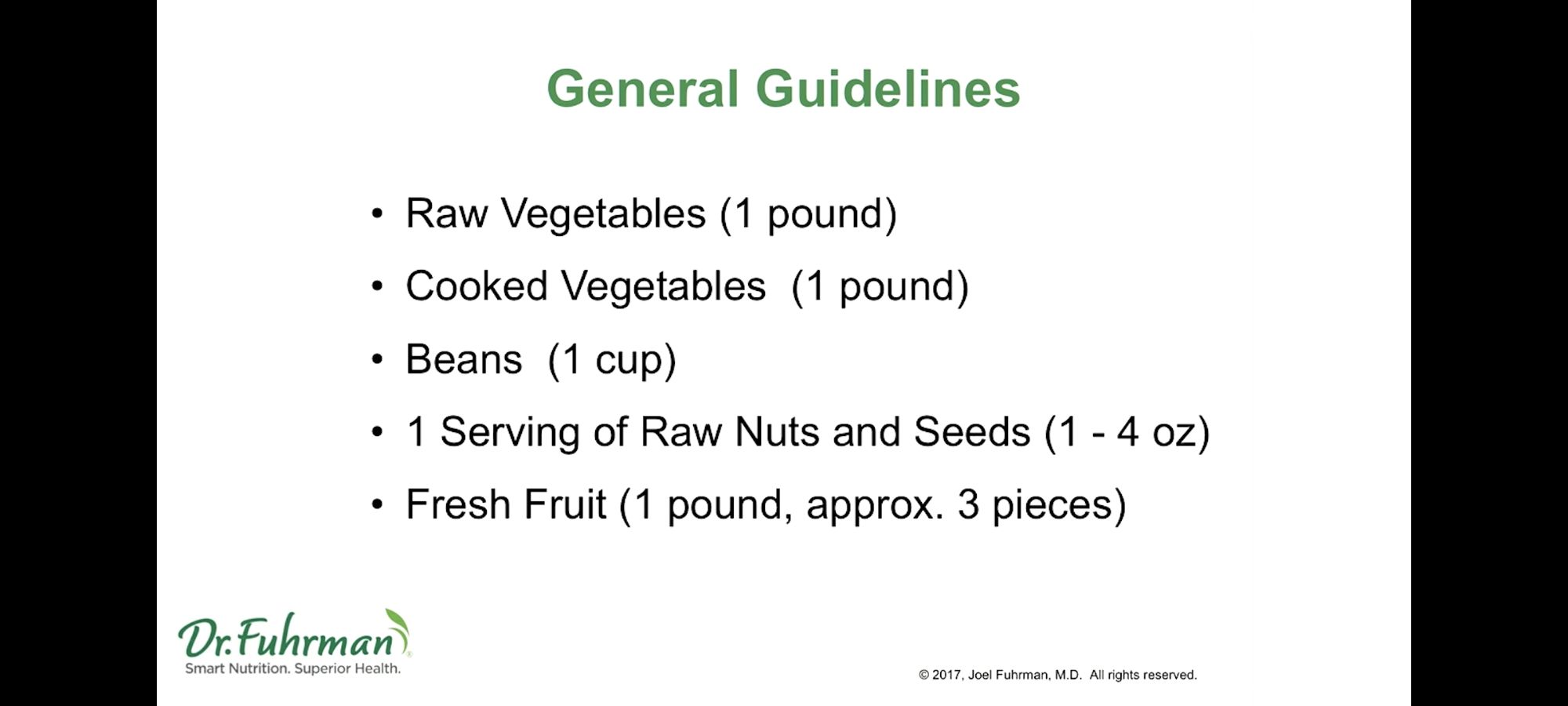
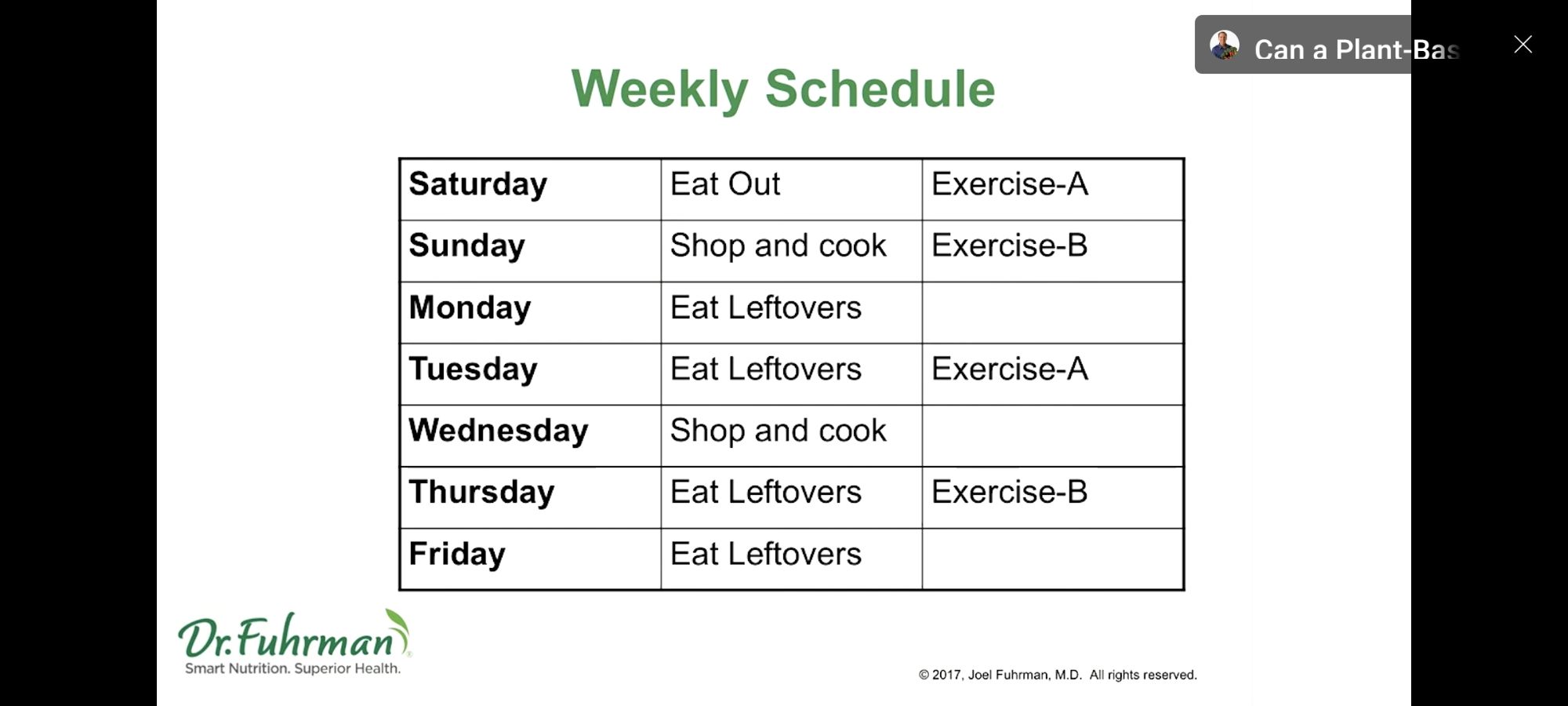
WEEKLY
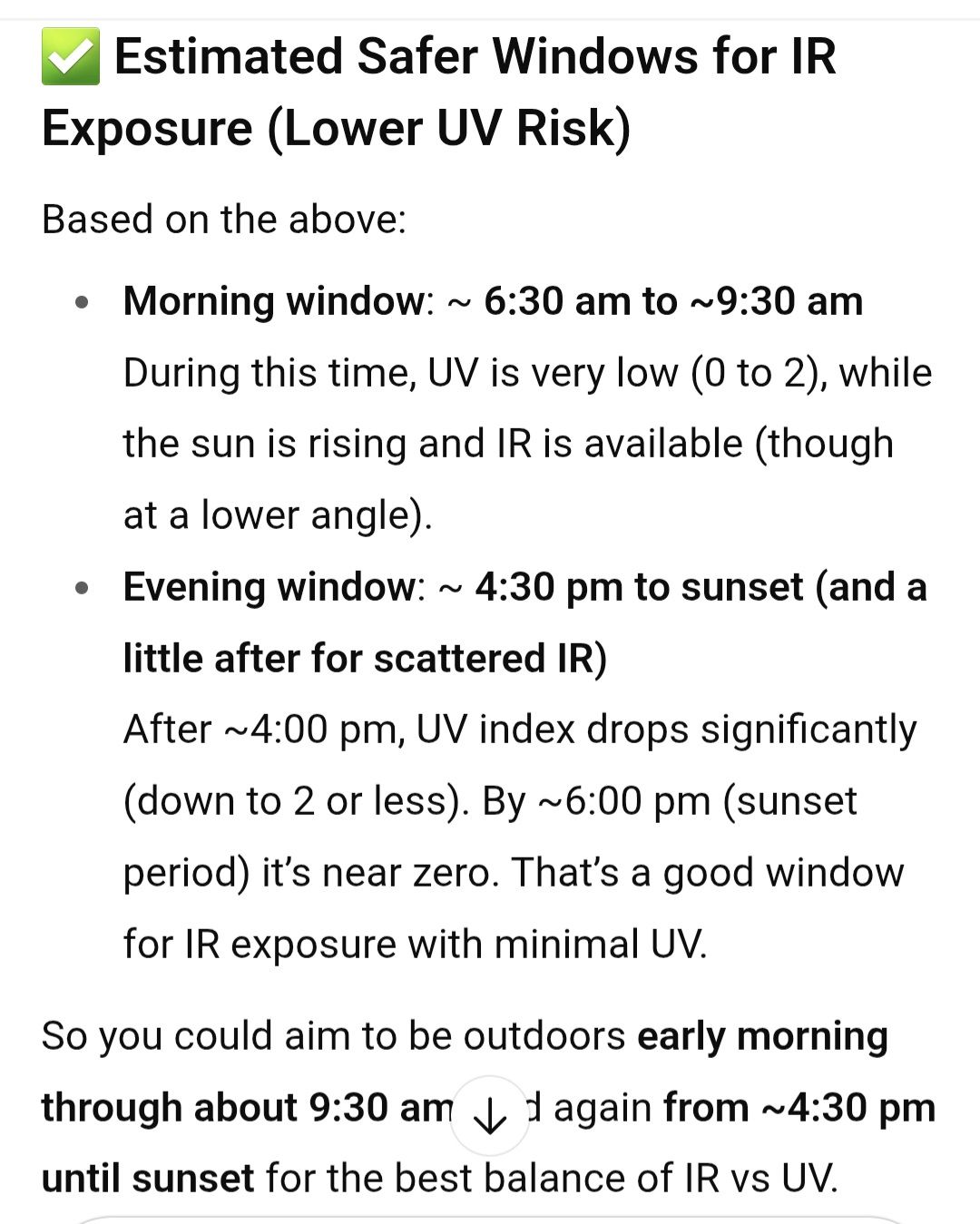
For your outdoor activities ask chatgpt.com to estimate the safest windows of time for INFRARED EXPOSURE & lowest ULTRA VIOLET at your zipcode. Here’s mine at this season:
God bless you, Ms Jane.
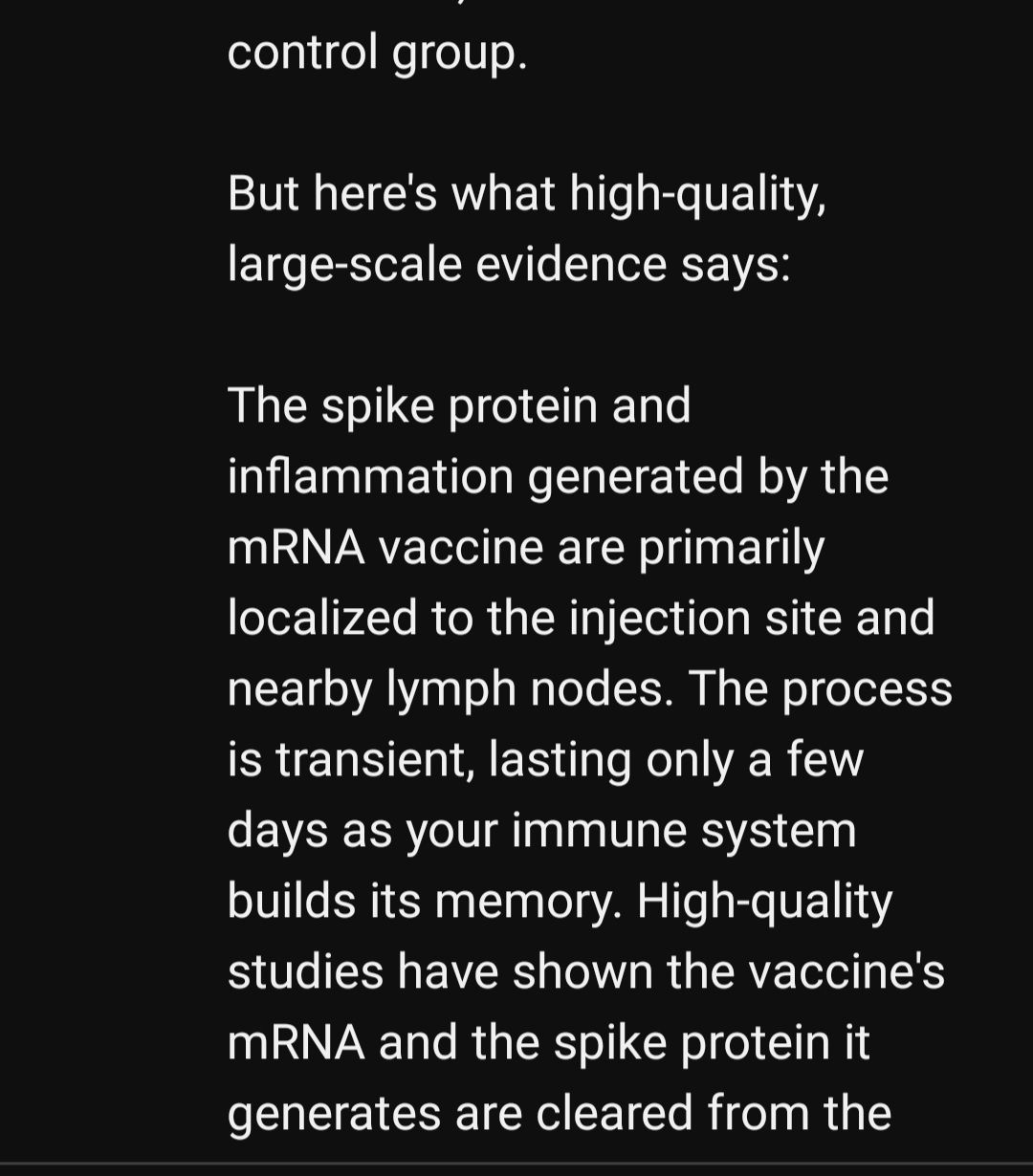
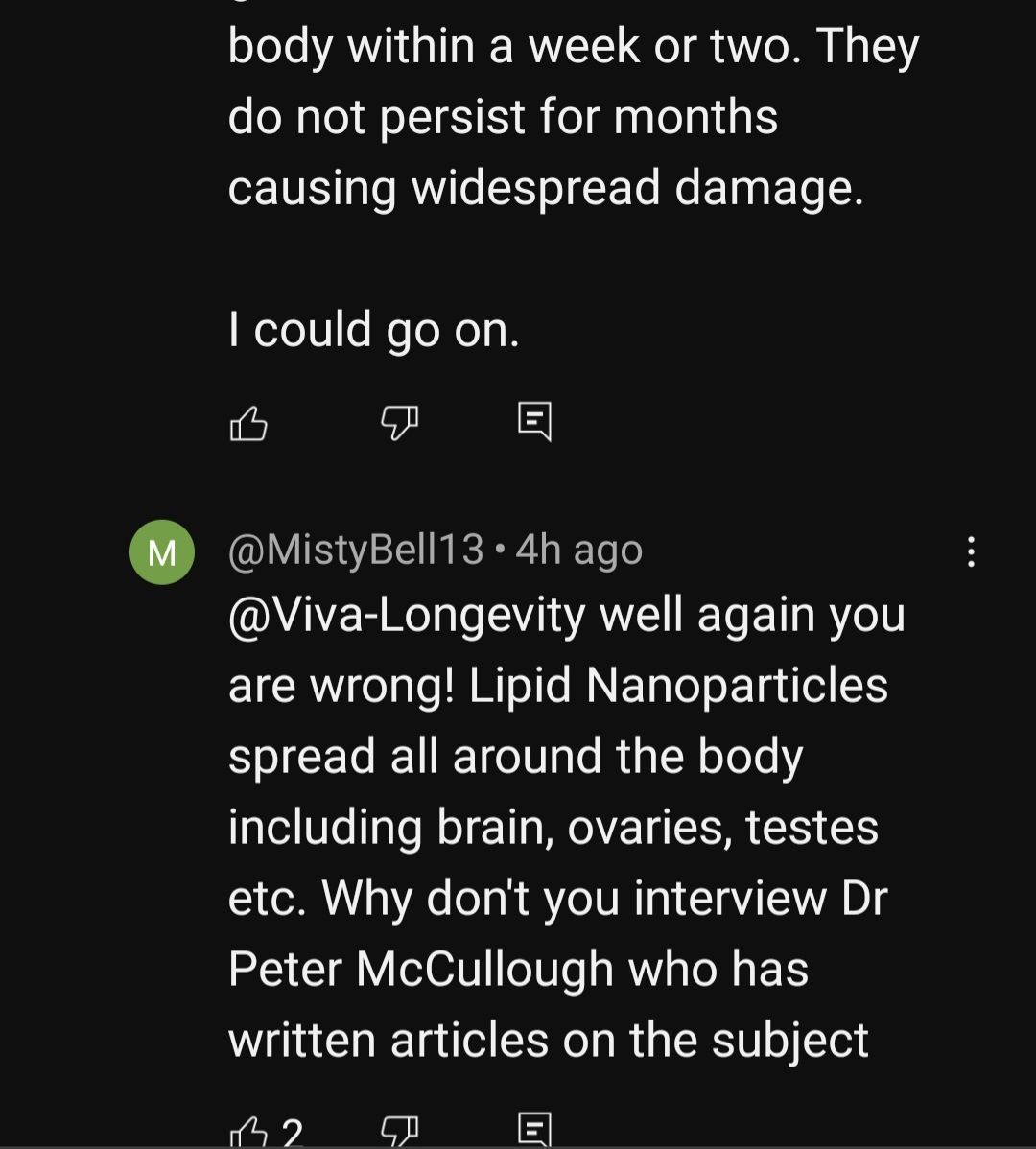
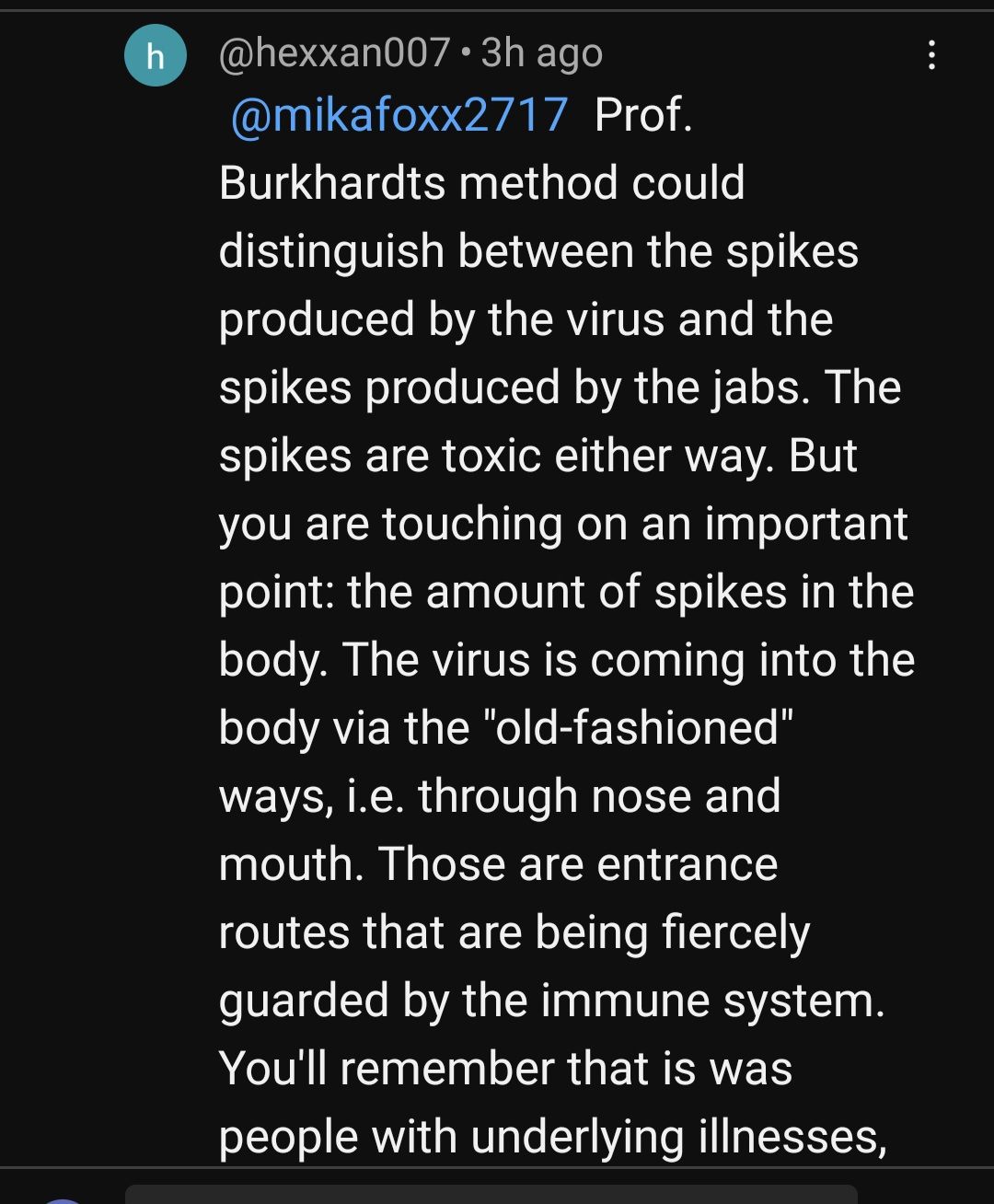
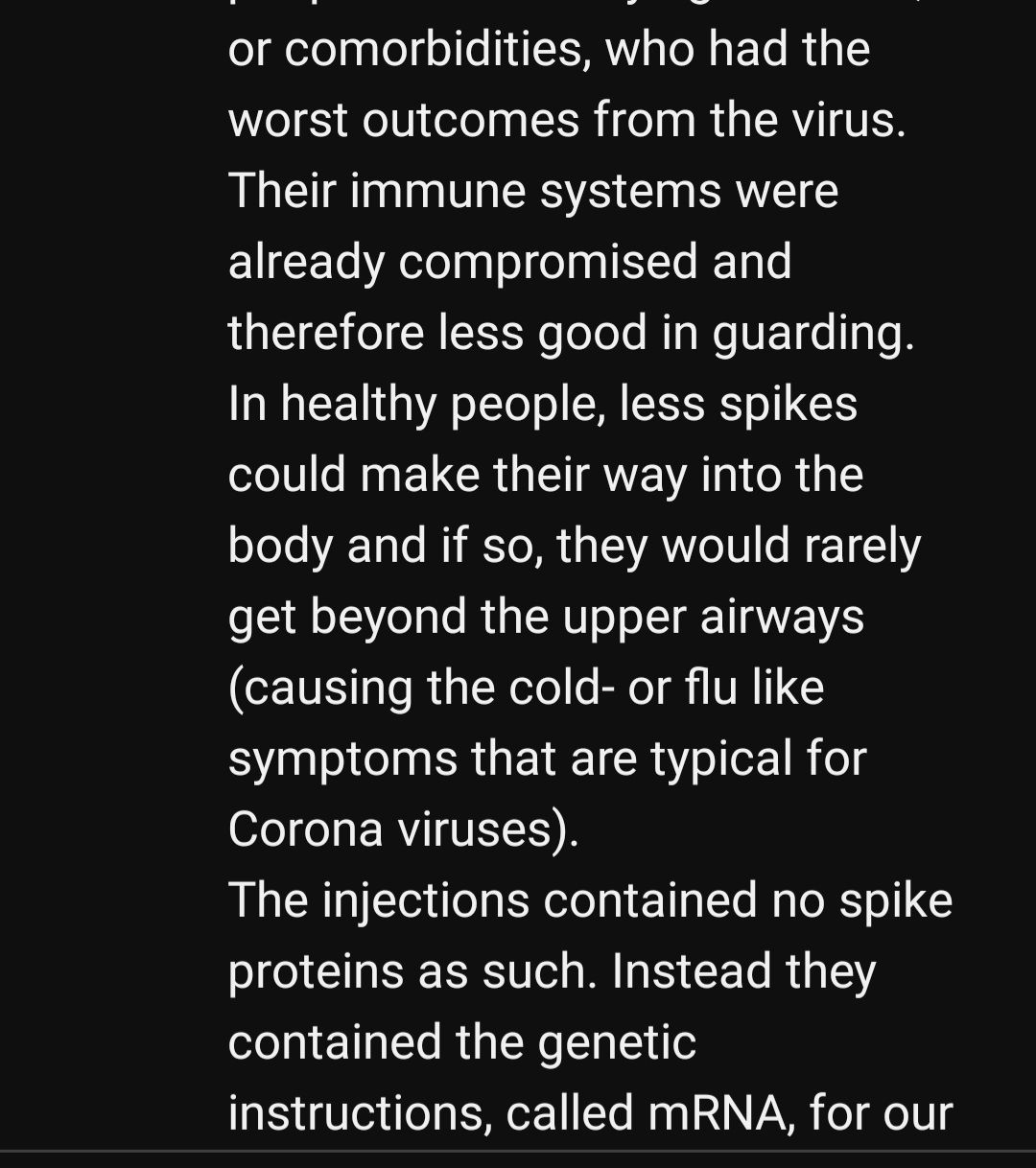
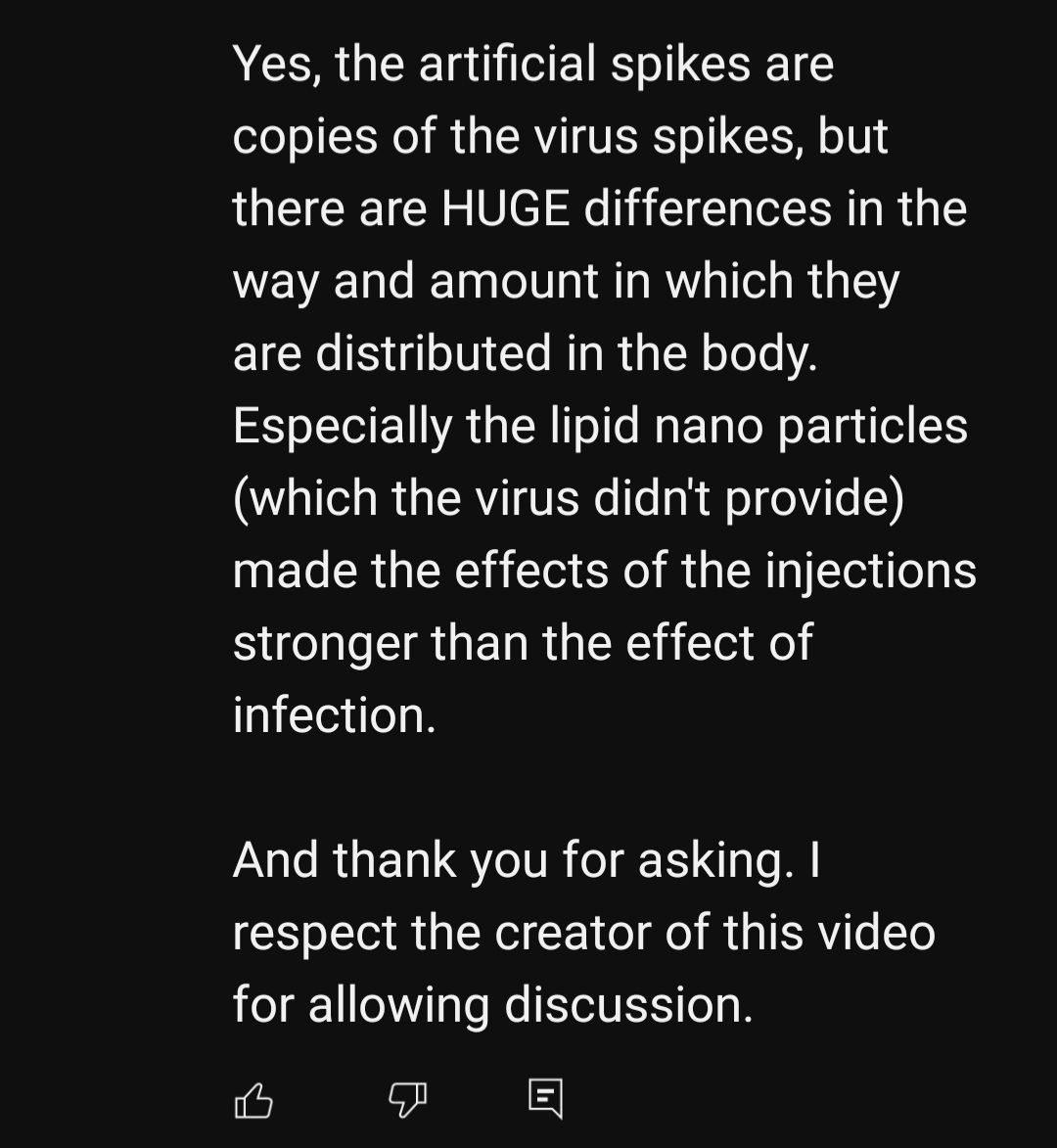
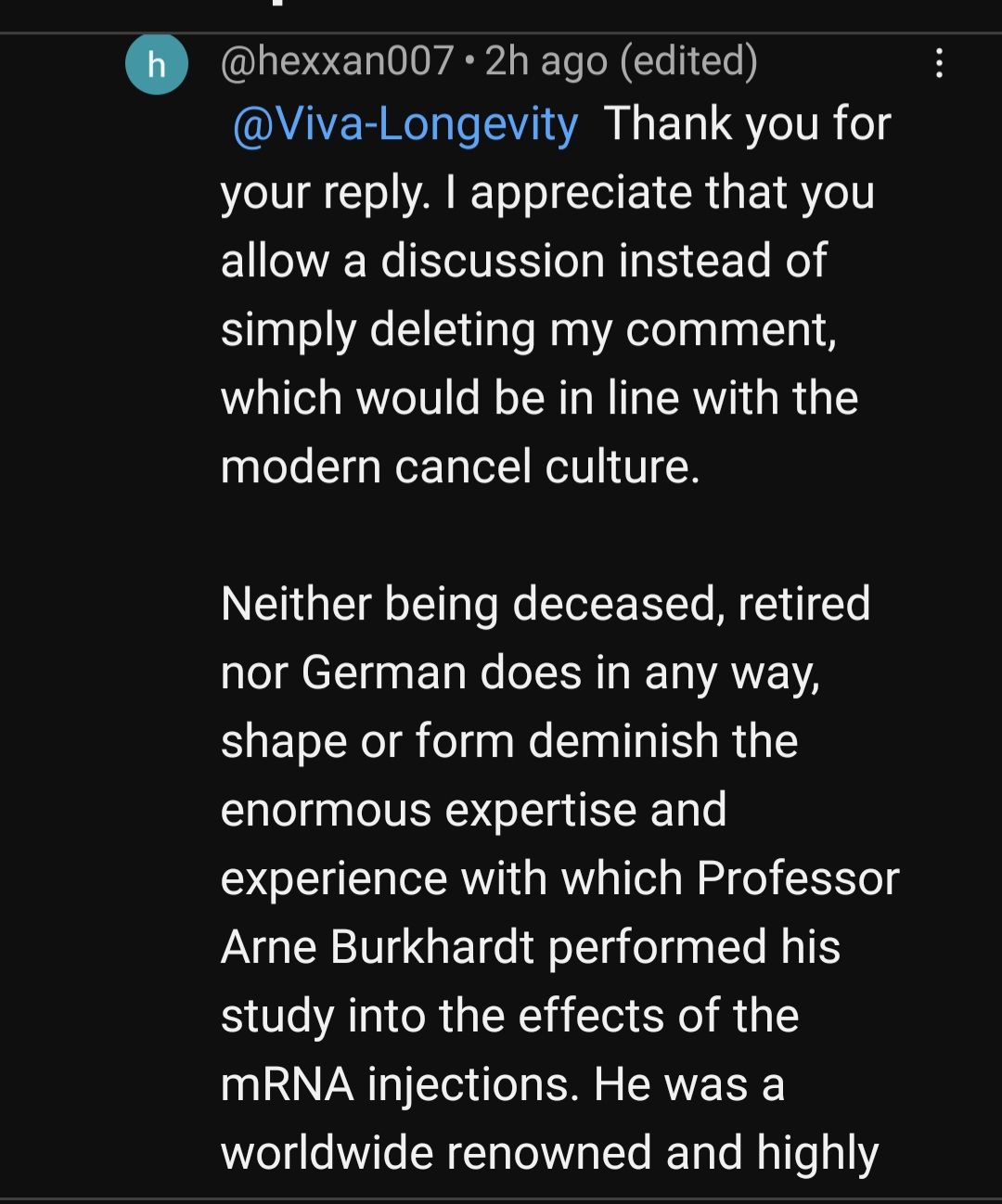
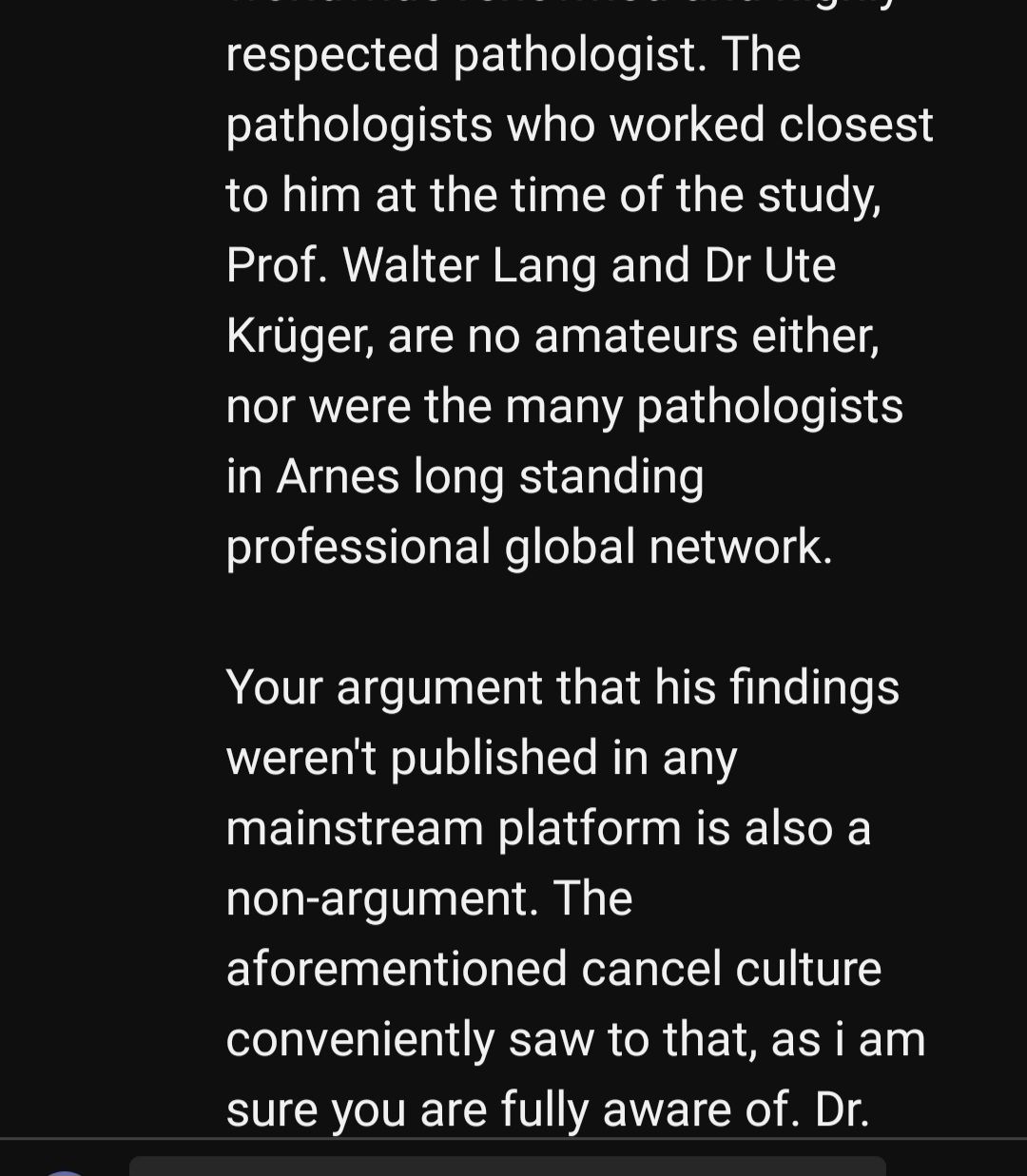
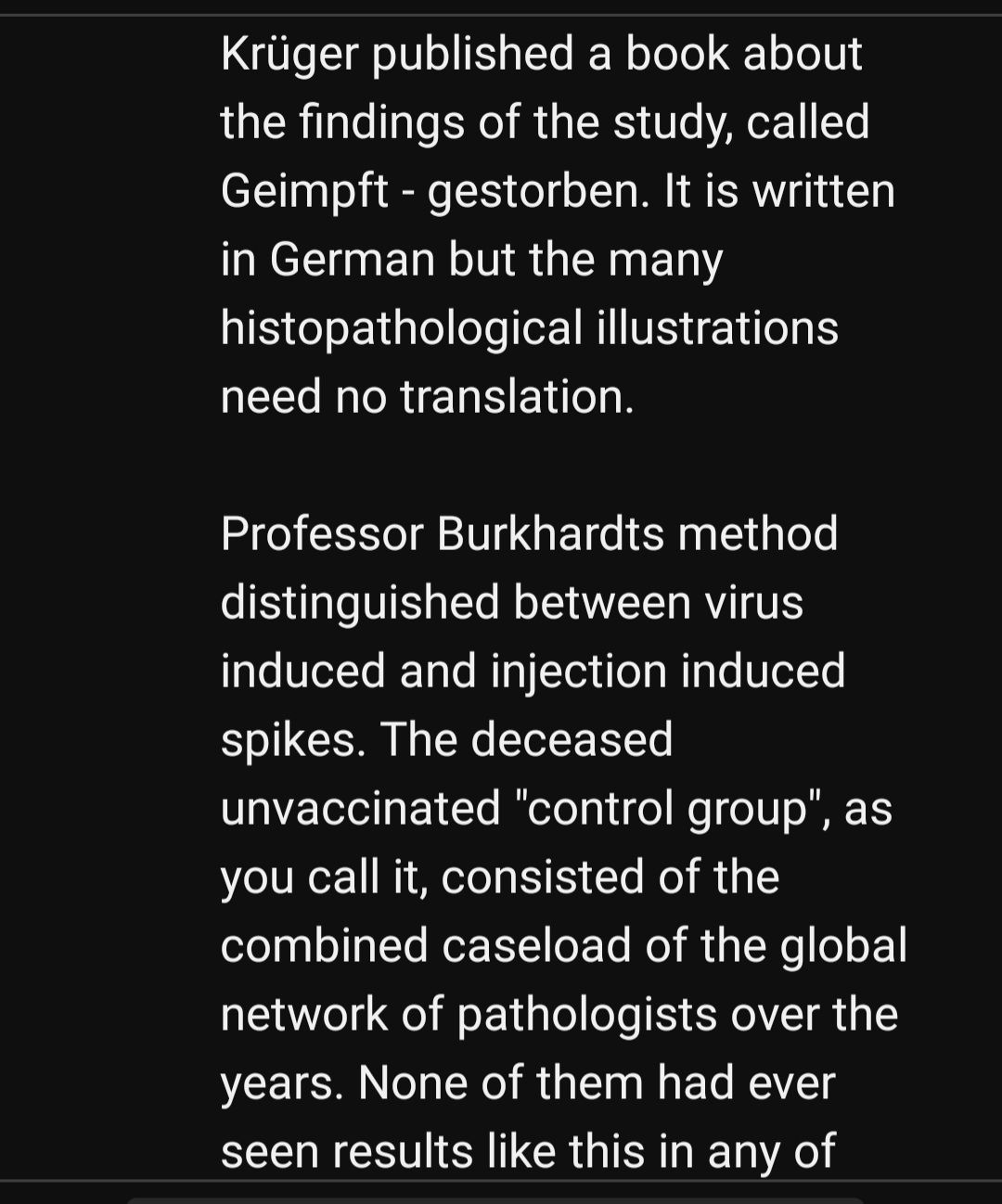
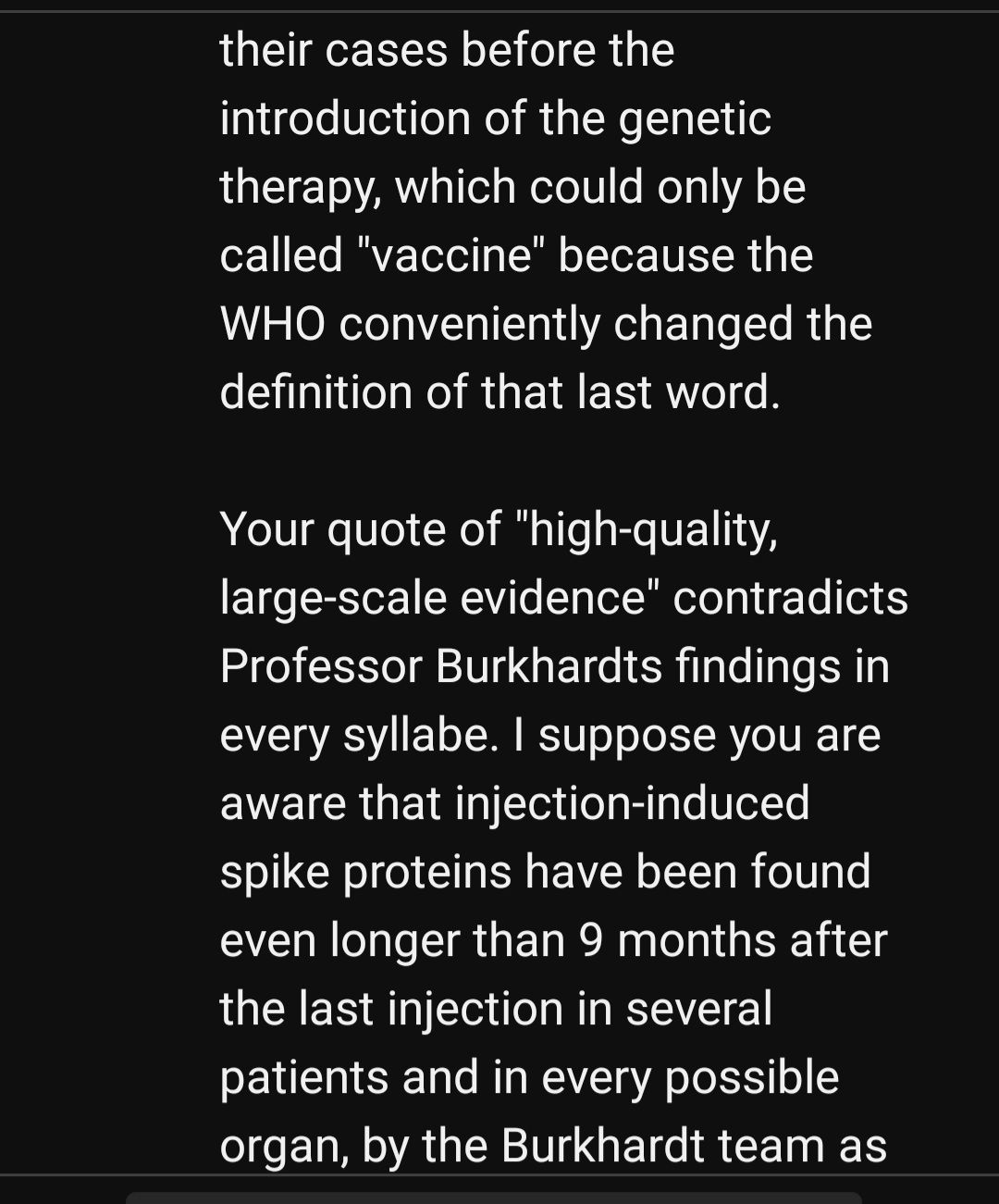
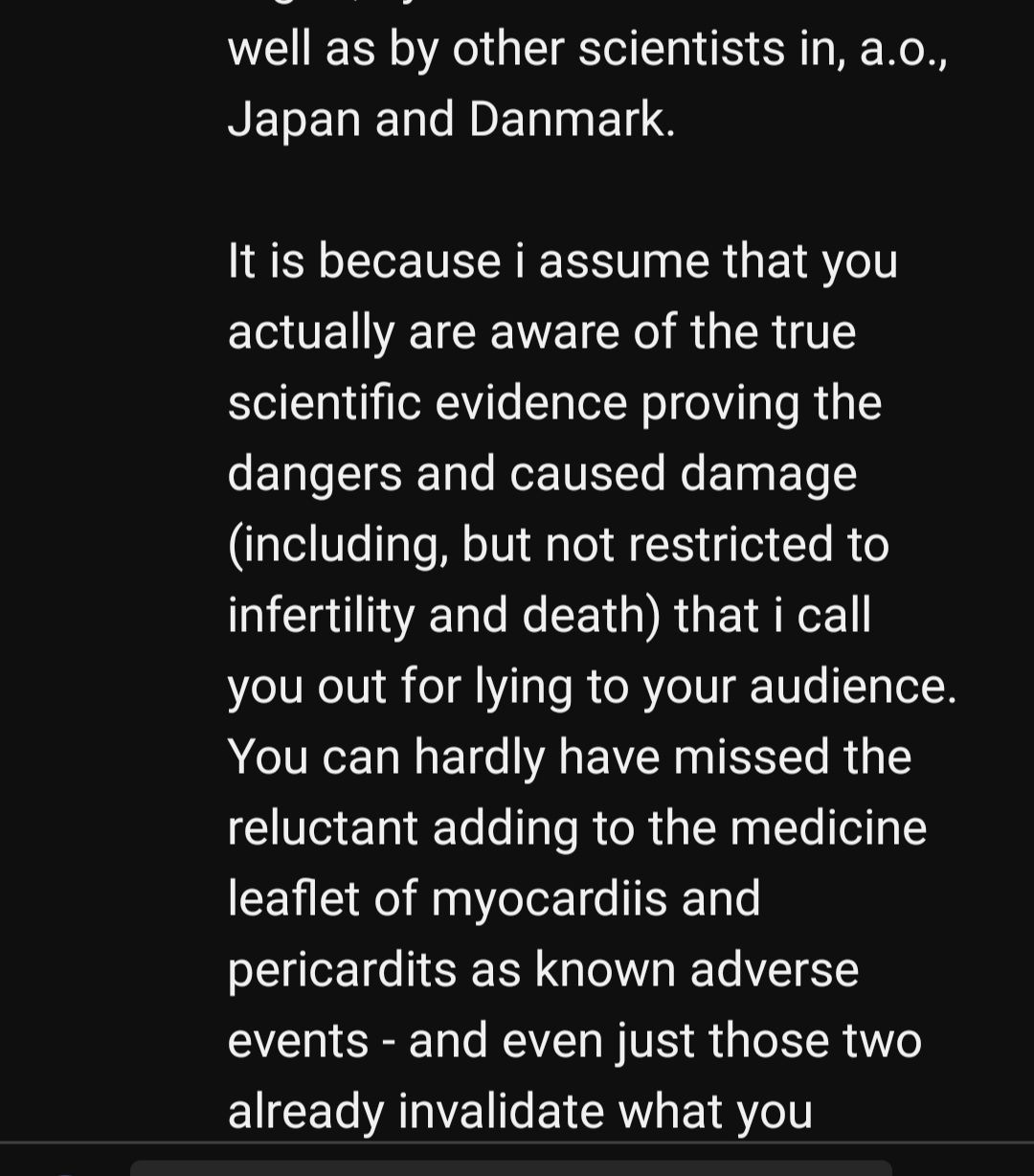
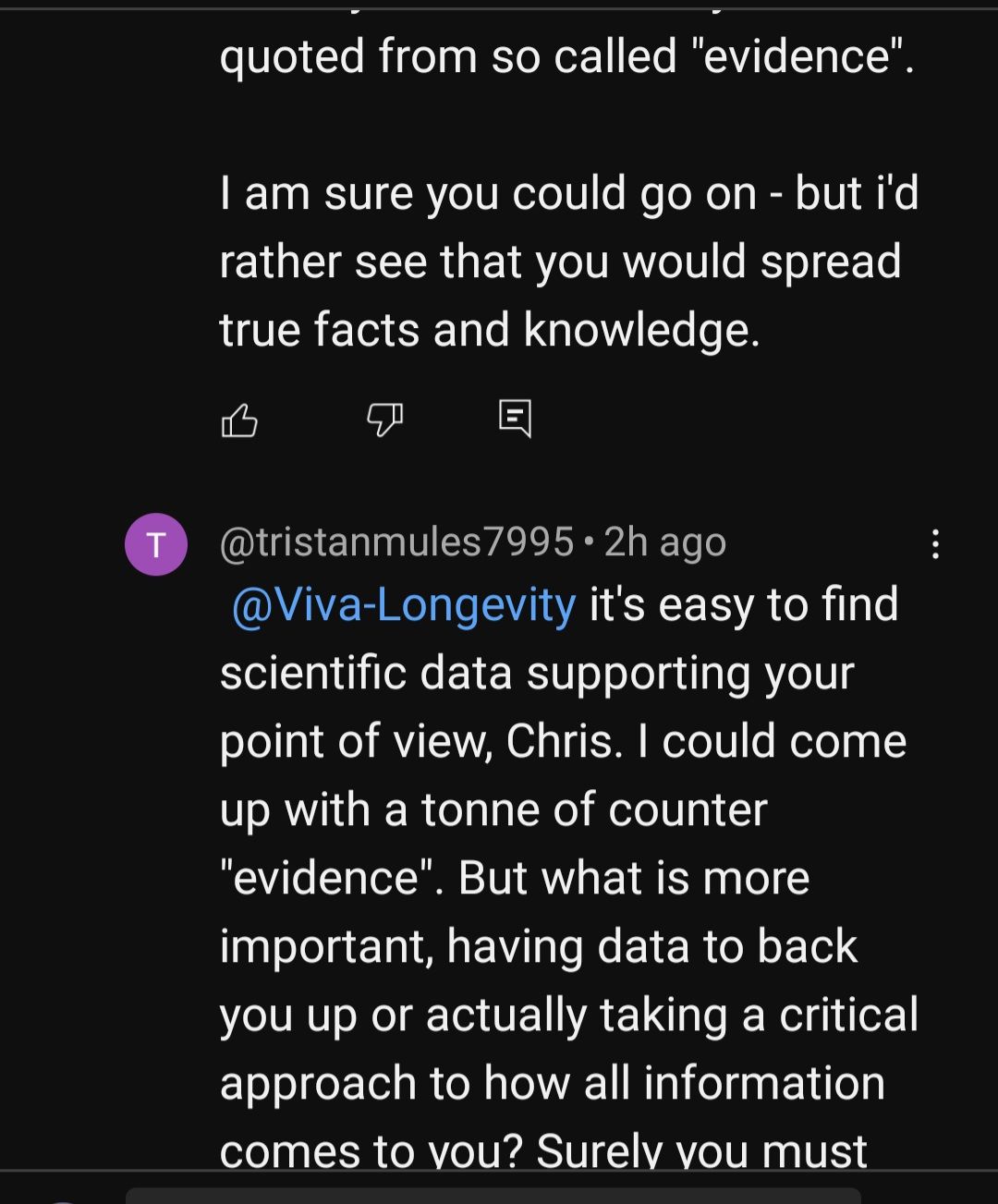
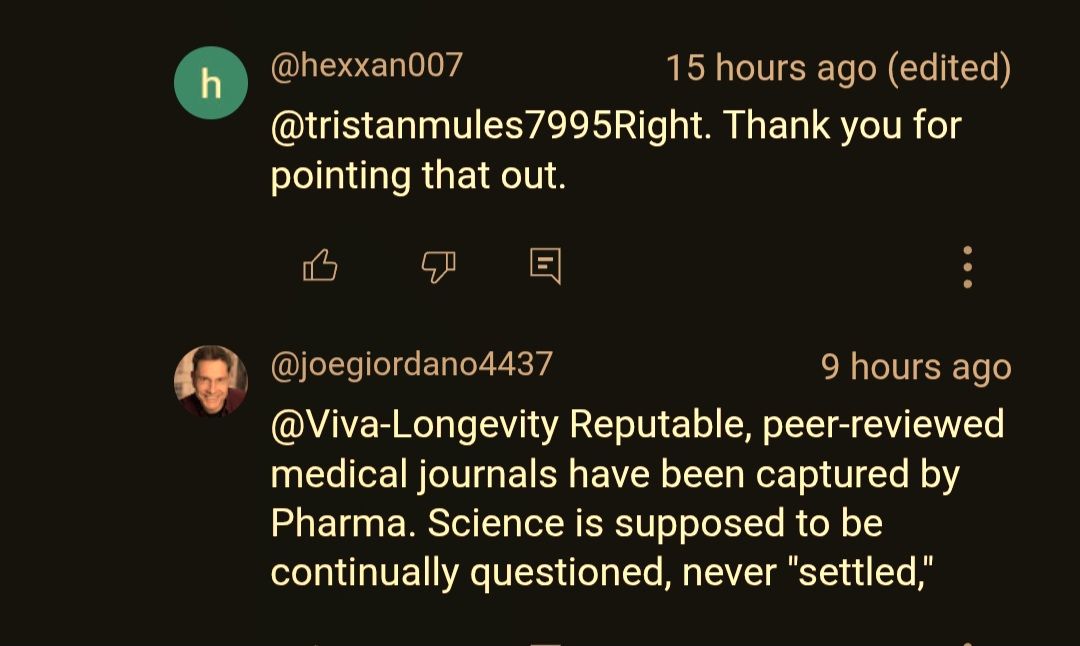
Here are comments between the youtube author & readers:
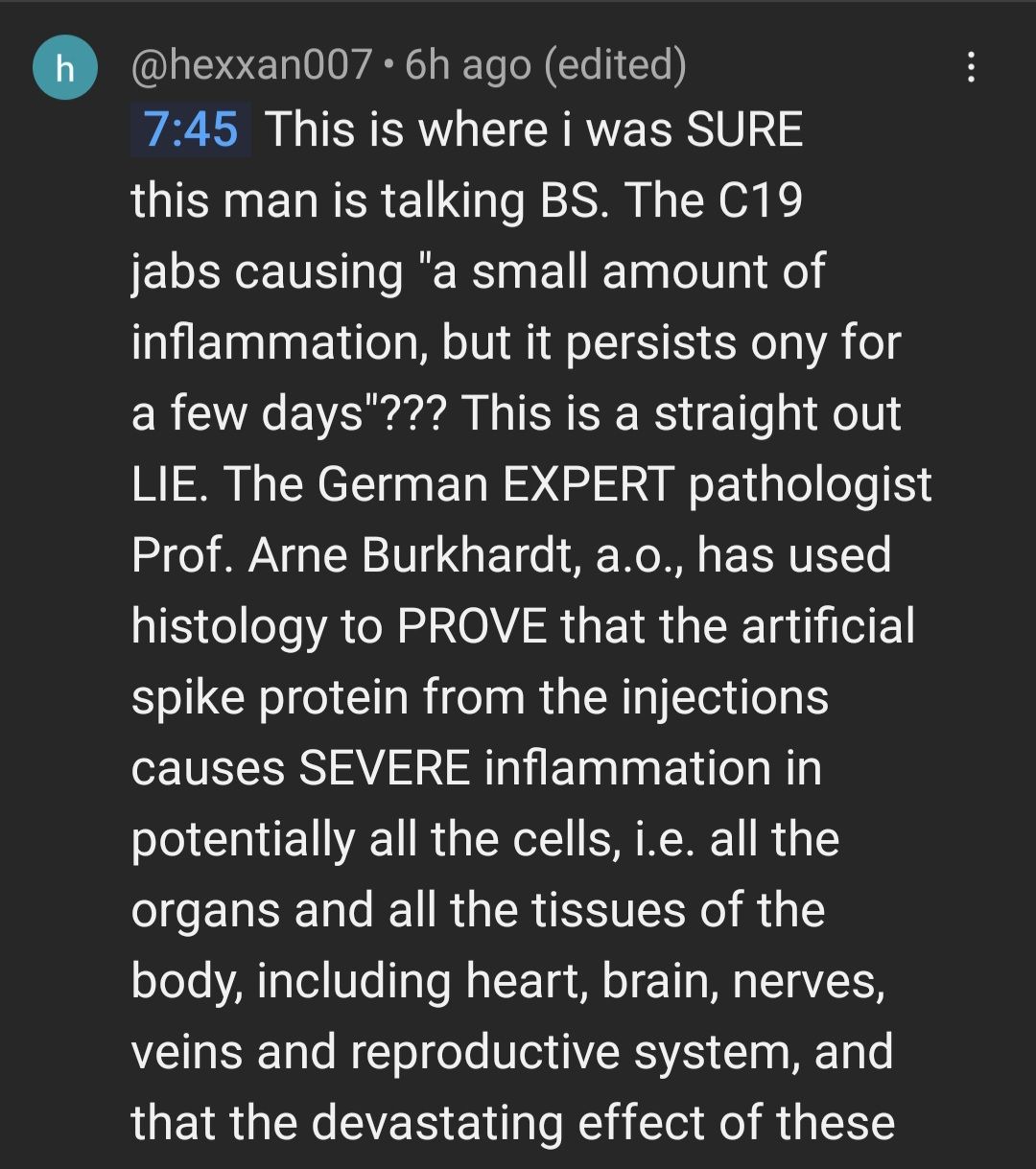
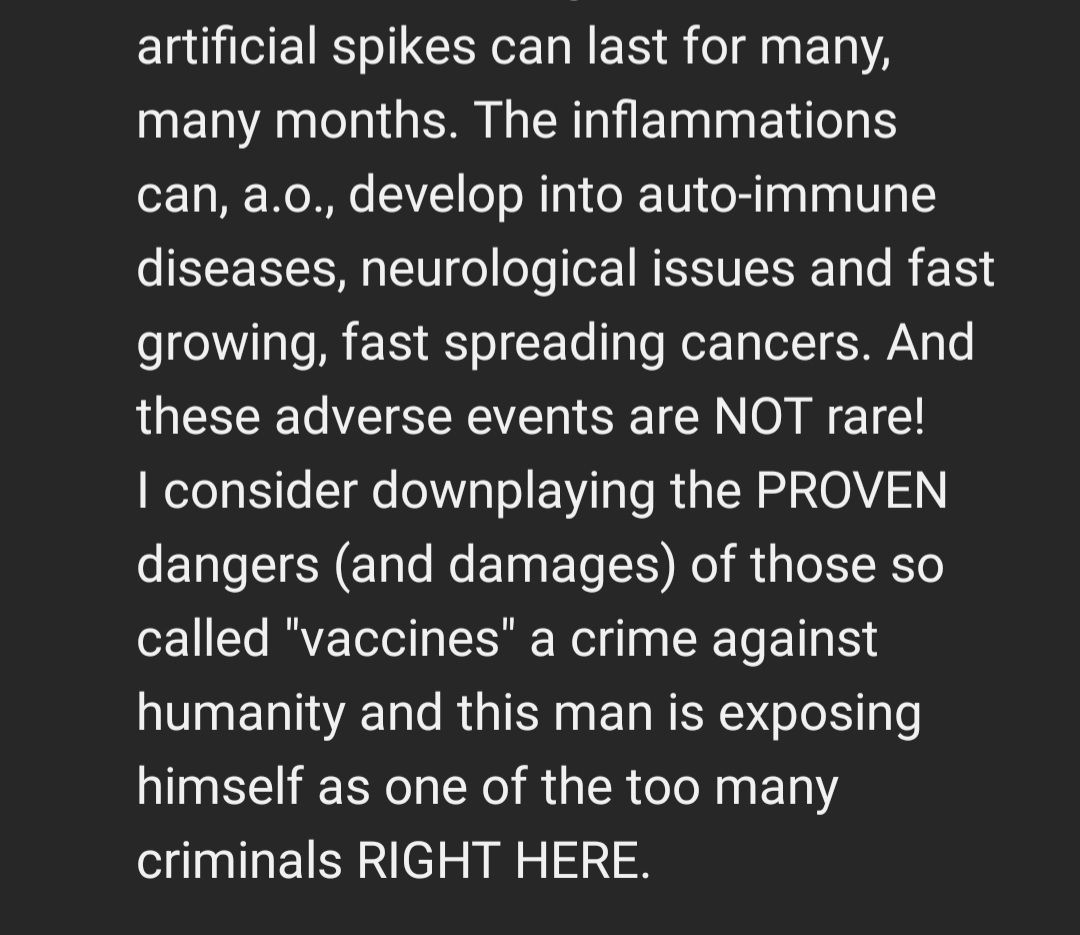
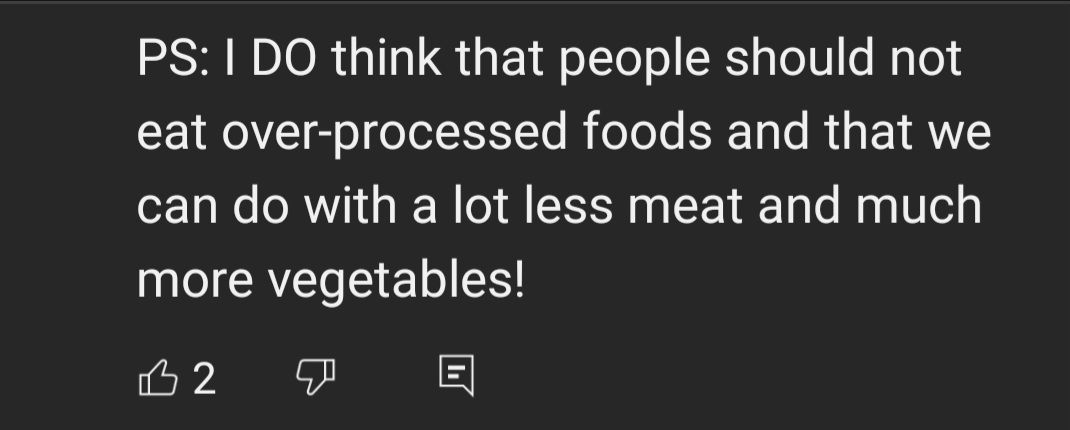

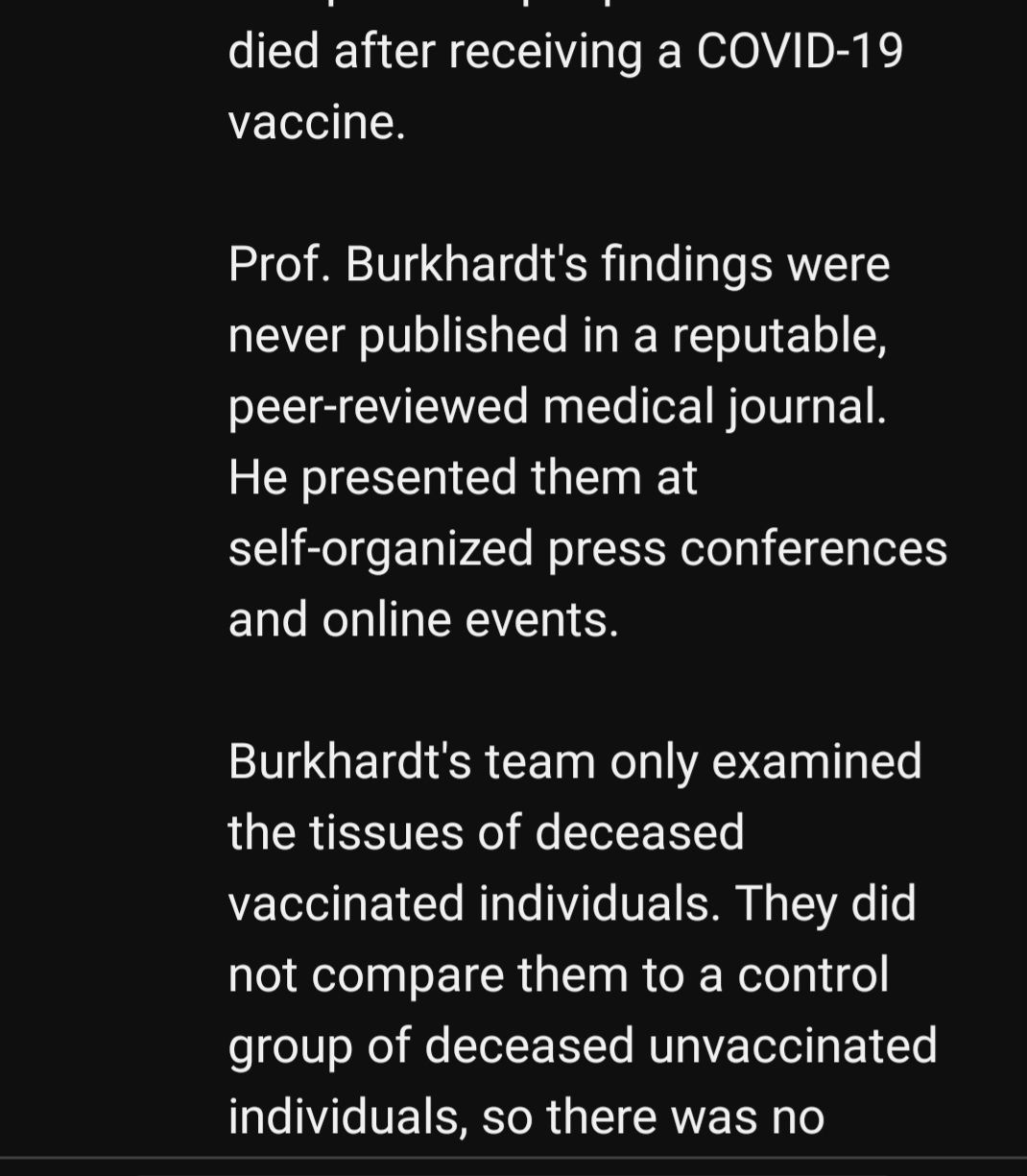

Dr Roger Seheult:
In this episode of In Your Skin, we sit down with Dr Roger Seheult-pulmonologist critical care and sleep physician, and co-founder of MedCram-to unpack the science-backed benefits of sunlight, infrared light, and circadian rhythm on our immunity, mood, skin, and long-term health. He shares an extraordinary hospital case of a teenage patient with a life-threatening fungal lung infection who turned a corner after daily time in the sun, and explains why light is more than “just vitamin D”.
We explore how infrared light powers up your mitochondria, why getting outside (even in the shade, clothed, and sunscreened) still matters, and how simple habits like morning light exposure, strategic heat and cold, and the eight pillars of health (NEWSTART) can shift everything from sleep quality to metabolic health-and even longevity.
If you’ve ever wondered how to balance Aussie sun safety with getting enough light for your brain, skin, and immune system, this one’s for you.