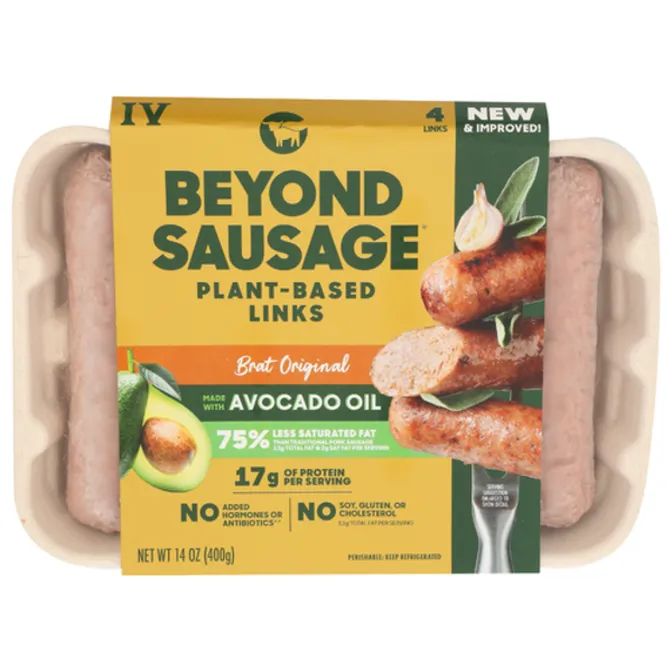
Homemade Plant-based Sausage Dogs

Nina baked the dogs instead of frying. Her recipe is a modification of Rip Esselstyn’s.

2 C water
2 C organic Rolled Oats
1/3 C nutritional yeast
1/4 C ground flax meal
1/2 t onion powder
1/2 garlic powder
1 T paprika
1/4 t Original Blend Salt Free Mrs. Dash
1/2 t Costco Salt Free herb blend
12 brown rice wraps

Bake 375-400 between 20-30 min. (Her kids like the ends crunchy so she baked them for 25 min. If you want them softer, then just bake for 20 min)

Vegan Potato Soup – A Virtual Vegan

Ingredients

▢2 tablespoons vegan butter , or olive oil, or to make oil-free omit and use a few tablespoons of water for sautéing instead
▢2 medium onions , chopped finely
▢2 ribs celery , diced
▢2 large carrots , diced
▢4 cloves garlic , chopped finely
▢2 teaspoons salt , plus more to taste
▢½ teaspoon ground black pepper , plus more to taste
▢4 tablespoons all purpose flour , or gluten-free all purpose flour
▢2 cups (480 mls) non dairy milk , cashew milk or soy milk are my milks of choice for savory recipes but any other unsweetened creamy non-dairy milk will work too
▢2½ – 3 cups (600 – 720 mls) flavourful vegetable broth/stock , divided
▢6 medium (about 1kg/2.2lb) potatoes , cut into ½ inch cubes ( I like to use Yukon Gold or red potatoes)
▢¼ teaspoon ground nutmeg , (optional)
▢1 bay leaf

INSTRUCTIONS


To a large saucepan, add the vegan butter/oil and warm over a medium heat before adding the onions, celery and carrots. Cook, stirring constantly, until the onions are just starting to get a little colour, then add the garlic and cook for another 2 minutes.

Add the salt and pepper, then the flour to the pan and stir it all around for about a minute to cook the raw flour taste out, then slowly add the soy milk, stirring as you go to work out any lumps. Then add the vegetable broth (reserving about ½ a cup / 120 mls) , chopped potatoes, nutmeg and the bay leaf.

Stir really well then let it simmer for about 30 minutes, or until the potatoes are soft and just starting to break down. Add all of, or some of, the reserved ½ a cup / 120 mls of broth if you prefer a thinner consistency. Taste and adjust seasoning if necessary.

Serve as it is, or with toppings. See the post above for ideas.
NOTES
Soup reheats really well. Thin with more broth or water if it becomes a little thick.

https://avirtualvegan.com/vegan-potato-soup/#search

No Oil Healthy Roast Potatoes – A Virtual Vegan

Ingredients
 
▢2 lbs (900 grams) potatoes
▢⅓ cup (80 ml) aquafaba , the liquid from a can of chickpeas
▢3 tablespoons semolina or fine/medium cornmeal , (if you are gluten-free use cornmeal)
▢1 teaspoon fine sea salt
▢1 teaspoon freshly ground black pepper


INSTRUCTIONS


Preheat oven to 450°F (232 °C) and line a baking tray or roasting tin with parchment paper or a silcone baking mat.

Peel the potatoes and cut into chunks. Timings here are based on a medium potato being cut into about 5 pieces. Make sure all pieces are pretty even.

Place the potatoes in a saucepan, cover with water and bring to a boil. Once at a rolling boil cook for about 7 to 8 minutes until you can just manage to stick a fork in them but they are still quite hard. Once at this point, drain then immediately return to the hot saucepan. Allow to steam dry with the lid off for a couple of minutes before proceeding.

Add the aquafaba and semolina to the potatoes, put the lid on the saucepan and shake vigorously a good few times to rough up the potatoes, then dig in with a spoon and stir them around a bit to get the slurry that has settled on the bottom to coat them thoroughly. Don’t worry if they break up a little bit.

Tip the potatoes onto the lined tray, spread them out in a single layer, then season with a generous amount of salt and freshly ground pepper.

Place in the hot oven on one of the upper shelves, and cook for 25 minutes. Remove, flip them all over ( I use a fork and a spoon), then return to the oven and cook until they are a lovely golden brown. It should take around 25 to 30 minutes, but the time will vary a little depending on your oven and the type of pan you are cooking them in. 
NOTES
Store leftover roast potatoes in an airtight container in the fridge. Reheat them on a tray in a hot oven or in an air fryer.

https://avirtualvegan.com/no-oil-crispy-roasted-potatoes/

Clarifying Carbohydrates: Making The Complex Simple

Clarifying Carbohydrates: Making The Complex Simple

Post

by Jeff Nelson

Clarifying Carbs: Making The Complex Simple

I can’t think of anything that creates more confusion and is more misunderstood than carbohydrates.

To help understand carbohydrates and the recommended vs. not recommended types/forms, I will break them up into 6 groups, 3 of which will be important to you.

1) Unrefined, Unprocessed Carbohydrates

These are foods that we can consume in their most natural form, or “as grown in nature.” Examples of these foods include intact whole grains that we consume in their intact form (such as brown rice, oats, quinoa, millet, buckwheat, wheat berries), starchy vegetables (such as sweet potatoes, yams, corn, peas, potatoes, winter squash) and legumes (such as beans, dried peas and lentils). These foods are not only low in calories, but also low in calorie density and high in fiber and nutrients, so they fill you up with fewer calories. Enjoy these foods as a regular part of your diet.

(The calorie density of these foods is around 300 to 700 calories per pound. A serving size of these foods is 1/2 cup cooked.)

2) Unrefined, Processed Carbohydrates Low in Calorie Density

These are foods that are made from whole grains but the whole grain was ground into whole grain flour first and then made into the final food. Examples of these foods include whole grain pasta, including pastas made from whole wheat, brown rice, corn or buckwheat. The reason these foods are low in calorie density is that, during the cooking process, they absorb a large amount of water back into their structures, which lowers calorie density. These foods are also very high in fiber and a rich source of nutrients, so they will fill you up for fewer calories. Enjoy these foods as a regular part of your diet.

While these foods are low in calorie density, the mechanical process of grinding the whole grain into a whole grain flour before making them into the whole grain pasta does raise a concern. The mechanical grinding of food results in a less effective fiber (see my post on Fruit, Fiber, Form and Satiety) and increases the surface area of the food so it is more readily absorbed. So, even though these foods are made from whole grains, this increase in the surface area and the rate of absorption may pose a temporary and minor problem for those who are highly insulin resistant while they are getting well. The disruption of the fiber can also make these foods less satiating which can pose a problem for those trying to manage their weight. Therefore, it may be prudent to eliminate these and if so, their best choices would be intact unrefined, unprocessed carbs.

(The calorie density of these foods is around 500-600 calories per pound. A serving size of these foods is 1/2 cup cooked.)

3) Unrefined, Processed Carbohydrates High in Calorie Density

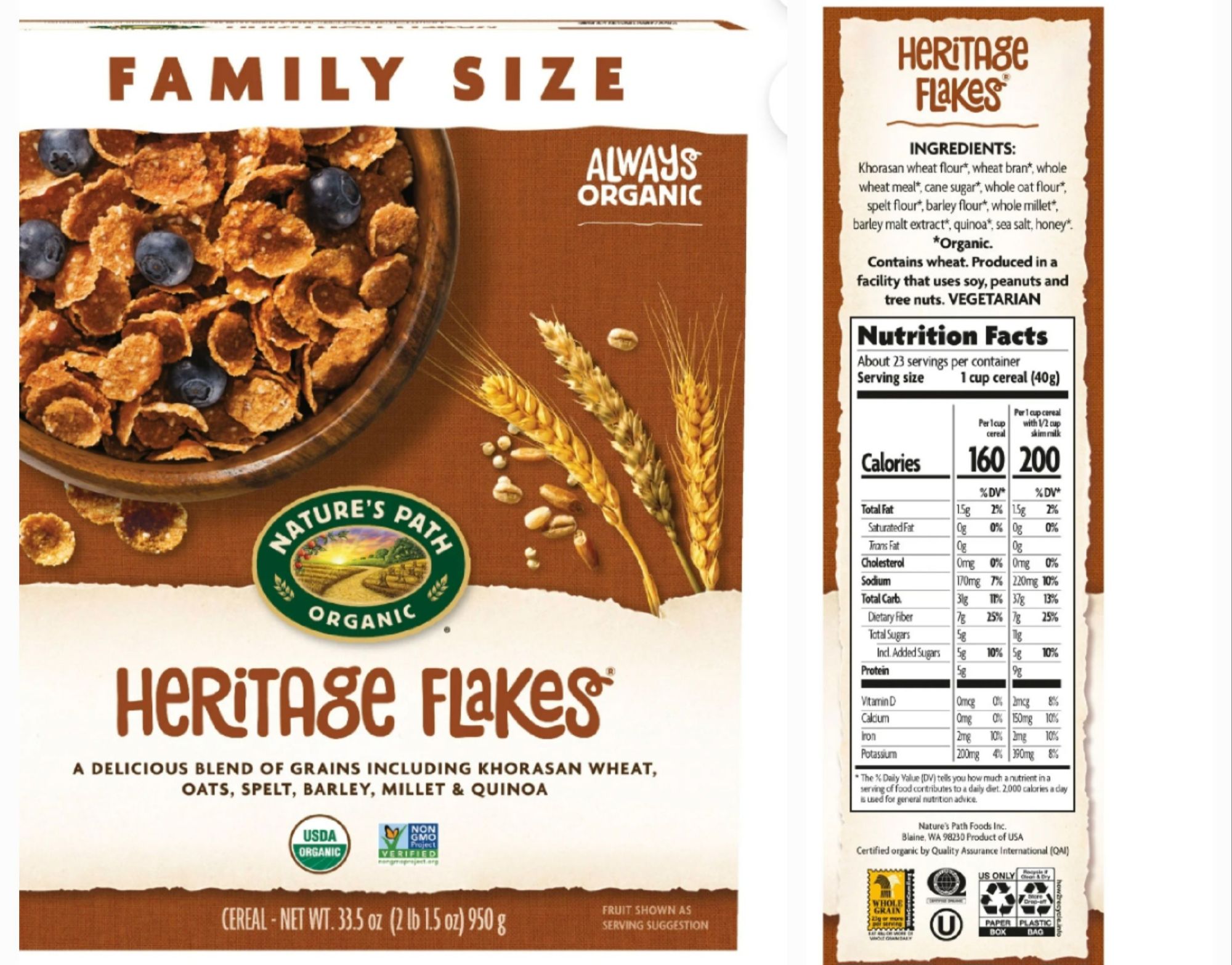
These are foods that are made from 100% whole grains but the whole grain was ground into whole grain flour first and then made into the final food. These foods are consumed in a dry state. Examples of these foods include whole grain bread, whole grain bagels, whole grain crackers and whole grain dry cereal. While these foods are high in fiber and nutrients, they can be easy to overeat on because they are higher in calorie density. Therefore, for those who are concerned about their weight, these foods should be either limited or eliminated from their regular diet.

In this case, the mechanical process of grinding the whole grain into a whole grain flour before making them into a whole grain food raises two concerns. First, since these foods do not absorb any water back into their structure before they are consumed, they are much higher in calorie density. Second, the mechanical grinding of food results in a less effective fiber (see my post on Fruit, Fiber, Form and Satiety) and increases the surface area of the food so it is more readily absorbed. So, even though these foods are made from whole grains, this increase in the calorie density, the surface area and the rate of absorption may pose a problem for those who are overweight and/or diabetic and/or highly insulin resistant while they are getting well. The disruption of the fiber can also make these foods less satiating which can pose a problem for those trying to manage their weight. Therefore, it may be wise to eliminate these and if so, their best choices would be intact unrefined, unprocessed carbs.

(The calorie density of these foods is about 1200 to 1800 calories per pound. A serving size of these foods is 1 oz, which is 1 slice of whole grain bread, 1 cup of whole grain dry cereal, or 1/2 a small whole grain bagel.)

The above three choices are the healthiest forms of carbohydrates.

4) Refined Carbohydrates

These are foods that have been refined, which means most, if not all of the bran and/or the germ have been removed. One example is white rice. While these foods are low in calories and low in calorie density, they have had most (if not all) of their fiber removed; in addition, they lose many valuable nutrients in the refining process. Always choose the whole grain variety of these foods (i.e., brown rice).

(The calorie density of these foods is around 500-600 calories per pound. A serving size of these foods is 1/2 cup cooked.)

5) Refined, Processed Carbohydrates Low in Calorie Density

These are foods that are made from refined grains but the refined grain was ground into flour first and then made into the final food. One example is pasta that has been made from white flour. The reason these foods are low in calorie density is that, during the cooking process, they absorb a large amount of water back into their structures, which lowers calorie density. While these foods are low in calories and low in calorie density, they have had most (if not all) of their fiber removed. In addition, they lose many valuable nutrients in the refining process. Always choose the whole grain variety of these foods (i.e., whole grain pasta).

(The calorie density of these foods is around 500-600 calories per pound. A serving size of these foods is 1/2 cup cooked.)

6) Refined, Processed Carbohydrates High in Calorie Density

There are foods that are made from refined grains but the refined grain has been ground into flour first and then made into the final food. These foods are consumed in a dry state. Examples of these foods include breads, bagels, crackers and dry cereals that have been made from white flour. These foods have had most (if not all) of their fiber removed and they lose many valuable nutrients in the refining process. In addition, these foods can be easy to overeat on because they are higher in calorie density. Therefore, for those who are concerned about their weight, these foods should be either limited or eliminated from their regular diet. Always choose the whole grain variety of these foods (i.e., whole grain breads, bagels, crackers and dry cereals).

(The calorie density of these foods is about 1200 to 1800 calories per pound. A serving size of these foods is 1 oz, which is 1 slice of bread, 1 cup of dry cereal, or 1/2 a small bagel.)

NOTE: Refined carbohydrates and refined processed carbohydrates, regardless of their calorie densities, are not recommended and should be minimized, if included at all.

National recommendations are for us to consume at least 3 servings of whole grains per day. This is a minimum recommendation; in addition, it does not make the distinction between unrefined intact whole grains, unrefined, processed whole grains low in calorie density, and unrefined, processed whole grains high in calorie density, which is important to know, especially for those who are trying to manage their weight, insulin resistance and/or diabetes. I would encourage the consumption of at least 3 or more servings of whole grains per day. Not only will they help fill us up for fewer calories, they will help provide many of the important nutrients and phytochemicals we need.

In Health,
Jeff

Vegan Sweet Potato Brownies | Kathy’s Vegan Kitchen

Ingredients
 
▢1 cup cooked sweet potato skin removed
▢4 dates pitted
▢2 Tablespoons maple syrup
▢½ cup nut butter
Dry Ingredients
▢½ cup unsweetened cocoa powder
▢¼ cup oat flour or flour of choice
▢1 ½ teaspoons baking soda

Instructions

* Preheat the oven to 350 degrees.

* Peel and cook a sweet potato (need 1 cup of it) 

* In processor or blender combine
potato, pitted dates, maple syrup, nut butter until smooth

* In a separate bowl, combine the oat flour, unsweetened cocoa powder & baking soda

* Pour the blender contents into the dry ingredients, batter will be thick

* Prepare an 8 X 8 pan with parchment paper. Brush a little water into the base of the pan to make the parchment paper fit perfectly

* Using a spatula, spread the brownie batter into the bottom of the pan, pushing it into the corners

* Sprinkle with sea salt if desired

* Bake for 30 minutes.

Broccoli Chocolate Cake

Ingredients
1 head of broccoli
1/2 cup soy milk
1 cup oat flour
2 tbsp flaxmeal
4 tbsp maple syrup
2 tbsp cacao powder
1 tsp vanilla extract
1 tsp baking powder
Pinch of salt

Frosting:
2 ripe bananas
2 tbsp cacao powder
1/4 cup peanut butter powder

1. Steam broccoli until tender and blend with soy milk. Add the remaining ingredients and mix well. Bake in the oven at 180 Celsius (350 F) for 30-35mins.
2. Mix together frosting and add to the cooled cake! Top with raspberries and enjoy ✨

Vegan Corn Bread

Use 8×8 inch baking pan

Ingredients

1 ⅓ cups medium grind cornmeal

⅔ cup flour of choice such as GF 1:1 blend, white whole wheat, all-purpose, or oat flour

2 tablespoons nutritional yeast, optional

2 teaspoons baking powder

½ teaspoon baking soda

1 ¼ teaspoons fine sea salt

1 ¼ cups plain, unsweetened non-dairy milk

1 tablespoon apple cider vinegar

3 tablespoons maple syrup

¼ cup plant milk BLENDED TOGETHER with half a medium avocado (in blender)

(Recipe called for 1/3 cup apple sauce, but I had none, so substituted this avo-milk. Worked well!)

Instructions

Preheat oven to 400 degrees F (204 C), and line an 8×8 inch baking pan with parchment (or use a silicone pan).

In a mixing bowl, whisk together the cornmeal, flour, nutritional yeast, baking powder, baking soda, and salt. In a small bowl whisk together the milk, vinegar, maple syrup, and avocado-blend.

Pour wet ingredients into dry, and stir to combine. Pour into prepared pan, and bake for 27 to 29 minutes, or until a toothpick inserted in the center comes out clean.

Allow cornbread to cool in the pan for about 10 minutes, then transfer to a cooling rack for another 15 to 20 minutes before slicing into 16 squares.

https://myquietkitchen.com/vegan-oil-free-cornbread/