Category: Motivational
Day 4 Alzheimer’s Month: Train Your Sense of Smell
Day 3 Alzheimer’s Month: Sleep and Brain Health |
Day 2 Alzheimer’s Month : 10-Minute Post Meal Walks
Day 1 Alzheimer’s Month: INTRO
This month we will cover:
- exercise
- nutrition
- sleep
- olfactory enrichment
- sauna therapy
- bilateral coordination
- hearing health
- supplements
- and more..
Sprouts for Better Health: Nutrient-Rich Foods You Can Grow
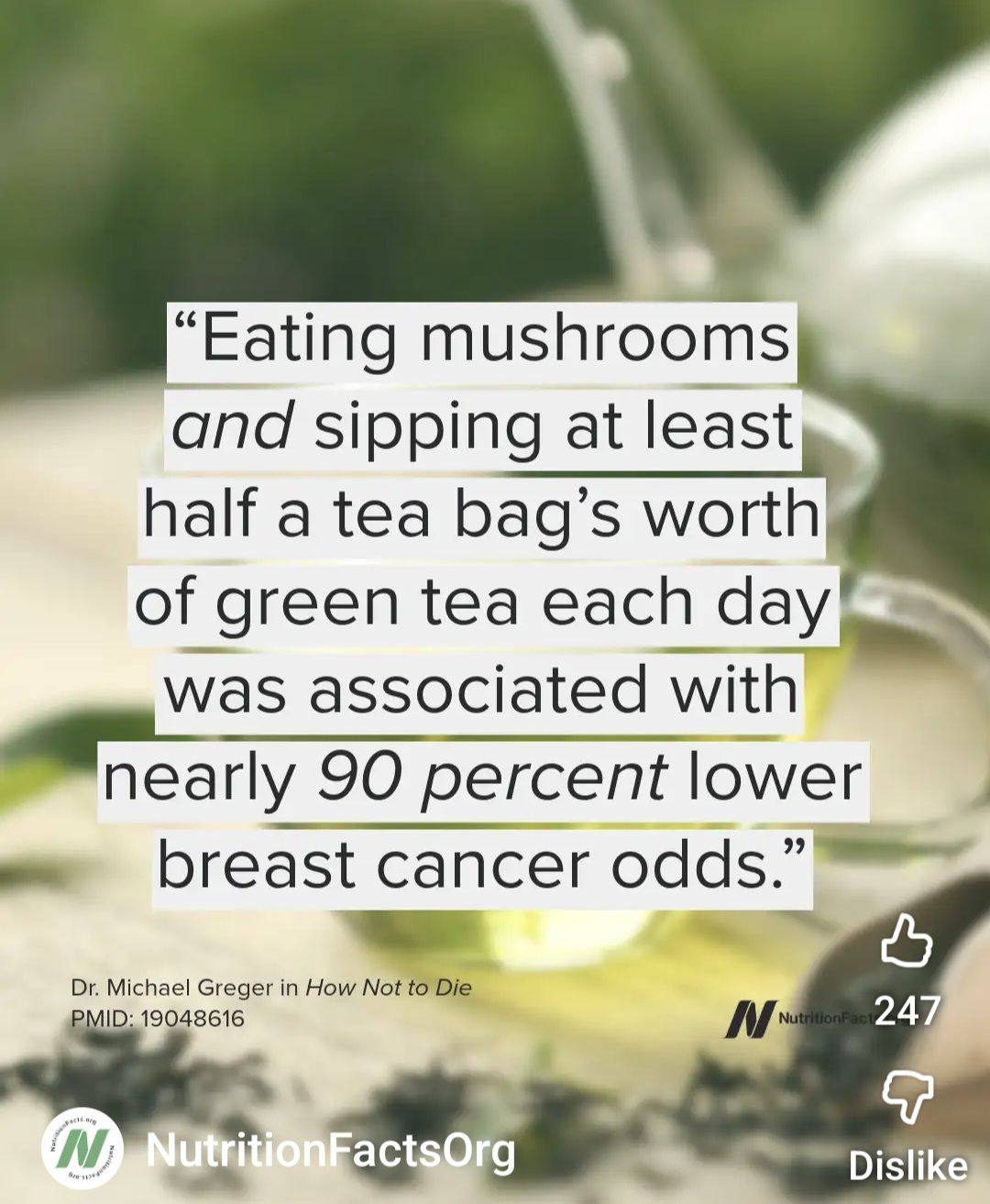
Mushrooms & Green Tea
Natural Sunscreen: What You Need to Know About SPF and Zinc
Sunshine is health promoting, but too much is no bueno.
There’s no doubt that UV exposure increases the risk for skin cancer and accelerates the appearance of aging. A healthy skin care regimen should include protection. We believe we’ve found the best of all worlds with this all-natural formula:
* Zinc oxide is still considered the safest option for sunscreens. It’s the only sunscreen recommended by the FDA for babies. It offers superior broad-spectrum protection against both UVA and UVB rays and helps decrease the risk of skin cancer and early skin aging caused by the sun.
* Antioxidants neutralize environmental stressors. Part of the reason UV rays damage skin is that they create damaging stressors. Using ingredients like vitamin E and buriti fruit oil that are chock-full of antioxidants protects skin against environmental stressors. And, to boot, they will give the look of clarified, brighter skin.
* Natural protection: When you apply sunscreen, you have a golden opportunity to add some nourishment as well as protection to your skin. Sunflower oil is a good source of beta-carotene and helps reduce the appearance of fine lines and wrinkles. Lavender has been shown in studies to help calm and soothe skin, reducing the appearance of redness.
* Natural soothers help calm skin when it’s overexposed, allowing it to stay comfortable. This includes ingredients that have a natural ability to soothe, like pumpkin seed and hemp seed oil, nourishing and visibly enhancing your skin’s glow. Hemp oil may help reduce pain, swelling, and redness while helping to restore moisture to the sunburn area. And pumpkin seed oil can be used topically to heal and soothe dry skin — without causing irritation — and promote quick healing.
* Natural moisturizers keep skin hydrated and healthy. The stronger and more cohesive your skin is, the better it’s able to resist UV damage. Hydration is a key part of this process, as dry skin is likely to crack and flake, making skin more vulnerable to UV damage and premature aging.
READ DETAILS HERE:
Plant-Based or Bust? – Finding Common Ground in Nutrition Science
What happens when a research study goes viral and lands on Netflix? Stanford’s “Twins Study” comparing healthy vegan and omnivorous diets did just that and ignited debates across kitchens, classrooms, and social media feeds.
Join Dr. Christopher Gardner for a look at how nutrition research gets translated (and sometimes twisted) in the public eye and how we can build more consensus around plant-based diets without losing our sense of humor and appetite.
For more than 30 years, Christopher Gardner, PhD, Rehnborg Farquhar Professor of Medicine at Stanford and nutrition scientist, has been a key faculty member at the Stanford Prevention Research Center where he leads the Stanford Nutrition Studies Research Group. With a PhD in Nutrition Science from UC Berkeley, he has led over 20 human nutrition intervention studies, including trials of Mediterranean, Ketogenic, Vegan, Low-Fat and Low-Carb diets and their effects on cardiometabolic out comes such as blood lipids, glucose, and inflammation.